




Attenuator network electrical power systems function
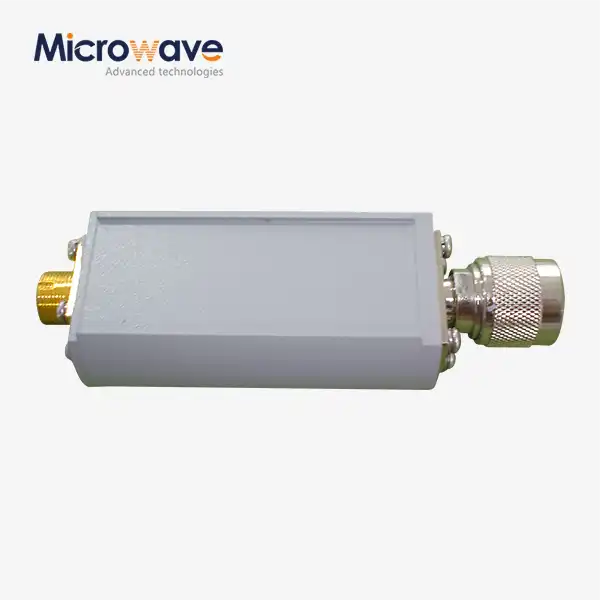
Attenuator networks are indispensable components in electrical power systems, designed to control and reduce signal amplitude while preserving waveform integrity. In RF and microwave applications, a microwave fixed attenuator serves as a stable, passive device that mitigates signal overpowering, manages impedance matching, and minimizes reflections. These devices absorb excess power and dissipate it as heat, protecting sensitive downstream equipment such as amplifiers, receivers, and measurement instruments from damage caused by excessive signal strength. By maintaining consistent attenuation values across defined frequency ranges, they ensure signal clarity and system reliability in mission-critical environments like satellite communications, radar systems, and aerospace applications.
Understanding the Function of Attenuator Networks in Electrical Power Systems
In complex electrical designs, attenuator networks work as signal filtering parts. The main job of these devices is to lower signal power levels on purpose and in a controlled way. This keeps parts from overheating and makes systems last longer. Signals lose performance when they go through long cable runs or impedance mismatches because of unwanted reflections and standing waves. Attenuators smooth out these differences, making the signal line more stable.
Electromagnetic interference (EMI) and noise can make data less reliable in places where RF signals are sent. Attenuator networks help control noise levels by reducing signals in a way that can be predicted. This lets engineers accurately adjust measuring tools. Signal-to-noise ratios have a direct effect on data flow and accuracy, so this feature is necessary when checking radar parts or making sure that satellite ground stations work properly.
It is also very important that resistor networks are stable at high temperatures. When the temperature changes, good designs keep the attenuation values the same. This makes sure that they work reliably in harsh aircraft and defense settings. When buying these parts, procurement teams should give more weight to sellers who have recorded thermal performance data and ISO 9001 certification, which makes sure that the parts are made consistently and can be tracked.
Key Benefits in System Stability
Attenuator networks stop signals from being too strong by taking in extra power before it gets to receivers or amplifiers that are sensitive to it. In phased array radar systems, where multiple signal paths meet, this protective function is very useful. Signal strength changes can lead to phase errors and bad beam steering if you don't have precise control over the attenuation. Fixed attenuators give the steadiness needed to keep phase coherence across array elements, which makes it possible to track and identify targets accurately.
By letting engineers standardize signal levels across a network, these parts also make system design easier. When all elements work within certain power levels, it's easier to figure out what's wrong, and the parts can work together better. This standardization makes buying easier because buyers can find suitable parts from more than one seller without having to go through a lot of extra work to re-qualify them.
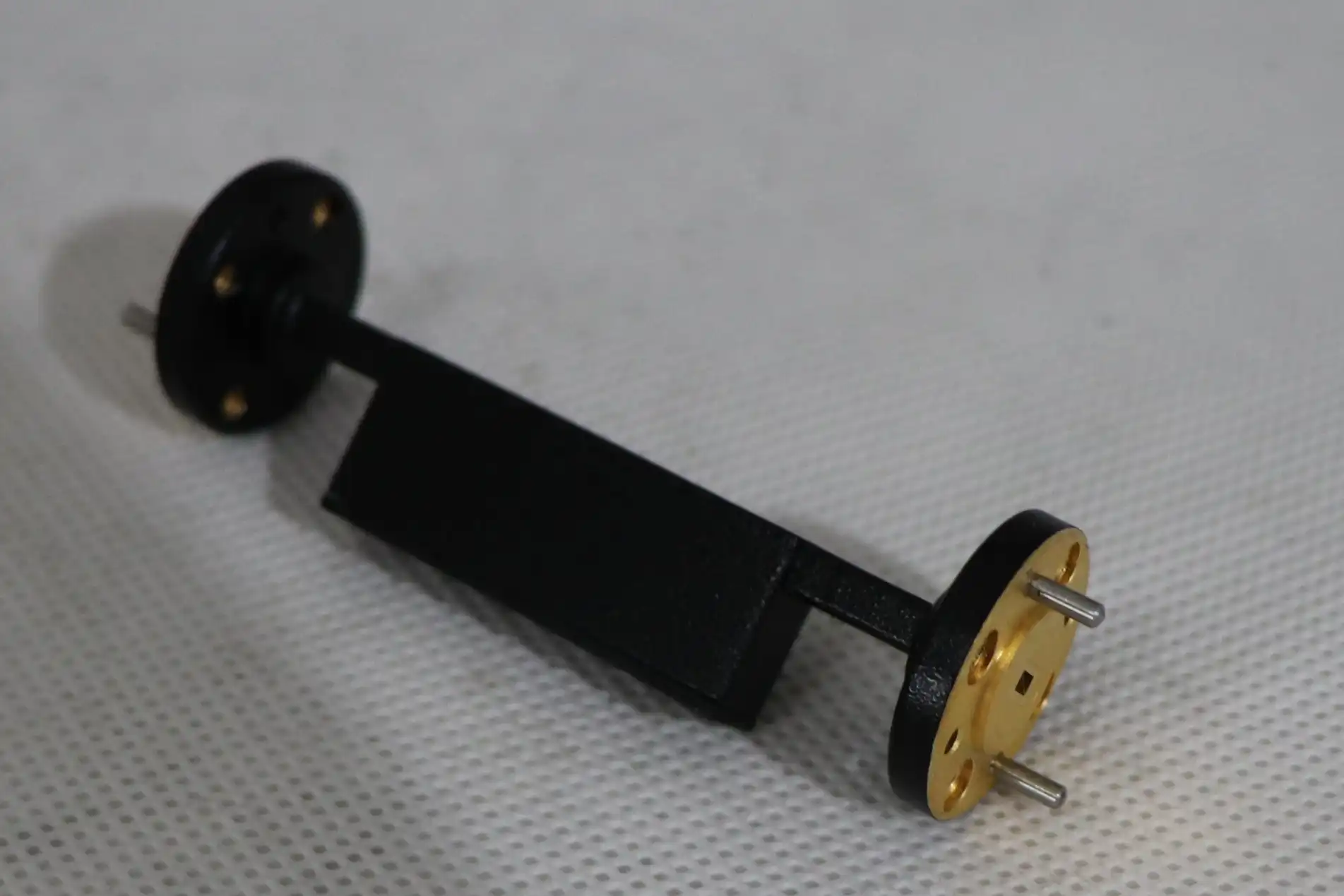
Protecting Sensitive Components
In ground stations for satellite transmission, high-power amplifiers send signals that might be too strong for the receiver to handle if they are sent directly during repair or testing. When attenuators are added to the signal chain, they keep measurement and monitoring systems from breaking. This security makes technology last longer and lowers its total cost of ownership, which is an important thing for procurement managers to think about when they have to balance budget needs with reliability needs.
For defense purposes, ruggedized gear that can handle pressure, shaking, and high or low temperatures is often used. When made to MIL-STD standards, these conditions don't affect the electrical performance of fixed attenuators. When looking for supplies for military contracts, buyers must make sure that sellers provide the right paperwork and keep supply lines that can be tracked. This is to make sure that parts meet strict defense procurement standards.
Deep Dive into Microwave Fixed Attenuators: Working Principles and Technical Specifications
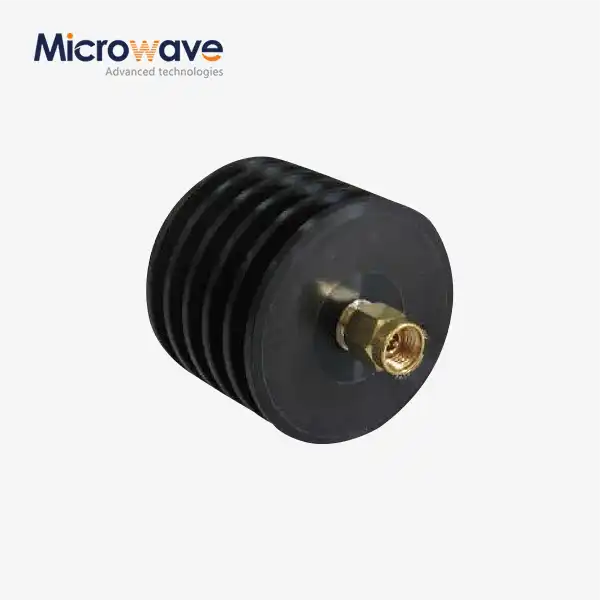
In order to receive radio frequency energy and turn it into heat, microwave fixed attenuators use resistive or reactive networks. When making this design, precision resistor elements are often set up in T-pad, Pi-pad, or bridge layouts. Specific attenuation values, usually between 3 dB and 40 dB, are provided by these configurations. The characteristic impedance (usually 50 ohms) is kept across the signal path.
Core Technical Parameters
Understanding key specifications of a Microwave Fixed Attenuator helps people make smart decisions about what to buy. Frequency range determines operational bandwidth. Coverage may be needed from L-band (1-2 GHz) to Ka-band (26.5-40 GHz) for aerospace applications, while satellite systems are asking for millimeter-wave capabilities up to 110 GHz more and more. Maximum safe working power is shown by power handling capacity, which is usually given in terms of average power (watts CW) and peak power (kilowatts burst). When these limits are crossed, thermal damage and performance loss happen.
Insertion loss is the extra signal loss that happens on top of the normal attenuation value. It is caused by broken connectors and flaws in the resistor network. Insertion loss for high-quality Microwave Fixed Attenuators is less than 0.2 dB across the entire operating range. The Voltage Standing Wave Ratio (VSWR) measures how well two impedance matches are doing. Values below 1.3:1 mean that the matching is very good, with few reflections that mess up the signal.
The temperature coefficient, which is usually given in decibels per degree Celsius, shows how absorption changes as temperature changes. For precise tasks like calibrating test equipment, temperature factors must be less than 0.0003 dB/°C so that measurements stay accurate no matter the surroundings. When buying something, procurement engineers should ask for thermal performance data that covers the expected operating temperature range. This is especially important for uses in the outdoors or in space.
Material and Manufacturing Considerations
Substrate materials have a big effect on how well high-frequency devices work. Alumina ceramic surfaces are better at conducting heat and keeping their shape than organic materials, which is why they are chosen for high-power uses. When thin-film resistive elements are formed on ceramic surfaces, they can achieve attenuation accuracy within ±0.5 dB, which is better than thick-film options.
Connector quality has a direct effect on how reliable a system is. Precision connectors made of stainless steel and gold plating don't rust and keep low insertion loss even after many mating cycles. When buyers are choosing parts for sealed environments, they should check the grades for hermetic seal integrity and moisture resistance. This is especially important for satellite and marine uses where protecting the environment is very important.
Comparative Analysis: Microwave Fixed Attenuators vs. Other Attenuator Types
When making choices about what to buy, it helps to know the pros and cons of each damper technology. Microwave fixed attenuators are the most stable and simple to use, but they can't be adjusted. Variable attenuators let you tune them by adjusting their mechanical parts or controlling the voltage, but they also bring changes in insertion loss and the possibility of stability issues due to moving parts or semiconductor junctions.
PIN diode attenuators let you control electronics with fast switching times, which makes them perfect for circuits that automatically control gain. However, they have higher noise levels than passive fixed attenuators and need bias circuits, which makes the system more complicated and uses more power. Digital step attenuators use electronic control and discrete attenuation steps to give you accuracy without constant change. Because they are more expensive and have more insertion loss, they work better in test tools than in systems that are used in the field.
Knowing these differences helps buying professionals match the features of a component to the needs of an application. Fixed attenuators work great in situations that need long-term stability, low maintenance, and resistance to harsh environments. These are all qualities that are needed in defense, aerospace, and satellite communication systems. When looking at different providers, buyers should check to see if they have complete product lines that include different types of attenuators. This lets buyers get everything they need from a single source and makes the approval process easier.
Practical Applications and Advantages of Microwave Fixed Attenuators in B2B Procurement
Microwave fixed attenuators play a variety of roles in industrial RF and communication systems. When figuring out what high-power transmitters are like, they protect spectrum analyzers and power meters in radar test facilities. Precision attenuators are used as transfer standards in calibration labs, and measurements can be tracked back to NIST-certified reference devices. Attenuators are used by satellite ground stations to make sure that low-noise boosters and receivers have equal signal levels. This balances link budgets so that the most data can be sent.
Fixed attenuators are better for operations, which directly translates to better buying. Their passive nature means they don't need a power source, which makes the system simpler and more reliable. The lack of active components leads to lower failure rates and longer mean time between failures (MTBF), which is very important for remote sites where it is hard to get to for repair. Because they are reliable in these ways, fixed attenuators are great for long-term use in ground stations, navigation beacons, and weather monitoring systems.
From the point of view of buying, there are a few purchase issues that deserve your attention. When you buy in bulk, you can save a lot of money, especially on normal attenuation values and frequency bands. A lot of suppliers keep common configurations in stock, which makes it easy to get prototypes and small batches quickly. Custom specs, like non-standard attenuation values, wider frequency ranges, or military-grade environmental grades, usually mean longer lead times but give better performance for certain uses.
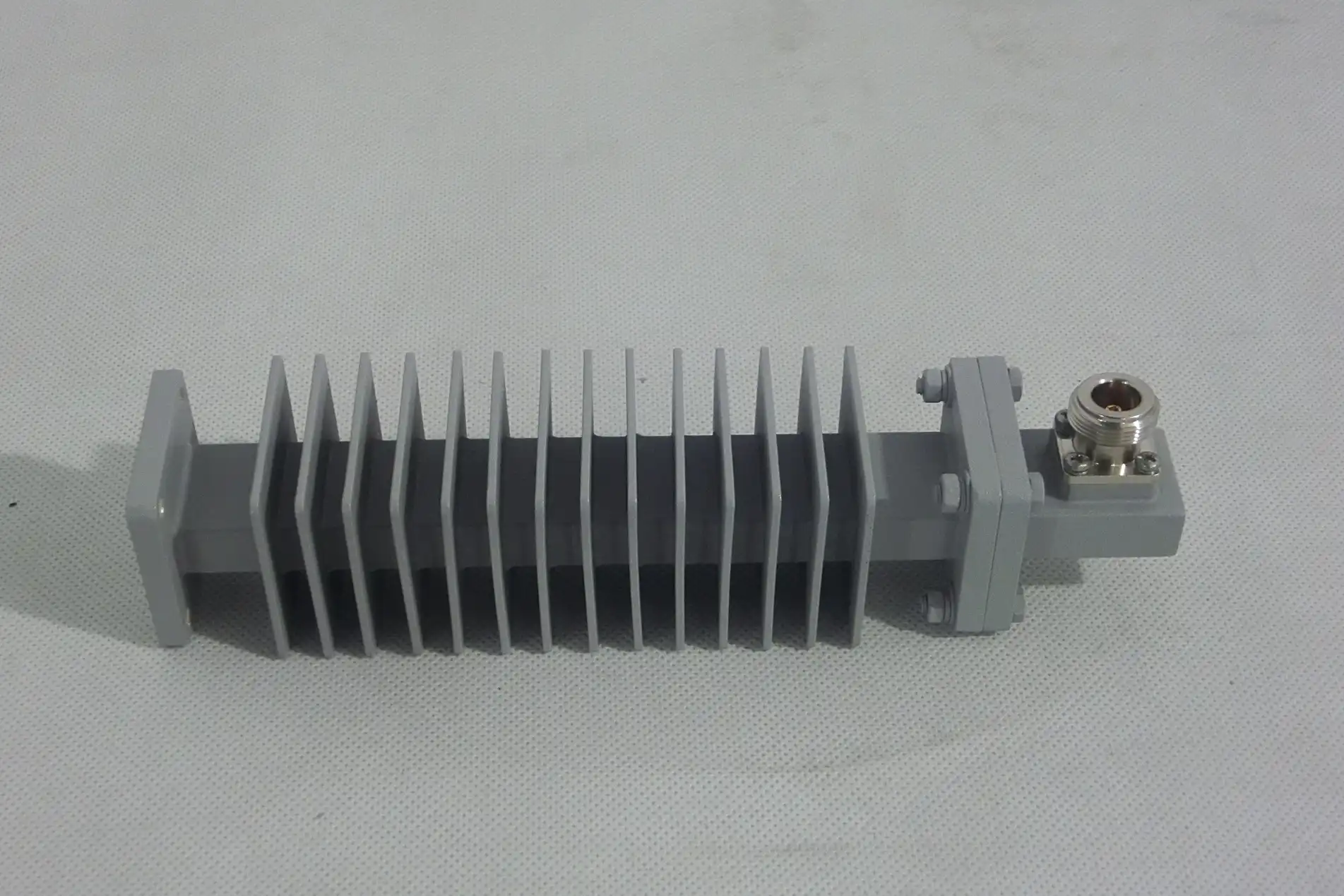
Different suppliers have different minimum order amounts. Well-known manufacturers will often accept sample orders for testing reasons. Before committing to large amounts of production, technical buyers should use sampling programs to make sure that performance claims are true. The quality of documentation varies a lot between suppliers. Buyers should give more weight to vendors who provide detailed datasheets with measured performance curves, material certifications, and statements of compliance for standards like RoHS and REACH.
How to Choose the Best Microwave Fixed Attenuator for Your Electrical Power System?
To choose the right Microwave Fixed Attenuator, you need to carefully compare the needs of the application with the specs of the components. The working frequency range needs to include all the signal frequencies that are in the system, such as harmonics and spurious signals that may go beyond the basic operating bands. When thinking about power levels, it's important to think about both the average and peak power, as well as modulation methods and pulse features in radar and communication settings.
The environment has a big effect on the choice of components. Outdoor installations have to deal with changing temperatures, water getting in, and UV light, so they need weatherproof housings and connectors that seal tightly. Vibration and shock are common in aerospace and mobile platforms, so the mechanical parts need to be strong. MIL-STD qualification testing makes sure this happens. Environmental parameters should be clearly defined in procurement specifications so that suppliers can suggest the right product grades.
Different applications have different needs for attenuation accuracy. Tolerances of ±0.25 dB or less are needed for test equipment calibration, but ±1 dB is fine for system security uses. Tighter tolerances make it more expensive to make, so buyers should only define the level of accuracy that is needed for the purpose. When there are a lot of temperature changes or a lot of power loss, thermal performance is very important. Suppliers should offer temperature coefficient data and help with thermal modeling.
The availability of technical help makes a big difference in a supplier's skills. Reputable makers offer application engineering support to help buyers choose the best components, including microwave fixed attenuator solutions, and integrate them in the best way. This support is especially helpful when making changes to standard products or creating new system architectures. Buyers should look at how responsive a supplier is during the quotation phase because the quality of communication usually shows how much support the buyer will get in the future. Supply chain dependability should be carefully evaluated, and this includes looking at things like how stable the suppliers' finances are, where the products are made, and how they handle their inventory. Deliveries to international project sites can be made on time thanks to global logistics, and quick restocking is made possible by regional distribution networks.
Conclusion
Attenuator networks are very important in electrical power systems because they control signal levels, keep sensitive parts safe, and keep the system stable. Microwave fixed attenuators offer these benefits through tested passive designs that are very reliable, can withstand harsh environments, and keep working well over time. For B2B buying to go well, technical specs must be matched to application needs, and suppliers must be judged on their product quality, documentation standards, and the stability of their supply chains. We, Advanced Microwave Technologies Co., Ltd, have been making products for over 20 years, are ISO 9001 certified, and can test everything up to 110 GHz. This makes us a reliable partner for mission-critical RF component needs.
FAQ
1. What factors cause noise figure degradation in microwave attenuators?
Attenuators add thermal noise to the signal line while lowering the signal amplitude. This is called noise figure decay. Any passive attenuator raises the system noise level by the same amount as its attenuation value. This is a basic rule of physics. The system noise figure goes up by 10 dB when you use an attenuator. This effect is most noticeable when attenuators come before low-noise amps. When the system design allows it, procurement teams should put attenuators after the steps of amplification. This will minimize the effect of noise figures.
2. Can microwave fixed attenuators handle frequencies above 20 GHz reliably?
Modern Microwave Fixed Attenuators usually work at millimeter-wave frequencies above 40 GHz, and some specially made models can even reach 110 GHz. To keep the impedance matching and reduce standing waves, manufacturing must be very precise at these frequencies. Tight dimensional tolerances are needed. Stable attenuation is achieved through the Ka-band and beyond with thin-film resistance elements on low-loss ceramic surfaces. Buyers should check that the test data provided by the supplier is accurate at the highest frequencies needed for their applications.
3. How does insertion loss differ from attenuation in fixed attenuators?
Attenuation is the amount of signal loss that is purposely built into the part, like 10 dB or 20 dB standard numbers. Insertion loss is the extra signal loss that happens because of broken connectors, flaws in the resistor network, and substrate losses. Precision manufacturing helps high-quality attenuators keep insertion loss values below 0.2 dB across certain frequency ranges. It is important to know the difference between nominal attenuation and insertion loss in order to do accurate link budget calculations.
Partner with ADM for Precision Microwave Fixed Attenuator Solutions
Advanced Microwave Technologies Co., Ltd. is ready to help you with your microwave fixed attenuator needs with custom engineering solutions backed by decades of experience in radio frequency (RF) technology. Our ISO 9001-certified production methods guarantee consistent quality, and our 24-meter anechoic chamber lets us test everything up to 110 GHz, proving performance across the full frequency range. We keep a large stock of standard setups for quick development, and we also provide OEM services for attenuation values, power ratings, and connector types that are specifically designed for your system architecture. As a reliable microwave fixed attenuator supplier, we want your project to succeed. Email our technical team at craig@admicrowave.com to talk about your needs, get evaluation samples, or get competitive pricing.
References
1. Pozar, David M. "Microwave Engineering, 4th Edition." Wiley, 2011. Chapter 7: Power Dividers and Directional Couplers.
2. Collin, Robert E. "Foundations for Microwave Engineering, 2nd Edition." IEEE Press, 2001. Section 8.4: Passive Attenuators and Phase Shifters.
3. IEEE Standard 145-2013. "IEEE Standard for Definitions of Terms for Antennas." Institute of Electrical and Electronics Engineers, 2013.
4. Rhea, Randall W. "RF Circuit Design, 2nd Edition." Noble Publishing, 2010. Chapter 12: Attenuator Design Techniques.
5. Harsany, Stephen C. "Principles of Microwave Technology." Prentice Hall, 1997. Chapter 6: Passive Microwave Components and Their Characteristics.
6. MIL-STD-202G. "Test Method Standard: Electronic and Electrical Component Parts." United States Department of Defense, 2002. Method 305: High-Temperature Life Test.