




Working principle of the isolator in microwave
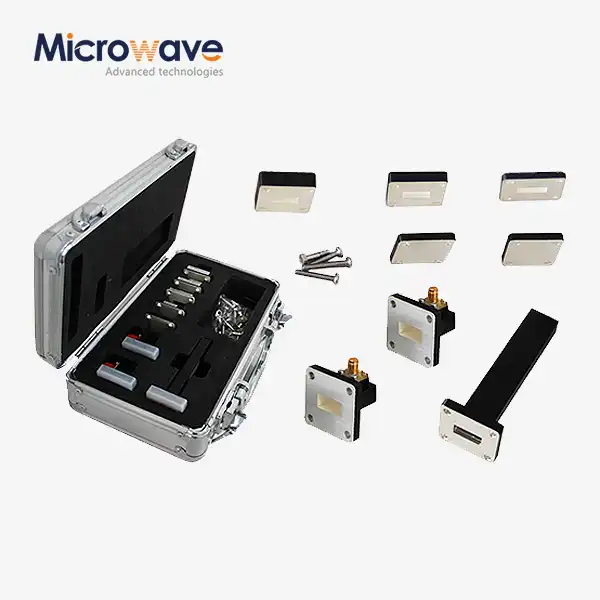
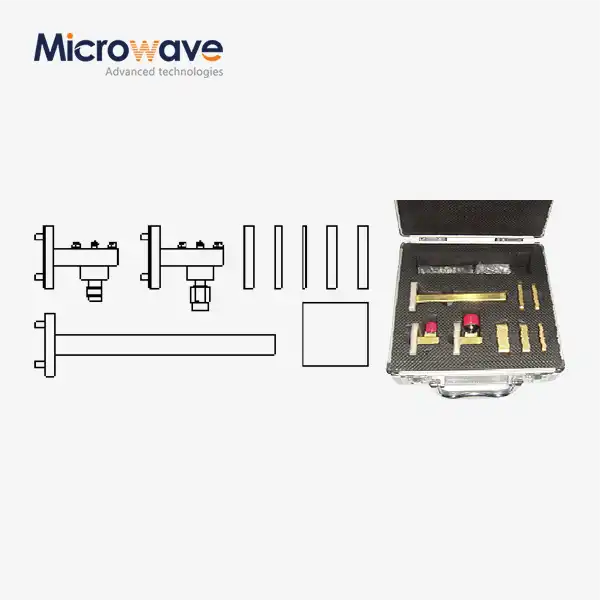
It is because microwave isolators are non-reciprocal Industrial Microwave Isolator ferrite devices that only let electromagnetic energy flow in one way that they work. An Industrial Microwave Isolator works by using magnetised ferrite materials to make asymmetric propagation features. This stops signals from being reflected while keeping forward transmission going. This very important part keeps delicate microwave gear safe from standing waves and impedance mismatches that could damage pricey source parts like magnetrons and amplifiers in high-power industrial settings.
Understanding the Working Principle of Microwave Isolators
Fundamental Operating Mechanism
The non-reciprocal features of magnetised ferrite materials are what make microwave isolators work. When a ferrite material is exposed to an outside magnetic field, it shows various electromagnetic properties based on the direction of signal transmission. This effect, called the Faraday effect, creates a magnetic bias that lets messages flow in one direction while absorbing or redirecting energy that flows in the opposite direction. Permanent magnets are usually arranged around the ferrite element in the magnetic biasing device to create the right magnetic field strength. When this magnetic field hits the ferrite material, which is usually made up of yttrium iron garnet (YIG) or nickel-zinc compounds, it changes the polarization of electromagnetic waves. When microwave energy moves in the right direction, it doesn't mix with the magnetised ferrite very much. This means that the insertion loss is usually less than 0.3 dB.
Technical Parameters and Performance Characteristics
There are a few important technical factors that determine which uses modern microwave isolators are best suited for. Insertion loss is the power loss that forward-traveling signals experience, and it is still one of the main concerns for system builders who want to make power transfer as efficient as possible. Insertion losses for good isolators are as low as 0.15 dB at the frequency for which they were made. Isolation level, which is usually given in decibels, shows how well the device can block signals that move in the opposite direction. Professional-grade isolators have isolation values higher than 20 dB, which means that less than 1% of the power is returned to the source. As a measure of how well the isolator's input port fits the system impedance, return loss values greater than 20 dB show excellent matching characteristics. Isolators have different frequency responses based on how they were designed and built. Broadband units can work over a few hundred megahertz, while narrowband designs work best over certain frequency bands. Operating bandwidth has a direct effect on isolation performance, with better isolation usually occurring in smaller bands.
Types of Industrial Microwave Isolators and Their Applications
Waveguide-Based Isolators
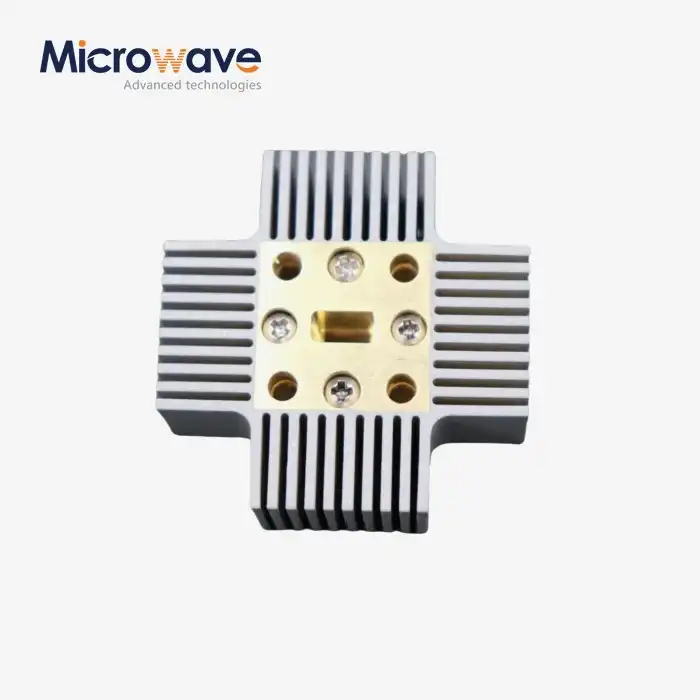
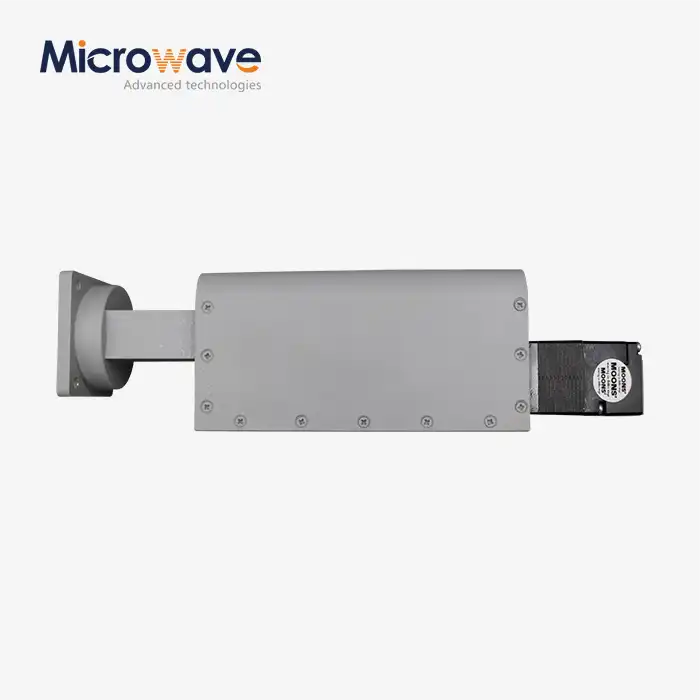
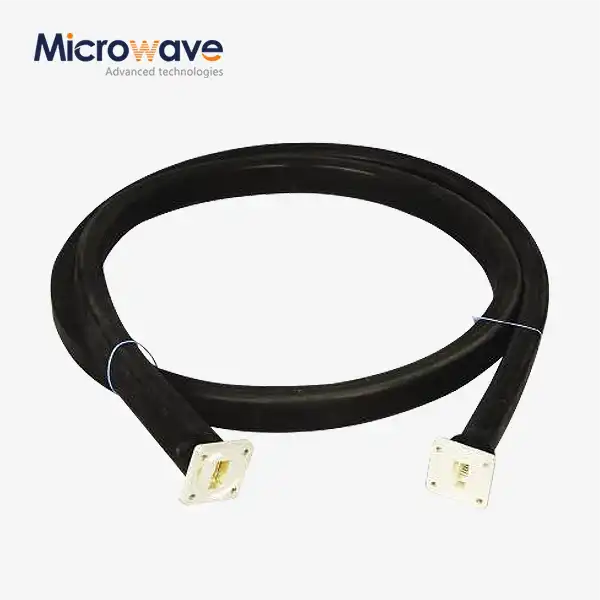
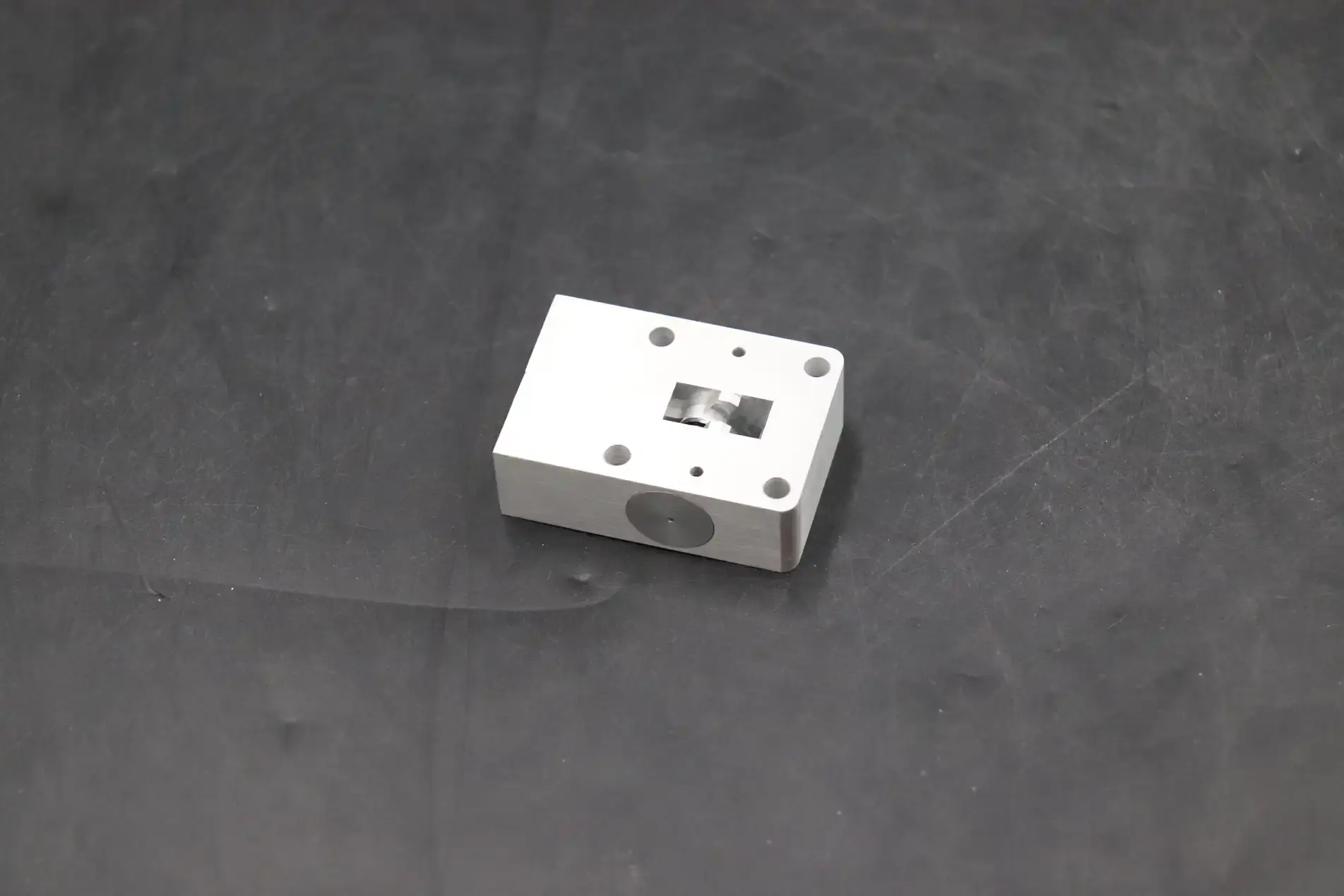
For high-power microwave uses, waveguide isolators, Industrial Microwave Isolators are the most reliable option because they can handle more power and keep temperatures down better than other options. These devices fit right into standard waveguide systems, so the transmission line's mechanical stability and electromagnetic performance are not affected. Because the rectangular waveguide structure naturally gets rid of heat, these isolators can be used for continuous-wave applications that use more than a few kilowatts. In waveguide isolators, the ferrite element is placed in a way that makes the contact between the magnetic field and the propagating electromagnetic mode as strong as possible. The ferrite and dummy load parts of more advanced designs are cooled by water, which lets them handle up to 100 kW of power in some setups.
Coaxial Isolators
Coaxial isolators offer compact solutions for moderate power applications while maintaining excellent broadband performance. The coaxial geometry provides inherent shielding and allows for easy integration into existing systems through standard connector interfaces. These units typically handle power levels from several watts to several kilowatts, depending on their size and cooling provisions. The design challenges for coaxial isolators include managing the electromagnetic field distribution within the circular cross-section and ensuring adequate cooling for the ferrite elements. Many commercial designs incorporate finned heat sinks or forced-air cooling to extend their power handling capabilities.
Application Examples in Critical Systems
Industrial Microwave Isolator deployment spans numerous critical applications where equipment protection and signal integrity remain paramount. In radar systems, isolators protect expensive transmitter components from antenna mismatch conditions that occur during weather events or target illumination scenarios. The isolation provided prevents reflected energy from destabilizing the magnetron or klystron sources that generate the radar pulses. Communication transmitters utilize isolators to maintain stable output power despite varying load conditions caused by antenna movement, atmospheric effects, or impedance changes in the transmission path. The protection afforded by these devices ensures consistent signal strength and prevents transmitter damage during fault conditions. High-power amplifier protection represents another critical application area where isolators prevent oscillation and instability caused by load variations. The reverse isolation blocks reflected signals that could otherwise drive the amplifier into unstable operating regions, maintaining linear operation and preventing catastrophic failure.
Comparing Microwave Isolators with Related Components
Isolators versus Circulators
Understanding the relationship between isolators and circulators clarifies their respective roles in microwave systems. A circulator functions as a three-port device that directs energy sequentially from port to port in a circular pattern. Energy entering port 1 exits through port 2, energy at port 2 exits through port 3, and energy at port 3 exits through port 1. This behavior creates a controlled signal routing mechanism for applications requiring signal separation or multiplexing. An isolator represents a specialized implementation of a circulator where the third port connects permanently to a matched load, typically called a dummy load or termination. This arrangement converts the three-port circulator into a two-port isolation device. The dummy load absorbs the reverse-traveling energy that would otherwise exit through the third port, effectively isolating the source from reflected signals. The choice between circulators and isolators depends on the specific system requirements. Circulators excel in applications requiring signal routing, such as duplexers for radar systems or antenna sharing networks. Isolators prove superior when simple protection from reflected energy represents the primary concern.
Directional Couplers and Signal Sampling
Directional couplers serve fundamentally different Industrial Microwave Isolator purposes compared to isolators, focusing on signal sampling rather than protection. These devices extract a small portion of the forward or reverse-traveling power for measurement or monitoring purposes while maintaining the integrity of the main signal path. The coupling factor determines what percentage of the signal power diverts to the sampling port. While directional couplers provide some degree of directional sensitivity, they lack the strong isolation characteristics of dedicated isolators. The coupling ports typically provide 10-30 dB of directivity, which proves insufficient for protecting sensitive sources from significant reflected power. Additionally, couplers introduce minimal loss to the main signal path but cannot absorb substantial reflected energy.
Selecting and Procuring Industrial Microwave Isolators
Essential Technical Criteria
Procurement professionals must evaluate multiple technical parameters when selecting microwave isolators for specific applications. Power rating represents the most fundamental specification, encompassing both forward power handling and reverse power absorption capabilities. The isolator must accommodate not only the normal operating power but also handle potential fault conditions where 100% reflection might occur. Frequency range and bandwidth specifications determine the isolator's compatibility with the intended application. Broadband designs offer flexibility for multi-frequency systems but may sacrifice peak performance compared to narrowband alternatives optimized for specific frequency ranges. The operating temperature range becomes critical for outdoor installations or high-ambient-temperature environments where standard cooling may prove inadequate. Environmental specifications, including humidity resistance, vibration tolerance, and altitude capability, affect reliability in challenging deployment conditions. Military and aerospace applications often require components meeting stringent environmental standards such as MIL-STD specifications for shock, vibration, and temperature cycling.
Supplier Evaluation and Quality Assurance
The selection of appropriate suppliers requires careful evaluation of manufacturing capabilities, quality certifications, and technical support resources. ISO 9001 certification indicates adherence to established quality management systems, while specific industry certifications demonstrate compliance with sector-specific requirements. RoHS compliance ensures environmental responsibility and regulatory compliance for international deployments. Manufacturing capability assessment should include examination of test equipment availability, calibration procedures, and quality control processes. Suppliers equipped with vector network analyzers covering the required frequency ranges can provide comprehensive performance verification data. Advanced facilities may offer high-power testing capabilities to validate thermal performance under realistic operating conditions. Technical support capabilities become particularly important for custom applications or system integration challenges. Suppliers offering application engineering support can assist with impedance matching, cooling system design, and installation procedures. This expertise proves valuable when adapting standard products to unique system requirements or troubleshooting performance issues.
Installation, Maintenance, and Troubleshooting
Best Practices for Installation
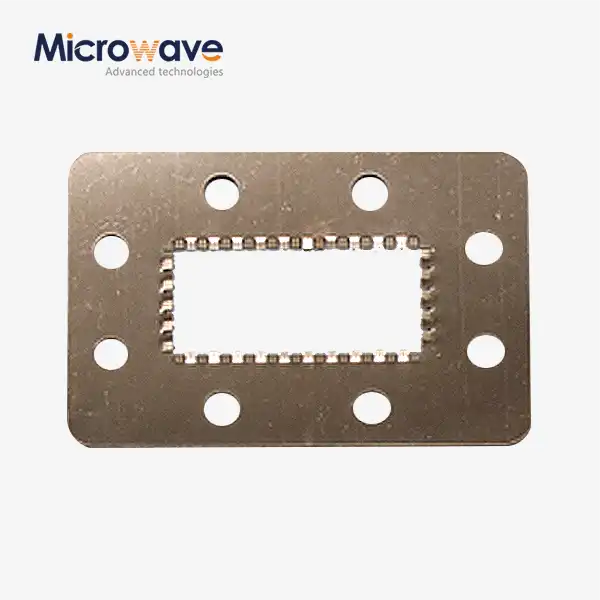
Proper installation procedures ensure optimal performance and longevity of microwave isolators in industrial environments. Waveguide connections require precise alignment and appropriate gasket selection to prevent RF leakage and maintain environmental sealing. The flange surfaces must remain clean and flat, with surface roughness specifications typically requiring finishes better than 63 microinches. Cooling system installation demands careful attention to water flow rates, inlet temperatures, and system pressure ratings. The cooling circuits for both the ferrite elements and dummy loads require separate consideration, as their thermal loads differ significantly. Proper flow monitoring and temperature sensing enable early detection of cooling system degradation before component damage occurs.
Routine Maintenance Protocols
Regular maintenance activities focus primarily on the cooling of the Industrial Microwave Isolator system integrity and RF connection quality. Monthly inspection of water strainers prevents blockage that could reduce cooling efficiency and lead to thermal detuning of the ferrite elements. Water quality monitoring ensures that conductivity levels remain within acceptable ranges to prevent corrosion or electrolytic damage to internal cooling channels. Annual RF performance verification using calibrated test equipment confirms that isolation levels, insertion loss, and return loss remain within specification. Vector network analyzer measurements provide a comprehensive characterization of device performance across the operating bandwidth. Any degradation in these parameters may indicate ferrite aging, contamination, or mechanical stress affecting the magnetic bias system.
Troubleshooting Common Issues
Thermal detuning represents one of the most frequent performance issues encountered with Industrial Microwave Isolator systems. When cooling water temperatures exceed design limits or flow rates decrease below minimum requirements, the ferrite materials approach their Curie temperature and lose magnetic properties. This condition manifests as reduced isolation and increased insertion loss, particularly noticeable after extended operating periods. Arcing at waveguide flanges typically indicates poor RF sealing or contamination within the waveguide system. Moisture intrusion from compromised seals or condensation from cooling systems can create immediate arcing conditions. Proper gasket selection and regular inspection of sealing surfaces prevent most moisture-related problems.
Conclusion
The working principle of microwave isolators centers on the sophisticated interaction between magnetized ferrite materials and electromagnetic fields to create unidirectional signal propagation. These devices serve as essential protective components in high-power microwave systems, preventing equipment damage from reflected energy while maintaining signal integrity. Understanding the fundamental operating principles, technical specifications, and application considerations enables procurement professionals to make informed decisions when selecting isolation solutions for critical microwave systems. Proper installation, maintenance, and troubleshooting procedures ensure reliable long-term performance and protect valuable investments in microwave infrastructure.
FAQ
1. What frequency ranges do industrial microwave isolators typically support?
Industrial Microwave Isolator systems commonly operate within standard ISM bands, particularly at 915 MHz and 2.45 GHz for industrial heating applications. However, the frequency range extends significantly broader, with specialized units covering frequencies from 500 MHz to over 110 GHz, depending on the application requirements. Military and aerospace applications often utilize X-band (8-12 GHz) and Ku-band (12-18 GHz) isolators, while satellite communications may require Ka-band (26.5-40 GHz) solutions.
2. How do isolators protect equipment from reflected microwave signals?
Isolators employ magnetized ferrite materials that create non-reciprocal propagation characteristics, allowing forward signals to pass with minimal loss while absorbing or redirecting reflected energy into a matched dummy load. This protection mechanism prevents standing wave formation that could otherwise destabilize source components like magnetrons or cause amplifier oscillation. The isolation typically exceeds 20 dB, ensuring that less than 1% of reflected power returns to the sensitive source equipment.
3. When should I choose an isolator versus a circulator for my application?
Choose isolators when your primary need involves protecting source equipment from reflected signals, such as in transmitter applications or amplifier outputs. Isolators provide dedicated protection with integrated dummy loads to absorb reverse energy. Select circulators when you need signal routing capabilities, such as in radar duplexers or antenna sharing systems where signals must be directed between multiple ports. Circulators offer more flexibility but require external terminations for isolation applications.
Contact ADM for Your Industrial Microwave Isolator Requirements
Advanced Microwave Technologies Co., Ltd stands ready to support your Industrial Microwave Isolator procurement needs with over 20 years of manufacturing excellence and technical expertise. Our ISO 9001:2015 certified facilities utilize state-of-the-art testing equipment covering frequencies up to 110 GHz, ensuring every isolator meets the demanding requirements of defense, aerospace, and satellite communication applications. Whether you require standard waveguide isolators or custom coaxial designs, our experienced engineering team provides comprehensive technical support from initial specification through installation and commissioning. As a trusted Industrial Microwave Isolator manufacturer, we offer competitive pricing, rapid prototyping capabilities, and global logistics support to meet your project timelines. Contact craig@admicrowave.com today to discuss your specific requirements and discover how our advanced isolation solutions can protect your valuable microwave equipment while optimizing system performance.
References
1. Baden Fuller, A.J. "Ferrites at Microwave Frequencies." IEEE Transactions on Microwave Theory and Techniques, vol. 25, no. 6, 1977.
2. Helszajn, J. "The Stripline Circulator: Theory and Practice." IEEE Microwave Magazine, vol. 8, no. 4, 2007.
3. Pozar, David M. "Microwave Engineering, Fourth Edition." John Wiley & Sons, 2012.
4. Linkhart, Douglas K. "Microwave Circulator Design, Second Edition." Artech House Publishers, 2014.
5. Adam, J.D. "A New Approach to the Design of Microwave Ferrite Isolators." IEEE Transactions on Magnetics, vol. 12, no. 6, 1976.
6. Schloemann, Ernst. "Circulators for Microwave and Millimeter-Wave Integrated Circuits." Proceedings of the IEEE, vol. 76, no. 2, 1988.