





Broadband Coaxial Circulator: Key Benefits for High-Frequency Transmission
When sourcing RF components for mission-critical systems, technical buyers consistently face a fundamental challenge: how to route high-frequency signals unidirectionally while protecting sensitive amplifiers from destructive reflected power. Broadband coaxial circulators solve this pain point by enabling non-reciprocal signal flow across expansive Broadband Coaxial Circulator frequency ranges—typically DC to 40 GHz—without requiring hardware changes during frequency hopping operations. Unlike narrowband alternatives, these three-port devices maintain consistent insertion loss and isolation performance across multiple octaves, reducing system complexity and eliminating the need for switchable component banks in electronic warfare, satellite communications, and wideband radar applications.
Understanding Broadband Coaxial Circulators: Design and Functionality
At their core, Broadband Coaxial Circulator units are passive three-port junctions that send electromagnetic energy in a set order of rotation. A signal that goes into Port 1 leaves through Port 2, energy that goes into Port 2 comes out at Port 3, and Port 3 goes back to Port 1. This cyclical behavior is caused by the non-reciprocal properties of ferrite materials when they are magnetically biased.
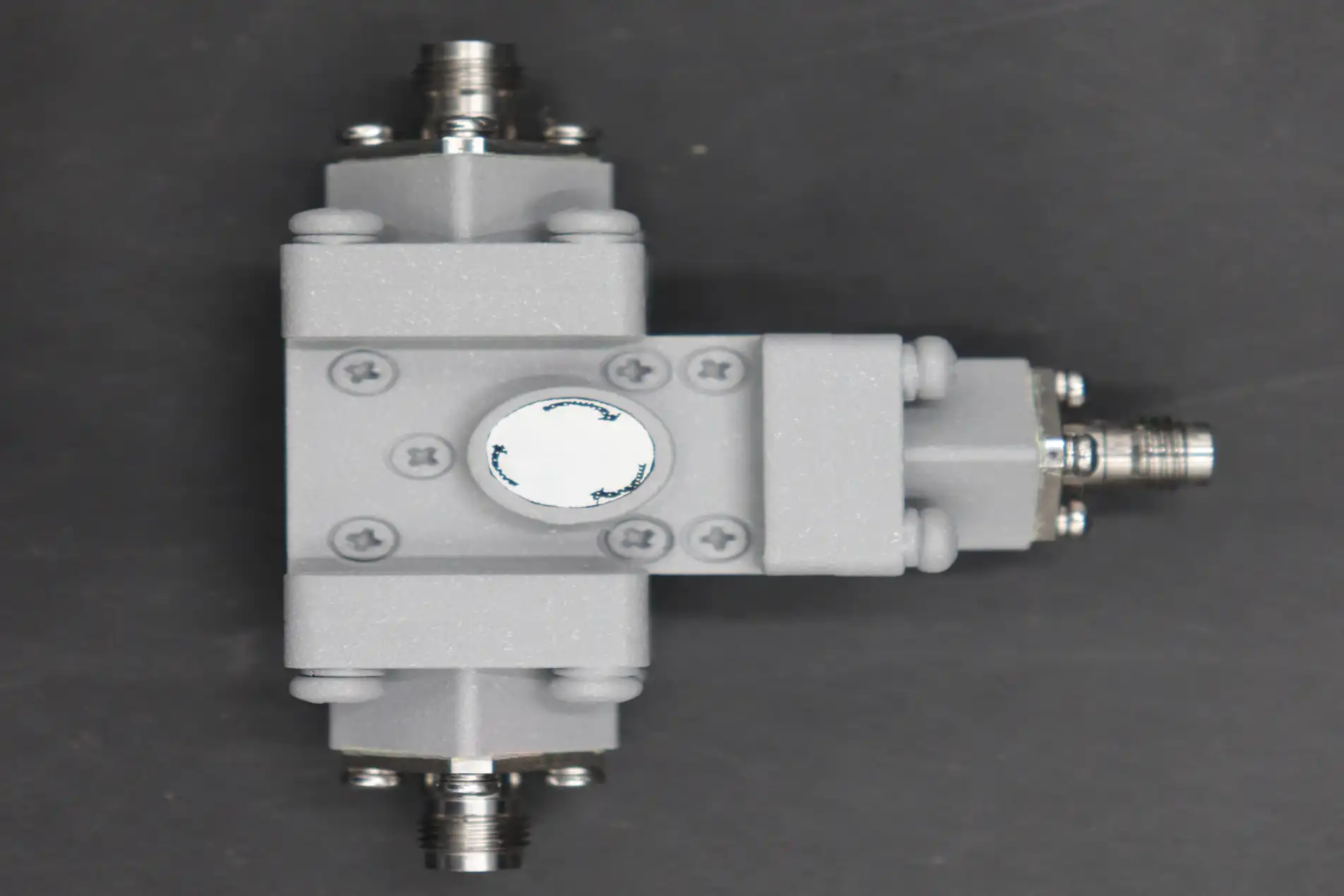
Electromagnetic Circulation Principles
The gyromagnetic effect inside ferrite cores is what makes the basic mechanism work. Electrons move back and forth at microwave frequencies when a permanent magnet applies a DC magnetic field to the ferrite. This precision makes different propagation constants for each signal direction. This lets energy flow more freely along one rotational path while blocking reverse propagation. The frequency range where this effect stays stable is based on the shape of the cavity and the makeup of the ferrite.
Material Selection and Cavity Architecture
Newer formulas use ferrite compounds with low loss and high saturation magnetization, which lets them work over a wider range of frequencies. Our engineering team at ADM carefully cuts oxygen-free copper (OFC) into coaxial cavities. This keeps conductor losses and impedance discontinuities to a minimum. To keep the field uniform across the ferrite disk, the cavity sizes are carefully calculated, which has a direct effect on the insertion loss numbers. Temperature-compensating magnetic materials keep performance from drifting in aerospace settings where temperatures change from -45°C to +85°C.
Performance-Defining Parameters
Three important factors determine which circulator to use:
- Insertion Loss: The amount of forward transmission efficiency that is measured in decibels. Our gadgets get ≒0.3 dB from DC to 10 GHz, ≒0.5 dB through 20 GHz, and ≤0.8 dB up to 40 GHz, and they keep the signal quality the same across the whole operating band.
- Isolation: Reverse attenuation of ≥20 dB between ports that are not next to each other. When the impedance of an antenna changes, higher isolation values keep power amplifiers from being damaged by the voltage standing wave ratio (VSWR).
- Power Handling: The ability to get rid of heat ranges from 0.5W for lab instruments to 500W for transmit-receive modules in active electronically scanned array (AESA) radars. Integrated heat sinks and ceramic thermal interfaces keep ferrite from losing its magnetic properties when it is continuously used at high power.
Knowing how these factors affect each other helps procurement engineers match the features of devices with what the system needs, whether they are making 5G massive MIMO base stations, Broadband Coaxial Circulator, or ground-based satellite terminals.
Core Benefits of Broadband Coaxial Circulators for High-Frequency Transmission
Adopting Broadband Coaxial Circulator technology has clear benefits over narrowband and other isolation methods, especially in situations where frequency agility and component consolidation are needed.
Ultra-Wide Frequency Coverage
A single broadband unit can work with more than one communication band without slowing down. This feature is very useful in software-defined radios and cognitive radio systems, where frequencies change automatically based on available spectrum. When defense contractors put these devices into electronic countermeasure pods, they get rid of the need for mechanical relay switching. This lowers the time it takes for a response and makes the system more reliable.
Superior Signal Integrity Across Bandwidth
High-order QAM schemes used in modern wireless infrastructure keep modulation fidelity high by keeping insertion loss low over wide frequency ranges. The tests we did in the 24-meter microwave darkroom, which has near-field and far-field measurement chambers ranging from 0.5 to 110 GHz, show that phase linearity stays within ±3 degrees across all operational bands. This consistency makes sure that beamforming works correctly in phased array antennas, where phase errors hurt angular resolution directly.
High Power Handling and Thermal Stability
Industrial microwave heating systems and RF plasma generators need circulators that can handle kilowatts of continuous power. Copper heat sinks and ceramic thermal conductors work well together to get rid of heat in high-power models. This keeps the temperature of the ferrite from rising past the Curie points, which would destroy its magnetic properties. Aerospace-grade units are put through MIL-STD-810 thermal cycling tests to make sure they keep working even when the altitude changes and they are exposed to heat from the sun.
Long Operational Lifespan
Gold-plated center conductors don't rust in humid coastal areas and places where salt spray is common, like naval radar installations. The hermetically sealed housing with IP65 ratings keeps water out, so it can work reliably in environments with relative humidity up to 95%. Accelerated life testing shows that the mean time between failures (MTBF) is more than 10,000 hours at full rated power. This makes maintenance easier for telecom tower sites and offshore platforms that are far away. These overall benefits explain why system integrators in the defense, research, and telecommunications industries always choose broadband models, even though they cost a little more per unit than narrowband options. The lower system complexity and greater operational flexibility lead to a lower total cost of ownership.
Comparing Broadband Coaxial Circulators with Alternative Solutions
To choose the right isolation components, you need to know the pros and cons of different technologies and vendor offerings regarding the Broadband Coaxial Circulator.
Broadband vs. Narrowband Circulators
Through resonant cavity tuning, narrowband units get the best performance at a single center frequency. They can achieve insertion losses as low as 0.15 dB, but their usable bandwidth is only 10–15% of the center frequency. Broadband designs give up an extra 0.1 to 0.2 dB of loss to cover ranges of more than one octave. Narrowband solutions may save money for applications that need to operate at a fixed frequency, but frequency-hopping systems need broadband solutions.
Circulators vs. Isolators
By connecting a matched load to the third port, coaxial isolators work like two-port devices. They only send signals in one direction, which is good for protecting amplifier outputs, but they can't change the way signals are sent, as circulators can. Three-port circulators get rid of the need for separate diplexer networks when the design of the system needs both signal isolation and signal distribution. An example of this would be separating the transmit and receive Broadband Coaxial Circulator paths in a duplex antenna.
Waveguide vs. Coaxial Form Factors
Waveguide circulators can handle more power than a few kilowatts and have less insertion loss at millimeter-wave frequencies above 40 GHz. But their big rectangular shapes make it harder to fit them into small coaxial assemblies. The small size of coaxial versions makes them ideal for places with limited space, like UAV communication pods and portable test equipment.
Supplier Landscape Analysis
Narda, Mini-Circuits, and Pasternack are some of the well-known companies in the 2024 market that offer catalog products with standard specifications. Using OEM-capable suppliers is helpful for procurement teams that need to customize frequency bands, non-standard connector types, or higher power ratings. Advanced Microwave Technologies Co., Ltd. (ADM) stands out because it offers full customization services backed by ISO 9001:2015 quality systems and can measure up to 110 GHz in-house. Before committing to production, our 24-meter anechoic chamber lets us fully characterize customer-specific designs in real-world operating conditions. Standard off-the-shelf units cost between $200 and $800, depending on the frequency range and power rating. Custom-engineered solutions, on the other hand, cost more but work better for certain applications.
Procurement Guide: How to Choose and Source the Right Broadband Coaxial Circulator
To make sure a project is a success, strategic sourcing decisions for a Broadband Coaxial Circulator take into account technical needs, supplier abilities, and supply chain issues.
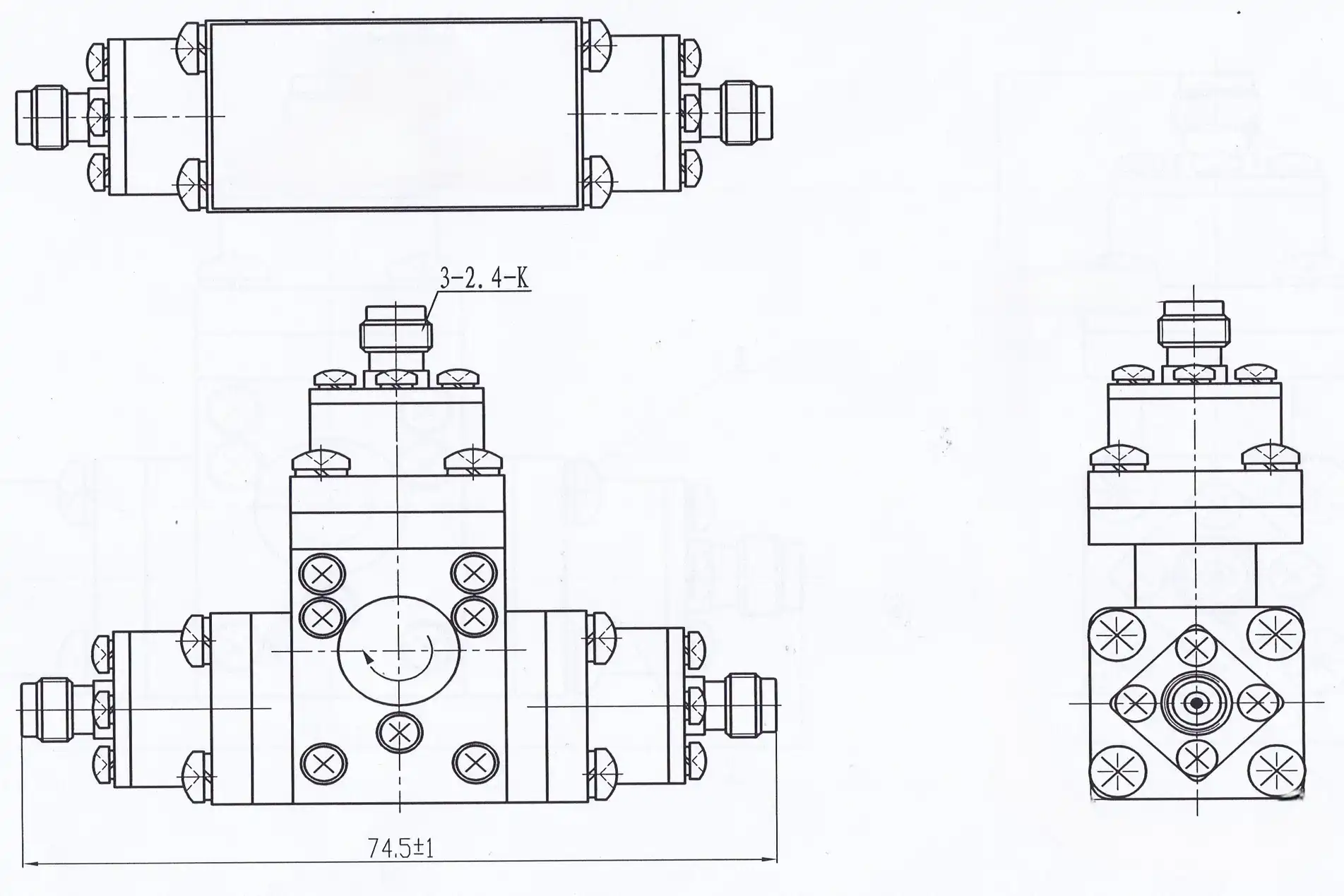
Defining Technical Specifications
Start by making a connection between system-level needs and circulator parameters:
- Operating Frequency Range: Figure out the lowest and highest frequencies that need to be routed. Don't give too much information about the bandwidth; wider ranges cost more and cause more insertion loss.
- Power Level: Figure out the worst-case forward and reflected power when the antennas don't match up. Add a 3 dB safety margin above the peak values to keep the electronics from getting damaged by heat during transient events.
- Environmental Conditions: List the highest and lowest temperatures that the device can work in, the amount of humidity it will be exposed to, the vibration levels that meet MIL-STD-202 standards, and its ability to withstand shocks for mobile platforms.
- Connector Types: Match existing coaxial interface standards for connector types, such as SMA for small assemblies up to 18 GHz, N-type for higher power applications, or 2.92mm for millimeter-wave bands.
Evaluating Supplier Qualifications
Quality certifications are the first thing that is looked at. ISO 9001:2015 certification shows that the process control is mature, and RoHS compliance makes sure that the product meets the rules for markets in the European Union. Defense contractors need to register with ITAR and use AS9100 aerospace quality management systems. When catalog products don't fully meet application needs, the ability to customize them becomes very important. The engineering team at ADM works with customers to improve cavity geometries for non-standard frequency bands, add custom flange mounting, or change isolation requirements.
Supply Chain and Logistics Considerations
When you use global sourcing, lead times can change, and customs can be hard to understand. Setting up vendor-managed inventory (VMI) plans for production programs that make a lot of things lowers the risk of running out of stock. When you buy in bulk, you usually get 15–25% off each item when you buy more than 100 of them. Electrostatic discharge (ESD) protection and environmental sealing are important parts of shipping logistics. Ferrite-based devices can handle mechanical shocks well, but they need to be packed in anti-static material. Having experience with international freight forwarding ensures that the right paperwork is used for controlled goods crossing borders. Ask for sample units to be tested for quality before committing to production.
Installation, Maintenance, and Technical Support Best Practices
Paying attention to integration details and continuous operational monitoring is needed to get the most out of a Broadband Coaxial Circulator in terms of performance and service life.
Installation Guidelines
Checking the impedance matches is the first Broadband Coaxial Circulator step in putting together a circuit correctly. Time-domain reflectometry (TDR) can be used to make sure that the connection points between two transmission lines have a 50-ohm characteristic impedance. Even small breaks cause reflections that hurt the effectiveness of isolation and raise insertion loss. To make sure gas-tight seals without deforming center contacts, connector retaining nuts need 7–10 inch-pounds of torque applied with calibrated torque wrenches. Braided ground straps are used to connect circulator housings to RF ground planes through low-impedance paths.
Routine Maintenance Procedures
For high-reliability applications, inspections every three months work well. A visual inspection looks for corroded connectors, discolored housings that mean the unit is too hot, and damage to the parts caused by vibration. Every year, network analyzer sweeps make sure that insertion loss and isolation stay within the original limits. They also find signs of slowing performance before they have a big effect on the system. Isopropyl alcohol and lint-free swabs are used in cleaning protocols to get rid of dust and oxidation from connector interfaces. When putting the parts back together, use an anti-oxidant compound on the outer conductor threads.
Technical Support Access
During the integration and troubleshooting phases, how responsive vendors are has a direct effect on project schedules. The application engineering team at ADM helps with electromagnetic simulations for complicated integration scenarios. They also look at return loss measurements to find impedance mismatches and suggest changes to circuits that aren't isolating properly. As part of our measurement laboratory services, we offer third-party verification testing that meets NIST standards. Design reviews and regulatory approvals go more quickly when there are complete sets of technical documentation. Responding to emails at craig@admicrowave.com and phone calls quickly solves problems in the field.
Conclusion
Broadband Coaxial Circulator components are an important part of modern high-frequency transmission systems that are used in defense electronics, industrial RF applications, and telecommunications infrastructure. Because they can keep low insertion loss and high isolation across multiple octave bandwidths, they make systems simpler and more reliable than narrowband options or switching networks. For procurement to go well, technical specifications must be carefully aligned with application needs. Suppliers must also be carefully evaluated, with a focus on their ability to customize and quality certifications. Best practices for installation and maintenance must also be carefully considered. As wireless systems continue to develop toward higher frequencies and higher bandwidth needs, coaxial circulator technology will remain essential for keeping sensitive parts safe and allowing efficient signal routing in RF architectures that are getting more complicated.
FAQ
1. What frequency ranges do broadband coaxial circulators typically cover?
Most standard catalog items for a Broadband Coaxial Circulator cover one to two octaves, like the 2-6 GHz or 6-18 GHz bands. Custom-engineered designs cover frequencies from DC to 40 GHz in a single unit, so you don't need multiple narrowband devices when you're operating at different frequencies. The exact range depends on the properties of the ferrite material and how well the cavities are optimized.
2. How do I choose between a circulator and an isolator for my application?
Isolators work well in two-port setups where one-way communication is enough, like when protecting amplifier outputs. When you need three ports, like when you need to separate the transmit and receive paths in a duplex antenna or route test signals in a measurement setup, you need a circulator. To change a circulator into an isolator, all you have to do is connect a matched load to the third port.
3. Can broadband coaxial circulators be customized for non-standard specifications?
Of course. ADM's OEM services let customers choose the frequency ranges, power handling capacities, connector types, and mechanical form factors that work best for them. Optimizing parameters takes into account specific insertion loss goals or better isolation requirements. Custom branding and packaging options help OEM integration, and electromagnetic simulation done before sales confirms designs before investing in production tools.
Partner with ADM for Custom Broadband Coaxial Circulator Solutions
Advanced Microwave Technologies Co., Ltd. (ADM) can help you with your high-frequency transmission problems because they have been making RF parts for over twenty years. Our capabilities as a Broadband Coaxial Circulator supplier go beyond catalog products and include full OEM customization, backed by processes that are ISO 9001:2015 certified and state-of-the-art testing infrastructure. Our engineering team works together to make sure that the performance parameters are best for your application, whether it's integrating into defense radar systems, 5G base stations, or satellite ground terminals. Use our 24-meter anechoic chamber that can measure up to 110 GHz to fully characterize something before deploying it. Get in touch with craig@admicrowave.com right away to talk about your project needs and get a detailed technical proposal backed by strict quality standards and quick global logistics. Precision-engineered parts from a trusted partner in the industry can help your system work better.
References
1. Fay, Charles E. and Comstock, Robert L. "Operation of the Ferrite Junction Circulator." IEEE Transactions on Microwave Theory and Techniques, vol. 13, no. 1, 1965, pp. 15-27.
2. Helszajn, Joseph. The Stripline Circulator: Theory and Practice. Wiley-IEEE Press, 2008.
3. Linkhart, Douglas K. Microwave Circulator Design. 2nd ed., Artech House, 2014.
4. Bosma, H. "On Stripline Y-Circulation at UHF." IEEE Transactions on Microwave Theory and Techniques, vol. 12, no. 1, 1964, pp. 61-72.
5. Adam, J.D., Davis, L.E., Dionne, G.F., Schloemann, E.F., and Stitzer, S.N. "Ferrite Devices and Materials." IEEE Transactions on Microwave Theory and Techniques, vol. 50, no. 3, 2002, pp. 721-737.
6. Ishak, Waguih S. "Magnetostatic Wave Technology: A Review." Proceedings of the IEEE, vol. 76, no. 2, 1988, pp. 171-187.
YOU MAY LIKE
 VIEW MOREEnd Launch Waveguide to Coaxial Adapter
 VIEW MORERectangular Straight Waveguide
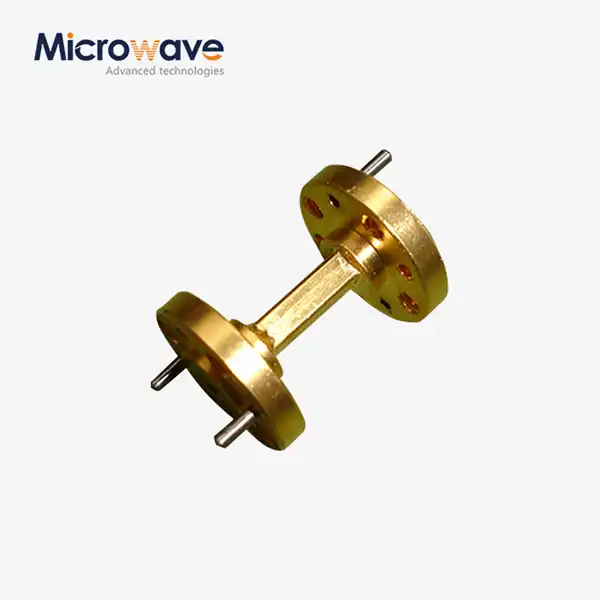 VIEW MORECircular Straight Waveguide
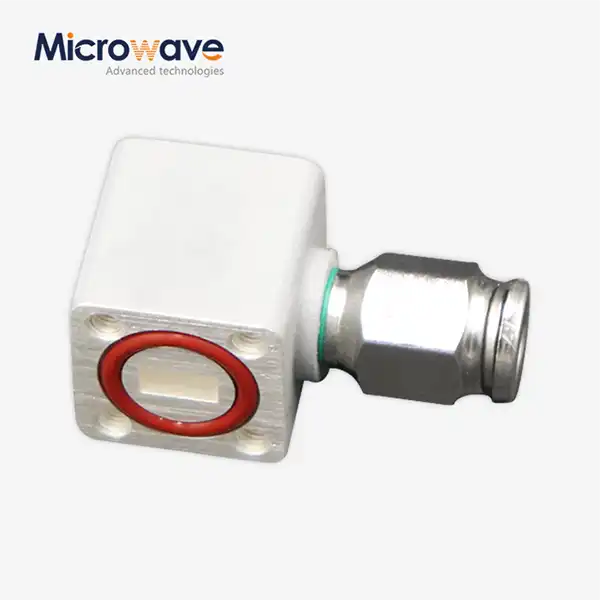 VIEW MOREInflatable Straight Waveguide
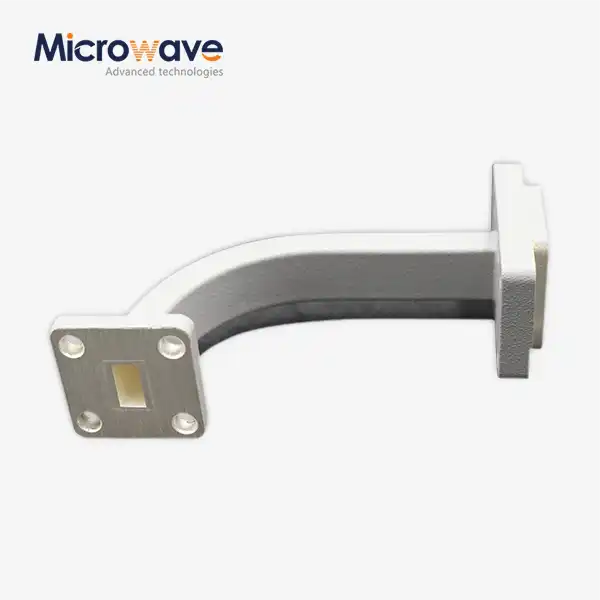 VIEW MOREWaveguide E Bend
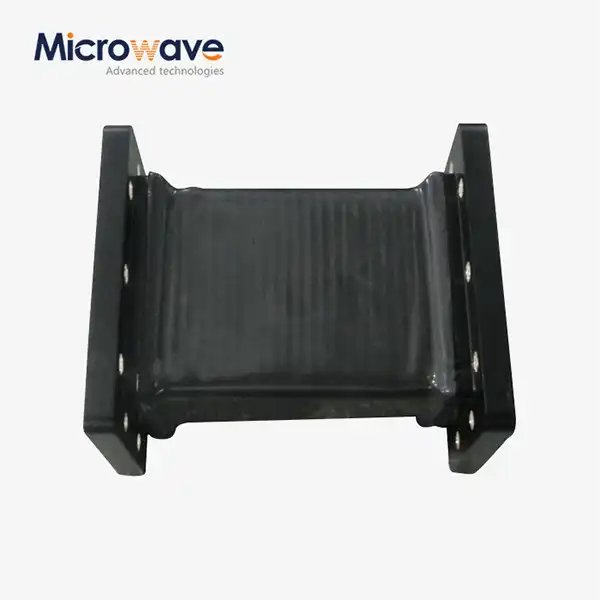 VIEW MOREFlexible Seamless Waveguide
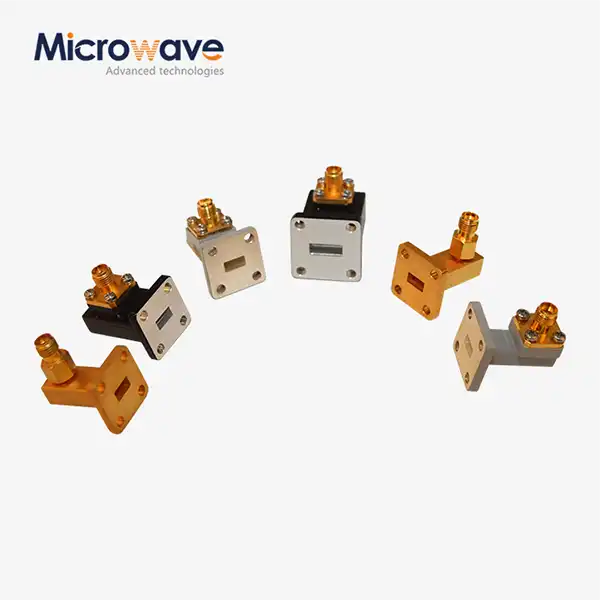 VIEW MORERight Angle Waveguide To Coaxial Adapter
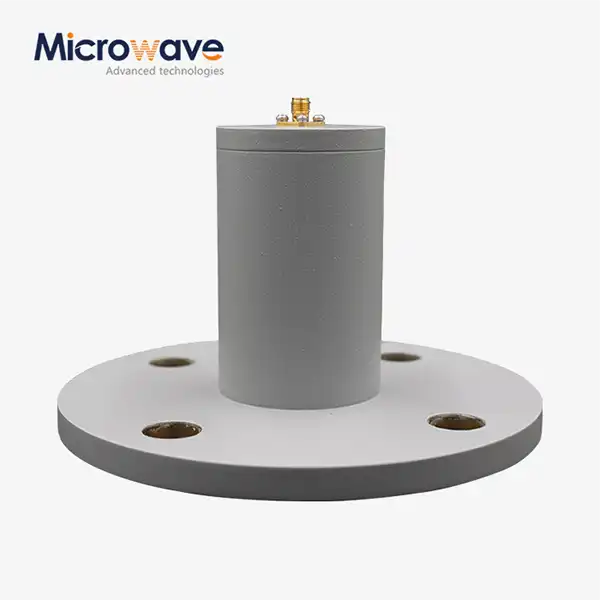 VIEW MORECircular Waveguide To Coaxial Adapter