




What Is a Coaxial Load and Why Does Your RF System Need One?
Have you ever experienced equipment damage from reflected RF power or inconsistent test results in your microwave system? A coaxial load is a critical termination device designed to absorb radio frequency energy without reflection, protecting your sensitive components from power surges and ensuring accurate system performance across frequencies from DC to 110 GHz.
Understanding Coaxial Load Fundamentals
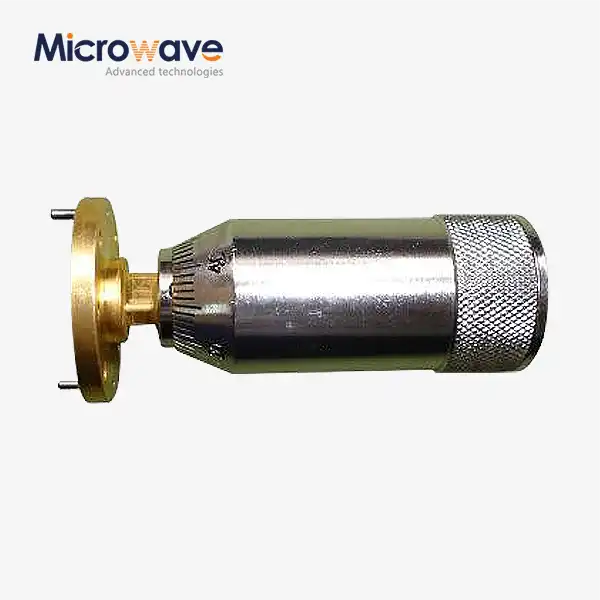
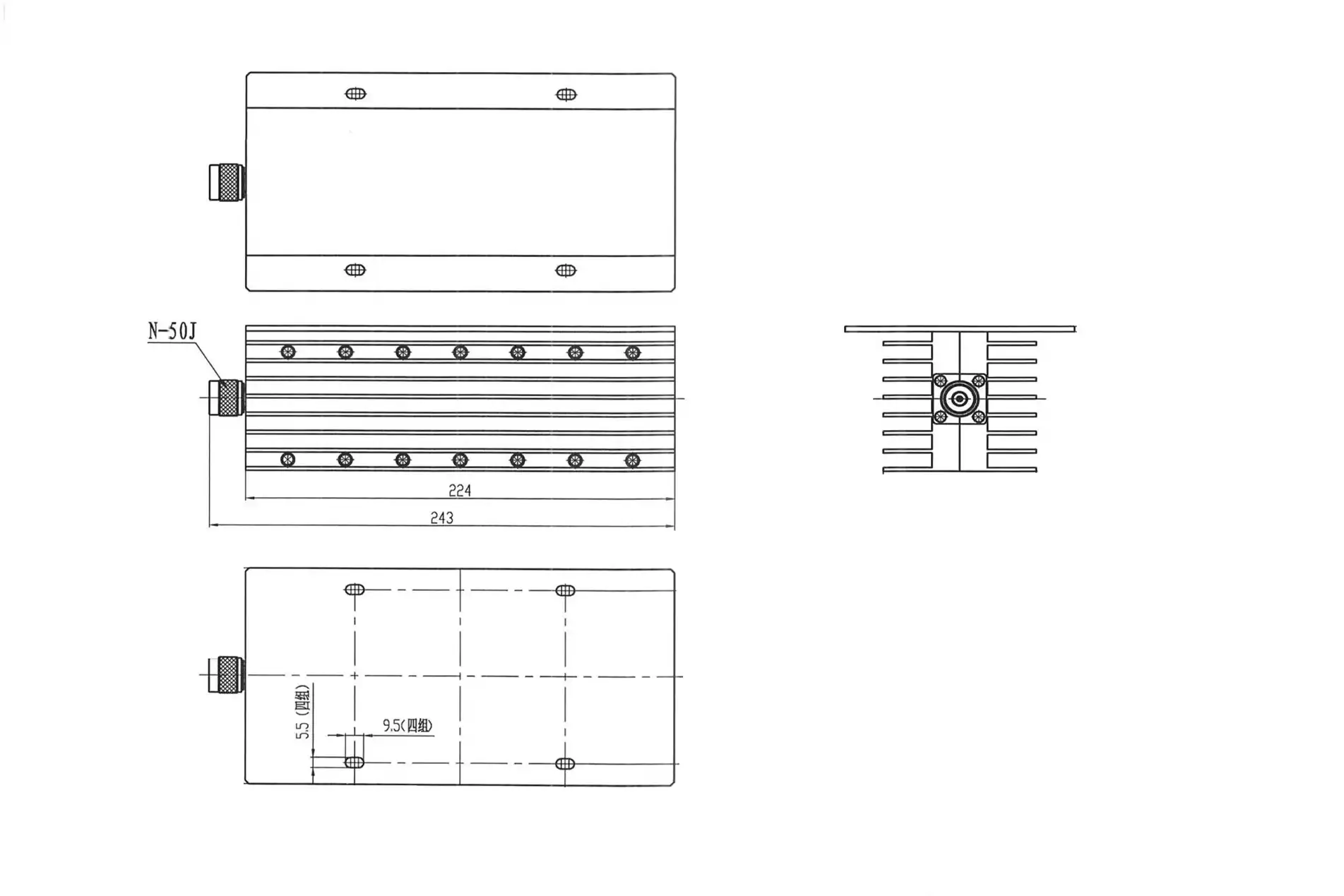
A coaxial load, also known as an RF termination or dummy load, serves as the endpoint in radio frequency and microwave transmission systems. This essential component absorbs electromagnetic energy and converts it into heat, preventing signal reflections that could compromise system integrity. In modern RF applications, where signal precision determines operational success, coaxial loads function as protective barriers between active components and potential damage from standing waves or impedance mismatches. The fundamental principle behind coaxial load operation involves matching the characteristic impedance of the transmission line, typically 50 ohms in most RF systems. When RF energy travels through a coaxial cable and reaches the termination point, a properly matched coaxial load absorbs this energy completely, eliminating reflections that would otherwise bounce back toward the source. This reflection-free absorption is quantified by the Voltage Standing Wave Ratio (VSWR), with high-quality loads achieving values below 1.2:1 across broad frequency ranges. Advanced Microwave's CL series coaxial loads exemplify precision engineering in this domain. Manufactured using state-of-the-art CNC machining techniques, these terminations deliver exceptional performance from DC to 110 GHz, supporting applications ranging from legacy communication systems to cutting-edge 5G and future 6G technologies. The power handling capability extends up to 500 watts, accommodating both laboratory testing scenarios and high-power transmission applications in broadcasting and defense sectors.
Why Your RF System Requires Proper Termination?
Protection Against Reflected Power Damage
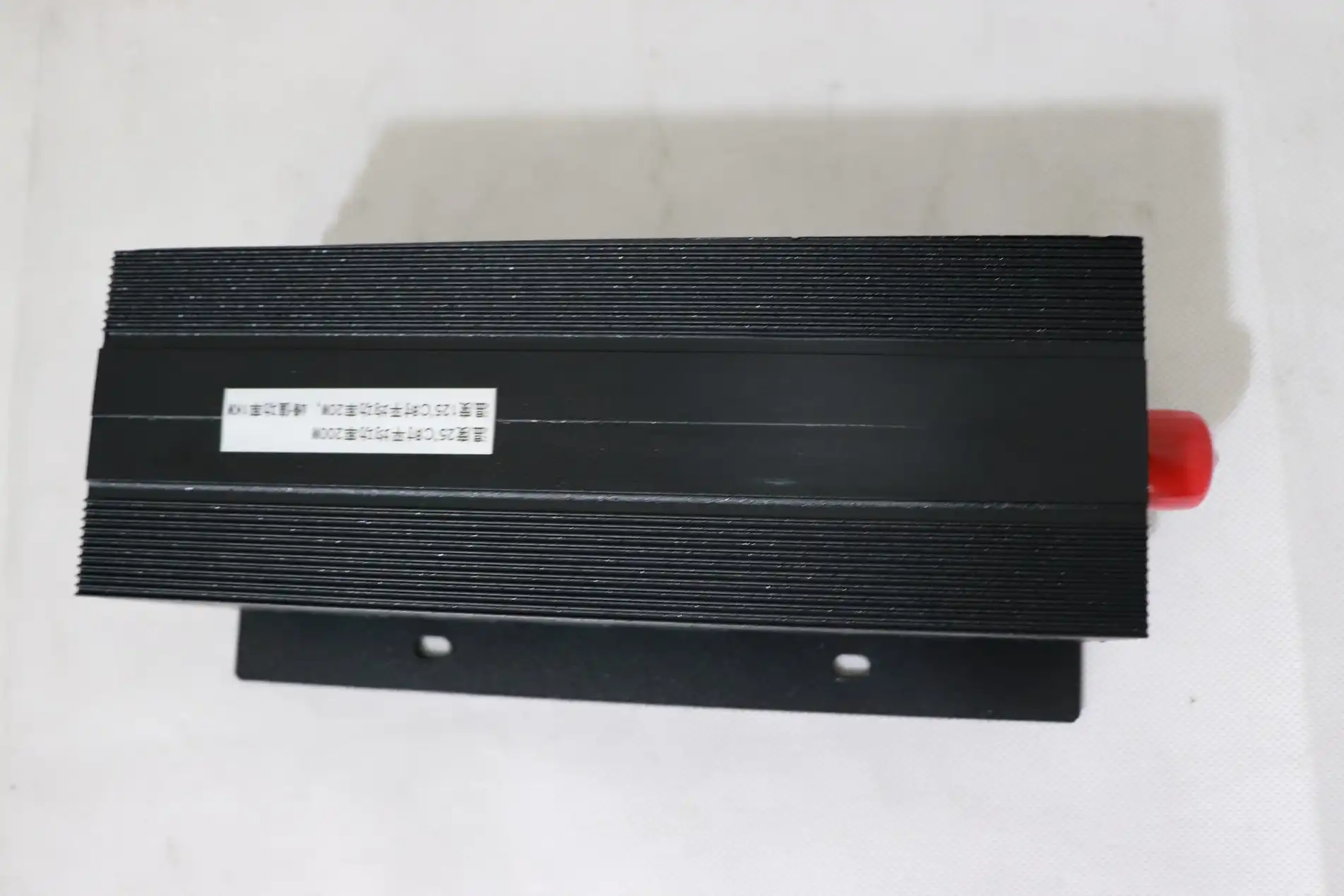
Reflected power represents one of the most destructive forces in RF systems. When transmitted energy encounters an impedance mismatch, a portion reflects back toward the source, creating standing waves that concentrate energy at specific points along the transmission line. These concentrated energy zones generate excessive heat, accelerating component degradation and potentially causing catastrophic failure in amplifiers, transmitters, and other sensitive electronics. A coaxial load eliminates this threat by providing a perfect termination point. In communications infrastructure, base stations transmitting hundreds of watts require reliable dummy loads during maintenance, testing, and antenna alignment procedures. Without proper termination, reflected power would damage expensive amplifier stages, necessitating costly repairs and system downtime. Advanced Microwave's coaxial loads feature advanced heat dissipation materials integrated into their design, effectively managing thermal loads even under sustained high-power conditions. This thermal management ensures the product maintains reliable performance, preventing overheating and extending component lifespan in demanding operational environments.
Ensuring Accurate Testing and Measurement
In laboratory and field testing environments, measurement accuracy depends entirely on eliminating variables that could skew results. Coaxial loads serve as precision reference points, allowing engineers to characterize transmitter performance, verify amplifier output, and calibrate test equipment with confidence. The low VSWR characteristics of quality terminations ensure that measured parameters reflect actual device performance rather than artifacts introduced by poor termination. Consider antenna development in Advanced Microwave Technologies' 24m Microwave Darkroom facility. Engineers testing new antenna designs require absolute certainty that measured radiation patterns, gain figures, and impedance characteristics represent true antenna performance. Using precision coaxial loads with VSWR specifications below 1.2:1 across the entire DC to 110 GHz frequency range eliminates termination-related measurement errors. This precision proves indispensable when optimizing antenna designs for satellite communication systems demanding signals to travel vast distances without degradation, or advanced radar setups requiring accurate long-range detection capabilities. The versatility in connector types—including SMA, N-Type, TNC, and 2.92mm configurations—ensures compatibility with diverse test equipment and measurement setups. This connector versatility, combined with 50-ohm impedance matching and operation across temperature extremes from -55°C to +125°C, makes these loads suitable for both controlled laboratory environments and harsh field conditions encountered in aerospace and defense applications.
Critical Applications Across Industries
Defense and Aerospace Systems
Military and aerospace applications impose the most stringent requirements on RF components. Radar systems detecting incoming threats cannot tolerate signal degradation or measurement uncertainty. Navigation systems guiding aircraft and spacecraft demand unwavering reliability. In these contexts, coaxial loads perform multiple critical functions beyond simple power absorption. Radar systems utilize coaxial loads during calibration procedures and as part of circulator assemblies that route transmitted and received signals. A circulator protecting a radar receiver requires a precisely matched termination on its isolated port to absorb any signal leakage, preventing false targets and maintaining receiver sensitivity. Advanced Microwave's coaxial loads meet the rigorous standards demanded by defense contractors, with RoHS-compliant materials ensuring environmental compliance and ISO 9001:2015 certification guaranteeing consistent quality in every manufactured unit. Satellite communication systems operating in the harsh environment of space require components that function flawlessly across extreme temperature ranges and radiation exposure. The operating temperature range of -55°C to +125°C ensures Advanced Microwave coaxial loads maintain performance whether deployed in polar orbit satellites experiencing thermal cycling or ground stations in desert climates. The broad frequency coverage from DC to 110 GHz accommodates multiple satellite communication bands, from L-band mobile communications to Ka-band broadband data links supporting high-definition video transmission.
Commercial Communications Infrastructure
Telecommunications networks form the backbone of modern connectivity, supporting everything from mobile phone calls to internet data transfer and industrial IoT applications. Base station maintenance and optimization procedures rely heavily on coaxial loads for safe testing and alignment. When technicians need to verify transmitter output power or adjust antenna systems, coaxial loads provide a safe, non-radiating termination that absorbs full transmitter power while allowing accurate measurements. Broadcasting systems operating at kilowatt power levels present unique challenges. High-power FM radio transmitters and television broadcast stations require dummy loads capable of dissipating hundreds of watts continuously during testing and emergency backup scenarios. Advanced Microwave's high power dissipation capability efficiently absorbs excess RF energy, preventing damage to sensitive system parts and ensuring consistent performance under high power conditions. The compact and durable design, featuring lightweight yet robust construction, ensures portability for field maintenance while providing the long-lasting durability required for reliable performance over extended operational periods.
Selecting the Right Coaxial Load for Your Application
Choosing appropriate RF termination involves evaluating multiple technical parameters against application requirements. Frequency range considerations come first—a coaxial load must maintain low VSWR across all operating frequencies in your system. While some applications operate within narrow bands, others like multiband communication systems or broadband test equipment require terminations covering decades of frequency range. Advanced Microwave's DC to 110 GHz frequency range addresses virtually all commercial and defense applications, from audio frequency through microwave and into millimeter-wave bands. Power handling capacity represents the second critical selection criterion. Continuous power ratings indicate how much average power the load can dissipate indefinitely without damage, while peak power specifications define short-duration capability. Laboratory testing typically involves low power levels measured in milliwatts, while transmitter testing and broadcasting applications demand loads handling hundreds of watts. The customization options available through Advanced Microwave's OEM services allow tailoring power ratings and frequency ranges to specific application requirements, ensuring optimal performance without over-specification that increases cost unnecessarily.
Connector compatibility ensures seamless integration into existing systems. Standard connectors like SMA suit laboratory equipment and lower-power applications up to 18 GHz, while N-type connectors handle higher power and extend to 18 GHz as well. Precision connectors like 2.92mm support frequencies to 40 GHz with excellent performance. Advanced Microwave's connector versatility ensures compatibility with both standard and custom configurations, meeting diverse application requirements across different industries and enabling tailored solutions for specialized needs. Environmental considerations influence selection for field-deployed systems. Operating temperature range, vibration resistance, and environmental sealing become paramount in aerospace, automotive, and outdoor telecommunications applications. The -55°C to +125°C operating temperature range and robust construction of Advanced Microwave coaxial loads ensure reliable operation in harsh environments, from Arctic weather monitoring stations to equatorial satellite ground stations.
Conclusion
Coaxial loads protect RF systems from reflected power damage while enabling accurate testing and measurement across communications, defense, aerospace, and broadcasting applications requiring reliable signal termination and power absorption.
Cooperate with Advanced Microwave Technologies Co., Ltd.
Partner with a China Coaxial Load manufacturer offering over 20 years of expertise. As a leading China Coaxial Load supplier and China Coaxial Load factory, we provide High Quality Coaxial Load solutions with competitive Coaxial Load price and Coaxial Load for sale through our China Coaxial Load wholesale programs. Our ISO-certified facilities ensure precision engineering, fast delivery, and comprehensive technical support. Contact craig@admicrowave.com today to discuss your custom requirements and receive a detailed quote for your next project.
References
1. Pozar, David M. "Microwave Engineering, 4th Edition." John Wiley & Sons, 2012.
2. Rohde, Ulrich L. and Newkirk, David P. "RF/Microwave Circuit Design for Wireless Applications." John Wiley & Sons, 2000.
3. Collin, Robert E. "Foundations for Microwave Engineering, 2nd Edition." IEEE Press, 2001.
4. Chipman, Robert A. "Transmission Lines." McGraw-Hill Education, 1968.
5. Gonzalez, Guillermo. "Microwave Transistor Amplifiers: Analysis and Design, 2nd Edition." Prentice Hall, 1997.