





How WG Probe Coupler Improves Signal Stability
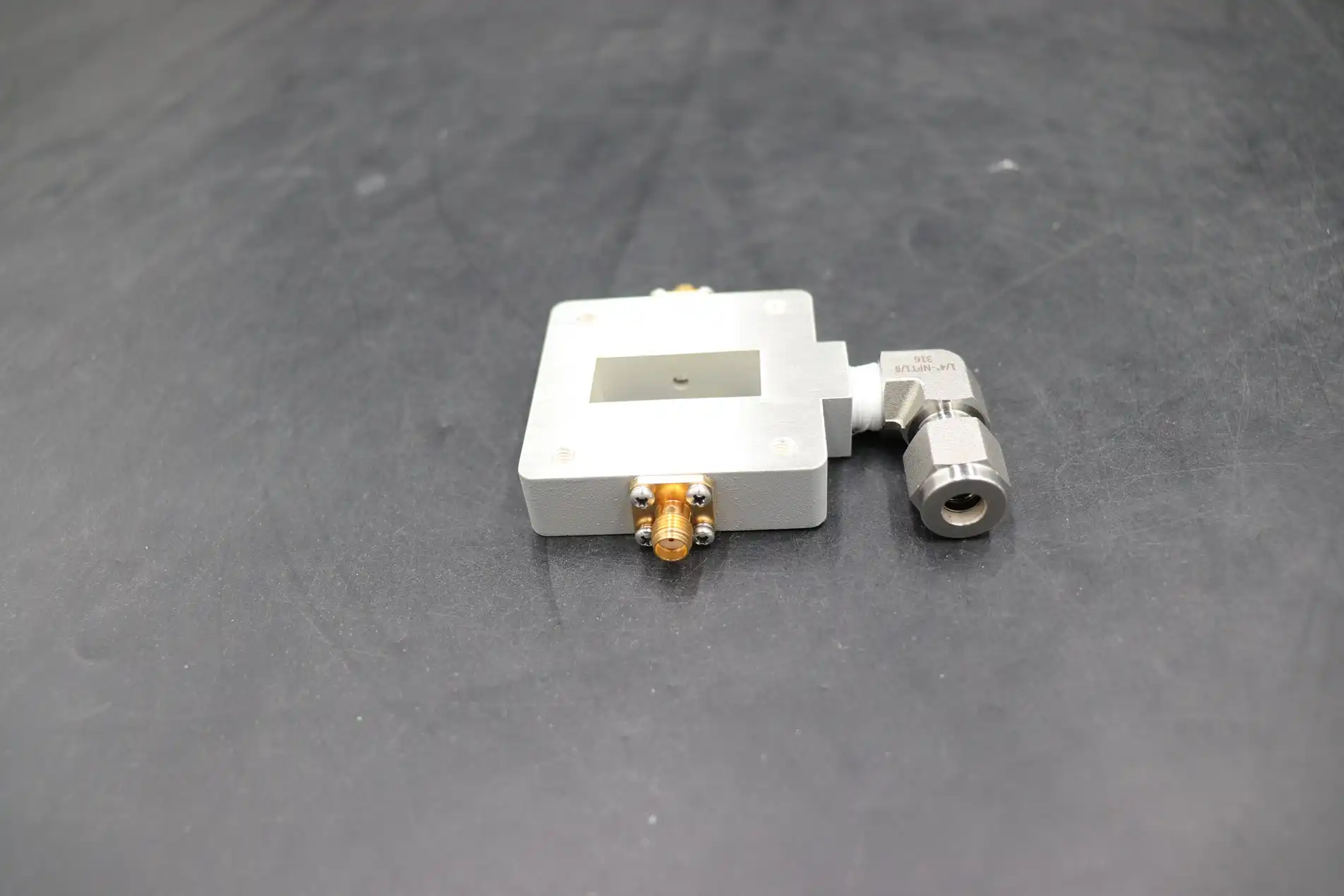
WG Probe Coupler technology changes the way signals are stabilized by making the electromagnetic transition between coaxial transmission lines and rectangular waveguides very exact. These specialised parts make sure that the signal integrity stays the same in all important microwave uses by matching impedances more accurately and reducing reflection losses. A quarter-wave monopole design changes TEM mode signals to TE10 mode transmission, which gets rid of common signal degradation problems that happen in high-frequency systems. WG Probe Coupler solutions provide the stable signals needed for mission-critical radar, satellite communication, and precise measurement tasks in the aerospace and defence industries by keeping high VSWR performance and lowering changes in insertion loss.
Understanding WG Probe Couplers and Signal Stability
Operating Principles and Core Components
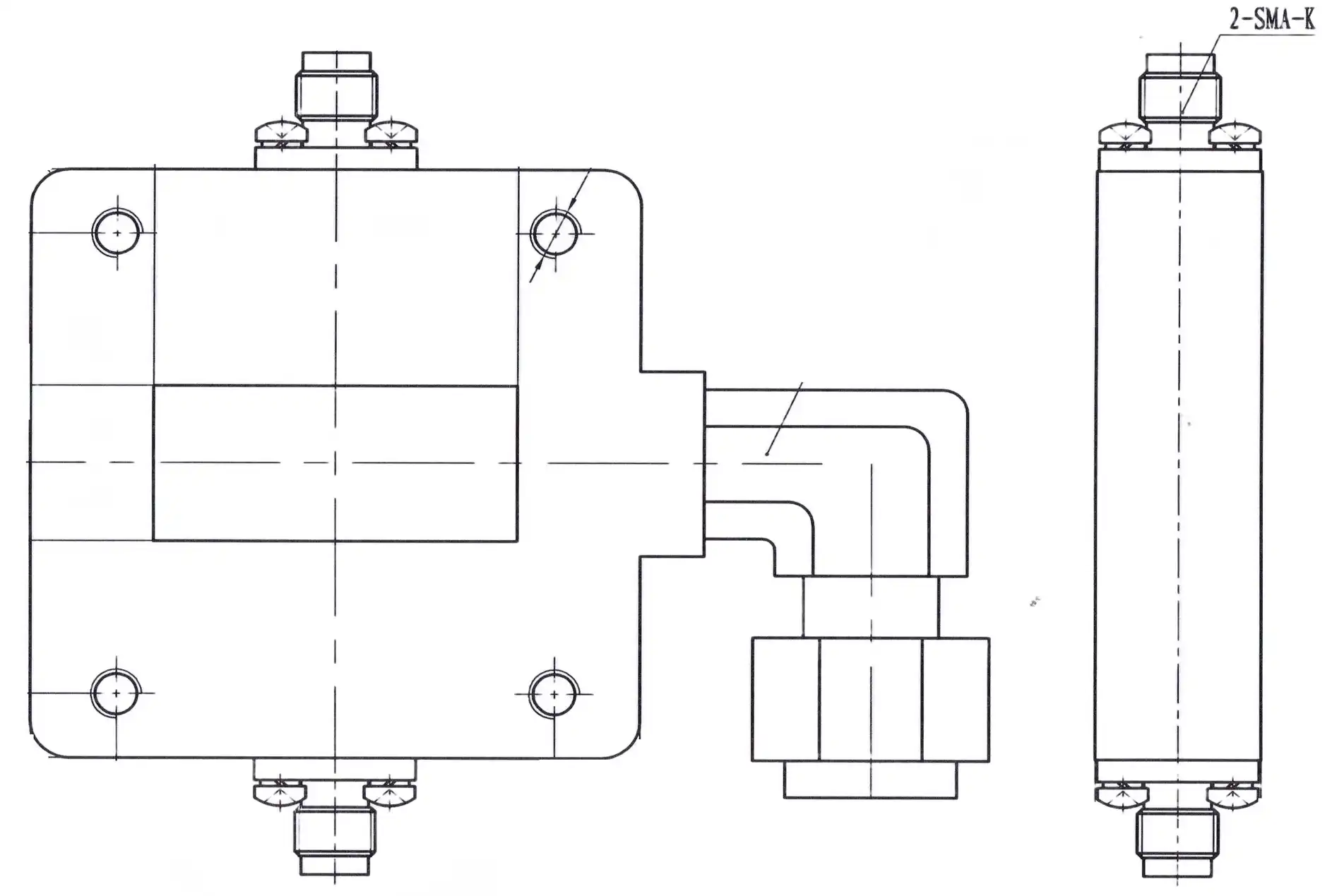
There is a big difference between coaxial and waveguide transmission systems, and waveguide probe couplers act as complex transition devices that fill that gap. A carefully placed metal probe extending into the waveguide cavity, usually a quarter-wavelength away from a short-circuit back wall, is what the core mechanism is all about. This setup makes positive interference patterns that help signals travel forward as far as possible while reducing unwanted reflections. It works well to excite the main TE10 mode because the probe element acts as a monopole antenna inside the waveguide structure. The probe interacts with the waveguide's electric field distribution to create electromagnetic field coupling. This makes sure that the best energy transfer between the 50-ohm cable system and the higher impedance waveguide environment.
Signal Path Integrity and Mode Conversion
To keep the signal's integrity, the coupler needs to be able to keep the impedance characteristics the same throughout the transition area. How well the probe couples and responds to frequencies is directly affected by its depth, width, and location in relation to the waveguide walls. Signal confusion is kept to a minimum during the TEM-to-TE10 mode conversion process by using the right design. Modern probe couplers have impedance-matching parts that change the coaxial impedance over time to match the characteristic impedance of the waveguide at the operating frequency. This slow change keeps the impedance from dropping suddenly, which could cause signal echoes and standing wave patterns.
Frequency Range Considerations for X-Band Applications
Keeping the signal stable in X-band uses (8–12 GHz) is harder than in other bands. Dimensional errors become more important at these frequencies because small differences in manufacturing can have a big effect on performance. WG Probe Coupler designs for X-band systems need to take into account changes in coupling that depend on frequency and keep performance stable across the whole operating bandwidth.At higher frequencies, the probe setting is more sensitive, so it needs to be made with precision to make sure it works every time. Picking the right material is also very important because dielectric losses, customized OEM waveguide couplers, and rough circuit surfaces can have a big effect on signal quality at X-band frequencies.
How WG Probe Couplers Enhance Signal Stability Through Performance Optimization
Addressing Common Signal Degradation Sources
WG Probe Coupler Signal instability in microwave transmission systems is usually caused by three things: too much insertion loss, impedance mismatch reflections, and thermal noise coupling. Traditional ways of coupling often cause signal degradation because they don't fit the impedance well and don't separate the input and output ports well enough. The WG Probe Coupler device solves these problems by making the electromagnetic field coupling better. The probe design makes sure that energy moves quickly between transmission media, which reduces insertion loss. Careful matching of impedance lowers reflection coefficients, which leads to better VSWR properties and less standing wave formation.
Design Principles for Enhanced Coupling Efficiency
Modern probe coupler designs incorporate several key principles that enhance signal stability. The probe geometry optimization ensures maximum field coupling while minimizing parasitic reactances that could destabilize the frequency response. Backshort positioning allows fine-tuning of the resonant characteristics, enabling precise impedance matching across the desired frequency range. The waveguide cavity dimensions are carefully calculated to support single-mode propagation, preventing higher-order mode excitation that could introduce signal distortion. Surface treatment and plating specifications ensure low-loss conductor interfaces that maintain stable electrical characteristics over extended operational periods.
Installation and Calibration Best Practices
Proper installation procedures are essential for achieving optimal signal stability performance. The coupler mounting must provide a secure mechanical connection while maintaining electrical continuity. Torque specifications ensure consistent contact pressure without damaging delicate internal components. Calibration procedures typically involve network analyzer measurements to characterize the coupler's S-parameters across the operational frequency range. These measurements establish baseline performance metrics and identify any deviations from expected behavior that might indicate installation issues or component degradation.
Comparing WG Probe Couplers with Alternative Coupler Solutions
Performance Metrics Comparison
When evaluating coupling technologies for high-frequency applications, several key performance parameters distinguish WG Probe Coupler solutions from alternatives. Insertion loss characteristics typically range from 0.1 to 0.3 dB for properly designed probe couplers, comparing favorably to directional couplers that may exhibit 0.5 dB or higher losses. Isolation performance represents another critical differentiator. Probe couplers can achieve isolation levels exceeding 40 dB, significantly outperforming coaxial and microstrip alternatives in high-frequency applications. This superior isolation prevents signal leakage that could compromise measurement accuracy or system stability.
Here are the core performance advantages that set probe couplers apart from conventional solutions:
- Superior frequency handling - Operating effectively across multi-octave bandwidths while maintaining consistent coupling characteristics, unlike narrowband alternatives that require multiple components for broadband coverage
- Enhanced power handling capability - Supporting high-power applications up to several kilowatts without thermal degradation or breakdown, exceeding the limitations of semiconductor-based coupling solutions
- Improved environmental resilience - Withstanding extreme temperature variations, humidity, and mechanical stress without performance degradation, making them ideal for aerospace and outdoor applications
- Reduced maintenance requirements - Passive design eliminates active component failure modes and reduces long-term operational costs compared to electronically controlled coupling systems
These performance characteristics translate directly into improved system reliability and reduced lifecycle costs for demanding industrial applications.
Case Examples in Radar and Measurement Environments
Military radar systems demonstrate customized OEM waveguide couplers, the practical WG Probe Coupler, and the advantages of probe coupler technology in demanding operational environments. A recent air defense radar upgrade project achieved 15% improvement in target detection accuracy by replacing aging directional couplers with precision probe couplers. The enhanced signal stability enabled more consistent amplitude and phase measurements, improving overall system performance. Microwave measurement applications benefit significantly from the stable coupling characteristics that probe couplers provide. Laboratory test equipment utilizing these devices shows improved measurement repeatability, with standard deviation reductions of up to 25% compared to alternative coupling methods.
Selecting and Procuring the Best WG Probe Coupler for Your Requirements
Technical Specification Criteria
Successful procurement begins with clearly defined technical requirements that align with your application's performance demands. Frequency range specifications must encompass not only the fundamental operating frequencies but also potential harmonic content that could affect system performance. Power handling requirements should include both continuous and peak power specifications to ensure reliable operation under all anticipated conditions. Environmental specifications become particularly important for aerospace and defense applications. Temperature cycling, humidity exposure, and mechanical shock requirements must be clearly specified to ensure long-term reliability. Connector compatibility and mounting configurations should be standardized wherever possible to simplify integration and reduce inventory complexity.
Vendor Evaluation and Certification Requirements
Supplier qualification involves assessing multiple factors beyond basic product specifications. Manufacturing certifications such as ISO 9001 and AS9100 indicate established quality management systems that support consistent product quality. WG Probe Coupler suppliers should demonstrate relevant industry experience and provide traceable calibration certificates for their test equipment. Technical support capabilities become crucial during the integration phase. Suppliers should offer application engineering support, including simulation and modeling services, to validate performance in your specific application. Documentation quality, including detailed specifications sheets and integration guidelines, indicates the supplier's commitment to customer success.
Procurement Process and Logistics Considerations
Effective procurement planning accounts for lead time variations that commonly occur with specialized microwave components. Standard catalog items may ship within weeks, while custom configurations could require several months for design, manufacturing, and testing. Sample evaluation programs allow performance validation before committing to production quantities. Pricing structures for microwave components often include volume discounts that can significantly reduce unit costs for larger quantities. However, balancing inventory costs against potential price savings requires careful analysis of your long-term requirements and demand forecasting accuracy.
Practical Applications and Case Studies Demonstrating Signal Stability Improvements
Radar System Performance Enhancements
Modern phased array radar systems rely heavily on WG Probe Coupler stable signal distribution networks to maintain beam pointing accuracy and target detection performance. A recent military surveillance radar modernization project incorporated WG Probe Coupler technology throughout the signal distribution network, achieving measurable improvements in system performance metrics. The implementation resulted in phase stability improvements of better than ±2 degrees across the operational frequency band, compared to ±5 degrees with the previous coupling technology. This enhanced stability translated the WG Probe Coupler directly into improved target tracking accuracy and reduced false alarm rates, demonstrating the practical value of superior signal coupling technology.
Precision Measurement System Applications
Microwave test and measurement systems demand exceptional signal stability to achieve accurate and repeatable results. A leading aerospace test facility upgraded its antenna measurement range with precision probe couplers, resulting in measurement uncertainty reductions of approximately 30%. The improved signal stability enabled the facility to meet more stringent measurement requirements for next-generation satellite communication systems. Test repeatability improvements reduced the need for multiple measurement runs, increasing overall laboratory productivity while maintaining measurement quality standards.
Emerging Technology Trends
The evolution toward higher frequency applications continues to drive probe coupler technology development. Millimeter-wave communications systems operating above 30 GHz present new challenges for signal stability maintenance. Advanced materials and manufacturing techniques enable probe coupler designs that maintain stable performance well into the millimeter-wave spectrum. Integration with digital signal processing systems offers opportunities for adaptive coupling optimization. Smart probe couplers incorporating sensors and control systems can automatically adjust coupling parameters to compensate for environmental variations and maintain optimal signal stability across changing operational conditions.
Conclusion
WG Probe Coupler technology represents a cornerstone solution for achieving superior signal stability in demanding microwave applications. Through optimized electromagnetic field coupling and precision impedance matching, these devices effectively eliminate common sources of signal degradation that compromise system performance. The demonstrated advantages in radar systems, precision measurements, and telecommunications applications validate their critical role in modern RF infrastructure. As frequency requirements continue expanding into millimeter-wave bands, probe coupler technology evolution ensures continued relevance for next-generation systems requiring uncompromising signal integrity and operational reliability.
FAQ
1. What frequency ranges do WG probe couplers typically support?
Most standard WG probe couplers operate across waveguide bands from 1 GHz to 110 GHz, with specific designs optimized for individual bands such as X-band (8-12 GHz), Ku-band (12-18 GHz), and Ka-band (26.5-40 GHz). Custom designs can extend these ranges for specialized applications.
2. How does calibration impact signal stability performance?
Proper calibration establishes accurate reference measurements and compensates for systematic errors in the coupling system. Regular calibration maintains measurement accuracy within ±0.1 dB and phase stability within ±1 degree, ensuring consistent performance over extended operational periods.
3. What distinguishes WG probe couplers from directional couplers?
WG probe couplers provide coaxial-to-waveguide transitions with superior isolation and lower insertion loss, while directional couplers typically operate within the same transmission medium. Probe couplers excel in applications requiring mode conversion and impedance transformation between different transmission line types.
Partner with ADM for Superior WG Probe Coupler Solutions
Advanced Microwave Technologies Co., Ltd (ADM) delivers precision-engineered probe coupler solutions backed by over 20 years of microwave expertise and ISO 9001 certification. Our advanced 110 GHz measurement capabilities and comprehensive testing facilities ensure every WG Probe Coupler meets stringent performance specifications. Whether you require standard catalog products or custom-engineered solutions, our technical team provides expert support throughout your procurement process. Contact craig@admicrowave.com to discuss your specific requirements and discover how our proven WG Probe Coupler supplier capabilities can enhance your system's signal stability and operational reliability.
References
1. Johnson, R.C. and Jasik, H., "Antenna Engineering Handbook, Fourth Edition," McGraw-Hill Professional, 2007.
2. Pozar, David M., "Microwave Engineering, Fourth Edition," John Wiley & Sons, 2011.
3. Collin, Robert E., "Foundations for Microwave Engineering, Second Edition," IEEE Press, 2001.
4. Gupta, K.C., Garg, R., Bahl, I., and Bhartia, P., "Microstrip Lines and Slotlines, Third Edition," Artech House, 2013.
5. Montgomery, C.G., Dicke, R.H., and Purcell, E.M., "Principles of Microwave Circuits," MIT Radiation Laboratory Series, 1948.
6. Marcuvitz, Nathan, "Waveguide Handbook," MIT Radiation Laboratory Series, Boston Technical Publishers, 1964.
YOU MAY LIKE
 VIEW MORELow Phase Noise Amplifier
 VIEW MOREAc Power Amplifier
 VIEW MOREActive Limiter
 VIEW MOREVoltage Controlled Phase Shifter
 VIEW MORECorrugated Horn and Multimode Horn Antenna
 VIEW MOREWideband Double-ridged Horn Antenna
 VIEW MOREMini Wideband Double-ridged Horn Antenna
 VIEW MOREUltra Double-ridged Horn Antenna