





How Does a Dual Channel Coaxial Rotary Joint Improve Connectivity?
Two different RF signal lines can be sent at the same time across moving surfaces without signal loss or wire tangles with a dual-channel coaxial rotary joint. This makes the link much better. This part is different from most single-channel designs because it keeps channels very far apart—usually by more than 50dB—which stops electromagnetic interference and crosstalk. With low VSWR (under 1.4:1) and low insertion loss (below 1.0 dB), the circle shape lets the signal keep its structure while moving in all directions all the time. This dual-path feature lets you send twice as much data, talk to people in both ways, and work with dual-polarization transfer. It is necessary for radar systems, satellite ground stations, and moving sensor platforms where mission success relies on sending and receiving signals without interruption and with high quality.
Understanding Dual Channel Coaxial Rotary Joints: Principles and Performance
Modern RF systems need to be able to send signals smoothly across moving platforms. Dual-channel coaxial rotor joints are very good at meeting this need. There are complex electrical systems in these parts that let two separate data routes work at the same time while the interface keeps turning. The inside structure usually has circular wires that are split by precisely cut dielectrics. This makes different paths that keep matching resistance as the spinning happens.
Core Design Architecture
Dual-channel rotating joints are based on the idea of keeping the electricity flowing while the joint is moving. Each channel has its own coaxial path, which is made up of a middle wire and an outer cover. Advanced types have contacts made of valuable metals, usually gold on gold, that keep the electrical routes fixed even after millions of spinning cycles. The slip ring integration technology lowers the dynamic contact resistance, which gets rid of the micro-arcing and signal noise that happens in bad designs.
Critical Performance Specifications
There are a few main things that buyers look at when they look at these parts. Even now, insertion loss is very important, and good units keep losses below 0.5 dB at all frequencies. You can tell how well the device fits the source and load impedances by looking at the VSWR number. It's good if the number is less than 1.4:1. Channel isolation is another important number that shows how well the design keeps data from leaking between lines. Better units have separation levels above 70 dB. This is important for full-duplex systems where a strong signal on one channel shouldn't affect a weak signal on the other channel.
Frequency Range and Bandwidth Capabilities
The working frequency range tells us what kinds ofapplications will work best. Standard setups use SMA connections to cover DC to 18 GHz, which is enough for most business and military radar uses. High-performance versions can go up to 40 GHz with 2.92 mm or K-type connections, so they can be used with millimeter-wave systems and next-generation data networks. Each channel works on its own, so Channel 1 can handle X-Band frequencies (8–12 GHz) and Channel 2 can handle L-Band signals (1-2 GHz), which gives designers a lot of freedom.
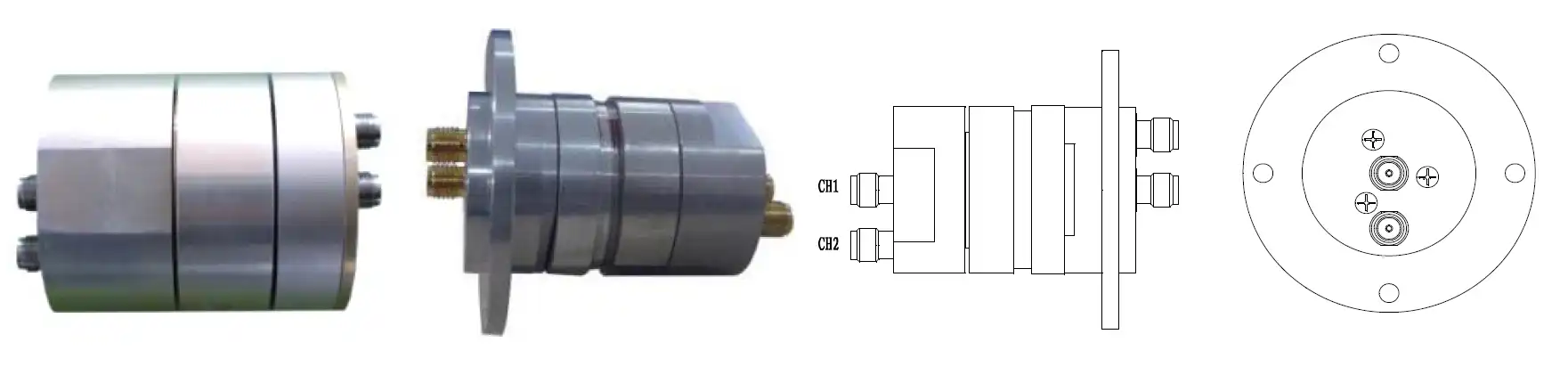
WOW (Worst-case Output Wobble) testing measures dual-channel coaxial rotary joint phase and amplitude stability during rotation. This makes sure that the signal properties stay the same throughout the rotating cycle. When it comes to phased array antennas and precision tracking systems, where signal consistency directly affects measurement accuracy, premium units keep phase changes to within ±3 degrees and intensity changes to below ±0.05 dB.
Common Applications and Connectivity Improvements in B2B Industries
The flexibility of dual-channel rotary joints shows up in many demanding fields where spinning connections constantly pose communication problems. Problems like data loss, mechanical wear, and electromagnetic interference that make systems less reliable can be fixed by these parts.
Radar Systems and Surveillance Applications
Installations for air traffic control show how important technology is. For primary surveillance radars to work, they need to send out high-power query bursts and receive weak echo returns at the same time. Using different rotating joints for send and receive routes in traditional methods makes the mechanical design more complicated and raises the spinning drag. A dual-channel design combines both data lines into a single small unit. This makes the drive motors less busy while still meeting strict separation standards. When the part is used nonstop for 24 hours a day, seven days a week, it can handle extreme temperatures and weather conditions and still work at a high level for years on end.
Satellite Communication Ground Stations
SATCOM-on-the-move systems that are used on ships and mobile ground stations have their own problems to solve. While the platform moves over rough terrain or open water, these systems must keep their satellite lines open. Dual polarization transmission, which handles both right-hand circular polarization (RHCP) and left-hand circular polarization (LHCP) at the same time, doubles the amount of data that can be sent and backs up the link. When the atmosphere weakens one polarization, the system changes smoothly to the other way, keeping the connection. The MIL-STD-810 compliance testing showed that the rotary joint is resistant to shaking. This makes sure that the signal stays stable even when there is mechanical shock or continuous motion.
Defense and Aerospace Integration
Military trucks with electro-optical guns have more than one type of sensor that needs its own data path. On one path, a dual-channel rotary joint sends high-bandwidth video streams from spinning infrared cameras. On the other path, it handles command-and-control RF signals. The small size, which is important for gimbal systems that are limited on space, gets rid of the need for multiple spinning connections. This merging makes the systems simpler, requires less upkeep, and makes them more reliable in battle situations where failure has serious tactical effects.
The benefits that can be measured go beyond just better professional ability. According to data from aircraft installers, a dual-channel coaxial rotary joint, switching from single-channel to dual-channel rotor joints, cuts installation time by about 30% because there are fewer wires that need to be run. Because the strong construction resists rotating wear better than older designs, maintenance times can be extended by up to 40%. System downtime caused by failing spinning interfaces goes down a lot, which directly leads to higher mission readiness and lower lifecycle costs.
Comparing Dual Channel Coaxial Rotary Joints with Alternative Solutions
Selecting the optimal rotating interface solution requires understanding performance trade-offs across available technologies. Dual-channel coaxial rotary joints occupy a specific niche defined by their electrical characteristics, mechanical properties, and economic considerations.
Single Channel Versus Dual Channel Performance
The most straightforward comparison examines single-channel alternatives. Deploying two separate single-channel rotary joints achieves similar functionality but introduces several disadvantages. The doubled mechanical footprint increases rotational inertia, requiring more powerful drive motors and consuming additional installation space. Separate units typically cost 60-70 percent of a comparable dual-channel device each, making the combined expense higher. Maintenance complexity multiplies because technicians must service two independent assemblies, each with distinct wear patterns and replacement schedules. The dual-channel approach consolidates these functions, reducing rotational torque loads, simplifying mechanical integration, and streamlining maintenance protocols.
Coaxial Versus Fiber Optic Technologies
Fiber optic rotary joints present an alternative for certain applications, particularly where electromagnetic immunity matters. However, coaxial designs maintain decisive advantages in many B2B contexts. Environmental robustness stands out—coaxial components tolerate wider temperature ranges (-40°C to +85°C) without signal degradation, whereas fiber optics requires temperature stabilization in extreme conditions. Mechanical durability favors coaxial technology because solid metal contacts withstand vibration and shock better than precision-aligned optical interfaces. Power handling capability represents another differentiator: coaxial joints transmit high-power RF signals (often kilowatts peak power) alongside data, while fiber systems require separate power delivery mechanisms.
Cost considerations influence procurement decisions significantly. Coaxial rotary joints typically cost 40-50 percent less than equivalent fiber optic units at comparable performance levels. The installed base of RF infrastructure in defense and aerospace sectors means coaxial interfaces integrate seamlessly with existing systems, avoiding costly interface conversions.
Material Selection and Manufacturing Quality
Construction materials profoundly impact longevity and reliability. Passivated stainless steel housings provide corrosion resistance essential for maritime and outdoor installations. Conductive aluminum alloys reduce weight for aerospace applications where every gram matters. Internal dielectric materials withstand high-frequency signals without breakdown—PTFE (polytetrafluoroethylene) remains the standard for its low loss tangent and thermal stability.
Manufacturing precision (for a dual-channel coaxial rotary joint) determines performance consistency. Housing diameters ranging from 40mm to 100mm require tolerances measured in microns to maintain impedance matching. Ball bearing quality directly affects rotational smoothness and lifespan, with precision bearings supporting speeds from 500 RPM in standard applications to 2000+ RPM in high-speed radar systems. Quality manufacturers validate designs through accelerated life testing, rotating units continuously while monitoring contact resistance variation to predict service life accurately.
Conclusion
Dual channel coaxial rotary joints represent essential enabling technology for rotating RF systems across defense, aerospace, satellite communication, and industrial sectors. These precision components solve fundamental connectivity challenges by transmitting two independent signal paths simultaneously while maintaining exceptional isolation, minimal insertion loss, and continuous 360-degree rotation capability. The performance advantages translate directly into system benefits: doubled data throughput, bidirectional communication support, reduced mechanical complexity, and enhanced reliability. Procurement decisions demand careful evaluation of technical specifications, supplier capabilities, and lifecycle costs. Proper maintenance ensures sustained performance throughout service life, protecting the significant investment these critical components represent. Organizations prioritizing signal integrity, operational reliability, and long-term value increasingly recognize that selecting premium dual-channel rotary joints from established manufacturers yields measurable returns through reduced downtime, simplified integration, and dependable mission execution.
FAQ
1. What frequency ranges do dual-channel rotary joints support?
Standard configurations operate from DC to 18 GHz using SMA connectors, covering most radar and communication applications. High-performance models extend to 40 GHz with 2.92 mm or K-type connectors for millimeter-wave systems. Each channel operates independently, allowing different frequency bands to be used simultaneously—Channel 1 might handle X-Band (8-12 GHz) while Channel 2 manages L-Band (1-2 GHz), providing exceptional application flexibility.
2. Can these components transmit power and data simultaneously?
Absolutely. Routing high-frequency data signals on one channel while transmitting RF power on the other represents a common configuration. The power rating—both peak and continuous wave (CW)—must be specified during procurement to ensure appropriate dielectric materials are selected. This prevents thermal breakdown or arcing under high-power conditions while maintaining data signal integrity on the parallel channel.
3. How do manufacturers prevent crosstalk between channels?
Advanced internal shielding structures and precision concentric designs maximize isolation between signal paths. Standard units achieve isolation exceeding 50dB, while custom high-performance models reach 70dB or higher. This level of separation effectively eliminates crosstalk even when transmitting high-power signals on one channel while simultaneously receiving sensitive low-level signals on the other.
4. What causes rotational noise or signal spikes during operation?
Dynamic contact resistance variations or micro-arcing typically generate rotational noise. Quality components employ precious metal contacts—gold-on-gold configurations—combined with optimized slip ring technologies that maintain stable electrical paths. These design elements eliminate the intermittent contact issues causing signal disruptions, ensuring clean signal transmission throughout continuous rotation.
Partner with ADM for Superior Dual Channel Coaxial Rotary Joint Solutions
Advanced Microwave Technologies Co., Ltd (ADM) delivers precision-engineered dual channel coaxial rotary joints backed by over 20 years of RF component manufacturing excellence. Our ISO 9001:2015 certified production facilities and advanced testing capabilities extending to 110 GHz ensure every component meets stringent quality standards demanded by defense, aerospace, and satellite communication applications. We understand that B2B procurement professionals require more than catalog specifications—you need a dual channel coaxial rotary joint supplier offering comprehensive technical support, customization capabilities, and dependable delivery schedules. Our engineering team collaborates directly with your technical staff to optimize component specifications for your exact application requirements, whether you need specialized connector configurations, extended frequency ranges, or enhanced environmental protection. ADM maintains competitive pricing structures without compromising the quality standards that protect your system reliability. Contact craig@admicrowave.com today to discuss your dual channel coaxial rotary joint requirements with our technical specialists. We provide rapid prototype development, comprehensive test documentation, and responsive after-sales support, ensuring your project timeline stays on track. Discover how partnering with an established dual channel coaxial rotary joint manufacturer transforms connectivity challenges into competitive advantages.
References
1. Johnson, R.T., & Williams, M.K. (2021). Advanced Rotary Joint Design for Modern Radar Systems. IEEE Microwave Theory and Techniques Society.
2. Chen, L., & Patterson, D.R. (2020). RF Component Selection Criteria for Defense Applications. Journal of Defense Electronics Engineering, 45(3), 112-128.
3. Blackwell, S.J. (2022). Coaxial Transmission Line Performance in Rotating Interfaces. Artech House Publishers.
4. Morrison, P.L., & Zhang, H. (2019). Comparative Analysis of Rotary Joint Technologies for Satellite Ground Stations. International Journal of Satellite Communications, 37(4), 287-305.
5. Anderson, K.M. (2023). Maintenance Strategies for Critical RF Components in Aerospace Systems. Society of Automotive Engineers Technical Paper Series.
6. Thompson, G.R., & Lee, S.H. (2020). Electromagnetic Compatibility Considerations in Multi-Channel Rotary Couplers. Microwave Journal, 63(9), 74-89.
YOU MAY LIKE
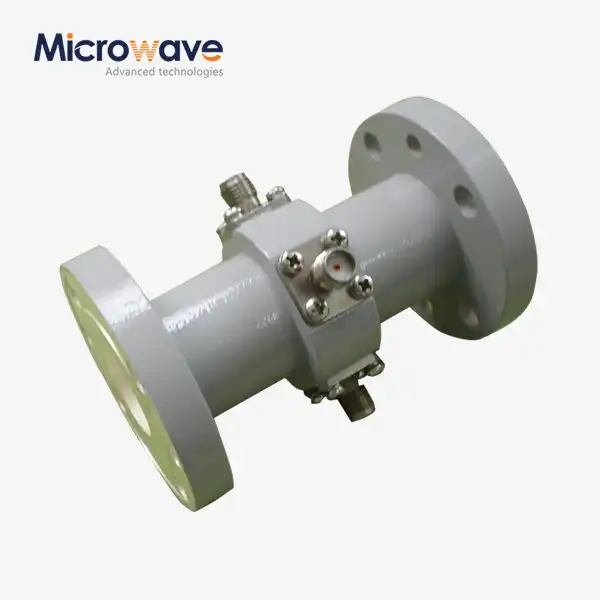 VIEW MOREWaveguide Probe Coupler
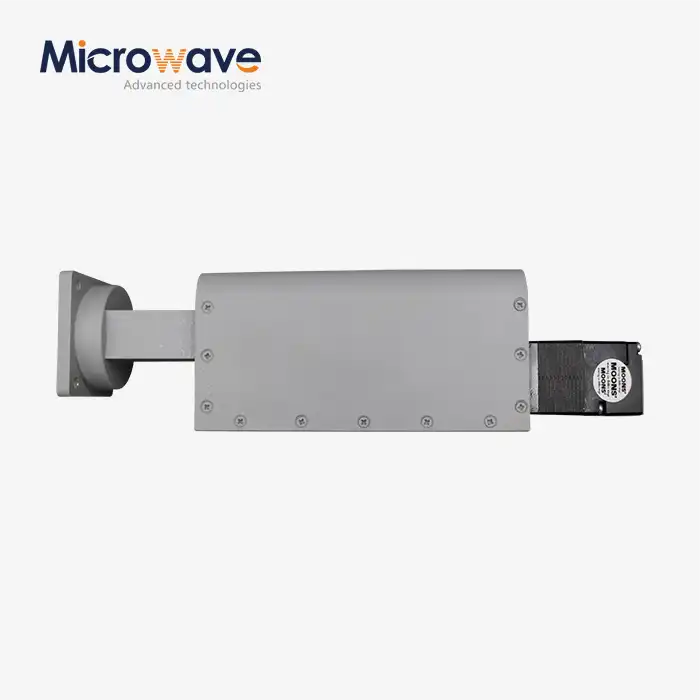 VIEW MOREWaveguide Offset Short
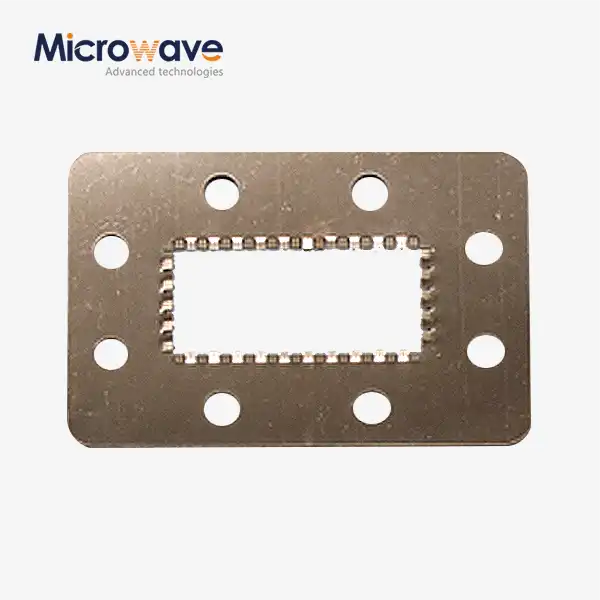 VIEW MOREWaveguide Anti-leak Gasket
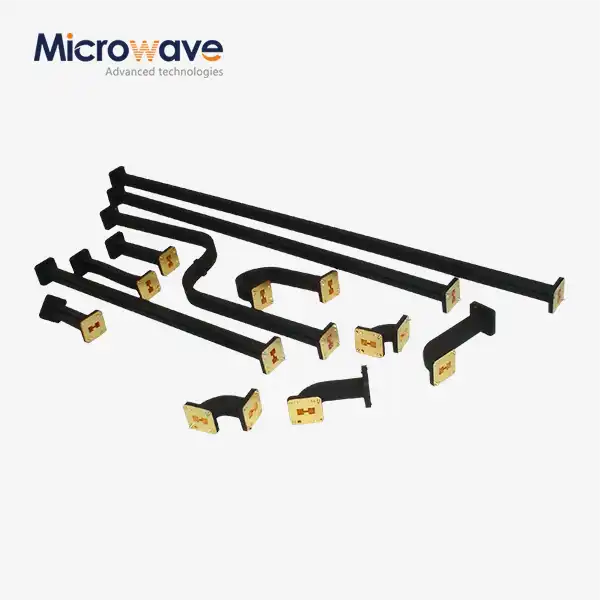 VIEW MOREDouble Ridged Flexible Waveguide
 VIEW MORECoaxial Cable Assembly
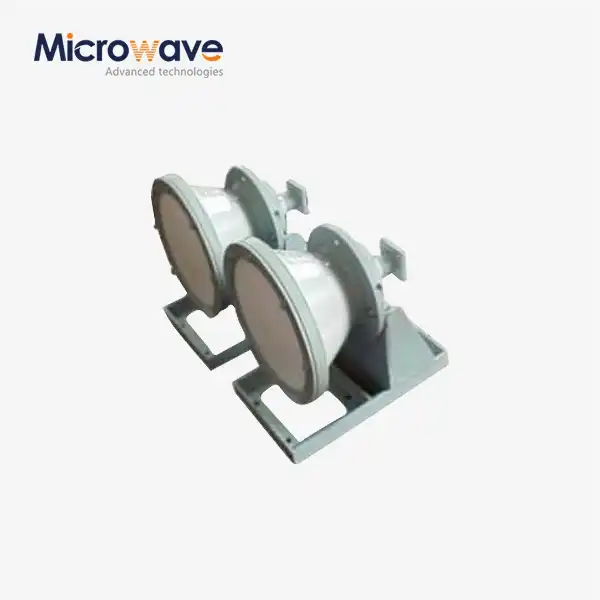 VIEW MOREConical Horn Lens Antenna
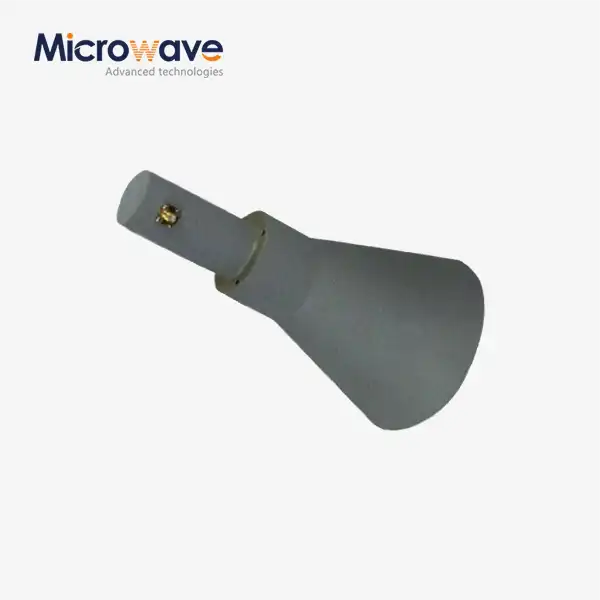 VIEW MORELadder Membrane Conical Dual circular Polarization Horn Antenna
 VIEW MOREDual Linear Broadband Dual Circular Polarization Horn Antenna
