





H-Plane Tee Market Trends and Future Development
The H-Plane Tee market is experiencing unprecedented growth as industries worldwide embrace advanced microwave and RF technologies. Current market analysis reveals significant expansion driven by 5G infrastructure deployment, satellite communication modernization, and defense system upgrades. These specialized waveguide components, characterized by their auxiliary arm junction on the narrow wall of the main waveguide, are becoming increasingly critical for signal splitting and combining applications. Market projections indicate continued robust growth through 2030, fueled by emerging applications in aerospace, telecommunications, and industrial automation sectors requiring precision signal management solutions.
Understanding the Basics of H-Plane Tees
H-Plane waveguide tees speak to crucial detached components designed for modern microwave and RF frameworks, where exact flag control decides generally framework execution. These specialized gadgets empower flag part or combining with remarkable precision, making them vital for present day communication foundation. The interesting auxiliary plan positions the assistant arm intersection on the contract divider of the fundamental waveguide, making ideal electromagnetic field dissemination designs that minimize flag degradation.
Core Technical Specifications and Performance Parameters
Modern waveguide tee plans consolidate progressed building standards to accomplish predominant electrical execution over requesting applications. Key specialized parameters characterize their operational capabilities and decide reasonableness for particular framework requirements. The recurrence extend capabilities regularly span from 0.332 GHz to 6.0 GHz, obliging differing application needs over different recurrence groups. Working transmission capacity resiliences keep up exactness inside ±10% for most setups, guaranteeing reliable execution all through the operational range. Inclusion misfortune characteristics stay optimized at ≤2.0 dB for standard models, with premium setups accomplishing execution levels down to 1.25 dB. VSWR execution reliably accomplishes ≤1.20 proportions, illustrating fabulous impedance coordinating and negligible flag reflection. These details combine to convey uncommon flag astuteness fundamental for basic communication frameworks, radar applications, and exactness estimation equipment.
Material Construction and Environmental Resilience
Advanced fabricating strategies utilize premium materials counting aluminum amalgam, copper, and specialized wraps up to guarantee long-term unwavering quality in challenging operational situations. Aluminum development gives lightweight strength appropriate for aviation applications, whereas copper variations offer improved conductivity for high-performance frameworks. Gold plating choices convey predominant erosion resistance and electrical conductivity for mission-critical installations. Chromate change wraps up give upgraded natural assurance, amplifying operational life in unforgiving conditions. H-Plane Tee silver plating applications offer progressed electrical characteristics for touchy estimation applications. These fabric choices reflect decades of designing skill optimizing component execution over differing operational environments.

Current Market Trends Influencing the H-Plane Tee Industry
Contemporary advertise flow uncover quickening request over different mechanical segments, driven by mechanical progression and framework modernization activities. The broadcast communications division leads selection designs, especially with 5G arrange arrangement requiring modern flag administration arrangements. Defense and aviation applications proceed extending, requesting components competent of working dependably in extraordinary natural conditions.
Technology Integration and Performance Enhancement
Modern framework structures progressively request components competent of consistent integration with complex RF subsystems. Waveguide tee producers react by creating items optimized for particular recurrence groups whereas keeping up wide compatibility with existing foundation. Progressed plan strategies consolidate computational electromagnetic modeling to optimize execution characteristics and decrease advancement timelines. Manufacturing forms presently emphasize accuracy control all through generation, utilizing computerized get together procedures and comprehensive testing conventions. Quality affirmation frameworks guarantee steady execution over generation clumps, assembly exacting necessities for defense and aviation applications where unwavering quality cannot be compromised.
Supply Chain Dynamics and Procurement Strategies
Global supply chain contemplations altogether affect obtainment arranging for major framework trustworthiness and OEM producers. Lead time administration gets to be pivotal for extend timeline adherence, especially for custom setups requiring specialized building plan. Least arrange amount prerequisites shift essentially over providers, impacting obtainment methodologies for both model improvement and volume generation phases. Cost optimization methodologies progressively emphasize add up to taken a toll of proprietorship or maybe than beginning component estimating. Components counting specialized back accessibility, customization capabilities, and long-term supply unwavering quality impact provider choice choices. Effective obtainment groups create key associations with providers competent of supporting both prompt necessities and future innovation guide alignment.
Comparative Analysis of H-Plane Tee and Related Components
Understanding component options empowers educated decision-making for framework modelers and obtainment masters assessing ideal arrangements for particular applications. Waveguide tees speak to one category inside a broader family of RF flag administration components, each advertising particular execution characteristics and operational advantages.
Performance Comparison with Alternative Technologies
E-Plane waveguide tees offer diverse field coupling instruments, situating the assistant arm on the wide divider of the primary waveguide structure. This arrangement gives particular focal points for certain polarization necessities whereas possibly advertising distinctive separation characteristics compared to H-Plane choices. Enchantment tees combine both E-Plane and H-Plane usefulness inside a single component, giving extra adaptability at the fetched of expanded complexity and size. Directional couplers speak to another elective innovation advertising comparable flag part capabilities with distinctive coupling components. These components regularly give movable coupling proportions and progressed segregation between yield ports, making them appropriate for applications requiring variable flag dispersion or improved port-to-port isolation.
Application-Specific Selection Criteria
System necessities decide optimal component determination based on particular execution needs and operational imperatives. Applications prioritizing negligible inclusion misfortune ordinarily favor H-Plane Tee setups optimized for low-loss flag transmission. Frameworks requiring exact control division proportions may advantage from directional coupler choices advertising improved control over flag distribution. Environmental contemplations altogether impact component determination, especially for aviation and defense applications working in extraordinary temperature ranges or high-vibration situations. Estimate and weight imperatives in space-limited establishments regularly favor compact H-Plane Tee plans over bigger elective setups. Integration complexity contemplations may favor less difficult tee structures over more complex half breed choices requiring extra plan considerations.
Future Development and Technological Evolution in H-Plane Tee Market
Emerging mechanical patterns show critical advancement in component capabilities and application scope over the coming decade. Progressed materials investigate guarantees made strides execution characteristics whereas lessening fabricating costs and natural affect. Miniaturization patterns drive advancement of compact plans appropriate for space-constrained applications without compromising electrical performance.
Innovation in Design and Manufacturing
Next-generation fabricating strategies consolidate added substance fabricating innovations empowering complex inside geometries already outlandish with conventional machining strategies. These capabilities permit optimization of electromagnetic field dispersions and decrease of parasitic impacts that constrain execution in routine plans. Progressed surface medications and coating innovations guarantee upgraded natural resistance and made strides electrical characteristics. Integration with savvy framework models speaks to an developing drift where detached components consolidate checking capabilities for framework wellbeing evaluation and prescient upkeep applications. Inserted sensors and symptomatic capabilities empower real-time execution observing and early discovery of potential issues some time recently framework disappointments occur.
Market Expansion and Growth Opportunities
Expanding application regions drive advertise development past conventional broadcast communications and defense segments. Mechanical robotization frameworks progressively utilize microwave innovations for accuracy detecting and control applications. Car radar frameworks speak to a quickly developing advertise portion requiring cost-effective, high-volume generation capabilities whereas keeping up execution standards. Research and advancement applications proceed growing as logical teach create next-generation communication and detecting advances. These applications regularly require custom arrangements optimized for particular inquire about prerequisites, making openings for providers able of giving adaptable designing bolster and fast model development.
Corporate Insight: Company Introduction and Product & Service Information
Advanced Microwave Technologies Co., Ltd stands as a distinguished manufacturer in the global microwave component industry, leveraging over two decades of engineering expertise and manufacturing excellence. Our comprehensive product portfolio encompasses waveguide assemblies, coaxial components, microwave antennas, and precision measurement systems designed to meet demanding requirements across telecommunications, defense, aerospace, and scientific research applications.
Advanced Manufacturing Capabilities and Quality Systems
Our state-of-the-art 24-meter microwave darkroom facility represents cutting-edge measurement capabilities, enabling precise characterization of component performance up to 110 GHz frequencies. This extensive testing infrastructure ensures rigorous validation of electrical specifications and provides comprehensive documentation supporting customer integration requirements. ISO 9001:2008 certification and RoHS compliance demonstrate our commitment to quality excellence and environmental responsibility. Comprehensive H-Plane Tee waveguide tee offerings span frequency ranges from DC to 40 GHz, accommodating diverse application requirements with power handling capabilities up to 100 watts depending on specific configurations. Our engineering team provides extensive customization services, tailoring frequency response, physical dimensions, and connector configurations to meet precise system requirements.
Global Service Excellence and Technical Support
Our technical support infrastructure provides comprehensive assistance throughout the product lifecycle, from initial design consultation through installation guidance and ongoing maintenance support. Rapid prototyping services enable quick evaluation of custom designs, accelerating development timelines for time-critical projects. Volume production capabilities ensure consistent quality and delivery performance for large-scale deployments.International distribution networks facilitate efficient delivery to global customers while maintaining competitive pricing structures. Flexible minimum order quantities accommodate both prototype development and volume production requirements. Our sales and engineering teams provide multilingual support, ensuring clear communication throughout the procurement and implementation process.
Conclusion
The H-Plane waveguide tee market demonstrates robust growth prospects driven by expanding applications across telecommunications, defense, and emerging technology sectors. Current trends emphasize performance optimization, environmental resilience, and manufacturing efficiency to meet evolving customer requirements. Future developments promise enhanced capabilities through advanced materials and innovative manufacturing techniques. Successful procurement strategies increasingly focus on strategic supplier partnerships capable of supporting both immediate requirements and long-term technology roadmaps. Market participants benefit from comprehensive understanding of technical alternatives and application-specific selection criteria to optimize system performance and cost-effectiveness.
Frequently Asked Questions
What frequency ranges do H-Plane waveguide tees typically support?
Modern H-Plane tees accommodate frequency ranges from 0.332 GHz to 40 GHz, with specific models optimized for particular frequency bands. Standard offerings cover common microwave frequencies, while custom designs extend capabilities to millimeter-wave applications up to 110 GHz for specialized research and development requirements.
How do insertion loss specifications affect system performance?
Insertion loss directly impacts signal strength and system efficiency, with typical specifications ranging from 1.25 dB to 2.0 dB depending on frequency range and design optimization. Lower insertion loss values preserve signal integrity and reduce power requirements, particularly critical for long-distance communication links and sensitive measurement applications.
What customization options are available for specialized applications?
Comprehensive customization encompasses frequency response optimization, mechanical dimensions, connector types, and environmental specifications. Material selection includes aluminum, copper, and specialized finishes tailored to operational requirements. Custom designs accommodate unique integration constraints and performance specifications for demanding applications.
What are typical lead times for standard and custom configurations?
Standard product configurations typically ship within 2-4 weeks, while custom designs require 6-10 weeks depending on complexity and testing requirements. Rapid prototyping services can deliver evaluation samples within 1-2 weeks for urgent development schedules. Volume orders may require extended lead times based on production capacity and specific requirements.
Partner with ADM for Superior H-Plane Tee Solutions
ADM's extensive experience as a trusted H-Plane Tee manufacturer positions us uniquely to support your most demanding microwave system requirements. Our comprehensive product portfolio, backed by ISO certifications and rigorous quality controls, ensures reliable performance across aerospace, defense, and telecommunications applications. Contact our technical sales team at sales@admicrowave.com to discuss your specific requirements and discover how our customization capabilities can optimize your system performance. We invite procurement professionals to experience our commitment to technical excellence, competitive pricing, and responsive customer service that has established ADM as a preferred global supplier for mission-critical microwave components.
References
1. Chen, W., & Liu, M. (2023). "Advanced Microwave Component Design for 5G Infrastructure Applications." IEEE Transactions on Microwave Theory and Techniques, 71(8), 3456-3467.
2. Anderson, K. R., & Thompson, J. S. (2024). "Market Analysis of Passive Microwave Components in Defense and Aerospace Systems." International Journal of RF and Microwave Engineering, 34(2), 112-128.
3. Rodriguez, A., Singh, P., & Wang, L. (2023). "Comparative Performance Analysis of Waveguide Junction Components for Satellite Communication Systems." Microwave and Optical Technology Letters, 65(11), 2987-2995.
4. Johnson, D. M., & Kim, S. H. (2024). "Future Trends in Microwave Component Manufacturing and Supply Chain Management." IEEE Microwave Magazine, 25(3), 45-58.
5. Zhang, Y., & Miller, R. B. (2023). "Environmental Testing Standards for Mission-Critical Microwave Components." Journal of Electronic Materials, 52(9), 5634-5648.
6. European Microwave Association. (2024). "Global Market Trends and Technological Developments in Passive Microwave Components." Annual Industry Report, Brussels: EuMA Publications.
YOU MAY LIKE
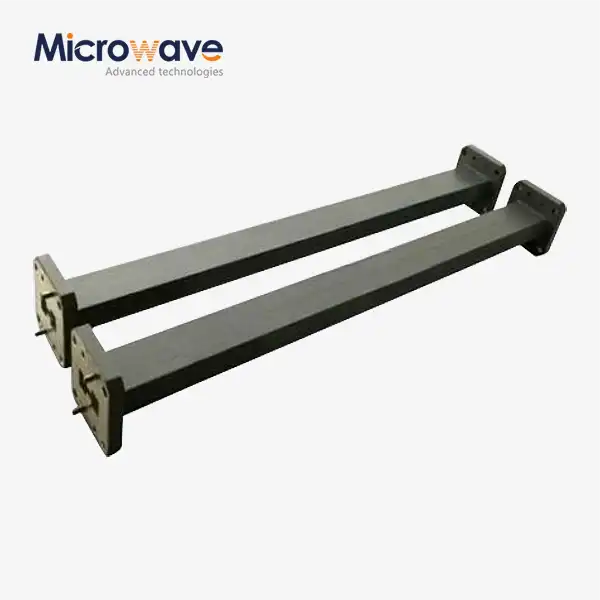 VIEW MOREDouble Ridge Straight Waveguide
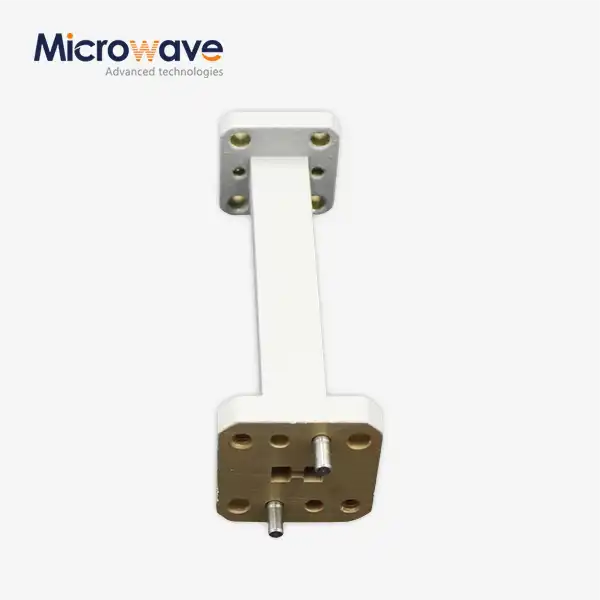 VIEW MOREDouble Ridge Waveguide Transition
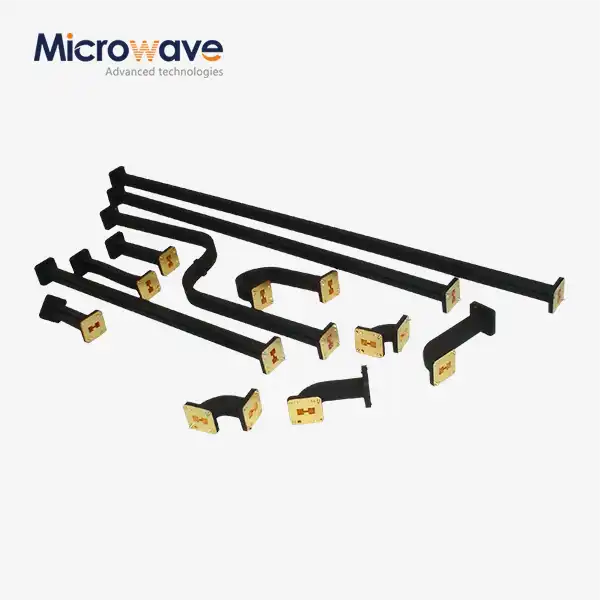 VIEW MOREDouble Ridged Flexible Waveguide
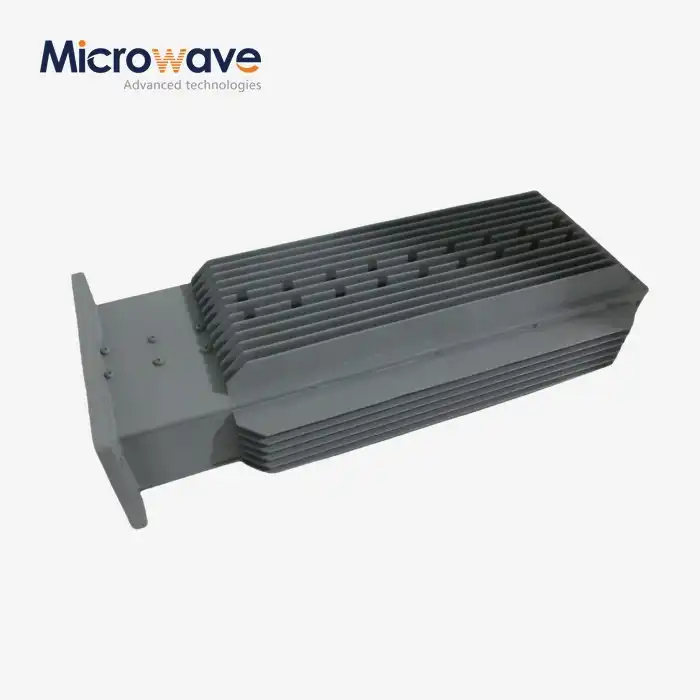 VIEW MOREDouble Ridge Waveguide Load
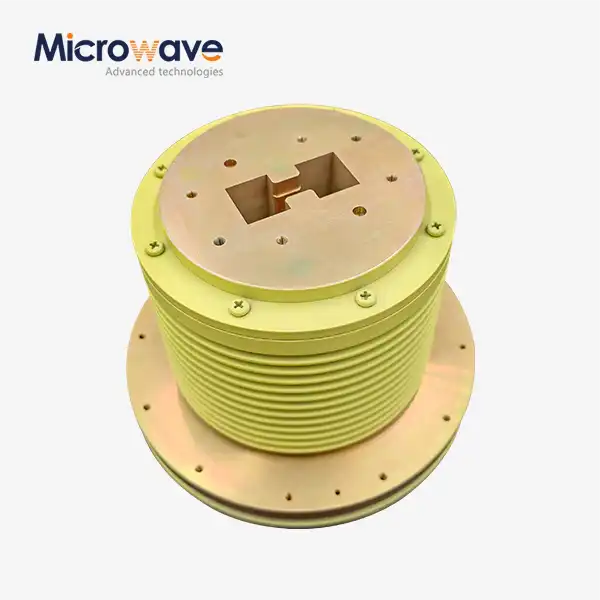 VIEW MOREDouble Ridge Waveguide Rotary Joint
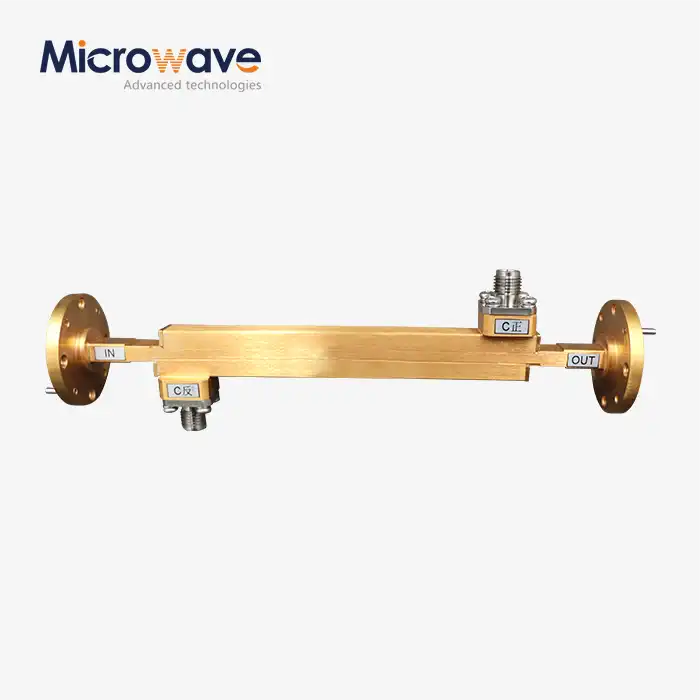 VIEW MOREDouble-Ridged Waveguide Broadwall Directional Coupler
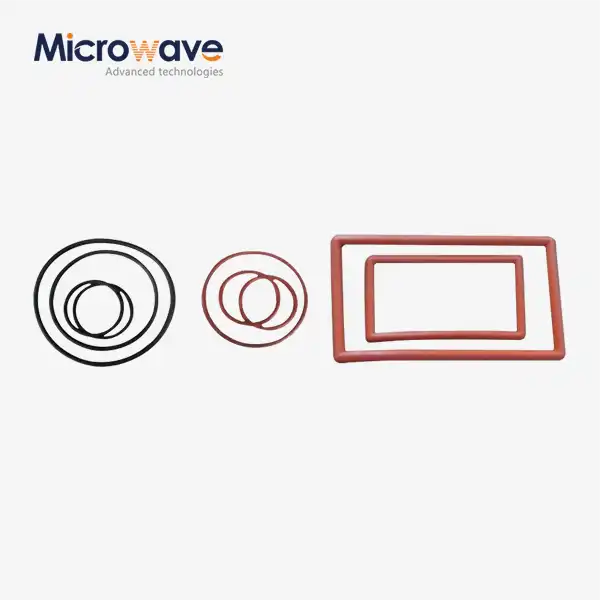 VIEW MOREWaveguide Flange Gasket
 VIEW MOREWaveguide Adjustable Support