





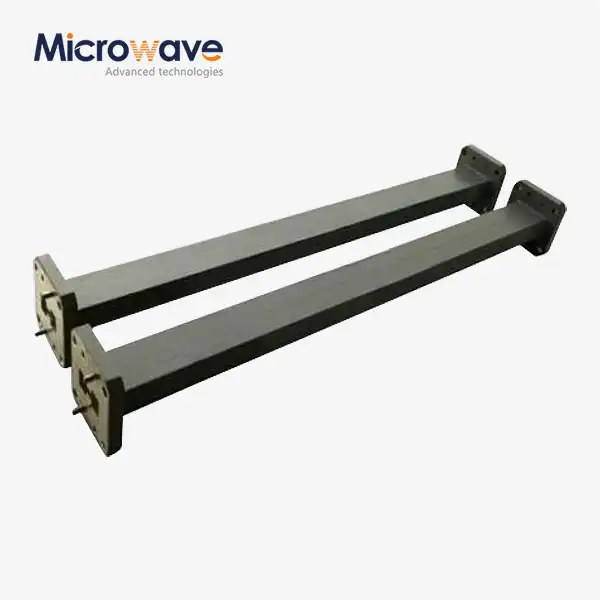
Double Ridge Straight Waveguide
Double Ridge Straight Waveguide Assemblies — Custom-Length Wideband Solutions for EW, Radar & EMC Applications
Advanced Microwave Technologies Co., Ltd. (ADM) manufactures custom-length Double Ridge Straight Waveguide assemblies built to your exact length and configuration. Unlike standard rectangular waveguides with a bandwidth ratio of roughly 1.5:1, ADM's double ridge designs reach multi-octave bandwidth ratios from 2.4:1 up to 4:1, covering frequency ranges from WRD-750 (7.5–18 GHz) through WRD-180 (18–40 GHz). ADM brings over 20 years of microwave component manufacturing experience and in-house test capability from 0.5 GHz to 110 GHz.
What Is a Double Ridge Straight Waveguide?
A double ridge waveguide is a rectangular metallic tube with two inward-protruding ridges machined into the center of its broad walls. These ridges act as a capacitive load inside the guide.
This geometry produces two effects simultaneously: it lowers the cutoff frequency of the fundamental TE10 mode and raises the cutoff frequency of the next higher-order TE20 mode. The result is a wider single-mode operating window compared to a conventional rectangular guide.
That wider window addresses a common challenge in high-frequency system design — the need to switch between multiple waveguide sections to cover different frequency bands. A single double ridge section handles what previously required multiple transmission lines across different frequency blocks.
Key Technical Specifications
Parameter | Details |
Frequency Coverage | WRD-750: 7.5–18 GHz / WRD-180: 18–40 GHz (per MIL-DTL-85) |
Bandwidth Ratio | 2.4:1 to 4:1 (multi-octave) |
Propagation Mode | TE10 (single-mode, no mode hopping) |
Nominal Impedance | 50 Ohms (coaxial-compatible interface) |
Material Options | Copper (ASTM B152), Aluminum 6061-T6, Brass |
Inner Wall Plating | Silver (ASTM B700) or Gold |
Flange Type | FPWRD series with alignment index pins |
Dimensional Tolerance | Ridge gap and width controlled to ±0.05 mm |
Length | Custom — manufactured to your exact specification |
Material and Surface Treatment
Each Double Ridge Straight Waveguide unit has a body made of either copper (ASTM B152), aluminium 6061-T6, or brass. This body is precision-extruded or CNC-machined. Copper is the best material for maximum conductivity, aluminium is best for aerospace builds that need to be light, and brass is best for cheap lab sets.
Inner wall plating is an important step for efficiency, not an extra finish. The standard is silver plating according to ASTM B700, since silver is a better conductor than copper. At microwave frequencies, signal current only moves along the metal's surface, so plating that makes it more conductive directly lowers insertion loss over long waveguide runs.
Gold plating can be used for things that need to be resistant to corrosion over time, like military hardware that will be used in space or that will be kept sealed.
Applications
Electronic Warfare (EW) and Countermeasures
Airborne jamming pods have to cover a lot of frequencies at once in small areas. A double ridge assembly can handle ranges like 6–18 GHz all at once, and it acts as the path for communication between the transmit/receive modules and the antenna without the need for hardware switching in the middle of the band.
Radar Systems with a Wideband
The frequencies of synthetic aperture radar (SAR) and frequency-agile radar systems can be quickly changed to avoid detection or clutter. The transmission line for these systems needs to be able to keep phase linearity across the whole operating band. Double-ridge parts give that consistency in a small package.
Test Centers for EMC and EMI
In test rooms with no reflections, this type of waveguide links powerful amplifiers directly to wide-band dual-ridge horn antennas. When test engineers do MIL-STD-461 compliance runs, they can cover more than one frequency block without having to switch waveguide sections. This cuts down on the time it takes to set up the test.
Quality Control Process
Before it is shipped, every part goes through a set of checks.
The full declared bandwidth is used to measure VSWR and Insertion Loss. Any increase in VSWR points to a problem with the internal dimensions or the placement of the ridges, which leads to rejection.
A Coordinate Measuring Machine (CMM) check makes sure that the ridge gap and ridge width are within the required 0.05 mm range. Deviations above that threshold change the impedance and move the cutoff frequencies out of the specified range.
Index pin alignment and surface flatness are checked to make sure the flange is solid. RF leakage happens when the flange contact is bad at high power. The alignment pins on the FPWRD flange series stop the ridge from rotating out of place between mating sections.
For aerospace-rated parts, assemblies are also put through thermal cycling and salt fog testing according to ASTM B117 to make sure that the plating will stick and that the assembly will not rust in harsh field conditions.
The 24 m Microwave Darkroom at ADM's location can test frequencies from 0.5 GHz to 110 GHz and can be used for both far-field and near-field performance validation.
Customization Options
ADM manufactures each Double Ridge Straight Waveguide section to your specific requirements. You can specify:
· Custom length — no standard catalogue length restriction
· Material selection — copper, aluminum 6061-T6, or brass
· Plating — silver or gold inner wall treatment
· Flange configuration — FPWRD series with pin alignment, or per customer drawing
· Frequency band — WRD profile selected to match your operating range
Engineering support is available to help you select the correct WRD profile and material combination for your system's power, weight, and environmental requirements. Send your target frequency band and physical constraints to start the review.
Why Choose ADM?
ADM has more than 20 years of focused experience in microwave component manufacturing. The company operates dedicated R&D facilities and branch offices across Xi'an, Chengdu, Beijing, Tianjin, and Shijiazhuang.
Testing infrastructure includes a 24 m Microwave Darkroom with antenna near-field and far-field recombination capability, directly supporting waveguide component verification at the system level.
Production covers waveguide components, coaxial parts, cable assemblies, microwave antennas, satellite communication hardware, and test components — all available from one supplier.
FAQ
Q: How does it handle power compared to regular waveguides that are rectangular?
A: Double-ridge types can't handle as much power because the smaller ridge gap makes the electric field gradient bigger, which lowers the breakdown threshold. Arcing risk can be lowered by pressurising with dry air or SF6.
Q: Is it possible to connect a double-ridge section straight to a regular rectangular waveguide?
A: Not really. The two types have different impedances and internal field distributions. To match the geometry and impedance, you need a dedicated transition adapter. If you don't have one, there will be a lot of signal reflection at the junction.
Q: Why do you need to silver plate the inside walls?
A: Silver is a better conductor of electricity than copper. Microwave currents only move along the surface of the metal (skin effect). Silver plating lowers insertion loss along long waveguide runs, where losses would otherwise build up.
Q: What's the point of using alignment pins with double ridge flanges?
A: For double ridge flanges (FPWRD series), the ridges on both sides of the mating pieces must be perfectly lined up. A small difference in spinning speed can cause a capacitive step at the joint, which lowers VSWR across the whole band. Index pins make sure that every connection is in the right place.
Q: What changes the stability of the phases in these assemblies?
A: Mechanical flex and thermal expansion are the two main ones. When working with phase-sensitive phased arrays, choosing materials that are thermally stable can help keep the total path length the same even when the operating temperature changes.
Q: Can ADM make something in a length that isn't standard?
A: Yes, ADM is an expert in making product parts to fit specific lengths. If you tell ADM the exact length and frequency band you need, they will make it and check it for accuracy before sending it to you.
Contact Us
Send your Double Ridge Straight Waveguide custom length requirement or technical question to craig@admicrowave.com. ADM's engineering team will respond with product and configuration guidance.
YOU MAY LIKE
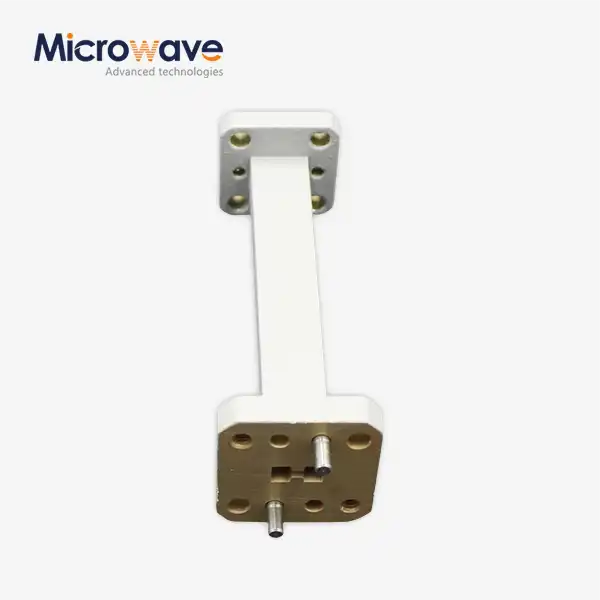 VIEW MOREDouble Ridge Waveguide Transition
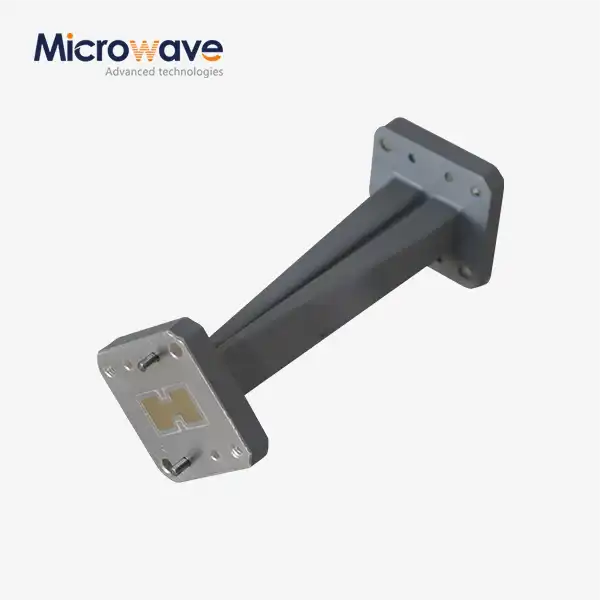 VIEW MOREDouble Ridge Twist Waveguide
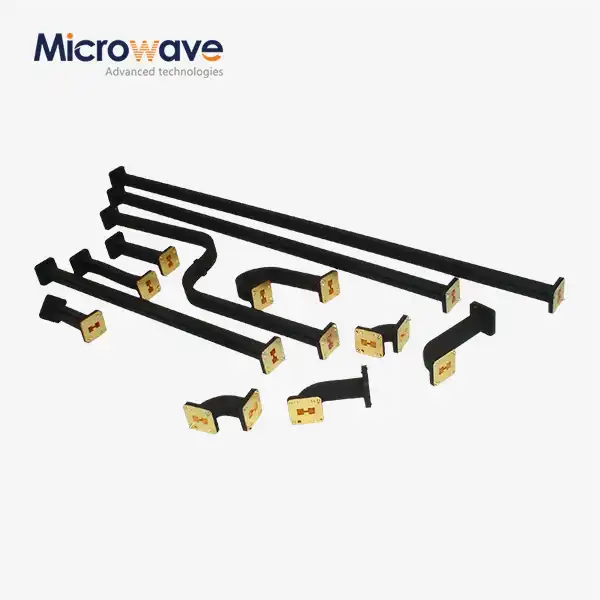 VIEW MOREDouble Ridged Flexible Waveguide
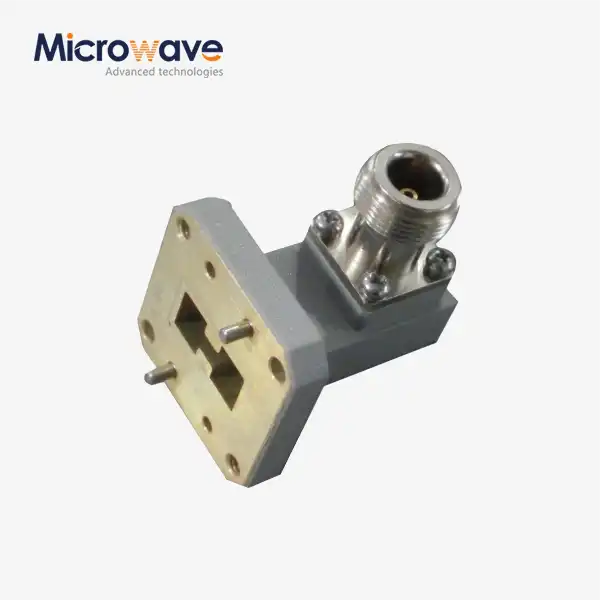 VIEW MOREDouble Ridged WG To Coaxial Adapter
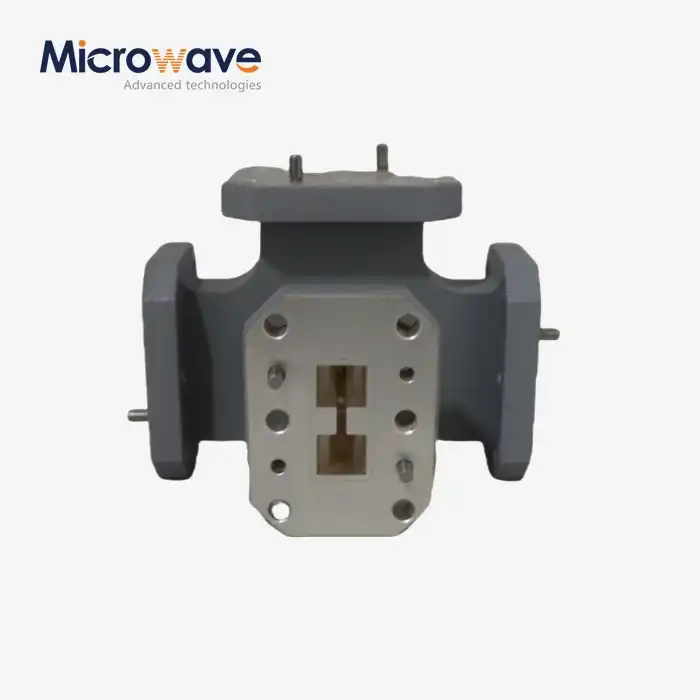 VIEW MOREDouble-Ridged Waveguide Magic Tee
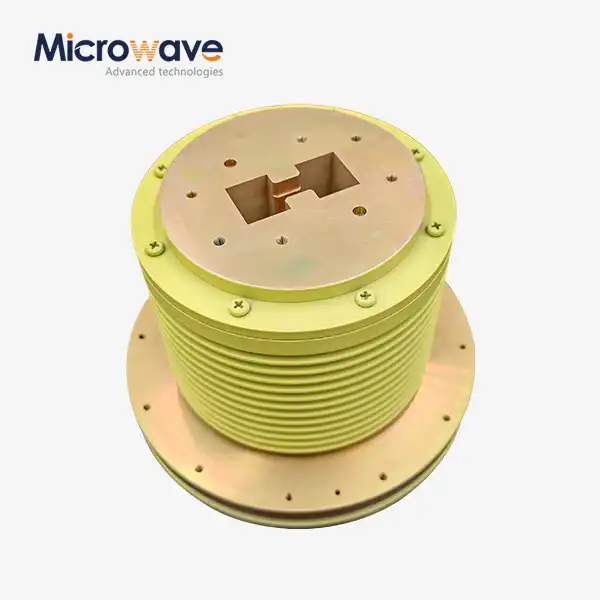 VIEW MOREDouble Ridge Waveguide Rotary Joint
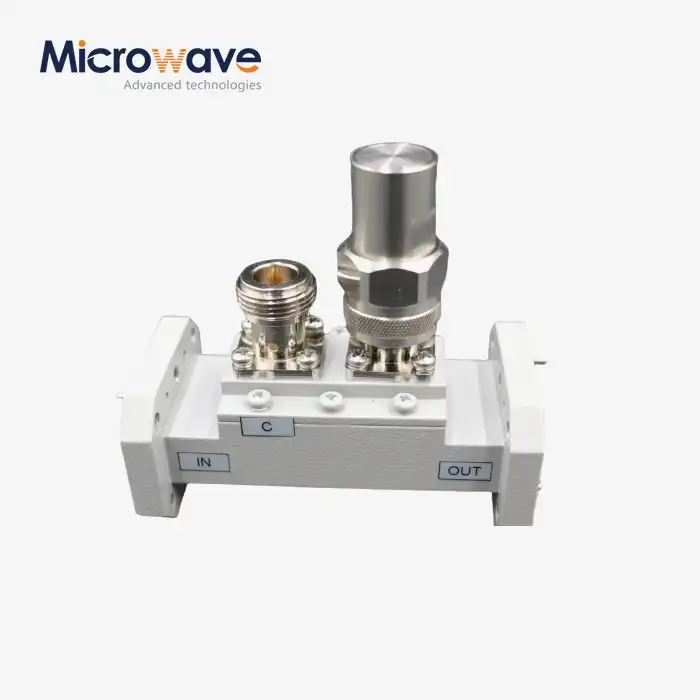 VIEW MOREDouble-Ridged Waveguide Loop Coupler
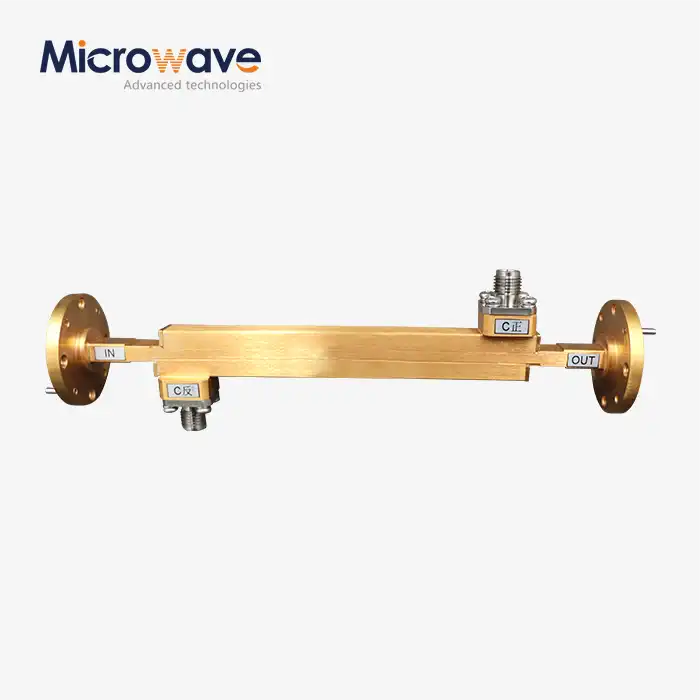 VIEW MOREDouble-Ridged Waveguide Broadwall Directional Coupler