




Where to Buy Precision Waveguide E Bend Assemblies Online
Finding high-quality precision Waveguide E Bend assemblies online requires careful consideration of supplier capabilities, technical specifications, and manufacturing standards. Advanced Microwave Technologies Co., Ltd (ADM) stands as a premier global supplier, offering precision-engineered E-bend solutions with frequencies up to 110 GHz, ISO certifications, and customizable configurations from WR10 through WR430 sizes. With over two decades of manufacturing excellence and comprehensive testing facilities including a 24m microwave darkroom, ADM delivers reliable waveguide components for mission-critical applications worldwide through direct online procurement channels.Sourcing waveguide components globally has become essential for modern RF and microwave system integrators. The expanding telecommunications infrastructure, satellite communications growth, and defense modernization programs drive unprecedented demand for precision microwave components. Global sourcing offers access to specialized manufacturers, competitive pricing structures, and advanced technical capabilities that may not exist locally. However, procurement professionals must navigate challenges including quality verification, technical documentation requirements, and supply chain reliability when selecting international suppliers.
Understanding Waveguide E Bend Technology and Applications
Core Technical Principles
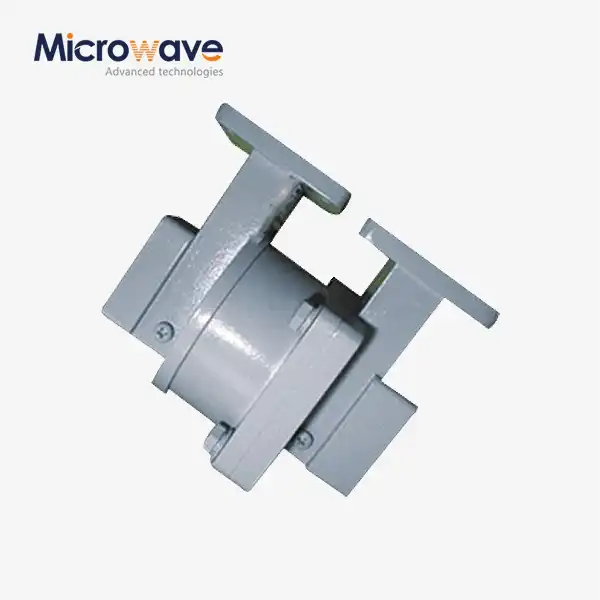
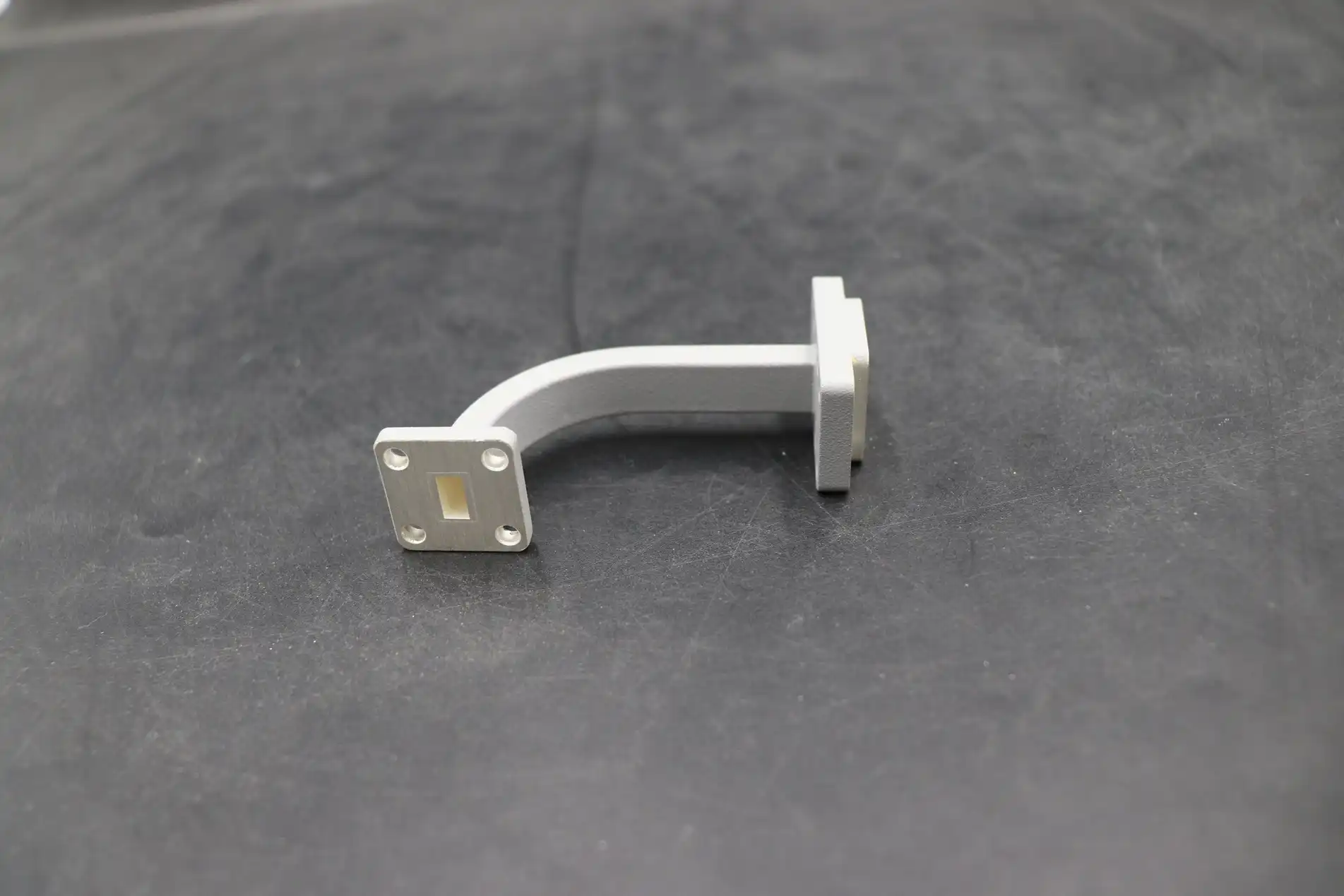
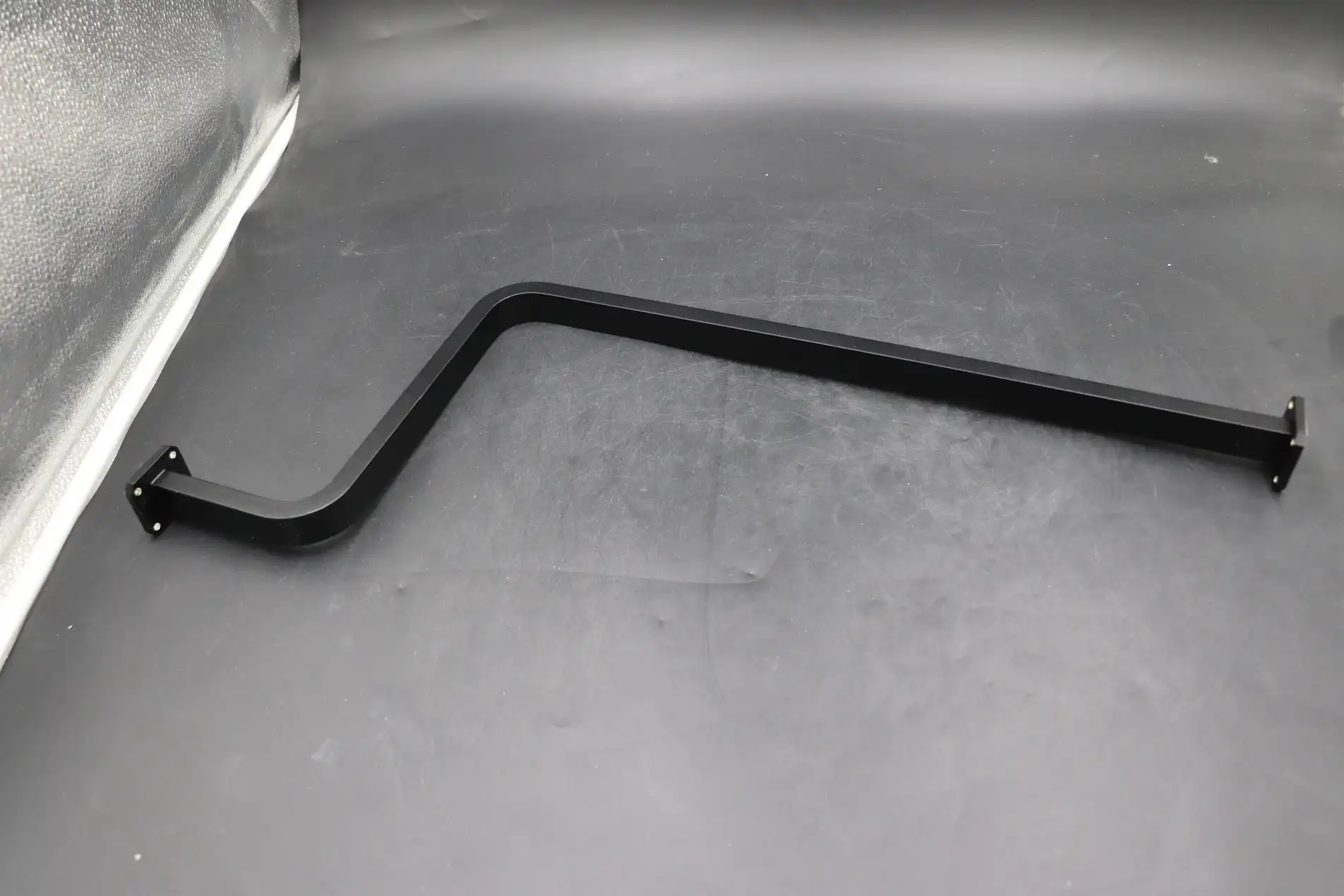
Waveguide E bends speak to basic components in microwave transmission frameworks, empowering flag way steering whereas keeping up electromagnetic field astuteness. These components encourage flag heading changes in the E-plane, opposite to the electric field introduction. The geometric plan minimizes reflection misfortunes and keeps up impedance coordinating over indicated recurrence ranges. Modern E-bend plans join precision fabricating procedures to accomplish VSWR values underneath 1.15 over operational transfer speeds. Fabric choice plays a pivotal part, with aluminum, brass, and copper advertising distinctive execution characteristics for particular natural conditions. Surface medicines counting silver or gold plating improve conductivity and erosion resistance in requesting applications.
Critical Applications Across Industries
Satellite communication frameworks depend intensely on waveguide E bends for receiving wire bolster systems and flag conveyance gatherings. These components empower compact framework plans whereas keeping up flag quality over Ka-band and higher recurrence operations. Ground station establishments utilize numerous E-bend arrangements to course signals productively between receiving wire clusters and handling equipment. Aerospace and defense applications request extraordinary unwavering quality from waveguide components. Radar frameworks join E twists in staged cluster setups, climate checking gear, and route frameworks. Military applications require components able of withstanding cruel natural conditions counting temperature extremes, vibration, and electromagnetic interference. Telecommunications foundation progressively depends on high-frequency microwave joins for backhaul associations and 5G arrange sending. E-bend gatherings bolster these frameworks by empowering adaptable radio wire situating and flag directing in space-constrained installations.
Performance Specifications and Standards
Frequency scope speaks to a essential determination measure for E-bend determination. Present day applications span from conventional S-band operations through millimeter-wave frequencies surpassing 110 GHz. Broadband plans oblige different recurrence ranges inside single gatherings, lessening framework complexity and establishment requirements. Mechanical determinations incorporate twist points, regularly 45° or 90° setups, with custom points accessible for particular applications. Dimensional resiliences must adjust with waveguide measures to guarantee legitimate mating and framework execution. Natural evaluations cover temperature ranges, stickiness resistance, and mechanical push capabilities.
Global Market Dynamics for Microwave Components
Supply Chain Evolution
The microwave component supply chain has advanced essentially over later decades. Conventional territorial providers have extended into worldwide markets, advertising specialized capabilities and competitive points of interest. Asian producers have contributed intensely in progressed fabricating advances and quality frameworks, accomplishing universal certifications and recognition. Manufacturing concentration in particular locales makes both openings and dangers for acquirement experts. Set up providers offer economies of scale, specialized mastery, and comprehensive item portfolios. In any case, supply chain expansion techniques offer assistance relieve dangers related with geopolitical components and territorial disruptions.
Technology Development Trends
Emerging applications drive persistent advancement in waveguide innovation. 5G and future 6G systems request higher recurrence capabilities and progressed execution characteristics. Obsequious group of stars arrangements require cost-effective arrangements with solid long-term performance. Additive fabricating advances are starting to impact waveguide generation, empowering complex geometries and quick prototyping capabilities. These propels may reshape conventional fabricating approaches and supply chain structures in coming years.
Regional Demand Patterns
North American markets center intensely on defense and aviation applications, driving request for high-reliability components like Waveguide E Bend with broad documentation and testing necessities. European markets emphasize broadcast communications framework and logical inquire about applications. Asian markets appear solid development in commercial lackey communications and 5G sending projects. Each territorial advertise presents one of a kind prerequisites with respect to certifications, documentation, and execution measures. Effective providers must adjust their offerings to meet assorted territorial needs whereas keeping up reliable quality benchmarks globally.
Comprehensive Supplier Evaluation Framework
Direct Manufacturer Benefits and Considerations
| Advantages | Disadvantages |
|---|---|
| Competitive pricing through eliminated intermediaries | Higher minimum order quantities |
| Direct technical support and customization | Extended lead times for complex designs |
| Complete quality control visibility | Language and time zone coordination |
| Long-term partnership opportunities | International shipping complexities |
| Access to latest technology developments | Payment terms and currency considerations |
Direct Manufacturer Relationships
Direct manufacturer relationships offer significant advantages for large-volume procurement and custom applications. Technical discussions with engineering teams facilitate optimal design solutions and performance optimization. Quality control processes remain transparent, enabling confidence in product reliability.
Authorized Distributor Networks
Regional merchants give profitable administrations counting neighborhood stock, specialized back, and streamlined acquirement forms. These accomplices regularly keep up stock of standard setups, empowering speedier conveyance for pressing prerequisites. Nearby nearness encourages face-to-face specialized talks and quick issue resolution. Distributor edges may increment component costs, but comprehensive administrations frequently legitimize premium estimating. Value-added administrations incorporate framework integration back, application building, and guarantee organization. Set up wholesalers keep up connections with numerous producers, advertising comparative investigation and elective sourcing options.
B2B Platform Capabilities
Modern B2B stages have changed component sourcing by giving comprehensive provider databases, specialized details, and obtainment instruments. These stages empower proficient comparison shopping and provider confirmation through rating frameworks and client reviews. Platform-based sourcing offers preferences counting standardized acquirement forms, secure installment frameworks, and debate determination components. Be that as it may, specialized back may be restricted compared to coordinate producer connections. Complex custom prerequisites may surpass stage capabilities.
E-commerce Channel Evolution
Traditional e-commerce stages progressively oblige mechanical component deals, advertising recognizable client interfacing and streamlined acquiring forms. Standard items with well-defined determinations work well through these channels. Limitations incorporate decreased specialized back, restricted customization choices, and potential quality confirmation challenges. Proficient acquirement frequently requires capabilities past standard e-commerce offerings.
Supplier Verification and Risk Management Strategies
Quality System Assessment
ISO 9001 certification gives foundational quality affirmation for microwave component providers. This standard guarantees archived quality forms, persistent advancement hones, and client center all through fabricating operations. ISO 14001 natural certification illustrates commitment to maintainable fabricating practices. RoHS compliance has gotten to be basic for worldwide component deals, guaranteeing limited substance impediments are kept up all through fabricating forms. Extra certifications may be required for particular applications or territorial markets. Manufacturing office reviews give coordinate understanding into generation capabilities, quality control forms, and specialized competencies. Virtual reviews have gotten to be satisfactory options, especially for beginning provider assessment phases.
Technical Capability Evaluation
Testing gear capabilities straightforwardly affect component quality and execution confirmation. Progressed providers keep up comprehensive test offices covering recurrence ranges, natural conditions, and execution parameters important to target applications. Estimation vulnerabilities and traceability to national measures guarantee solid test results. Design capabilities envelop both standard item alterations and total custom improvement programs. Designing group capabilities, plan program capabilities, and recreation instruments demonstrate specialized profundity and advancement potential. Production capacity appraisal incorporates current utilization levels, extension capabilities, and fabricating adaptability. Adaptability arranging makes a difference guarantee provider capability development adjusts with future acquirement requirements.
Financial and Operational Stability
Supplier financial health impacts long-term partnership viability and component availability. Public companies provide transparent financial information through regular reporting. Private companies may require additional due diligence through credit reports and references. Supply chain management practices influence component availability and delivery reliability. Diversified material sourcing, inventory management systems, and logistics capabilities contribute to operational stability.
Procurement Best Practices and Implementation Guidelines
Minimum Order Quantity Strategies
Standard waveguide E bends typically carry MOQ requirements ranging from 10 to 100 pieces, depending on size and frequency range. Custom configurations may require higher quantities to justify tooling and setup costs. Volume pricing tiers often provide significant cost reductions for larger quantities.Blanket purchase orders with scheduled releases help optimize inventory levels while achieving volume pricing benefits. This approach works particularly well for ongoing production programs with predictable consumption patterns.Supplier partnerships may enable reduced MOQs in exchange for longer-term commitments or exclusive arrangements. These relationships benefit both parties through improved planning and resource allocation.
Payment Terms and Risk Mitigation
International transactions require careful attention to payment methods and currency considerations. Letters of credit provide security for both parties but add complexity and cost to transactions. Wire transfers offer speed and simplicity but require established trust relationships.Payment terms typically range from net 30 days for established customers to payment with order for new relationships. Partial payments tied to milestones work well for custom development projects and large orders.Currency fluctuations can significantly impact component costs over extended procurement periods. Hedging strategies or fixed-price agreements help manage this risk for large programs.
Delivery Timeline Management
Standard products typically ship within 2-4 weeks, while custom configurations may require 8-12 weeks or longer depending on complexity. Rush orders may be accommodated with premium pricing and expedited processing.International shipping adds 1-2 weeks to delivery schedules, with customs processing potentially causing additional delays. Proper documentation and harmonized tariff codes facilitate smooth customs clearance.Supply chain disruptions have become more frequent, making backup sourcing plans essential. Multiple qualified suppliers help ensure component availability during unexpected disruptions.
Quality Control and Acceptance Testing
Incoming inspection procedures should verify critical parameters including dimensional accuracy, surface finish, and electrical performance. Statistical sampling plans balance inspection costs with quality assurance requirements.Certificate of compliance documentation provides traceability and performance verification without requiring extensive incoming inspection. Test reports should include measurement uncertainties and equipment calibration information.Supplier quality agreements establish clear expectations for quality levels, documentation requirements, and corrective action procedures. Regular quality reviews help identify improvement opportunities and prevent quality issues.
Conclusion
Sourcing precision Waveguide E Bend assemblies online requires careful evaluation of supplier capabilities, technical requirements, and procurement strategies. Direct manufacturer relationships offer optimal technical support and competitive pricing, while distributor networks provide local service and faster delivery options. B2B platforms and e-commerce channels serve well for standard products but may limit customization opportunities. Successful procurement depends on thorough supplier verification, clear specifications, and robust quality assurance processes. Advanced Microwave Technologies Co., Ltd exemplifies the technical excellence and manufacturing capabilities required for mission-critical applications, with comprehensive testing facilities, international certifications, and extensive customization options supporting diverse global requirements.
Frequently Asked Questions
What frequency ranges are typically available for waveguide E bends?
Modern waveguide E bends support frequencies from 1 GHz through 110 GHz and beyond. Standard waveguide sizes include WR430 (1.7-2.6 GHz) through WR10 (75-110 GHz). Custom designs can accommodate specific frequency requirements within these ranges.
How do I verify the quality of international waveguide suppliers?
Quality verification involves reviewing ISO certifications, examining test equipment capabilities, requesting sample products, and checking customer references. Manufacturing facility audits, either in-person or virtual, provide additional insight into production processes and quality control systems.
What are typical minimum order quantities for custom E bend configurations?
Custom waveguide E bends typically require minimum orders of 25-100 pieces, depending on complexity and tooling requirements. Standard modifications may have lower MOQs, while completely new designs often require higher quantities to justify development costs.
How long does delivery typically take for international orders?
Standard products usually ship within 2-4 weeks, with international shipping adding 1-2 weeks. Custom configurations require 8-12 weeks or longer. Rush orders may be possible with expedited processing and premium pricing.
What documentation should I expect with precision waveguide components?
Comprehensive documentation includes dimensional drawings, test reports showing electrical performance, material certifications, and certificates of compliance. Traceability documentation and calibration records for test equipment should also be available upon request.
How do I handle payment and currency considerations for international purchases?
Payment methods include wire transfers, letters of credit, and trade financing options. Currency fluctuations can be managed through fixed-price agreements or hedging strategies. Payment terms typically range from payment with order to net 30 days for established customers.
Partner with ADM for Premium Waveguide E Bend Solutions
Advanced Microwave Technologies stands ready to fulfill your precision waveguide requirements with comprehensive manufacturing capabilities and technical expertise. Our ISO-certified facilities produce high-performance E bends covering WR10 through WR430 sizes with frequencies extending to 110 GHz. As a trusted Waveguide E Bend supplier, we combine competitive pricing, rapid prototyping, and extensive customization options to meet demanding specifications. Contact our technical team at sales@admicrowave.com to discuss your specific requirements and discover how our 20+ years of microwave expertise can optimize your next project.
References
1. Pozar, David M. "Microwave Engineering, 4th Edition." Wiley, 2012. Chapter 3: Transmission Lines and Waveguides.
2. Collin, Robert E. "Foundations for Microwave Engineering, 2nd Edition." IEEE Press, 2001. Chapter 4: Rectangular Waveguides and Cavity Resonators.
3. Ramo, Simon, John R. Whinnery, and Theodore Van Duzer. "Fields and Waves in Communication Electronics, 3rd Edition." Wiley, 1994. Chapter 8: Guided Electromagnetic Waves.
4. Marcuvitz, Nathan. "Waveguide Handbook." MIT Radiation Laboratory Series, Volume 10. McGraw-Hill, 1951.
5. Harvey, A.F. "Microwave Engineering." Academic Press, 1963. Chapter 2: Waveguides and Transmission Lines.
6. Montgomery, Carol Gray, Robert Henry Dicke, and Edward Mills Purcell. "Principles of Microwave Circuits." MIT Radiation Laboratory Series, Volume 8. McGraw-Hill, 1948.