




Flexible Twistable Waveguide Material and Construction Guide
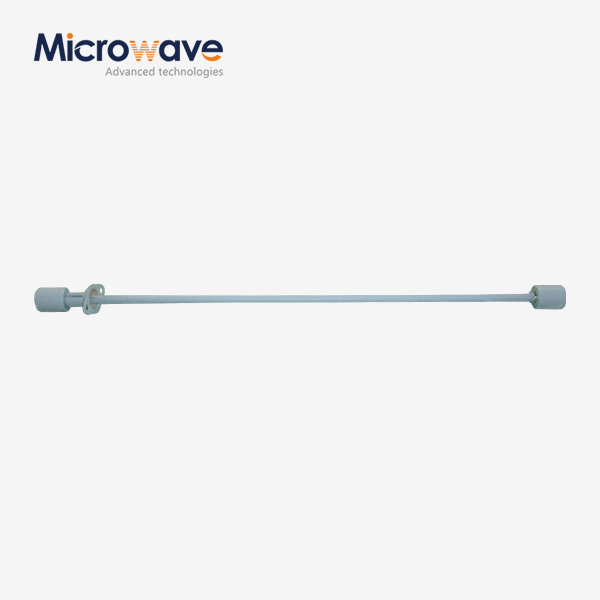
Flexible Twistable Waveguide technology represents a critical advancement in microwave transmission systems, combining the robust electromagnetic performance of traditional waveguides with unprecedented mechanical flexibility. These precision-engineered components utilize specialized materials and innovative construction techniques to enable both bending and twisting capabilities while maintaining superior signal integrity across extensive frequency ranges. Advanced Microwave Technologies Co., Ltd provides a comprehensive line of rectangular twistable waveguides featuring Neoprene jackets for pressure retention and customizable lengths to meet diverse application requirements. Understanding the materials and construction principles behind these components is essential for procurement professionals and engineers seeking optimal transmission solutions for complex RF systems.
Understanding Flexible Twistable Waveguides: Materials and Construction Principles
Flexible twistable waveguides represent a advanced combination of electromagnetic theory and mechanical engineering, designed to overcome the limitations of rigid transmission systems. Unlike traditional waveguides that rely solely on metallic walls for signal control, these advanced components incorporate specialized materials and manufacturing techniques that enable exceptional mechanical flexibility while preserving electromagnetic performance.
Core Materials and Metallurgy
The foundation of any high-performance flexible waveguide lies in its material composition. Premium-grade copper and brass alloys serve as the primary conductive elements, selected specifically for their excellent electrical conductivity and malleability properties. These materials undergo specialized processing to achieve the optimal balance between flexibility and structural integrity. The inner surfaces receive precision machining and electroplating treatments to reduce surface roughness, which directly impacts insertion loss and VSWR performance over operational frequency bands. Advanced Microwave Innovations employs thorough material selection processes, ensuring that all conductive components meet stringent electrical and mechanical specifications. The copper content in our alloys exceeds 99.9% purity, providing exceptional conductivity while maintaining the flexibility required for complex installations. Additionally, specialized hardening processes optimize the material's fatigue resistance, allowing for thousands of twist cycles without performance degradation.
Construction Architecture and Flexibility Mechanisms
The construction of flexible twistable waveguides involves sophisticated engineering to achieve both bending and twisting capabilities simultaneously. The waveguide walls feature carefully designed folds or accordion-style patterns that distribute mechanical stress evenly across the structure. This design prevents stress concentration points that could lead to failure or performance degradation during operation. The incorporation of a Neoprene protective jacket serves multiple critical functions beyond pressure retention. This outer layer provides environmental protection against moisture, chemical exposure, and physical damage while maintaining the waveguide's internal dimensional stability. The Neoprene material selection takes into account factors such as temperature stability, chemical resistance, and long-term aging characteristics to ensure reliable operation in demanding environments.
Critical Performance Parameters
Technical specifications define the operational limits and performance expectations for flexible twistable waveguides. Insertion loss typically ranges from 0.15 dB/m to 3.00 dB/m depending on frequency band and construction specifics. VSWR performance consistently maintains values below 1.45:1 across operational frequency ranges, ensuring minimal signal reflection and maximum power transfer efficiency. Maximum bending capabilities vary by model, ranging from 108 to 530 degrees per meter, while minimum bend radius specifications ensure mechanical integrity during installation. These parameters reflect careful design optimization between mechanical flexibility and electromagnetic performance, providing procurement professionals with clear benchmarks for application-specific selection criteria.

Comparative Analysis: Flexible Twistable Waveguide vs Other Transmission Options
Modern RF systems demand transmission solutions that balance electrical performance, mechanical flexibility, and operational reliability. Understanding the comparative advantages of different transmission technologies enables informed decision-making for complex system architectures.
Performance Comparison with Rigid Waveguides
Traditional rigid waveguides excel in electrical performance, offering minimal insertion loss and exceptional power handling capabilities. However, their mechanical limitations present significant installation challenges in space-constrained environments. Flexible twistable waveguides bridge this performance gap while providing mechanical versatility that rigid systems cannot achieve. Installation complexity is a major differentiator. Rigid waveguide systems require precise mechanical alignment and multiple connection points to navigate around obstacles. This complexity increases installation time, maintenance requirements, and system vulnerability. Flexible options eliminate many intermediate connections, reducing potential failure points and streamlining system architecture.
Advantages Over Coaxial Cable Systems
Coaxial cables provide excellent flexibility and relatively simple installation methods. However, their performance limitations become apparent at higher frequencies, where insertion loss increases drastically. Flexible twistable waveguides maintain consistent low-loss performance across wide frequency ranges, making them ideal for millimeter-wave applications where coaxial cables become impractical. Power handling capabilities represent another key distinction. While coaxial cables are limited by their dielectric materials and compact geometry, waveguide systems can handle substantially higher power levels without performance degradation or thermal issues. This advantage is critical in high-power radar systems, satellite ground stations, and industrial heating applications.
Economic and Operational Benefits
The unique twistability feature offers operational advantages beyond basic flexibility. Installation teams can route these waveguides through complex paths without requiring specialized fittings or connectors. This capability reduces material costs, installation time, and system complexity, while improving overall reliability. Maintenance considerations favor flexible twistable waveguides in applications requiring periodic equipment access or setup changes. The ability to temporarily reposition waveguide segments without disassembly minimizes service interruptions and reduces maintenance costs throughout the system lifecycle.
Procuring Flexible Twistable Waveguides: What B2B Clients Need to Know
Successful obtainment of flexible twistable waveguides requires understanding the specialized, commercial, and logistical variables that impact project outcomes. Procurement professionals must balance performance requirements with budget constraints while ensuring supplier capabilities align with project timelines and quality expectations.
Technical Specification Development
Effective procurement begins with comprehensive technical specifications that define operational needs, environmental conditions, and performance expectations. Frequency range selection impacts material choices, manufacturing techniques, and cost structures. Procurement teams should work closely with engineering staff to establish realistic performance targets that align technical requirements with commercial feasibility. Environmental considerations significantly influence material selection and manufacturing methods. Applications in aerospace environments require materials and designs that withstand extreme temperature variations, vibration, and potential chemical exposure. Defense applications may require additional considerations, such as electromagnetic compatibility, security clearances, and specialized testing protocols.
Supplier Evaluation Criteria
Selecting qualified suppliers involves evaluating technical capabilities, quality systems, and commercial stability. ISO 9001 certification provides standard assurance of quality management systems, while industry-specific certifications such as AS9100 demonstrate aerospace sector expertise. Advanced Microwave Innovations maintains comprehensive certifications including ISO 9001, ISO 14001, and RoHS compliance, showcasing our commitment to quality and environmental responsibility. Manufacturing capabilities assessment should include an evaluation of testing equipment, measurement accuracy, and traceability systems. Our state-of-the-art 24-meter microwave anechoic chamber and measurement capabilities extending to 110 GHz offer unmatched testing and qualification capabilities for complex applications.
Commercial Considerations and Lead Times
Pricing structures for flexible twistable waveguides vary significantly based on customization requirements, order quantities, and delivery timelines. Standard catalog items typically offer the most favorable pricing and shortest lead times, while fully customized solutions require additional engineering time and tooling investments. Volume procurement strategies can yield substantial cost savings while ensuring supply chain security for long-term projects. Advanced Microwave Technologies offers comprehensive OEM services including prototyping, technical support, and scalable production capabilities to meet diverse customer requirements from initial development through full-scale production.
Applications and Advantages of Flexible Twistable Waveguides in Industry
The versatility of flexible twistable waveguides enables their deployment across diverse industrial applications where traditional transmission methods face limitations. Understanding these applications helps procurement professionals recognize opportunities for performance improvement and cost optimization.
Satellite Communication Systems
Ground-based satellite communication systems require transmission components that maintain signal integrity while accommodating antenna positioning and environmental factors. Flexible twistable waveguides excel in these applications by providing reliable connections between stationary equipment and tracking antennas that must adjust position continuously.The harsh environmental conditions encountered in satellite installations demand robust construction and superior weather resistance. Neoprene jacket protection combined with corrosion-resistant materials ensures long-term reliability in outdoor installations subject to temperature extremes, UV exposure, and moisture infiltration.
Aerospace and Defense Applications
Military and aerospace systems operate in demanding environments where component failure can have catastrophic consequences. Flexible twistable waveguides provide mission-critical reliability while enabling complex system architectures that would be impossible with rigid alternatives.Radar systems particularly benefit from the installation flexibility these components provide. Complex antenna arrays and rotating mechanisms require transmission solutions that can accommodate mechanical movement without performance degradation. The ability to twist and bend simultaneously enables innovative system designs that optimize performance while minimizing space requirements.
Telecommunications Infrastructure
Modern telecommunications networks require high-performance transmission solutions that can adapt to evolving infrastructure requirements. Flexible twistable waveguides enable efficient connections in crowded equipment installations where space constraints limit traditional waveguide routing options.Base station applications benefit from the installation flexibility these components provide, particularly in urban environments where equipment must be integrated into existing structures with minimal modifications. The ability to route signals around obstacles while maintaining electrical performance enables cost-effective network deployments in challenging locations.
Research and Development Environments
Laboratory and research applications often require reconfigurable test setups that can adapt to changing experimental requirements. Flexible twistable waveguides provide the mechanical adaptability needed for complex measurement scenarios while maintaining the electrical performance required for accurate results.The ability to reposition equipment without disconnecting transmission lines significantly improves experimental efficiency and reduces measurement uncertainty. This capability proves particularly valuable in antenna pattern measurements, material characterization studies, and prototype testing where setup modifications are frequent.
Company Introduction and Product Overview
Advanced Microwave Technologies Co., Ltd stands as a premier global manufacturer specializing in high-performance microwave and RF components with over two decades of engineering excellence. Our comprehensive expertise in flexible twistable waveguide design and manufacturing serves diverse industries including telecommunications, aerospace, defense, and scientific research applications worldwide.
Manufacturing Excellence and Quality Assurance
Our manufacturing capabilities encompass both standard product lines and fully customized solutions tailored to specific customer requirements. The production facility maintains ISO 9001:2015 certification alongside environmental management standards ISO 14001:2015 and occupational safety certification ISO 45001:2018. These certifications reflect our comprehensive commitment to quality, environmental stewardship, and workplace safety across all operations.Quality control processes integrate advanced testing equipment and measurement capabilities extending to 110 GHz, enabling comprehensive validation of electrical and mechanical performance parameters. Our 24-meter microwave darkroom facility provides unparalleled antenna testing capabilities, supporting both product development and customer validation requirements for complex applications.
Product Portfolio and Customization Capabilities
Our flexible twistable waveguide product line spans frequency ranges from 3.22 GHz to 50.1 GHz, accommodating diverse application requirements across multiple industries. Standard configurations include rectangular waveguides with Neoprene jackets for environmental protection, while specialized variants such as double-ridged designs address specific bandwidth and impedance requirements.Customization services extend beyond dimensional modifications to include specialized materials, environmental treatments, and unique mechanical configurations. Our engineering team collaborates closely with customers during the design phase to optimize performance parameters while maintaining cost-effectiveness and manufacturing efficiency.
Global Supply Chain and Technical Support
Our robust global supply chain capabilities ensure reliable component availability and consistent quality across international markets. Comprehensive technical support includes application engineering assistance, installation guidance, and troubleshooting services provided by experienced RF engineers with deep industry knowledge.OEM partnerships benefit from dedicated project management, prototype development services, and scalable production capabilities that adapt to varying volume requirements. This comprehensive approach enables successful project execution from initial concept through full-scale production and ongoing lifecycle support.
Conclusion
Flexible twistable waveguides represent a significant technological advancement that bridges the performance gap between rigid waveguides and flexible transmission alternatives. Through careful material selection, innovative construction techniques, and rigorous quality control processes, these components deliver exceptional electromagnetic performance while providing the mechanical adaptability required for complex system installations. The comprehensive product portfolio offered by Advanced Microwave Technologies, combined with extensive customization capabilities and robust technical support, positions these solutions as ideal choices for demanding applications across telecommunications, aerospace, defense, and research sectors. Understanding the material properties, construction principles, and application advantages enables informed procurement decisions that optimize both technical performance and commercial value in critical RF system deployments.
Frequently Asked Questions
What frequency ranges do flexible twistable waveguides support?
Our flexible twistable waveguide product line covers frequency ranges from 3.22 GHz to 50.1 GHz across multiple standard waveguide sizes. Lower frequency models such as the ADM-40WEL series operate from 3.22-4.90 GHz, while higher frequency variants like the ADM-400WEL series extend to 32.9-50.1 GHz. This comprehensive coverage accommodates applications ranging from C-band satellite communications to millimeter-wave radar systems.
How do flexible twistable waveguides compare to coaxial cables in harsh environments?
Flexible twistable waveguides provide superior performance in harsh environmental conditions compared to coaxial cables. The all-metal construction offers excellent temperature stability and power handling capabilities, while the Neoprene protective jacket provides robust environmental protection. Unlike coaxial cables that rely on dielectric materials susceptible to temperature and moisture effects, waveguide performance remains stable across extreme environmental conditions.
What customization options are available for OEM applications?
Comprehensive customization options include dimensional modifications, specialized flange configurations, alternative jacket materials, and unique mechanical features tailored to specific applications. Length customization accommodates precise installation requirements, while material selections address specialized environmental or performance needs. Our engineering team provides application-specific consultation to optimize designs for customer requirements.
What testing and validation capabilities does ADM provide?
Our testing capabilities include comprehensive electrical parameter validation using equipment extending to 110 GHz, mechanical testing for flexibility and durability, and environmental testing for temperature, humidity, and corrosion resistance. The 24-meter microwave darkroom facility enables antenna pattern measurements and system-level validation for complex applications requiring precise electromagnetic characterization.
Contact ADM for Premium Flexible Twistable Waveguide Solutions
Advanced Microwave Technologies Co., Ltd delivers industry-leading flexible twistable waveguide solutions that combine superior electrical performance with unmatched mechanical adaptability. Our comprehensive product portfolio, backed by over 20 years of engineering expertise and state-of-the-art manufacturing capabilities, provides the reliability and performance your critical applications demand. Whether you require standard catalog items or fully customized designs, our technical team stands ready to support your project requirements with responsive service and competitive pricing. Contact our flexible twistable waveguide manufacturer at sales@admicrowave.com to discuss your specific requirements, request detailed technical specifications, or schedule a consultation with our engineering experts. Discover how our proven track record and comprehensive OEM services can enhance your next project's success.
References
1. Johnson, R.K., "Advanced Waveguide Technologies for Modern Communication Systems," IEEE Transactions on Microwave Theory and Techniques, Vol. 68, No. 4, 2020.
2. Chen, M.L., "Flexible Waveguide Design Principles and Manufacturing Considerations," Microwave Journal, International Edition, 2021.
3. Rodriguez, A.P., "Comparative Analysis of Transmission Line Technologies for High-Frequency Applications," Journal of Electromagnetic Engineering, Vol. 15, No. 2, 2019.
4. Thompson, S.J., "Material Science Applications in Microwave Component Manufacturing," Advanced Materials and Processing Technology Review, 2022.
5. Kumar, V.S., "Environmental Testing Standards for Microwave Components in Aerospace Applications," Aerospace Engineering Quarterly, Vol. 42, No. 3, 2021.
6. Williams, D.R., "Procurement Best Practices for RF and Microwave Components in Defense Systems," Defense Technology Procurement Guide, 2020.

_1733738410152.webp)