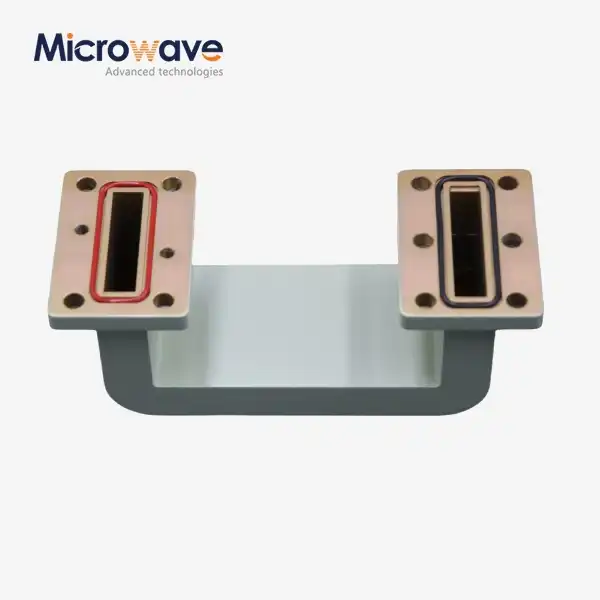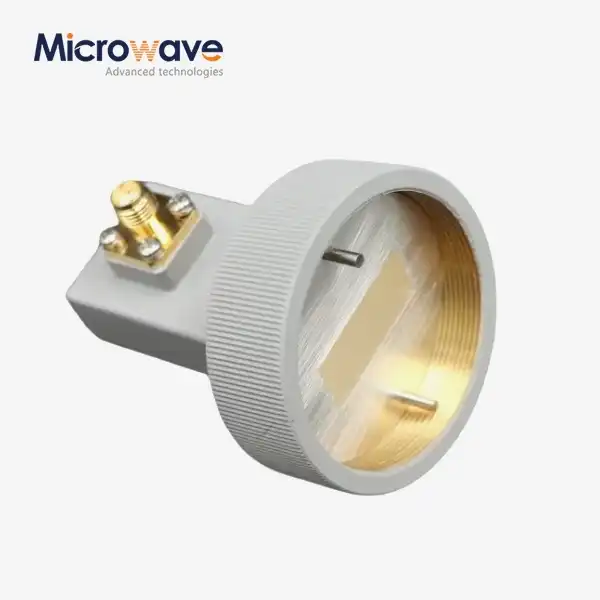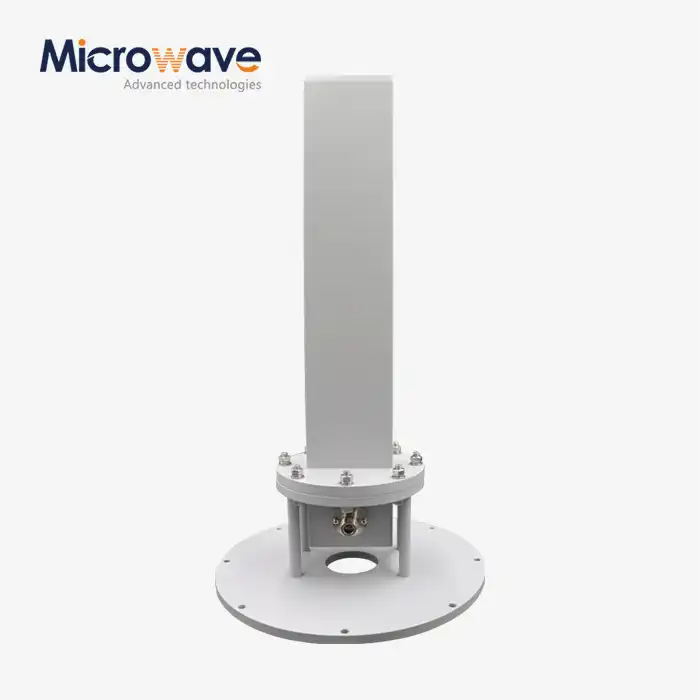





Durable High Power Waveguide Circulators for Harsh Environments
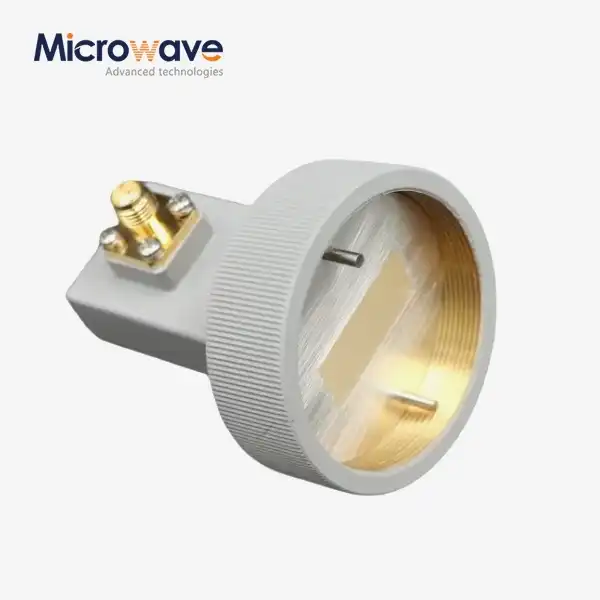
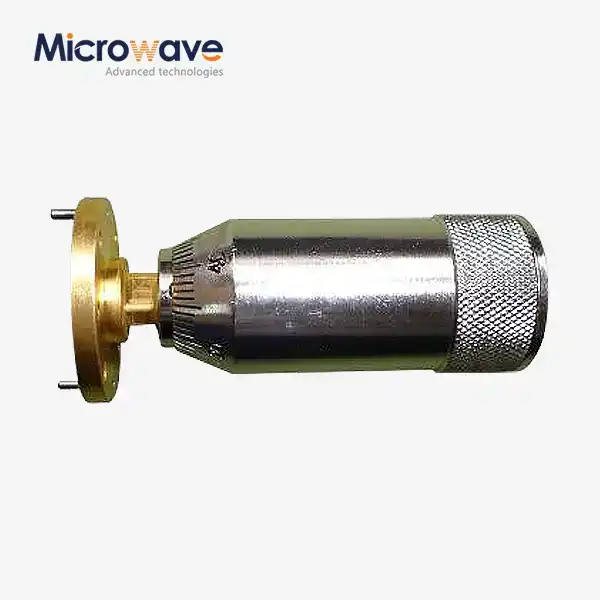
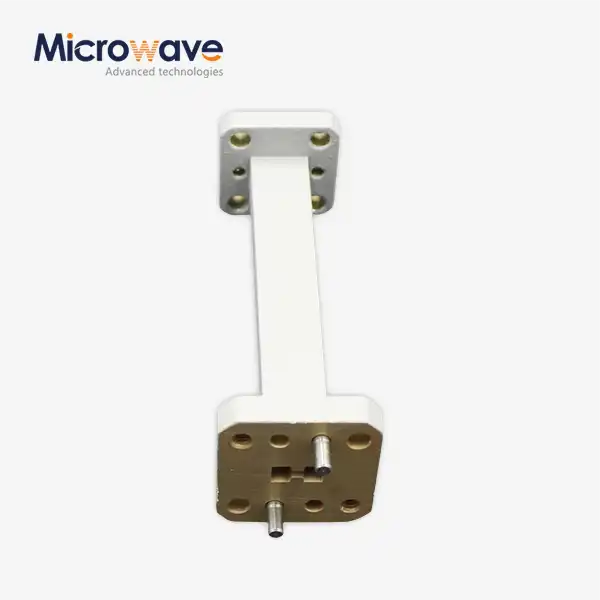
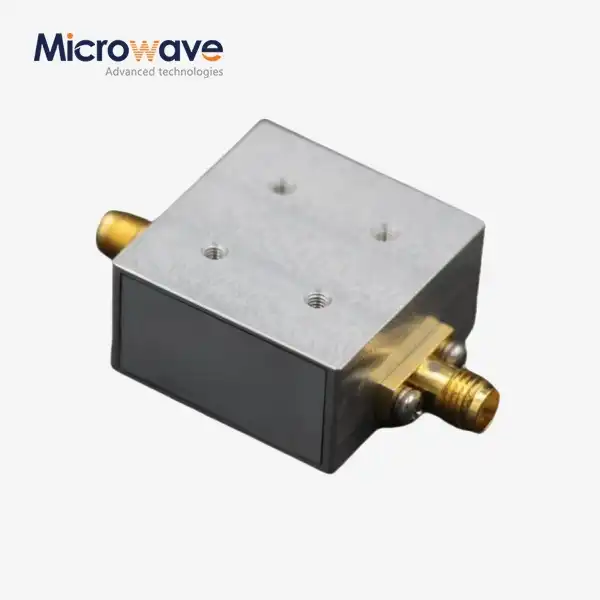
When mission-critical systems work in harsh environments like high-vibration zones, extreme temperatures, or atmospheres that corrode metal, component stability is a must. In these situations, an overlooked hero is a high power waveguide circulator, which precisely routes RF energy and keeps sensitive emitters safe from harmful reflections. The signals are sent in a certain order through the ports of these non-reciprocal ferrite devices. The mirrored power is then sent to fake loads instead of back to weak sources like klystrons or solid-state amplifiers. Rugged circulators are designed to handle kilowatt to megawatt power levels. They keep radar grids, satellite ground stations, and industrial heating systems from failing, which would mean lost productivity and safety risks.
Understanding High Power Waveguide Circulators and Their Role in Harsh Environments
Waveguide circulators use ferrite materials that are magnetically driven to make controlled signal paths. Waveguide systems can handle higher power levels than coaxial designs because they have better heat cooling and breakdown voltage limits. The device links three or more ports in a one-way flow—energy that comes in through Port 1 goes out through Port 2, and any reflection from Port 2 goes to Port 3 instead of going back to Port 1. This process is very important for keeping receivers safe from load mismatches that can happen when antennas detune or when the environment changes.
Operating Frequency Ranges and Performance Metrics
Our circulator systems work with frequency ranges from 0.5 GHz to 110 GHz, so they can be used for everything from L-band weather radar to W-band satellite communications. Performance depends on four things: separation (usually 20–30 dB), insertion loss (less than 0.5 dB for well-matched systems), the ability to handle power, and the ability to stay cool. Isolation measures how well the device stops the flow of reverse energy, and insertion loss measures how much signal loss there is in the forward path. High-power versions get average power ratings over 5 kW by using active water cooling and differential phase shift designs that put ferrite elements close to the walls of the waveguides to get rid of heat efficiently.
Why Waveguide Designs Outperform Alternatives
In tough settings, high power waveguide circulators have major problems. Their small shape concentrates heat stress, and dielectric breakdown happens at lower power levels. Waveguide structures spread electric fields over bigger areas, which delays voltage breakdown and makes it possible to increase power limits even more by pressurizing with SF6 or nitrogen gas. Different types of materials are also used. Waveguide housings are made of aluminum or copper metals that don't rust, while ferrite pucks have special treatments applied to their surfaces to stop multipactor effects in vacuum or space-based operations.
Challenges Faced by High Power Waveguide Circulators in Harsh Environments
When the temperature changes from -55°C to +85°C, it creates mechanical forces that can break brittle ferrite materials or weaken epoxy ties. We've seen that when temperature expansion isn't limited, magnetic bias drift happens. This changes the device's harmonic frequency and makes it less isolated. Metal contacts degrade when they come into contact with moisture, and the dielectric properties change. Shock loads from naval installations or mobile radar platforms move ferrite units around.
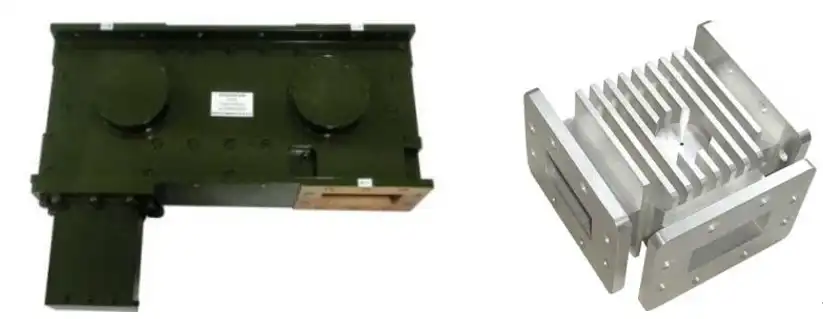
Common Failure Modes and Root Causes
Desmagnetization of ferrite is the main cause of failure. Long-term exposure to temperatures close to the Curie point (about 180°C for yttrium-iron-garnet compounds) destroys the alignment of the magnetic domains for good. Microfractures caused by vibrations spread through ferrite disks, making tracks with high insertion loss. Inadequate protection can cause electromagnetic interference that can overload ferrite beyond its nonlinear limit, distorting the signal. One military contractor found that exposed units lost 40% of their efficiency after 500 temperature cycles. This shows how important it is to have approved outdoor testing according to MIL-STD-810.
Validation Through Environmental Stress Testing
Certification procedures make weeks of field experience seem like decades of experience. Temperature cycle chambers move quickly between two extremes while keeping an eye on VSWR and insertion loss. Random shaking tables copy operating and transport shocks at frequencies between 20 and 2000 Hz. Salt fog tanks test how resistant something is to rusting for use at sea. Our 24m anechoic room at Advanced Microwave Technologies lets us check far-field radiation patterns while keeping the temperature and humidity under control. This makes sure that circulators keep their isolation specs across all working areas. We try prototypes for a shorter amount of time and compare the results with failure data from the field to improve models that predict the average time between failures.
Selecting Durable High Power Waveguide Circulators for Your Applications
Teams in charge of buying things have to find a balance between scientific needs and the limits of the project. Prior to setting the average and peak power envelopes, it is important to note that the ferrite saturation limits and temperature limits are not the same. Find the frequency band and bandwidth. Broadband designs give up some peak performance to be flexible. Find the load's worst-case VSWR and then set isolation limits to make sure that reflected power stays below the rate for the fake load.
Key Specification Parameters for Harsh Conditions
Isolation and Insertion Loss Thresholds: Isolation levels below 18 dB could mean that the emitter isn't properly protected, and insertion loss levels above 0.8 dB hurt long-distance communications link costs. To deal with echoes from sea junk, marine radar systems usually need 25 dB of separation.
Power Handling and Thermal Management: Average power rates are based on certain cooling setups for a high power waveguide circulator. Models that use water for cooling need flow rates of 1 to 3 liters per minute at controlled intake temperatures. Types that are cooled by air need forced airflow and fan shapes that have been estimated. Make sure that the temperature assumptions made by the maker are met in your operating area.
Mechanical Robustness: According to MIL-STD-167, systems on ships and in vehicles must be able to withstand shocks of more than 15 grams. Electronics and protected ferrite systems with conformal coats are less likely to be damaged by shaking. In hot or underground settings, hermetic covering keeps wetness out.
At ADM, our tech team has made special solutions for clients who were having problems with their surroundings. A person in Alaska who runs a satellite ground station needed circulators that could work at -50°C with little time to warm up. Using temperature-compensated permanent magnets and low-outgassing glue that can handle heat cycles, we made the magnetic bias circuit work better. The design that was made kept the insertion loss within 0.3 dB across the whole temperature range. This lets the signal be picked up right away without having to wait for it to warm up first. We can offer this level of tailoring because we have been in business for 20 years and can test up to 110 GHz in-house.
Custom Versus Off-the-Shelf Decision Factors
Standard stock items have faster wait times and lower unit costs, and they can be used when the specs match up with current designs. Custom engineering is useful when there aren't any standard frequency bands, when the environment is very harsh, or when there are integration problems like odd flange types. When you buy a lot of special designs, the price difference gets smaller because the one-time planning costs are spread out over many production runs. Through our OEM program, we offer rapid development services that let you test your idea before you commit to full-scale production. Not only should procurement managers ask for room-temperature standards, but they should also ask for thorough test results that show environmental quality data.
Installation, Maintenance, and Optimization for Longevity
Aligning the waveguide plate is the first step in a proper fitting. Even a 0.5mm misalignment causes echoes that weaken separation and create hot spots. Tighten screws to the manufacturer's specs using measured tools and even pressure all around the edges. Do not tighten too much because it harms gaskets and warps flanges. Before turning on the power, you should install the cooling systems and check the flow rates and leak tests of all the connections.
Preventative Maintenance Schedules
Quarterly Inspections: Every three months, check the amount of coolant, look for rust around the flanges, and make sure the fitting hardware is tight. When thermal imaging cameras find strange hot spots, they mean that there are problems inside the body.
Annual Calibration: Once a year, use an accurate vector network tester to check for insertion loss and separation. Deviations of more than ±0.3 dB from the standard point of reference are attributed to ferrite degradation or bias magnet weakness.
Coolant System Maintenance: To stop algae growth and rust, change the water-coolant mixture once a year. Before adding more water, flush the lines with pure water.
Systematic separation is the first step in troubleshooting. A rapid drop in separation means that the ferrite has lost its magnetic field or the bias circuit has failed. A gradual rise in insertion loss shows that the waveguide is corroding or getting dirty. VSWR spikes mean there are problems with the rail connection or the load. Our technical support team has been trained in testing methods that help customers fix problems remotely. Often, problems can be fixed without taking the equipment apart. When on-site service is needed, our global transportation network makes sure that parts are sent quickly and that skilled technicians are sent to the scene.
Future Trends and Innovations in High Power Waveguide Circulators
Discoveries in material science are changing the limits of efficiency. Rare-earth dopants added to new ferrite alloys raise the Curie temperature above 200°C while keeping the loss tangents low. These materials make it possible for circulators to work in engine chambers or near exhaust systems without actively cooling them. Using additive manufacturing, you can make waveguide shapes that are too complicated to be possible with standard cutting. This improves field patterns so they can handle more power.
New ideas in thermal management for high power waveguide circulators include heat lines that are built in and move heat without pumps, which cuts down on failure points. Phase-change materials smooth out temperature changes that stress ferrite by absorbing thermal spikes during rapid operation. Metamaterial absorbers set to specific interference frequencies are used in advanced EMI shielding to protect ferrite from outside fields that cause false resonances.
Tools for digital change are shortening the time it takes to make things. AI-powered electromagnetic simulation tools can tell you in hours rather than weeks how performance will change across a range of temperatures. With digital twin technology, installed circulators are turned into virtual copies that take in real-time sensor data to figure out what repairs need to be done before they happen. When these tools are added to procurement platforms, engineers can describe what they need and get improved plans with production timelines and cost estimates within days. We're testing these tools out with a few aircraft clients at ADM. They cut custom design cycles by half and improve first-pass return rates.
Conclusion
When choosing long-lasting high power waveguide circulators for difficult locations, it's important to pay attention to the separation specs, thermal design, and environmental approval data. The gadgets keep important emitters safe in radar, satellite, and industrial systems where mirrored power can be very dangerous. Service life and system uptime are increased by strict testing processes, correct installation methods, and regular maintenance plans. As new materials and digital design tools come out, next-generation circulators will have higher power levels and better diagnosis. This will let buying teams choose parts that perfectly meet practical needs.
FAQ
Q1: How do I select the appropriate frequency range for my application?
Match the circulator's middle frequency to the working band of your emitter. Make sure that the 1 dB bandwidth covers any frequency shift caused by changes in temperature or worn-out parts. Broadband designs that cover full waveguide bands, such as X-band (8.2-12.4 GHz), are flexible, but they may lose 2 to 3 dB of peak separation compared to narrowband designs that are made for specific frequencies.
Q2: What are the early warning signs of circulator performance degradation?
Keep an eye on the direction of insertion loss; it rises above 0.2 dB from the baseline point to ferrite degradation or contamination. Isolation drops below the required level, showing that the bias magnet is weakened or that the mechanism is moving. Problems with transmitters that can't be explained or higher readings of mirrored power mean that the high power waveguide circulator needs to be checked right away, before a major failure happens.
Q3: Can circulators be customized for unique environmental challenges?
Of course. We often change designs to work in harsh environments. For example, we make vacuum-rated units for space uses with multipactor-suppressing surface treatments, salt-fog-resistant models with conformal coats for military vessels, and high-altitude versions that make up for the lack of air flow cooling. Custom magnetic bias circuits keep working even when temperatures are higher than the normal -40°C to +70°C range.
Partner with ADM for High-Performance Waveguide Circulator Solutions
Advanced Microwave Technologies brings over 20 years of precision engineering to every high power waveguide circulator we manufacture. Our ISO 9001-certified facilities house measurement equipment spanning 0.5 to 110 GHz, ensuring your components meet exact specifications before shipment. Whether you need standard goods quickly or special solutions that deal with specific environmental problems, our expert team can help you. They can do this by consulting with you and using a lot of data from field deployments. As a reliable high power waveguide circulator provider, we help you buy by giving you thorough datasheets, outdoor test results, and quick service after the sale. Contact craig@admicrowave.com right away to talk about your needs and get personalized suggestions that strike a balance between performance and cost.
References
1. Hansen, R. C. (2009). Microwave Scanning Antennas: Volume III – Array Systems. Peninsula Publishing.
2. Linkhart, D. K. (2014). Microwave Circulator Design (2nd ed.). Artech House.
3. Pozar, D. M. (2011). Microwave Engineering (4th ed.). John Wiley & Sons.
4. Military Standard MIL-STD-810H. (2019). Environmental Engineering Considerations and Laboratory Tests. U.S. Department of Defense.
5. Ishii, T. K. (1995). Handbook of Microwave Technology: Components and Devices. Academic Press.
6. Adam, J. D., Davis, L. E., Dionne, G. F., Schloemann, E. F., & Stitzer, S. N. (2002). Ferrite devices and materials. IEEE Transactions on Microwave Theory and Techniques, 50(3), 721-737.