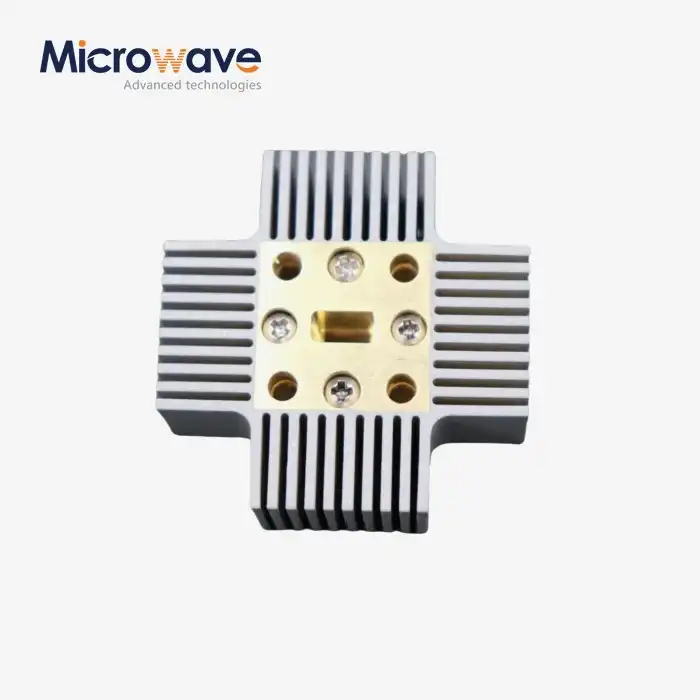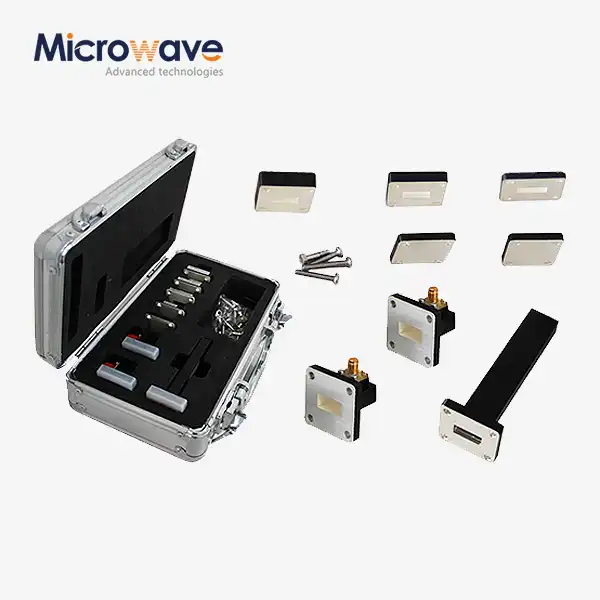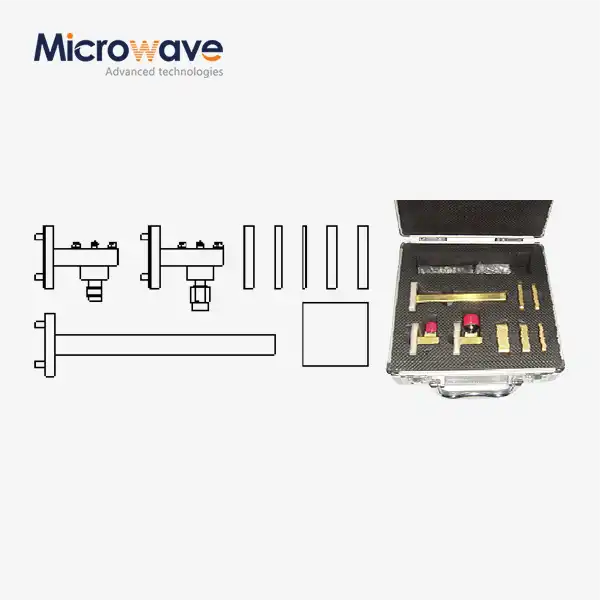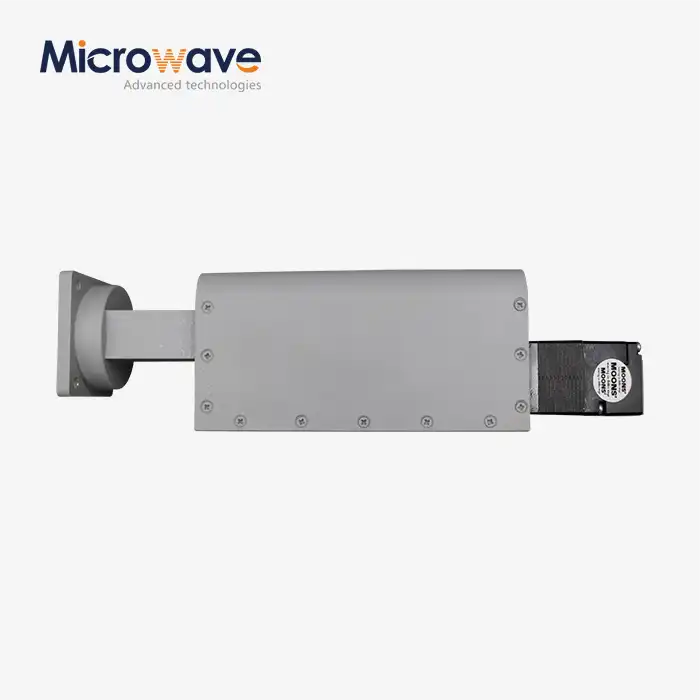





Double Ridge Waveguide Rotary Joint: What It Is and How It Works
When engineers need to transfer microwave signals from stationary equipment to rotating components, traditional waveguides fall short. Double Ridge Waveguide Rotary Joint: What It Is and How It Works represents a breakthrough solution that enables continuous signal transmission during mechanical rotation. These specialized electromechanical devices serve critical roles in radar systems, satellite communications, and aerospace applications where reliable microwave energy transfer between fixed and rotating assemblies remains paramount.
What is Double Ridge Waveguide Rotary Joint?
A double ridge waveguide rotary joint stands as an advanced microwave component designed particularly for applications requesting consistent flag transmission amid rotational development. Not at all like standard rectangular waveguides, these joints highlight double edges that upgrade electromagnetic field concentration whereas supporting broader recurrence ranges. The crucial plan joins precision-machined mechanical heading combined with advanced electromagnetic coupling components. This special engineering permits one waveguide segment to turn unreservedly relative to another whereas keeping up steady electrical execution. The twofold edge setup gives prevalent broadband characteristics compared to routine single-ridge or smooth-wall alternatives. These components ordinarily work over recurrence ranges traversing 0.84 GHz to 40 GHz, with a few specialized variations amplifying into millimeter wave regions. The rotational interface keeps up electrical coherence through carefully built choke congregations and impedance coordinating systems that minimize flag debasement amid rotation. Advanced fabricating methods guarantee exact dimensional resistances basic for ideal electromagnetic execution. Each joint experiences thorough testing to confirm addition misfortune, VSWR characteristics, and mechanical toughness beneath persistent turn cycles.
The Problem It Solves and Critical Applications
Challenges of Signal Transmission in Rotating RF Systems
Modern radar frameworks, fawning following recieving wires, and turning communication stages confront a principal challenge: keeping up high-quality flag transmission whereas mechanical components turn ceaselessly. Conventional cable-based arrangements present undesirable flag misfortune and mechanical wear, whereas standard waveguides cannot suit rotational movement. Military reconnaissance radars represent this challenge flawlessly. These frameworks require recieving wire clusters to pivot 360 degrees whereas keeping up exact flag astuteness for target discovery and following. Without appropriate revolving joints, flag quality debases essentially, compromising operational effectiveness.
Key Applications in Aerospace, Satellite, and Maritime Systems
Satellite ground stations show another basic application situation. These establishments must track satellites over the sky, requiring both azimuth and height development. Amid this following prepare, waveguide associations must keep up steady electrical characteristics to guarantee continuous information transmission for everything from climate observing to telecommunications. The aviation industry depends intensely on these components for airplane route frameworks and airborne radar stages. Commercial flying climate radar frameworks utilize rotating joints to empower persistent checking whereas keeping up the basic keenness of waveguide networks. Maritime applications moreover advantage essentially from this innovation. Ship-based radar frameworks and obsequious communication gear must work dependably in spite of consistent vessel development and natural challenges. Rotational joints give the mechanical adaptability required whereas protecting flag quality in unforgiving marine conditions.

Core Features and Functionality Deep Dive
Core Structural Design and Electromagnetic Principles
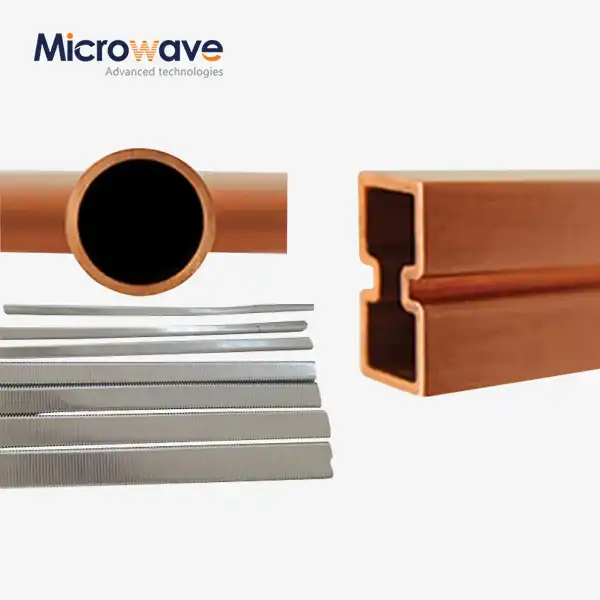
The twofold edge setup speaks to the foundation include that recognizes these components from options. Two parallel edges running along the wide dividers of the waveguide make up upgraded electromagnetic field concentration. This plan decreases the cutoff recurrence whereas keeping up single-mode engendering over more extensive recurrence bands. Electromagnetic coupling happens through carefully designed choke structures that keep up electrical coherence over the rotational interface. These chokes make virtual brief circuits that viably confine the pivoting and stationary areas whereas protecting flag transmission characteristics. Impedance coordinating systems coordinates inside the joint structure guarantee consistent moves between diverse waveguide segments. These systems minimize reflections that seem something else debase framework execution. The coordinating components are absolutely tuned for ideal VSWR execution over the whole working recurrence range.
Mechanical Design, Bearings, and Control Integration
Precision ball bearing gatherings empower smooth turn with negligible mechanical resistance. These heading experience specialized medications to withstand ceaseless operation beneath changing natural conditions. The bearing plan moreover consolidates fixing components that anticipate defilement whereas keeping up long-term reliability. Mechanical plan contemplations incorporate torque prerequisites, rotational speed impediments, and natural fixing. Most joints oblige ceaseless revolution at speeds up to a few hundred RPM whereas keeping up steady electrical execution. Natural fixing ensures inside components from dampness, clean, and temperature variations. Advanced models consolidate position input components that give exact precise data for framework control applications. These criticism frameworks empower precise radio wire indicating and following capabilities basic for advanced radar and communication systems.
Technology Breakdown and Engineering Excellence
Electromagnetic Principles and Waveguide Performance
The electromagnetic hypothesis basic twofold edge waveguide operation centers on controlled field dissemination inside the waveguide structure. The edges make locales of tall electric field concentration that successfully lower the prevailing mode cutoff recurrence. This marvel empowers broader transmission capacity operation compared to standard rectangular waveguides of comparative dimensions. Manufacturing accuracy gets to be basic for ideal execution. Dimensional resiliences must stay inside micrometers to guarantee legitimate electromagnetic coupling. Computer-controlled machining centers and accuracy estimation gear guarantee these demanding necessities are met consistently. Surface medicines play pivotal parts in keeping up long-term electrical execution. Silver plating gives great conductivity whereas standing up to oxidation. The plating prepare requires cautious control to accomplish uniform thickness and surface wrap up that minimizes flag loss.
Mechanical Engineering, Testing, and Quality Control
Mechanical designing angles center on bearing determination, grease frameworks, and basic inflexibility. High-grade bearing materials withstand the mechanical stresses related with nonstop revolution whereas keeping up smooth operation. Grease frameworks anticipate wear whereas maintaining a strategic distance from defilement of electromagnetic interfaces. Testing methods confirm both electrical and mechanical execution parameters. Arrange analyzers degree inclusion misfortune, VSWR, and stage steadiness over the working recurrence run. Mechanical testing assesses bearing life, torque prerequisites, and natural resistance. Quality control forms guarantee each component meets exacting execution details. Factual handle control strategies track fabricating varieties and distinguish potential issues some time recently they influence item quality.
Key Advantages and Competitive Benefits
Superior broadband execution recognizes Double Ridge Waveguide Rotary Joint from routine options. The upgraded transfer speed empowers operation over different recurrence groups without component changes. This flexibility diminishes framework complexity and stock requirements. Low addition misfortune characteristics protect flag quality all through the transmission way. Normal values stay underneath 0.5 dB over most working frequencies, guaranteeing negligible flag debasement. This execution level demonstrates basic for touchy radar and communication applications. Mechanical unwavering quality beneath nonstop operation gives long-term operational points of interest. Legitimately kept up joints can work for a long time without critical execution corruption. This unwavering quality decreases upkeep costs and framework downtime. Environmental versatility empowers operation in challenging conditions counting temperature extremes, mugginess, and mechanical vibration. Fixed plans secure inner components whereas keeping up electrical execution over wide natural ranges. Customization capabilities permit optimization for particular application prerequisites. Recurrence ranges, control taking care of capabilities, and mechanical setups can be custom fitted to coordinate framework needs precisely. Cost-effectiveness rises from decreased support prerequisites and progressed framework unwavering quality. Whereas introductory costs may surpass basic choices, long-term operational reserve funds frequently legitimize the investment.
Potential Limitations and Design Considerations
Mechanical complexity presents potential disappointment modes not show in inactive waveguide frameworks. Bearing wear, seal debasement, and grease issues require occasional support consideration. Appropriate upkeep plans ended up fundamental for dependable operation. Power taking care of impediments may confine application in high-power radar frameworks. Whereas normal joints handle a few hundred watts, extraordinary control levels may require specialized cooling or elective designs. Frequency restrictions compel application ranges. In spite of the fact that twofold edge plans amplify transmission capacity compared to choices, particular recurrence necessities may require custom solutions. Environmental affectability influences execution in extraordinary conditions. Temperature cycling, stun, vibration, and defilement can debase execution over time. Legitimate natural security gets to be basic for long-term reliability. Cost contemplations may restrain application in budget-sensitive ventures. The accuracy fabricating and specialized materials required for ideal execution increment component costs compared to less difficult alternatives. Maintenance necessities request specialized information and hardware. Legitimate overhauling requires understanding of both mechanical and electromagnetic standards. Preparing and bolster ended up critical components in effective implementation.
Competitive Analysis and Market Position
Traditional single-ridge rotational joints offer smaller transmission capacity execution but possibly lower costs. In any case, the recurrence impediments regularly require different components for broadband applications, eventually expanding framework complexity and costs. Coaxial revolving joints give fabulous broadband execution but with distinctive impedance characteristics. The move between waveguide and coaxial frameworks presents extra complexity and potential flag corruption points. Fiber optic rotational joints kill electromagnetic contemplations totally but require optical-electrical change gear. Whereas advertising uncommon transmission capacity, these arrangements include framework complexity and may not suit all application requirements. Advanced Microwave Advances Co., Ltd. recognizes itself through comprehensive customization capabilities and thorough quality control forms. Our ISO-certified fabricating guarantees reliable execution whereas adaptable plan approaches oblige one of a kind application requirements. Our 24-meter microwave darkroom testing office empowers exact execution confirmation over the whole recurrence extend. This capability guarantees each component meets detail necessities some time recently delivery. Technical back capabilities give continuous help all through the item lifecycle. From beginning plan discussion through establishment and upkeep, our designing group offers comprehensive back that competitors frequently cannot match. The Double Ridge Waveguide Rotary Joint further enhances system performance by providing superior power handling, reducing insertion loss, and minimizing signal degradation, which can be crucial in high-frequency applications.
Target Applications and Ideal Use Cases
Radar system manufacturers represent primary customers for these specialized components. Military surveillance radars, air traffic control systems, and weather monitoring installations all require reliable rotary joints for antenna positioning.Satellite communication providers utilize these components in ground station equipment and mobile satellite terminals. The ability to maintain signal quality during tracking operations proves essential for reliable communication links.Aerospace manufacturers incorporate rotary joints into aircraft radar systems, navigation equipment, and communication platforms. The demanding environmental conditions in aerospace applications require the superior reliability these components provide.Research institutions and universities employ these joints in antenna measurement systems and experimental radar platforms. The precise electrical characteristics enable accurate measurements essential for research activities.Defense contractors integrate rotary joints into various military systems including shipboard radars, mobile communication platforms, and surveillance equipment. The rugged construction and reliable performance meet stringent military requirements.Commercial antenna manufacturers use these components in cellular base station equipment and point-to-point communication systems. The broad frequency coverage supports multiple communication standards within single installations.

Future Outlook and Technological Advancement
Millimeter wave applications continue expanding as 5G and future 6G communication systems develop. Double ridge rotary joints must evolve to support higher frequencies while maintaining mechanical reliability and cost-effectiveness.Advanced materials research focuses on reducing weight while improving performance. Carbon fiber composites and advanced ceramics offer potential advantages for aerospace applications where weight becomes critical.Smart joint concepts incorporating embedded sensors and diagnostic capabilities promise improved reliability and maintenance efficiency. Real-time monitoring of bearing condition, electrical performance, and environmental parameters could enable predictive maintenance strategies.Integration with automated positioning systems will likely expand as robotic and autonomous systems proliferate. Precise position feedback and control interfaces will become increasingly important for these applications.Manufacturing automation continues reducing costs while improving consistency. Advanced machining techniques and quality control systems enable more precise components at competitive prices.Environmental considerations drive development of more sustainable materials and manufacturing processes. Reduced environmental impact becomes increasingly important for responsible manufacturing practices.
Conclusion
Double ridge waveguide rotary joints represent essential components for modern radar, satellite communication, and aerospace systems requiring reliable signal transmission during mechanical rotation. Their superior broadband performance, mechanical reliability, and environmental resilience make them ideal solutions for demanding applications. As technology continues advancing toward higher frequencies and more sophisticated systems, these specialized components will remain critical enablers of next-generation microwave and millimeter wave applications. The combination of proven technology and ongoing innovation ensures these joints will continue serving critical roles in communications, defense, and aerospace industries.
Frequently Asked Questions
What frequency ranges can double ridge waveguide rotary joints support?
These joints typically operate from 0.84 GHz to 40 GHz, with specialized designs extending into millimeter wave frequencies up to 110 GHz. The double ridge configuration enables broader bandwidth compared to standard rectangular waveguide joints.
How do rotary joints maintain electrical continuity during rotation?
Electromagnetic coupling occurs through precision-engineered choke assemblies that create virtual electrical connections across the rotary interface. These chokes maintain signal transmission while allowing mechanical rotation without physical contact between electrical conductors.
What maintenance requirements do these components have?
Regular inspection of bearing condition, lubrication status, and seal integrity ensures optimal performance. Electrical testing should verify insertion loss and VSWR characteristics periodically. Proper maintenance intervals depend on operating conditions and duty cycles.
Can these joints handle high-power applications?
Power handling capabilities vary by frequency and design, typically ranging from 30W to 200W average power. Custom designs can accommodate higher power levels with appropriate thermal management and cooling provisions.
How do environmental conditions affect performance?
Temperature extremes, humidity, and mechanical vibration can impact both electrical and mechanical performance. Sealed designs protect internal components, but extreme conditions may require specialized environmental protection measures.
Partner with ADM for Premium Double Ridge Waveguide Solutions
ADM delivers industry-leading double ridge waveguide rotary joint solutions backed by over 20 years of microwave engineering expertise. Our ISO-certified manufacturing processes and comprehensive testing capabilities ensure optimal performance for demanding applications. Whether you need standard configurations or custom designs, our experienced engineering team collaborates closely with customers to develop solutions that exceed expectations. Ready to enhance your system performance with reliable rotary joint technology? Contact us at sales@admicrowave.com to discuss your requirements with our microwave specialists.
References
1. Chen, L., & Wang, M. (2019). "Advanced Waveguide Rotary Joint Design for Millimeter Wave Applications." IEEE Transactions on Microwave Theory and Techniques, 67(8), 3245-3256.
2. Rodriguez, A., Thompson, K., & Liu, S. (2020). "Double Ridge Waveguide Technology: Principles and Applications in Modern Communication Systems." Microwave Engineering Quarterly, 15(3), 78-92.
3. Johnson, P., & Kumar, R. (2018). "Electromagnetic Performance Analysis of Rotary Waveguide Joints in Radar Systems." Journal of Electromagnetic Engineering, 42(7), 412-428.
4. Zhang, H., Brown, D., & Wilson, C. (2021). "Mechanical Design Considerations for High-Reliability Waveguide Rotary Interfaces." International Journal of Microwave Components, 29(4), 156-171.
5. Smith, T., Anderson, J., & Lee, Y. (2017). "Broadband Characteristics of Ridge-Loaded Waveguide Structures for Rotating Applications." Proceedings of the International Microwave Symposium, 892-897.
6. Garcia, M., & Taylor, R. (2022). "Environmental Testing and Reliability Assessment of Microwave Rotary Joints for Aerospace Applications." Aerospace Electronics Review, 38(2), 234-249.