





Why Choose a Waveguide Circulator?
Picking the appropriate directional control part is very important when creating RF and microwave systems that need to be very reliable. A waveguide circulator is an inactive, one-way device that uses ferrite materials and a magnetic field to send data in a certain order through its ports, which are usually three or four. Compared to coaxial options, these parts can handle much higher power levels and still have very low insertion loss, often less than 0.5 dB. Because they keep emitters from getting reflected power, they protect sensitive equipment in radar, satellite ground stations, and commercial microwave uses. Knowing why these devices work so well in mission-critical settings helps buying teams make smart choices that extend the life of systems and improve business efficiency.
Understanding How Waveguide Circulators Work
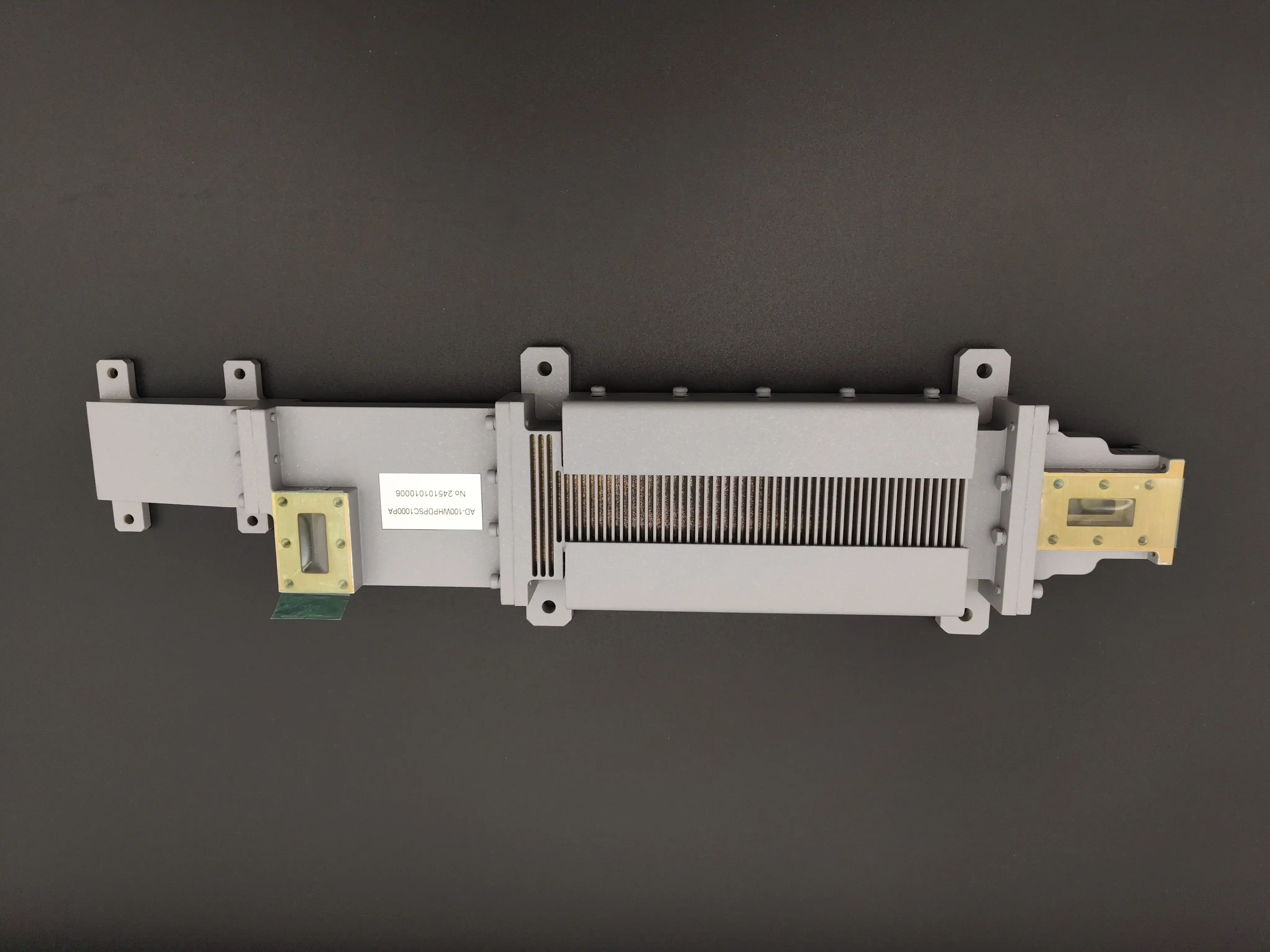
For these gadgets to work, Faraday spinning inside magnetized ferrite joints is necessary. When an RF signal comes in through Port 1, a fixed magnet pushes the ferrite material to spin the electromagnetic field, sending all the energy to Port 2. Port 2 feeds Port 3, and Port 3 links back to Port 1. This one-way pattern continues around the junction. This direction control happens without any moving parts, so the system is always stable.
Core Technical Parameters That Matter
Several performance measures must be taken into account when choosing the right tool. Insertion loss is a way to measure how much a forward signal is weakened, and it should stay as low as possible—quality units get ≤0.5 dB across their working band. Reverse isolation, which is usually ≥40 dB, measures how well the device stops backward sounds, keeping upstream parts safe. Power handling ability varies a lot. Standard models can handle an average of 10 to 500 watts of power, while ruggedized models can handle high powers of up to 50 kilowatts. Operating frequency bands go from L-band to W-band, which covers DC to 110 GHz in some cases. VSWR values below 1.2:1 make sure that energy moves smoothly at system interfaces.
Where These Devices Prove Indispensable
Most choices about buying are based on three types of applications. In phased-array radar systems, circulators make it possible for broadcasting and receive to happen at the same time through shared antenna elements. This makes the hardware much simpler. These parts are needed for satellite transmission uplinks because they protect high-power amplifiers from antenna mismatch echoes that happen when the weather changes. In industrial microwave heating systems, circulators keep magnetron sources stable when the load resistance changes. This stops frequency shift and equipment failure. For each situation, there are specific frequency bands, power levels, and environmental requirements that makers must carefully match to the needs of the system.
Selecting the Right Circulator for Your Application
To match gadget specs to system waveguide circulator needs, you have to look at a lot of technical and business factors. If you make mistakes here, performance will suffer and lifetime costs will go up.
Critical Specification Checklist
The most important thing is that the waveguide circulator's working band must fully cover your signal bandwidth, leaving enough room for temperature shift. Power handling needs extra space above normal operation—specify peak power levels at least 3 dB above the highest send pulses to keep the ferrite from getting too hot. Link costs are directly affected by insertion loss, especially in cascaded systems where losses build up. Specifications for isolation protect receivers that are sensitive. For example, radar uses need ≥40 dB to keep emitter leakage from making low-noise amplifiers less sensitive. For outdoor and space systems, environmental ratings are important. Make sure that the working temperature ranges, shock/vibration specs, and humidity ratings are all appropriate for your deployment conditions.
Customization Capabilities Worth Evaluating
Standard store items work well in many situations, but unique changes often make them fit better in a system. Customizing the interface lets you use non-standard flange types or built-in transitions to coaxial connections, which speeds up construction and lowers passive intermodulation. Frequency-specific tuning improves performance in narrow bands where wideband units fall short. High-power versions have better thermal management, like thicker walls, built-in cooling fans, or liquid-cooling features, which raise the working limits. Environmental hardening includes protective coats that meet IP67 or IP68 standards, hermetic seals, and tough packing that can be used on ships or in the air. Manufacturers that offer fast development and iterative design teamwork can help customers get their custom solutions just right before they commit to mass production.
Supplier Evaluation Beyond the Datasheet
You can only get part of the picture from technical specs. Lead times affect project plans, so make sure that the stated delivery time includes both standard goods and unique features. Warranty terms and failure rate data show how confident the maker is in their products. Reliable providers offer coverage for multiple years and post MTBF numbers that are backed up by accelerated life testing. Post-sale support quality varies a lot. Top-tier providers offer access to application experts for help with installation, test reports with traceable calibration, and quick troubleshooting help. In businesses that are controlled, certifications are important. Check that the company meets ISO 9001 quality management standards, RoHS environmental laws, and AS9100 aerospace standards if they apply.
Operational Advantages for B2B Procurement Teams
When you buy good waveguide circulators, you get benefits that go far beyond the initial cost. Knowing about these perks helps make specifications and spending decisions more logical.
Enhanced System Reliability and Uptime
The main value offering is keeping expensive active components safe from mirrored power. In radar systems, circulators keep the radio from getting damaged by antenna icing or radome delamination, which would otherwise be very bad and lead to the loss of a lot of equipment. During storms, antenna mismatch happens at satellite ground stations. Circulators take in these echoes and keep the signal strong without any help from an operator. Because ferrite-based designs are passive and don't need any upkeep, they don't have the wear-out processes that active parts do. This helps the average time between failures go over 100,000 hours in properly specified units.
Total Cost of Ownership Considerations
The lifetime economics of waveguide circulators make them a better choice than coaxial alternatives, despite their higher starting cost. Lower insertion loss means that the amplifier doesn't need as much power, which saves money on energy costs and makes it easier for heat to escape. Extreme dependability cuts down on unexpected maintenance: one failure that could have been avoided in a remote communications site on a mountaintop easily supports the higher cost of the component. For deployments at more than one site, buying in bulk becomes an option. Manufacturers offer volume savings and consignment stocking programs that make cash flow easier while making sure parts are always available. Because circulators last a long time—often longer than the time between equipment refill cycles—they are used in different system stages.
Scalability Across Product Lines
Standard waveguide connections make it easier to use the same design in different power levels and frequency bands. If an engineering team certifies a certain circulator topology, they can safely scale the design. For example, going from X-band to Ku-band only requires scaling the dimensions, not a complete rethink. This stability in architecture speeds up product creation and makes qualification testing easier. OEMs and contract manufacturers like this feature a lot because it lets them handle different customer programs with the same RF building blocks.
Navigating the Waveguide Circulator Market
Finding trustworthy sellers and planning how to buy waveguide circulators takes knowing the market and doing a lot of research.
Recognized Industry Manufacturers
A number of businesses have a history of making high-performance RF components. MECA Electronics sells stock and custom circulators to both defense and business markets with a focus on fast delivery. Advanced Component Systems (ACS) makes high-power waveguide goods that are used in radar. In usual situations, Pasternack offers same-day shipping on a wide range of items. Microwave Communications Laboratories Inc. (MCLI) and HUBER+SUHNER are two smaller, more specialized companies that focus on unique solutions and offer a lot of technical support. If you are looking at different companies, you should look at how much frequency coverage, power levels, and vertical integration they have. For example, if they can do ferrite processing and precise machining in-house, that shows they can make a lot of products.
Quality Verification and Certification
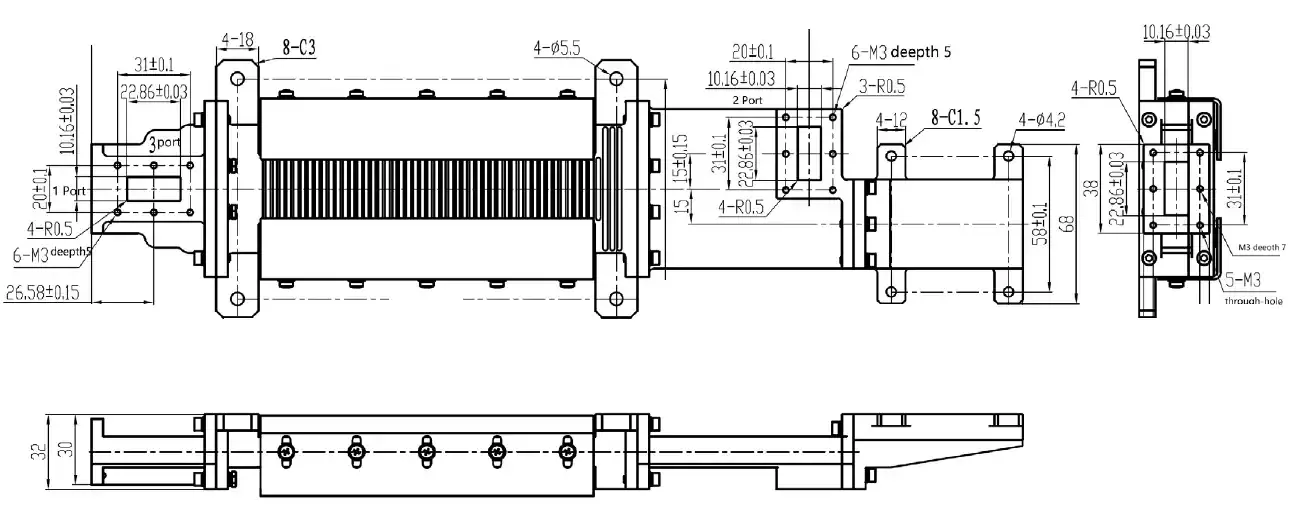
System dependability is directly affected by the honesty of the supply chain. Ask for test data for each production unit; reputable makers will give you insertion loss, VSWR, and isolation readings across the given frequency range that can be traced back to NIST standards. Material approvals show that the material is RoHS-compliant and list the ingredients that make up ferrite for uses that need to know its magnetic qualities. When buying things for defense or aircraft, make sure they are AS9100 certified and registered with ITAR, if needed. There is always a risk of counterfeit parts in the electronics supply chain. This risk can be reduced by buying directly from makers or authorized dealers with a track record.
Strategic Purchasing Approaches
When capacity is limited, volume agreements open the door to better pricing and care. Setting up blanket buy orders with scheduled releases is a good way to balance price breaks, waveguide circulators, and inventory costs, and it works especially well for projects that last more than one year. Dual sourcing strategies protect against supply disruptions: getting two makers qualified for the same job gives you more buying power and more operational flexibility. For foreign deployments, global transportation skills are important. Suppliers who can offer regional warehousing, help with export licensing, and bill in more than one currency make international projects easier.
Real-World Performance in Mission-Critical Systems
Real-world examples show that choosing the right waveguide circulator can solve practical problems in many different types of businesses. Defense companies that build active electronically scanned array (AESA) radars need thousands of circulators to keep the transmit and receive modules from interfering with each other. A big aircraft company recently switched its airborne monitoring radar from coaxial to waveguide circulators. This cut insertion loss by 0.3 dB, which increased the detection range by 8%. The better handling of power got rid of problems with thermal management that were causing breakdowns sometimes during high-duty-cycle activities. When it rains a lot, which damages the antenna match, satellite ground station workers have to deal with mirrored power spikes. By adding waveguide circulators to the outputs of high-power amplifiers, these transients were absorbed. This stopped three HPA failures every year that used to cost $75,000 each in lost income and new hardware. Within six months, the circulator investment paid for itself, and it also made link access measures better. Magnetron frequency pulling happened in industrial microwave systems used for treating polymers when the load features changed during production runs. Adding circulators fixed the source frequency, which made the process more consistent and cut the amount of waste by 12%. Because the quality got better as a result, the circulators were put in more places along the whole production line.
Conclusion
Choosing a waveguide circulator is an investment in the efficiency and dependability of the system. When compared to other technologies, these inactive devices are better at handling power, having very little insertion loss, and being very isolated, especially in high-frequency and high-power situations. Protecting expensive active parts from mirrored power keeps them from breaking down in terrible ways and makes equipment last longer. When procurement teams look at suppliers, they should give more weight to makers that have a track record of special building, strict quality control, and full support after the sale. Advanced Microwave Technologies Co., Ltd is a good example of these traits because it is ISO-certified, can make a lot of changes, and has a track record of success in the defense, aircraft, satellite communications, and industrial markets. By choosing the right specifications and suppliers now, you can avoid expensive field failures and ensure long-term operating success.
FAQ
What frequency bands do waveguide circulators cover?
From roughly 1 GHz to 110 GHz, standard waveguide circulator models cover the usual microwave and millimeter-wave bands. Different models are made for different bands, like S-band, C-band, X-band, Ku-band, Ka-band, and so on, with waveguide lengths that work best for each range. Custom designs can work with specific frequencies, like lower VHF/UHF ranges or experimental millimeter-wave bands. However, at very high or very low frequencies, it gets harder to balance size and performance.
How do I determine required power handling specifications?
Make sure you leave enough room between the average (continuous) and peak (pulse) power needs. Average power is affected by duty cycle and signal properties, while peak power shows the highest values that can be reached at any given time during burst operation. To keep ferrite from becoming saturated, which lowers isolation and raises insertion loss, specify values that are at least 3 dB higher than the highest possible working conditions. The temperature of the environment affects how much power something can handle. Ratings usually assume certain environmental conditions, so check the derating factors for your operational location.
Can waveguide circulators be repaired if performance degrades?
Some fixes can be done in the field, but only if the failure mode allows it. To get VSWR working again, loose plate connections can be tightened up. But damage to the internal ferrite or the magnetic circuit usually needs to be fixed in the factory using special test tools. Regular performance checks as part of preventive maintenance catch decline early, before it has a negative effect on the system. Reputable makers offer repair services and performance verification, but it's usually cheaper to just buy a new one instead of refurbishing it completely.
Partner with ADM for Premium Waveguide Circulator Solutions
Advanced Microwave Technologies Co., Ltd. (ADM) makes precision-engineered waveguide circulator units and has been working with radio frequency (RF) for more than twenty years. As a reliable manufacturer, we mix manufacturing that is ISO 9001:2008 certified with the ability to make any changes you need to make it exactly what you want. Our 24m microwave darkroom and 110 GHz testing tools make sure that every part works as expected across its entire working range. Whether you need standard stock items or fully customized solutions for tough aerospace, defense, or satellite communications uses, our engineering team is ready to help you from the first design to the integration after delivery. Get in touch with craig@admicrowave.com right away to talk to one of our software engineers about your needs. We have low prices for large orders, can make prototypes quickly for development projects, and can help with logistics around the world. Learn more about why top OEMs choose ADM for mission-critical RF parts that work reliably in the toughest conditions.
References
1. Pozar, David M. Microwave Engineering, Fourth Edition. Wiley, 2011.
2. Baden Fuller, A. J. Ferrites at Microwave Frequencies. Institution of Engineering and Technology, 1987.
3. Linkhart, Douglas K. Microwave Circulator Design, Second Edition. Artech House, 2014.
4. Helszajn, Joseph. The Stripline Circulators: Theory and Practice. Wiley-IEEE Press, 2008.
5. Fay, C. E. and Comstock, R. L. "Operation of the Ferrite Junction Circulator." IEEE Transactions on Microwave Theory and Techniques, vol. 13, no. 1, 1965.
6. Collins, Robert E. Foundations for Microwave Engineering, Second Edition. Wiley-IEEE Press, 2000.
YOU MAY LIKE
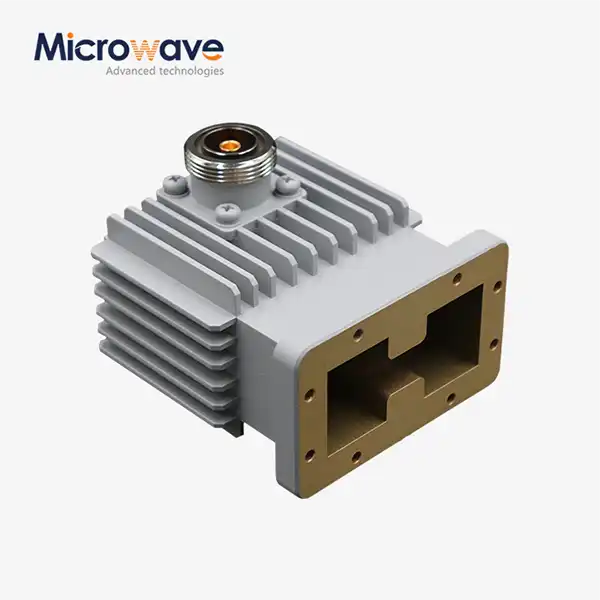 VIEW MOREHigh Power Waveguide to Coaxial Adapter
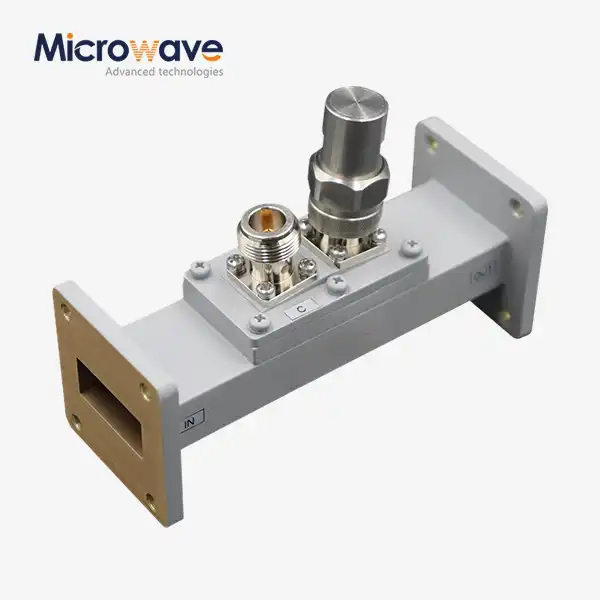 VIEW MOREWaveguide Loop Coupler
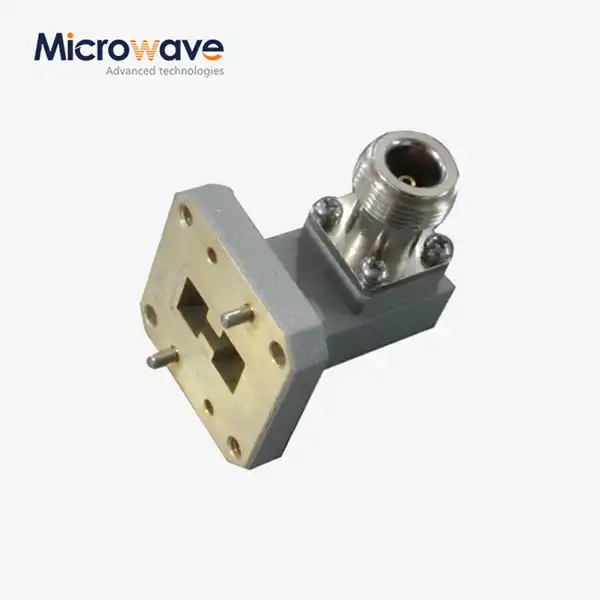 VIEW MORERight Angle Double Ridged WG To Coaxial Adapter
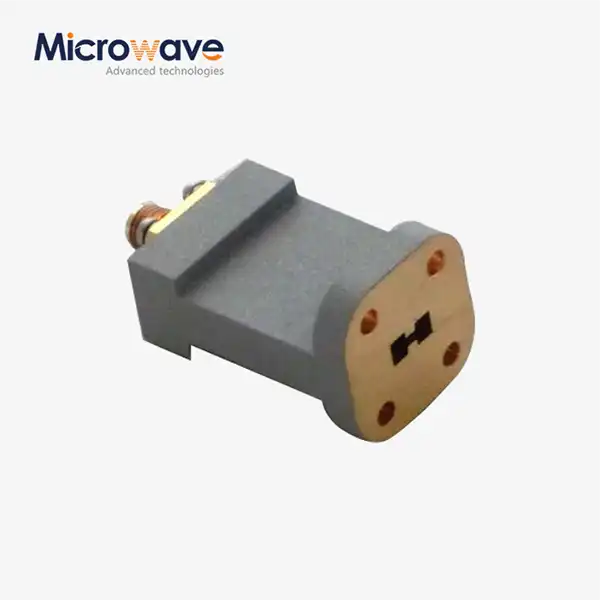 VIEW MOREEnd Launch Double Ridged WG To Coaxial Adapter
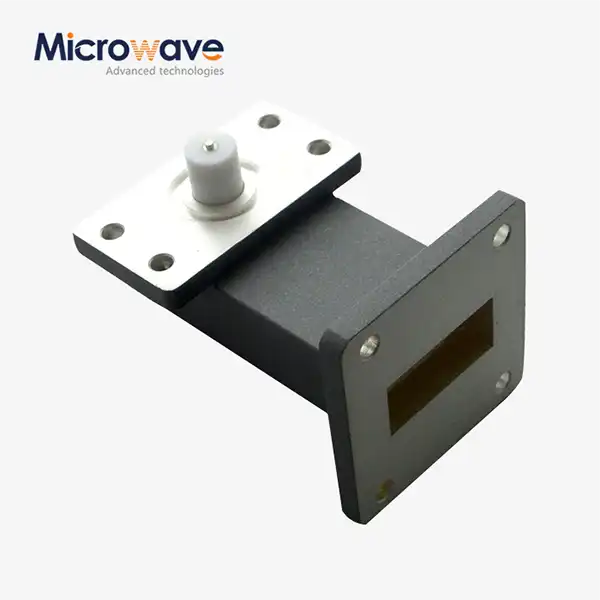 VIEW MORERight Angle Waveguide to Microstrip Adapter
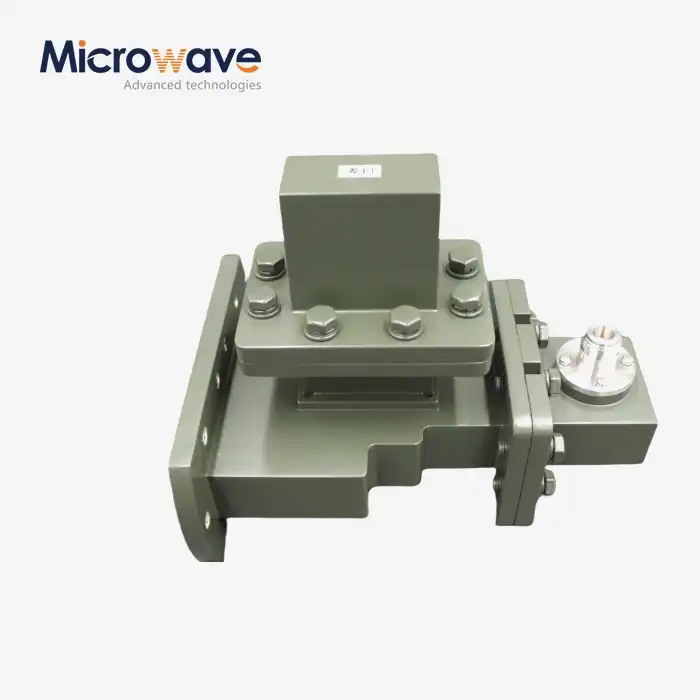 VIEW MOREE-Plane Tee
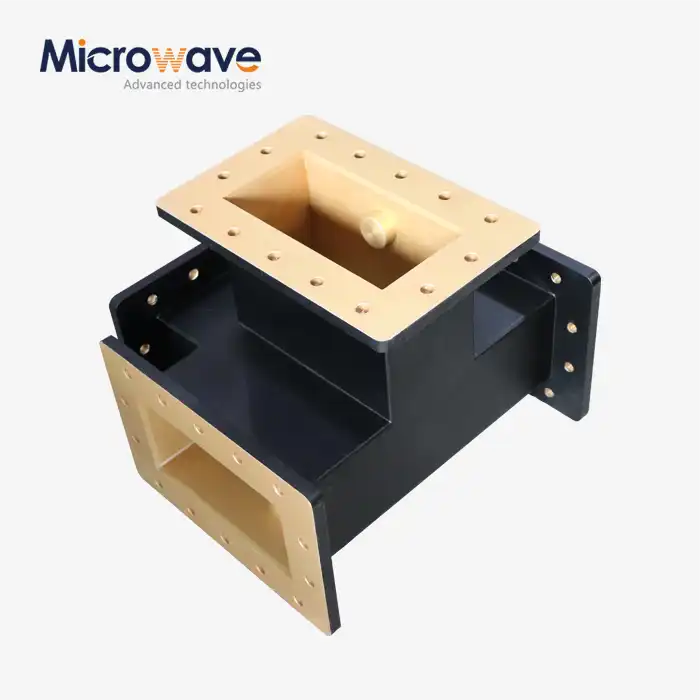 VIEW MOREH-Plane Tee
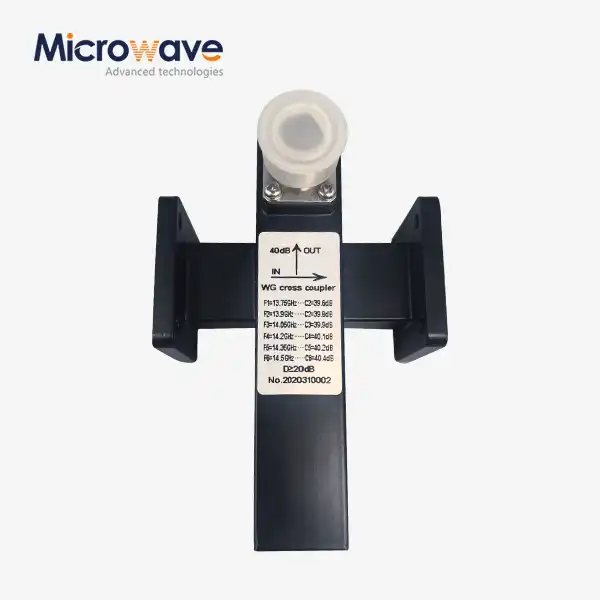 VIEW MORECrossguide Directional Coupler