





How to Choose the Right Coaxial Detector for Gamma Spectroscopy
To choose the best Coaxial Detector for gamma spectroscopy, you need to know exactly what you need it for, such as energy resolution, sensing efficiency, and the setting in which it will be used. These special tools turn high-frequency gamma radiation into signals that can be measured. This makes it possible to accurately identify isotopes in study, commercial, and nuclear settings. When B2B procurement teams make a choice, they have to weigh technical performance measures like sensitivity and noise characteristics against practical factors like provider trustworthiness, the ability to customize, and long-term support. To make smart decisions, you need to look at the detector shape, the quality of the semiconductor material, the calibration methods, and how well the new system will work with your current spectroscopy setup. This will help you get the most accurate measurements at the lowest cost.
Understanding Coaxial Detectors in Gamma Spectroscopy
What Makes a Coaxial Detector Unique
As a type of radiation detector, a Coaxial Detector is made up of a cylinder-shaped semiconductor crystal, usually made of High-Purity Germanium (HPGe), with a hole in the middle that makes a circular electric field. This geometric arrangement makes the active detecting volume bigger while keeping the energy precision very high—often getting less than 2 keV full-width-half-maximum at 1.33 MeV. Planar detectors are limited by their diameter, and scintillation counters give up precision for efficiency. Coaxial designs, on the other hand, can tell the difference between closely spaced gamma-ray peaks better and are very good at detecting photons across a wide energy range. This dual ability is very useful for finding complicated mixes of radionuclides in natural samples or keeping an eye on the make-up of nuclear fuel.
Operating Principles and Signal Processing
Gamma photons interact with the germanium crystal in a number of ways, including photoelectric absorption, Compton scattering, or pair production. These interactions create electron-hole pairs whose energy is proportional to the energy of the photon that hits the crystal. The bias voltage moves these charge carriers toward the electrodes before they combine again. This creates a pulse of current that goes into a charge-sensitive preamplifier. The pulses are then shaped and digitized by advanced signal processing chains. Multichannel analyzers then group events into energy bins to make the characteristic spectral histogram. Maintaining cryogenic temperatures (usually 77 Kelvin with liquid nitrogen or mechanical fans) is a big part of how well a detector works. This is done to stop thermal leakage current that would lower signal-to-noise ratios and hide low-energy gamma lines.
Comparative Advantages Over Alternative Technologies
Coaxial HPGe units are better than sodium iodide Coaxial Detector scintillators and cadmium zinc telluride semiconductors in a number of ways when buying teams look at detector choices. Scintillation detectors are tough and can work at room temperature, but their energy precision is about ten times lower, which means they can't be used for complex spectroscopic analysis that needs to separate peaks. Compound semiconductors like CZT don't need to be cooled down with cryogenics, but they are less efficient at high energies and may not be stable in the long run. Coaxial germanium detectors are the best choice for both lab and field uses that need precise isotopic identification and quantitative analysis. Their higher initial cost is justified by their superior analytical capabilities and decades-long useful lives with proper maintenance.
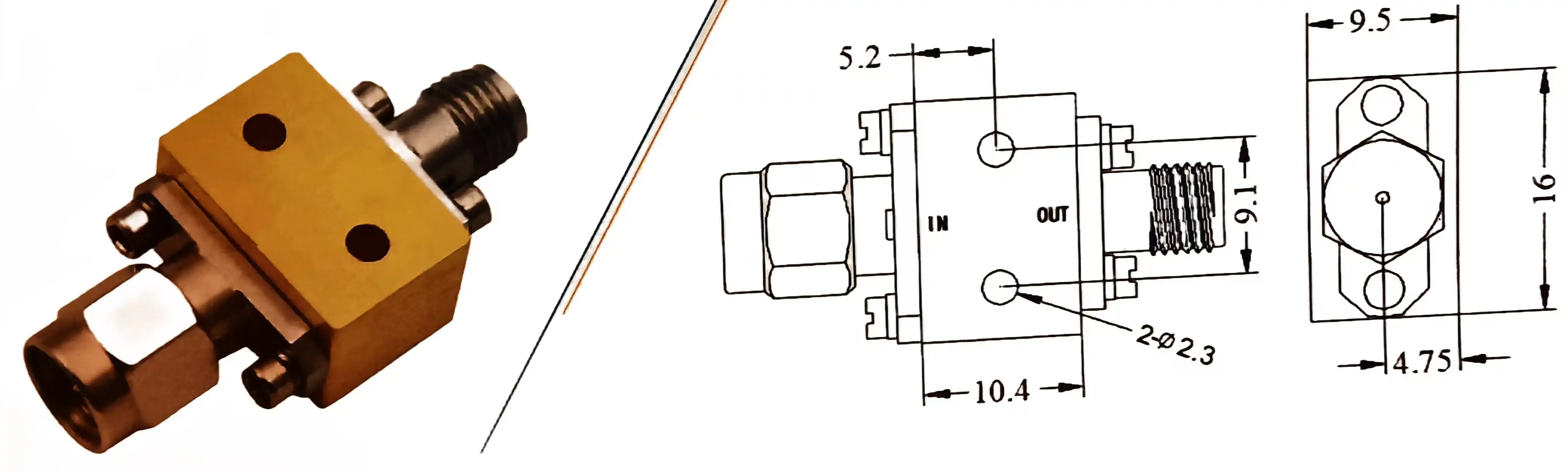
Criteria for Choosing the Right Coaxial Detector for Your Application
Matching Detector Specifications to Application Demands
The first step in the decision process is to list the measurements you need in a number of technical areas. Depending on the energy range, you may need devices that are best for low-energy X-ray and gamma spectroscopy below 100 keV or high-energy nuclear physics uses above 10 MeV. Relative efficiency, which is given as a number compared to a normal 3x3-inch NaI crystal at 1.33 MeV, has a direct effect on counting rates and measurement time needs. Values range from 20% for small portable units to over 200% for big laboratory systems. Peak-to-Compton ratios show the quality of the spectrum and how well it can block out background radiation. This is especially important when trying to find small amounts of contamination in the presence of high levels of natural background radiation or Compton continuum from higher-energy gamma lines. Physical limitations also affect choices about what to buy. The shape of the sample affects whether standard right-angle setups are enough or whether well-type Coaxial Detectors work better with volumetric sources. The operating setting determines whether movable battery-powered systems with mechanical coolers can be used in the field or whether benchtop setups with liquid nitrogen dewars are better for permanent lab installs. When making a budget, it's important to think about not only the original capital cost, but also the ongoing running costs, such as the cryogen used, maintenance cycles, and possible repair costs over the detector's 20–30 year projected service life.
Evaluating Critical Performance Metrics
Absolute efficiency and minimum measurable activity limits are two ways that detection sensitivity can be shown. Absolute efficiency relies on the size of the detector, the clarity of the crystals, and the thickness of the dead layer. Larger crystals can capture more photons, but they need more time to stabilize and more cooling power. Background count rates, which are affected by cosmic rays, radioactivity in the environment, and contamination inside the body, set realistic detection limits. This is why protection design and material choice are two very important factors that work together. For low-background uses like nuclear evidence or environmental tracking, ultra-pure material detectors may need to be housed in pre-WWII steel or lead-copper graded shields in order to reach sub-Becquerel sensitivity levels . Noise performance includes both electronic noise from the preamplifier-detector system and the sensitivity of the microphonic system to mechanical shaking. Electronic contributions are kept to a minimum in modern detector systems by using well-matched FET input stages and low-noise feedback networks. Acoustic pickups that can widen peaks or introduce false signals are kept from happening by mechanical separation and vibration dampers. Different types of applications have different temperature stability needs. For example, research-grade systems need active temperature regulation to keep peak position stability within tens of electron volts over long counting periods. Field applications, Coaxial Detector on the other hand, may be able to handle less strict requirements in exchange for greater operational flexibility.
Supplier Landscape and Brand Evaluation
There are a number of well-known companies on the global market that have a track record of making high-purity germanium detectors. Each provider has its own skills when it comes to crystal growth methods, electrode technologies, and the ability to integrate systems. Procurement workers should look at a possible vendor's technical support infrastructure, which should include installation help, calibration services, and fixing advice, as well as their manufacturing quality control processes, such as ISO 9001 certification and RoHS compliance. Delivery times include both stock available for standard setups and wait times for custom specs. For example, it could take 6 to 12 months from the time an order is placed to receive a big high-efficiency detector, as the crystals need to grow and be characterized. Long-term ownership costs and operating uptime are greatly affected by the structure of after-sales service. Comprehensive maintenance deals that cover regular performance checks, service of cold systems, and emergency repair help lower risks in mission-critical applications. It is important to think carefully about the availability of spare parts, especially for older detection models, because discontinued product lines may finally need expensive detector replacement instead of affordable repair. Established providers keep calibration facilities that are traceable to national standards. This lets them be recertified on a regular basis to meet legal requirements and quality assurance processes in approved labs.
Practical Procurement Considerations for B2B Clients
Understanding Pricing Structures and Value Optimization
Depending on the crystal size, resolution requirements, and system setup, detector prices range from around $15,000 for entry-level compact units to over $100,000 for high-efficiency lab systems. OEMs and system builders can get volume savings if they buy more than one unit. However, buying teams should check that the prices they are given include important extras like cryostats, bias supplies, preamplifiers, and signal processing electronics. When figuring out the total cost of ownership, you have to include things like liquid nitrogen, which costs about $2 to $5 per liter and can be used anywhere from 0.5 to 3 liters per day based on the size of the dewar, as well as maintenance costs and possible upgrade paths as measurement needs change. Distributors who serve a lot of end users or companies that are setting up detector networks in a lot of different buildings can benefit from buying in bulk. Negotiating framework sets favorable prices and makes sure that product specs are always the same, which speeds up the buying process. But buyers should weigh bulk discounts against the costs of keeping inventory and the risk of technology becoming obsolete. This is especially important for digital signal processing electronics that are changing quickly and may see big changes every three to five years. Leasing is an alternative way to finance something that lowers the original capital needs and sets up organized ways to improve, but the total Coaxial Detector payments usually exceed the outright purchase costs over the same amount of time.
International Logistics and Compliance Requirements
When sending Coaxial Detectors, they need to be handled carefully so that mechanical shock or temperature cycles don't damage the crystals. Reliable sellers use special packaging with vibration isolation and temperature tracking to keep these delicate tools safe while they are being shipped internationally. High-purity germanium detectors are considered dual-use technologies because they could be used in nuclear weapons projects. This means that export controls govern their travel to certain countries. Purchasing teams have to check that both the supplier meets the standards for an export license and that the receiving facility is authorized to accept controlled nuclear instruments. These steps can add a few weeks to the delivery time. Customs clearance processes change from place to place, but in general, you need proof of what you plan to use the item for, certifications from the end user, and sometimes import permits from national regulatory authorities. Even though the detectors don't contain any radioactive sources, experienced providers provide full shipping paperwork and work with expert freight forwarders who know how to handle radioactive materials safely. Because of their high replacement value and unique nature, these instruments should be covered by insurance plans that specifically cover science equipment and any possible calibration costs that may come up after shipping accidents.
Establishing Maintenance and Support Frameworks
Setting up clear maintenance procedures and help routes before launch is crucial for long-term operational success. Schedules for preventive maintenance cover both detector-specific tasks, like improving the FET bias and checking the resolution, as well as other systems that support the detector, like checking the stability of vacuum systems for electrically cooled units or inspecting cryogen transfer equipment for liquid nitrogen systems. For legal compliance purposes, calibrations are usually done once a year. In study settings, they are done as needed. The process involves measuring multiple energy sources to make sure the accuracy of the energy calibrations across the whole spectrum. How quickly technical help responds has a direct effect on practical uptime in applications that need to work right away. Buyers should make sure they know when help is available, including what time zones are covered for foreign purchases, and how to report critical problems. With remote diagnostics, suppliers can figure out what's wrong with software and walk local technical staff through basic checks before sending out field service workers. This cuts down on resolution times and trip costs. Training programs make sure that users know how to do basic troubleshooting, regular operations, and preventative maintenance. This builds internal capability so that companies don't need to rely on outside help for everyday problems and only use vendors for complicated issues that need specialized knowledge.
Conclusion
To pick the best Coaxial Detector for gamma spectroscopy, you need to carefully match up the technical requirements with the application needs. You should think about things like energy resolution, sensing efficiency, the limitations of the working environment, and the long-term support infrastructure. For successful procurement, you need to look at more than just the technical performance right now. You also need to look at how reliable the provider is, how much customization is possible, and the total cost of ownership over the life of the equipment. By carefully looking at these factors and setting up clear upkeep and support plans, B2B clients can be sure to choose detector options that provide long-lasting analytical performance while keeping costs low. The money spent on analyzing specifications correctly and checking out suppliers pays off in the end with years of reliable service for important measuring applications.
FAQ
How often should coaxial detectors undergo calibration procedures?
How often you need to calibrate depends on how often you use it and what the application needs. For regulatory compliance purposes, energy and efficiency calibrations must be done once a year using traceable reference sources. In study settings, however, the times may be pushed back to 18 to 24 months based on quality control checks. Detectors that are used a lot or that work in environments that change often can benefit from verification tests every three months to find drift early. Compared to traditional electronics, modern digital systems with automatic gain stability make calibration easier. However, for accurate quantitative readings, frequent multi-point verification is still needed.
What distinguishes coaxial from planar detector configurations?
In terms of geometry, the main difference is that Coaxial Detectors use cylinder-shaped crystals with center holes that create circular electric fields, while planar units use flat disc shapes. Coaxial designs have much bigger active volumes—often more than 500 cubic centimeters—which makes it possible to identify high-energy gamma rays very efficiently while still keeping the resolution very high. For low-energy tasks below 300 keV, planar detectors work best because they have thin entrance windows and shorter charge collection lengths. However, they aren't very good at broad-spectrum gamma spectroscopy because of their low efficiency. Which setup gives the best speed depends on the needs of the application.
Can detector systems integrate with existing laboratory infrastructure?
Modern detection systems have many ways to connect, such as USB, Ethernet, and analog signal outputs, so they can work with a wide range of data gathering tools. There are different kinds of software interfaces, from ones that are specific to one maker to ones that are open-architecture and can be customized to work with automated sample handling systems or network-based tracking platforms. When buyers are making purchases, they should be clear about the interface standards they need, since adding communication protocols to old tools could be hard. Sometimes, legacy systems need adapter hardware or protocol converters, which can be more expensive and may not work as well as the original compatibility.
Partner with ADM for Your Precision Detection Requirements
Advanced Microwave Coaxial Detector Technologies Co., Ltd has been specializing in high-frequency sensing solutions for more than 20 years and can help you with your most difficult projects. With point contact diodes and custom-designed matching circuits, our ADM-618CDSS broadband Coaxial Detector shows how dedicated we are to precision engineering. It has great detection sensitivity down to -45 dBm and minimal VSWR below 1.5:1 across 6-18 GHz operation. As a maker of Coaxial Detectors that is ISO 9001:2008 approved, we have strict quality control measures in place and can also make OEM customizations. This means that we can make frequency ranges, connector configurations, and mechanical specs that are exactly what you need. Email our expert team at craig@admicrowave.com to talk about how our tried-and-true solutions can help with applications that need to be completely reliable, such as satellite communications, military radar systems, and electronic warfare. We provide full support from developing prototypes to mass production. Our state-of-the-art 24-meter microwave darkroom testing center and global shipping infrastructure ensure on-time delivery wherever your operations require it.
References
1. Knoll, G.F. (2010). Radiation Detection and Measurement, 4th Edition. John Wiley & Sons, Hoboken, New Jersey.
2. Gilmore, G. (2008). Practical Gamma-ray Spectrometry, 2nd Edition. John Wiley & Sons, Chichester, United Kingdom.
3. Debertin, K. & Helmer, R.G. (1988). Gamma- and X-ray Spectrometry with Semiconductor Detectors. North-Holland Physics Publishing, Amsterdam.
4. International Atomic Energy Agency (2003). Guidelines for Radioelement Mapping Using Gamma Ray Spectrometry Data. IAEA-TECDOC-1363, Vienna, Austria.
5. Leo, W.R. (1994). Techniques for Nuclear and Particle Physics Experiments, 2nd Edition. Springer-Verlag, Berlin, Germany.
6. American National Standards Institute (2016). Performance Criteria for Spectroscopy Equipment, ANSI N42.14-2016. IEEE Standards Association, New York.
YOU MAY LIKE
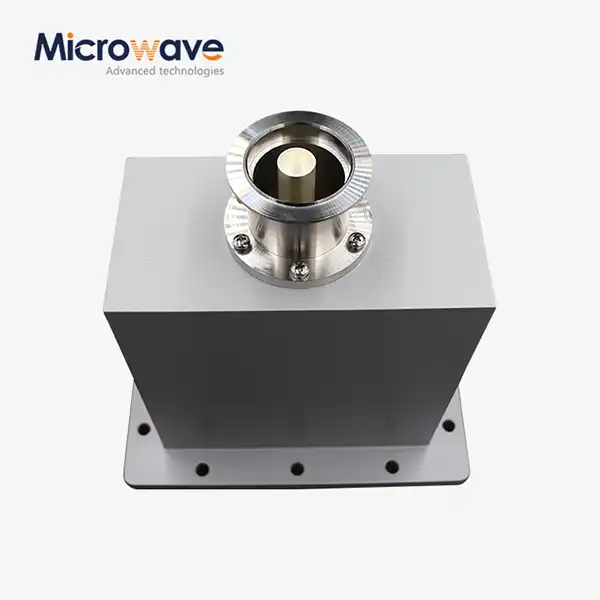 VIEW MOREEnd Launch Waveguide to Coaxial Adapter
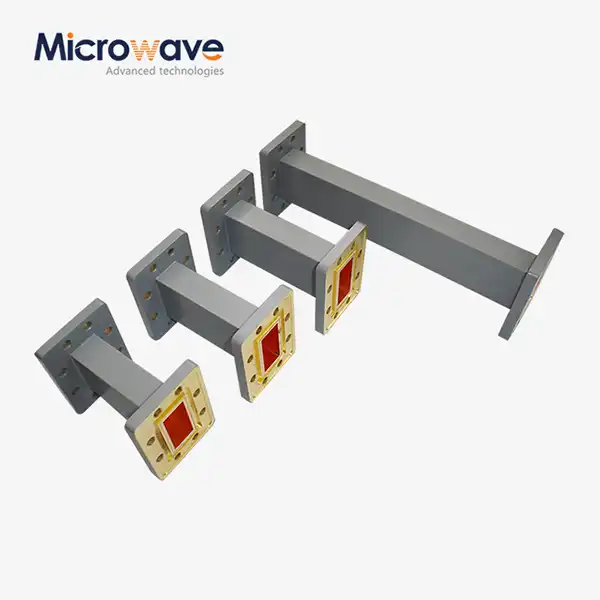 VIEW MORERectangular Straight Waveguide
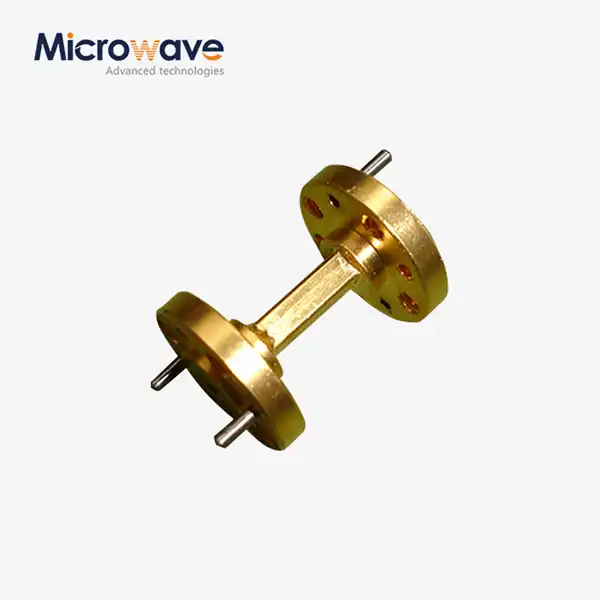 VIEW MORECircular Straight Waveguide
 VIEW MOREInflatable Straight Waveguide
 VIEW MOREWaveguide E Bend
 VIEW MOREFlexible Seamless Waveguide
 VIEW MORERight Angle Waveguide To Coaxial Adapter
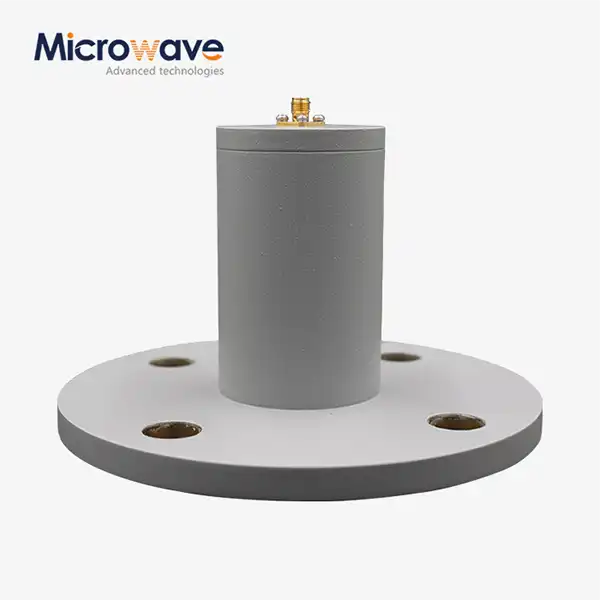 VIEW MORECircular Waveguide To Coaxial Adapter