





When Should You Repeat Directional Coupler Calibration?
The timing of directional coupler calibration is influenced by the amount of usage, the surroundings, and the need for precise measurements. Most of the time, couplers used every day in a laboratory need to be recalibrated once a year. Couplers used in harsh settings or in mission-critical defense and military applications may need to be checked every six months or quarterly. Because of thermal stress and component aging, high-power transmission systems and satellite ground stations need to be verified more often. Recalibration is performed immediately when performance drift, measurement errors, or physical damage are detected, ensuring your RF systems maintain precision and preventing costly errors in signal routing and power tracking.
Understanding Directional Coupler Calibration: Why and When?
Directional coupler calibration aligns the readings on your directional coupler with standards that can be tracked. This ensures that all of your RF systems are accurate and reliable. Precise calibration saves your investment and keeps your business running, whether you are adding a Coaxial Directional Coupler to a 5G base station or using a Broadwall Directional Coupler for radar tracking.
The Fundamental Purpose of Calibration
Directional couplers separate incident waves and reflected waves by sampling electromagnetic power that flows in certain directions. Factors like component aging, temperature cycling, and mechanical stress all lower their performance over time. These errors are fixed during calibration by comparing the coupler outputs to known reference signals and making changes for insertion loss, directivity drift, and coupling flatness. This process ensures that your devices meet standards like MIL-DTL-85, which are critical for procurement in defense and aerospace.
Vector Network Analyzers and precision power meters are used by industry leaders like Keysight and Rohde & Schwarz to establish calibration procedures. These methods check important factors like VSWR, coupling factor, and directivity (which is usually over 40dB in Broadwall Directional Couplers), ensuring that your equipment works within the acceptable range.
Determining Calibration Intervals
Recalibration plans are highly affected by usage patterns. Continuously used equipment, such as satellite communication uplink stations with Crossguide Directional Couplers, wears out faster than laboratory test benches used only occasionally. Environmental factors like high or low humidity, temperature changes, and vibrations can speed up degradation, especially in ruggedized waveguide systems used on ships or aircraft.
According to best practices, normal laboratory settings should be calibrated once a year, field-deployed systems should be checked every six months, and high-power radar transmitters should be checked every three months. Regulatory compliance adds another layer; for example, ISO 9001 certification requires recorded calibration records, which forces procurement teams to set up proactive maintenance processes. We have observed defense companies demanding checks every three months to meet supply chain traceability standards, preventing mission failures and avoiding contract fines.
Signs It's Time to Repeat Directional Coupler Calibration
Recognizing when to repeat directional coupler calibration allows you to avoid measurement mistakes that can lead to system problems. You can take action before a small drift turns into a big problem by using observable signs and diagnostic steps.
Performance Degradation Indicators
Inconsistent measurements mean that the equipment needs to be recalibrated. If your power monitoring numbers change without warning when the signal is stable, or if VSWR values are significantly different from historical baselines, your coupler may have drifted. When reverse isolation falls below certain levels, it is called directivity loss. This allows reflected power to contaminate forward readings, which skews Automatic Level Control loops in high-power amplifiers.
A physical inspection of the device provides more information. Electrical contact is lost when corrosion happens at the surfaces of flanges, especially in coastal or marine settings. Impedance mismatches happen when links in coaxial systems are loose. Thermal discoloration on waveguide surfaces indicates that they are getting too hot, which could change the coupling properties and warp the internal dimensions.
Troubleshooting Before Recalibration
Check external factors before committing to full tuning. Check the stability of the cables, the torque specifications for the connectors, and the system grounding. Switch out suspect couplers with known-good units to find the source of the problem. If you look at readings across different frequencies, you might find problems with the calibration, while single-frequency outliers could indicate issues with interference or resonance.
Environmental and Operational Stress Factors
Changes in temperature can change the size and insulating properties of components. With their many holes, Broadwall Directional Couplers are sensitive to changes in hole spacing and depth caused by thermal expansion. Oxidation happens faster in humid places, especially in aluminum waveguides that are not plated. Crossguide Directional Couplers can lose their perpendicular waveguide orientation if they are subjected to mechanical shocks during shipping or installation that misalign internal structures.
When working in harsh situations, specific recalibration frequencies are needed. Military radar systems subjected to shocks and vibrations need to be checked every three months. In controlled industrial R&D labs, intervals can be extended to 18 months if usage logs and intermediate verification tests support this method.
Comparing Calibration Methods and Their Influence on Recalibration Frequency
Methods for directional coupler calibration vary in complexity, cost, and how they affect maintenance plans. Knowing the difference between manual and automated methods helps procurement teams make the best use of resources while keeping the accuracy of their measurements.
Manual Calibration Procedures
Technicians use reference standards like power meters, signal generators, and attenuators for manual calibration, describing coupler performance point-by-point across the frequency range. This method allows for custom layouts but requires skilled workers and takes a long time to set up. Accuracy depends on the skill of the technician and the quality of the standard equipment. Recalibration cycles for manual processes are usually 12 to 24 months, which is acceptable for low-volume businesses or research institutions with specific needs.
Automated Calibration Advantages
Often, Agilent or Tektronix Vector Network Analyzers are built into automated systems that run predefined test routines and collect data quickly and regularly. Corrections are made automatically by software programs, which also generate calibration certificates. This method cuts down on human error, shortens the time needed for testing, and allows for more frequent checks without raising costs proportionally. Companies that use automated systems usually recalibrate them every six months, making them more reliable in high-stakes situations like military radar.
Calibration Versus Verification
Calibration makes sure that equipment meets standards, while verification checks to see if devices stay within the acceptable range without any changes. Verification is a check done between full calibrations, making the equipment useful for longer and lowering costs. We suggest checking important systems every three months and doing a full correction once a year or when verification shows drift approaching tolerance limits.
Cost-Benefit Analysis
Regular recalibration costs money upfront in the form of service fees, downtime, and transportation, but it keeps things from going wrong and saves money on repairs. By cutting the time between calibrations from 24 to 12 months, a telecommunications systems integrator cut field failures by 40%, saving the company over $200,000 a year in emergency fixes and customer fines.
Procurement teams need to decide whether to do testing in-house or through a contract. Buying calibration kits from Fluke or Keysight costs money upfront but saves money in the long run for businesses that keep a lot of couplers on hand. Contract services are good for smaller businesses or those that do not have enough specialized staff because they offer traceability and ISO 17025 certification without the hassle of owning equipment.
Best Practices for Managing Directional Coupler Calibration in B2B Procurement
A good directional coupler calibration management system combines careful source selection, strict scheduling, and thorough paperwork to ensure that all regulations are followed and operations are run at their best.
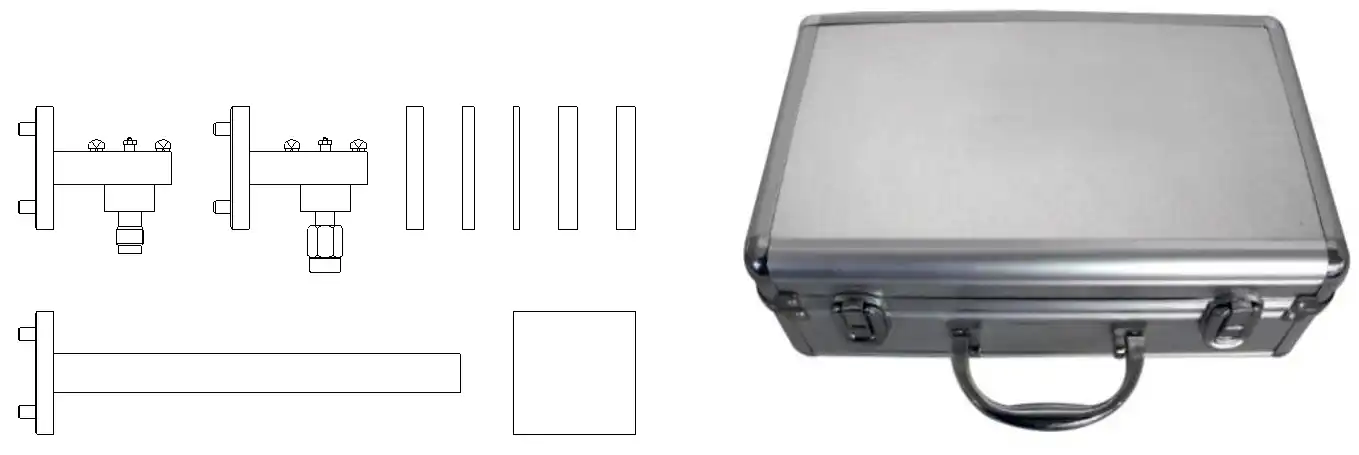
Selecting Calibration Partners and Equipment
Work with laboratories that are ISO 17025-certified and can trace their work back to national standards like NIST. Evaluate service providers based on how quickly they can turn things around, the frequency range they can work with (ideally 0.5 to 110 GHz for thorough testing), and their experience with the coupler types you need, such as Coaxial, Broadwall, or Crossguide.
When looking for testing tools, it is best to buy from well-known companies. For example, Keysight makes high-frequency network analyzers, and Rohde & Schwarz makes signal generators. Check that the specifications of your equipment match the performance ranges of your couplers, especially for directivity needs higher than 40dB and power handling capacities that reach kilowatts.
Establishing Tailored Calibration Schedules
Schedules for calibration should be a part of larger procurement and maintenance processes. You can keep track of testing due dates, usage hours, and environmental exposure with asset management software. Failures to comply are avoided by automated warnings.
Change the periods based on real-world facts. Look at old calibration reports to find patterns of drift. If annual calibrations regularly show little variation, you might consider stretching the time between checks to 18 months with verification checks every three months. On the other hand, machines that drift quickly need more active plans.
Documentation and Compliance
Keep complete calibration logs that include records of adjustments, uncertainty budgets, and certificates. These documents meet the needs of ISO 9001 audits and defense contract standards. Digital tracking systems make it easier to get ready for an audit because they give you quick access to calibration records and traceability chains.
Procurement teams should negotiate service contracts that spell out response times for calibration, emergency support, and the cost of expedited services. Delays and price overruns can be avoided by making clear agreements.
Optimizing Procurement Decisions
When looking for directional coupler testing services or tools, get bids from more than one company. You should compare not only prices but also professional skills, levels of certification, and recommendations from companies in the same industry. Through smart partner consolidation, we have helped aerospace OEMs cut calibration costs by 30% while also improving service quality.
Understanding and Interpreting Directional Coupler Calibration Results
Directional coupler calibration certificates contain important information that helps with maintenance choices and ensures the system works properly. The difference between actionable insights and raw numbers is how they are interpreted.
Key Metrics in Calibration Reports
For coupling factor, directivity, insertion loss, and frequency response flatness, calibration papers show how the measured values compare to the values that were specified. Uncertainty limits show how confident you are in your measurements, usually given in decibels. A Broadwall Directional Coupler specified to have a directivity of >40dB might show calibrated results of 42dB ±0.5dB, which means performance is better than minimum standards with a reasonable amount of error.
By looking at trends over time between different calibrations, aging patterns can be seen. Over three years, the gradual loss of directivity from 45dB to 41dB shows that parts are wearing out and should be replaced before performance drops below specification. Unplanned downtime is kept to a minimum with this predictive method.
Leveraging Data for Proactive Maintenance
The results of calibration are used in asset lifetime management. Devices that regularly meet specifications and have little to no drift can have longer calibration intervals. On the other hand, couplers that need to be adjusted often may be better off being retired early to avoid field breakdowns.
Set up feedback loops so that testing outcomes affect the requirements for purchase. If Crossguide Directional Couplers in high-power radar systems need to be recalibrated every six months because of thermal stress, ask for better thermal management or higher-quality materials in future purchases.
Aligning Calibration with Operational Objectives
Calibration is not just a compliance box—it improves operational efficiency. In satellite transmission uplink stations, accurate power readings keep link budgets in the best shape possible, increasing throughput and service quality. Accurate VSWR readings in antenna systems keep capital investments safe by stopping transmission damage from reflected power.
We have worked with telecommunications systems integrators to ensure that calibration plans match up with planned maintenance windows. This way, there are no unplanned outages. For this teamwork to work, procurement, engineering, and operations teams need to work together closely, facilitated by shared asset management systems.
Conclusion
Repeating directional coupler calibration at the right times keeps measurements accurate, ensures that regulations are followed, and keeps mission-critical systems from failing and costing a lot of money. The best plans depend on how often they are used, the setting, and how important the application is. For example, high-power defense radar should be checked every three months, and controlled laboratory environments should be calibrated once a year. Procurement and engineering teams can make choices based on facts when they know how to spot performance drift signs, choose between manual and automated methods, and understand calibration data. Working with ISO 17025-accredited service providers and adding testing to asset management processes can turn maintenance from a reactive problem into a proactive competitive advantage.
FAQ
1. How often should directional couplers used daily in laboratory settings be recalibrated?
In controlled settings, laboratory couplers usually need to be recalibrated once a year. However, this time can be extended by checking for errors every three months. The amount of use is important—devices measuring high-power signals or working close to their performance limits should be calibrated every six months.
2. Can we perform directional coupler calibration in-house, or should we outsource?
Companies that have a lot of couplers, trained staff, and money for reference tools like Vector Network Analyzers can do their own testing. When you outsource to ISO 17025-accredited labs, you get expertise and traceability without having to buy your own equipment. This is perfect for smaller businesses or those that need specialized high-frequency testing beyond internal capabilities.
3. What risks arise from neglecting directional coupler calibration schedules?
When calibration is not done properly, measurements start to drift, which can lead to wrong power tracking, wrong VSWR calculations, and feedback loop mistakes. These inaccuracies hurt system performance, cause damage to equipment from reflected power that is not noticed, and put regulatory compliance at risk. This could lead to failed audits, contract penalties, and operational downtime that costs significantly more than the cost of proactive maintenance.
Partner with ADM for Precision Directional Coupler Solutions and Calibration Support
For your RF measurement systems to keep working at their best, you need more than just regular checks. You need a directional coupler calibration provider you can trust, one with deep technical knowledge and a track record of dependability. Advanced Microwave Technologies Co., Ltd. has been making high-precision Coaxial, Broadwall, and Crossguide Directional Couplers for defense, aerospace, and satellite transmission for more than 20 years. Our production is ISO 9001:2015-certified, which means that every part meets strict quality standards. We also have a 24-meter microwave lab that lets us test everything from 0.5 to 110 GHz. Our team is ready to help you with your engineering and procurement goals, whether you need custom waveguide assemblies, help with calibration, or expert advice on recalibration scheduling. Contact craig@admicrowave.com today to discuss how our tailored solutions can help you improve the accuracy of your measurements and the efficiency of your operations.
References
1. Pozar, David M. Microwave Engineering, 4th Edition. Hoboken: Wiley, 2011.
2. Balanis, Constantine A. Advanced Engineering Electromagnetics, 2nd Edition. Hoboken: Wiley, 2012.
3. Keysight Technologies. Network Analyzer Calibration and Measurement Guide, Application Note 1287-11. Santa Rosa: Keysight Technologies, 2019.
4. IEEE Standards Association. IEEE Standard for Precision Coaxial Connectors at RF, Microwave, and Millimeter-wave Frequencies, IEEE 287-2007. New York: IEEE, 2007.
5. National Institute of Standards and Technology. Guidelines for RF and Microwave Power Calibration, NIST Technical Note 1379. Gaithersburg: NIST, 2018.
6. International Organization for Standardization. General Requirements for the Competence of Testing and Calibration Laboratories, ISO/IEC 17025:2017. Geneva: ISO, 2017.
YOU MAY LIKE
 VIEW MORECircular Waveguide Transition
 VIEW MORERight Angle Waveguide To Coaxial Adapter
 VIEW MORERight Angle Double Ridged WG To Coaxial Adapter
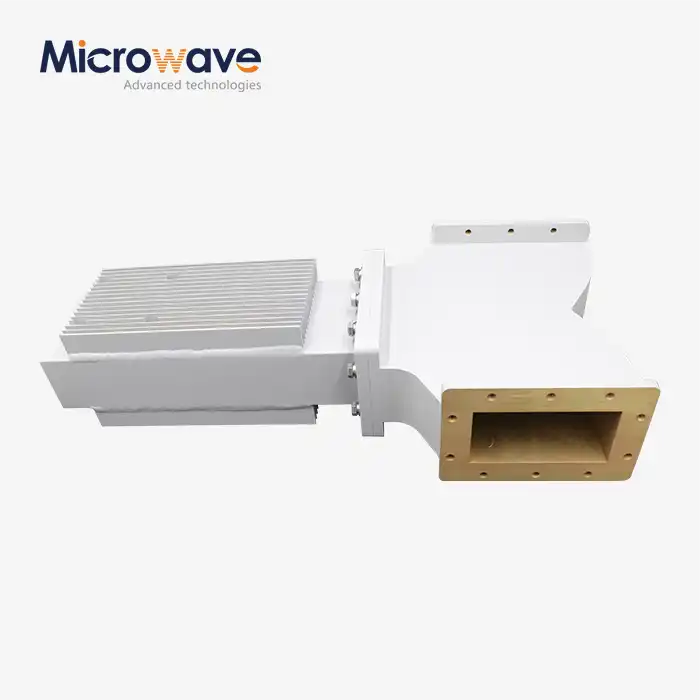 VIEW MOREWG Isolator
 VIEW MOREWG Band Stop Filter
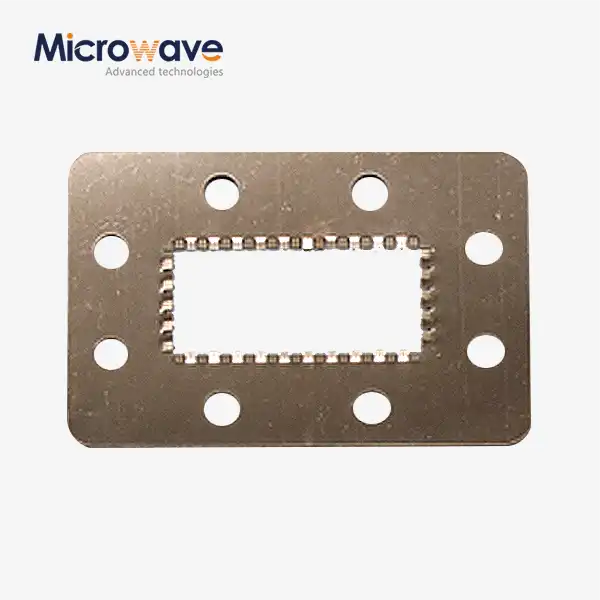 VIEW MOREWaveguide Anti-leak Gasket
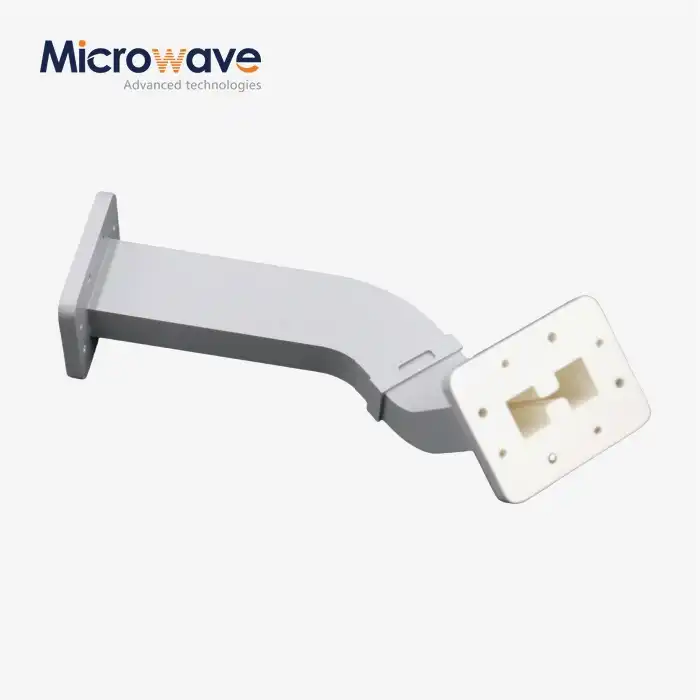 VIEW MOREDouble Ridge Waveguide Bend
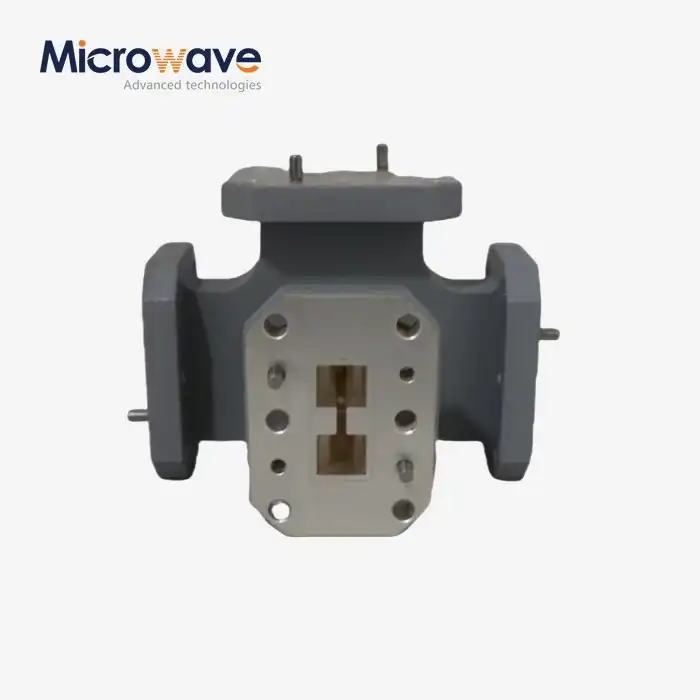 VIEW MOREDouble-Ridged Waveguide Magic Tee