





When to Prefer a Coaxial Bandpass Filter Over Waveguide?
When your application calls for small form factors, low cost, and operation below 10 GHz, Coaxial Bandpass Filters are the best option over waveguide designs. These filters use Transverse Electromagnetic (TEM) mode transmission in Coaxial Bandpass Filter resonator structures to let certain frequency bands through while weakening signals that aren't needed. For business-to-business buyers in charge of cellular infrastructure, aerospace telemetry systems, or research instruments, Coaxial Bandpass Filter solutions are the best value because they are easier to integrate, less complicated to make, and have great electrical performance with high Q factors and low insertion loss (usually below 1.0 dB). This makes them essential for keeping system link budgets.
Introduction
Choosing the right bandpass filter technology is one of the most important decisions that engineers and procurement workers around the world have to make. In RF and microwave uses, picking between Coaxial Bandpass Filters and waveguide filters has a direct effect on how well the system works, how much it costs, and how long it takes to integrate. We know that defence providers, companies that put together satellite systems, and original equipment makers are under more and more pressure to improve both technical specs and the total cost of ownership. This detailed guide solves those problems by looking at the main differences between these technologies, important selection criteria, and useful tips based on more than 20 years of experience making microwave parts. Our goal is to give you the information you need to make choices that are in line with your specific business needs and supply chain limitations.
Understanding Coaxial Bandpass Filters and Waveguides
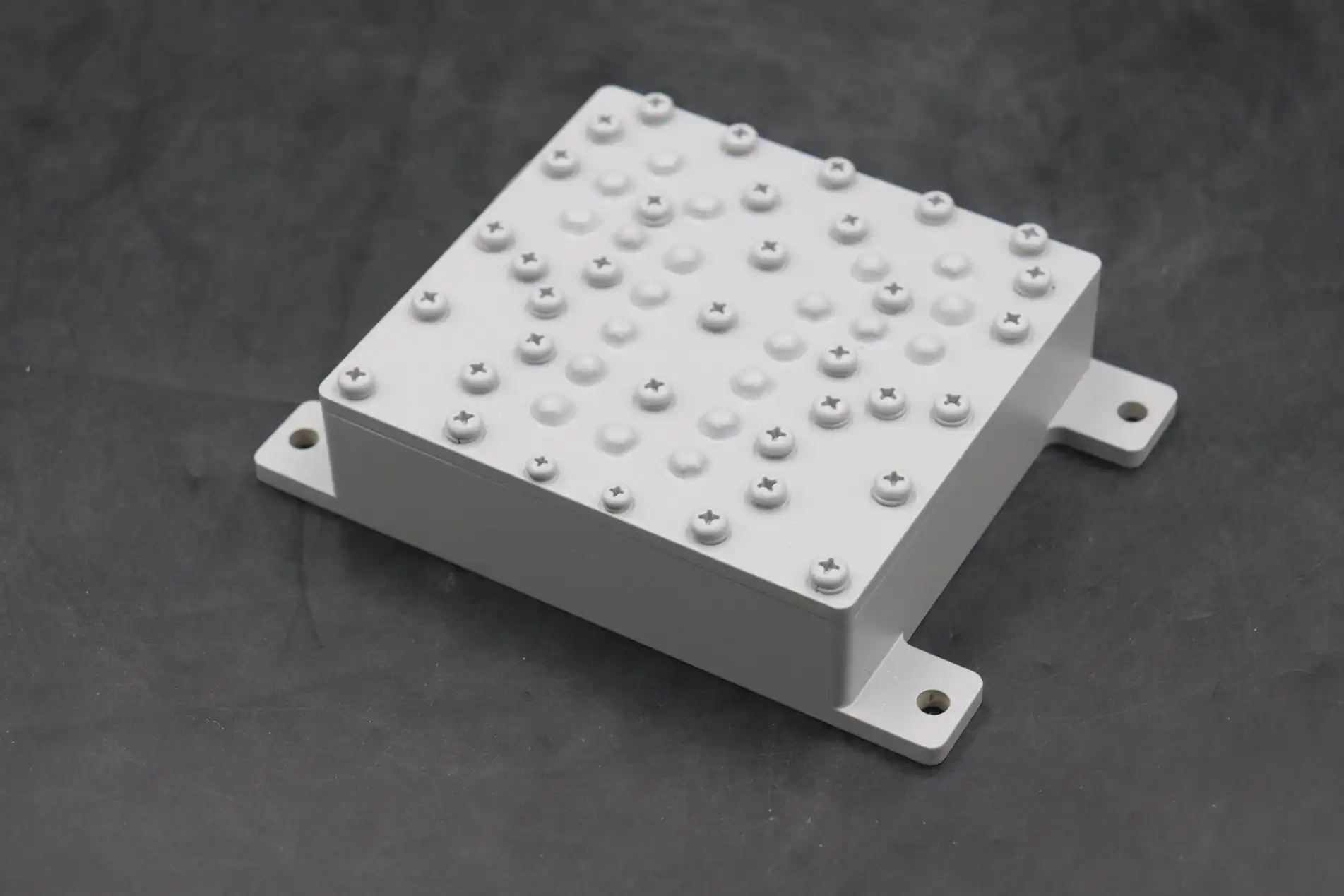
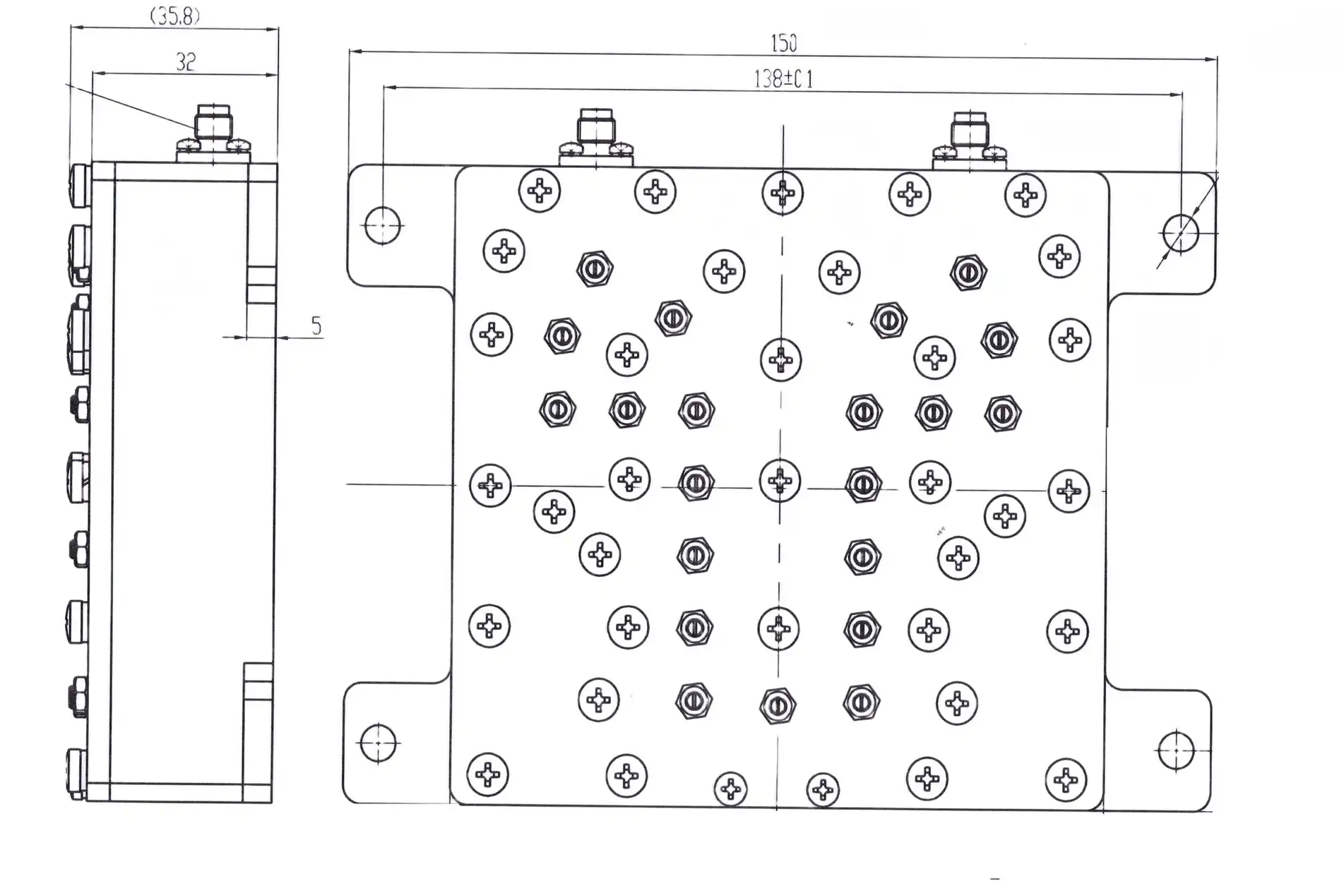
Different operating principles make Coaxial Bandpass Filters very different from waveguide designs, which gives them clear benefits in certain situations. Coaxial Bandpass Filters use resonant cavities that are made inside the Coaxial Bandpass Filter transmission lines. These cavities are places where electromagnetic energy moves back and forth between electric and magnetic fields. The frequency selectivity of this design is very high, with Q factors running from 500 to 5,000, based on the size and quality of the material. Most of the time, we make these filters with housings made of machined aluminium or brass that have been plated with silver to reduce skin-effect losses and increase transmission.
Waveguide filters work with electromagnetic waves by using boundary conditions at metal walls to guide them through hollow metal structures. The best frequencies for these parts are above 10 GHz, and they can handle kilowatts of power. Waveguides naturally support single-mode transmission at certain frequency ranges because their cross-sections are either rectangular or circular. This makes them perfect for millimeter-wave radar systems and high-power transmitting uses. But their size and difficulty in making make them hard to use in situations where space is limited or where activation needs to happen quickly.
Coaxial Filter Design Fundamentals
- Commercial Coaxial Bandpass Filter designs are mostly based on combline and interdigital topologies, which allow for flexible coupling between resonators to exactly shape filter outputs to meet specification needs.
- The theory behind these filters, called "distributed elements," becomes more important above UHF frequencies, where mixed components have problems with parasite effects and too much loss.
- Choosing the right material is very important for getting the performance you want. For example, non-magnetic materials are needed to keep low Passive Intermodulation (PIM) levels in settings with multiple carriers.
Understanding these basic ideas allows procurement teams to evaluate vendor datasheets more effectively and identify solutions that actually match system-level requirements rather than relying solely on marketing claims.
Waveguide Filter Characteristics
Waveguide bandpass filters have very little insertion loss in the frequency bands they're meant to work with, thanks to purely reactive elements inside the waveguide structure that are made up of irises, posts, or corrugations. Because these inactive parts don't need any dielectric materials in the data path, there is no way for dielectric loss to happen at all. This makes it possible to handle a lot of power and keep the temperature stable. This is especially useful in radar receivers and satellite ground stations that need to filter multi-kilowatt continuous wave signals without breaking down due to heat.
Even with these benefits, waveguides are hard to integrate. Because of their cut-off frequency properties, electromagnetic waves can't travel below a certain level, which limits their use in low-frequency situations. When it comes to frequency, physical sizes go down as frequency goes up. This makes parts heavy at UHF and lower microwave bands, where Coaxial Bandpass Filter options have much better form factors.
Key Factors to Consider When Choosing Between Coaxial Bandpass Filters and Waveguides
The decision matrix for filter selection has many technical and business aspects that buying workers need to carefully consider. The main thing that sets them apart is the frequency range. In regular setups, Coaxial Bandpass Filters work very well from the MHz range up to about 18 GHz. Custom designs can make this range longer, but waveguides become more competitive above 10 GHz, where their naturally low loss makes up for their smaller size.
Bandwidth needs directly affect the choice of filter design. Applications that need fractional bandwidths of less than 10 percent work best with Coaxial Bandpass Filter systems that can achieve steep skirt selectivity and high neighbouring channel rejection. Broadband needs that cover octave or multi-octave ranges might need waveguide solutions or mixed methods that mix different filter technologies.
Power Handling and Thermal Management
Another important decision factor is the ability to handle power, especially for send chains in radar systems and communication infrastructure. Coaxial Bandpass Filters successfully handle continuous wave power levels from a few watts to hundreds of watts. Specialised designs can hit kilowatt levels with careful thermal engineering and the right choice of connectors. Numerous cellular base station uses are well within the power limits of standard Coaxial Bandpass Filters, so waveguide components are not needed, and their cost and complexity are saved.
Different systems have very different ways of managing heat. The metal housings of Coaxial Bandpass Filters let heat escape. These housings can have cooling fans added to them or be built into equipment frames that act as heat sinks. Waveguides have more surface area and air-filled spaces that help cool them naturally through convection. However, this benefit is lessened in small sites where airflow may be limited.
Physical Constraints and System Integration
Component selection decisions in aircraft, portable equipment, and small cell telephony are being influenced more and more by space and weight constraints. A lot of bulk efficiency can be gained from Coaxial Bandpass Filters, especially below 6 GHz, where waveguide designs would be too big to use. We have successfully added Coaxial Bandpass Filter solutions to Remote Radio Heads and Distributed Antenna Systems, where every cubic centimetre is important for making the installation possible.
Integration compatibility includes more than just physical measurements. It also includes types of connectors, mounting arrangements, and mechanical connections. Standard RF connectors, such as SMA, N-type, and 7/16 DIN, easily connect to Coaxial Bandpass Filters, making it easy to add them to current system designs. To keep the electricity flowing and stop leaks, waveguide flanges need to be perfectly lined up and have the right seals or contact surfaces. This makes the fitting process more difficult.
Practical Advantages of Coaxial Bandpass Filters Over Waveguides
When their technical standards meet system needs, Coaxial Bandpass Filters are more economically manufactured. Over the past few decades, the methods used to make Coaxial Bandpass Filters have improved, allowing for automated machining, uniform assembly methods, and well-established quality control procedures. These savings directly lead to better buying conditions through competitive prices, especially for large orders where economies of scale lower the cost per unit by a large amount.
One more area where Coaxial Bandpass Filters are better than other types is lead times. Catalogue items usually ship within days or weeks. Custom designs, on the other hand, take 6 to 12 weeks to build, which is longer than the timelines for waveguide filter engineering. We keep a stock of popular Coaxial Bandpass Filter configurations to help with jobs that need to be done quickly and where delays in getting the parts could affect the schedule.
Customization and Tunability Benefits
Throughout a product's lifetime, being able to make changes to specifications with ease is very helpful for operations. A lot of Coaxial Bandpass Filter designs have tuning screws that let the frequency be changed after the filter is made to account for differences in the parts or to meet new system requirements. This ability to be changed is very helpful when making prototypes because requirements may change based on test results. Waveguide filters, on the other hand, need to be changed physically, such as by changing the size or position of the posts or the eye. This can't be done in the field because it requires precise cutting.
Mechanical setups can also be changed to fit your needs. We often change the mounting brackets for Coaxial Bandpass Filters, the position of the connectors, and the size of the housings to fit specific installation requirements without completely redoing the electrical structure. Such changes don't require many technical tools and don't add much in terms of cost compared to making a custom waveguide.
Reliability and Long-Term Performance
When it comes to mission-critical messaging in defence, aerospace, and public safety, long-term dependability is very important. When properly defined, Coaxial Bandpass Filters are very resistant to environmental stress. Standard versions can handle temperature extremes from -40°C to +85°C, and extended-range versions are available for harsher circumstances. Some Coaxial Bandpass Filter designs use solid dielectric supports to keep the structure stable against shock and vibration that can happen on mobile platforms and in tough installation settings.
How stable the electricity is over time rests on the features of the materials and how well they were built. Our Coaxial Bandpass Filters use resonators made of silver-plated brass or aluminium that keep their electrical properties the same even after years of use. When made with the right care for contact pressure, surface cleanliness, and material choice, Passive Intermodulation performance stays fixed below -150 dBc. These are all things that we strictly control through ISO 9001:2015-approved processes.
Comparing Coaxial Bandpass Filters with Alternative Filter Technologies
Cavity filters work in the same way as Coaxial Bandpass Filter designs, but their resonance structures are bigger, so they can usually get higher empty Q factors of over 10,000. This better performance comes at the cost of being bigger and heavier, which means that hollow filters are best for permanent installations where space isn't as important. When equipment density is important or when mobile or portable applications need less mass, we suggest Coaxial Bandpass Filter options.
Microstrip and stripline filters make it easier to put together printed circuit board units, so full RF front ends can be put on a single base. These flat technologies work great for making a lot of consumer goods, where automatic assembly cuts down on the cost of labour. However, PCB materials usually have higher insertion loss than Coaxial Bandpass Filter ones because of wire and dielectric losses. This is especially true at higher microwave frequencies. For their specific use cases, procurement teams should decide if the benefits of merging outweigh the efficiency costs.
Ceramic Filter Trade-offs
Ceramic dielectric resonator filters are very good at handling power and staying cool because they use materials with a high permittivity that focus electromagnetic fields. Because of these qualities, ceramic screens are good for use in tough environments and at high temperatures. The trade-off is that they are less flexible after they are made and usually cost more per unit than Coaxial Bandpass Filter options. When it comes to standard telecommunications and aerospace uses, Coaxial Bandpass Filters offer a lower total cost of ownership than ceramic technology, unless the climate requires it.
Hybrid filter methods use the best features of more than one technology to get the job done. For example, Coaxial Bandpass Filters could be used to choose the main frequency, and microstrip components could be used to fit the resistance or route the signal. These kinds of architectures improve speed, size, and cost all at the same time, but they need a lot of advanced engineering tools to work.
Procurement and Vendor Selection Guidance for Coaxial Bandpass Filters
Sourcing choices aren't just based on technical specs; they also take into account the skills of vendors, the quality systems they use, and the stability of the supply chain. We've built our name by strictly following ISO 9001:2015 quality management standards and RoHS compliance. This means that we make sure that every part that leaves our facilities meets written specs and environmental rules. When comparing different providers, people who work in procurement should look for ones with similar certifications to reduce quality risks that could slow down the system or miss the deadline for a project.
It is still important to carefully look over datasheets when evaluating vendors. Some important factors that need close attention are the insertion loss across the whole passband (rather than just at one frequency point), the return loss specifications that show how well the impedance matches, and the rejection characteristics at important out-of-band frequencies. With every package, we include full test results, such as swept frequency responses recorded in our labs using network analysers that are calibrated to NIST standards up to 110 GHz.
Commercial Terms and Lead Time Management
Minimum order amounts, price structures, and payment terms all have a big effect on the economics of procurement, especially when prototypes are being made or small runs of products are being produced. Our business rules are set up to meet the needs of a wide range of customers. They allow for freedom for both small research samples and large production orders. Pricing that is clear and based on recorded production costs instead of arbitrary markups helps businesses build trusting relationships with their customers that last for a long time.
Being able to predict lead times helps with project planning and lowers the risk of missing the deadline. We can confidently promise specific arrival times because we have a global supply chain for raw materials and can machine them in-house. We keep extra stock of standard goods that sell quickly and give you realistic custom development plans that include design changes, making prototypes, and qualification testing. This openness helps procurement teams organise activities that are happening at the same time in large, complicated system integration projects.
Technical Support and Engineering Collaboration
Support after the sale is what sets makers who care about their customers' success apart from sellers of parts. Our applications engineering team has more than twenty years of experience designing RF and microwave systems. They can help you choose the right filters, figure out how to integrate them, and fix problems. We've helped customers find the best places for filters in signal chains, choose the right power rates for send paths, and figure out system-level problems that were caused by filter interactions with nearby parts.
Custom development is another way that vendors set themselves apart. Catalogue goods meet many common needs, but sometimes, specific application needs mean that designs need to be changed. During specification development, we work together to come up with solutions that combine performance goals with cost and ease of manufacture. To speed up development cycles, we use our large library of filter designs and modelling tools.
Conclusion
Coaxial Bandpass Filters are chosen over waveguide options after a thorough analysis of the frequency needs, power handling needs, physical limitations, and cost factors. When used in situations below 18 GHz, Coaxial Bandpass Filter solutions are clearly better than waveguide designs because they are more cost-effective, smaller, and easier to integrate. We've seen buying teams get a lot more for their money by matching filter technology to the needs of the system instead of automatically choosing solutions that are too big. Finding the right components means finding a balance between technical performance and supply chain realism. To do this, you can use the knowledge of the vendors to make good decisions about design trade-offs. The success of your project relies on choosing partners who truly care about your goals by manufacturing well, communicating openly, and providing quick technical help throughout the lifecycle of the product.
FAQ
1. What frequency ranges are optimal for coaxial bandpass filters?
From UHF bands around 300 MHz to about 18 GHz, Coaxial Bandpass Filters work very well. Some specially designed ones can even work beyond 26 GHz. Below 300 MHz, lumped-element filters often offer smaller options. Above 18 GHz, waveguide filters become more competitive because they have lower losses and can handle more power.
2. How do coaxial filters compare in power handling to waveguides?
Coaxial Bandpass Filters can safely handle continuous wave power from 10 watts to several hundred watts. Specialised high-power versions can hit kilowatt levels by improving their thermal design. Waveguides are better for high-power radar emitters and broadcasts because they can handle much more power—often multiple kilowatts. Most transmission equipment works well within the power limits of Coaxial Bandpass Filters, which keeps costs and complexity to a minimum.
3. What role does the Q factor play in filter selection?
The Q factor has a direct effect on the sensitivity of the Coaxial Bandpass Filter and the insertion loss. Higher Q values—usually between 500 and 5,000 for Coaxial Bandpass Filters—allow higher roll-off rates between the passband and stopband, which is very important for uses that need to block interference from nearby channels. It's also true that the Q factor goes down as the insertion loss goes up. This means that higher-Q filters keep signal power better. Ground stations for satellite transmission gain a lot from high-Q filters that keep link budget margins.
Partner with ADM for Superior Coaxial Bandpass Filter Solutions
Advanced Microwave Technologies Co., Ltd is ready to help you with your next project. They have over 20 years of experience making the best Coaxial Bandpass Filters in the business. Our production sites are ISO 9001:2015 approved and use advanced testing tools that can reach 110 GHz and strict quality control to make sure that the parts we send meet the strictest requirements for aerospace, defence, and telecommunications. Our expert team is available to help you quickly and effectively, whether you need catalogue goods for quick deployment or custom-engineered solutions for specific application problems. They will do everything they can to help you get the best performance and lowest cost. As a reputable company that makes Coaxial Bandpass Filters, we offer reasonable prices, flexible minimum order amounts, and dependable global logistics to help procurement experts handle complicated supply chains. Contact craig@admicrowave.com right away to talk about your specific needs, get detailed datasheets, or get volume quotes that are tailored to your project's timeline and budget. Let us show you how ADM's dedication to technical excellence and customer partnership can help you succeed faster.
References
1. Matthei, G. L., Young, L., & Jones, E. M. T. (1980). Microwave Filters, Impedance-Matching Networks, and Coupling Structures. Artech House.
2. Hong, J. S., & Lancaster, M. J. (2011). Microstrip Filters for RF/Microwave Applications (2nd ed.). Wiley.
3. Cameron, R. J., Kudsia, C. M., & Mansour, R. R. (2007). Microwave Filters for Communication Systems: Fundamentals, Design, and Applications. Wiley-Interscience.
4. Pozar, D. M. (2011). Microwave Engineering (4th ed.). Wiley.
5. Levy, R., & Cohn, S. B. (1984). A History of Microwave Filter Research, Design, and Development. IEEE Transactions on Microwave Theory and Techniques, 32(9), 1055-1067.
6. Rhodes, J. D., & Levy, R. (2001). Design of Microwave Filters. In Handbook of RF/Microwave Components and Engineering (pp. 273-358). Wiley.
YOU MAY LIKE
 VIEW MORELog Periodic Antenna
 VIEW MOREBroadband Coaxial Circulator
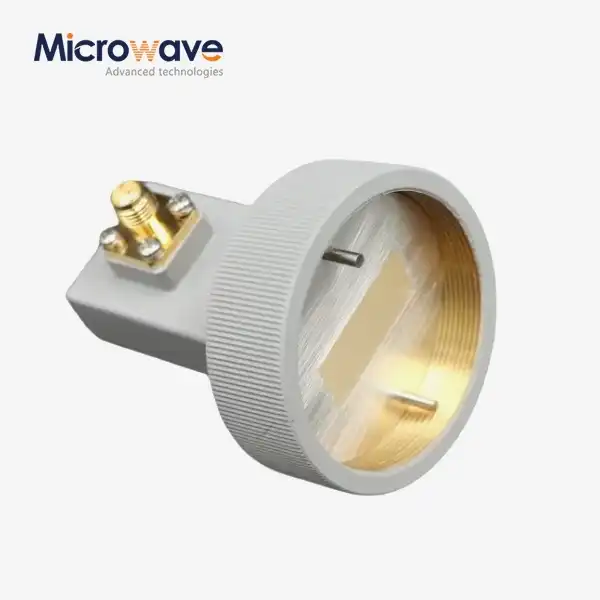 VIEW MOREWaveguide Adapter
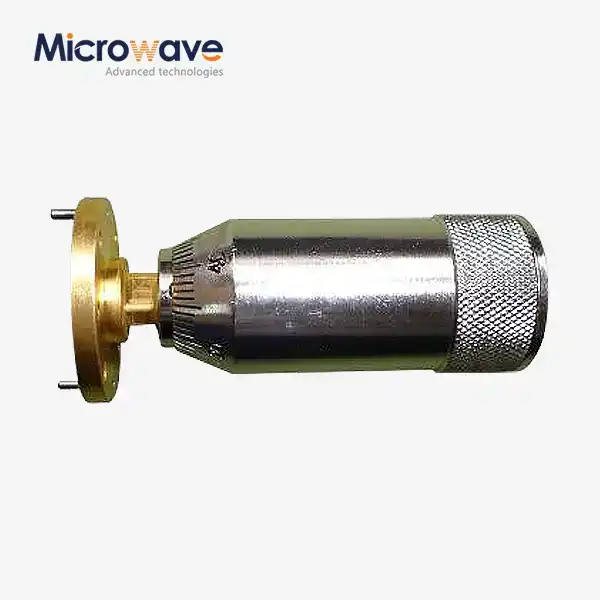 VIEW MOREIndustrial Microwave Sliding Short
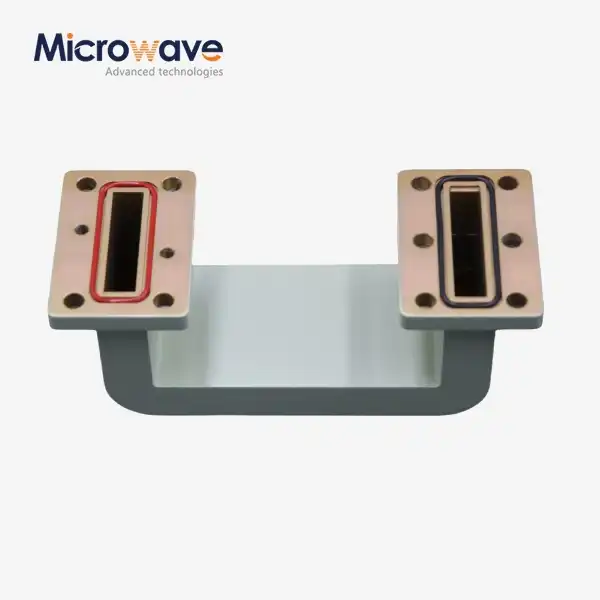 VIEW MOREDouble-bend Waveguide
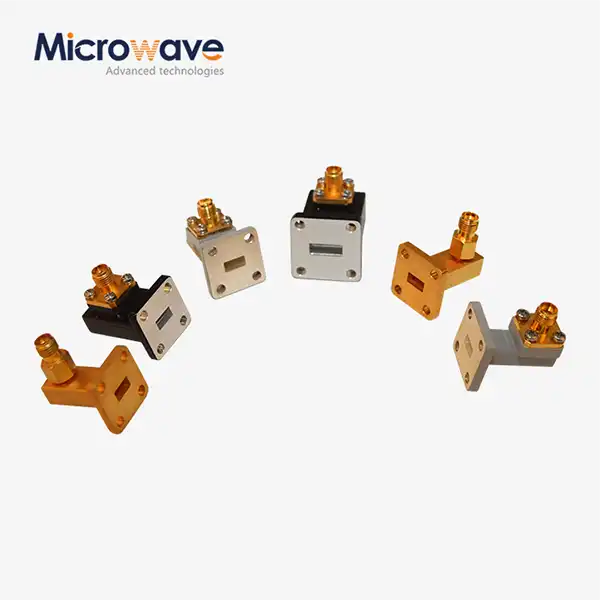 VIEW MORERight Angle Waveguide To Coaxial Adapter
 VIEW MOREWG Termination
 VIEW MORELadder Membrane Square Dual Circular Polarization Horn Antenna