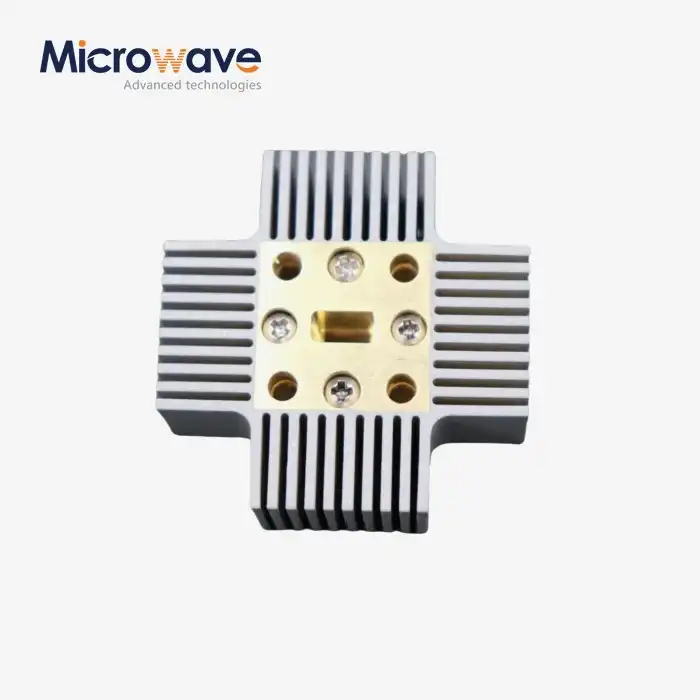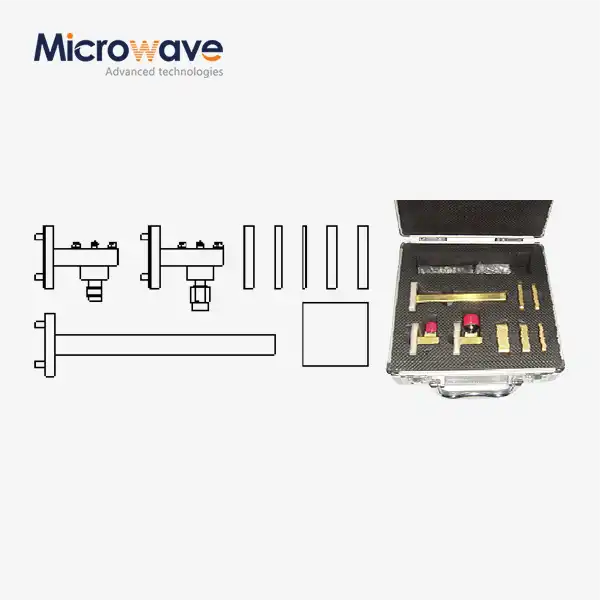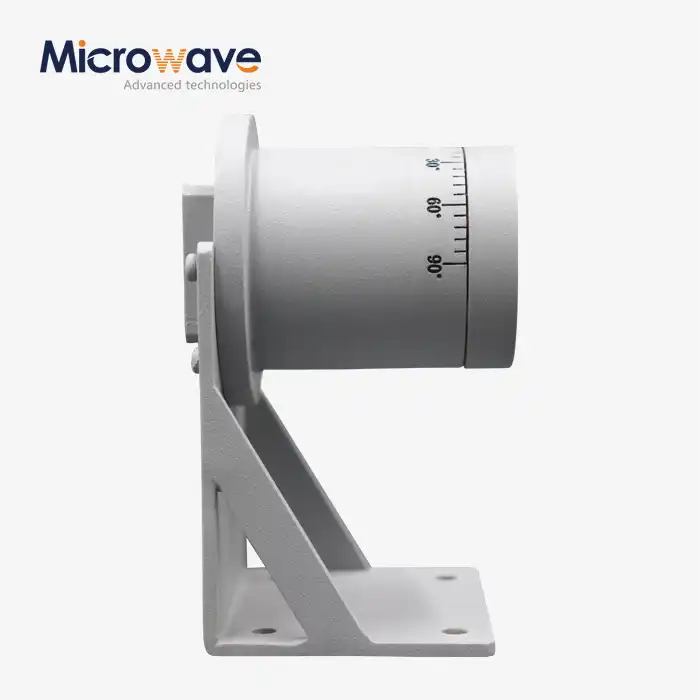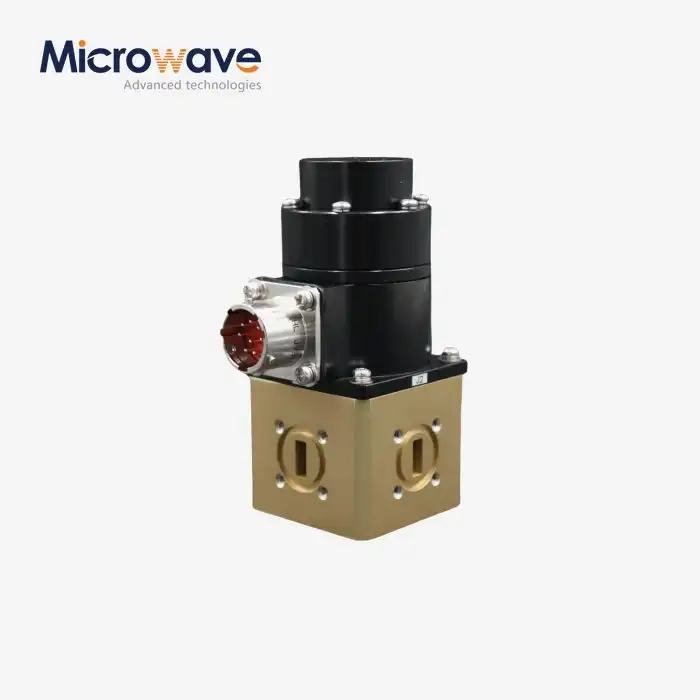





What is a double-ridged waveguide?
When signal integrity becomes critical in your high-frequency applications, and standard waveguides fail to deliver the bandwidth performance you desperately need, the Double Ridge Waveguide emerges as your solution. This specialized transmission line component addresses the fundamental limitations that plague conventional rectangular waveguides, particularly their restricted bandwidth and impedance matching challenges. A double-ridged waveguide is essentially a rectangular waveguide enhanced with metallic ridges protruding from both the top and bottom walls into the center cavity, creating a unique geometry that significantly extends operational bandwidth while maintaining excellent signal transmission characteristics across frequencies ranging from 2 GHz to beyond 50 GHz.
Understanding Double Ridge Waveguide Fundamentals
The Double Ridge Waveguide represents a revolutionary advancement in microwave transmission technology that directly addresses the bandwidth limitations inherent in standard rectangular waveguides. Unlike conventional waveguides that operate within narrow frequency bands, the Double Ridge Waveguide achieves remarkable broadband performance through its distinctive internal ridge structure. These conducting ridges, positioned symmetrically on opposing walls, create a controlled impedance environment that enables seamless signal propagation across extended frequency ranges. The fundamental principle behind Double Ridge Waveguide operation lies in the modification of electromagnetic field distribution within the waveguide cavity. The ridges effectively reduce the cutoff frequency of the dominant TE10 mode while simultaneously increasing the frequency separation between competing modes. This engineering achievement results in significantly enhanced bandwidth performance that can span multiple octaves, making Double Ridge Waveguide components indispensable for applications requiring broadband operation.

Enhanced Electromagnetic Field Control
The geometric configuration of Double Ridge Waveguide systems creates highly controlled electromagnetic field patterns that optimize signal transmission efficiency. The ridges concentrate the electric field energy in the central region between them, reducing field interaction with the outer waveguide walls. This concentration effect minimizes power losses and enhances the characteristic impedance matching capabilities across the operational frequency spectrum. Furthermore, the Double Ridge Waveguide design enables precise control over the propagation constant and impedance characteristics through careful optimization of ridge dimensions and spacing. Engineers can tailor these parameters to meet specific application requirements, whether for broadband antenna feeding systems, measurement equipment interfaces, or high-frequency signal distribution networks. The ability to maintain consistent impedance characteristics across wide frequency bands makes Double Ridge Waveguide technology particularly valuable in modern communication systems.
Double Ridge Waveguide Applications and Performance Benefits
The versatility of Double Ridge Waveguide technology extends across numerous critical applications where broadband performance and signal integrity are paramount. In satellite communication systems, Double Ridge Waveguide components serve as essential interfaces between antenna feeds and processing equipment, enabling efficient signal transfer across multiple frequency bands simultaneously. The broadband characteristics eliminate the need for multiple waveguide runs, significantly simplifying system architecture while reducing overall system complexity and cost. In radar applications, Double Ridge Waveguide assemblies provide the necessary bandwidth to support advanced waveform generation and reception across extended frequency ranges. Modern radar systems increasingly rely on frequency agility and broadband operation to enhance target detection capabilities and minimize interference susceptibility. The Double Ridge Waveguide's ability to maintain low VSWR across wide frequency bands ensures optimal power transfer efficiency and signal fidelity in these demanding applications.
Defense and Aerospace Integration
Military and aerospace applications place extraordinary demands on microwave components, requiring exceptional reliability and performance under extreme environmental conditions. Double Ridge Waveguide systems excel in these challenging environments, providing robust signal transmission capabilities that maintain performance integrity across temperature extremes, vibration, and shock conditions. The mechanical stability of the ridge structure contributes to long-term reliability while the broadband performance supports multi-function radar and communication systems. The integration of Double Ridge Waveguide technology in electronic warfare systems enables simultaneous operation across multiple threat frequency bands, providing tactical advantages in complex electromagnetic environments. Advanced antenna measurement systems utilize Double Ridge Waveguide components to characterize antenna performance across extended frequency ranges with exceptional accuracy, supporting the development of next-generation radar and communication systems for defense applications.
Manufacturing Excellence and Quality Standards
The production of high-performance Double Ridge Waveguide components requires sophisticated manufacturing processes and rigorous quality control measures to ensure consistent electrical and mechanical performance. Precision machining techniques create the complex internal geometries with tolerances measured in micrometers, while specialized assembly procedures maintain the critical dimensional relationships between ridge structures and waveguide walls. Modern Double Ridge Waveguide manufacturing incorporates advanced materials selection to optimize both electrical performance and mechanical durability. High-conductivity materials such as silver-plated brass or copper provide excellent electrical characteristics while maintaining the structural integrity necessary for reliable long-term operation. Surface treatment processes enhance corrosion resistance and maintain stable electrical properties throughout the component's operational lifetime.
Advanced Testing and Verification
Comprehensive testing protocols ensure that every Double Ridge Waveguide component meets stringent performance specifications before deployment in critical applications. Network analyzer measurements verify impedance characteristics, insertion loss, and return loss performance across the full operational frequency range. Environmental testing validates performance stability under temperature cycling, humidity exposure, and mechanical stress conditions that simulate real-world operating environments. The testing infrastructure for Double Ridge Waveguide components includes specialized measurement chambers designed to eliminate external interference and provide accurate characterization of electrical performance. Calibrated measurement systems traceable to national standards ensure measurement accuracy and repeatability, providing customers with confidence in component performance specifications and long-term reliability expectations.
Conclusion
Double Ridge Waveguide technology represents a fundamental advancement in microwave transmission line design that addresses critical bandwidth and performance limitations of conventional waveguide systems. Through innovative ridge geometry and precision manufacturing techniques, these components enable broadband operation across extended frequency ranges while maintaining excellent signal integrity and power handling capabilities for demanding applications in defense, aerospace, and commercial communication systems.
Cooperate with Advanced Microwave Technologies Co., Ltd.
Advanced Microwave Technologies Co., Ltd. stands as a premier China Double Ridge Waveguide manufacturer with over 20 years of specialized experience in microwave technology development and production. Our state-of-the-art 24m Microwave Darkroom enables precise antenna measurements and component characterization across frequencies from 0.5 to 110 GHz, ensuring every Double Ridge Waveguide product meets the highest quality standards. As a leading China Double Ridge Waveguide supplier, we maintain ISO 9001:2015, ISO 14001:2015, and ISO 45001:2018 certifications, demonstrating our commitment to quality, environmental responsibility, and workplace safety.
Our comprehensive product portfolio includes waveguide assemblies, coaxial components, microwave antennas, and specialized measurement equipment for applications spanning aviation, aerospace, defense, and satellite communications. With our advanced manufacturing capabilities and experienced technical team, we serve as your trusted China Double Ridge Waveguide factory, delivering customized solutions that meet specific application requirements. Whether you require standard configurations or custom designs, our Double Ridge Waveguide for sale offerings provide exceptional value through competitive Double Ridge Waveguide price structures and rapid prototype development capabilities.
Experience the advantage of partnering with a High Quality Double Ridge Waveguide manufacturer committed to innovation and customer satisfaction. Our global export capabilities, combined with comprehensive OEM services and technical support, ensure seamless integration of our components into your critical applications. For inquiries about our China Double Ridge Waveguide wholesale options or custom development projects, contact us at craig@admicrowave.com to discuss your specific requirements and discover how our expertise can enhance your next project.
FAQ
Q: What frequency range do double-ridged waveguides typically operate in?
A: Double-ridged waveguides typically operate from 2 GHz to over 50 GHz, providing broadband performance across multiple octaves compared to standard waveguides.
Q: How do double ridges improve waveguide bandwidth?
A: The ridges lower the cutoff frequency of the dominant mode while increasing mode separation, resulting in significantly wider operational bandwidth.
Q: What are the main advantages of double-ridged waveguides over standard waveguides?
A: Key advantages include broader bandwidth, better impedance matching, reduced size requirements, and enhanced signal integrity across extended frequency ranges.
Q: In which applications are double-ridged waveguides most commonly used?
A: Common applications include broadband antenna systems, EMC testing equipment, radar systems, satellite communications, and measurement instrumentation requiring wide frequency coverage.
References
1. "Waveguide Theory and Applications" by Harvey, A.F., Institution of Electrical Engineers
2. "Microwave Engineering" by Pozar, David M., John Wiley & Sons
3. "Ridge Waveguides and Passive Microwave Components" by Helszajn, J., Institution of Engineering and Technology
4. "Handbook of Microwave Technology" by Bradford, K.J., Academic Press