




What Are the Common Types of Double Ridge Waveguides?
When designing microwave and RF systems that demand exceptional broadband performance, engineers often encounter a critical challenge: finding waveguide solutions that can handle ultra-wide frequency ranges without compromising signal integrity. Traditional rectangular waveguides fall short in applications requiring 3:1 or 4:1 bandwidth ratios, leaving system designers struggling with multiple waveguide transitions and increased insertion loss. Double Ridge Waveguide technology emerges as the definitive solution to this bandwidth limitation problem, offering unprecedented frequency coverage in a single waveguide structure. Understanding the common types of Double Ridge Waveguide configurations becomes essential for engineers working in satellite communications, defense radar systems, and high-frequency test equipment where broadband capability directly impacts system performance and cost-effectiveness.
Understanding Double Ridge Waveguide Fundamentals
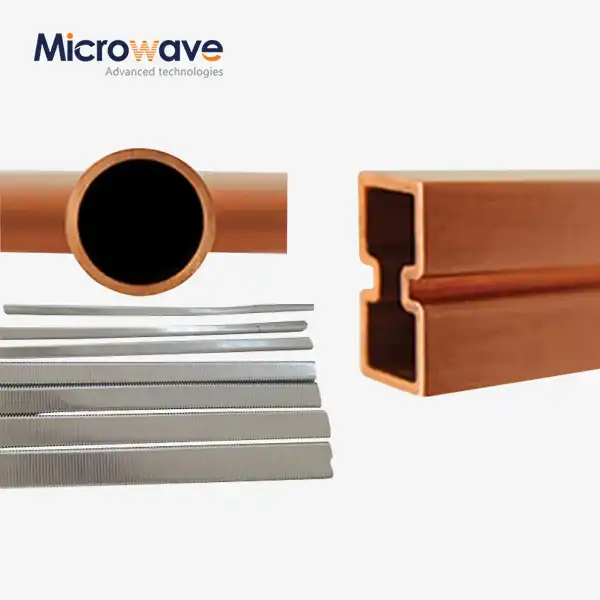
Double Ridge Waveguide represents a revolutionary advancement in microwave transmission line technology, fundamentally different from conventional rectangular waveguides through its unique internal geometry. A typical double-ridged waveguide has a ridge gap (height) of 1-3 mm and a ridge width around 30-50% of the broad wall dimension. This configuration creates two conducting ridges that protrude into the waveguide cavity from opposite broad walls, dramatically altering the electromagnetic field distribution and enabling extraordinary bandwidth capabilities. The electromagnetic properties of Double Ridge Waveguide stem from how the ridges modify the cutoff frequencies of various propagation modes. The fundamental TE10 mode experiences a significant reduction in cutoff frequency due to the capacitive loading effect of the ridges, while higher-order modes maintain relatively unchanged cutoff frequencies. This selective frequency modification creates an expanded single-mode operating region that can exceed 4:1 bandwidth ratios, far surpassing the 2:1 typical limitation of standard rectangular waveguides. Material selection plays a crucial role in Double Ridge Waveguide performance and cost optimization. Aluminum (6061-T6) is common for low-cost, lightweight applications, while copper or silver-plated brass is used in high-power (up to 1 kW continuous) applications. The manufacturing precision requirements vary significantly based on frequency range, with millimeter-wave applications demanding tolerances within micrometers to maintain specified VSWR performance across the operational bandwidth.
Key Design Parameters and Performance Characteristics
The ridge geometry directly influences the impedance characteristics and mode suppression capabilities of Double Ridge Waveguide systems. The ridge profile (rectangular, trapezoidal, or rounded) affects impedance matching, with most commercial designs using trapezoidal ridges for a balance between performance (VSWR <1.5:1) and manufacturing cost (200-500 per unit, depending on precision). The trapezoidal profile offers superior manufacturing tolerance accommodation compared to sharp rectangular edges while maintaining excellent electrical performance. Power handling capability represents another critical consideration in Double Ridge Waveguide applications. The concentrated electric fields between the ridges create regions of high field intensity that can limit maximum power transmission. Advanced thermal management techniques and specialized ridge materials enable power handling levels suitable for most practical applications, including high-power radar transmitters and satellite communication uplinks. The impedance characteristics of Double Ridge Waveguide typically range from 200-400 ohms, depending on the specific ridge dimensions and gap spacing. This impedance level provides excellent matching capabilities to coaxial systems through appropriate transition designs, eliminating the impedance mismatch issues common with rectangular waveguide interfaces.
Standard WRD Series Classifications and Specifications
The standardized WRD (Waveguide Ridged Double) series represents the industry-accepted nomenclature for Double Ridge Waveguide configurations, with each designation corresponding to specific dimensional and frequency characteristics. A WRD-650 (16.51 mm × 8.26 mm) operates down to 6.5 GHz, while a standard WR-62 (15.80 mm × 7.90 mm) starts at 12.4 GHz. This comparison clearly demonstrates the significant low-frequency extension capability that Double Ridge Waveguide technology provides over conventional rectangular alternatives. The WRD series encompasses frequency ranges from approximately 1 GHz to beyond 110 GHz, covering virtually all microwave and millimeter-wave applications. These typically cover a broad frequency bandwidth, 3.6:1 and 4:1, respectively, with low VSWR and attenuation. The standardization ensures interoperability between different manufacturers' components while maintaining consistent performance specifications across the industry. Manufacturing tolerances for WRD series waveguides become increasingly critical at higher frequencies, with dimensional variations directly impacting electrical performance. Advanced machining techniques, including electrical discharge machining (EDM) and computer numerical control (CNC) milling, enable the precision required for millimeter-wave applications where tolerances must be maintained within fractions of the operating wavelength.
Flange Standards and Interface Compatibility
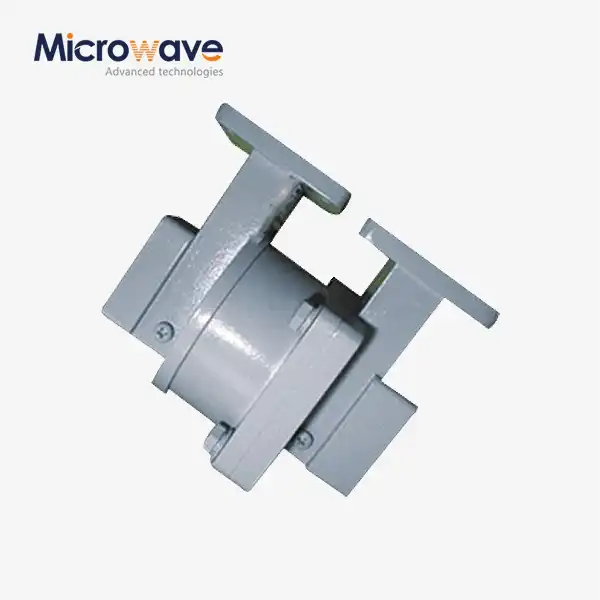
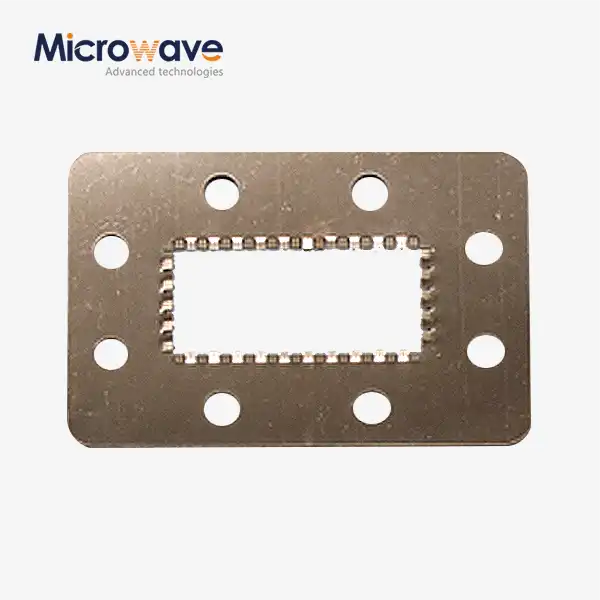
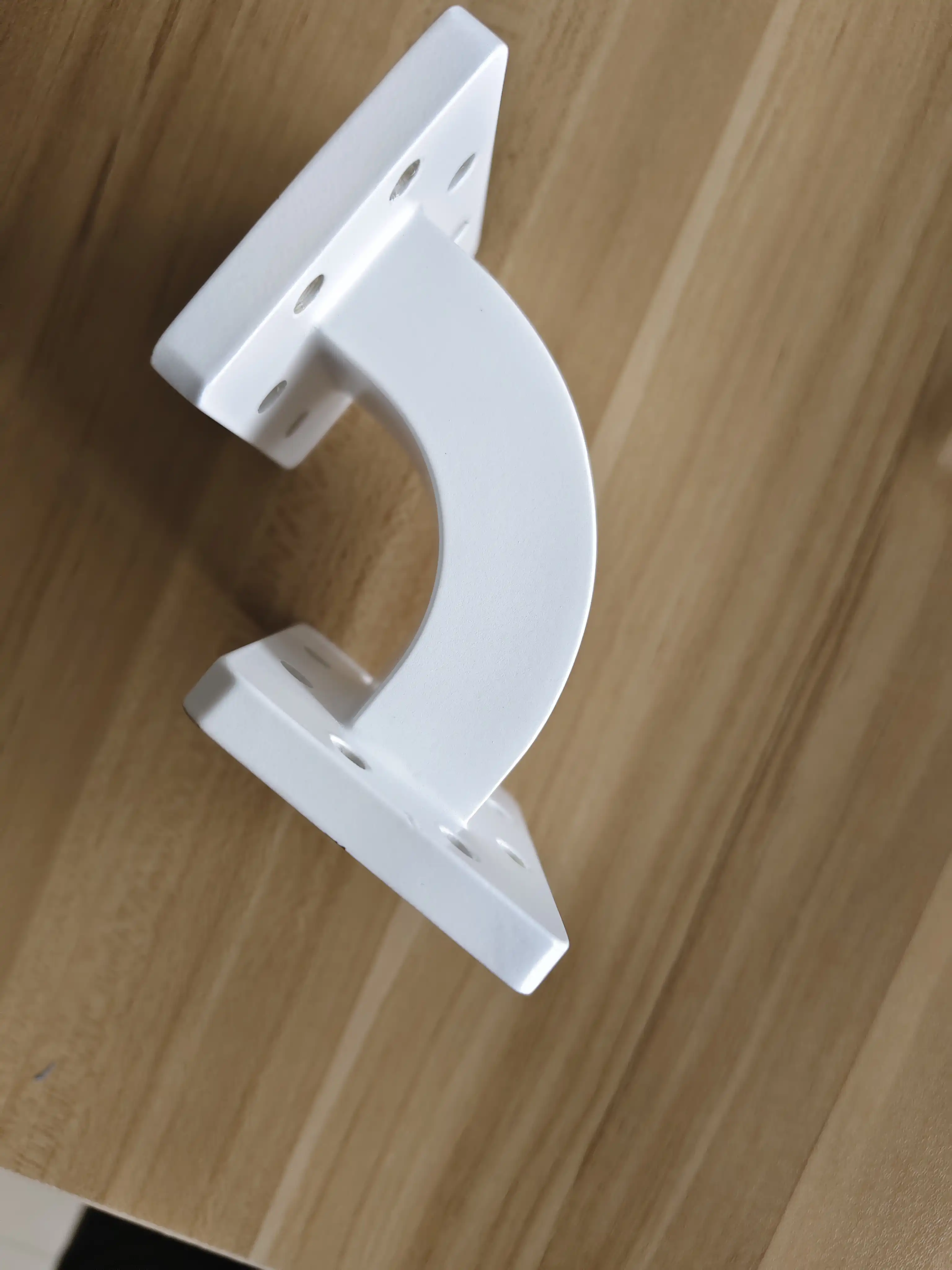
Double Ridge Waveguide flange standards ensure mechanical compatibility and electrical continuity between different system components. Standard flange configurations include both aluminum and brass options, with precision-machined contact surfaces that maintain electrical integrity across the broad operational frequency range. The flange design must accommodate the unique ridge geometry while providing reliable, repeatable connections that do not introduce significant reflections or losses. Frontgrade offers a standard product line of formed E-Bend Waveguides with flanges covering sizes WRD-180 through WRD-350. VSWR is less than 1.15 maximum. This performance specification demonstrates the high-quality manufacturing standards achievable with modern Double Ridge Waveguide components, ensuring minimal signal degradation even in complex routing configurations. The standardized interface dimensions enable system designers to integrate Double Ridge Waveguide components from multiple suppliers, creating competitive sourcing opportunities and reducing system development risk. Interface compatibility extends to both mechanical dimensions and electrical performance specifications, ensuring consistent system operation regardless of component source.
Broadband Double Ridge Waveguide Configurations
Broadband Double Ridge Waveguide configurations represent the pinnacle of wideband microwave transmission technology, engineered to provide exceptional performance across frequency ratios that would require multiple conventional waveguide sizes. These configurations utilize optimized ridge geometries and advanced manufacturing techniques to achieve bandwidth ratios exceeding 4:1 while maintaining low VSWR and insertion loss characteristics throughout the operational frequency range. The electromagnetic design of broadband Double Ridge Waveguide involves complex optimization of ridge height, width, and profile to achieve the desired cutoff frequency suppression while maintaining single-mode propagation. Advanced computational electromagnetics tools enable engineers to model the complex field interactions and optimize the geometry for specific performance requirements, including impedance matching, mode suppression, and power handling capability. Manufacturing challenges for broadband configurations include maintaining dimensional accuracy across the extended frequency range and ensuring consistent ridge geometry throughout the waveguide length. Precision fabrication techniques, including split-block construction and advanced joining methods, enable the production of broadband Double Ridge Waveguide assemblies that meet stringent performance specifications while maintaining cost-effectiveness for high-volume applications.
Specialized Ridge Profile Designs
Advanced ridge profile designs extend beyond simple rectangular or trapezoidal configurations to include complex curved and stepped geometries optimized for specific applications. These specialized profiles can provide enhanced impedance matching characteristics, improved power handling capability, or optimized mode suppression depending on the design requirements. The manufacturing complexity increases significantly with profile sophistication, requiring advanced machining capabilities and precision quality control processes. Curved ridge profiles offer advantages in high-power applications by distributing the electric field more uniformly and reducing peak field concentrations that can lead to breakdown or multipaction effects. The smooth transitions also provide improved broadband matching characteristics, reducing reflections and standing wave ratios across the operational frequency range. Stepped ridge configurations enable fine-tuning of the impedance and mode characteristics through precise control of the capacitive loading at different points along the waveguide cross-section. These designs are particularly valuable in specialized applications requiring specific impedance transformations or mode filtering characteristics that cannot be achieved with uniform ridge geometries.
Application-Specific Double Ridge Waveguide Types
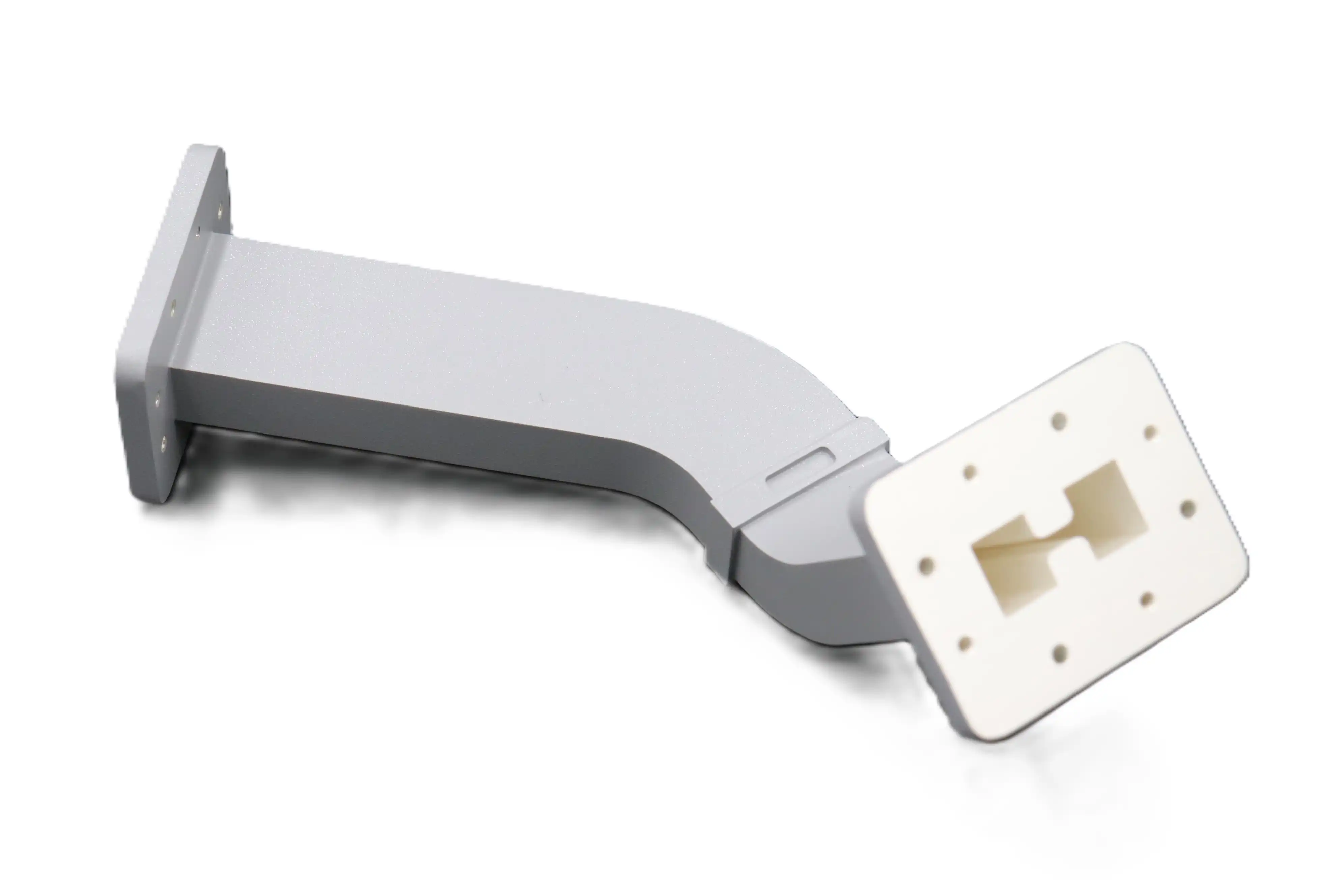
Application-specific Double Ridge Waveguide types emerge from the unique requirements of different microwave and millimeter-wave systems, each optimized for particular performance characteristics, environmental conditions, or integration constraints. Military and defense applications often require ruggedized Double Ridge Waveguide assemblies capable of withstanding extreme temperature variations, shock, and vibration while maintaining precise electrical performance across the operational frequency range. Satellite communication systems utilize specialized Double Ridge Waveguide configurations optimized for low loss and high power handling in the specific frequency bands allocated for space communications. These applications often require custom ridge profiles and specialized materials to achieve the stringent performance requirements for space-qualified hardware, including radiation resistance and thermal stability across the extreme temperature ranges encountered in space environments. Test and measurement applications demand Double Ridge Waveguide components with exceptional precision and repeatability characteristics. Laboratory-grade assemblies feature enhanced dimensional tolerances, premium materials, and specialized surface treatments to ensure measurement accuracy and long-term stability. The calibration and traceability requirements for precision measurement systems drive the development of reference-standard Double Ridge Waveguide components with documented performance characteristics.
High-Power and High-Frequency Variants
High-power Double Ridge Waveguide variants incorporate specialized design features to handle kilowatt-level continuous power transmission without degradation or breakdown. These configurations often feature enlarged ridge gaps, specialized materials, and enhanced cooling provisions to manage the thermal loads associated with high-power operation. The ridge geometry must be optimized to minimize field concentrations while maintaining the desired broadband characteristics. Millimeter-wave Double Ridge Waveguide types operate at frequencies extending beyond 100 GHz, requiring exceptional manufacturing precision and specialized measurement techniques for performance verification. The dimensional tolerances at these frequencies approach the limits of conventional machining techniques, often requiring specialized fabrication methods including lithographic processes and precision assembly techniques adapted from semiconductor manufacturing. Environmental protection variants incorporate features such as pressurization ports, environmental sealing, and corrosion-resistant materials to enable operation in harsh outdoor environments. These applications, common in weather radar and communication systems, require maintaining precise electrical performance while protecting the internal waveguide surfaces from moisture, dust, and corrosive atmospheres that could degrade performance over time.
Conclusion
Double Ridge Waveguide technology offers unparalleled broadband capability for demanding microwave applications, with various types optimized for specific performance requirements and environmental conditions. The standardized WRD series provides proven solutions across frequency ranges from 1 GHz to beyond 110 GHz, while specialized configurations address unique application requirements. Understanding these common types enables engineers to select optimal solutions for their specific system requirements, maximizing performance while controlling costs and complexity in modern microwave systems.
Cooperate with Advanced Microwave Technologies Co., Ltd.
As a leading China Double Ridge Waveguide manufacturer with over 20 years of expertise, Advanced Microwave Technologies Co., Ltd. stands at the forefront of microwave technology innovation. Our state-of-the-art 24m Microwave Darkroom facility enables precise measurements and testing across the complete 0.5-110 GHz frequency spectrum, ensuring every Double Ridge Waveguide component meets the highest quality standards.
Our comprehensive product portfolio includes High Quality Double Ridge Waveguide assemblies, transitions, and custom configurations tailored to your specific requirements. As a trusted China Double Ridge Waveguide supplier, we maintain ISO 9001:2015, ISO 14001:2015, and ISO 45001:2018 certifications, guaranteeing consistent quality and environmental responsibility in our manufacturing processes. Whether you need standard WRD series components or specialized Double Ridge Waveguide for sale, our engineering team provides complete technical support from prototype development through high-volume production.
Our competitive Double Ridge Waveguide price structure, combined with fast delivery and comprehensive after-sales support, makes Advanced Microwave Technologies Co., Ltd. your ideal China Double Ridge Waveguide wholesale partner. Contact craig@admicrowave.com to discuss your project requirements and discover how our expertise can accelerate your microwave system development while ensuring optimal performance and reliability.
FAQ
Q: What frequency range do standard Double Ridge Waveguide types cover?
A: Standard WRD series Double Ridge Waveguides cover frequencies from approximately 1 GHz to over 110 GHz, with individual types providing 3:1 to 4:1 bandwidth ratios.
Q: How does Double Ridge Waveguide compare to rectangular waveguide in bandwidth?
A: Double Ridge Waveguides provide 3-4 times broader bandwidth than rectangular waveguides, eliminating the need for multiple waveguide transitions in wideband applications.
Q: What are the main applications for Double Ridge Waveguide technology?
A: Primary applications include broadband test equipment, satellite communications, radar systems, electronic warfare, and antenna measurement systems requiring wide frequency coverage.
Q: What factors determine Double Ridge Waveguide power handling capability?
A: Power handling depends on ridge gap dimensions, materials, cooling provisions, and operating frequency, with specialized designs handling up to several kilowatts continuous power.
References
1. Helszajn, J. "Ridge Waveguides and Passive Microwave Components." Institution of Engineering and Technology, 2000.
2. Ragan, G.L. "Microwave Transmission Circuits." McGraw-Hill Book Company, 1948.
3. Chen, T.S. "Calculation of the Parameters of Ridge Waveguides." IEEE Transactions on Microwave Theory and Techniques, 1957.
4. Hopfer, S. "The Design of Ridged Waveguides." IRE Transactions on Microwave Theory and Techniques, 1955.