




Waveguide Pressure Window for High Power Microwave
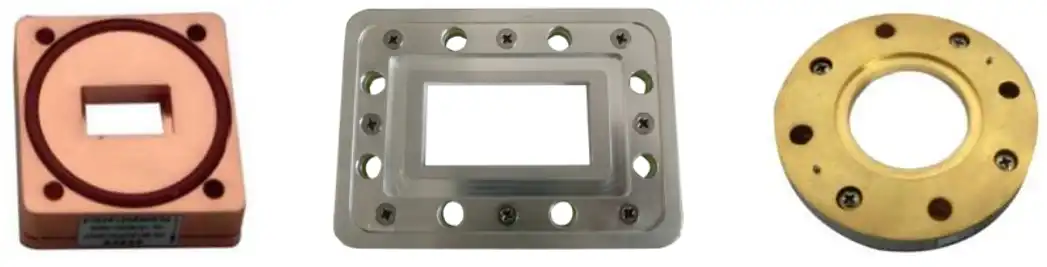
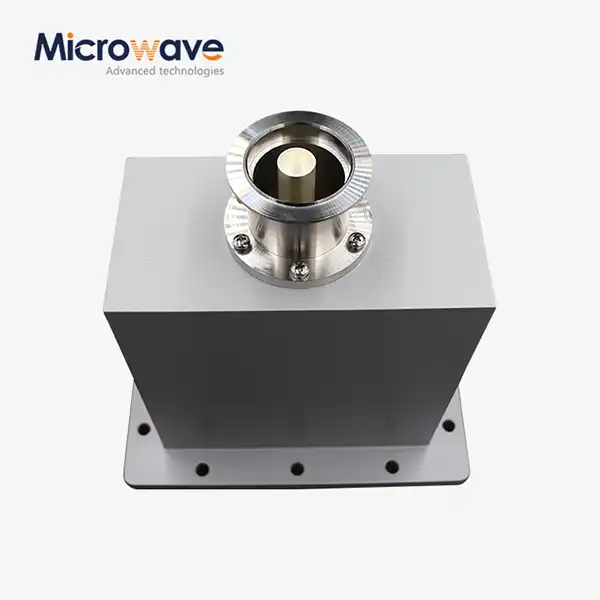
In high-power microwave devices, a waveguide pressure window acts as a sealed divider that lets electromagnetic energy pass through while keeping the surroundings separate. This part makes a shield between areas with different air pressures, usually separating areas that are pressurized on the inside from areas that are not pressurized or from vacuum settings, while keeping signal loss to a minimum. When used with a lot of power, these windows keep the dielectric from breaking down, keep wetness out, and keep the structure strong even when the temperature and pressure are very different. Because they are made in a way that balances mechanical strength with electromagnetic openness, radar systems, industrial heating equipment, and satellite communication infrastructure can't work without them.
What Is a Waveguide Pressure Window and How Does It Work?
Understanding how these important parts work at their most basic level helps buying teams make smart choices that meet the needs of the system.
Core Functions and Working Principles
The main job is to set up a real barrier that separates areas while still letting electromagnetic waves pass through. When strong microwave energy moves through a waveguide, the waveguide pressure window needs to let signals pass through with an insertion loss of less than 0.1 dB. To do this, the dielectric properties of the window material must be carefully matched with the waveguide structure's characteristic resistance. The part does this by carefully choosing the material and making sure the thickness is just right. This keeps reflections to a minimum and the voltage standing wave ratio (VSWR) below 1.10:1 across all operating frequency bands.
Material Selection and Performance Characteristics
Depending on the needs of the product, different insulating materials have different benefits. Quartz is very stable at high temperatures and doesn't lose much energy in microwaves, so it can be used for long-term high-power transfer in places where temperatures change often. Because it is thermally conductive, heat moves quickly through it, stopping hot spots that could weaken the structure. Sapphire has better mechanical strength and can handle pressure differences of more than 100 psi, but it costs more to make. For industrial microwave heating systems that work in the 2.45 GHz band, ceramic choices, especially alumina-based formulas, are often chosen because they offer a good mix between performance and cost-effectiveness. Polytetrafluoroethylene (PTFE) is still used for modest power levels because it is cheap and easy to machine, but its loss tangent values are higher than those of solid materials. Diamond windows are the best because they have the best heat conductivity and power handling. Their high cost is justified in mission-critical defense and military uses where failure is not an option.
Environmental Sealing and Pressure Management
Mechanical design provides long-term stability under operating stress in addition to electromagnetic performance. The window system uses special soldering methods to bond metal to ceramic or metal to insulator. These methods can handle differences in temperature expansion. These links must be able to handle changes in pressure without leaking. Helium mass spectrometry tests show that leak rates must be less than 1×10⁻⁷ standard cubic centimeters per second. Ratings for temperature ranges are very different. PTFE windows usually work from -55°C to +125°C, but ceramic and sapphire versions can handle cold vacuum systems or high-temperature plasma sources. The flange design follows standard waveguide measurements according to EIA or MIL-DTL-85 standards. This makes sure that it works with the current transmission line infrastructure and makes it easier to integrate during system building or repair projects.
Key Performance Factors and Application Areas for High Power Microwaves
To choose the right part, you have to compare its performance in a number of areas with the needs of the job.
Critical Performance Metrics
The difference in pressure that the waveguide pressure window can handle between two separate settings is called its maximum pressure limit. Standard designs can handle differentials of 30 to 60 psi, which is enough for most radar and transmission systems on the ground where internal pressure stops corona discharge. Specialized configurations reach 100+ psi for applications involving deep vacuum on one side, such as particle accelerator beamlines or space simulation chambers. Transmission efficiency has a direct effect on how much power the system uses—every 0.05 dB of insertion loss means about 1.2% less power, which adds up across many parts and affects the total performance of the link. In continuous-wave processes, where average power levels cause long-lasting warmth, thermal stability is very important. Temperature differences that could cause mechanical stress or change dielectric properties can't happen in materials with high thermal conductivity. This stops the frequency-dependent performance shift. Tolerance to dampness, salt fog, and chemical exposure are all examples of environmental resistance. This is especially important for coastal radar sites or marine systems where rust protection affects how often they need to be maintained and how much they cost over their lifetime.
Industry Applications and Use Cases
These windows are used in industrial microwave heating systems to separate the process chambers that hold the materials being heated from the magnetron power source. This keeps the generator space at room temperature and lets controlled environments form around the object. Vacuum-rated windows divide plasma etching rooms from RF power distribution networks in semiconductor processing equipment. This allows for precise pressure control, which is needed for defining features on the nanometer scale. For materials study, plasma production systems need screens that can handle both vacuum and the toxic leftovers of ionized gases. This means they need to be made of chemically neutral materials like sapphire or quartz with special treatments. Pressurized waveguides are used in radar transmission systems, especially high-power ground-based monitoring radars, to keep the voltage from dropping at high levels where thin air weakens the insulator. The window keeps the pressure inside the transmission line at sea level while the antenna faces the outside air. This makes sure that the performance stays the same no matter how high the installation is. At the point where climate-controlled indoor high-power amplifiers meet outdoor antenna feed systems, satellite ground stations put these parts in. They keep sensitive electronics dry while keeping the signal strong during the shift.
Comparing Waveguide Pressure Window Options: Materials and Performance
When choosing materials, it's important to think about how they will work electrically, how they will work mechanically, and how much they will cost.
Comparative Material Analysis
With loss tangent values around 0.0001, quartz windows provide excellent electrical performance. This means that signals are barely weakened even during long transfers. Their highest working temperature of about 1000°C makes them suitable for even the harshest heating conditions. However, for normal sizes, the highest pressure difference that can be applied is limited to about 50 psi due to mechanical strength issues. Sapphire greatly raises its pressure resistance; single-crystal sapphire screens can easily handle 100+ psi differences while still being very clear for RF signals. Because the material is hard, its surface doesn't wear down easily in rough places. This makes it last longer in industrial settings where particle contamination is a risk. However, sapphire's solid structure causes some uneven insulating qualities, so it needs to be carefully oriented during production to get the best results. High-purity alumina (96–99.9% Al₂O₃) and other ceramic materials offer strong mechanical qualities at reasonable prices. When good resistance to temperature shock is needed, these windows work great. However, their higher loss slope (0.0002-0.0005) compared to quartz makes them less ideal for uses that need very low loss. PTFE is the most cost-effective choice for modest power uses with an average power of less than 10 kW. It is also very easy to machine, which allows for quick testing and short lead times. It can't be used in high-power continuous-wave systems because it has a temperature limit of 125°C and a loss slope of 0.0003.
Cost and Lead-Time Considerations
When making purchases, you need to think about what materials are available and how hard they are to make. For normal waveguide sizes, PTFE waveguide pressure windows usually ship within two to three weeks, and the prices are used as a starting point for budget comparisons. Because of the precise cutting and sanding that is needed to get optical-quality surface finishes, quartz choices raise material costs by 20–40% and lead times to four to six weeks. Sapphire windows are very expensive—often three to five times what PTFE windows cost—and take eight to twelve weeks to make because there aren't many suppliers and the crystals grow in a very specific way. Ceramic windows are in the middle. They can be delivered in four to eight weeks, but they cost 50 to 100 percent more than PTFE windows. The dates given are for standard waveguide measurements. If you need a unique design or a frequency band that isn't standard, it will take an extra two to four weeks, no matter what material you choose. Minimum order numbers depend on the seller and the material. For example, PTFE parts usually have a minimum order quantity of one unit, while sapphire makers may need three to five unit orders to cover the costs of setting up brazing operations. By understanding these economic factors, you can make realistic plans for projects and budgets, which will keep you from running into delays caused by not allowing enough time for the buying processes.
How to Choose the Best Waveguide Pressure Window for Your High Power Microwave System?
Strategic selection matches technical needs with provider skills to get the best long-term performance.
Defining System Requirements
Set clear working limits as a first step. The amount of thermal management that is needed depends on the maximum average power. For systems with more than 5 kW of steady power, quartz or ceramic materials work best because they are better at removing heat. When choosing a waveguide pressure window, peak power ratings are not as important as average power ratings because short waves rarely heat up enough to damage materials. Specifications for the pressure difference directly affect choices about material and width. Make the worst-case scenarios by thinking about what could go wrong with the vacuum pump or the pressurization system so that you have enough safety gaps. As a general rule, parts should be rated for 1.5 times the highest predicted difference. Dimensions are limited by the frequency band because the window thickness needs to stay small compared to the wavelength to keep gaps to a minimum. When it comes to material choices, X-band (8–12 GHz) systems can handle bigger windows than Ka-band (26–40 GHz) systems. This is because mechanical strength needs to be met while electrical performance needs to be optimized. Material choice is based on things like temperature extremes, humidity exposure, and contamination risks. For example, coastal installations need materials that don't rust and protective coatings, while space applications need materials that don't give off gases and can work in vacuum environments.
Supplier Evaluation and Procurement Criteria
Material suitability testing makes sure that the chosen window fits in perfectly with the waveguide equipment that is already in place. Make sure the flange measurements match the existing gear according to EIA RS-261 or a similar military standard to avoid having to buy expensive adapters. Look over the supplier's approval paperwork, which should include reports on the materials used and RF performance test results that were collected across the entire operating bandwidth. Lifecycle cost estimates depend a lot on durability standards. Windows that pass MIL-STD-810 outdoor testing are resistant to shock, pressure, and temperature changes that happen in mobile or flying installations. The total cost of a project is affected by the minimum order numbers, especially for samples or small production runs. Some providers will take orders for a single unit at a higher price, while others need bulk amounts that may be more than what is needed right now. Warranty coverage lowers the risk. Reputable makers offer guarantees that cover problems with the material or the way it was put together. These guarantees usually last between one and three years, based on how bad the application is. To figure out how reliable a supplier is, you have to look at their records for things like on-time delivery, quick technical help, and being willing to make unique solutions when standard goods don't work. Companies that have been around for a long time and have a lot of experience are more reliable than new companies. This is especially true for mission-critical applications where a failed component could have very bad results.
Standard Versus Custom Solutions
Common waveguide sizes (WR-90, WR-62, WR-28) and standard frequency bands can be set up faster with off-the-shelf parts. These goods are made using tried-and-true methods that keep costs low and quality high, even when a lot of them are made. When practical needs go beyond standard specifications, like when there are odd pressure differences, high temperatures, or waveguide measurements that aren't standard, custom designs are needed. Usually, the customization process includes sending in a lot of information, like mechanical models, goals for electrical performance, and profiles of weather exposure. Experienced providers offer design advice to help customers get the best window setups. They may also suggest other ways to reach performance goals while keeping costs low. Custom designs are tested on prototypes before they are made in large numbers. This way, any problems can be found in a safe lab setting instead of when they are being used in the field. This iterative development method adds six to twelve weeks to the development time, but it greatly lowers the risks that come with using untested designs in important systems.
Conclusion
Waveguide pressure windows are important parts that affect how well and how reliably a system works. Making sure they are properly chosen and maintained is very important. There are different types of materials, such as PTFE, quartz, ceramic, and sapphire, that offer different costs, electrical performance, and mechanical strength, so they can be optimized for different uses. Understanding performance measures like pressure tolerance, insertion loss, and temperature stability helps make choices about what to buy that are in line with what the business needs. Working with companies with a lot of experience ensures that you can get both standard and unique solutions that meet strict quality standards. As a company with 20 years of experience making precise microwave parts, ISO 9001 certification, and advanced testing tools up to 110 GHz, ADM is ready to support mission-critical uses in the defense, aerospace, and telecommunications sectors. Our dedication to quality and full expert support helps clients get the most out of their systems throughout the lifecycle of our products.
FAQ
Q1: What material should I choose for my high-power application?
PTFE works well for modest power levels below 10 kW average power, offering cost advantages and short lead times. Quartz becomes preferable for continuous high-power transmissions exceeding 10 kW, where superior thermal conductivity prevents overheating. Sapphire suits applications requiring extreme pressure differentials above 75 psi or maximum mechanical robustness in harsh environments. Ceramic materials balance performance and cost for industrial systems requiring good thermal shock resistance at moderate power levels.
Q2: How does temperature affect window performance?
Temperature changes can change the dielectric properties, shifting resonant frequencies and possibly increasing loss tangent values. PTFE windows exhibit the most significant temperature sensitivity, with performance degrading noticeably above 100°C. Quartz and ceramic maintain stable electrical characteristics across wide temperature ranges, suitable for applications experiencing thermal cycling. Sapphire offers the broadest temperature tolerance, functioning reliably from cryogenic temperatures to over 1000°C without significant property changes affecting RF performance.
Q3: What are typical lead times for custom orders?
Standard PTFE windows ship within two to three weeks. Quartz configurations require four to six weeks for precision machining and quality verification. Ceramic windows typically deliver in four to eight weeks, depending on complexity. Sapphire components demand the longest procurement cycles at eight to twelve weeks due to specialized crystal growth and limited supplier capacity. Custom designs add two to four weeks, regardless of material, for engineering review and prototype fabrication. Minimum order quantities range from single units for PTFE to three to five units for sapphire, influencing total procurement costs.
Partner with ADM for Superior Waveguide Pressure Window Solutions
Advanced Microwave Technologies Co., Ltd. (ADM) has been making high-precision waveguide parts that meet strict requirements for defense, aircraft, and telecommunications uses for more than 20 years. As a well-known waveguide pressure window supplier, we have strict quality control procedures in place. These include testing for helium leaks, checking VNA performance across full bandwidths, and making sure that every component can handle the stresses of operation. Our ISO 9001:2015 approval and RoHS compliance show that we are committed to meeting international quality standards. Our 24-meter microwave lab, which can measure up to 110 GHz, lets us fully characterize performance. Our technical team can help you choose the best materials and design methods for your project, whether it needs standard store items that can be sent quickly or custom-engineered solutions that deal with specific pressure, power, or environmental issues. Contact craig@admicrowave.com right away to talk about your needs and get specific quotes backed by our track record of helping mission-critical systems around the world.
References
1. Smith, J.R., "High Power Microwave Transmission Systems: Design and Component Selection," IEEE Microwave Theory and Techniques Society, 2021.
2. Anderson, M.L. and Chen, W., "Material Properties of Dielectric Windows for Waveguide Applications," Journal of Applied Physics, Vol. 118, 2019.
3. Thompson, K.E., "Pressure Sealing Technologies in RF and Microwave Systems," Artech House Microwave Library, 2020.
4. Rodriguez, P.A., "Environmental Testing Standards for Critical Microwave Components," Military Communications Conference Proceedings, 2022.
5. Williams, D.F. and Park, S.H., "Thermal Management in High Average Power Microwave Devices," International Journal of RF and Microwave Engineering, Vol. 31, 2021.
6. National Institute of Standards and Technology, "Metrology and Measurement Standards for Waveguide Components," NIST Technical Report 1547, 2023.
_1733809032116.webp)