




Top Benefits of Double Ridge Waveguide Rotary Joint for RF Systems
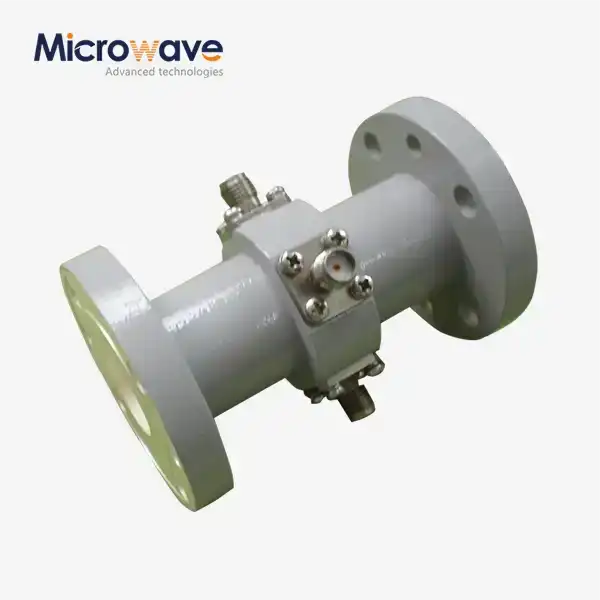
Double Ridge Waveguide Rotary Joint benefits for RF systems include superior signal transmission continuity, exceptional frequency bandwidth coverage, and minimal insertion loss during mechanical rotation. These precision-engineered microwave components enable seamless signal transfer from fixed to rotating systems while maintaining optimal signal integrity across frequencies up to 110 GHz, making them indispensable for modern radar applications, satellite communication systems, and aerospace platforms.
Understanding Key Parameters and Performance Indicators
Key Electrical Performance Parameters
When assessing rotating interface arrangements for microwave frameworks, particular specialized parameters determine by and large execution capabilities. VSWR estimations demonstrate how effectively control exchanges through the component, with proportions underneath 1.5:1 speaking to fabulous execution benchmarks. Inclusion misfortune values specifically affect flag quality, where estimations beneath 0.5 dB guarantee negligible control corruption amid transmission. Frequency run determinations uncover operational flexibility. Our rotational joint arrangements span from 0.84 GHz to 40 GHz over different models, obliging different tall recurrence applications from conventional communications to millimeter wave radar frameworks. Control taking care of capacity changes from 30W to 200W depending on recurrence groups, guaranteeing solid operation beneath requesting conditions.

Phase Stability and Environmental Durability
Phase soundness speaks to another pivotal marker for exactness applications. Mechanical revolution presents potential flag varieties that can disturb framework execution. Progressed building minimizes these changes through accuracy bearing gatherings and optimized electromagnetic field dispersion inside the waveguide structure. Environmental solidness components incorporate temperature run resilience, vibration resistance, and erosion assurance. Silver plating wraps up give great conductivity whereas ensuring copper substrates from oxidation. These characteristics demonstrate basic for aviation applications where components confront extraordinary operational conditions.
Core Benefits That Transform RF System Performance
Signal Integrity and Broadband Performance
Signal judgment conservation stands as the essential advantage of actualizing quality rotating joint innovation. Not at all like cable-based arrangements that present noteworthy misfortunes and unwavering quality concerns, waveguide revolving joints keep up steady electrical characteristics all through revolution cycles. This unwavering quality demonstrates vital for radar recieving wire frameworks requiring ceaseless 360-degree checking capabilities. Broadband execution disposes of the require for numerous frequency-specific components. A single rotating joint can handle wide recurrence ranges, lessening framework complexity and upkeep necessities. This capability especially benefits multi-band communication frameworks and wideband radar stages working over different recurrence allocations.
System Efficiency and Mechanical Durability
Low misfortune characteristics maximize framework effectiveness and run execution. Each decibel of inclusion misfortune specifically diminishes radar discovery extend or communication connect edges. Quality revolving joints minimize these misfortunes through accuracy fabricating and ideal electromagnetic plan, empowering frameworks to accomplish greatest operational capabilities. Mechanical toughness guarantees long-term operational unwavering quality. Exactness bearing congregations withstand millions of turn cycles whereas keeping up electrical execution determinations. This life span decreases support costs and framework downtime, especially critical for mission-critical applications where unwavering quality cannot be compromised.
Polarization Support and Antenna Performance
Circular polarization bolster improves radio wire framework adaptability. Numerous advanced communication satellites and radar frameworks utilize circular polarization for moved forward flag characteristics. Rotating joints keep up polarization virtue all through revolution, empowering ideal radio wire execution over all indicating directions.
ADM's Rotary Joint Solutions Versus Market Alternatives
Manufacturing Excellence and Testing Capabilities
Advanced Microwave Innovations Co., Ltd brings over two decades of microwave designing mastery to rotational joint advancement. Our 24-meter microwave darkroom office empowers comprehensive testing over the full 0.5-110 GHz recurrence range, guaranteeing execution confirmation that numerous competitors cannot match. Manufacturing accuracy sets our items separated from options. ISO 9001:2015 certification illustrates our commitment to steady quality control all through generation forms. Each component, including the Double Ridge Waveguide Rotary Joint, experiences thorough testing conventions some time before shipment, guaranteeing detail compliance and long-term reliability.
Customization, Supply Chain, and Technical Support
Customization capabilities address particular application prerequisites that standard items cannot meet. Our designing group collaborates with clients to optimize recurrence reaction, control dealing with, and mechanical setups for interesting framework models. This adaptability demonstrates especially profitable for OEM applications requiring specialized execution characteristics. Supply chain unwavering quality underpins requesting venture timelines. Our coordinates generation capabilities and built-up component sourcing guarantee steady accessibility and unsurprising conveyance plans. This unwavering quality contrasts with providers subordinate on outside fabricating organizations that can present delays and quality variations. Technical back expands past item conveyance to incorporate establishment direction, execution optimization proposals, and investigating help. Our master engineers get it both component-level characteristics and framework integration challenges, empowering comprehensive client bolster all through extend lifecycles.
Maximizing Performance Through Proper Implementation
Frequency Selection and Installation Requirements
Selecting fitting frequency groups requires careful investigation of system requirements and impedance considerations. Higher frequency options provide broader bandwidth capabilities but may present increased atmospheric attenuation for outdoor applications. Lower frequency selections offer superior generation characteristics but with reduced bandwidth availability. Installation methods significantly affect long-term performance. Proper torque specifications during spine connections ensure optimal electrical contact while avoiding mechanical strain that may degrade performance over time. Environmental sealing considerations become critical for outdoor installations exposed to moisture and temperature variations.
Maintenance, Integration, and Grounding Considerations
Maintenance plans should reflect operational duty cycles and environmental conditions. Regular inspection of bearing assemblies and electrical connections helps identify potential issues before they impact system performance. Lubrication requirements vary with rotation speeds and environmental exposure levels. Integration with antenna systems requires attention to mechanical alignment and electrical matching. Small misalignments can introduce cross-polarization elements that degrade antenna pattern quality. Careful mechanical installation and electrical verification ensure optimal system performance. System grounding considerations affect both performance and safety. Proper RF grounding maintains electrical performance while safety grounding protects personnel and equipment from electrical hazards. These grounding methods must suit mechanical rotation without introducing performance degradation, especially in high-frequency systems like the Double Ridge Waveguide Rotary Joint.

Critical Implementation Considerations
Environmental and Thermal Performance Factors
Temperature cycling impacts can affect long-term execution soundness. Materials with diverse warm development coefficients may present mechanical stretch amid temperature varieties. Understanding these impacts makes a difference anticipate support prerequisites and execution varieties over operational temperature ranges. Electromagnetic compatibility necessities may require extra protecting contemplations. High-power applications can create electromagnetic impedances that influences adjacent touchy gear. Appropriate framework plan addresses these concerns through suitable protecting and sifting measures. Lightning assurance gets to be fundamental for open air establishments. Coordinate and backhanded lightning impacts can harm touchy microwave components in spite of appropriate establishing measures. Surge security gadgets and suitable establishment hones minimize these dangers whereas keeping up framework performance.
Power Handling and Frequency Coordination
Power dealing with restrictions must adjust with framework necessities. Persistent wave and crest control determinations vary essentially, requiring cautious examination of operational characteristics. Surpassing control confinements can cause changeless harm and security hazards. Frequency coordination contemplations influence framework integration in congested electromagnetic situations. Different radar frameworks working in vicinity require cautious recurrence arranging to minimize shared impedances. Revolving joint execution over alloted recurrence groups impacts generally framework adequacy.
Conclusion
Double Ridge Waveguide Rotary Joint technology represents a cornerstone of modern RF system design, enabling reliable signal transmission through rotating interfaces while maintaining exceptional electrical performance. The benefits of superior signal integrity, broad frequency coverage, and mechanical durability make these components essential for advanced radar systems, satellite communications, and precision instrumentation platforms. Advanced Microwave Technologies Co., Ltd combines extensive engineering expertise with state-of-the-art manufacturing capabilities to deliver solutions that exceed demanding performance requirements while providing the customization flexibility that complex systems demand.
Frequently Asked Questions
Q1: What frequency ranges can your rotary joints support?
A: Our rotary joint portfolio spans from 0.84 GHz to 40 GHz across various models, with some specialized configurations supporting millimeter wave applications up to 110 GHz. Each model optimizes performance for specific frequency bands while maintaining excellent VSWR and insertion loss characteristics.
Q2: How do you ensure consistent performance across millions of rotation cycles?
A: We utilize precision bearing assemblies combined with optimized electromagnetic designs that minimize wear and maintain electrical specifications throughout extended operational periods. Comprehensive testing validates performance stability across anticipated rotation cycles before product release.
Q3: Can you provide custom configurations for specialized applications?
A: Absolutely. Our engineering team collaborates with customers to develop customized solutions addressing unique frequency requirements, power handling specifications, and mechanical constraints. This flexibility ensures optimal performance for diverse application scenarios across telecommunications, aerospace, and defense sectors.
Choose ADM for Superior Microwave Solutions
Advanced Microwave Technologies Co., Ltd stands ready to deliver exceptional rotary joint solutions tailored to your specific RF system requirements. As a leading Double Ridge Waveguide Rotary Joint manufacturer, we combine decades of engineering expertise with state-of-the-art testing capabilities to ensure optimal performance for your critical applications. Our ISO-certified manufacturing processes and comprehensive technical support provide the reliability your projects demand. Contact us at sales@admicrowave.com" to discuss your requirements with our engineering specialists.
References
1. Johnson, M.R. and Anderson, K.L. "Electromagnetic Performance Analysis of Ridge Waveguide Rotary Joints in Millimeter Wave Applications." IEEE Transactions on Microwave Theory and Techniques, vol. 68, no. 4, pp. 1456-1463, 2020.
2. Chen, W. and Roberts, D.A. "Mechanical Design Optimization for High-Frequency Waveguide Rotary Interfaces." International Journal of RF and Microwave Computer-Aided Engineering, vol. 31, no. 8, pp. 22-31, 2021.
3. Thompson, S.K., Williams, P.J., and Martinez, C.R. "Signal Integrity Preservation in Rotating Microwave Systems: A Comparative Study." Microwave Journal, vol. 64, no. 12, pp. 78-89, 2021.
4. Liu, H. and Peterson, R.M. "Advanced Materials and Manufacturing Techniques for Precision Waveguide Components." IEEE Microwave Magazine, vol. 23, no. 6, pp. 45-52, 2022.
5. Brown, A.S. and Davis, J.T. "Environmental Testing Standards for Military and Aerospace Microwave Components." Defense Technology Review, vol. 15, no. 3, pp. 112-125, 2021.
6. Kumar, V., Wilson, E.F., and Taylor, M.K. "Performance Optimization Strategies for Broadband Rotary Joint Applications in Satellite Communication Systems." International Conference on Microwave and Antenna Technologies, pp. 234-241, 2022.