




Parabolic Antenna Applications in Satellite Communication
Parabolic Antennas remain the cornerstone of modern satellite communication, transforming how data, voice, and video signals traverse vast distances between Earth and orbiting spacecraft. These high-gain reflector antennas utilize parabolic geometry to focus electromagnetic waves at a precise focal point, where feed horns collect and amplify signals with exceptional efficiency. Whether you're sourcing components for VSAT networks, defense communications, or broadcast infrastructure, understanding the technical nuances and application contexts of these critical devices directly impacts project success and long-term operational reliability.
Understanding Parabolic Antennas in Satellite Communication
The main idea behind these Parabolic Antennas is that their curved surfaces work by reflecting light. When satellite signals hit the Parabolic Antenna, they bounce off the reflector and come together at the focal point, where they are concentrated to give the best reception. This design is better at directing signals than omnidirectional or flat-panel options, which is why it is essential for long-distance space contacts where signal power drops over millions of kilometers.
Reflector Geometry and Material Selection
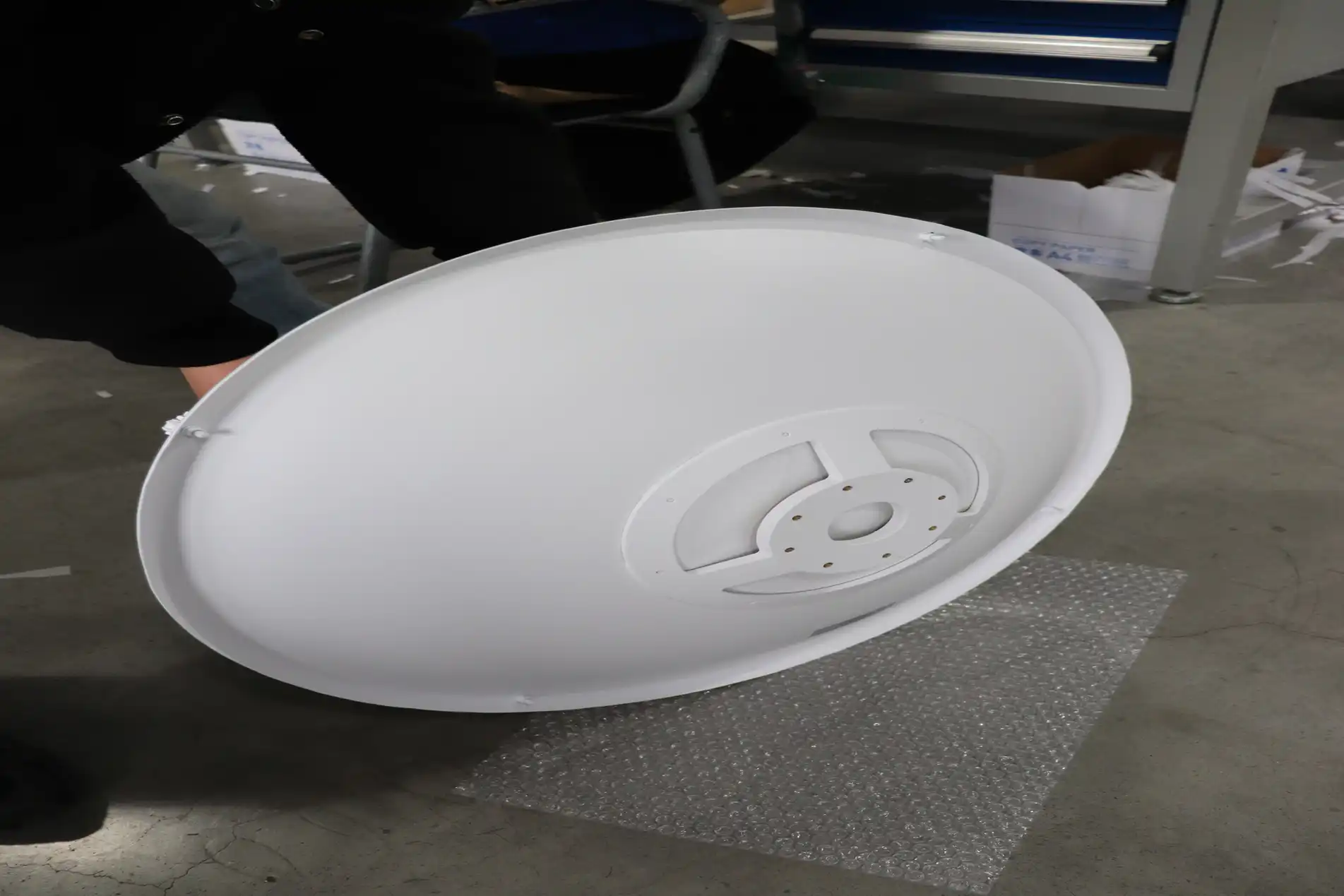
The exact sizes of the parabolic curve must be kept, which are usually measured in surface RMS error (root mean square error). For Ku-band (12–18 GHz) or Ka-band (26.5–40 GHz) high-frequency uses, the surface must be accurate to within µ/16 of the working wavelength to keep the gain from dropping. To balance structural rigidity with corrosion resistance, manufacturers often use spun aluminum or stretch-formed aluminum with a protective powder coating. This is especially important for ground stations that are exposed to the sea or industrial settings. Our engineering team at Advanced Microwave Technologies Co., Ltd. has been making precise parts for over twenty years. They make sure that the reflector surfaces meet strict standards for mission-critical satellite links.
Frequency Bands and Radiation Patterns
Frequencies are assigned to different satellite services in different ways. C-band (4-8 GHz) is very resistant to rain fade, which makes it a good choice for warm areas and broadcasting. Ku-band has more bandwidth for VSAT internet and DTH TV, and Ka-band works with next-generation high-throughput satellites that have smaller dish sizes. Radiation patterns decide how energy is spread across the main lobe and sidelobes. Tight beamwidths keep interference from nearby satellites to a minimum, which is required by regulators such as the FCC and ETSI through specific envelope classifications.
Feed Horn and Polarization Configurations
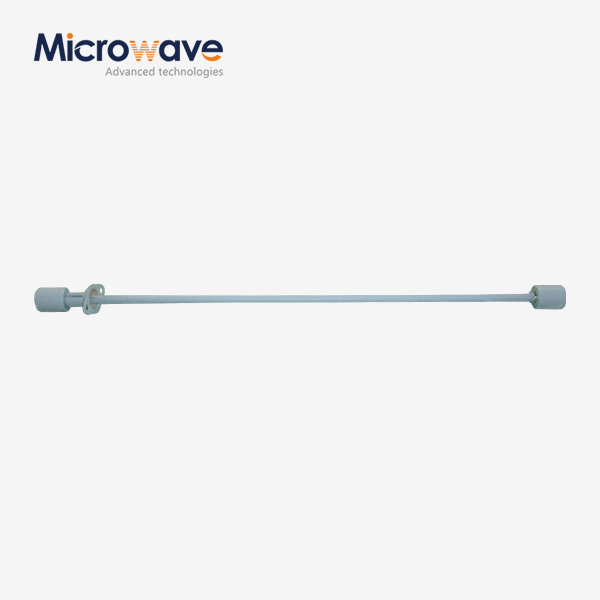
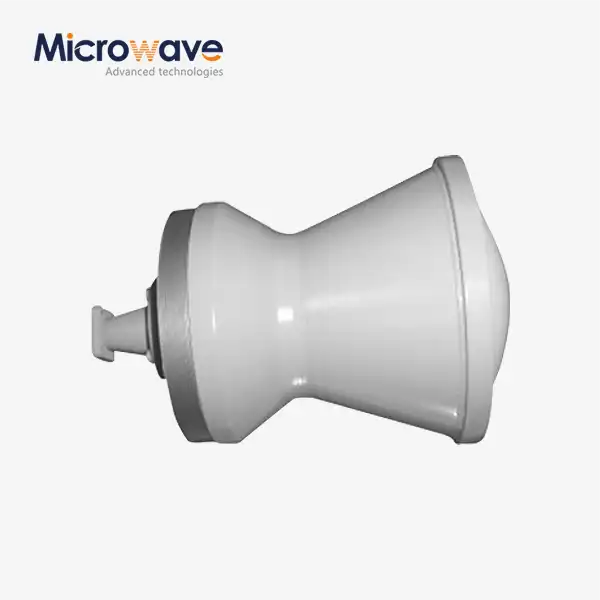
At the focal point, the feed assembly changes directed electromagnetic waves into messages that are sent out, or the other way around. Single-polarized feeds can handle either horizontal or vertical polarization. Dual-polarized systems, on the other hand, use orthomode transducers (OMTs) to handle both planes at the same time. Frequency reuse, which is a common method in modern telecom backhaul and satellite trunk lines, makes this feature double the link's capacity. Proper feed alignment is still very important—even small changes can cause coma lobes and loss of gain, which can mess up link budgets that were calculated during the planning stages of the network.
Key Applications of Parabolic Antennas in Satellite Communication
Different industries use these Parabolic Antennas, and each has its own technical needs and working conditions. When buying antennas, procurement teams have to make sure that the specs match the needs of the application, taking into account everything from the surroundings to government rules.
Direct-to-Home Television and VSAT Broadband
Consumer satellite TV and business VSAT networks use the most Parabolic Antennas of any type in the world. For DTH services, antennas with a diameter of 45 cm to 120 cm, circular polarization, and built-in LNBFs (low-noise block downconverters with feed) are needed. To meet the uplink EIRP (effective isotropic radiated power) needs of two-way VSAT devices that connect to the internet, larger dishes (0.75m to 2.4m) are usually used. Signal margins need to account for weather-related signal loss, especially rain fade in tropical deployment zones where link availability goals of 99.7% or higher require choosing an antenna that is too big for the job.
Military and Government Secure Communications
For defense purposes, you need ruggedized radio systems that can be set up quickly, don't jam signals, and work in harsh environments. For communications-on-the-move (COTM) or communications-on-the-pause (COTP), military X-band (7-8 GHz) and Ka-band MILSATCOM terminals often have motorized tracking pedestals built in. Tough TEMPEST shielding rules and cryptographic interface compatibility make the procurement process more difficult. Our manufacturing processes are ISO 9001:2015 approved, and our workplace safety standards are ISO 45001:2018. This makes sure that every part meets the quality assurance and traceability standards that defense companies need for supply chain validation.
Earth Observation and Scientific Research
For deep space telemetry and Earth observation satellite data downlinks, space agencies and research institutions use large-aperture ground station antennas with a diameter of more than 10 meters. These systems work on several bands at the same time, using split-feed systems to handle both X-band science data and S-band tracking. At millimeter-wave frequencies, even small changes in temperature can change gain patterns, making surface limits much tighter. Environmental enclosures (radomes) protect reflectors while adding little insertion loss. Our antenna measurement systems confirm this trade-off by testing the full pattern and VSWR in our 24-meter microwave darkroom.
Commercial Maritime, Aviation, and IoT Connectivity
Maritime VSAT stations on cruise ships, cargo ships, and offshore platforms need stable multi-axis pedestals to keep the satellite lock even when the ship pitches, rolls, or yaws. Low-profile aerodynamic radomes that hold electronically steered arrays or mechanically tracked reflectors are needed for aviation connectivity. New satellite Internet of Things networks use smaller terminals with low-gain specifications and low-cost goals for large-scale deployments in logistics, agriculture, and remote monitoring. For example, marine SOLAS compliance, aircraft DO-160 environmental testing, or industry IEC standards all have their own set of rules that suppliers must follow in order to be qualified.
Evaluating Parabolic Antennas for Your Satellite Communication Needs
To find the best Parabolic Antenna configuration, you have to balance electromagnetic performance, mechanical limitations, and the costs of running the equipment over its entire lifecycle. Professionals in procurement have to look at a lot of factors to make sure that the new equipment will work with the existing infrastructure and meet the needs of future growth.
Gain Metrics and Antenna Sizing
The antenna gain goes up as the aperture diameter and operating frequency go up. This is shown by the equation G = η (πD/λ)², where η is the aperture efficiency (usually 55–70%), D is the diameter, and λ is the wavelength. When you double the width of the dish, you get an extra 6 dB of gain, which is an important thing to think about when you're trying to stick to tight link costs for low-elevation satellite passes or faraway orbital slots. Beamwidth gets narrower as antenna size goes up. For example, a 1.2-meter Ku-band antenna might have a half-power beamwidth of 2.5 degrees, which means it needs to be pointed very precisely to keep the signal locked.
Comparative Performance Against Alternative Antenna Types
While Yagi antennas and phased arrays are useful in some situations, Parabolic Antennas are the best choice for satellite communications because they offer the best balance of gain and cost at microwave frequencies. Flat-panel electronically guided antennas (ESAs) have slim designs and can quickly change their beams, but they aren't as good at peak gain or cost-effectiveness for fixed ground stations yet. Knowing these trade-offs helps make budget decisions. For example, a 3-meter C-band dish gives strong performance at a fraction of the cost of buying an equivalent ESA. This makes reflector technology the smart choice for telecom companies and government agencies that want to save money.
Environmental Resilience and Mechanical Durability
Salt spray speeds up rust on antennas that are used near the coast, so they need marine-grade finishes and stainless steel mounting tools. Survival wind speeds (usually 150–200 km/h) and operational wind speeds (100–120 km/h) are set by wind load ratings. These ratings have a direct effect on tower building requirements and insurance certifications. Having ice on something lowers its electrical performance and puts extra stress on it. Hydrophobic radome coatings help keep the water film from weakening during freezing precipitation events. As part of our environmental stress screening processes, we do ASTM B117 salt spray tests and wind load CFD models. This makes sure that our systems can work reliably in a wide range of temperatures, from research stations in the Arctic to teleports at the equator.
Procurement Guide: How to Source Parabolic Antennas for Satellite Projects
Understanding how the market works, what suppliers can do, and how to check quality is important for navigating the global parabolic antenna manufacturers' supply chain. Not only do strategic sourcing choices affect the original cost of capital, but they also affect the long-term costs of upkeep and the availability of the system.
Market Overview and Pricing Structures
Standard VSAT antennas in the 0.75m to 1.8m range cost between $800 and $5,000, depending on the frequency band, the complexity of the feed, and whether or not the antenna has a radome. High-gain earth station antennas longer than 3 meters cost $15,000 to $100,000 or more, and the cost of special building and installation services is even higher. When you buy in bulk from approved distributors, you can get better prices, longer warranties, and access to expert help. Regional taxes, shipping arrangements for oversize cargo, and import approval timelines must all be taken into account when figuring out the total landed cost. This is especially true for remote deployment sites that need freight to be shipped by air or sea.
Evaluating Suppliers and Certifications
Manufacturers with a good reputation, such as Andrew Corporation, Prodelin (now General Dynamics SATCOM), and Vertex Antennentechnik, keep a lot of certifications, such as ETSI EN 302 217 pattern envelopes, FCC Part 25 OOBE (out-of-band emission) limits, and type approvals from Intelsat and SES. Quality management systems (ISO 9001), environmental compliance (RoHS, REACH), and tracking paperwork that connects serial numbers to factory test results should all be checked by auditors of suppliers. At ADM, our labs have microwave measurement equipment up to 110 GHz that lets us do full electrical characterization, from return loss to cross-polarization discrimination. To meet customer quality control requirements, test data packages are sent with every shipment.
Customization and OEM Integration
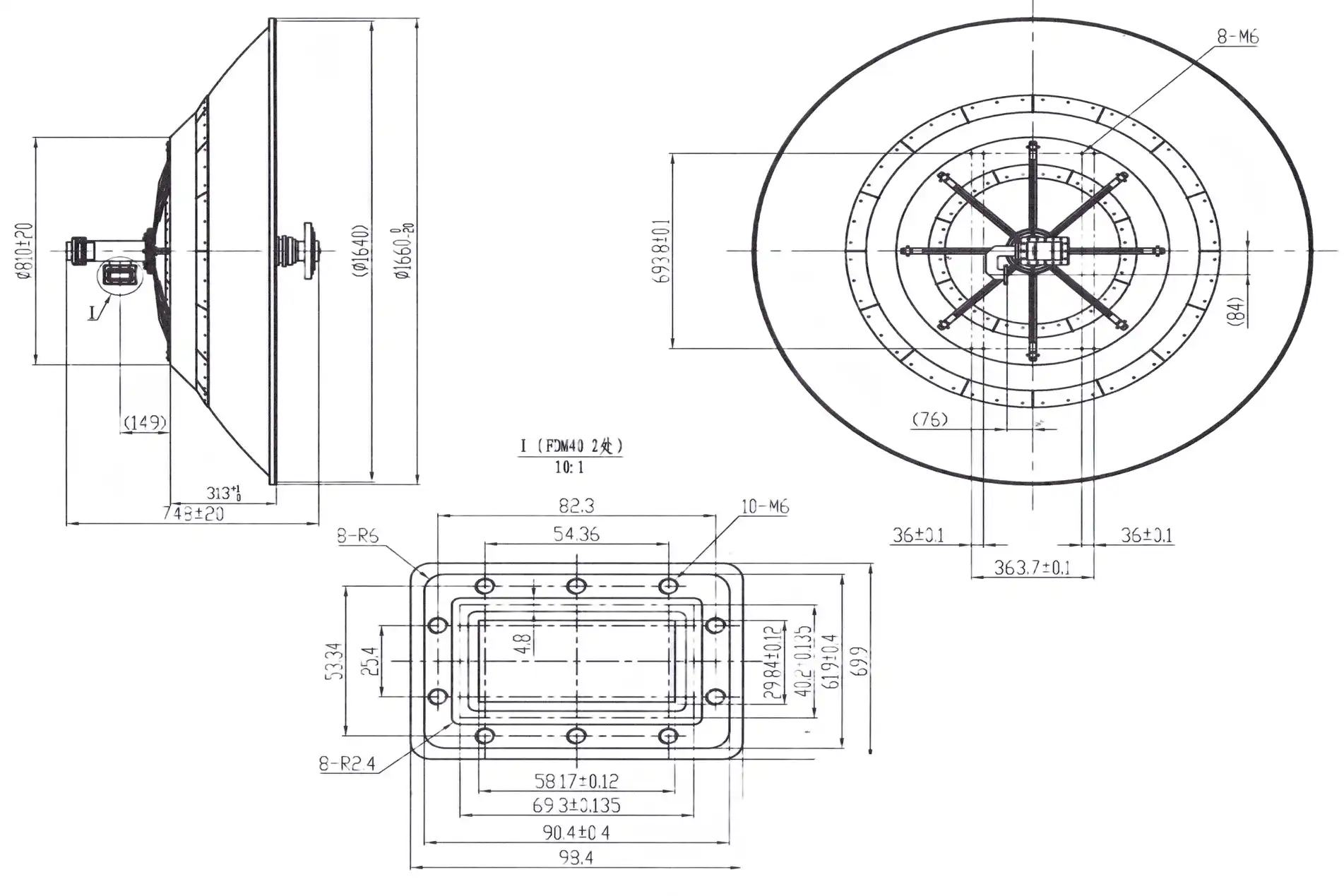
There are many uses for off-the-shelf antennas, but system integrators often need modified feed assemblies, special mounting interfaces, or custom frequency responses that aren't available in standard product catalogs. Through OEM agreements, we can work together on design, make fast prototypes in our state-of-the-art fabrication facilities, and make large quantities of products while still meeting performance standards. Our technical support teams help with interface specs, choosing connectors, and alignment processes. This lowers the risk of integration for complicated groups of multiple antennas or hybrid RF designs that combine satellite and terrestrial backhaul links.
Enhancing Satellite Signal Reception Using Parabolic Antennas
Premium hardware isn't very useful if it isn't installed correctly and its performance isn't constantly improved. Paying close attention to site preparation, precise alignment, and preventative maintenance protocols is necessary to get the most out of your Parabolic Antennas for improving satellite signal reception.
Installation Best Practices and Alignment Techniques
Site scans find things like buildings, plants, or the land that might get in the way of target satellites' line of sight. For fixed installations, mounting structures must have rigid bases that don't bend too much when wind blows. Concrete pad supports or reinforced tower sections meet these requirements. For coarse alignment, compass bearings and inclinometer readings are used to get a rough idea of the azimuth and elevation angles. For fine-tuning, spectrum analyzers or dedicated satellite meters are used to check the received signal quality and strength. Automated motorized systems that integrate GPS/INS (inertial navigation system) speed up the launching process, which is especially helpful when putting multiple stations on corporate networks that are spread out.
Troubleshooting Common Signal Degradation Issues
When obstructions cause intermittent blockages, signal dropouts happen at certain times of the day because the shape of the satellites changes. Notches are made in the received spectrum by multipath interference from nearby shiny surfaces. These effects can be lessened by moving the antenna or adding RF-absorbing materials. System noise temperature goes down when LNB drift or moisture gets into coaxial cables. Bit error rate testing or carrier-to-noise density readings can show signs of this. Physical inspections done on a regular basis find feed misalignment caused by thermal cycling, mounting bolt relaxation, or radome cracking before it affects service availability metrics that customers are contractually guaranteed.
Advanced Alignment Technologies
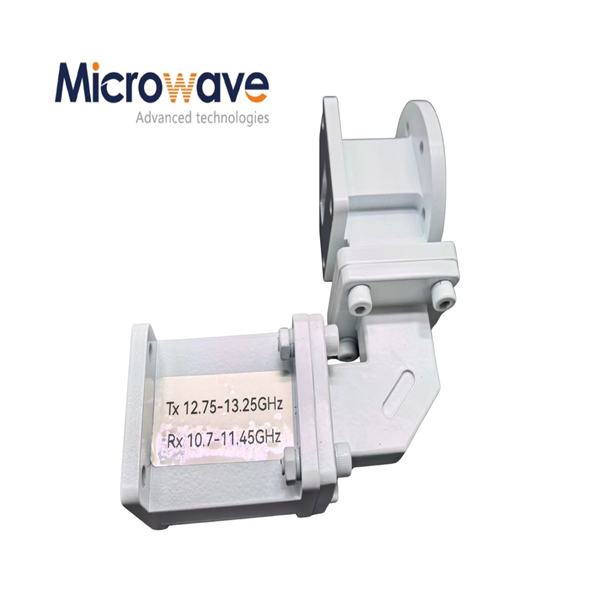
These days' systems have inclinometer sensors, GPS receivers, and control programs that let them automatically get satellite data without the help of a skilled expert. Mobile apps connect to positioner controls via Bluetooth and show real-time signal strength and spectrum plots that make peaking easier. Drive-away or fly-away stations made for emergency situations and quick deployment by the military combine these technologies into one package that doesn't need much training to set up. Tracking antenna systems are needed as satellite constellations grow into LEO (low Earth orbit) and MEO (medium Earth orbit) architectures with moving orbital planes. Our X-band feed networks support this ability with precise rotary joints and low-loss waveguide transitions.
Conclusion
For reliable satellite connections in business, government, and science, Parabolic Antennas are a tried-and-true device. To make a purchase decision, you have to make sure that the technical specs—like gain, frequency coverage, polarization, and environmental ratings—match the needs of the mission while looking at the capabilities, certifications, and customization options of each supplier. Strategic buying through experienced makers with full testing facilities and strong quality systems lowers the risk and costs of a project over its entire life. As satellite networks move toward high-throughput systems and more LEO groups, antenna technology changes with them. It does this by using precise engineering and new materials, and it stays at the center of connecting our world, which is becoming more and more data-heavy.
Frequently Asked Questions
What frequency bands do parabolic antennas support for satellite communication?
With the right feed horn and LNB choice, Parabolic Antennas can work with C-band (4-8 GHz), X-band (7-12 GHz), Ku-band (12-18 GHz), and Ka-band (26.5-40 GHz). Multi-band systems use switchable feeds or diplexers to connect to multiple satellites that use different frequency bands. The choice of band depends on the needs of the application. C-band is better for rain fade resistance, Ku-band is better for bandwidth and small dishes, and Ka-band is better for next-generation high-throughput capacity.
How does antenna diameter affect performance and cost?
Larger diameters raise the gain and narrow the beamwidth, which makes the signal margins and interference rejection better. When you double the width, you get an extra 6 dB of gain, but the weight, wind load, and cost go up by a huge amount. A 2.4 GHz antenna might cost three times as much as a 1.2 GHz antenna and needs stronger mounting structures. Teams in charge of buying things have to weigh the needs for performance against the limitations of budget and site. They usually choose the smallest diameter that meets the link budget needs and leaves enough fade margin.
Can parabolic antennas be customized for specific project needs?
Manufacturers let you make a lot of changes to things like frequency settings, polarization configurations, mounting connections, radome materials, and feed network designs. OEM services let you make custom solutions for integration problems that are unique to your situation, such as marine stabilized pedestals and airborne conformal installs. Custom engineering needs detailed specifications, testing of prototypes, and approval for production. ADM can do all of these things thanks to our experienced research and development teams and full measurement facilities that can handle frequencies up to 110 GHz.
Partner with ADM for High-Performance Parabolic Antenna Solutions
Advanced Microwave Technologies Co., Ltd makes high-quality reflector antennas and full feed systems. They are ISO 9001:2015 certified and have been making microwave products for over 20 years. Our 24-meter anechoic room allows for thorough pattern testing, and our ability to customize supports defense, telecom, and scientific uses that need high dependability. Our expert teams can help you with design, fast prototyping, and global shipping, whether you need standard VSAT terminals or special X-band tracking systems. Get in touch with our purchasing experts at craig@admicrowave.com to talk about your satellite communication needs with a reliable Parabolic Antenna supplier that wants to help you improve your mission-critical connectivity infrastructure.
References
1. Balanis, Constantine A. Antenna Theory: Analysis and Design, 4th Edition. John Wiley & Sons, 2016.
2. Mailloux, Robert J. Phased Array Antenna Handbook, 3rd Edition. Artech House, 2017.
3. Iida, Takashi and Sato, Toshio. Satellite Communications: System and Its Design Technology. Ohmsha Press, 2000.
4. Elbert, Bruce R. The Satellite Communication Ground Segment and Earth Station Handbook, 2nd Edition. Artech House, 2014.
5. Pratt, Timothy, Bostian, Charles W., and Allnutt, Jeremy E. Satellite Communications, 3rd Edition. John Wiley & Sons, 2020.
6. Pattan, Bruno. Satellite Systems: Principles and Technologies. Springer Science & Business Media, 2012.
_1733738410152.webp)