





Low Insertion Loss Isolators: Key Specifications and Benefits
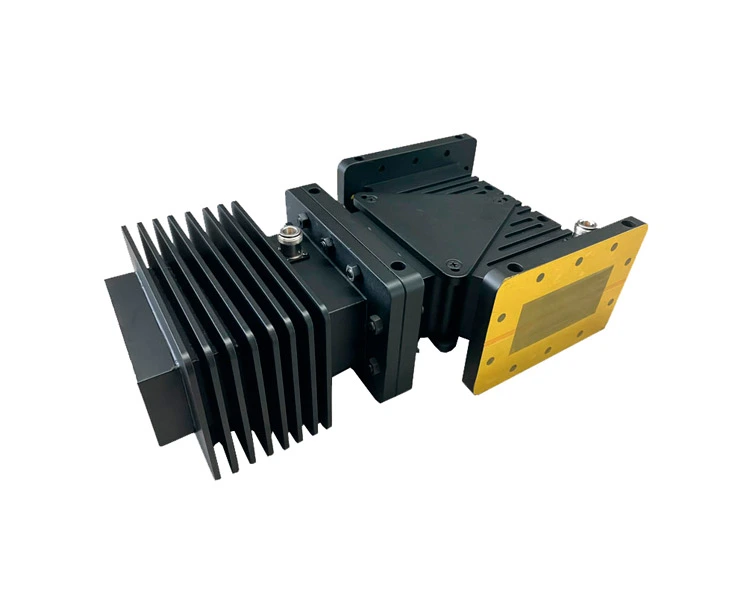
Low insertion loss isolators represent a critical breakthrough in RF and microwave signal management, enabling engineers to protect sensitive receiver components while preserving signal power. These specialized passive devices permit electromagnetic energy flow in one direction while blocking reverse signals, achieving this protective function with minimal signal degradation—typically under 0.5 dB at operational frequencies. By strategically placing ferrite materials within precisely machined waveguide or coaxial structures, these isolators deliver superior isolation performance (commonly exceeding 20 dB) without sacrificing the forward transmission efficiency that mission-critical systems demand.
Understanding Low Insertion Loss Isolators
Core Architecture and Operating Principles
Low-insertion-loss isolators work by using the Faraday rotation effect in ferrite materials that are in permanent magnetic fields. The circularly polarized electromagnetic wave goes through the ferrite joint with little loss when RF energy enters the device. Signals that are reflected and traveling in the opposite direction go through a phase shift that sends extra energy into a resistive load that is matched to the source instead of back toward it. This beautiful device protects power amps, frequency synthesizers, and other weak parts from reflections that could mess up the frequency or damage them permanently.
These days, designs have to find a mix between three different factors: insertion loss, isolation bandwidth, and power handling ability. Engineers in procurement departments need to know that complex ferrite compositions and tight mechanical tolerances are needed to get insertion loss below 0.3 dB over a wide frequency range. In high-altitude or vacuum applications, the waveguide geometry—whether it's a rectangular WR-series format or a precision coaxial configuration—has a direct effect on both the multipactor threshold limits and the amount of heat that is lost.
Critical Performance Specifications
When procurement experts look at these parts, they should focus on a number of measurable factors. Taking measurements of insertion loss across the whole operating band shows how well the device sends the messages that are wanted. The level of reverse signal suppression is described by the isolation specifications. This is usually done by measuring at the center frequency and band edges. Return loss numbers show how well the resistance matches, and values below -20 dB are usually fine for most uses.
It becomes clear that temperature stability is especially important for defense and aerospace systems that have to deal with extreme temperatures. The specs of quality isolators stay the same from -55°C to +85°C, with no performance change. Power handling rates, both average (CW) and peak, must match the output levels of the transmitter, with safety gaps built in to keep the ferrite from getting too hot or the resistive load from burning out. When there are a lot of carriers using the same system resources, intermodulation distortion traits become important.
Material Science and Manufacturing Precision
The ferrite materials inside these isolators are put through a lot of steps to make sure they have stable magnetic properties and low dielectric losses. When rare-earth elements are added to garnet, the mixtures work better at millimeter-wave frequencies, where regular ferrites have high loss tangents. Surface finish on waveguide walls directly affects insertion loss by lowering skin effect losses. This is why diamond cutting and electroplating are used by makers.
Key Benefits and Applications of Low Insertion Loss Isolators
Operational Advantages in System Design
These gadgets provide real benefits that lead to better system reliability and cost-effectiveness. By keeping the signal power, they lower the amplifier gain needed to make up for inactive losses. This means that in most send chains, power use drops by 15 to 25 percent. This increase in efficiency spreads through thermal management subsystems, making it possible for heat sinks to be smaller and cooling infrastructure to be less complex.
The safe separation stops load mismatch situations from making oscillators unstable or adjusting amplifier frequencies out of range. Isolators keep the radio stable and stop catastrophic breakdowns when antenna systems have ice buildup, mechanical damage, or changes in the VSWR caused by the environment. This advantage in reliability increases the mean time between failures (MTBF) and lowers the cost of field maintenance, both of which are very important for maritime and remote installations.
Defense and Aerospace Applications
In duplexing architectures, radar systems need isolators to separate the transmit and receive paths. Isolators are built into each broadcast module of a phased array antenna to stop elements from interacting with each other in a way that would mess up beam patterns. To meet the strict MIL-STD-810 environmental standards for shock, vibration, and high-altitude exposure, mechanical systems must be tough, with hermetic seals and construction that doesn't let water in.
Wideband isolators are used in electronic warfare (EW) systems to keep sensitive receivers safe from high-power signals that bounce off antennas and jam them. When GPS isn't available, navigation systems use isolators inside backup inertial measurement units that have RF parts added to them to improve their position. For these uses, performance degradation is not an option, so confirmed supply chain tracking and AS9100 manufacturing approval are very important things to think about when buying.
Satellite Communication Infrastructure
Low insertion loss isolators that keep insertion loss low across multi-GHz bandwidths are needed for ground station equipment that processes Ku-band and Ka-band signals. Because of how expensive satellite capacity is, every tenth of a decibel matters. For example, a 0.3 dB increase in link budget can make data flow 7% higher or the coverage area much larger. When placed between high-power amplifiers and antenna feed networks, isolators stop reflected energy from creating intermodulation products that break the rules for spectral masks.
Isolators that stop cross-channel crosstalk are helpful for teleport centers that handle dozens of carriers at the same time. When it rains, the weather causes signals to fade. This causes changes in impedance that isolators stabilize, keeping Quality of Service (QoS) promises. Because these systems have ongoing duty cycles, they need isolators that are designed to last for decades without losing their effectiveness.
Industrial and Research Environments
Isolators keep load-pull effects from happening, which would affect the accuracy of precision measurement systems that test device parameters. Cryogenic-compatible isolators that work at liquid helium temperatures are used in university research labs that are building quantum communication lines. Industrial plasma processing equipment has isolators that keep RF generators safe from the ionization chambers' highly variable impedance.
Comparing Low Insertion Loss Isolators With Other Optical Components
Performance Trade-offs Against Standard Isolators
Conventional isolators aim for maximum isolation, which is usually 30 dB or higher. They consider insertion loss values of 0.8 to 1.2 dB to be fair compromises. This trade-off might be worth it in situations where listener sensitivity is more important than broadcast speed. Low-insertion-loss isolator variants give up 5–10 dB of separation to get 0.2–0.4 dB of forward transmission loss, which is good for systems with limited power where every watt counts.
Cost factors play a role in this decision. Precision low-loss isolators cost 30–40% more than standard isolators that use less polished ferrite materials and looser mechanical limits. Procurement teams have to figure out the economics of the whole system. For example, premium isolators usually pay for themselves within 18 to 24 months of deployment thanks to the power savings from amplifiers and the longer component life due to less thermal stress.
Circulators: Functional Alternatives
Three-port circulators send signals in a certain order through each port, which lets emitters and listeners share antennas. By closing off the third port, circulators can be used instead of isolators, but their insertion loss is usually 0.2 dB higher because of more ferrite contacts. In duplexing situations, where send and receive messages use different frequency bands, they are better because they don't need separate diplexers.
Circulators make designs more difficult because they need to match the impedance of each port and are sensitive to changes in the load at the terminated port. Isolators make merging easier and reduce the number of ways something could go wrong. Defense contractors usually choose isolators for protection roles that only need to do one thing, while they save circulators for designs that don't have a lot of room and need to be able to do more than one thing.
High Isolation Variants
Isolation levels higher than 40 dB may be needed for certain tasks, like protecting oscillators or making receiver front ends less sensitive. These requirements can be met with resonant cavity designs or cascaded isolator stages, and insertion loss values of 1.5 to 2.0 dB are acceptable. When protecting expensive parts from damage that single-stage separation might not be able to stop, the extra loss is almost nothing.
Procurement Guide for Low Insertion Loss Isolators
Technical Evaluation Criteria
For procurement to work well, it starts with detailed specification sheets that procurement engineers should check against the needs of the application. Ask for S-parameter data across all operational bandwidths, not just performance at the center frequency. Temperature coefficient data shows whether specifications are still valid in harsh environments. Power derating graphs plot safe working limits against duty cycle and ambient temperature.
Specifications for mechanical interfaces are very important. Waveguide flange types (UG-series, military standard, or special) must fit perfectly with the parts next to them. The impedance of the system (50Ω or 75Ω) and the type of connection (SMA, N-type, 7-16 DIN) should match. Mounting tools, weight, and physical limits all affect how well something fits into tight spaces or is installed outside.
Supplier Landscape and Selection
There are well-known component makers, RF houses, and custom engineering firms in the global market. Large catalog sellers can deliver quickly on standard frequency bands, but they don't let you change many things about the products they sell. Boutique manufacturers offer solutions that are specifically designed to meet the needs of each customer, but they require longer lead times (8–12 weeks). Contract makers make goods for OEM customers who need private-label items or designs that are unique to them.

When looking at possible suppliers, check to see how well they can measure. You can get confirmed performance data from vendors whose network analyzer tools cover your frequency range and whose power meters have been calibrated. Find out if they can do failure analysis and apply statistical process control. Ask customers in your business segment for references and make sure they are happy with how quickly technical help responds.
Pricing systems are very different. Standard catalog items can be bought in bulk and discounted by 15–25% if you sign up for a yearly agreement. Custom designs come with one-time engineering fees that can be anywhere from $5,000 to $25,000, based on how complicated they are. Unit prices are discussed separately. Precision low insertion loss isolators cost 30–40% more than standard units, but five to ten prototype units help prove that the idea works before committing to larger production runs.
Logistics and Lead Time Management
Global supply chains have problems with missing parts and longer delivery times. During times of high demand, critical ferrite materials may be allocated, which could make lead times longer from 6 weeks to 4–5 months. Proactive procurement teams make framework agreements with suppliers to make sure that capacity is allocated and prices are protected against material inflation.
When sending things internationally, you need to think about things like export control categories for defense-related parts. Export Control Classification Numbers (ECCN) show if licenses from the Commerce Department are needed. Technical specs must be correctly described in customs paperwork so that clearance times are kept to a minimum. Choose suppliers that have experience with international logistics and take care of all the paperwork and rules that need to be followed.
Technical Overview and Future Outlook
Datasheet Interpretation Best Practices
Skilled procurement engineers make sure that the conditions in the specification fit the intended use that was meant. Take note of whether the insertion loss numbers show average or maximum values and whether tuned or as-shipped units were used for the measurements. It should be clear in the isolation specs what the measurement conditions are, like the input power level, temperature, and frequency points that are being checked. Datasheets that aren't clear should be clarified before a buy is made.
Performance verification should include third-party testing of important programs should be part of performance verification. Using calibrated equipment and standard procedures, independent test laboratories can check what suppliers say. This cost—usually $1,500 to $3,000 per device characterization—protects against disagreements over specifications and getting material that doesn't meet standards onto production lines.
Emerging Technology Trends
Additive manufacturing is changing the way isolators are made by making it possible to make them with complex internal shapes that were not possible with traditional cutting. 3D-printed waveguide structures with built-in isolator junctions make assembly easier and make it easier to do again and again. Even tho these ways are still being tested, they claim to cut costs by 30 to 40 percent in three years as the materials get better.
Instead of ferrite components, semiconductor-based non-reciprocal devices that use spatio-temporal modulation could be used. These electronic isolators don't use permanent magnets and have small sizes that make them suitable for integration into integrated circuits. They can only work below 20 GHz because of current insertion loss limits, but the study is still going on to make them work at millimeter waves by 2025 or 2026.
Nanostructured domains added to advanced ferrite compositions show improvements in insertion loss of 0.1-0.15 dB while maintaining isolation performance. Low-insertion-loss isolators using these materials allow for wider bandwidth coverage, which means they can deliver performance close to an octave in small sizes. Procurement strategies should keep an eye on these changes so that they can take advantage of next-generation features as soon as they are ready for production.
Conclusion
In conclusion, low-insertion-loss isolators solve some of the most important problems in RF system design by keeping weak parts safe and increasing signal efficiency. As frequency bands get bigger and power costs get smaller, their use in military, space, satellite communication, and industry keeps growing. When procurement professionals know about technical specs, application trade-offs, and the world of suppliers, they can help their companies put in place reliable, cost-effective solutions that meet strict performance standards for decades of operating life.
FAQ
What insertion loss values qualify as "low" for RF isolators?
How much insertion loss do low-insertion-loss isolators need to be considered "low"? Most people in the industry agree that insertion loss below 0.5 dB is "low" for most frequency ranges. Premium designs get 0.2 to 0.3 dB at microwave bands by using the best ferrite materials and making sure the parts are precisely machined. The acceptable level relies on the system's power budget. For example, satellite uplinks should aim for every 0.1 dB improvement, while point-to-point links on land may be okay with 0.6 dB if they save a lot of money.
How does ambient temperature affect isolator performance?
Changes in temperature can change the magnetic properties of ferrite and make metal parts bigger, which can change the resonant frequencies and make isolation worse. By using temperature-compensated ferrite compositions and controlled thermal expansion coefficients, quality isolators keep their specifications from -55°C to +85°C. Applications that work in harsh environments shouldn't just rely on specs for room temperature; they should also ask for performance data at temperature limits.
Can isolators handle both CW and pulsed signals?
They can handle both CW and pulsed signals, right? Isolators that are rated for continuous wave (CW) power can also handle burst signals as long as the peak power and duty cycle stay within safe limits. For short pulses less than 1 microsecond, peak power handling is usually 10–20 times higher than normal rates. For radar uses with high peak-to-average ratios, it's important to check with the makers to make sure the thermal and magnetic saturation gaps are correct.
What causes isolator failure in fielded systems?
What makes an isolator fail in a fielded system? Resistive load burnout from too much reflected power, ferrite demagnetization from burning, and mechanical damage to waveguide flanges are all common ways for devices to fail. Isolators that are placed near antenna connections without enough security are destroyed by lightning-caused surges. To get the most out of a system's operational life, it's important to choose an isolator with the right power margins, manage its temperature, and stop power surges.
Partner With ADM for Superior Low Insertion Loss Isolator Solutions
Advanced Microwave Technologies Co., Ltd. (ADM) has been making microwave components for more than 20 years and can help procurement teams find reliable low-insertion-loss isolator suppliers. Our ISO 9001-certified production methods and 24-meter anechoic chamber allow for precise performance testing up to 110 GHz, making sure that every part meets your exact needs. Our technical team works closely with your engineers from the prototype stage all the way through production, whether you need catalog waveguide isolators to be used right away or coaxial designs that are specifically engineered to meet the needs of your system. We know how important defense, aerospace, and satellite communication uses are, so our RoHS-compliant goods are shipped all over the world with full traceability documentation and quick customer service after the sale. Get in touch with craig@admicrowave.com to talk about your low insertion loss isolators for sale needs and find out how our OEM services can give you a competitive edge through customization, fast development, and the high-quality technical work that your mission-critical projects need.
References
1. Helszajn, J. (2018). Ferrite Phase Shifters and Control Devices. Institution of Engineering and Technology Press, London.
2. Linkhart, D.K. (2014). Microwave Circulator Design, 2nd Edition. Artech House Publishers, Norwood, MA.
3. Pozar, D.M. (2021). Microwave Engineering, 5th Edition. John Wiley & Sons, Hoboken, NJ.
4. IEEE Standard 455-1985 (Reaffirmed 2019). IEEE Standard Test Procedures for Measuring Longitudinal Balance of Telephone Equipment Operating in the Voice Band.
5. Tanaka, S. and Shimizu, N. (2017). "Low Insertion Loss Ferrite Isolators for Millimeter-Wave Applications," IEEE Transactions on Microwave Theory and Techniques, Vol. 65, No. 11, pp. 4321-4329.
6. U.S. Department of Defense (2020). MIL-STD-202H: Test Method Standard for Electronic and Electrical Component Parts. Defense Logistics Agency, Columbus, OH.
YOU MAY LIKE
 VIEW MORERF Power Detector
 VIEW MOREH-Plane Tee
 VIEW MOREWaveguide Electric Switch
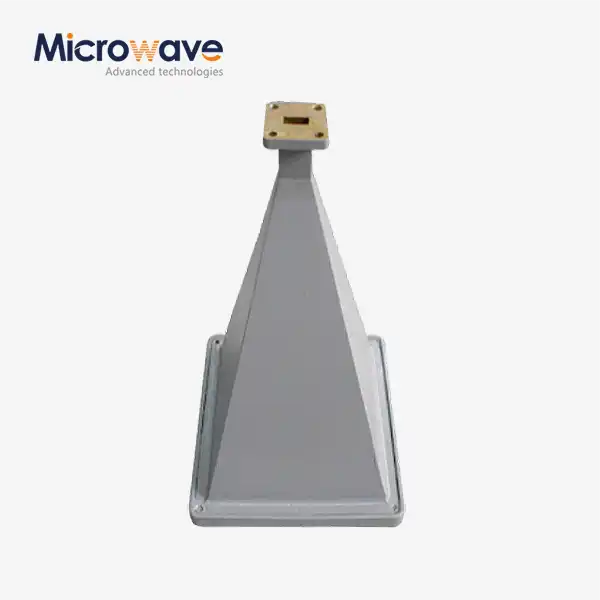 VIEW MOREPyramid Horn Lens Antenna
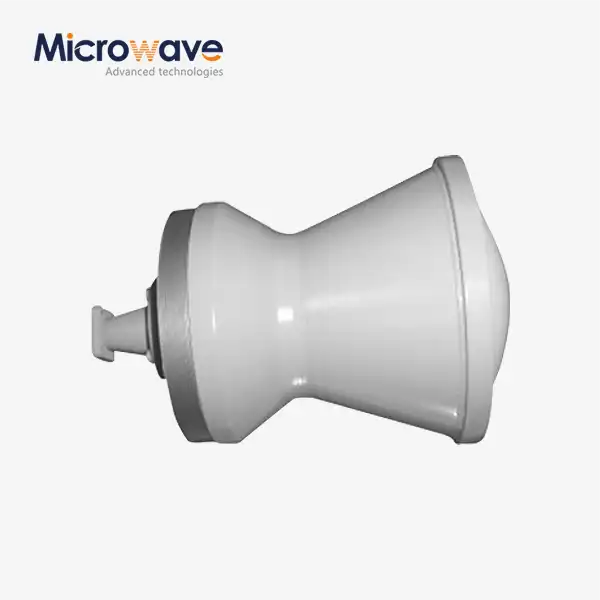 VIEW MOREPoint Focusing Horn Lens Antenna
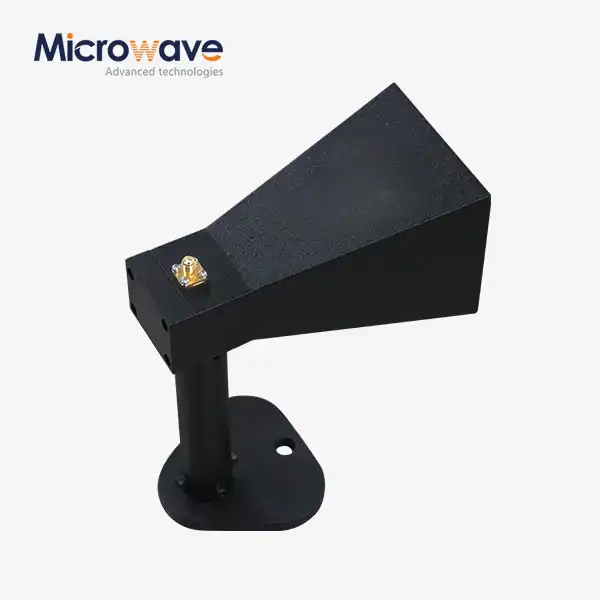 VIEW MOREMini Wideband Double-ridged Horn Antenna
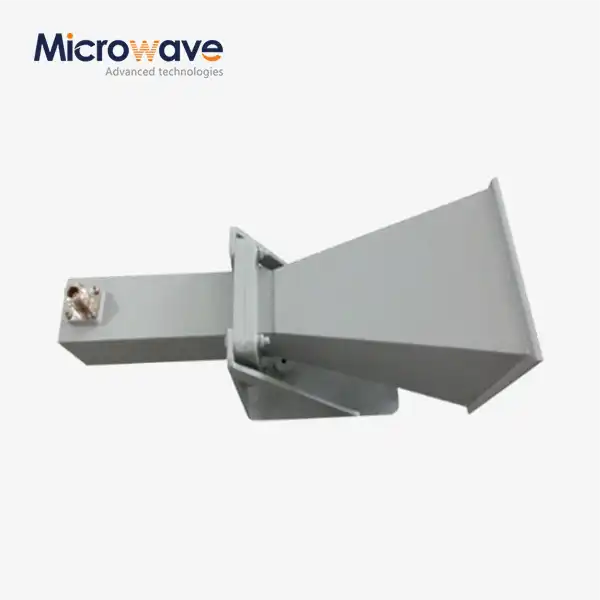 VIEW MORELadder Membrane Square Dual Circular Polarization Horn Antenna
 VIEW MOREQuadrifilar Helix Antenna