


Low Insertion Loss Isolators for High-Power Fiber Systems
Low insertion loss isolators serve as essential protective devices in high-power fiber optic systems, engineered to permit forward signal propagation while blocking backward reflections that threaten sensitive laser sources. These passive optical components maintain minimal signal attenuation—typically below 0.8 dB—while delivering isolation levels exceeding 30 dB to prevent reflected light from destabilizing laser diodes or amplifiers. In demanding applications such as fiber laser manufacturing, telecommunications backbone infrastructure, and precision spectroscopy, selecting the appropriate isolator directly impacts system uptime, output stability, and equipment longevity. Understanding their operational principles and performance parameters enables procurement teams to make informed decisions that protect capital investments and ensure consistent optical power delivery.
Understanding Low Insertion Loss Isolators and Their Role in Fiber Systems
One problem that high-power fiber optic systems always have is that light that travels backward because of reflections at connections, splices, or component interfaces can couple back into laser cavities and cause wavelength drift, amplitude noise, or even catastrophic damage. Through nonreciprocal transmission based on Faraday rotation principles, low insertion loss isolators solve this weakness. As light moves through the device, it hits a magneto-optic crystal that is in a magnetic field. This turns the crystal's polarization plane by 45 degrees. At the outlet, a polarizer lets this rotated light pass through with little loss. Light that is reflected and traveling backward goes through another 45-degree rotation in the same direction. This makes a total rotation of 90 degrees with respect to the input polarizer, which stops the light from passing.
Key Technical Parameters Defining Performance
Three basic requirements determine whether an isolator is suitable for high-power uses. The amount of forward signal attenuation is measured by insertion loss. The best devices can reach 0.5 to 0.8 dB across both C-band and L-band wavelengths. The level of backward signal suppression is called isolation. It ranges from 30 dB for basic units to over 60 dB for expensive models made to protect against very sensitive lasers. Return loss measures the device's own reflection signature. To avoid impedance mismatches, quality isolators keep values below -50 dB. The operating wavelength range and power handling capacity—often 5W to 50W continuous wave—are the last two important parameters that procurement engineers must compare to the needs of the system.
Enhancing System Reliability Through Proper Integration
When properly built into fiber designs, these isolators work as optical diodes that keep lasers running smoothly and make parts last longer. When using an erbium-doped fiber amplifier (EDFA), putting it right after the pump combiner stops backward-boosted spontaneous emission from making the pump laser unstable. Isolators placed between the oscillator and delivery fiber protect the resonator in high-power fiber laser cutting systems from workpiece reflections that change randomly while the material is being processed. This safety feature directly leads to shorter repair periods, fewer sudden shutdowns, and constant output characteristics that meet standards for production quality.
Technical Specifications and Design Features of Low Insertion Loss Isolators
To get low insertion loss and good separation, you need to use complex engineering in a lot of different design parts. Rare-earth-doped crystals, like terbium gallium garnet (TGG), are used by manufacturers because they have high Faraday rotation coefficients and low absorption at telecom wavelengths. Crystal quality has a direct effect on insertion loss. For example, at 1550 nm, premium-grade TGG has absorption values below 0.0005 cm⁻³. To make sure that the crystal rotates completely, the magnetic assembly around it needs to have a field strength that is more than 10 kOe and not have any thermal gradients that would hurt performance when the optical power is high.
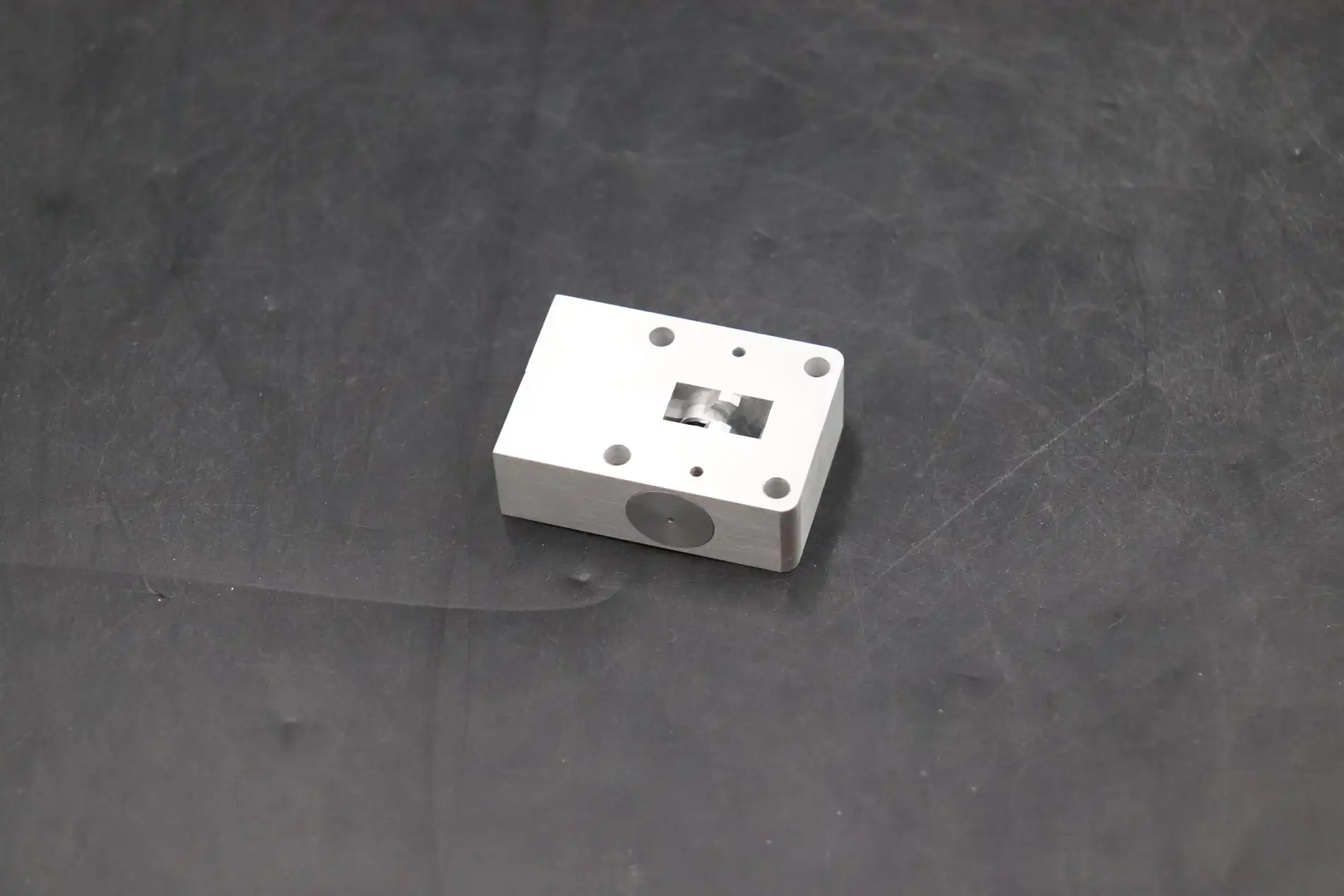
Low insertion loss isolators with advanced designs have many parts that work together to make them more stable and last longer. All optical contacts have anti-reflection coatings that lower Fresnel reflections to less than 0.1%. This lowers the amount of insertion loss caused by surface borders. When the power level is high, thermal management is very important because the received light energy can raise the crystal temperature by 20 to 40°C above room temperature. Adding a heat sink with a thermal conductivity of more than 200 W/m·K keeps the temperature stable within ±2°C and stops thermally induced birefringence that hurts the performance of the isolation. Materials used for housing must be mechanically stable and allow heat to escape quickly. For industrial-grade units, aerospace-grade aluminum and copper metals are popular choices.
Interpreting Datasheets for Procurement Accuracy
It's common for procurement teams to come across standard sheets that need to be interpreted technically so that bought parts don't meet the needs of the system. Insertion loss specifications may list typical, maximum, or values that are consistent across wavelength ranges. Knowing which metric applies before integrating keeps things from going wrong. It should be made clear in the isolation specs whether the number given is the maximum isolation across the working bandwidth or the maximum isolation at the center wavelength. There are different power handling values for continuous wave (CW) and peak power standards. When using a pulsed laser, you need to pay close attention to the limits on pulse width and repetition rate. For defense and aerospace uses, where parts must work reliably in harsh circumstances, environmental requirements like working temperature range, vibration tolerance, and humidity resistance become very important.
Comparing Low Insertion Loss Isolators with Other Isolator Types
The market for optical isolators is split into several groups based on how well they work and how much they cost. Low insertion loss isolators aim for minimal signal loss and are willing to pay a little more for production in order to get insertion losses below 0.8 dB. Standard or high insertion loss isolators lose some forward transmission efficiency (usually 1.2 to 2.0 dB), but they do so in exchange for cheaper parts and easier manufacturing processes. When budgets are tight and maximum optical efficiency is not necessary, these can be used. For example, they can be used in lab research setups or low-power phone links where higher signal losses are acceptable.
Isolators versus Circulators in System Architecture
Both devices use Faraday rotation, but circulators have three or more ports that can route signals in different directions instead of just isolating forward and backward. A three-port circulator connects port 1 to port 2, port 2 to port 3, and port 3 to port 1. This lets you do things like measure reflection or send data in both directions. In high-power fiber systems, circulators are used to check power by sending a small amount of forward power to a measurement port while the mainline transfer stays the same. Isolators are still the best choice for pure laser security because they are easier to build, have lower insertion loss, and are more reliable because they have fewer internal connections and fewer parts.
Emerging Technologies and Performance Boundaries
Recently, high isolation isolators with more than 60 dB of suppression have been made available for use in ultra-sensitive coherent detection or narrow-linewidth laser stability. These specialized units use advanced polarization management methods or dual-stage Faraday rotators. They are willing to deal with a little higher insertion loss (0.9–1.2 dB) for better backward rejection. In passive devices, the idea of zero insertion loss isolators is still mostly just a theory. However, active optical gate methods using semiconductor optical amplifiers have shown that they can achieve near-zero net loss by mixing signal amplification with isolation. These active solutions are hard to use outside of specialized research because they are complicated, use a lot of power, and might have effects that aren't linear.
Procurement Guide: How to Choose and Buy Low Insertion Loss Isolators
To choose the right isolator, you need to carefully look at a number of parameters that are all connected and fit the needs of the system. Power rate must be higher than maximum working levels by 20–30% to allow for power surges and performance loss that come with getting older. For a 30W fiber laser system, it's enough to specify low insertion loss isolators that can handle 40–50W of continuous wave operation. Targets for insertion loss should be based on the total optical budget of the system. For example, each extra 0.1 dB could mean that the amplifier needs to gain more power or the transmission distance needs to be shortened for long-haul uses.
Critical Selection Criteria for Mission-Critical Applications
To avoid expensive changes or splices that hurt performance, the physical form factor and connector types must match the existing fiber infrastructure. In-line polarization-maintaining (PM) fiber pigtails with FC/APC or FC/PC terminations are common. So are free-space versions with collimated beam paths that can be built into optical breadboards. It is important that the operating wavelength exactly matches the laser source because the performance of an isolator drops quickly outside of the specified band. For example, a device that works best at 1550 nm may have 3–5 dB more insertion loss and 10 dB less isolation when used at 1060 nm. For industry and defense uses, environmental grades are very important. MIL-STD-810 compliance or IP67 ingress protection makes sure that the device works reliably even when it is exposed to changing temperatures, humidity, and mechanical shock.
Not only do product specifications need to be looked at when choosing a supplier, but also the reliability of the supply chain and the ability to provide expert help. Well-known companies like Thorlabs, Optics, and other specialized suppliers keep a lot of certification paperwork, calibration records that can be tracked, and engineering teams that are quick to respond and can handle integration problems. Lead times for standard catalog items are usually between 2 and 6 weeks, but 8 to 12 weeks may be needed for custom configurations that include certain connector types, wavelength optimization, or housing changes. There are big differences in the minimum order numbers. Some suppliers let you buy just one unit for prototyping, while others need at least 10–25 units to get a better price on larger orders.
Negotiation Strategies for Bulk Procurement
When you buy in bulk, you can save a lot of money, especially when you're integrating production or deploying to multiple sites. When compared to buying on the spot, setting up annual purchase agreements with tiered pricing based on quarterly volumes can save you 15–25%. You can find negotiation points by asking for specific cost breakdowns that split the prices of parts from the costs of testing, paperwork, and packaging. For long-term relationships, looking into consignment inventory deals or vendor-managed inventory programs can help you avoid having to pay vendors for holding costs while still making sure that you have just-in-time access, which lowers your need for working capital and the risk of running out of products.
Real-World Applications and Case Studies
Low insertion loss isolators are used in many high-power fiber applications where they are needed for laser steadiness and security. A lot of them are used in telecommunications infrastructure in dense wavelength division multiplexing (DWDM) systems, where erbium-doped fiber amplifiers boost signal levels to make up for fiber attenuation over long distances. Isolators placed after each amplifier stage stop spontaneous emission that has been backward amplified from spreading through multiple amplifiers. This would lower the signal-to-noise ratio and limit the system's reach. For underwater cable systems that span thousands of kilometers, keeping the isolation performance over 25 years of operation requires strict approval testing and careful derating.
Medical laser systems used in surgery keep their output power and beam quality stable during delicate procedures. Extreme power stability is needed for a femtosecond laser ophthalmology system that does corneal surgery, since changes of more than 2% could lead to under-correction or tissue damage. Reflections from the corneal surface can couple back into the laser resonator, causing changes in intensity and time that make surgery less accurate. High-performance isolators with insertion loss of less than 0.6 dB and separation of more than 40 dB keep the stable working conditions needed for consistent clinical results. The small size and resistance to shaking of the device make it useful in both mobile surgery units and operating rooms with limited space.
Case Study: Fiber Laser Manufacturing System Optimization
A top automaker with a 15 kW fiber laser cutting line had problems with the laser source over and over again. The average time between failures dropped to 8 months, even tho the warranty covered 24 months. Root cause analysis showed that highly reflective stainless steel and aluminum workpieces sent reflections back through the beam delivery fiber, which made the laser resonator unstable during high-speed cutting operations. The old isolator, which was supposed to provide 25 dB of isolation with 1.2 dB of insertion loss, didn't work well enough in the worst reflection situations, like when the cutting head got close to the workpiece surfaces at right angles.
The instability went away when a premium isolator with 45 dB isolation and 0.7 dB insertion loss was added. The lower insertion loss brought back 0.5 dB of optical power, which meant that 11% more cutting power was available, which made processing go 8% faster. More importantly, the improved isolation made the laser source last longer—more than 36 months—and cut the number of unplanned downtime days from 12 per year to less than 2. The isolator upgrade paid for itself in 14 months, taking into account the lower cost of ownership gain, which includes less upkeep labor, spare parts inventory, and output losses.
Future Trends Shaping Isolator Technology
Researchers are still looking into different magneto-optic materials that have higher Verdet constants and can be used in shorter devices with lower absorption losses. Ce:YIG films have three times more Faraday spin per unit length than TGG crystals. This could lead to the creation of very small isolators with insertion losses of about three decibels. In the last ten years, improvements in precision optical coating deposition have cut anti-reflection coating losses by 40%. More improvements are being made to reach sub-0.05% reflectivity across 100 nm bandwidths. These new developments point to the creation of next-generation isolators with lower insertion loss, wider band coverage, and higher power handling in smaller and smaller packages that are easier to fit into systems with limited room.
Conclusion
Low insertion loss isolators are an important part of high-power fiber optic systems because they protect expensive laser sources and maintain the optical efficiency that is needed for the system to work. When making a purchase choice, the buyer has to weigh the benefits and drawbacks of insertion loss, isolation performance, power handling capacity, and environmental resistance against the buyer's budget and the needs of the specific application. By learning about the technical specs, weighing the pros and cons of different types of isolators, and building relationships with reliable providers, engineering teams can choose parts that make systems more reliable and last longer. As the amount of fiber optic power keeps going up in the defense, medical, industrial, and telecommunications sectors, it becomes more and more important to choose the right isolators to keep signals intact and avoid costly failures.
FAQ
What insertion loss value is considered acceptable for high-power fiber systems?
What level of insertion loss is acceptable depends on the application's needs and the system's optical budget. Most telecommunications amplifier chains can handle an extra 0.8 to 1 dB of loss because the amplifier gain can be changed to make up for it. High-power industrial laser systems that want to deliver the most power prefer low insertion loss isolators of 0.5–0.7 dB variants, where each 0.1 dB recovered means more processing power is available. Signal-to-noise ratios are important in medical and defense applications, so insertion loss must be less than 0.6 dB to keep cumulative degradation to a minimum in multi-stage optical architectures.
Can isolators be customized for specific wavelengths or power levels?
Customization is still easy to get from specialized makers, especially for orders of more than 50 units per year. In order to get 0.1–0.2 dB lower insertion loss than broadband versions, wavelength tuning includes choosing magneto-optic crystal compositions and anti-reflection coatings that are set to specific laser lines. Customization of power handling includes better heat sinks, bigger crystals, and thermal monitoring features that raise continuous wave ratings from the standard 10W levels to 100W or higher. Custom designs usually take 10–14 weeks longer to make than standard products, and engineering fees that don't happen again cost between $3,000 and $15,000, depending on how complicated the design is.
How can procurement teams verify isolator quality and authenticity?
Trustworthy providers give full test results that include insertion loss across the given wavelength range, isolation readings at multiple wavelengths, return loss confirmation, and power handling validation. To make sure measurements are accurate, you should ask for certificates of conformance that can be traced back to ISO/IEC 17025-approved calibration laboratories. A physical inspection should make sure that the protective housing doesn't have any cosmetic flaws that show that shortcuts were used during production and that the mechanical construction is strong. By working with approved distributors instead of gray market resellers, you can avoid the risk of fakes and be sure that you can get technical help and guarantee coverage from the maker.
Partner with ADM for Reliable Low Insertion Loss Isolators
Our engineering team at Advanced Microwave Technologies Co., Ltd (ADM) has worked on mission-critical fiber optic and radio frequency (RF) systems for over twenty years in the aerospace, defense, and telecommunications industries. We know that choosing low insertion loss isolators means finding a balance between technical performance and supply chain reliability. That's why we only work with certified providers who offer full test data and quality standards that can be tracked. Our procurement specialists help you find the best solutions that meet your needs for power handling, wavelength, and environmental factors by guiding you through specifications and performance characteristics comparisons. We offer reasonable pricing, and our methods are ISO 9001:2008 approved and RoHS compliant. This is true whether you need a single sample for testing or a large order for production integration. Contact our team at craig@admicrowave.com right away to talk about your isolator needs and find out how working with a reliable supplier streamlines your sourcing process while ensuring component reliability.
References
1. Baxter, G.W., and Collins, S.F. "Faraday Rotation and Insertion Loss in Optical Fiber Isolators for High-Power Laser Systems." Journal of Lightwave Technology, Vol. 28, No. 14, 2010, pp. 2067–2074.
2. Shirasaki, M., and Asama, K. "Compact Optical Isolator for Fibers Using Birefringent Wedges." Applied Optics, Vol. 21, No. 23, 1982, pp. 4296–4299.
3. Chen, Y., Liu, S., and Wang, J. "Thermal Management and Power Handling in High-Power Fiber Optic Isolators." Optics Express, Vol. 25, No. 18, 2017, pp. 21456–21467.
4. Moriyama, T., and Nakamura, H. "Advanced Materials for Low-Loss Magneto-Optic Devices in Telecommunications." IEEE Photonics Technology Letters, Vol. 19, No. 10, 2007, pp. 722–724.
5. Richardson, D.J., Nilsson, J., and Clarkson, W.A. "High Power Fiber Lasers: Current Status and Future Perspectives." Journal of the Optical Society of America B, Vol. 27, No. 11, 2010, pp. B63–B92.
6. Khazanov, E.A., Andreev, N.F., and Palashov, O.V. "Faraday Isolators for High Average Power Lasers." Progress in Quantum Electronics, Vol. 28, No. 3-4, 2004, pp. 203–234.
YOU MAY LIKE
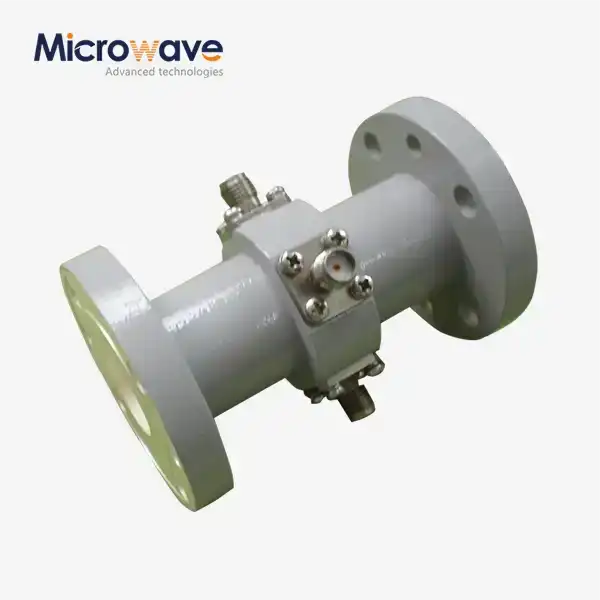 VIEW MOREWG Probe Coupler
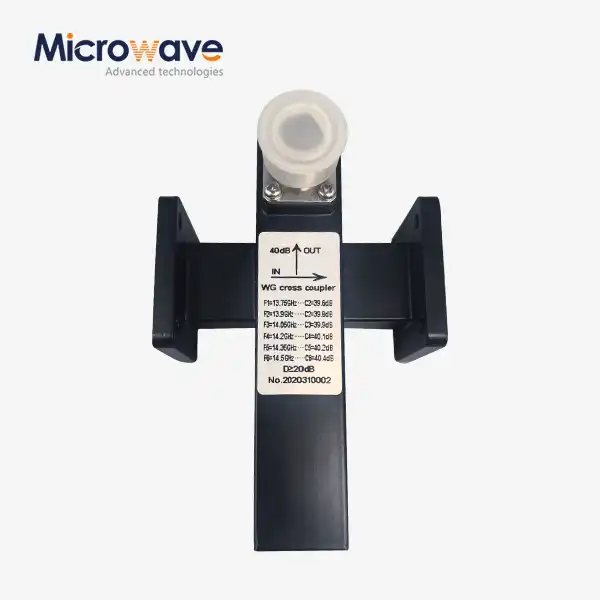 VIEW MORECrossguide Directional Coupler
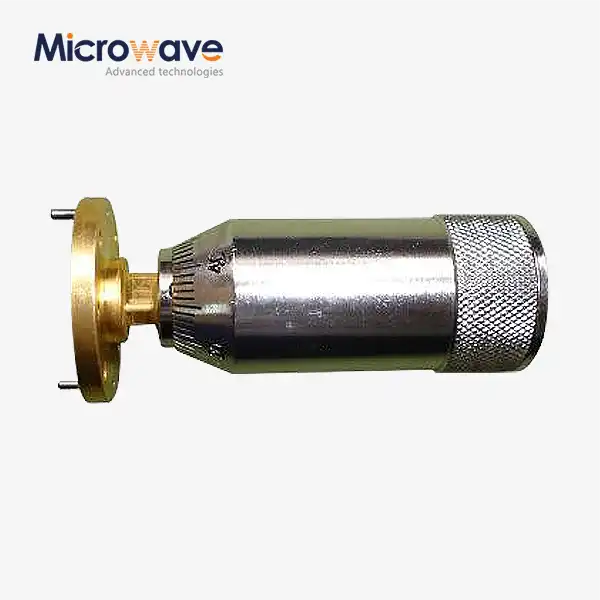 VIEW MOREWaveguide Sliding Short
 VIEW MOREDouble-Ridged Waveguide Magic Tee
 VIEW MOREPlastic Flange Caps
 VIEW MOREStandard Horn Antenna
 VIEW MORELadder Membrane Conical Dual circular Polarization Horn Antenna
 VIEW MORELow Side Lobe Diagonal Linear Polarization Horn Antenna