




How Does a Waveguide Terminator Reduce Signal Reflections?
A waveguide terminator stops electromagnetic energy at the end of a transmission line so it doesn't bounce back toward the source. This lowers signal echoes. The resistance materials used in this part are carefully intended to turn RF energy into heat, which makes the impedance matching almost perfect. Waveguide terminators keep signals pure, keep sensitive amplifiers safe, and make sure readings are correct in test settings by getting rid of reflected waves. This makes the system work better in radar, satellite transmission, and microwave detection, all of which would have problems if echoes weren't managed and signal quality went down.
Understanding Waveguide Terminators and Their Role in Signal Reflection Reduction
Every break or mismatch in the resistance of high-frequency radio frequency systems causes energy to be mirrored and move backwards through the transmission line. Waveguide terminators are the last parts of waveguide systems. They take in this useless energy before it can mess up signals being sent or hurt active parts. These passive devices are very important for keeping signal surroundings clean in mission-critical situations.
The Physics Behind Reflection Control
When electromagnetic waves hit an open waveguide end or a load that isn't well matched, the quick change in resistance makes some of the signal bounce back. The Voltage Standing Wave Ratio (VSWR) goes up because of this event. VSWR is a key measurement that shows how much power is returned versus transferred. When VSWR values are high, it means that the impedance matching is bad, which can cause power loss, signal confusion, and possibly warming of emitter parts. A well-designed waveguide terminator has an impedance that is very close to the waveguide's characteristic impedance, which is usually 50 ohms for coaxial systems or the modal impedance for rectangular waveguides working in the TE10 mode.
Application Environments Demanding Precision Termination
Satellite ground stations use waveguide terminators to separate feed networks and switches with empty ports. This stops unwanted echoes that could mess up weak signals coming in from space. These parts are used in defense radar systems to keep high-power klystrons and solid-state amplifiers safe from reflected energy that might be too high for safe operation. Terminators are used in research labs to make sure that measures of antenna patterns are accurate by absorbing signals at test points that aren't being used. All of these uses have one thing in common: they need to work reliably and consistently even when they are exposed to different weather conditions like high and low temperatures, vibrations, and high and low humidity.
Protection of Sensitive System Components
Waveguide terminators protect expensive RF sources in important ways that go beyond signal quality. When mirrored power is higher than the reverse power limits of solid-state power amplifiers and vacuum tube emitters, they can fail in a very bad way. Terminators protect against these kinds of mistakes by collecting energy instead of returning it. This safety feature is especially useful in automatic systems where workers can't keep an eye on VSWR levels all the time. When you properly close useless ports and test sets, you can rest easy knowing that your equipment will last longer and cost less to maintain.
Core Design Principles and Types of Waveguide Terminators
A good waveguide terminator design combines many technical needs, such as frequency bands, power handling ability, physical size limits, and heat management. Knowing about these design factors helps buying teams choose parts that will work well for as long as they are supposed to.
Material Selection for Energy Absorption
Every waveguide terminator has a resistance element at its core. This element controls losses to turn electromagnetic energy into heat. Carbon-loaded ceramics, silicon carbide alloys, and carefully made lossy dielectrics are all common materials. These materials were chosen based on how well they absorb electromagnetic waves in certain frequency bands. Because they have known loss vector qualities, carbon-based absorbers work well in X-band (8–12 GHz) and Ku-band (12–18 GHz) uses. Silicon carbide can handle higher power levels and higher temperatures, which means it can be used in high-power radar systems. How slowly the impedance changes from the waveguide's characteristic impedance to the resistive load, reducing leftover echoes, depends on how these materials are arranged geometrically inside the waveguide structure.
Geometric Configurations and Frequency Optimization
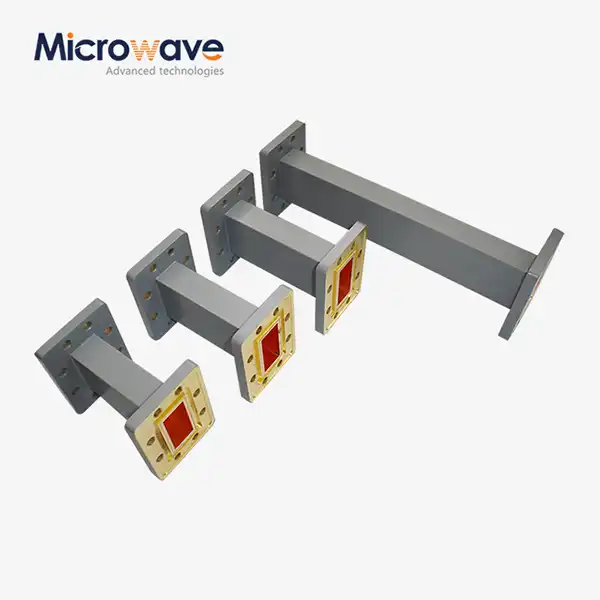
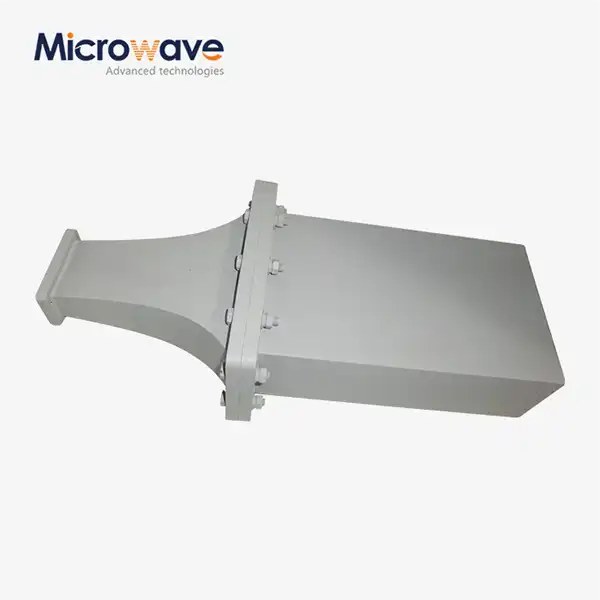
To make smooth impedance changes, waveguide terminators use curved shapes. As the wave travels, a wedge-shaped absorber gradually adds more resistance loading. This stops sudden changes in impedance that could cause echoes. The length of the taper depends on the frequency. Longer taper lengths offer wider bandwidth performance but take up more room. Using improved taper profiles from electromagnetic modeling, small designs give up some bandwidth in exchange for being smaller. To make sure the waveguide works with the system's current setup, its cross-sectional measures must match common flange types like WR-90, WR-112, or WR-137. Custom shapes can be made for non-standard uses, but they usually come with longer wait times and higher unit costs.
Categorizing Terminators by Application Requirements
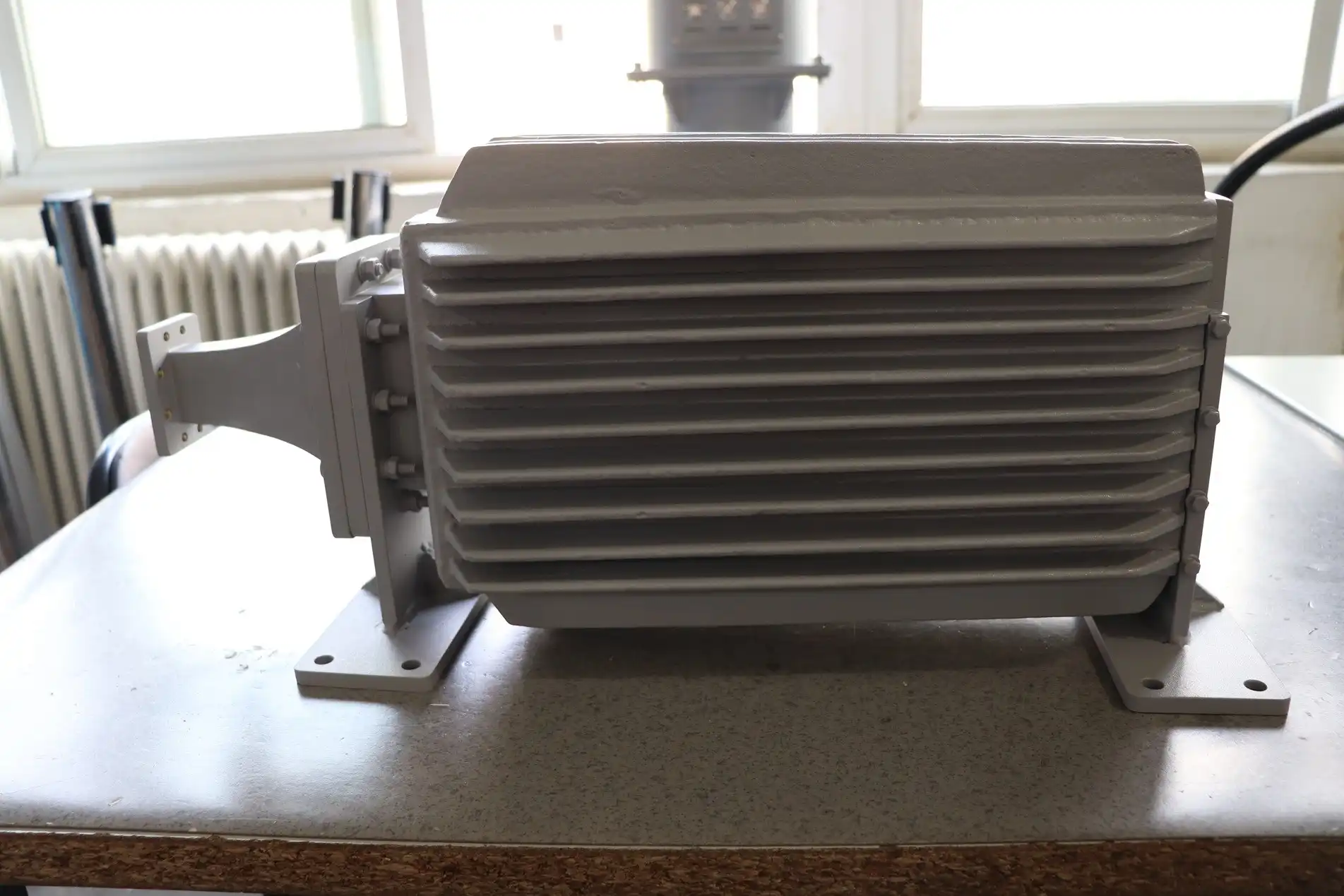
These all-purpose devices, called load terminators, can handle modest power levels (usually up to 10 watts on average) and have VSWR performance better than 1.2:1 across their stated frequency band. They can be used for testing in the lab, calibrating network analyzers, and keeping empty ports safe on multi-port parts like switches and circulators.
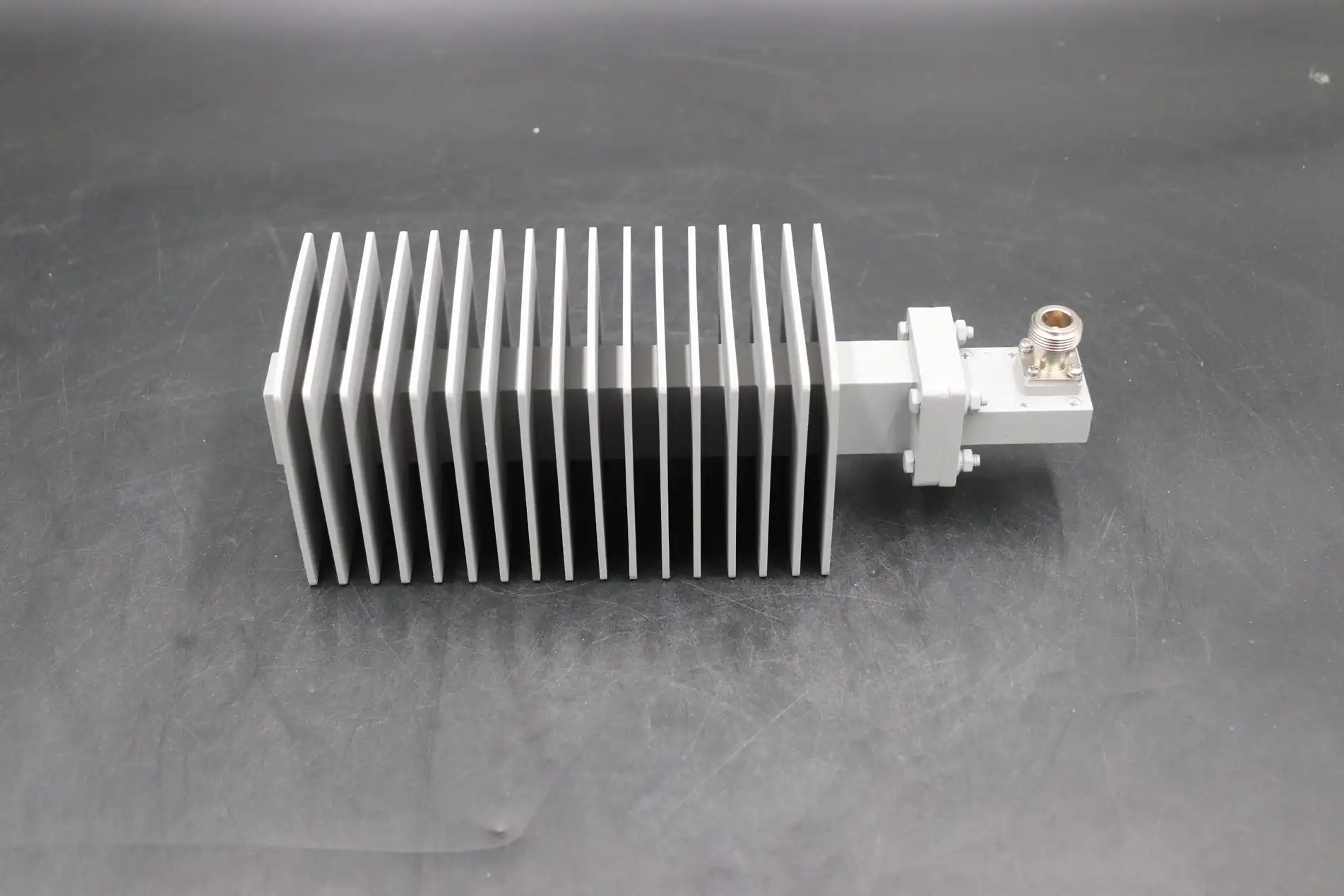
- High-Power Dummy Loads: These strong terminators are made to get rid of kilowatts of continuous or pulsed RF energy. They have advanced thermal management with finned heat sinks, forced-air cooling, or liquid cooling systems. These special loads are needed during system testing and maintenance for defense uses that send out high-power radar bursts.
- Precision Matched Loads: These high-quality terminators have a VSWR performance of 1.05:1 or better, making them ideal for measuring applications that need to reduce measurement error as much as possible. These devices are used by calibration labs and radio test ranges to set reference conditions that are needed for accurate measurement work.
Which of these groups you choose relies on how your system works. It's important that the power-handling capacity be higher than the peak power levels with a safety buffer of at least one. The frequency coverage should cover your working band with room for harmonic content, and the VSWR specs should match the budget for reflection in your system.
Waveguide Terminators Compared: Choosing the Right Solution
Procurement decisions involve weighing multiple factors beyond basic technical specifications. Understanding how waveguide terminators differ from alternative RF components and how various terminator types compare helps purchasing teams optimize both performance and budget.、
Functional Distinctions from Related Components
Attenuators reduce signal amplitude while allowing controlled transmission through the device, whereas waveguide terminators absorb virtually all incident energy with minimal transmission. Circulators route signals between ports with directional preference, providing isolation between source and load, but terminators are installed at ports requiring complete absorption. Switches redirect signals between multiple paths, while terminators simply absorb energy at a fixed location. Recognizing these functional differences prevents misapplication and ensures components are specified correctly for their intended role. A common procurement error involves attempting to use an attenuator as a terminator, resulting in inadequate power handling and potential damage to downstream components.
Selection Criteria for Optimal Performance
When evaluating waveguide terminator options, power rating deserves primary consideration. Average power handling indicates continuous dissipation capacity, while peak power specifications address pulsed applications. Operating frequency range must encompass your entire transmission band, including any harmonic content that might be present. VSWR specifications directly impact system performance, with lower values producing less reflection. Physical dimensions and mounting configurations must fit available installation space and mate with existing waveguide flanges. Environmental ratings including temperature range, humidity resistance, and shock/vibration tolerance should match deployment conditions. Cost considerations extend beyond unit price to include shipping, installation labor, and lifecycle costs associated with potential replacement frequency.
Matched Load Terminology and Application Distinctions
The terms "waveguide terminator" and "matched load" are often used interchangeably, though subtle distinctions exist in common industry usage. Matched loads typically emphasize precision impedance matching for measurement applications, while terminators may describe more general-purpose absorption devices. Both accomplish the same fundamental function of absorbing RF energy to prevent reflections. The key differentiation lies in VSWR performance specifications and intended application rather than operational principle. When reviewing supplier catalogs and datasheets, verify the specific VSWR and power handling specifications rather than relying solely on nomenclature to determine component suitability.
Understanding these comparative factors allows procurement teams to create meaningful evaluation criteria when requesting quotes from multiple waveguide terminator suppliers. Developing a clear requirements matrix covering power handling, frequency range, VSWR performance, environmental conditions, and budget constraints streamlines vendor communication and ensures quotations address actual needs rather than generic offerings.
How to Test and Verify Waveguide Terminator Performance?
Validation testing confirms that waveguide terminators meet performance specifications and function correctly within your system. Establishing test protocols during acceptance inspection and periodic maintenance intervals protects against degraded components compromising system operation.
Measurement Techniques Using Network Analyzers
Vector network analyzers provide the most comprehensive characterization of waveguide terminator performance. Connecting the terminator to a calibrated test port allows measurement of the reflection coefficient (S11), which quantifies how much incident power reflects back. This complex parameter captures both magnitude and phase information, enabling calculation of VSWR and return loss. Performing swept-frequency measurements across the terminator's rated bandwidth reveals whether performance remains within specifications across all operational frequencies. Modern network analyzers display results in multiple formats, including Smith charts, rectangular plots, and tabular data, allowing engineers to quickly assess conformance to specifications. Proper calibration using precision standards traceable to national metrology institutes ensures measurement accuracy sufficient to verify terminator specifications that may claim VSWR values of 1.05:1 or better.
Power Handling Verification Procedures
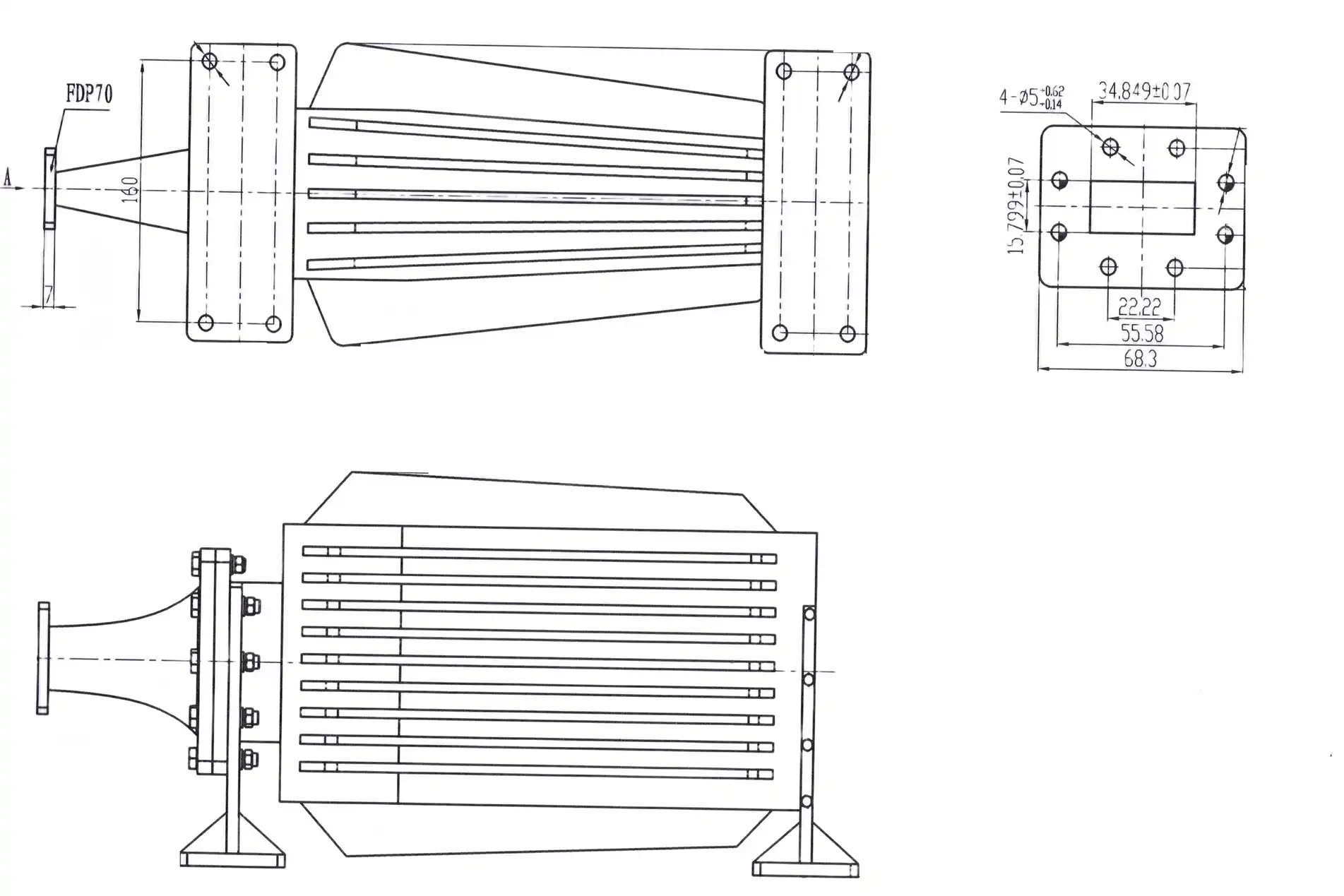
Testing power dissipation capacity requires specialized equipment and safety precautions. Applying RF power at increasing levels while monitoring terminator temperature with thermocouples or infrared cameras reveals thermal performance. The terminator should stabilize at a safe temperature below material thermal limits when subjected to its rated average power. Pulsed power testing verifies peak power handling without damage to internal absorber materials. These destructive test limits mean that production units rarely undergo full power verification, with manufacturers instead qualifying designs through sample testing and providing conservative ratings. Incoming inspection at receiving facilities typically verifies VSWR performance rather than power handling, relying on manufacturer certifications for power specifications.
Identifying Performance Degradation Indicators
- Elevated VSWR: Measurements exceeding datasheet specifications indicate impedance mismatch, possibly from damaged absorber materials or contaminated internal surfaces.
- Physical Damage: Cracks in absorber materials, corrosion on flanges, or bent waveguide walls compromise performance and require immediate replacement.
- Thermal Anomalies: Unexpected temperature rise during operation suggests reduced power handling capacity, potentially from aging absorber materials.
- Frequency-Dependent Variation: Performance degradation at specific frequencies may indicate resonance issues or partial failure of tapered impedance matching structures.
Implementing scheduled inspection intervals based on operational hours or calendar time helps catch degrading components, including waveguide terminator units, before they impact system performance. Documentation of test results creates a performance history enabling trend analysis and predictive maintenance scheduling. This proactive approach minimizes unexpected failures and maintains consistent system operation.
Conclusion
Waveguide terminators play an indispensable role in RF and microwave systems by absorbing electromagnetic energy and preventing signal reflections that would otherwise degrade performance and damage components. Understanding their design principles, application requirements, and performance characteristics enables informed procurement decisions that optimize both technical performance and budget considerations. Testing and verification protocols ensure components meet specifications throughout their service life, while strong supplier relationships facilitate reliable sourcing. Whether protecting high-power radar transmitters, enabling precision antenna measurements, or ensuring satellite ground station signal integrity, properly specified waveguide terminators contribute to system reliability and longevity.
FAQ
1. What distinguishes a waveguide terminator from a dummy load?
The terms describe similar functions with subtle emphasis differences. Waveguide terminators typically refer to components mounted at waveguide ends to prevent reflections, while dummy loads often describe devices specifically designed for high-power testing applications. Both absorb RF energy and convert it to heat, accomplishing the same fundamental purpose. The practical distinction lies in application context and power handling specifications rather than operational principle.
2. Can waveguide terminators handle high-power radar applications?
Specialized high-power waveguide terminators are specifically engineered for this purpose, incorporating advanced thermal management through heat sinks, forced-air cooling, or liquid cooling systems. These robust devices dissipate kilowatts of continuous or pulsed energy safely. Standard laboratory terminators typically handle only moderate power levels and should not be used in high-power applications without verifying adequate power ratings. Always confirm that power specifications include appropriate safety margins beyond your maximum operating levels.
3. How frequently should waveguide terminators undergo performance testing?
Establishing a testing schedule based on your application's criticality and operating conditions ensures reliability. High-power applications warrant more frequent inspection, perhaps quarterly or semi-annually, while low-power laboratory setups might require only annual verification. Testing after any system modification or suspected performance degradation helps identify issues promptly.
Connect with ADM for Precision Waveguide Terminator Solutions
At Advanced Microwave Technologies Co., Ltd., we bring over twenty years of specialized experience to every waveguide terminator we manufacture. Our ISO 9001:2015 certified production facilities and RoHS-compliant processes ensure components that meet the demanding standards of defense, aerospace, satellite communication, and research applications. Whether you need standard catalog terminators or custom-engineered solutions for unique frequency bands and power requirements, our technical team collaborates with you to specify optimal components for your system architecture.
Our 24-meter microwave darkroom and testing capabilities extending to 110 GHz enable rigorous performance verification before shipment, providing confidence that every waveguide terminator meets its published specifications. We understand the procurement challenges faced by system integrators and OEM, offering competitive pricing for bulk orders, rapid prototyping for development programs, and reliable delivery schedules that keep your projects on track. As an established waveguide terminator manufacturer with global logistics capabilities, we support customers throughout the United States and internationally with technical consultation, application guidance, and responsive after-sales support.
Contact our engineering team at craig@admicrowave.com to discuss your specific waveguide terminator requirements. We'll work with you to identify the optimal solution considering power handling, frequency coverage, VSWR performance, and environmental conditions. Request a detailed quotation today and experience the quality and service that have made ADM a trusted partner for mission-critical microwave components.
References
1. Pozar, David M. Microwave Engineering, 4th Edition. John Wiley & Sons, 2011.
2. Balanis, Constantine A. Advanced Engineering Electromagnetics, 2nd Edition. John Wiley & Sons, 2012.
3. Rizzi, Peter A. Microwave Engineering: Passive Circuits. Prentice Hall, 1988.
4. Collin, Robert E. Foundations for Microwave Engineering, 2nd Edition. IEEE Press, 2001.
5. Montgomery, C.G., Dicke, R.H., and Purcell, E.M. Principles of Microwave Circuits. MIT Radiation Laboratory Series, Dover Publications, 1965.
6. Harvey, A.F. Microwave Engineering. Academic Press, 1963.