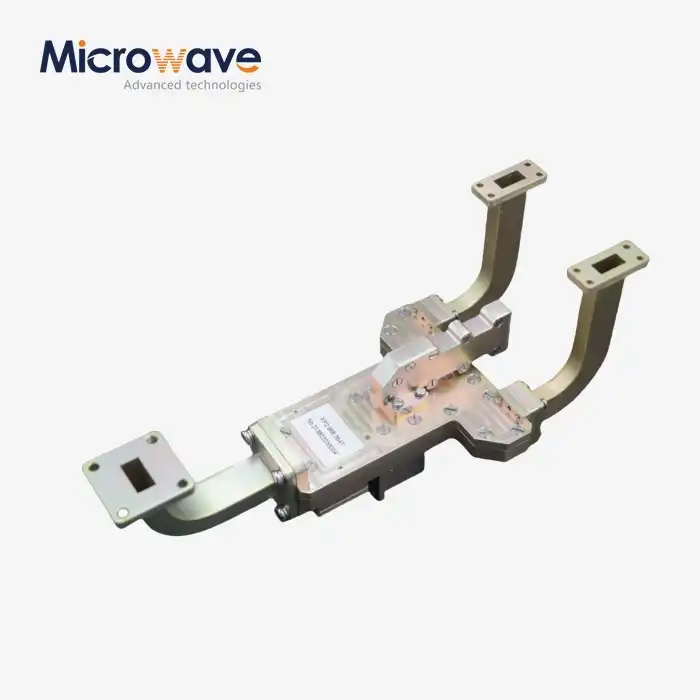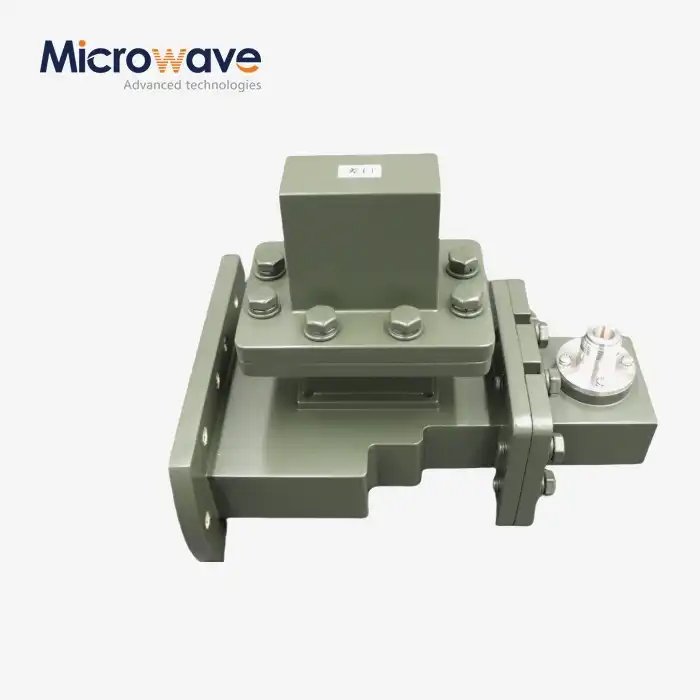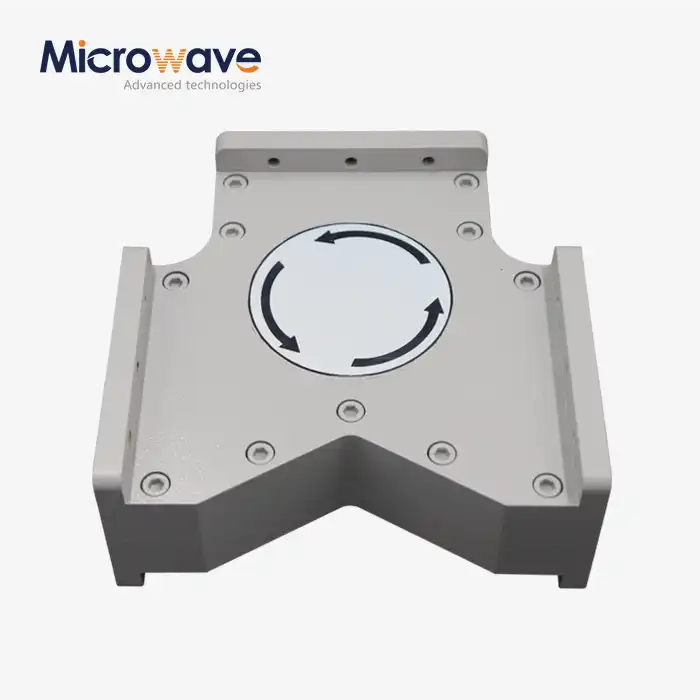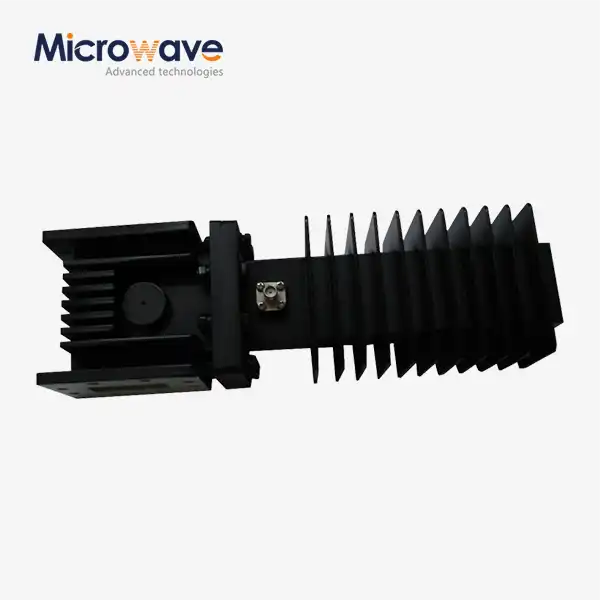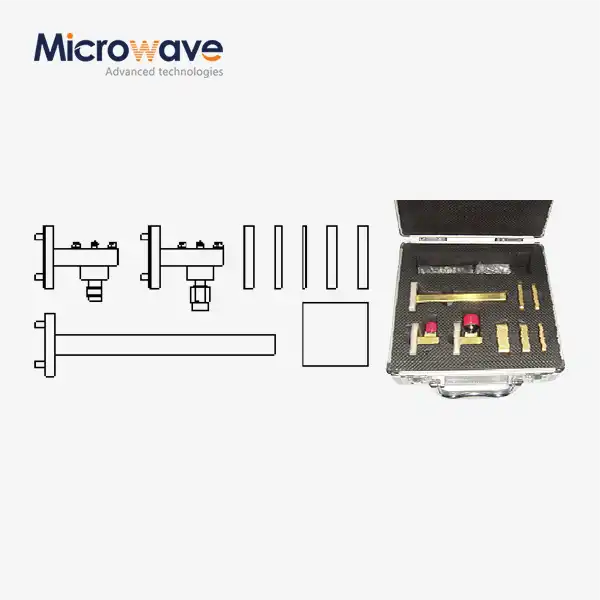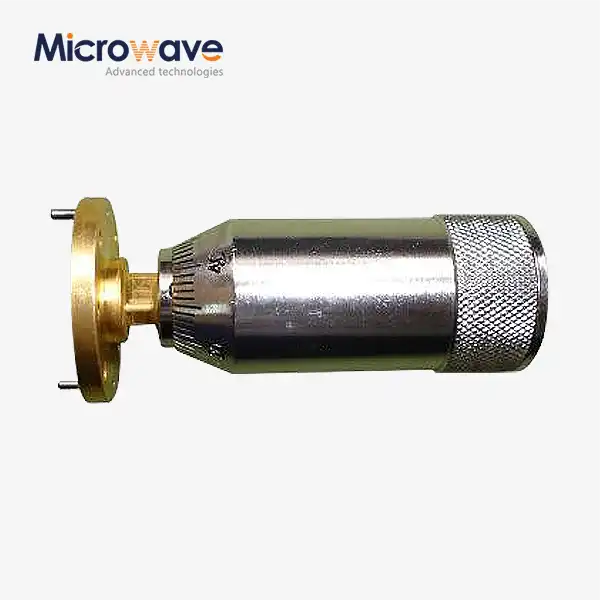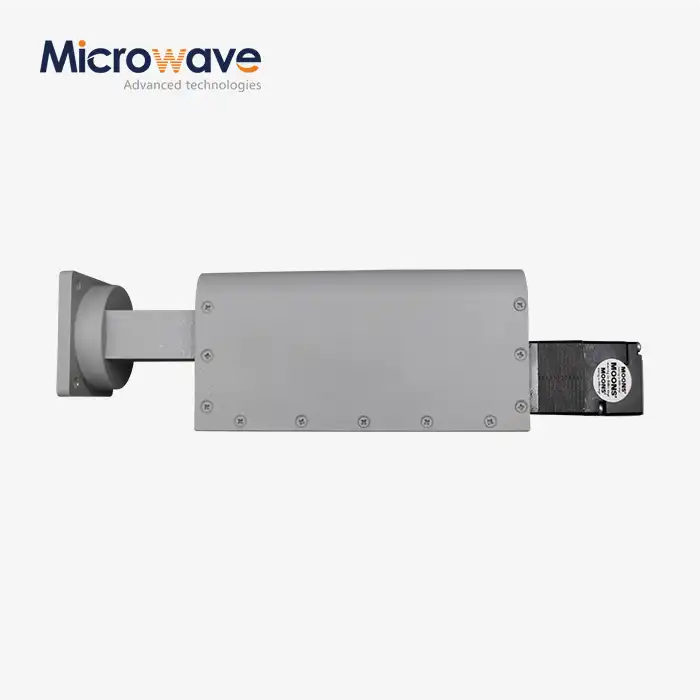





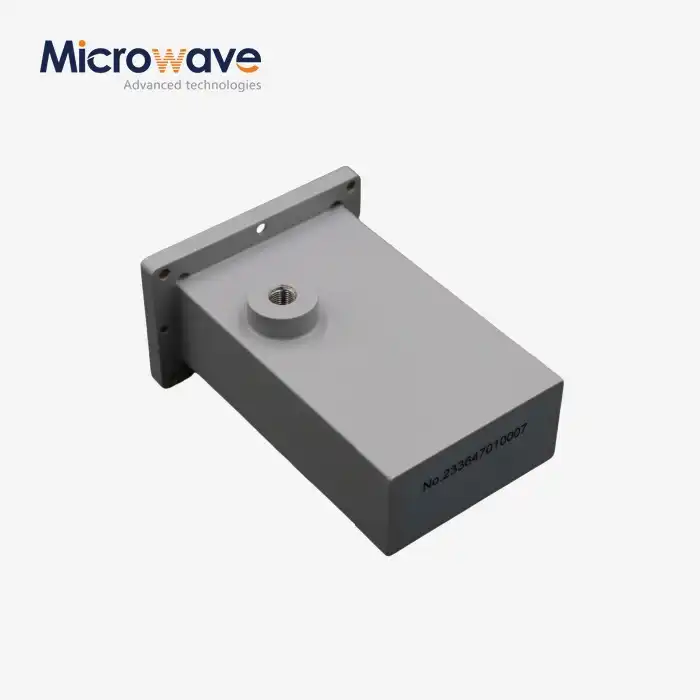
WG Termination
WG Termination for Waveguide Systems | Low VSWR Precision Load Solutions
Advanced Microwave Technologies (ADM) creates and makes WG Termination products for engineers who need to end signals reliably and with low bounce across the whole waveguide bandwidth. Each unit has a precise conical load element that keeps the VSWR below 1.05, which means they can be used in test systems, satellite ground equipment, aerospace assemblies, and RF lab work where signal integrity and port matching are important. Customers in the satellite communication, aerospace, microwave measurement, and RF system development industries buy these parts from ADM.
What Is a WG Termination?
A waveguide termination is a passive microwave part that is put at the end of a waveguide transmission line to soak up signal energy and stop it from being reflected. Without the right end, energy bounces back along the line, creating standing waves that hurt the performance of the system.
When a product is well-designed, VSWR stays very low—in the case of ADM, below 1.05—which means that almost all power that comes in is received with little reflection. This is important for test setups, signal measurement systems, and any RF chain that needs to match ports correctly.


Key Electrical Performance
ADM's WG Termination is built around one core design goal: consistent impedance matching across the full waveguide bandwidth. The precision conical load element geometry distributes absorbed power evenly, reducing hotspots and maintaining stable performance over time.
This design results in consistent return loss performance, making these terminations suitable for use in both bench test equipment and installed system environments.
Parameter | Specification |
VSWR | < 1.05 (full waveguide bandwidth) |
Load Element Type | Precision Conical |
Power Rating | Low-power input |
Operating Frequency | Full standard waveguide bandwidth |
Material and Construction
The internal conical load element is cut to make a smooth impedance change from the waveguide to the absorbing material. This keeps reflections to a minimum at the change point.
The outside of the body is made of materials that were chosen for their mechanical strength and RF performance. Standard tolerances are used to machine flange interfaces so that they can make secure, repeatable connections with waveguide parts that fit.
Surface treatments are used to keep the product's low-loss internal conductivity and stop it from oxidising over its service life. This is important in places where long-term stability is needed.
Applications
People use ADM's products when they need to properly terminate an unused waveguide port or separate a test port. Some common use cases are:
· Microwave and millimeter-wave test systems — terminating unused VNA ports or signal generator outputs
· Satellite communication ground equipment — preventing reflections in feed networks and signal chains
· Aerospace and radar systems — maintaining signal integrity in precision RF assemblies
· R&D and laboratory environments — providing stable reference loads during component characterization
The sub-1.05 VSWR specification provides a clean, predictable load with minimal impact on surrounding circuit behavior, which is particularly useful in measurement and calibration work.
Testing and Verification
ADM tests microwave parts in-house with a 24-meter microwave darkroom and a facility for measuring near and far fields. The frequency range for testing goes from 0.5 GHz to 110 GHz, so it can handle goods from standard microwave bands to millimeter-wave frequencies.
S-parameter testing with a Vector Network Analyser (VNA) is done on every termination. The VSWR specification is backed up by measured data from individual units, which checks the return loss and reflection properties before shipping.
The engineering team at ADM also works with custom setups. The team can work directly from your specifications if your system needs a certain type of flange, waveguide band, or size change.
Customization and Supply Options
ADM gives you choices for ordering both small amounts for prototypes and large amounts. You can get standard WG Termination waveguide band terminations, and ADM's engineering team can also make custom configurations.
Supply options include:
· Standard waveguide band terminations (various flange interfaces)
· Custom frequency range or mechanical configurations
· Engineering support for system integration requirements
· In-house measurement and documentation for each order
For single units needed for a test bench or production batches for a system build, contact ADM to confirm availability and lead time based on your specific configuration.
FAQ
Q: In real life, what does a VSWR of less than 1.05 mean?
A: If the VSWR is less than 1.05, it means that very little power is being returned to the source—less than 0.06% of the power that came in. This makes a load that is well-matched and has almost no effect on the rest of your RF chain.
Q: What level of power does this product work with?
A: The standard termination series from ADM is made for low-power input uses. It's not meant to be used with high-power transmitter outputs. Get in touch with ADM to talk about your needs if you need high-power terminations.
Q: How is the VSWR standard checked?
A: A Vector Network Analyser (VNA) is used to test all units and measure S-parameters, such as return loss (S11). ADM can test from 0.5 GHz to 110 GHz in-house, which helps with accurate and tracable readings.
Q: What kinds of waveguide bands and flanges are there?
A: ADM works with standard waveguide bands and standard flange interfaces. You can find out about specific band availability and custom configurations by emailing craig@admicrowave.com to ADM.
Q: Can ADM supply terminations with documentation for aerospace or satellite applications?
A: Each order goes through in-house testing and paperwork as part of ADM's process. For specific documentation needs, get in touch with the engineering team to make sure you know what can be sent with your order.
Q: In general, how long does it take to make standard and unique terminations?
A: Lead times depend on the amount and the way it is set up. Before the lead time can be confirmed, the engineering team has to look over the custom designs. For a timeline, email craig@admicrowave.com with your needs.
Contact Us
To discuss your WG Termination requirements or request a quote, contact ADM's engineering team directly at craig@admicrowave.com.