





How does a spiral antenna work?
When procurement spiral antenna engineers evaluate RF components for mission-critical radar, satellite telemetry, or electronic warfare systems, they often encounter a persistent challenge: conventional antennas that operate efficiently across narrow bandwidths force system designers to integrate multiple antenna arrays, increasing Size, Weight, and Power (SWaP) constraints and integration complexity. A spiral antenna addresses this industrial pain point by leveraging frequency-independent geometry to maintain consistent impedance and radiation characteristics across multi-octave bandwidths—often spanning 10:1 frequency ratios or greater. Unlike resonant structures tuned to specific wavelengths, the spiral configuration radiates from an active region that shifts along the antenna arms as frequency changes, enabling a single aperture to replace multiple narrowband elements while delivering inherent circular polarization essential for mitigating multipath fading in mobile aerospace platforms.
Understanding Spiral Antennas: Design Principles and Theory
Fundamental Operating Principles
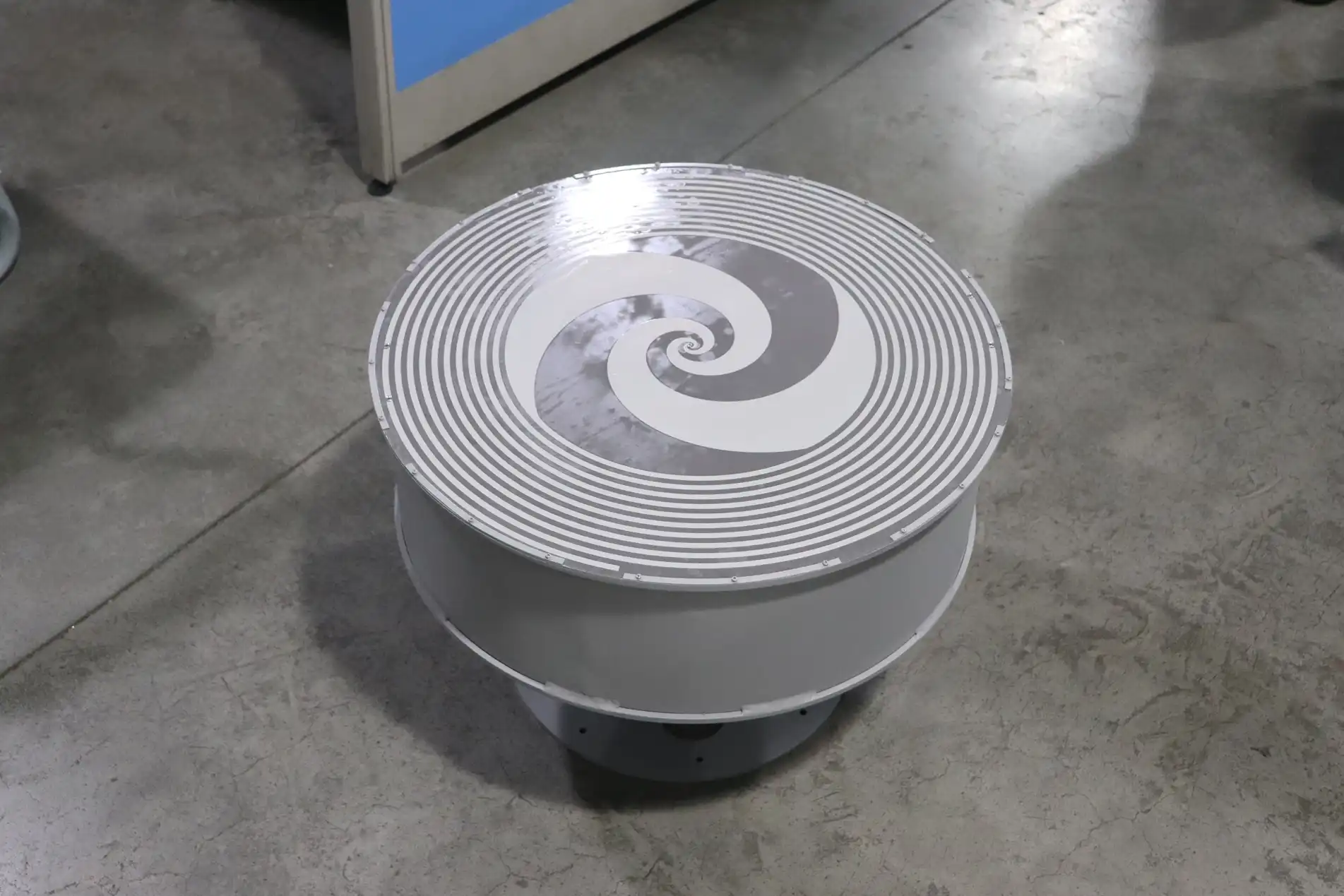
The self-complementary shape and traveling-wave behavior of these wideband radiators make them very easy to use. RF energy is sent to the center terminal, and currents move outward along the conductive arms that have been etched onto a dielectric substrate. At any given frequency, most of the energy comes from the area where the arm's diameter is about one wavelength. Higher frequencies focus energy near the center feed point, while lower frequencies move energy to the structure's edges. This spatial frequency distribution gets rid of the resonance limits that come with regular patch or dipole antennas.
Geometric Variations and Their Impact
There are two main geometric shapes that are used in industry. Archimedean spirals have known impedance properties but slightly smaller bandwidths than their logarithmic counterparts because the distance between each turn stays the same. As the angle changes, the radius of an equiangular (logarithmic) spiral grows exponentially. These spiral antenna designs are better at being frequency independent and are chosen in electronic warfare devices that need 20:1 or 30:1 bandwidth ratios. Right-hand circular polarization (RHCP) is made by winding in a clockwise direction, while left-hand circular polarization (LHCP) is made by winding in a counterclockwise direction.
Critical Performance Metrics
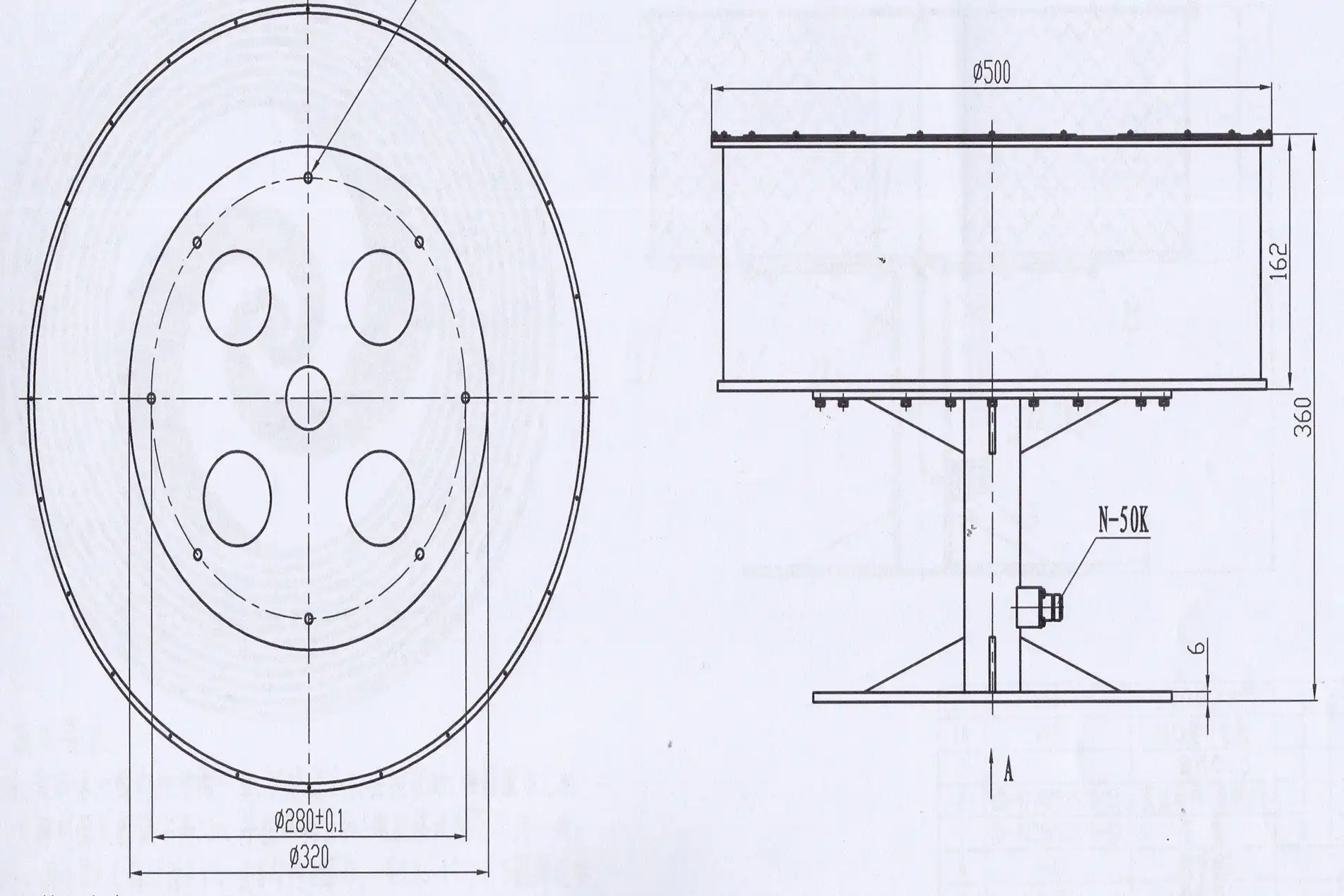
One clear benefit is Impedance stability. In theory, self-complementary designs have a steady 188-ohm free-space impedance. In practice, however, they use wideband baluns built in to work with regular 50-ohm coaxial systems. Gain is usually between 3 and 8 dBi, but it depends on the thickness of the base and the backing of the hollow. Hemispherical beamwidths of 70 to 90 degrees allow for wide-angle signal collection. Axial ratio, which is a measure of how pure the polarization is, stays below 3 dB for most of the operational band. This is very important for satellite downlink uses because Faraday rotation in the ionosphere would otherwise weaken signals that are linearly polarized. Understanding these factors directly affects choices about buying. A defense contractor looking for antennas for radar warning systems in the air needs to make sure that the vendor's specs include measured axial ratio data across the frequency range, not just at specific test spots. In the same way, integrators of satellite ground stations should ask for VSWR curves that the spiral antenna shows return loss better than 10 dB across the entire operating range to make sure that power is transferred efficiently.
Spiral Antenna vs. Competing Antenna Types: Making the Right Choice
Bandwidth and Frequency Coverage Comparison
When compared to log-periodic dipole arrays, these spherical shapes cover about the same number of octaves, but they take up a lot less space. For log-periodic designs to work, the boom sections have to be very long, which makes conformal airframe assembly impossible. Patch antennas work best in small spaces, but they only cover 10–20% of the bandwidth, so devices that need to cover L–band to X-band need antenna farms. Helical antennas have good circular polarization and average gain, but they work best at 1.5:1 bandwidth ratios, which is much smaller than the 10:1 range that well-designed spiral antenna structures can handle.
Polarization Characteristics
Yagi-Uda arrays and horn antennas have better gain and directivity, so they can be used for point-to-point links where the target's direction is known. When the emitter and receiver orientations are not lined up correctly, these linear polarization structures lose a lot of information, which is a problem for UAVs and CubeSats that are trying to move. Because spiral setups have circular polarization, they always have a 3 dB polarization loss limit, no matter what direction they are in. This keeps telemetry links reliable even when the attitude changes. When purchasing managers choose transmitters for mobile platforms that work in changing settings, this feature is very important.
System Integration Trade-offs
Directional antennas, such as parabolic mirrors, focus energy into narrow beams. They can achieve gains of more than 30 dBi, but they need mechanical steering devices that add failure modes and delay. Monopoles and other omnidirectional elements can cover all 360 degrees of azimuth, but they don't have control over the elevation pattern or broad performance. Spiral antennas are perfect for uses like direction-finding systems that need to keep an eye on multiple threat transmitters across irregular frequency bands without switching delays. They have a modest gain, hemispherical coverage, and a very high bandwidth. When procurement professionals look at these trade-offs, they should make decision models that weigh the importance of bandwidth needs, polarization restrictions, gain requirements, and physical area limits. A company that designs 5G backhaul for telecommunications systems might choose patch arrays because they have a high gain for fixed point-to-point links. On the other hand, aerospace OEMs that need multi-function apertures for communication and navigation would choose wideband spiral designs because they are more flexible, even though they have lower gain figures.
How to Simulate and Optimize Spiral Antenna Performance
Industry-Standard Simulation Tools
Software that simulates electromagnetic fields is now necessary to make sure that antenna designs work before making a sample. The ANSYS HFSS (High Frequency Structure Simulator) uses the finite element method (FEM) to accurately calculate S-parameters, radiation patterns, and near-field distributions. This is especially true for complex substrate stackups and cavity-backed setups. Time-domain models in CST Microwave Studio are very good at modeling transient responses and ultra-wideband pulse accuracy, which is very important when making antennas for ground-penetrating radar or impulse radio uses. Both platforms allow adjustable sweeps, which let engineers change things like arm width, turn spacing, and substrate dielectric constant over and over to get the best performance for the spiral antenna.
Key Simulation Parameters
Careful balun design is needed to match the spiral antenna's impedance across the stated frequency. To change the balanced spiral feed to unbalanced coaxial outputs, most commercial solutions use Marchand baluns or tapered microstrip transitions. It is important for simulation processes to make sure that the input reflection coefficient (S11) stays below -10 dB throughout the working range. They should pay extra attention to band edges, where matching networks often cause resonances. Conductor losses, dielectric losses, and mismatch losses are all taken into account by radiation efficiency. For high-frequency designs above 20 GHz, low-loss substrates like Rogers RT/duroid 5880 or Taconic TLY are needed to keep efficiency above 70%. Teams in charge of buying things should ask possible providers for simulation reports that include these factors. A trustworthy seller offers convergence studies that show mesh density independence as well as validation comparisons between prototypes that were created and prototypes that were measured. When designing for specific frequency bands or putting antennas into bigger systems where electromagnetic interactions could hurt performance, this documentation is very helpful.
Iterative Optimization Workflows
Structured design-of-experiments methods are used in professional antenna creation. Using geometries from the books, the first run sets the average performance. Then, parametric tests separate the effects of each variable. For example, increasing arm width usually improves low-frequency performance but lowers high-frequency cutoff, and larger substrates increase gain at the cost of axial ratio degradation. By balancing different needs, multi-objective optimization algorithms find the Pareto-optimal solutions that boost speed and efficiency while keeping physical dimensions in check. Simulations must be based on limitations in the real world. Mounting structures, close conductive surfaces, and radome elements can all change how an antenna works. When procurement engineers ask for custom designs, they should include CAD models of the space where the products will be placed. This way, suppliers can practice how the products will work in real life, not just in a perfect, free space. Advanced Microwave Technologies Co., Ltd.'s 24-meter anechoic chamber validation helps this collaborative method make sure that supplied hardware meets system-level requirements without having to go through expensive rework changes.
Applications and Procurement of Spiral Antennas in B2B Markets
Mission-Critical Industrial Applications
These wideband apertures are built into electronic support measures (ESM) systems by defense companies. These systems find, identify, and track down enemy radar signals. The immediate bandwidth gets rid of the switching delays that come with tunable receivers, giving you a tactical edge in electromagnetic settings where there is competition. They are used by satellite base stations for monitoring, tracking, and command (TT&C) tasks. The circular polarization makes up for the fact that satellites tumble when unusual conditions happen. They are used in aerospace guidance systems in GPS/GNSS devices, where multipath rejection makes it easier to find your position in places like urban canyons. Manufacturers of unmanned aerial vehicles (UAVs) have to stick to tight SWaP costs, which makes systems with a single spiral antenna that can do more than one thing appealing. A well-designed spiral can handle UHF SATCOM downlinks, L-band ADS-B transponders, and S-band telemetry uplinks all at the same time, combining tasks that would normally need three different apertures. This ability to integrate makes buyers interested in both the defense and commercial aircraft fields.
Supplier Evaluation Criteria
Quality approvals are the first tools that are used for screening. ISO 9001:2015 approval means that quality management systems have been written down and include methods for controlling designs, managing suppliers, and taking corrective action. RoHS compliance makes sure that foreign markets don't have access to dangerous substances. For defense purposes, extra standards like AS9100 aircraft quality systems and MIL-STD-810 environmental tests (heat shock, vibration, and dampness) are often needed. Customization is what sets capable providers apart from stock vendors. Advanced Microwave Technologies Co., Ltd has been making antennas fit specific frequency plans, putting together custom feed networks, and changing mechanical connections to fit customer parts for more than 20 years. Case studies of similar customization projects, including development timelines and non-recurring engineering (NRE) cost structures, should be requested by procurement managers. When project plans get tight, prototype turnaround time becomes very important. Suppliers who do their own PCB manufacturing and assembly usually send samples in two to three weeks, while it takes six to eight weeks for outsourced production.
Procurement Best Practices
Catalog items and unique designs have very different spiral antenna price systems. Competitive bidding is possible for standard configurations with public specifications. However, for custom developments, thorough statements of work are needed that spell out performance requirements, test processes, and acceptance criteria. When you buy more than 100 units of a product, you can often get a 15–25 percent discount on the price. However, buying teams have to weigh the savings on each unit against the costs of keeping the inventory. The total cost of ownership is affected by how quickly technical help responds. When suppliers offer application engineering help during integration, they fix problems with impedance matching, suggest the best mounting arrangements, and fix electromagnetic interference issues that always come up. This consultative method, shown by ADM's technical team, lowers development risk and speeds up time-to-market. For projects with tight deadlines, these benefits often outweigh unit price concerns.
Future Trends and Innovations in Spiral Antenna Technology
Advanced Materials and Manufacturing
Using additive manufacturing methods is changing how a spiral antenna is made. By printing conductive paints in three dimensions on bendable materials, it is possible to make installations that fit perfectly on curved surfaces like missile radomes or fuselage panels. Compared to rigid PCB designs, these organic substrates keep the same level of RF performance while lowering weight by 40 to 60 percent. Designs that are based on metamaterials and use sub-wavelength structures are increasing bandwidth ratios above 40:1 while keeping small sizes that are good for pocket devices that help you find your way.
Emerging Application Domains
Graphene-based conductive layers offer less insertion loss at millimeter-wave frequencies, which is important because 5G and new 6G systems use bandwidth above 24 GHz. Researchers working with makers are looking into reconfigurable designs that use varactor diodes or RF MEMS switches to change the frequency response and radiation patterns on the fly. This would allow cognitive radio applications to adapt to spectrum usage in real time. Low-cost antennas that can handle LoRaWAN, NB-IoT, and LTE-M protocols are needed for Internet of Things (IoT) operations. Miniaturized spiral designs etched onto FR-4 substrates meet strict cost goals while giving global deployments the frequency flexibility they need across scattered spectrum licenses. More and more, self-driving cars use these structures for 77–81 GHz short-range radar, which can pick up on people and vehicles in multiple directions at the same time thanks to their wide beamwidths. As the number of CubeSat groups grows, more and more space-based apps are being created. The radiation-protected designs can handle the total nuclear dose (TID) and single-event effects (SEE) that damage regular active arrays made of semiconductors. Procurement teams that help NewSpace projects should give more weight to companies with a history in space and performance data from flights that have been sent into orbit.
Strategic Procurement Implications
Roadmaps for technology must take these changes into account. Buying strategies that focus on single-source relationships with providers that are focused on innovation make sure that companies get access to next-generation skills early. Including makers like Advanced Microwave Technologies Co., Ltd in strategy planning meetings makes sure that product development plans are in line with changing system needs. This lowers the risk of products becoming obsolete and keeps your company's uniqueness in the market. Procurement departments that are on the cutting edge keep track of more than just delivery and quality measures. They also keep track of R&D spending levels and patent portfolios. These signs show how well suppliers can support long product lifecycles of 10 to 15 years, which are common in defense and aerospace projects. As component technologies change, supporting engineering and form-fit-function replacements becomes very important.
Conclusion
Because they are so useful, wideband, circularly polarized apertures are used in many fields, including military, aircraft, and telecommunications. Because they don't depend on frequency, they can combine several narrowband antennas into a single, small assembly. This directly addresses SWaP issues while making RF designs simpler. To be good at procurement, you need to know how geometric principles affect bandwidth and polarization, be able to judge providers based on their quality standards and ability to customize, and be able to predict the new materials that will define next-generation systems. When companies work with experienced makers, they can get application-building help that speeds up integration and lowers technical risk in mission-critical deployments.
FAQ
What factors determine the bandwidth of a spiral antenna?
The outer width sets the lowest frequency that can be used, which is usually one wavelength around the circle. The higher frequency is limited by the size of the inner feed end and the way the balun is built. The thickness and dielectric constant of the substrate affect how well the impedance matches across the band. Well-thought-out designs can achieve bandwidth ratios of 10:1 to 30:1, based on the choice of shape and the accuracy of the manufacturing process.
Can spiral antennas be customized for specific frequency bands?
One of the main things that specialty makers do well is customization. To keep performance in goal bands, engineers change the general diameters, arm widths, and turn spacing. When designing a custom balun, impedance matching is best for certain frequency bands. When choosing materials, the energy function and environmental needs are balanced. Advanced Microwave Technologies Co., Ltd offers full customization, including fast prototyping. The first models are usually ready in two to three weeks.
What are typical delivery times for bulk orders?
Production lead times depend on how many items are ordered and how complicated the customization is. For orders of less than 50 units, standard store items ship within two to four weeks. After the sample is approved, custom designs take 6–8 weeks, and production runs of 100 or more pieces take 10–12 weeks. Setting up blanket buy orders with planned releases cuts down on the time it takes to get repeat orders. To make sure that design approval and production schedules can be met, procurement teams should involve providers early on in the planning process.
Partner With a Trusted Spiral Antenna Manufacturer for Your Next Project
Advanced Microwave Technologies Co., Ltd combines over 20 years of RF component manufacturing expertise with ISO 9001:2015 certified processes to deliver precision-engineered wideband antennas serving defense, aerospace, and telecommunications markets. Our 24-meter anechoic chamber enables validation across 0.5-110 GHz, ensuring delivered performance matches specifications in real-world operating environments. Whether you require spiral antenna catalog planar configurations spanning 1-40 GHz or fully customized cavity-backed designs optimized for specific radar bands, our engineering team provides comprehensive OEM services from concept through production. Contact craig@admicrowave.com to discuss your requirements with experienced application engineers who understand the procurement challenges facing system integrators, and discover how our streamlined prototyping capabilities and global logistics support can reduce your development timelines while maintaining the rigorous quality standards your mission-critical applications demand.
References
1. Balanis, Constantine A. Antenna Theory: Analysis and Design, 4th Edition. John Wiley & Sons, 2016.
2. Nakano, Hisamatsu, et al. "Spiral and Helical Antennas: A Numerical Approach." IEEE Transactions on Antennas and Propagation, Volume 58, Issue 3, March 2010.
3. Corzine, Roy G. and Mosko, Joseph A. Four-Arm Spiral Antennas. Artech House, 1990.
4. Dyson, John D. "The Equiangular Spiral Antenna." IRE Transactions on Antennas and Propagation, Volume 7, Issue 2, April 1959.
5. Kaiser, John A. "The Archimedean Two-Wire Spiral Antenna." IEEE Transactions on Antennas and Propagation, Volume 8, Issue 3, May 1960.
6. Volakis, John L., editor. Antenna Engineering Handbook, 5th Edition. McGraw-Hill Education, 2019.
YOU MAY LIKE
 VIEW MORERight Angle Double Ridged WG To Coaxial Adapter
 VIEW MOREEnd Launch Double Ridged WG To Coaxial Adapter
 VIEW MORERight Angle Waveguide to Microstrip Adapter
 VIEW MOREWG Termination
 VIEW MOREDouble Ridge Waveguide Termination
 VIEW MOREWaveguide Power Divider
 VIEW MOREE-Plane Tee
 VIEW MORECrossguide Directional Coupler