




What is the purpose of a power divider?
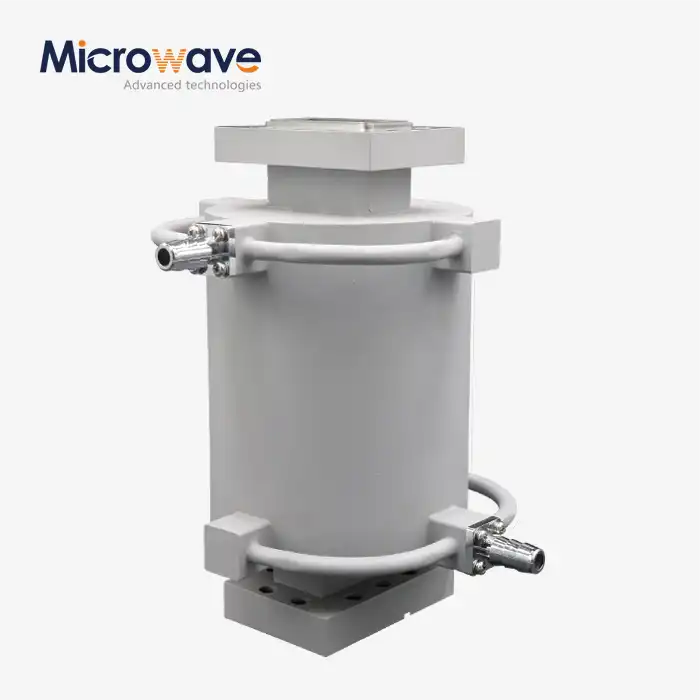
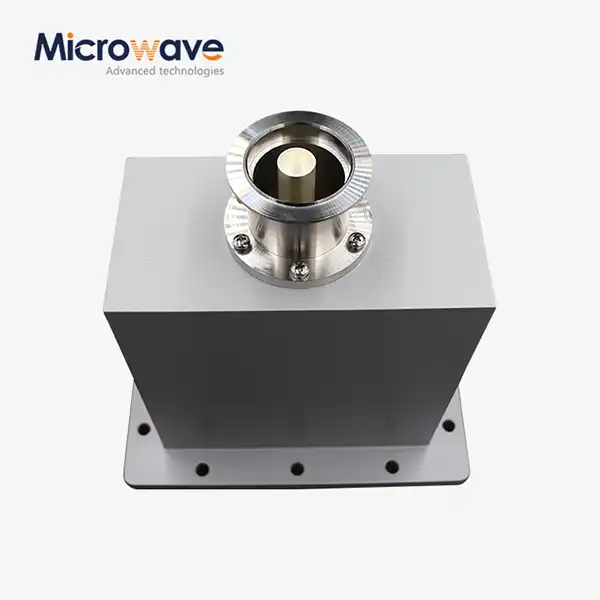
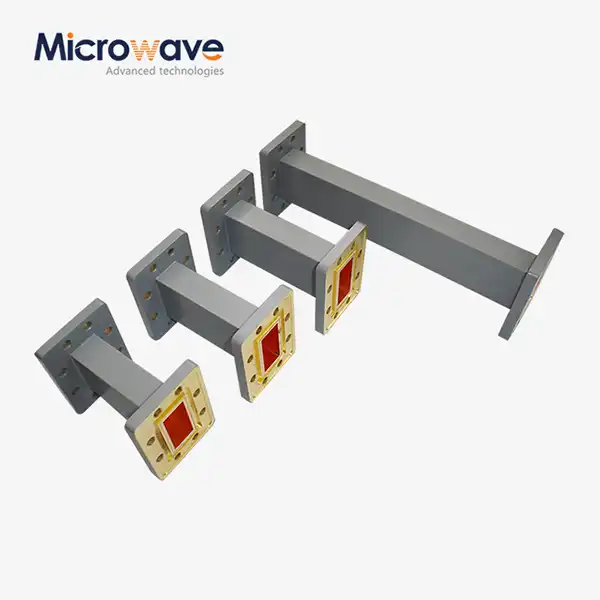
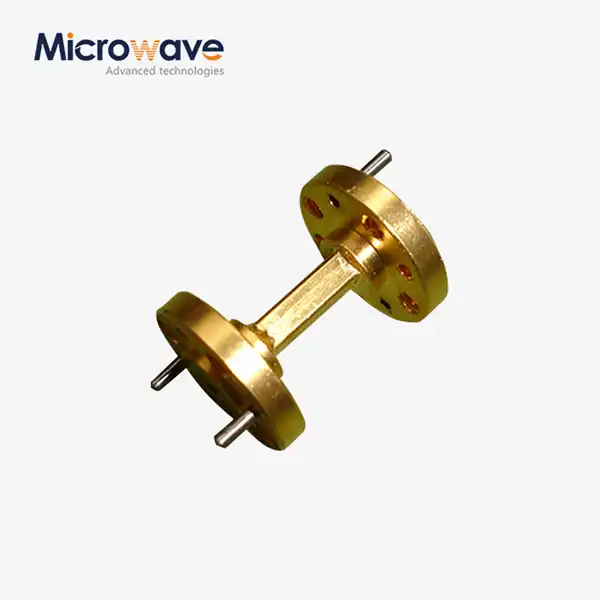
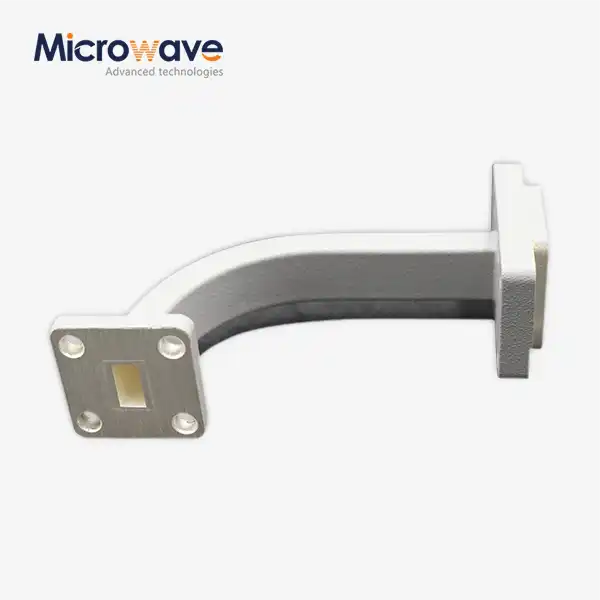
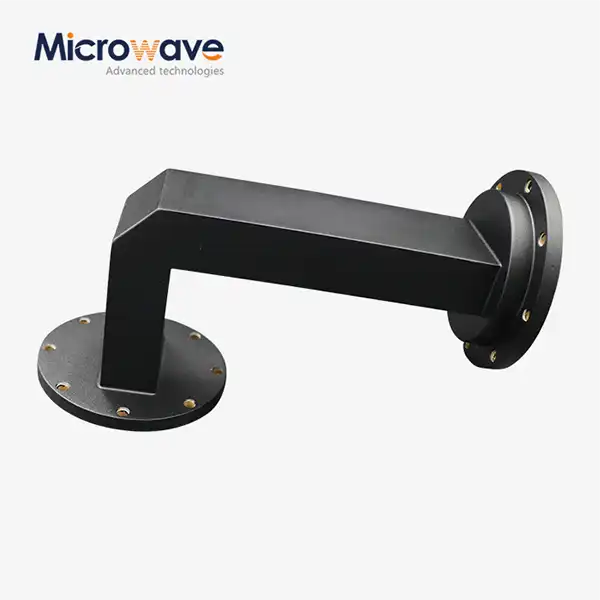
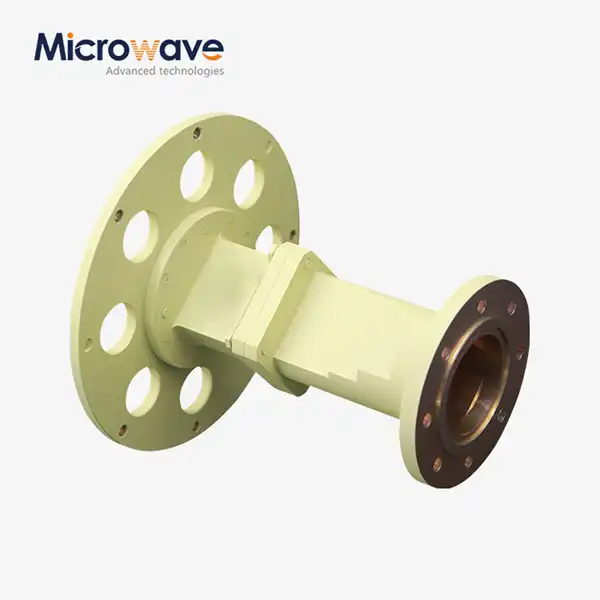
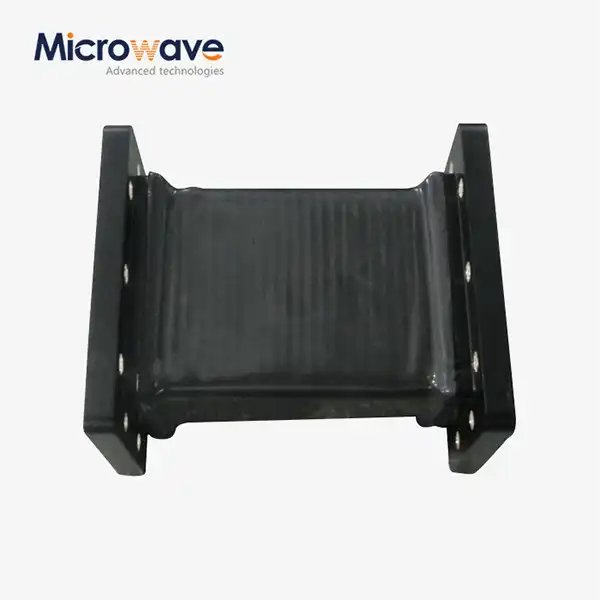
In the dangerous field of RF and radio engineering, knowing what a power divider does is essential for making transmission systems that work well. A power divider splits an entering electromagnetic signal into several output lines while keeping the amplitude and phase connections under control. The Waveguide Power Divider is the best choice for high-frequency uses above 10 GHz, like satellite communications, phased array radar, and 5G infrastructure. Waveguide-based dividers are better at handling power than coaxial or planar options. They have less insertion loss and are very stable at high temperatures in mission-critical settings. It's helpful for engineering and procurement teams to understand not only the technical principles but also the strategy sourcing issues that affect how well systems work and how long projects take.
Understanding the Purpose and Principle of Waveguide Power Dividers
Core Functionality of Power Distribution
Waveguide Power Dividers take an input signal that is going through a hollow metal structure and split it into at least two output channels. Most of the time, these parts work in the TE10 mode and divide power by using electromagnetic waves to move through carefully made shapes. The main goal is to make it possible for signals to be sent to different parts of a system without damaging the signals or causing too much loss. Examples include antenna arrays in radar and feed networks in satellite ground stations.
Operational Principles and Waveguide Modes
Power regulators that use waveguides work by controlling the interaction of electromagnetic fields. Structures inside the cell, like septa, irises, or branching junctions, direct the energy along different paths when a signal comes in through the input port. The TE10 mode, which has a diagonal electric field that changes by one half-wave across the broad wall, ensures that the signal spreads efficiently with little loss. Maintaining phase synchronization across spread antenna elements is necessary for beamforming and monopulse tracking systems, and this mode stability is a must.
Key Advantages in High-Frequency Environments
When it comes to difficult RF uses, waveguide power dividers solve a number of important problems:
- High Power Handling: These dividers can handle kilowatts of continuous wave power and megawatts of peak pulse power because they have a big cross-sectional area and don't use insulating materials. This feature stops thermal breakdown and arcing, which are common ways for coaxial and microstrip options to fail when power levels are high.
- Low Insertion Loss: Waveguide dividers are usually made of oxygen-free high-conductivity copper or metal that has been plated with silver or gold. They have an insertion loss that is less than 0.2 dB. This low loss keeps signal power over long transmission lines, which is very important for long-range radar and satellite uplinks.
- Superior Isolation: Modern designs, like the Magic Tee, offer separation of more than 30 dB between output ports. This stops crosstalk and reflected signals from making nearby channels less stable. In phased array antennas, where element-to-element separation has a direct effect on beam quality, this trait is a must.
- Environmental Robustness: Waveguide structures can handle vacuum, temperatures ranging from -55°C to +125°C, mechanical vibrations, and radiation exposure. Because they last so long, they are essential to military, defense, and space-qualified systems that can't have any parts break.
Due to these benefits, waveguide power dividers are the best choice for millimeter-wave uses in the Ka-band (26.5–40 GHz), V-band (40–75 GHz), and W-band (75–110 GHz) ranges, where performance is critical and external stresses are high.
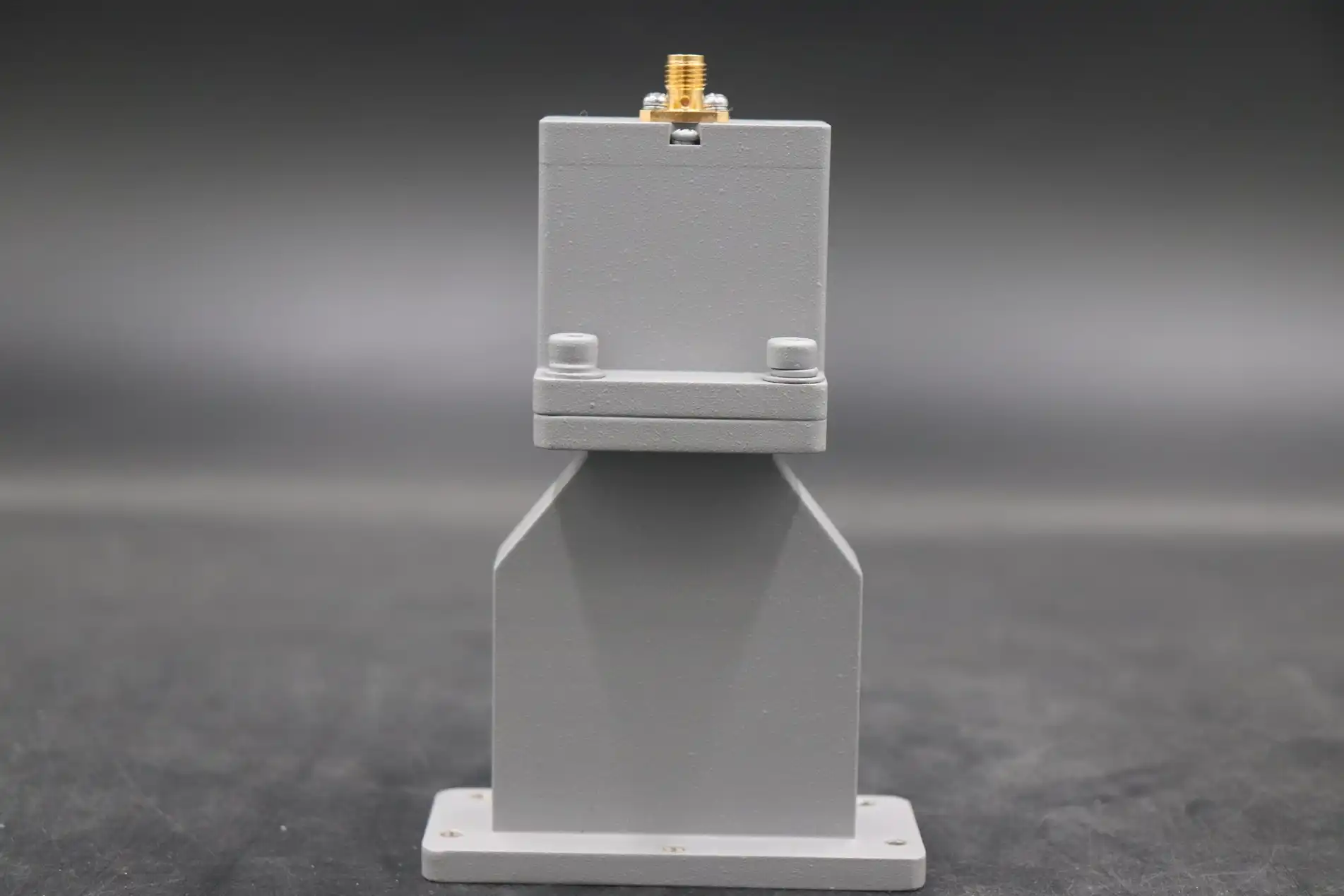
Types and Design Considerations of Waveguide Power Dividers
Common Divider Configurations
The right divider design is chosen based on the needs of the application, including the power division ratio, port isolation, and physical size.
- T-Junction Dividers: An E-plane or H-plane junction is used in the simplest arrangement to split power into two lines. E-plane T-junctions split power evenly and keep outputs 180 degrees out of phase, while H-plane models keep outputs in phase. These designs are small and cheap, but they don't provide complete separation between output ports. This means they can be used in situations where a port-to-port connection is not important.
- Magic Tee (Hybrid Junction): A four-port device with sum and difference ports on both the E-plane and H-plane arms. This setup makes it possible to divide power and combine signals, and it does a great job of keeping the output arms separate. In balanced amplifier circuits and monopulse radar comparators where exact amplitude and phase control is needed, magic tees are a must.
- Multiport Dividers: To split power between four, eight, or more output ports, corporate feed networks stack multiple T-junctions on top of each other. These structures make sure that all outputs have equal amplitude and phase, which is very important for powering big phased arrays with hundreds of spreading elements. Custom company barriers can be made with different power distribution ratios to get the best sidelobe levels and beam efficiency from antennas.
Critical Design Parameters
When choosing a Waveguide Power Divider, the following features should be looked at by the procurement and engineering teams:
- Frequency Range and Bandwidth: The operating frequency limits are set by the waveguide's size. From WR-975 (L-band, 0.75–1.15 GHz) to WR-10 (W-band, 75–110 GHz), these are the main sizes. To cover all waveguide bands, broadband designs use impedance-matching parts like multi-step transformers or curved transitions.
- VSWR (Voltage Standing Wave Ratio): Good dividers keep VSWR below 1.20:1 across the working range. This makes sure that the most power is transferred and that there aren't many echoes that could hurt amps upstream.
- Insertion Loss: For aerospace-grade parts, the extra insertion loss should stay below 0.3 dB, even after the natural 3 dB split loss. High-conductivity plating and precise CNC cutting keep resistance losses to a minimum.
- Power Handling Capacity: Continuous wave power ratings are usually between 10 W and several kilowatts, and peak pulse ratings can reach megawatts. Managing heat with heat sinks and surface treatments stops hot spots and breakdowns caused by power.
- Amplitude and Phase Balance: The amplitude imbalance between ports should stay within 0.2 dB, and the phase imbalance should stay within 2 degrees. These small errors make sure that antenna arrays are lit evenly and that coherent signal combining works in diversity receivers.
Material Selection and Surface Finishes
The choice of material affects both how well it conducts electricity and how long it lasts mechanically. Aluminum 6061-T6 has a great strength-to-weight ratio for use in space and the air, while copper is better at conducting electricity for high-power systems that are on the ground. Silver finishing is used on the inside to protect against skin effect loss, and rhodium or gold flash coats can be added if desired to stop oxidation. For corrosion protection in aquatic and outdoor settings, exterior treatments like anodizing or chromate conversion coating are used. You can customize the flange type (UG, CPR, or unique designs), the ability to pressurize with SF6 gas to boost the dielectric strength, and the built-in thermal interfaces for forced cooling in high-power situations.
Procurement Considerations for Waveguide Power Dividers
Global Supplier Landscape
Professional companies mostly in the US, Europe, and China make high-precision Waveguide Power Dividers and sell them on the market. North American and European providers stress that their products meet defense and aerospace standards like MIL-DTL-3928 and AS9100. They do this by providing a lot of paperwork, making sure that the products can be tracked, and providing help after delivery. Chinese makers offer low prices and a lot of options for customization. They also have a growing list of quality standards, such as ISO 9001:2015 and RoHS compliance. Advanced Microwave Technologies Co., Ltd. (ADM), which was founded in the early 2000s, is a reliable source that has been making products for over 20 years and has cutting-edge measuring tools that the Waveguide Power Divider can work up to 110 GHz. Our 24-meter microwave darkroom allows for accurate far-field antenna measurement, which makes sure that the goods we give meet strict performance requirements.
Supplier Selection Criteria
Procurement managers should look at possible partners from a number of different angles, such as:
- Technical Capability: Make sure the provider has the right design skills, simulation tools, and testing equipment. Ask for sample data that shows insertion loss, VSWR, and separation over the frequency range you need.
- Quality Systems: Make sure the company has ISO 9001, AS9100, or a similar approval. Go over the quality control steps, such as using a vector network analyzer to check the S-parameters, high-power burn-in tests, and coordinate measure machines to check the dimensions.
- Lead Time and MOQ: Catalog items usually ship in two to four weeks, but unique designs can take up to twelve weeks, based on how complicated they are. Minimum order amounts range from a single sample for research and development projects to production lots of 50 or more units, which get cheaper as you buy more.
- After-Sales Support: Check to see if expert support, testing services, and guarantee terms are available. Problems with integration can be fixed quickly with responsive tech help, and expensive project delays can be avoided.
Pricing Drivers and Cost Optimization
The cost of a waveguide power divider depends on how hard it is to machine, what kind of surface processes are used, and how well it is tested. Standard WR-90 T-junction dividers can cost anywhere from $200 to $600 each. However, unique Magic Tee versions with precise measurements and rare metals can cost more than $2,000. There are ways to lower unit costs without lowering core performance through volume agreements, simpler flange configurations, and standard frequency bands. When you ask for quotes, be sure to include full details about the frequency range, power handling needs, weather conditions, and any legal requirements. Clear communication cuts down on back-and-forth and speeds up the buying process.
Streamlining Ordering Processes
For procurement processes to work, they need to start with full technical studies that include both the engineers and supply chain teams. Make lists of favorite suppliers based on how well they've done in the past, and talk about framework deals for needs that come up again and again. For unique needs, involve providers early on in the design process to make sure the product can be made and to find ways to save money on the design. When you buy a lot of popular combinations, you save money on inventory costs and make sure that parts are available for production runs. On the other hand, small quantities of prototypes allow for quick iterations in product development without having to spend large amounts of cash.
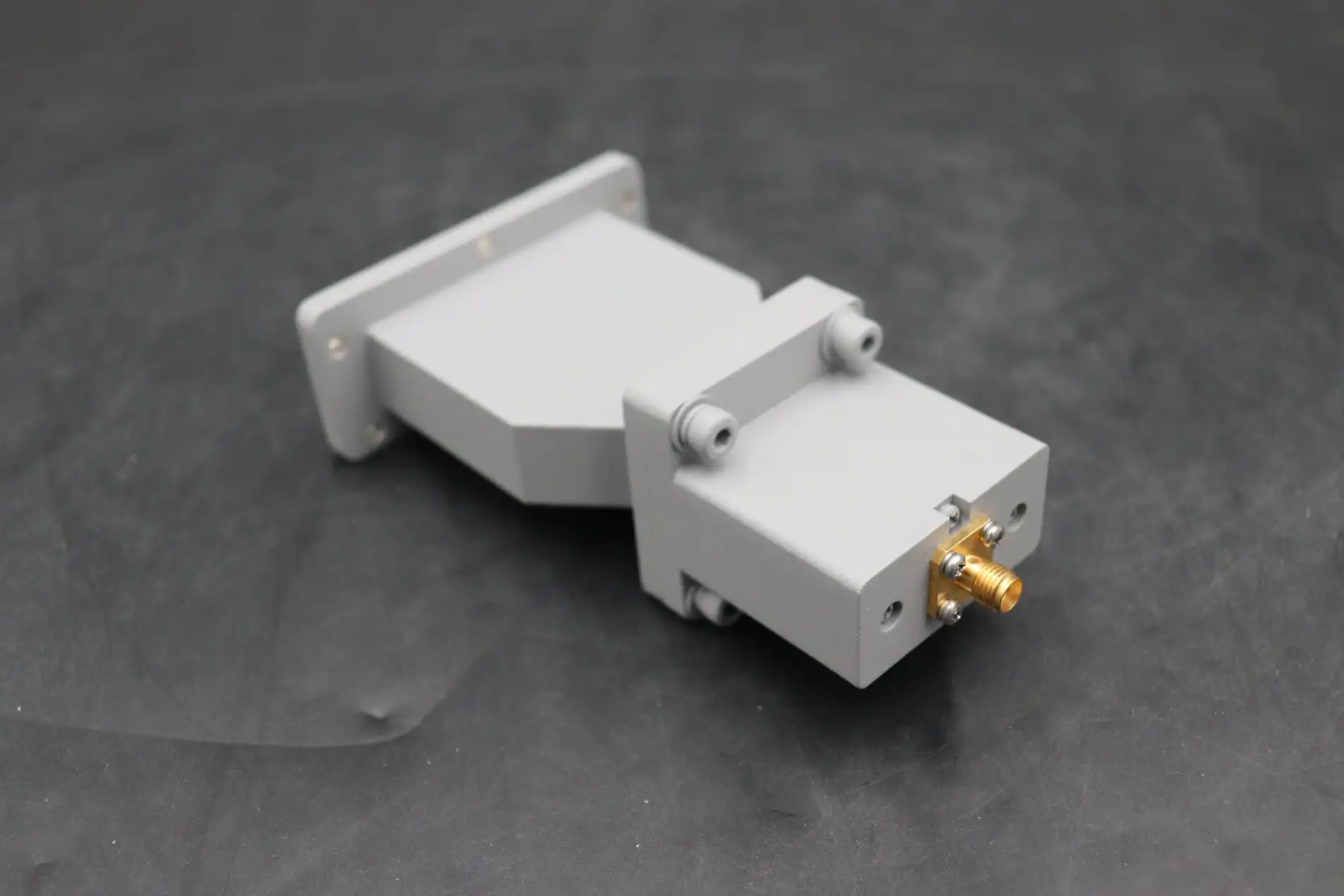
Installation, Testing, and Maintenance Best Practices
Proper Installation Procedures
To successfully integrate Waveguide Power Dividers, you must first pay close attention to how they are mechanically mounted and how the flanges are lined up. To make sure the gasket is compressed evenly, the mating flanges must be clean, flat, and torqued to the manufacturer's specs using measured wrenches. When gaps aren't lined up correctly, they can cause VSWR to drop and arcing to happen when power is high. Moisture can't get into outdoor setups that are sealed with electrical gaskets or O-rings. Before using full RF power when pressurizing with dry nitrogen or SF6 gas, make sure the seals don't leak by checking the pressure drop. To keep mechanical stress from building up, mounting positions should take thermal expansion factors and vibration isolation into account.
Testing and Calibration Methodologies
Full acceptance testing checks that performance meets Waveguide Power Divider the requirements in the manual. Vector network analyzers (VNAs) check S-parameters, such as separation (S32), insertion loss (S21), and return loss (S11), over the whole operating bandwidth. To get measurement ranges below ±0.1 dB, calibration standards like short, open, load, and through (SOLT) get rid of systematic mistakes. The ability to handle both continuous wave (CW) and pulsed power without breakdown or passive intermodulation (PIM) distortion is checked by high-power tests. Kilowatts are safely lost during burn-in processes that mimic real-world stress using specialized test tools and dummy loads. With thermal image cameras, hot spots can be found that show problems with the production process or not enough heat sinking. To measure phase balance, you need stable reference clocks, accurate phase detectors, or VNA phase response analysis. Automated test processes speed up production verification while keeping quality control very strict.
Maintenance and Troubleshooting
As part of routine upkeep, the gaskets, flanges, and rust are looked at visually. Cleaning with lint-free wipes and approved chemicals brings back the conductivity of the surface without scratching the metal finish. Checking the VSWR on a regular basis can find performance drift caused by dirt or loose parts. Flange rust from salt spray exposure is a common way for things to fail. This can be fixed by coatings that protect and by replacing sacrificial seals on a regular basis. Power-related breakdown shows up as irregular insertion loss or arcing that can be seen through inspection holes. Damaged surfaces need to be cleaned inside out or re-machined. Systematic fixing that uses both electrical measures and physical inspection to find the root causes of problems and figure out how to fix them. Setting up preventive maintenance plans based on working hours and weather exposure makes parts last longer and keeps mission-critical systems from going down without warning.-
Conclusion
Waveguide Power Dividers are important parts of high-frequency radio frequency designs that need to handle power, keep the data clear, and work well in harsh environments. Knowing how they work, the different designs they come in, and how they buy things gives engineering and supply chain teams the power to come up with the best solutions that meet technical needs and stay within budget. Organizations get reliable performance in tough aerospace, defense, satellite, and telecommunications applications by contrasting waveguide technologies with other methods of distribution and following strict testing and maintenance procedures. Getting parts is no longer just a transactional activity when you have strategic relationships with suppliers based on technical know-how, quality standards, and quick support.
FAQ
What distinguishes a power divider from a power splitter?
Waveguide Power Dividers and splitters both send signals to multiple outputs, but dividers are usually devices that have controlled impedance matching and clear phase relationships. They are usually built in waveguide or hybrid coupler topologies. Splitters may point to easier resistive or reactive networks that are used in lower-frequency tasks that don't need to meet strict performance standards.
Can waveguide power dividers operate as combiners?
Of course. Because passive networks are based on the concept of reciprocity, waveguide dividers can join signals when they come in from the output ports and add them up when they come in from the input ports. For merging to work, the input signals must be coherent and have the same intensity and phase. If they don't, the energy will be lost in isolation loads or bounce back toward the sources.
What typical lead times apply to custom waveguide power dividers?
Items from a standard selection usually ship in two to four weeks. Custom designs with non-standard frequency ranges, power ratings, or mechanical connections take 6 to 12 weeks, based on how hard they are to machine, how they are plated, and when they need to be tested. For a higher price, expedited services may cut down on wait times.
How do waveguide dividers handle extreme power levels without failure?
Large internal dimensions spread electromagnetic fields over a larger surface area, which lowers the field strength and keeps the voltage from dropping. High-conductivity materials reduce resistance heating as much as possible, and gas pressurization can be added to improve dielectric strength. When you make something with precision, you get rid of any sharp edges or flaws that cause fields to cluster and arc.
Partner with Advanced Microwave Technologies for Your Waveguide Power Divider Needs
At Advanced Microwave Technologies Co., Ltd (ADM), we bring over two decades of specialized manufacturing experience to every waveguide power divider project. Our extensive product portfolio serves defense contractors, satellite integrators, and research institutions requiring uncompromising reliability and precision. ISO 9001:2015, ISO 14001:2015, and ISO 45001:2018 certifications underscore our commitment to quality, environmental stewardship, and workplace safety. Whether you need a standard WR-90 T-junction or a custom multiport corporate feed network, our engineering team collaborates closely to deliver optimized solutions tailored to your exact specifications. Contact craig@admicrowave.com today to discuss your requirements with our technical experts and receive detailed datasheets and competitive pricing. As a trusted waveguide power divider manufacturer, we stand ready to support your mission-critical applications with responsive service and globally proven components.
References
1. Collin, R.E. (2001). Foundations for Microwave Engineering, 2nd Edition. IEEE Press.
2. Pozar, D.M. (2011). Microwave Engineering, 4th Edition. Wiley.
3. Montgomery, C.G., Dicke, R.H., and Purcell, E.M. (1948). Principles of Microwave Circuits. McGraw-Hill.
4. Balanis, C.A. (2016). Antenna Theory: Analysis and Design, 4th Edition. Wiley.
5. Rizzi, P.A. (1988). Microwave Engineering: Passive Circuits. Prentice Hall.
6. MIL-DTL-3928 (2015). Military Specification: Connectors, Radio Frequency, General Specification for. U.S. Department of Defense.