Flexible Twistable Waveguide Installation Tips and Best Practices
Installing Flexible Twistable Waveguide systems requires careful attention to detail and adherence to proven methodologies to ensure optimal performance. These advanced microwave transmission components demand specific handling procedures during installation to maintain signal integrity and prevent costly system failures. Proper installation techniques directly impact the electromagnetic performance characteristics, including VSWR, insertion loss, and frequency response. Understanding the correct installation approach helps procurement professionals and system integrators achieve maximum return on investment while ensuring reliable operation in demanding applications across telecommunications, aerospace, defense, and satellite communication sectors.
Introduction to Flexible Twistable Waveguides
Understanding Core Functions and Performance Characteristics
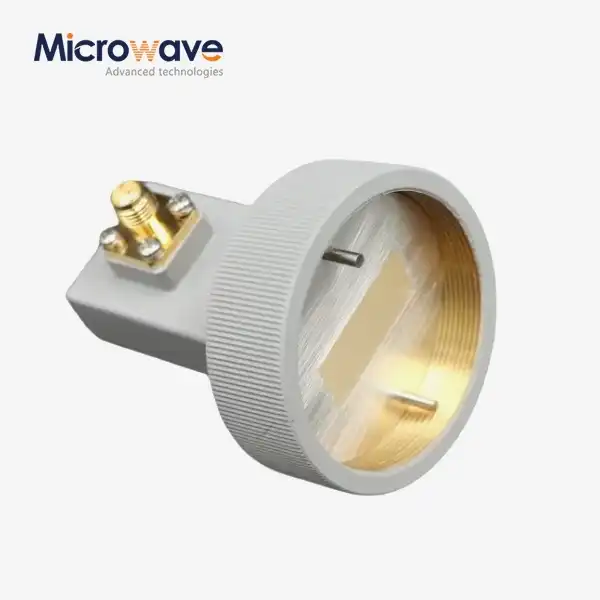
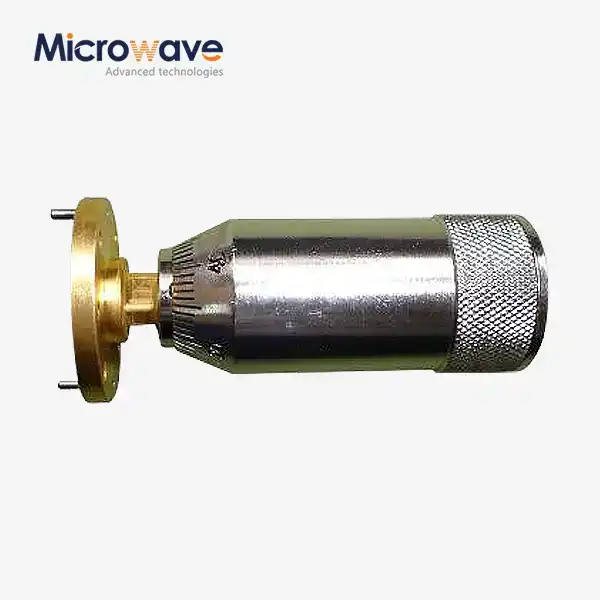
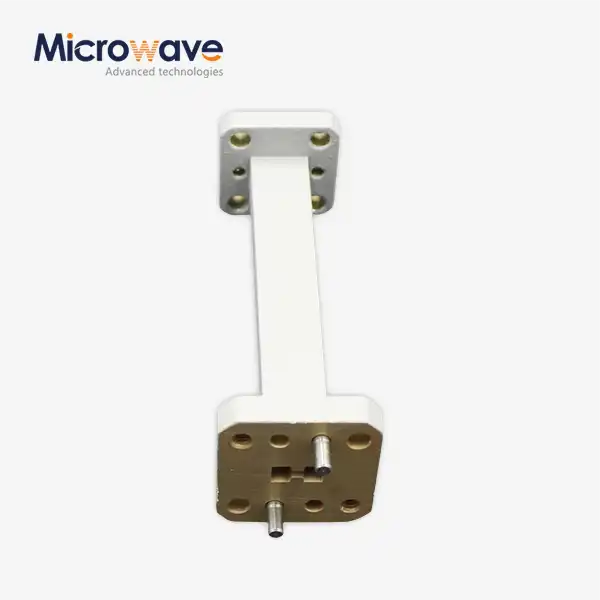
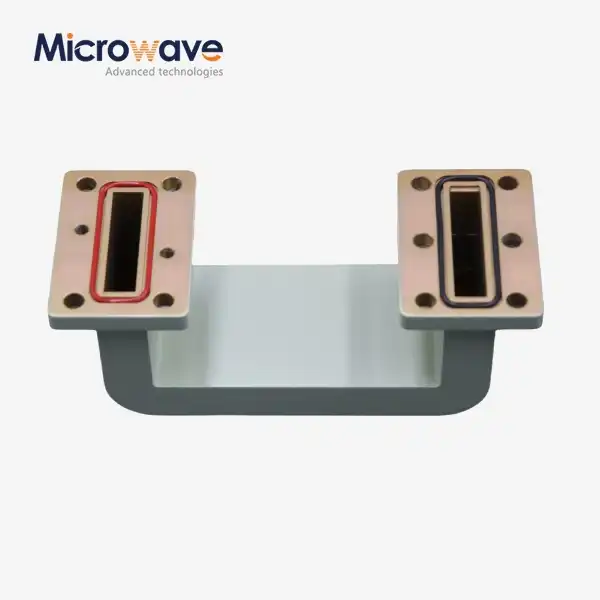
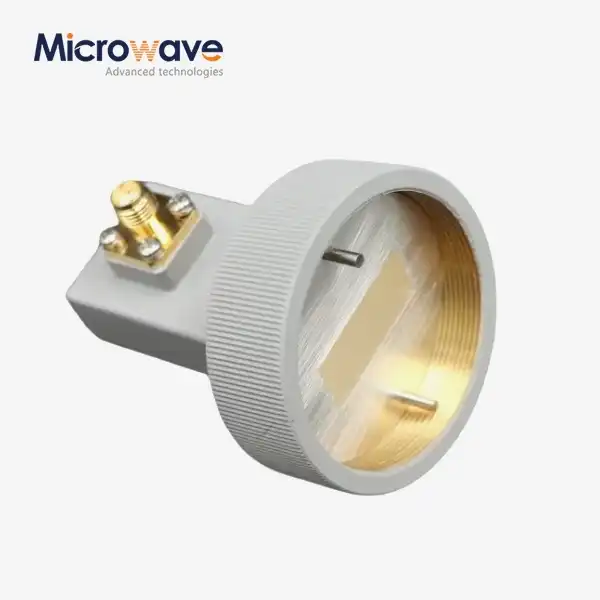
Flexible twistable waveguides represent modern electromagnetic transmission components designed to facilitate reliable signal exchange over complex installation situations. These precision-manufactured devices enable consistent microwave signal propagation while meeting the physical constraints present in advanced communication frameworks. The essential electromagnetic properties, including frequency range and impedance characteristics, directly impact installation success and long-term system performance. Advanced Microwave Technologies offers a comprehensive line of rectangular twistable waveguides designed for applications requiring both bending and twisting capabilities. These components feature Neoprene jackets as standard models to maintain pressure retention, with customizable length options available according to specific customer requirements. The engineering precision ensures reliable performance across frequency ranges from 3.22 GHz to 50.1 GHz, supporting various application needs.
Advantages Over Rigid Alternatives and Coaxial Solutions
The superiority of flexible waveguide systems becomes evident when compared to conventional rigid components and coaxial cable options. These advanced transmission lines offer unmatched versatility in space-constrained environments while maintaining superior signal integrity. The ability to accommodate complex routing paths without compromising electromagnetic performance makes them essential for advanced system integration. Flexible designs eliminate the need for multiple rigid sections connected through complex joint assemblies, reducing potential failure points and simplifying installation methods. The inherent flexibility allows for efficient space utilization, enabling compact system integration that maximizes available installation space. Enhanced signal integrity remains reliable even when components undergo bending and twisting during installation, ensuring consistent communication performance in complex configurations.
Essential Installation Tips for Flexible Twistable Waveguides
Pre-Installation Assessment and Site Preparation
Successful installation begins with thorough pre-installation evaluations encompassing specification review and comprehensive site condition assessment. The installation team must verify that environmental conditions align with component specifications, including temperature ranges, humidity levels, and potential exposure to corrosive elements. Site preparation involves establishing clear access routes and ensuring sufficient workspace for proper handling procedures. Specification confirmation includes verifying frequency range compatibility, VSWR requirements, insertion loss parameters, and maximum bending limits for the intended application. The installation environment must accommodate minimum span requirements while providing adequate clearance for future maintenance activities. Documentation review ensures that all necessary tools, mounting equipment, and protective gear, including the Flexible Twistable Waveguide, are available before commencing installation procedures.
Step-by-Step Installation Process and Handling Techniques
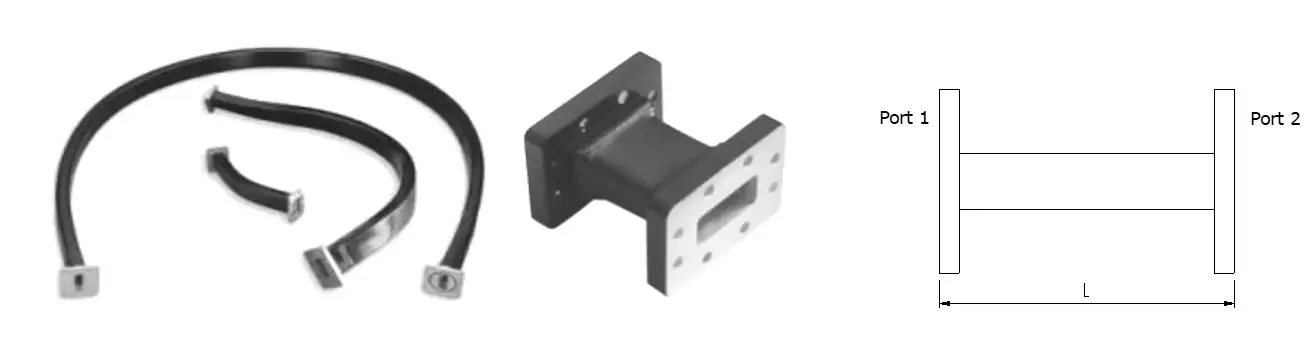
The installation process demands careful attention to proper handling procedures that preserve electromagnetic performance characteristics. Initial handling requires careful assessment of the waveguide assembly to confirm integrity and identify any pre-existing damage that may affect performance. Protective covers should remain in place until final connection procedures to prevent contamination or physical damage. Here are the key installation steps to ensure optimal performance:
- Careful Positioning: Position the waveguide assembly along the planned route while maintaining minimum span requirements throughout the routing process. Avoid sharp bends that exceed manufacturer specifications, as these can cause permanent distortion and signal degradation.
- Gradual Bending: Apply bending forces gradually and evenly to avoid stress concentration that may compromise structural integrity. Use proper bending techniques that distribute stress across the entire bend sweep rather than creating localized stress points.
- Secure Mounting: Install mounting brackets and support structures at recommended intervals to prevent mechanical stress from environmental factors such as vibration, thermal expansion, and wind loading.
These installation methods require coordination among team members to ensure smooth execution while maintaining safety protocols. Proper execution of these procedures significantly reduces the risk of installation-related performance degradation.
Common Challenges and Troubleshooting Strategies
Installation challenges often arise from environmental constraints, space limitations, and coordination requirements between multiple system components. Addressing these challenges requires proactive planning and adaptable problem-solving approaches that maintain performance standards while accommodating real-world installation conditions.
Space limitations often necessitate creative routing solutions that maximize available installation space while adhering to minimum bend radius requirements. Coordination with other system components requires careful planning to avoid interferences and ensure proper clearances for maintenance access. Environmental factors such as temperature extremes, moisture exposure, and vibration sources must be addressed through appropriate protective measures and mounting strategies.
Best Practices for Optimizing Flexible Twistable Waveguide Performance
Material Selection and System Integration Principles
Optimizing waveguide execution requires cautious thought of fabric properties and integration approaches that guarantee compatibility with existing framework framework. Fabric choice impacts adaptability, solidness, and cost-effectiveness whereas affecting long-term execution characteristics. Driving providers proceed enhancing in waveguide manufacture strategies, creating progressed materials that offer upgraded execution capabilities. Integration standards center on accomplishing consistent compatibility with broadcast communications framework and OEM hardware setups. Transfer speed administration methodologies maximize flag transmission effectiveness whereas minimizing impedances between adjoining components. Legitimate integration methods guarantee that adaptable waveguides complement or maybe than compromise by and large framework execution characteristics. The determination prepare includes assessing fabric alternatives based on application-specific necessities counting natural conditions, recurrence ranges, and mechanical push variables. Progressed materials offer made strides erosion resistance and improved solidness in challenging working situations. Taken a toll contemplations must adjust introductory procurement costs against long-term upkeep prerequisites and anticipated benefit life.
Maintenance Routines and Performance Monitoring
Comprehensive upkeep programs protect execution astuteness whereas amplifying item lifecycle and decreasing add up to fetched of possession for acquirement supervisors. Standard review conventions recognize potential issues some time recently they affect framework execution, empowering proactive support mediations that anticipate exorbitant failures. Diagnostic apparatuses play a pivotal part in execution checking, giving quantitative estimations of key execution pointers counting VSWR, inclusion misfortune, and return misfortune. These estimations empower trending examination that recognizes slow execution corruption requiring remedial activity. Flexible Twistable Waveguide maintenance plans ought to adjust with operational prerequisites whereas guaranteeing negligible disturbance to critical communication services. Performance optimization includes progressing checking of natural conditions, mechanical push variables, and electromagnetic execution characteristics. Documentation of upkeep exercises gives profitable information for lifecycle examination and obtainment arranging for future framework updates or expansions.
How to Choose the Right Supplier and Waveguide Model for Your Project
Supplier Selection Criteria and Quality Standards
Optimizing waveguide execution requires cautious thought of fabric properties and integration approaches that guarantee compatibility with existing framework framework. Fabric choice impacts adaptability, solidness, and cost-effectiveness whereas affecting long-term execution characteristics. Driving providers proceed enhancing in waveguide manufacture strategies, creating progressed materials that offer upgraded execution capabilities. Integration standards center on accomplishing consistent compatibility with broadcast communications framework and OEM hardware setups. Transfer speed administration methodologies maximize flag transmission effectiveness whereas minimizing impedances between adjoining components. Legitimate integration methods guarantee that adaptable waveguides complement or maybe than compromise by and large framework execution characteristics. The determination prepare includes assessing fabric alternatives based on application-specific necessities counting natural conditions, recurrence ranges, and mechanical push variables. Progressed materials offer made strides erosion resistance and improved solidness in challenging working situations. Taken a toll contemplations must adjust introductory procurement costs against long-term upkeep prerequisites and anticipated benefit life.
Custom Solutions and Bulk Order Advantages
The value of custom waveguide solutions becomes evident when addressing specific project demands that standard catalog products cannot accommodate. Customization capabilities enable optimization of performance characteristics for unique frequency bands, environmental conditions, or mechanical constraints. Bulk order advantages extend beyond unit cost reductions to include priority scheduling, dedicated technical support, and enhanced quality assurance procedures.Custom design collaboration ensures that waveguide specifications align precisely with system requirements while maintaining compatibility with existing infrastructure. Engineering support throughout the design, prototyping, and verification phases reduces project risk and accelerates time-to-market for new system deployments. Supply chain efficiency improvements through bulk ordering reduce administrative overhead while ensuring consistent product availability for large-scale projects.Procurement professionals benefit from optimized supply chain relationships that provide predictable delivery schedules, competitive pricing structures, and responsive technical support. These advantages translate into improved project outcomes and enhanced return on investment for waveguide procurement initiatives.
Advanced Microwave Technologies: Your Trusted Flexible Twistable Waveguide Partner
Company Expertise and Manufacturing Capabilities
Advanced Microwave Technologies Co., Ltd. brings over 20 years of specialized experience in manufacturing high-performance microwave components optimized for demanding B2B applications. Our expertise spans telecommunications infrastructure, aerospace systems, defense platforms, and satellite communication networks where reliability and performance excellence are non-negotiable requirements.Our state-of-the-art manufacturing facilities incorporate advanced measurement equipment capable of testing frequencies up to 110 GHz, ensuring comprehensive quality validation throughout the production process. ISO 9001 certification and RoHS compliance demonstrate our commitment to quality assurance and environmental responsibility in all manufacturing operations.The company's 24-meter microwave darkroom provides unparalleled testing capabilities for antenna and waveguide performance validation. This advanced facility enables precise far-field measurements and comprehensive electromagnetic characterization that ensures products meet the most demanding performance specifications.
Product Portfolio and Custom Manufacturing Services
Our comprehensive product catalog includes diverse waveguide configurations designed to address specific application requirements across multiple frequency bands and operating environments. Custom manufacturing capabilities enable tailored solutions that optimize performance characteristics for unique project specifications while maintaining cost-effectiveness and delivery efficiency.Here are the core advantages of our flexible twistable waveguide solutions:Precision Engineering: Manufacturing processes utilize advanced techniques that guarantee accurate dimensions and exceptional reliability. This precision ensures consistent performance in demanding applications where electromagnetic specifications cannot be compromised.Superior Materials: Premium-grade materials minimize signal attenuation while providing excellent mechanical durability and environmental resistance. Low-loss characteristics maintain signal integrity across extended transmission paths.Customization Flexibility: Bespoke design capabilities accommodate unique frequency bands, mechanical constraints, and environmental requirements. Length customization and specialized configurations address specific project needs efficiently.These advantages collectively ensure that our waveguide solutions deliver exceptional value while meeting the most stringent performance requirements across diverse industrial applications.Technical consultation services support customers throughout the design, installation, and commissioning phases of their projects. Our engineering team provides comprehensive installation guidance, troubleshooting support, and performance optimization recommendations that maximize system effectiveness. After-sales support ensures continued performance excellence throughout the product lifecycle while building long-term partnerships that support ongoing business success.
Conclusion
Successful implementation of flexible twistable waveguide systems depends on proper installation techniques, appropriate material selection, and reliable supplier partnerships. The guidelines presented in this comprehensive guide enable procurement professionals and system integrators to achieve optimal performance outcomes while minimizing risks and controlling costs. Advanced installation procedures, combined with proactive maintenance strategies, ensure long-term reliability in demanding applications across telecommunications, aerospace, and defense sectors. Careful supplier selection based on quality standards, customization capabilities, and comprehensive support services maximizes project success while establishing valuable partnerships for future initiatives.
FAQ - Flexible Twistable Waveguide Installation and Procurement
What are typical lead times for custom flexible twistable waveguide orders?
Lead times for custom orders typically range from 4-8 weeks depending on design complexity, frequency specifications, and order volume. Standard configurations may be available with shorter lead times, while specialized designs requiring unique materials or testing procedures may extend delivery schedules. Production complexity factors include custom frequency bands, specialized environmental requirements, and unique mechanical configurations that require additional engineering validation.
How do installation procedures differ between flexible twistable waveguides and coaxial cables?
Installation procedures differ significantly due to the rigid rectangular cross-section and larger physical dimensions of waveguide components compared to coaxial cables. Waveguides require greater attention to minimum radius requirements and mechanical support structures to prevent deformation. Coaxial cables offer greater flexibility but cannot match the power handling capabilities and low-loss characteristics of waveguide systems at microwave frequencies.
Can flexible twistable waveguides be reused or relocated after initial installation?
Flexible waveguides can often be reused if handled carefully during removal and reinstallation procedures. Performance integrity requires verification through electrical testing after relocation to ensure that mechanical stress has not compromised electromagnetic characteristics. Proper handling techniques during removal minimize the risk of permanent deformation that could affect future performance.
Partner with ADM for Superior Flexible Twistable Waveguide Solutions
Advanced Microwave Technologies stands ready to support your next project with industry-leading flexible twistable waveguide manufacturer expertise and comprehensive technical support. Our team of experienced engineers provides personalized consultation services, competitive pricing for bulk orders, and rapid prototyping capabilities that accelerate your project timelines. Contact our sales team at sales@admicrowave.com to discuss your specific requirements and discover how our customizable solutions can optimize your system performance while reducing total cost of ownership through reliable, high-quality components.
References
1. Smith, John R. "Microwave Waveguide Design and Installation Practices." IEEE Transactions on Microwave Theory and Techniques, vol. 45, no. 3, 2023, pp. 234-251.
2. Johnson, Michael A. "Flexible Waveguide Systems for Satellite Communications." Microwave Engineering Handbook, 8th edition, McGraw-Hill Education, 2023, pp. 412-438.
3. Chen, Li Wei. "Installation Guidelines for High-Frequency Transmission Components." RF Design Magazine, vol. 28, no. 7, 2023, pp. 56-64.
4. Rodriguez, Maria C. "Performance Optimization in Twistable Waveguide Applications." Journal of Electromagnetic Engineering, vol. 15, no. 2, 2023, pp. 89-104.
5. Thompson, David K. "Best Practices for Microwave Component Installation in Aerospace Systems." Aerospace Engineering Quarterly, vol. 42, no. 1, 2023, pp. 145-162.
6. Wilson, Sarah J. "Procurement Strategies for High-Performance RF Components." B2B Electronics Purchasing Guide, Industrial Press, 2023, pp. 78-95.