




Coaxial Load Applications in Communication and Radar Systems
Coaxial load applications span critical roles in communication and radar systems, where they absorb excess RF energy to protect sensitive equipment, ensure precise impedance matching, and enable safe transmitter testing. These termination devices convert electromagnetic power into heat, preventing destructive signal reflections that compromise system integrity. From calibrating base station infrastructure to safeguarding aerospace radar transmitters, coaxial terminations serve as indispensable tools for procurement engineers seeking reliability in mission-critical environments. Understanding their operational principles and application contexts empowers B2B buyers to make informed sourcing decisions.
What Is a Coaxial Load and How Does It Work?
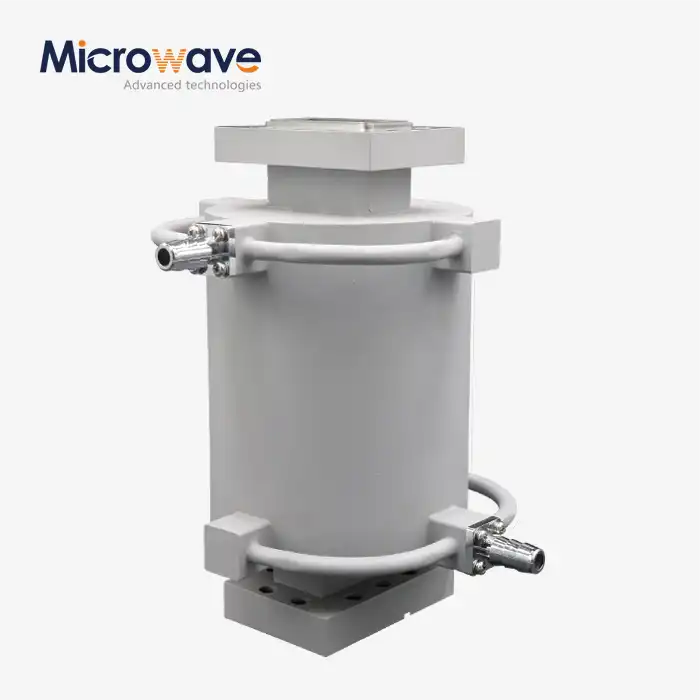
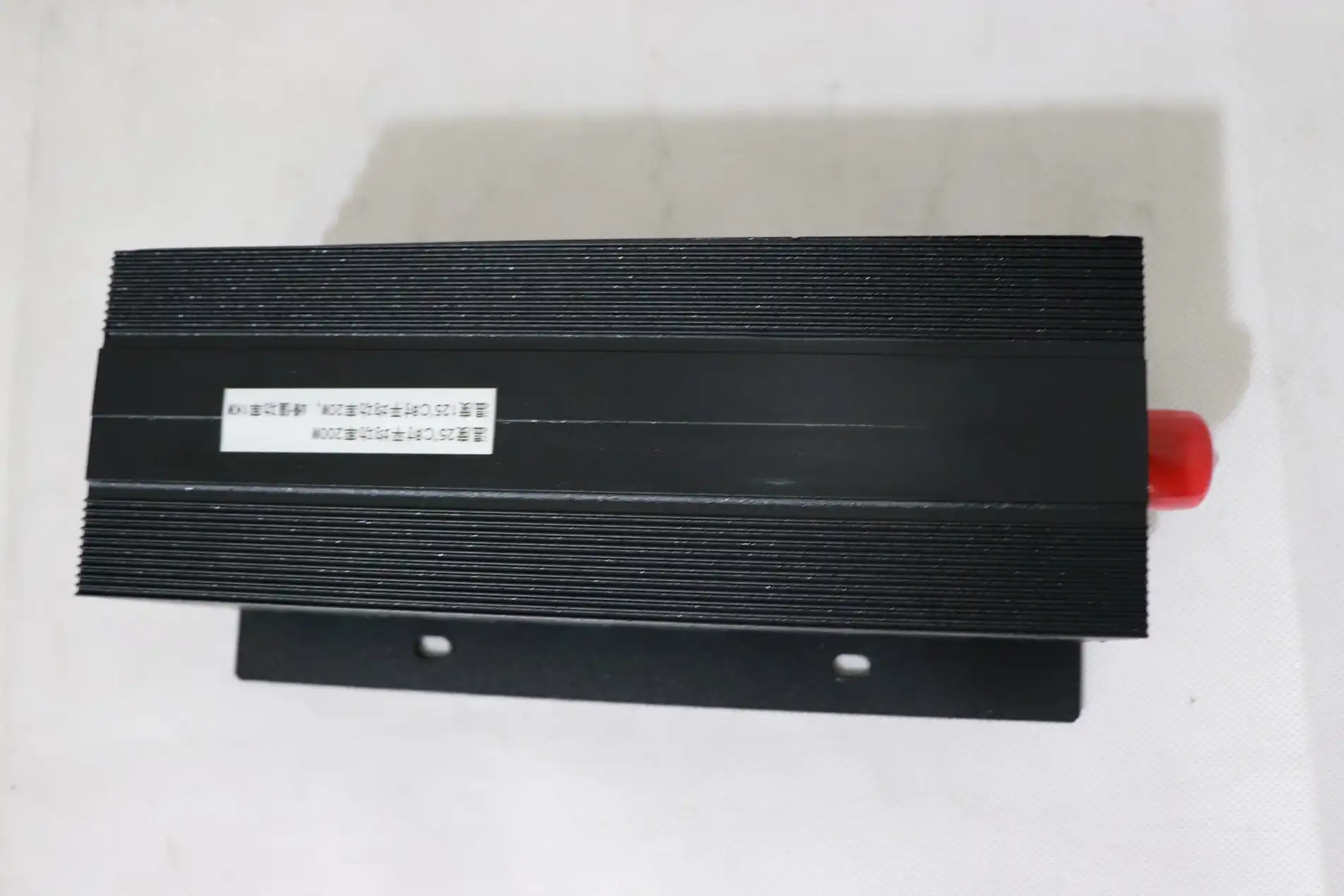
RF terminations, which are also called "dummy loads," are neutral parts that are designed to soak up electromagnetic energy at the end of a transmission line. Our CL series terminations at Advanced Microwave Technologies Co., Ltd. do this important job by matching the characteristic impedance of your system, which is usually 50 ohms. This gets rid of signal echoes that can damage amplifiers or mess up readings. When RF power comes into the device, resistive elements turn the electromagnetic energy into heat energy. This heat energy safely escapes through heat sinks or other cooling systems.
Understanding Impedance Matching Fundamentals
When energy is mirrored and sent back toward the source, problems with voltage standing wave ratio (VSWR) can happen. Impedance matching stops these problems. Our CL line keeps its VSWR below 1.2:1 from DC to 110 GHz, which means that more than 99% of the power that hits it is absorbed instead of returned. This feature keeps power amplifiers safe in radar systems and radio devices, where reflected energy can cause temperature runaway or catastrophic component failure. When procurement teams are looking at closure choices, they should put low VSWR standards and power-handling ability at the top of their lists.
High-Power versus Low-Power Designs
By telling the difference between power classes, you can choose the right components. Low-power terminations can handle up to 10 watts of power, which is good for testing jobs in the lab and readings with a signal analyzer. High-power versions, like our CL series types that can handle up to 500 watts, work with radio stations and radar systems that put out a lot of power. In high-power uses, thermal management is very important. Our designs use advanced heat-dissipation materials that keep working at their best even when they're constantly running at full power, which keeps them from breaking down too soon.
Comparing Terminations with Attenuators
Even though both parts control RF energy, they do very different things. Attenuators lower the signal's intensity while sending the rest of the energy downward. This lets them be used to change the gain in amplifier systems with more than one stage. On the other hand, terminations take in all the power and don't leave any output information. If procurement engineers are setting up radar calibration systems or keeping up with telecommunications infrastructure, they should use terminations when port separation or transmitter protection is needed and attenuators for signal processing jobs in active circuits.
Major Applications of Coaxial Loads in Communication and Radar Systems
These precision components address diverse operational requirements across multiple sectors. The following applications demonstrate how terminations enhance system reliability and measurement accuracy in real-world environments.
RF Testing and Base Station Calibration
Telecommunications network operators rely on dummy loads during base station commissioning and maintenance cycles. When technicians calibrate power amplifiers or verify transmitter output levels, terminations provide stable impedance without radiating signals that would violate regulatory emission limits. Our CL series enables accurate power measurements in cellular infrastructure spanning 0.5 to 6 GHz, supporting both legacy LTE deployments and emerging 5G millimeter-wave installations. The compact form factor accommodates space-constrained equipment racks while maintaining thermal stability during extended test sequences.
Radar Transmitter Protection
Defense and aerospace radar systems generate kilowatt-level pulses that demand robust power absorption capabilities and coaxial loads. During antenna disconnection procedures or system diagnostics, terminations replace the antenna load to prevent reflected energy from damaging magnetrons or solid-state transmitter modules. A major aerospace contractor integrated our terminations into their S-band surveillance radar, achieving 99.8% uptime during a critical air traffic control modernization project. The terminations' ability to handle peak power transients exceeding average ratings by 6 dB proved essential in pulsed radar environments.
Satellite Ground Station Operations
Ground segment engineers utilize terminations to balance hybrid combiners and isolate unused ports in redundant amplifier configurations. When satellite operators switch between primary and backup transmit chains, terminations maintain proper load impedance on inactive paths, preventing oscillations that could disrupt uplink communications. Our CL series operates reliably across the extreme temperature range of -55°C to +125°C, making it suitable for unmanned ground stations in Arctic and equatorial regions where climate control is limited.
Laboratory Calibration Standards
Research institutions conducting antenna pattern measurements and materials characterization require stable reference loads for vector network analyzer calibration. Precision terminations with traceable VSWR specifications enable accurate two-port measurements by establishing known reflection coefficients. A national metrology laboratory validated our terminations against primary standards, confirming less than 0.02 dB insertion loss uncertainty up to 40 GHz—a specification critical for millimeter-wave device characterization supporting advanced wireless research.
How to Choose the Right Coaxial Load for Your Application?
Selecting appropriate terminations involves evaluating multiple technical and logistical factors. This section guides procurement professionals through the decision-making process.
Assessing Power Capacity Requirements
Apply a 50% derating margin when specifying power ratings. If your transmitter outputs 200 watts of average power, select a termination rated for 300 watts minimum. This safety margin accommodates ambient temperature variations and peak power excursions inherent in modulated signals. Our CL series datasheet specifies power handling curves across temperature ranges, allowing engineers to verify adequate capacity under worst-case environmental conditions. Ignoring derating requirements causes premature failure; one telecommunications contractor experienced field failures after specifying 250-watt terminations for 220-watt transmitters operating in 45°C ambient temperatures.
Frequency Range Considerations
Match the termination's frequency specification to your system's operating band with margin. Using a DC-3 GHz termination in a 5 GHz application results in inductive or capacitive reactance rather than pure resistance, causing high VSWR and potential equipment damage. Our CL series covers DC to 110 GHz through multiple models, enabling procurement teams to source appropriate variants for applications spanning HF communications through W-band radar systems. Broadband terminations simplify inventory management in facilities supporting diverse frequency allocations.
Connector Compatibility and Mechanical Integration
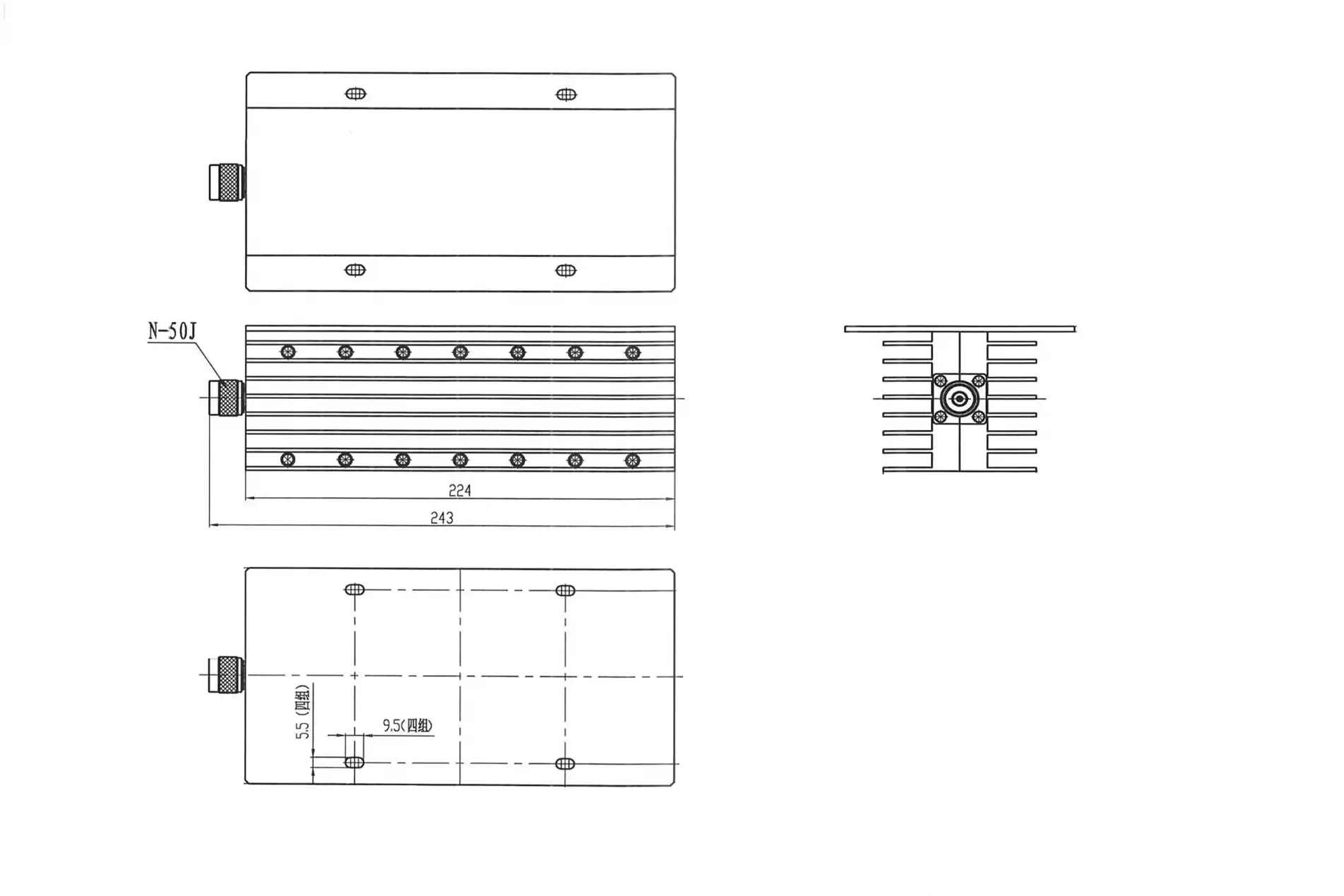
Connector selection impacts both frequency performance and mechanical reliability. SMA connectors suit applications up to 18 GHz in laboratory environments, while 2.92mm variants extend usability to 40 GHz. High-power broadcast applications benefit from 7/16 DIN connectors offering superior current handling. Our engineering team provides connector transition adapters when system interfaces don't match standard termination configurations, ensuring seamless integration without compromising electrical performance. One defense contractor required custom TNC-to-N adapters for a legacy radar upgrade, which we delivered within two weeks alongside tailored terminations.
Evaluating Supplier Capabilities
Beyond component specifications, assess supplier qualifications that affect long-term procurement success for coaxial loads. ISO 9001:2015 certification indicates robust quality management systems, while RoHS compliance ensures regulatory conformity in international markets. At Advanced Microwave Technologies, our ISO 14001:2015 environmental certification and ISO 45001:2018 occupational safety standards demonstrate comprehensive operational excellence. Procurement teams should evaluate lead times, minimum order quantities, and technical support responsiveness—factors particularly critical when sourcing custom-configured terminations for specialized applications.
Leading Coaxial Load Brands and Suppliers in the Market
Navigating the supplier landscape requires understanding manufacturer strengths and procurement best practices. Established providers bring decades of RF engineering expertise, yet emerging specialists offer competitive advantages in customization and responsiveness.
Established Industry Leaders
Bird Electronic Corporation pioneered high-power terminations for broadcast applications, with product lines handling kilowatts in oil-cooled packages. Mini-Circuits dominates the precision laboratory market through extensive frequency coverage and cost-effective pricing. Keysight Technologies integrates terminations with measurement solutions, appealing to R&D laboratories seeking calibrated accessory kits. These manufacturers excel in standardized product availability and comprehensive datasheets that simplify specification comparison during procurement evaluations.
Specialized RF Component Manufacturers
Advanced Microwave Technologies Co., Ltd. differentiates through custom engineering capabilities and rapid prototyping services. Our 24-meter anechoic chamber validates termination performance under actual operating conditions, providing test data that generic suppliers cannot match. With over two decades of microwave component experience, we assist procurement teams in translating system requirements into optimized termination specifications—particularly valuable when off-the-shelf products don't address unique constraints in defense or aerospace programs.
Procurement Due Diligence
Verify manufacturer certifications, warranty terms, and return policies before issuing purchase orders. Request test data specific to your operating frequency and power level rather than relying solely on published specifications. One satellite operator discovered counterfeit terminations in their supply chain after verifying serial numbers with the original manufacturer; this incident underscores the importance of authorized distributor relationships. Our direct sales model eliminates intermediary markup while ensuring component authenticity and traceability—critical factors for aerospace and defense procurement compliance.
Optimizing Coaxial Load Performance in Communication and Radar Systems
Maximizing termination lifespan and performance requires attention to installation practices and operational monitoring.
Thermal Management Best Practices
Adequate ventilation prevents thermal derating and extends component life. Mount terminations vertically when possible to facilitate convective cooling and maintain clearance around heat sinks per manufacturer recommendations. One broadcast engineer increased termination longevity by 40% after installing forced-air cooling in a transmitter room where ambient temperatures exceeded 35°C. Our CL series includes thermal derating curves that specify reduced power handling at elevated temperatures, enabling operators to program transmitter limits that prevent overheating during abnormal cooling system outages.
Impedance Verification and Maintenance
Periodic VSWR measurements (coaxial load) detect connector degradation and contamination that compromise performance. Connector wear from repeated mating cycles introduces mechanical variability; torque wrenches calibrated to manufacturer specifications prevent over-tightening damage. A telecommunications contractor implemented quarterly termination inspection protocols after discovering that salt-air corrosion in coastal installations increased VSWR from 1.15:1 to 1.45:1 over 18 months, requiring premature replacement. Our RoHS-compliant materials resist environmental degradation better than legacy designs using leaded components.
Emerging Technology Trends
Materials science advances enable higher power density and broader frequency coverage. Thin-film resistive elements replace bulk resistors in millimeter-wave terminations, reducing parasitic inductance that limits high-frequency performance. Additive manufacturing techniques allow complex thermal geometries impossible with traditional machining, improving cooling efficiency in compact packages. As 5G networks expand into millimeter-wave bands and radar systems adopt active electronically scanned arrays, terminations must evolve to support these demanding applications. Our R&D investments in advanced ceramics and thermal interface materials position our CL series for next-generation system requirements.
Conclusion
RF terminations remain fundamental to communication and radar system reliability, safeguarding expensive equipment while enabling accurate measurements. Procurement professionals must balance technical specifications—power handling, frequency range, and VSWR—with supplier qualifications, including certifications, customization capabilities, and delivery performance. Advanced Microwave Technologies' CL series exemplifies the precision engineering and rigorous quality standards required for mission-critical applications. As wireless technologies advance toward higher frequencies and power levels, investing in robust termination solutions protects system integrity and operational continuity.
FAQ
1. What distinguishes a standard termination from a low PIM termination?
Standard terminations prioritize VSWR and power absorption, using conventional resistive films and connectors adequate for most applications. Low PIM (passive intermodulation) variants employ specialized non-magnetic materials and high-linearity resistive elements to prevent the generation of spurious signals. Full-duplex communication systems—particularly LTE and 5G base stations—require low PIM terminations to avoid raising the noise floor, which would degrade receiver sensitivity and reduce network capacity.
2. How does ambient temperature affect power handling capacity?
Manufacturers specify power ratings at 25°C ambient temperature. As environmental temperature rises, power handling capacity decreases linearly according to derating curves, typically reaching zero at maximum operating temperature (often 125°C). Sufficient airflow or heat-sinking is essential; one radar operator experienced failures after ignoring derating specifications in a 50°C equipment shelter, resulting in terminations operating beyond safe thermal limits.
3. Can terminations designed for lower frequencies be used at higher frequencies?
Using terminations above their rated frequency causes the component to exhibit inductive or capacitive reactance rather than pure resistance, producing high VSWR that reflects energy back toward the source. This reflected power risks, amplifier damage, and measurement inaccuracy. Procurement teams should verify frequency specifications match or exceed system operating bands with appropriate margin to accommodate component tolerances and aging effects.
Partner with ADM for Reliable Coaxial Load Solutions
Advanced Microwave Technologies stands ready to support your procurement requirements with our CL series coaxial load products, engineered to meet the demanding standards of defense, aerospace, and telecommunications applications. Our ISO-certified manufacturing processes and RoHS-compliant materials ensure regulatory conformity, while our customization capabilities address unique system constraints that off-the-shelf components cannot satisfy. Whether you need standard 50-ohm terminations for laboratory calibration or high-power variants for radar transmitter protection, our technical team provides application-specific guidance that simplifies specification and accelerates project timelines. As a trusted coaxial load manufacturer, we maintain inventory depth and flexible minimum order quantities that accommodate both prototyping and production volumes. Contact craig@admicrowave.com today to discuss your technical requirements and receive a detailed quotation—our engineers are prepared to translate your operational challenges into optimized termination solutions that enhance system reliability.
References
1. Pozar, David M. Microwave Engineering, 4th Edition. Wiley, 2011.
2. Rizzi, Peter A. Microwave Engineering: Passive Circuits. Prentice Hall, 1988.
3. Collin, Robert E. Foundations for Microwave Engineering, 2nd Edition. IEEE Press, 2001.
4. Bahl, Inder J. Lumped Elements for RF and Microwave Circuits. Artech House, 2003.
5. IEEE Standard 287-2007. IEEE Standard for Precision Coaxial Connectors. Institute of Electrical and Electronics Engineers, 2007.
6. Ghodgaonkar, Deepak K., et al. "Free-Space Measurement of Complex Permittivity and Complex Permeability of Magnetic Materials at Microwave Frequencies." IEEE Transactions on Instrumentation and Measurement, vol. 39, no. 2, 1990, pp. 387-394.