




Buy OEM Log Periodic Antenna: What to Look For
Imagine deploying a critical satellite ground station only to discover your antenna can't handle the full frequency range your system requires. Or perhaps you're managing a defense radar installation where signal degradation threatens mission-critical surveillance operations. These scenarios plague engineers and procurement managers who underestimate the complexity of selecting the right Log Periodic Antenna for their applications. When you buy OEM Log Periodic Antenna solutions, you're not just purchasing hardware—you're investing in broadband performance, system reliability, and operational flexibility across diverse frequency bands. This comprehensive guide reveals the critical factors that separate exceptional Log Periodic Antenna systems from inadequate ones, helping you make informed decisions that protect your investment and ensure mission success.
Understanding Log Periodic Antenna Technology for OEM Applications
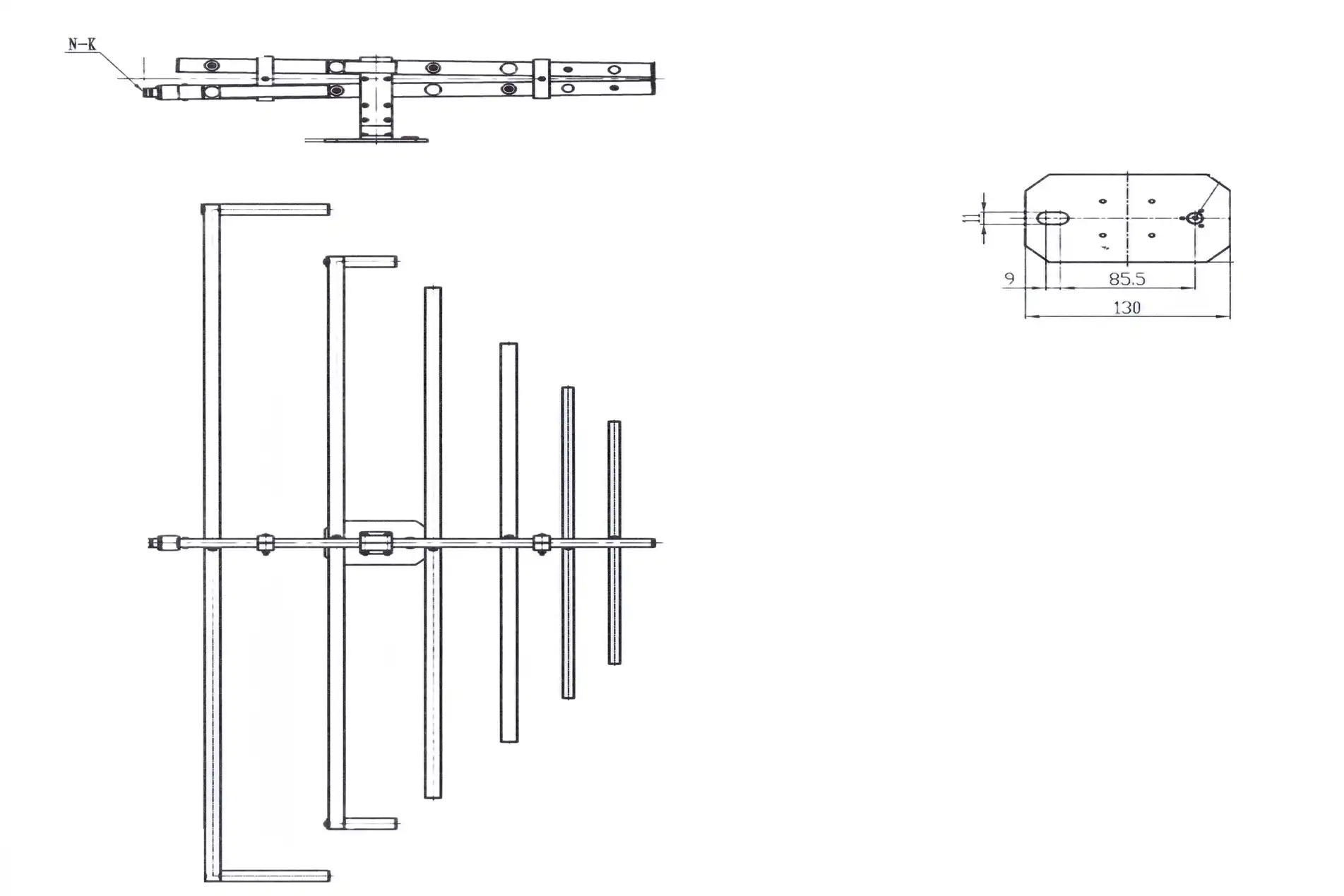
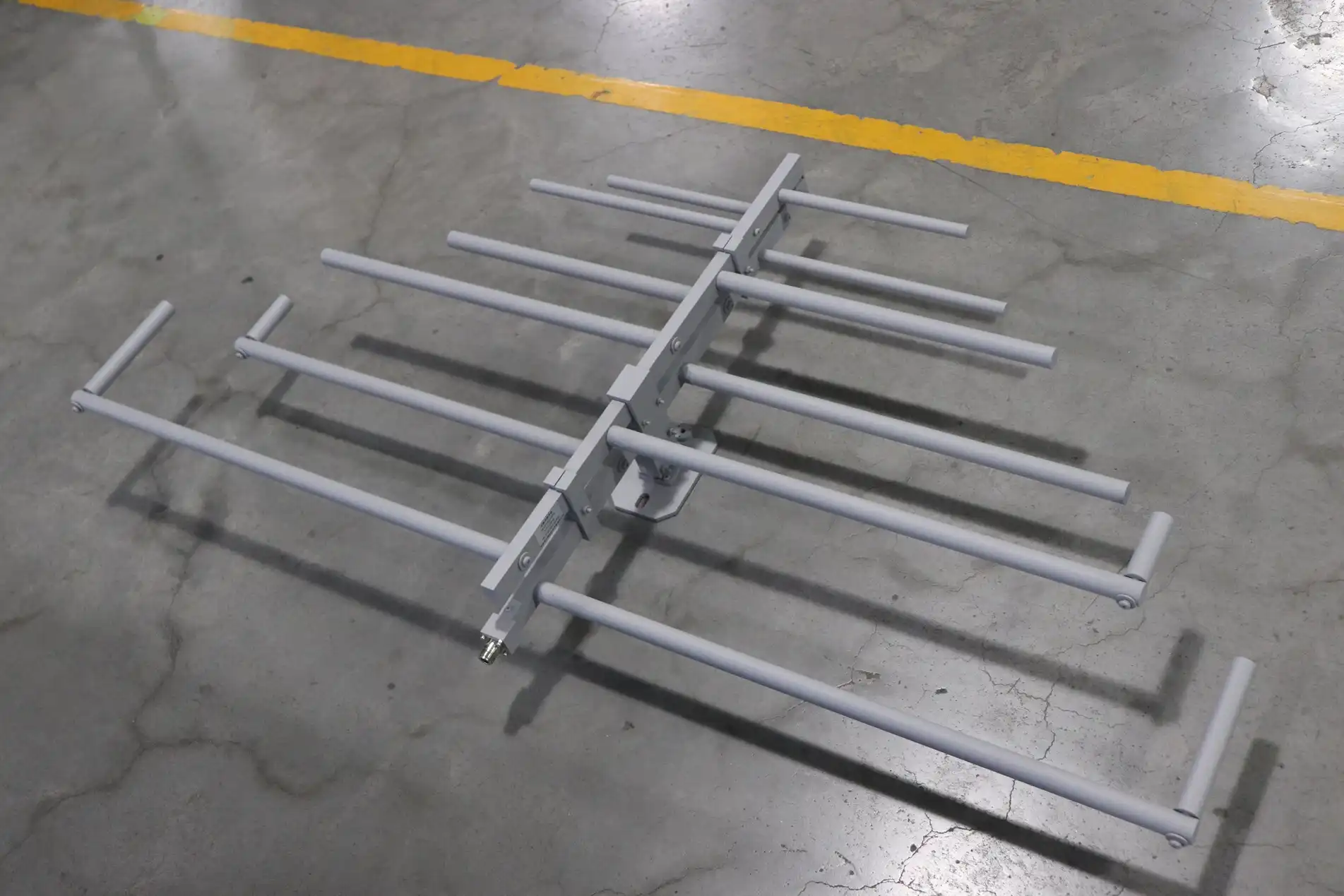
The Log Periodic Antenna represents a sophisticated engineering solution for modern communication and testing systems. Unlike narrowband antennas designed for specific frequencies, these broadband directional antennas maintain consistent performance across extensive frequency ranges through their unique logarithmic element spacing. The Log Periodic Antenna architecture consists of multiple dipole elements arranged in a precise geometric pattern, where each element is scaled logarithmically to create overlapping frequency responses. This design principle enables the antenna to operate effectively from hundreds of megahertz to multiple gigahertz, making it indispensable for applications requiring frequency agility without physical reconfiguration.
Critical Performance Parameters That Define Quality
When evaluating OEM Log Periodic Antenna options, understanding the technical specifications determines whether the antenna meets your application requirements. The frequency range establishes the operational boundaries—typically spanning from 300 MHz to 10 GHz for industrial-grade systems, though specialized designs extend beyond 110 GHz for advanced microwave applications. Gain characteristics, measured in decibels, directly impact signal strength and transmission distance. Professional-grade Log Periodic Antenna systems deliver gains between 8 dB and 18 dB, providing the power necessary for long-range communications and sensitive measurement applications. Voltage Standing Wave Ratio, commonly specified as 2:1 maximum, indicates how efficiently the antenna transfers energy without reflections that degrade performance. Lower VSWR values translate to reduced signal loss and improved system efficiency across the operational bandwidth. Polarization capabilities fundamentally affect how the Log Periodic Antenna interacts with electromagnetic waves. Linear polarization suits most communication and radar systems, while circular polarization excels in applications like satellite communications where signal orientation varies. Advanced designs offer dual-polarization or cross-polarization features that enhance MIMO capability and improve signal discrimination in complex electromagnetic environments. The beamwidth specification, typically ranging from 30 to 50 degrees, determines the antenna's coverage pattern and directly influences its ability to isolate signals from specific directions while rejecting interference from others.
Material Construction and Environmental Durability
The materials comprising your Log Periodic Antenna determine its longevity and reliability under challenging operational conditions. Aluminum construction offers excellent conductivity with minimal weight, making it ideal for installations where physical constraints limit structural support. Copper provides superior electrical performance for high-frequency applications where minimal signal loss is paramount. Stainless steel construction ensures maximum corrosion resistance for harsh maritime, coastal, or industrial environments where environmental exposure accelerates degradation. The connector interface significantly impacts system integration—N-type connectors dominate professional installations for their robust performance and power handling, while SMA and TNC variants suit compact systems requiring smaller form factors. Environmental protection ratings reveal the antenna's ability to withstand real-world conditions. IP65-rated enclosures prevent dust infiltration and resist water jets from any direction, essential for outdoor deployments in variable weather. Advanced Log Periodic Antenna designs incorporate weather-resistant coatings, UV-stabilized materials, and corrosion-resistant hardware that extend operational life even in extreme temperature ranges and high-humidity environments.
Key Selection Criteria for OEM Log Periodic Antenna Procurement
Selecting the optimal Log Periodic Antenna for OEM integration requires systematic evaluation of multiple technical and commercial factors. The application environment defines fundamental requirements—satellite ground stations demand different characteristics than EMC test chambers or defense surveillance systems. Frequency coverage must encompass not only current operational needs but also accommodate future system expansions and technology upgrades. The Log Periodic Antenna's directional characteristics determine its effectiveness in specific scenarios. High-gain directional patterns concentrate energy for long-range point-to-point links, while broader patterns provide area coverage for monitoring or broadcast applications.
Customization Capabilities and OEM Integration
Professional OEM suppliers distinguish themselves through comprehensive customization capabilities that align products with specific system requirements. Advanced Microwave Technologies Co., Ltd exemplifies this approach, offering tailored Log Periodic Antenna solutions where frequency ranges, physical dimensions, connector types, and mounting configurations adapt to unique application demands. The ability to modify impedance matching networks optimizes performance for specific transmission line characteristics, while custom radome designs protect sensitive elements without compromising electrical performance. Prototyping services enable thorough testing and validation before committing to production quantities, reducing integration risks and ensuring the Log Periodic Antenna performs optimally within your complete system architecture. Technical support throughout the design and integration phases proves invaluable for complex projects. Experienced engineering teams provide electromagnetic modeling, pattern analysis, and installation guidance that accelerates deployment while avoiding costly mistakes. This collaborative approach ensures the final Log Periodic Antenna configuration delivers maximum performance for your specific application constraints and operational requirements.
Quality Assurance and Certification Standards
Quality certifications provide objective verification that manufacturing processes consistently deliver reliable products. ISO 9001:2015 certification demonstrates comprehensive quality management systems governing every aspect of production, from initial design through final testing and delivery. This standard ensures rigorous quality control procedures, documented processes, and continuous improvement methodologies that minimize defects and variations. RoHS compliance confirms the absence of hazardous substances, meeting environmental regulations essential for international markets and environmentally conscious organizations. Advanced testing capabilities separate professional manufacturers from basic suppliers. State-of-the-art antenna measurement facilities, such as Advanced Microwave Technologies Co., Ltd's 24-meter microwave darkroom, enable precise characterization of radiation patterns, gain, impedance, and other critical parameters across the full operational frequency range. Near-field and far-field measurement capabilities provide comprehensive performance data that validates design specifications and ensures each Log Periodic Antenna meets exacting standards before shipment.
Application-Specific Log Periodic Antenna Considerations
Different applications impose unique requirements that influence Log Periodic Antenna selection. Satellite communication systems prioritize wide frequency coverage to accommodate multiple bands, circular polarization for robust signal reception regardless of satellite orientation, and high power handling for uplink transmission. Defense and aerospace applications demand rugged construction, consistent performance across temperature extremes, and precise beam control for accurate target tracking and identification. The Log Periodic Antenna employed in these scenarios must withstand shock, vibration, and extreme environmental conditions while maintaining calibrated performance.
EMC Testing and Measurement Applications
Electromagnetic compatibility testing facilities rely on Log Periodic Antenna systems for emission and immunity measurements. These specialized applications require exceptionally flat frequency responses to minimize measurement uncertainty, calibrated antenna factors for accurate field strength calculations, and low cross-polarization characteristics that meet stringent testing standards. The antenna's size and beamwidth must suit the chamber dimensions while providing adequate coverage of devices under test. Professional EMC-grade Log Periodic Antenna products include comprehensive calibration data at multiple measurement distances, enabling precise compliance verification for regulatory requirements including FCC, CE, and MIL-STD specifications. Telecommunications infrastructure applications increasingly employ Log Periodic Antenna solutions for base station testing, network optimization, and coverage verification. The wide frequency coverage accommodates legacy systems and emerging technologies simultaneously, reducing equipment requirements and simplifying field operations. For rural connectivity and IoT deployments, the Log Periodic Antenna's broadband characteristics enable efficient signal propagation across varied terrain and building structures.
Evaluating OEM Supplier Capabilities
The OEM supplier relationship significantly impacts long-term success beyond the initial antenna purchase. Manufacturing capacity determines scalability—suppliers with established production facilities deliver consistent quality at volumes from prototypes through large-scale deployments. Supply chain management capabilities ensure reliable component sourcing, on-time delivery, and responsive inventory management that supports your production schedules. Advanced Microwave Technologies Co., Ltd's integrated production and R&D capabilities exemplify the comprehensive approach necessary for complex Log Periodic Antenna projects requiring ongoing technical evolution.
Technical Support and After-Sales Service
Comprehensive technical support transforms a transactional supplier relationship into a strategic partnership. Pre-sales engineering assistance helps define optimal specifications, evaluate tradeoffs, and select configurations that maximize performance while controlling costs. Installation guidance prevents deployment errors that compromise system performance or damage equipment. Troubleshooting support rapidly resolves operational issues, minimizing downtime and maintaining system availability. The availability of replacement parts, repair services, and upgrade paths protects your investment over extended operational lifetimes. Price competitiveness matters, but total cost of ownership provides more meaningful evaluation. Initial purchase price combined with installation costs, maintenance requirements, expected lifespan, and performance reliability determines the true economic value. High-quality Log Periodic Antenna systems from reputable manufacturers like Advanced Microwave Technologies Co., Ltd often deliver superior long-term value despite higher initial costs through reduced failure rates, extended service life, and minimal performance degradation.
Conclusion
Selecting the right OEM Log Periodic Antenna requires balancing technical performance, customization capabilities, quality assurance, and supplier expertise to match your specific application requirements and operational environment.
Cooperate with Advanced Microwave Technologies Co., Ltd.
Partner with Advanced Microwave Technologies Co., Ltd., your trusted China Log Periodic Antenna manufacturer, China Log Periodic Antenna supplier, and China Log Periodic Antenna factory offering competitive Log Periodic Antenna price with High Quality Log Periodic Antenna solutions and Log Periodic Antenna for sale globally. Benefit from ISO-certified excellence, customized OEM designs, and China Log Periodic Antenna wholesale options backed by 20+ years of microwave expertise. Contact our engineering team at craig@admicrowave.com today to discuss your specific requirements and receive a detailed quotation. Bookmark this resource for future reference as your comprehensive guide to professional antenna procurement.
References
1. "Antenna Engineering Handbook, Fourth Edition" by John L. Volakis. McGraw-Hill Education.
2. "Modern Antenna Design, Second Edition" by Thomas A. Milligan. Wiley-IEEE Press.
3. "Electromagnetic Compatibility Engineering" by Henry W. Ott. Wiley.
4. "Microwave and RF Design: A Systems Approach, Second Edition" by Michael Steer. SciTech Publishing.
5. "Practical Antenna Handbook, Fifth Edition" by Joseph J. Carr and George W. Hippisley. McGraw-Hill Education.