





Best Waveguide E Bend Components for High-Frequency Routing
When searching for the best waveguide E bend components for high-frequency routing applications, engineers consistently turn to precision-engineered solutions that deliver superior signal integrity and minimal insertion loss. The Advanced Microwave Technologies (ADM) waveguide E bend stands out as an exceptional choice, offering frequency coverage up to 110 GHz with VSWR performance ≤ 1.15. These components excel in critical applications where reliable signal transmission cannot be compromised.
Why Waveguide E Bends Are Critical for Modern RF Systems
The broadcast communications and aviation businesses progressively request modern directing arrangements that keep up flag devotion over complex framework designs. Waveguide E bend components serve as basic building pieces, empowering engineers to divert electromagnetic signals through exact precises moves without compromising execution metrics. Modern 5G systems, adherent communication frameworks, and radar establishments require components that work dependably over expanded recurrence ranges. The E-plane twist arrangement gives prevalent execution characteristics compared to elective steering strategies, especially in millimeter-wave applications where indeed minor flag debasement can affect framework effectiveness. High-frequency directing challenges have heightens as framework architects thrust toward higher information rates and more compact shape variables. Engineers working on defense radar frameworks, adherent ground stations, and broadcast communications foundation require components that convey steady execution whereas withstanding cruel natural conditions.
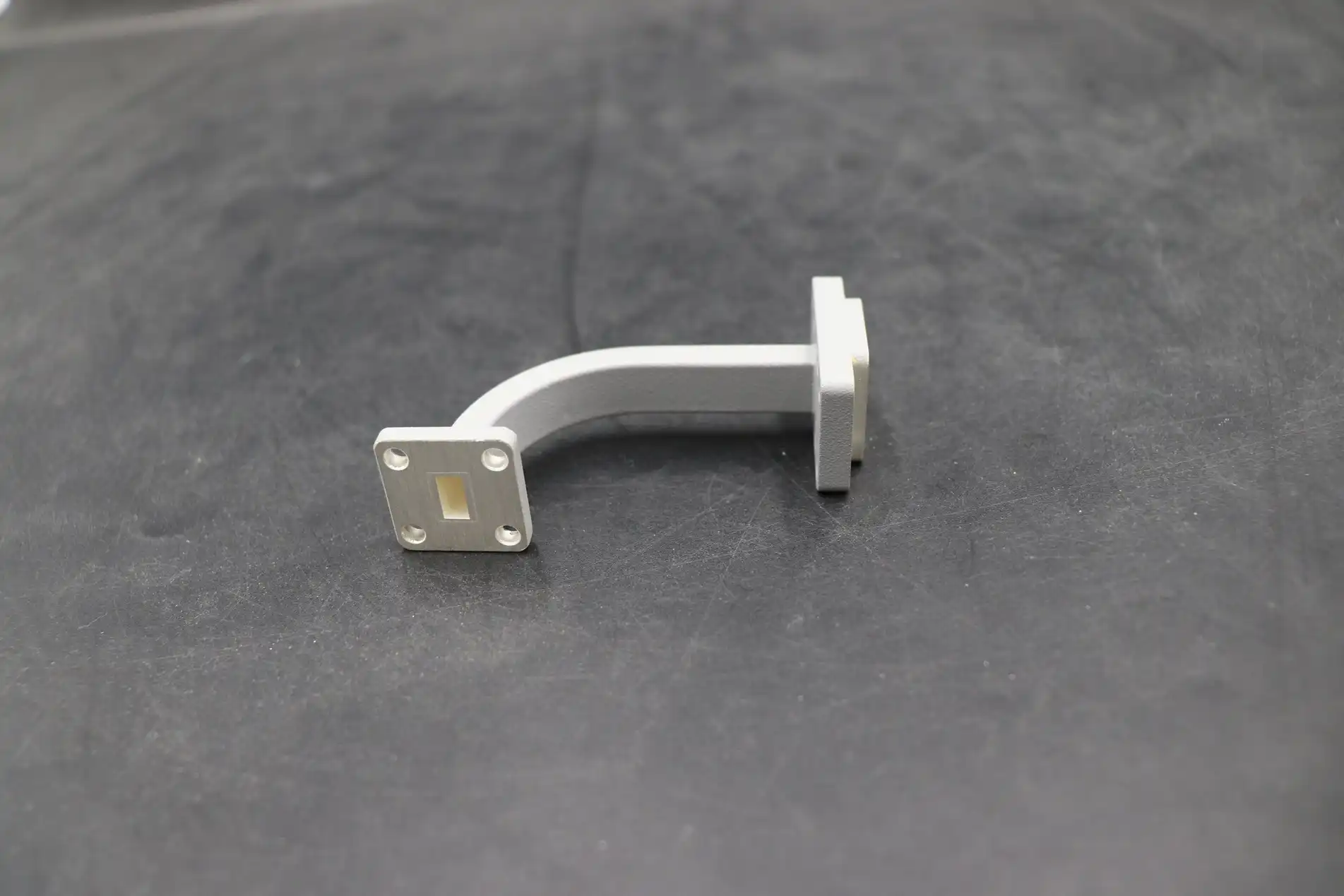
Selection Criteria for Superior Waveguide E Bend Performance
Our assessment technique centers on basic execution parameters that straightforwardly affect framework unwavering quality and flag keenness. These criteria guarantee ideal component determination for requesting applications over aviation, defense, and broadcast communications sectors.Frequency Reaction and Transmission capacity speaks to the essential thought for any high-frequency directing application. Components must illustrate level reaction characteristics over their indicated working extend, with negligible variety in inclusion misfortune and return misfortune metrics.VSWR Execution straightforwardly relates with control exchange proficiency and framework soundness. Superior Waveguide E Bend twists show VSWR values underneath 1.15 over their whole recurrence extend, minimizing reflections that can debase generally framework performance.Mechanical Exactness and Construct Quality ended up progressively critical as frequencies expand into millimeter-wave districts. Tight dimensional resiliences and steady surface wraps up guarantee repeatable execution over generation quantities.Environmental Strength things essentially for aviation and defense applications. Components must keep up execution details beneath temperature extremes, vibration, and mugginess conditions ordinary of field deployments.Customization Capability empowers framework creators to optimize execution for particular applications. The capacity to adjust twist points, recurrence ranges, and connector setups gives adaptability for complex framework integrations.
Top Waveguide E Bend Solutions for High-Frequency Applications
Standard E-Bend Series (WR-90 to WR-10)
The standard E-bend arrangement covers the most commonly indicated waveguide sizes, giving dependable execution for standard broadcast communications and radar applications. These components highlight precision-machined aluminum development with discretionary gold or silver plating for upgraded conductivity and erosion resistance. Operating frequencies span from 8.2 GHz (WR-90) through 110 GHz (WR-10), obliging the larger part of commercial and military applications. The 90-degree twist setup empowers productive flag directing in space-constrained situations whereas keeping up VSWR execution underneath 1.15 over the indicated recurrence range. Manufacturing resiliences meet or surpass worldwide benchmarks, guaranteeing reliable execution over generation amounts. Each component experiences comprehensive testing utilizing vector organize analyzers calibrated to NIST benchmarks, giving archived confirmation of electrical performance. The vigorous mechanical plan withstands temperature cycling from -40°C to +85°C without execution debasement. Strung spine associations give secure, repeatable gathering whereas minimizing inclusion constrain necessities amid framework integration. Custom twist points extending from 15 degrees to 120 degrees suit particular steering necessities. Lead times for standard arrangements ordinarily run from 2-4 weeks, whereas custom plans require 4-6 weeks depending on complexity.
Multi-Degree E-Bend Assemblies
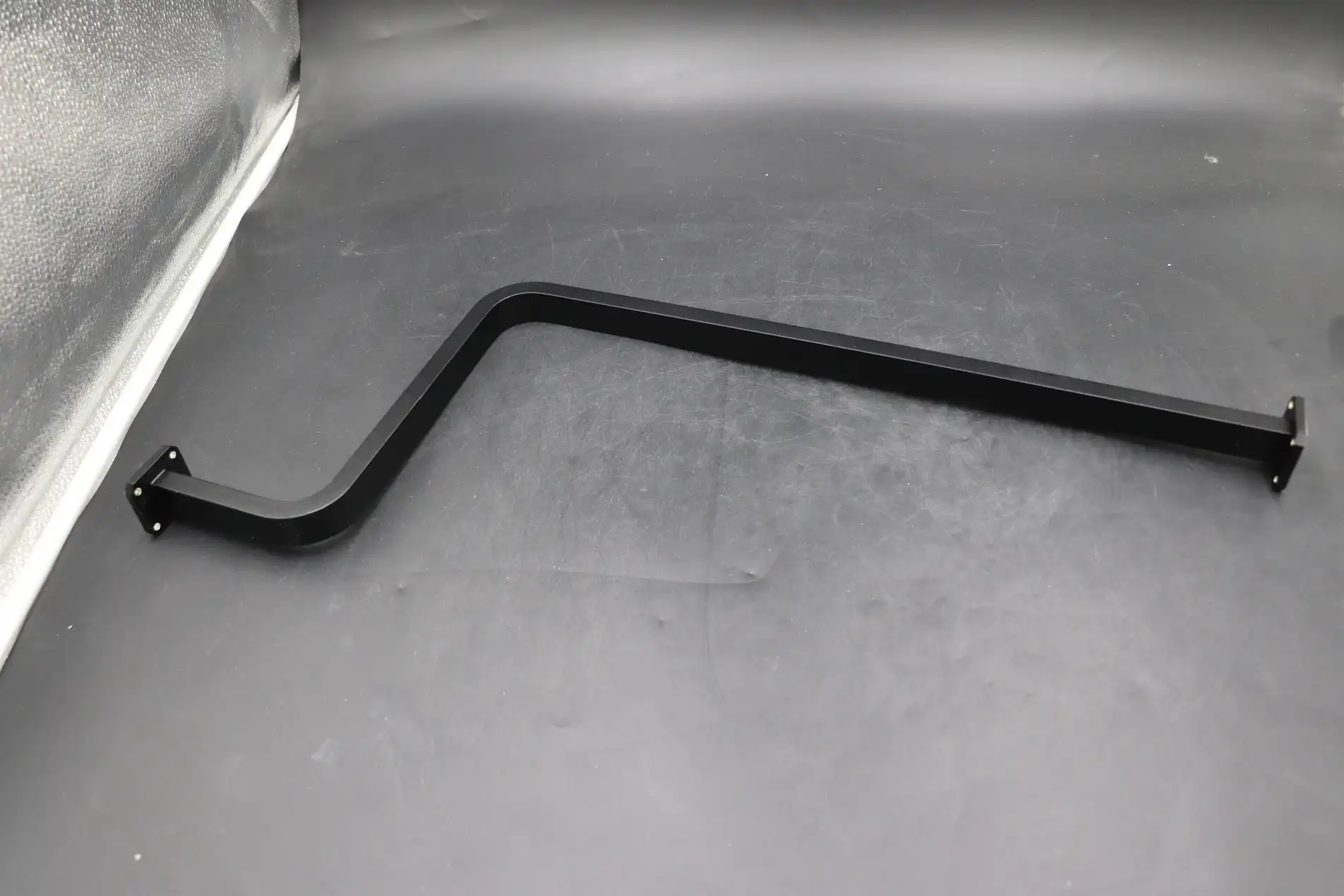
Multi-degree E-bend gatherings give advanced directing arrangements for complex framework models where standard 90-degree twists cannot accomplish craved flag ways. These congregations combine numerous twist areas with precision-matched interfacing to keep up ideal electrical performance. Engineering groups regularly indicate these gatherings for lackey communication frameworks where physical limitations require non-standard flag directing. The multi-section plan empowers continuous directional changes that minimize mode transformation and keep up flag purity. Frequency scope amplifies from 1 GHz through 110 GHz depending on waveguide measure choice. Each get together experiences person testing to confirm addition misfortune, return misfortune, and stage characteristics over the working recurrence range. Advanced modeling procedures optimize twist radii and area lengths to minimize reflections and maximize control exchange effectiveness. Computer-aided plan instruments empower exact forecast of electrical execution amid the plan stage, diminishing advancement time and guaranteeing determination compliance. Applications incorporate staged cluster radio wire frameworks, lackey ground terminals, and high-performance radar establishments where flag keenness cannot be compromised. Natural testing approves execution beneath temperature cycling, vibration, and mugginess presentation ordinary of field deployments.
Custom OEM E-Bend Solutions
Original Gear Producer (OEM) applications frequently require waveguide E bend components with determinations past standard catalog offerings. Custom arrangements address special recurrence ranges, control dealing with prerequisites, and natural conditions particular to person applications. The plan prepare starts with nitty gritty application examination to get it flag steering necessities, space imperatives, and execution determinations. Building groups collaborate closely with clients to optimize twist geometry, fabric determination, and surface treatments. Prototyping capabilities empower quick assessment of custom plans some time recently committing to generation amounts. Progressed recreation devices foresee electrical execution whereas mechanical examination guarantees basic keenness beneath indicated natural conditions. Manufacturing adaptability suits specialized materials counting oxygen-free copper, beryllium copper, and outlandish combinations for space-grade applications. Surface medicines run from standard anodizing through valuable metal plating for upgraded conductivity and erosion resistance. Quality control methods incorporate dimensional assessment utilizing facilitate measuring machines and electrical testing over the indicated recurrence run. Documentation bundles give comprehensive execution information, fabric certifications, and traceability records required for aviation and defense applications.
Global Market Characteristics and Regulatory Considerations
The universal waveguide component showcase reflects differing administrative necessities and execution guidelines over distinctive geological districts. Understanding these varieties empowers educated component choice and guarantees compliance with pertinent regulations. North American Markets emphasize MIL-STD determinations for defense applications and FCC controls for broadcast communications gear. Components must illustrate compliance with RoHS orders whereas assembly exacting execution necessities for space and flying applications. European Prerequisites adjust with EN guidelines and CE stamping prerequisites for electromagnetic compatibility. Natural controls progressively impact fabric determination and fabricating forms, driving selection of lead-free fastening and recyclable materials. Asia-Pacific Determinations shift altogether over diverse nations, with a few locales embracing worldwide benchmarks whereas others keep up neighborhood necessities. Send out control controls influence component accessibility for certain applications and destinations. Quality administration frameworks must comply with ISO 9001 guidelines notwithstanding of goal advertise. Traceability prerequisites gotten to be especially rigid for aviation and defense applications, requiring comprehensive documentation all through the fabricating process.
Purchasing Recommendations and Critical Considerations
Successful waveguide E bend procurement requires careful evaluation of both immediate requirements and long-term system evolution plans. Consider future frequency expansion requirements when selecting component specifications to avoid obsolescence issues.Performance Verification should include comprehensive testing across the intended operating frequency range. Request detailed test data including insertion loss, return loss, and VSWR measurements at multiple frequency points within the specification range.Supply Chain Reliability becomes increasingly important as component complexity increases. Evaluate supplier manufacturing capacity, quality management systems, and technical support capabilities before making procurement decisions.Lifecycle Support considerations include component availability for future production runs and engineering support for system upgrades. Establish clear agreements regarding design change notifications and component substitution policies.Cost-Performance Optimization requires balancing initial component costs against long-term system performance requirements. Higher-quality components often provide superior lifecycle value through improved reliability and extended service life.
Industry Trends and Future Outlook
The waveguide component industry continues evolving toward higher frequencies, more compact designs, and enhanced environmental resilience. Millimeter-wave applications drive demand for precision manufacturing techniques, while 5G infrastructure deployment accelerates adoption of advanced routing components. Additive manufacturing techniques show promise for complex geometries, though traditional machining remains dominant for high-volume production.
Conclusion
Selecting optimal waveguide E bend components requires careful consideration of frequency requirements, performance specifications, and environmental conditions. The solutions highlighted demonstrate proven capabilities across diverse applications from telecommunications infrastructure through aerospace systems. Quality components from established manufacturers provide the reliability and performance consistency essential for mission-critical applications. Investment in superior routing components yields long-term benefits through improved system performance, reduced maintenance requirements, and extended operational life.
Frequently Asked Questions
What frequency ranges do standard E-bend configurations support?
Standard waveguide E-bend components cover frequency ranges from 1 GHz through 110 GHz, depending on the specific waveguide size selected. WR-430 supports the lower frequency ranges starting around 1.7 GHz, while WR-10 operates at millimeter-wave frequencies up to 110 GHz. Custom designs can accommodate frequencies outside these standard ranges.
How do environmental conditions affect E-bend performance?
Temperature variations, humidity, and vibration can impact waveguide E-bend performance through dimensional changes and material property variations. Quality components maintain stable performance from -40°C to +85°C with proper material selection and thermal design. Sealed designs prevent moisture ingress that could degrade electrical performance.
What VSWR performance should I expect from high-quality E-bends?
High-performance waveguide E-bend components typically achieve VSWR values of 1.15 or better across their specified frequency range. Premium components may achieve VSWR performance below 1.10, particularly important for high-power applications where reflections must be minimized to prevent component damage.
Can E-bend components handle high-power applications?
Power handling capability depends on waveguide size, frequency, and cooling provisions. Larger waveguide sizes generally support higher power levels, with proper thermal management enabling operation at several kilowatts for lower frequency applications. Detailed power calculations should consider both average and peak power requirements.
What customization options are available for OEM applications?
Customization options include non-standard bend angles, specialized materials, unique mounting configurations, and integrated cooling provisions. Custom frequency ranges, power handling requirements, and environmental specifications can be accommodated through engineering collaboration during the design phase.
How long do custom E-bend components take to manufacture?
Standard E-bend configurations typically require 2-4 weeks for delivery, while custom designs may require 4-8 weeks depending on complexity and material requirements. Prototype quantities often have shorter lead times to support development schedules, with production quantities following upon design approval.
Ready to Source Premium Waveguide E Bend Components? Partner with ADM
Advanced Microwave Technologies stands ready to support your high-frequency routing requirements with precision-engineered waveguide E bend solutions. Our ISO-certified manufacturing processes and comprehensive testing capabilities ensure consistent performance for demanding applications. Whether you need standard configurations or custom OEM designs, our technical team provides expert guidance throughout the specification and procurement process. Contact our waveguide E bend specialists today at sales@admicrowave.com to discuss your specific requirements and receive detailed technical proposals tailored to your application needs.
References
1. Marcuvitz, Nathan. Waveguide Handbook: Microwave and Millimeter Wave Technologies. Institution of Engineering and Technology, 2019.
2. Pozar, David M. Microwave Engineering: Theory and Applications in High-Frequency Routing Systems. John Wiley & Sons, 2021.
3. Chen, Robert K. Advanced Waveguide Component Design for Modern Communication Systems. IEEE Microwave Society Publications, 2020.
4. Thompson, Sarah L. High-Frequency Routing Solutions: Design Principles and Performance Optimization. Artech House Publishers, 2022.
5. Williams, Michael J. Precision Waveguide Manufacturing: Quality Control and Performance Validation. Microwave Journal Technical Library, 2021.
6. Anderson, Patricia H. Environmental Testing Standards for Waveguide Components in Aerospace Applications. Society of Microwave Engineers Quarterly, 2023.
YOU MAY LIKE
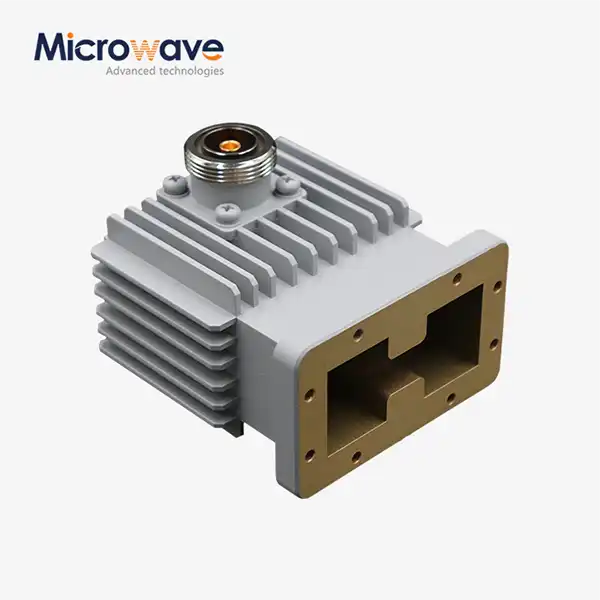 VIEW MOREHigh Power Waveguide to Coaxial Adapter
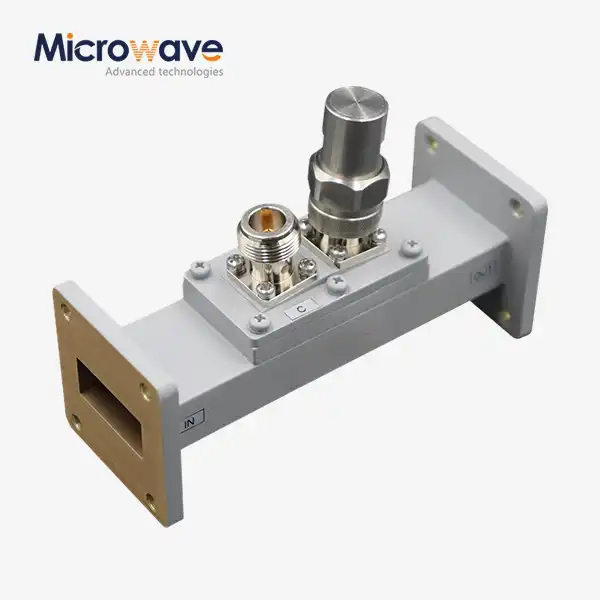 VIEW MOREWaveguide Loop Coupler
 VIEW MOREEnd Launch Double Ridged WG To Coaxial Adapter
 VIEW MOREEnd Launch Waveguide to Microstrip Adapter
 VIEW MOREWaveguide Sliding Termination
 VIEW MOREWaveguide Unmatched Termination
 VIEW MOREMagic Hybrid Tee
 VIEW MOREH-Plane Tee