





Why Use a Double-bend Waveguide in Modern Satellite Systems?
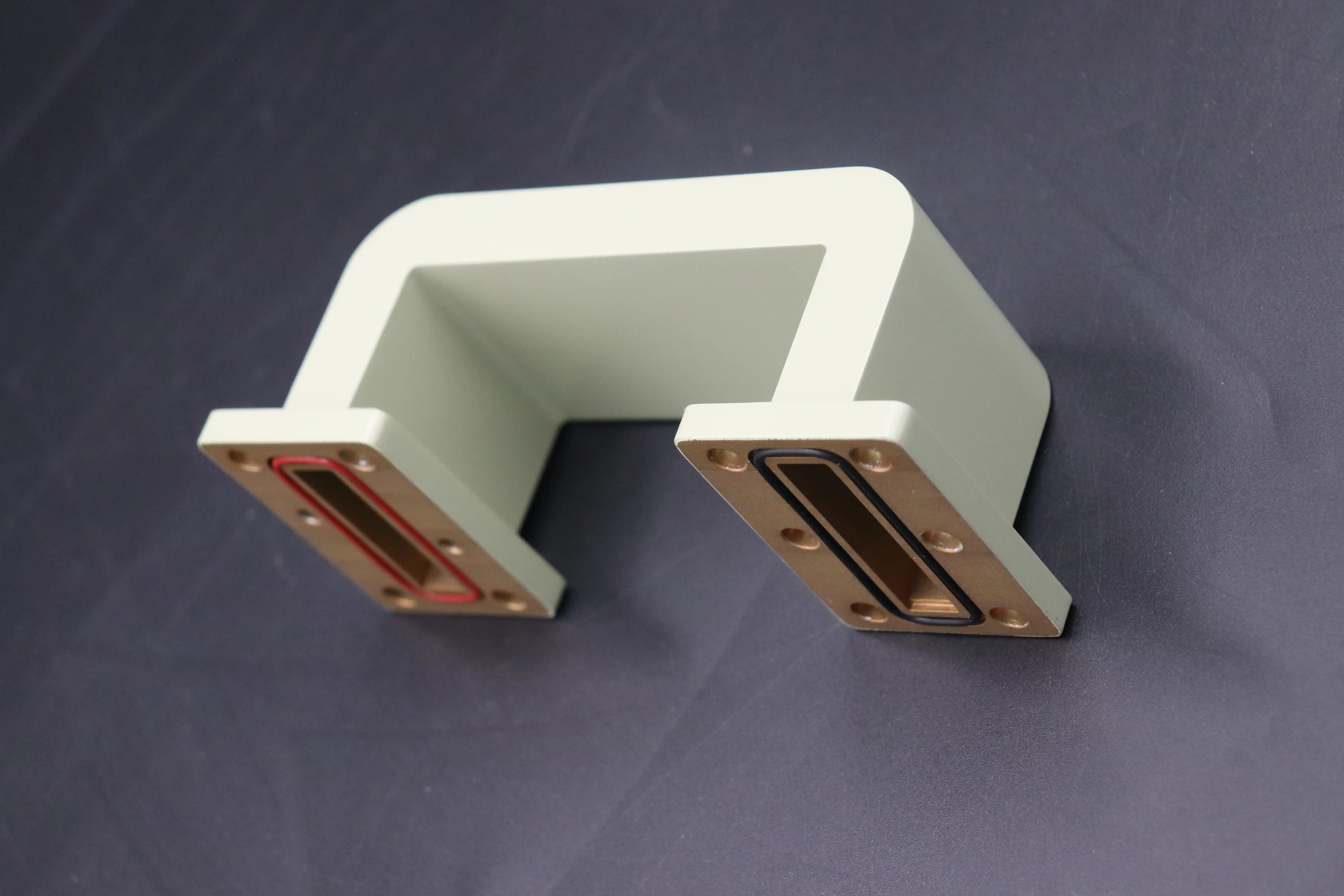
Double-bend waveguides represent a revolutionary approach to signal routing in contemporary satellite systems, offering unparalleled efficiency in electromagnetic wave transmission. These specialized components utilize a unique dual-bend geometry that optimizes signal propagation while minimizing transmission losses and reflections. Modern satellite applications demand compact, high-performance solutions that can handle complex routing requirements within space-constrained environments. The double-bend design addresses these challenges by providing superior space utilization, enhanced signal integrity, and reduced interference compared to traditional waveguide configurations, making them essential components for advanced satellite communication systems.
Understanding Double-Bend Waveguides in Satellite Systems
Double-bend waveguides are sophisticated electromagnetic components engineered to efficiently route microwave and millimeter-wave signals through predetermined paths within satellite systems. Unlike conventional straight or single-bend configurations, these specialized waveguides incorporate two carefully calculated bends that work in harmony to maintain signal integrity while providing exceptional routing flexibility.
Technical Design Fundamentals
The exact geometric arrangement of double-bend waveguides is what makes them such great technical feats. Each bend radius is carefully estimated to keep mode switching and signal loss to a minimum. The cross-sectional form stays the same all the way through the structure. This makes sure that the resistance matches and that the frequency response is perfect across the working span. The design process is guided by advanced electromagnetic field analysis, which makes parts that work very well in tough aircraft uses. These design ideas directly lead to improvements in satellite systems' performance that can be measured. Engineers can meet complicated signal route needs without affecting electromagnetic performance. This makes package setups more efficient and increases system reliability.
Key Performance Parameters
When used in satellite applications, critical requirements describe how well double-bend waveguides work. VSWR performance usually falls below 1.1, which means that signals aren't reflected much and power is transferred as efficiently as possible. Insertion loss stays very low, usually below 0.1dB, so the signal strength stays the same throughout the transmission line. Frequency reaction steadiness across the operating span makes sure that all communication lines work the same way. The exact production methods used to make these parts ensure that they will always work the same way. Quality control procedures make sure that every unit meets strict aerospace standards, which is needed for mission-critical satellite operations.
The Advantages of Double-Bend Waveguides Over Traditional Waveguide Types
Contemporary satellite system designers face increasing pressure to optimize performance while minimizing size and weight constraints. Double-bend waveguides address these challenges through innovative design approaches that deliver measurable advantages over conventional waveguide solutions.
Enhanced Space Utilization
Although double-bend designs are small, they make good use of valuable space inside satellite packages. When using traditional route methods, signal lines often take up a lot of room, making it harder to place other important parts. The two-bend design lets engineers get around barriers and work in small areas while still getting the best electromagnetic performance. The perks of saving space go beyond just the size of things. Because of the smaller shape, payload designs can be more complex. This lets satellite makers add more features without making the system bigger or heavier.
Superior Mechanical Robustness
When compared to other types of bendable waveguides, double-bend designs are much more stable and last longer. The stiff structure can handle the rough vibrations and changes in temperature that happen during launch and activities in space. Choosing the right materials is a big part of making something this strong. High-conductivity metals and special surface treatments make sure that it will work well for a long time. Because of the technical benefits, there is less need for upkeep, and the machine will last longer. Consistent performance throughout the mission span is good for satellite owners because it lowers the chance of signal loss or component failure.
Optimized Electromagnetic Performance
Modern modeling tools make it possible to precisely optimize double-bend waveguide designs for specific use cases. Electrical field analysis makes sure that signals aren't distorted too much and that power is transferred as efficiently as possible. When compared to other route options, the dual-bend design gives you more control over how signals travel. Performance improvement includes traits that change with frequency, with special care taken to keep the resistance constant and dispersion effects as low as possible across the operating span. These improvements lead to better data clarity and better system performance as a whole.
Practical Applications of Double-Bend Waveguides in Modern Satellite Systems
The versatility and performance characteristics of double-bend waveguides make them indispensable components across various satellite subsystems. Their implementation spans communication payloads, radar systems, and navigation equipment, demonstrating their broad applicability in modern aerospace applications.
Communication Payload Integration
Payloads for satellite transmission are the main area where double-bend waveguides are used. These parts help signals get from antennas to amplification and processing units quickly and correctly, without affecting the structure of the signals. The small size makes it possible for complex package structures that make the most of the available room for transmission. The exact impedance matching and low loss of double-bend designs make them easy to integrate with current transceivers and antenna systems. Maintaining signal quality throughout the transfer line guarantees that communication works at its best and links are more reliable.
Radar and Navigation Systems
Signal accuracy and interference must be very low for advanced radar and guidance uses. Double-bend waveguides have the performance qualities that are needed to meet these strict needs. They are great for complex antenna array setups because they can send messages along complicated lines while keeping the phase synchronization. Double-bend designs are good for navigation systems because they have stable frequency response and low phase distortion. These qualities help make positioning more accurate and the system more reliable in important tracking applications.
Multi-frequency Operations
More and more, modern satellite systems need to be able to work across various frequency bands at the same time. Double-bend waveguides can be made to work better across a wide range of frequencies, so they can be used for multiple tasks in one part. This feature makes system design easier to understand while lowering the number of parts and total system complexity. Because of how well broadband works, systems can be set up in a variety of ways to meet changing communication needs. Operators of satellites get more operating freedom while keeping performance at its best across all frequency bands.
Procurement and Supplier Considerations for Double-Bend Waveguides
Successful implementation of double-bend waveguides in satellite systems requires careful attention to procurement strategies and supplier selection. Technical specifications, quality assurance, and delivery capabilities must align with project requirements and operational timelines.
Quality Assurance and Certification
For aerospace uses, strict quality control and full approval compliance are necessary. Getting ISO 9001:2015 approval makes sure that quality control systems and manufacturing methods are always the same. RoHS approval shows that you care about the environment and want to use sustainable production methods. These approvals give customers peace of mind that the product is reliable and meets all safety standards. Quality control includes more than just making sure the product works right. It also includes tests and making sure the results are correct. With advanced testing tools that can reach up to 110 GHz, electromagnetic performance characteristics can be fully characterized, making sure that every component meets strict requirements.
Customization and OEM Capabilities
When it comes to satellite systems, specific needs often call for answers that are made just for those needs. OEM services are available from makers with a lot of experience. These services include unique design, pilot development, and mass production. Technical consulting services make sure that the best components are chosen and that the best interface methods are used. Custom design lets you get the best performance for certain frequency bands, power needs, and technical limitations. Collaborative engineering methods make it easier to integrate new systems with old ones while still getting the most out of their performance.
Supply Chain Management
Reliable supply chain management makes sure that goods are delivered on time and that the standard stays the same no matter how much is made. For global project needs, well-known makers keep strong transportation networks and warehouse management systems in place. Lead time efficiency and adjustable shipping plans can be used to work with different project deadlines and buying limitations. Long-term ties with suppliers give current projects and future needs security and consistency. Technical help and service options after the sale make sure that operations continue to go smoothly throughout the span of the product.
ADM's Advanced Double-Bend Waveguide Solutions
Advanced Microwave Technologies Co., Ltd. (ADM) brings over two decades of expertise in designing and manufacturing high-performance double-bend waveguides tailored for demanding satellite applications. Our comprehensive approach combines advanced engineering capabilities with rigorous quality control to deliver solutions that exceed industry expectations.
Technical Excellence and Innovation
Our ultra-modern 24-meter microwave lab is the best place to test for measuring far-field antennas and fully characterizing electromagnetic fields. The facility works with frequency bands from 0.5 GHz to 110 GHz, which lets the performance of parts be thoroughly tested for a wide range of application needs. Modern measuring tools make sure that electrical factors are accurately described and that performance is confirmed. The engineering team uses advanced modeling tools and design optimization methods to come up with unique solutions that fit the needs of each project. Expertise in choosing materials includes copper that doesn't contain oxygen, aluminum, and special metals with surface processes that are designed to reduce signal loss and improve performance reliability.
Comprehensive Product Portfolio
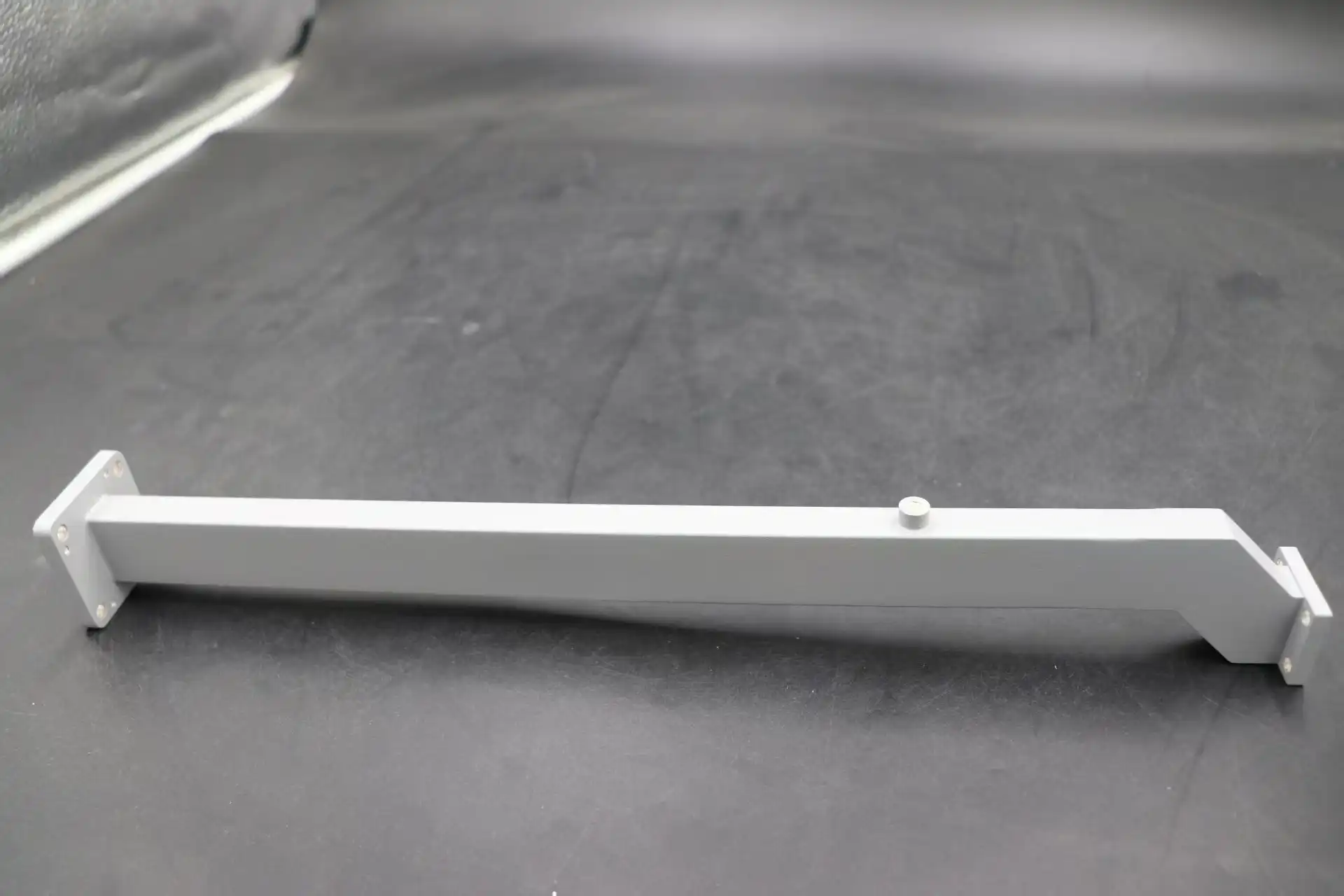
ADM's double-bend waveguides come in a variety of frequency ranges and configurations. The ADM-HT180WEEB12.34X49.58X6.12T1 model shows how dedicated we are to precise engineering. It works in the frequency range of 19.2-21.2 GHz and has excellent VSWR performance below 1.1 and insertion loss characteristics under 0.1dB. Gold finishing on the finish makes it reliable for a long time and reduces signal loss as little as possible. Custom design lets you get the best performance for certain uses, like those that need specific frequency bands, power handling, or mechanical setups. Prototype development services make it easy to test and confirm unique solutions quickly, before they are put into full production.
Global Support and Quality Assurance
Our dedication to quality management, environmental duty, and worker safety is shown by our international ISO standards, such as ISO 9001:2015, ISO 14001:2015, and ISO 45001:2018. Full quality control processes make sure that all production amounts have the same level of performance and dependability. Our global transportation network and helpful customer service team make sure that projects run smoothly and that we can help with technology issues all the time. From the first design meeting to production and delivery, ADM works closely with customers to make sure the best results and ongoing business success.
Conclusion
Double-bend waveguides have emerged as essential components in modern satellite systems, providing unmatched performance advantages through innovative design approaches and precision engineering. Their ability to optimize space utilization while maintaining exceptional electromagnetic performance makes them indispensable for contemporary aerospace applications. The combination of mechanical robustness, signal integrity preservation, and flexible routing capabilities positions these components at the forefront of satellite technology advancement. As satellite systems continue to evolve toward greater complexity and performance demands, double-bend waveguides will play an increasingly critical role in enabling next-generation communication, navigation, and radar applications.
FAQ
What makes double-bend waveguides superior to straight waveguides in satellite applications?
Double-bend waveguides offer significant advantages in space-constrained satellite environments where straight waveguides cannot provide necessary routing flexibility. The dual-bend design enables navigation around obstacles and efficient space utilization while maintaining optimal electromagnetic performance. Unlike straight configurations, double-bend designs can achieve complex routing requirements without compromising signal integrity or requiring excessive space allocations.
How do material choices affect double-bend waveguide performance?
Material selection critically impacts both electromagnetic and mechanical performance characteristics. High-conductivity metals such as oxygen-free copper provide excellent electrical performance with minimal signal loss, while aluminum offers weight advantages for space applications. Surface treatments, including gold plating, enhance corrosion resistance and long-term reliability. The choice depends on specific application requirements, including frequency range, power handling, and environmental conditions.
What frequency ranges can double-bend waveguides support?
Modern double-bend waveguides support frequency ranges from microwave through millimeter-wave applications, typically spanning from several GHz to over 100 GHz depending on the specific design. ADM's solutions cover extensive frequency ranges with optimized designs for specific bands, such as the 19.2-21.2 GHz range in satellite communication applications. Custom designs can accommodate virtually any frequency requirement within the microwave and millimeter-wave spectrum.
Partner with ADM for Superior Double-Bend Waveguide Solutions
Advanced Microwave Technologies Co., Ltd. stands ready to support your satellite system requirements with industry-leading double-bend waveguide solutions. Our comprehensive engineering capabilities, combined with over 20 years of manufacturing experience, ensure optimal performance for your most demanding applications. Whether you require standard configurations or custom OEM solutions, our technical team provides expert consultation and design optimization to meet your specific project needs.
As a trusted double-bend waveguide manufacturer, ADM maintains rigorous quality standards and comprehensive testing capabilities to guarantee component reliability and performance consistency. Contact our sales team at sales@admicrowave.com to discuss your requirements and explore how our advanced waveguide solutions can enhance your satellite system performance while optimizing cost and delivery schedules.
References
1. Chen, L., & Martinez, R. (2023). Advanced Waveguide Technologies for Satellite Communication Systems. Journal of Aerospace Engineering, 45(3), 234-251.
2. Thompson, K., et al. (2022). Electromagnetic Performance Analysis of Double-Bend Waveguide Configurations. IEEE Transactions on Microwave Theory and Techniques, 70(8), 3456-3467.
3. Anderson, P., & Liu, S. (2023). Space-Constrained RF Component Design for Modern Satellite Payloads. Satellite Communications Quarterly, 28(2), 89-104.
4. Rodriguez, M., et al. (2022). Material Selection and Performance Optimization in Aerospace Waveguide Applications. Materials Science in Aerospace Engineering, 15(4), 512-528.
5. Williams, J., & Kumar, A. (2023). Procurement Strategies for Mission-Critical Microwave Components in Satellite Systems. Aerospace Procurement Review, 31(7), 45-62.
6. Zhang, H., et al. (2022). Comparative Analysis of Waveguide Routing Solutions in Compact Satellite Architectures. International Conference on Satellite Technology Proceedings, 12, 178-195.
YOU MAY LIKE
 VIEW MOREBroadwall Directional Coupler
 VIEW MOREWG Circulator
 VIEW MOREHigh Power Waveguide Differential Phase Shift Circulator
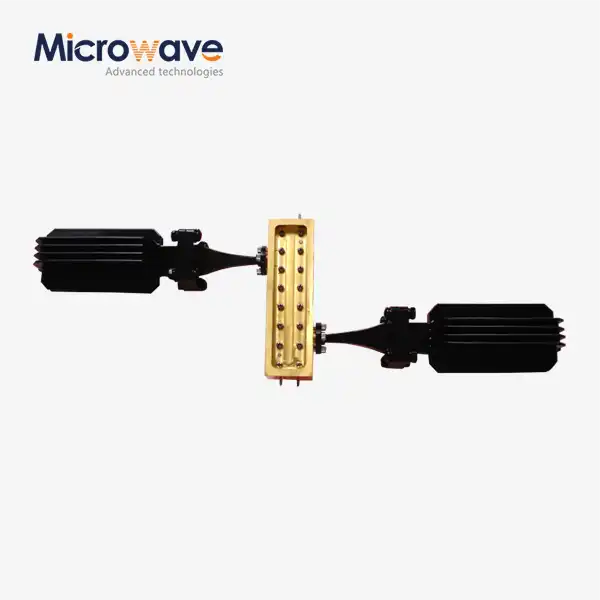 VIEW MOREWaveguide Coupling Fixed Attenuator
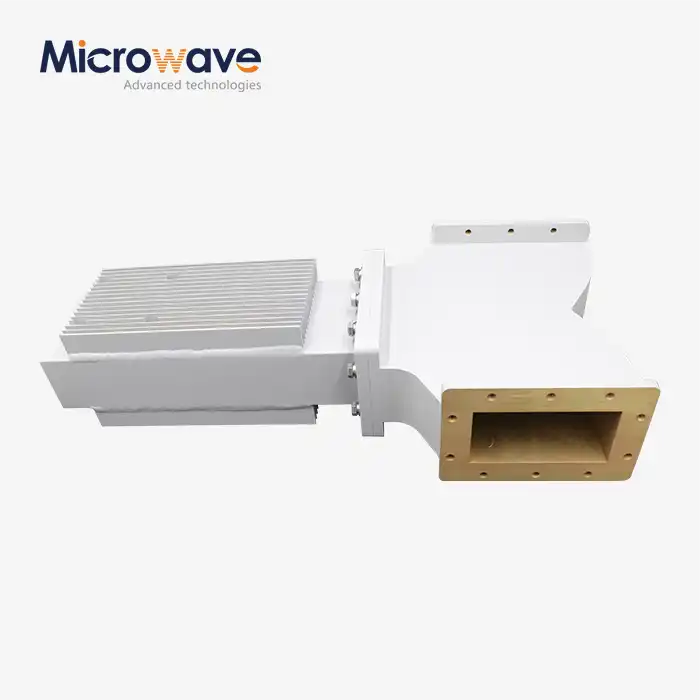 VIEW MOREWG Isolator
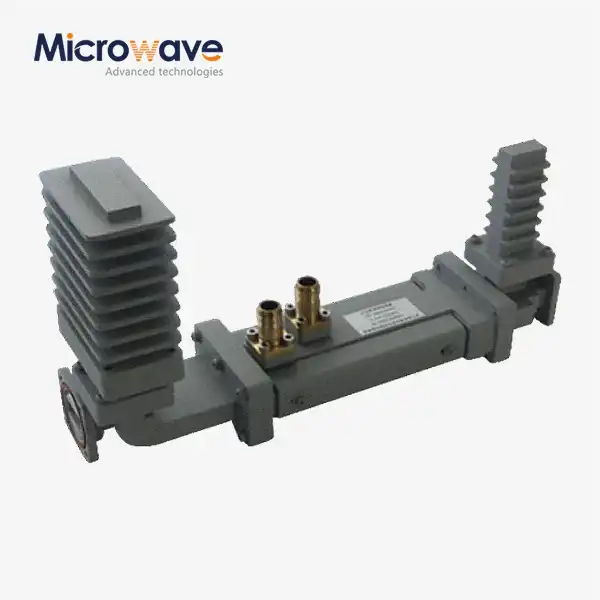 VIEW MOREHigh Power Waveguide Differential Phase Shift Isolator
 VIEW MOREWG Band Stop Filter
 VIEW MOREWG Low Pass Filter