





Benefits of Using a Voltage Controlled Phase Shifter in Radar?
Modern radar systems face a critical challenge: achieving precise beam steering without mechanical movement while maintaining signal integrity across varying operational conditions. The Voltage Controlled Phase Shifter offers a transformative solution by enabling electronic phase manipulation through simple voltage adjustments, eliminating mechanical complexity while delivering microsecond-level beam repositioning capabilities essential for tracking fast-moving targets in defense, aerospace, and weather monitoring applications.
Enhanced Beam Steering Precision Through Voltage Controlled Phase Shifter Technology
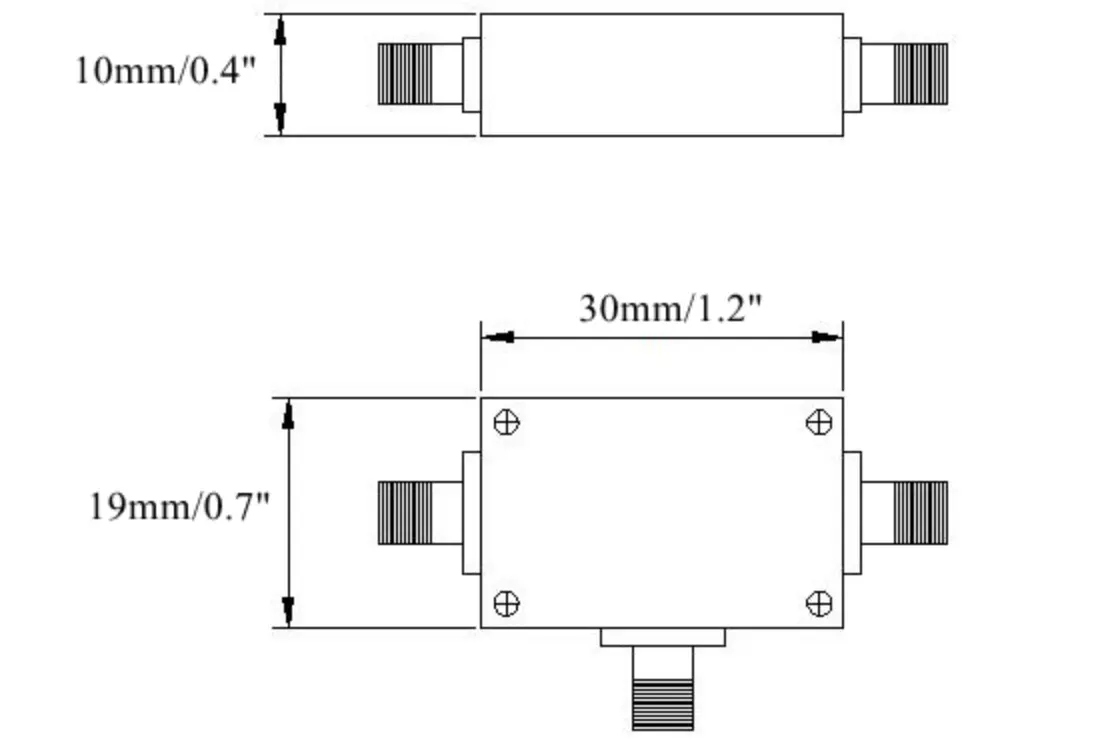
Electronic beam steering represents one of the most significant advantages that Voltage Controlled Phase Shifter technology brings to modern radar applications. Traditional mechanically steered radar systems rely on physical rotation of antenna assemblies, a process that introduces latency, mechanical wear, and limitations in tracking multiple targets simultaneously. In contrast, phased array radar systems equipped with voltage controlled phase shifters achieve beam repositioning in microseconds by electronically adjusting the phase relationship between individual antenna elements. This capability transforms radar performance in defense scenarios where tracking supersonic aircraft or incoming missiles demands instantaneous beam redirection without the predictable movement patterns that adversaries can exploit for electronic countermeasures. The precision of voltage controlled phase shifters directly impacts radar resolution and target discrimination capabilities. Advanced Microwave Technologies offers voltage controlled phase shifter products with complete frequency coverage from DC to 30GHz, providing linear phase shift control across 360 degrees. This linear voltage-to-phase relationship simplifies control system design while enabling fine-grained beam steering adjustments. In air traffic control applications, this precision allows radar operators to distinguish between aircraft flying in close formation or identifying potential collision risks at crowded airports. The ability to adjust phase with voltage control voltages typically ranging from 0 to 20V provides smooth, continuous beam steering rather than the stepped movements characteristic of digital phase shifters, resulting in smoother target tracking and reduced sidelobe levels that might otherwise create false returns.
Rapid Target Acquisition and Tracking Capabilities
The speed advantage of Voltage Controlled Phase Shifter technology becomes particularly evident in multi-target tracking scenarios. Conventional rotating radar antennas require several seconds to complete a full hemisphere scan, providing only periodic updates on target positions. Phased array systems with voltage controlled phase shifters can redirect beams in nanoseconds, enabling track-while-scan operations where the radar simultaneously monitors multiple targets while continuing to search for new threats. This capability proves invaluable in naval defense systems aboard ships that must track incoming anti-ship missiles while maintaining surveillance of aircraft and surface vessels. The elimination of mechanical inertia allows the radar beam to jump between widely separated angular positions instantly, maximizing the information gathered per unit time and providing tactical advantages in threat assessment and response coordination.
Minimized Mechanical Complexity and Maintenance Requirements
Voltage Controlled Phase Shifter implementation eliminates the complex mechanical systems traditionally required for radar beam steering, resulting in dramatically improved reliability and reduced maintenance burdens. Mechanical antenna positioning systems incorporate motors, gearboxes, rotary joints, and slip rings, each representing potential failure points that require regular inspection, lubrication, and eventual replacement. These mechanical components are particularly vulnerable to harsh environmental conditions encountered in aerospace and shipboard applications, where extreme temperatures, vibration, and corrosive atmospheres accelerate wear. By replacing mechanical steering with solid-state voltage controlled phase shifters, radar systems achieve mean time between failures measured in hundreds of thousands of hours rather than thousands, translating to higher operational availability and lower lifecycle costs. Advanced Microwave Technologies designs voltage controlled phase shifters with rugged construction capable of withstanding operating temperatures from -40°C to +85°C, ensuring reliable performance across the environmental extremes encountered in military and aerospace applications.
Superior Signal Quality and System Performance
Voltage Controlled Phase Shifter technology delivers measurable improvements in signal quality that directly translate to enhanced radar detection range and target resolution. Insertion loss, a critical performance parameter, determines how much signal power is dissipated as the RF signal passes through the phase shifter. High-quality voltage controlled phase shifters like those from Advanced Microwave Technologies achieve insertion loss below 2 dB across their operating frequency range, preserving signal strength for maximum detection range. This low insertion loss becomes increasingly critical in long-range surveillance radars where every decibel of signal loss directly reduces the maximum detection range according to the radar range equation. The consistent insertion loss across the full 360-degree phase shift range ensures that beam steering does not introduce amplitude modulation that could interfere with Doppler processing used to detect moving targets against ground clutter. Return loss performance, typically exceeding 18 dB in quality voltage controlled phase shifters, ensures efficient power transfer and minimizes standing waves that could distort antenna radiation patterns. Poor return loss creates impedance mismatches that reflect power back toward the transmitter, reducing radiated power while potentially damaging sensitive transmitter components. In phased array applications where hundreds or thousands of elements operate simultaneously, even small return loss degradations from individual phase shifters accumulate to significantly impact overall array performance. The superior return loss characteristics of advanced voltage controlled phase shifters maintain clean impedance matching across temperature variations and aging, preserving radar performance throughout the system's operational life.
Wideband Operation for Multi-Function Radar Systems
Modern multi-function radar systems demand components that operate across broad frequency ranges to support diverse missions from long-range surveillance at lower frequencies to high-resolution target imaging at higher frequencies. Voltage Controlled Phase Shifter technology from Advanced Microwave Technologies covers frequency ranges from 500 MHz to 40 GHz, accommodating applications from early warning radars operating in L-band through millimeter-wave fire control radars in Ka-band. This wideband capability allows a single phased array radar to perform multiple functions by simply changing operating frequency and waveform parameters, eliminating the need for multiple specialized radars and reducing platform size, weight, and power requirements. In airborne applications where space and weight are at premium, multi-function radars enabled by wideband voltage controlled phase shifters consolidate search, track, weather avoidance, and terrain following functions into a single antenna aperture.
Enhanced Resistance to Electronic Countermeasures
Voltage Controlled Phase Shifter technology provides radar systems with inherent advantages against electronic warfare threats. The unpredictable, electronically steered beam patterns of phased arrays make it extremely difficult for adversaries to anticipate radar coverage gaps or timing, unlike mechanically scanned systems with predictable rotation rates. Voltage controlled phase shifters enable adaptive beam forming techniques that can create radiation pattern nulls directed toward jamming sources while maintaining gain toward legitimate targets, effectively suppressing hostile electronic attack. This null steering capability adjusts dynamically as jamming sources change position or modulation characteristics, providing continuous protection without operator intervention. Advanced radar systems can also exploit the rapid beam steering enabled by voltage controlled phase shifters to implement frequency agility and pulse-to-pulse beam repositioning that further complicates adversary attempts at electronic intelligence gathering or targeted jamming.
Operational Flexibility and Application Versatility
The inherent flexibility of Voltage Controlled Phase Shifter technology enables radar systems to adapt to changing operational requirements and mission profiles. Unlike fixed beam antennas or mechanically scanned systems with predetermined scan patterns, phased arrays with voltage controlled phase shifters can be reprogrammed through software to implement entirely new scan strategies, beam shapes, or coverage priorities without hardware modifications. This adaptability proves invaluable in airborne early warning aircraft that must balance long-range detection of air threats with close-range coverage for air traffic control or maritime surveillance depending on mission phase. Ground-based air defense radars benefit similarly, adjusting scan patterns to concentrate coverage toward threat corridors while maintaining periodic surveillance of lower-priority sectors, optimizing the allocation of limited radar resources against evolving tactical situations. Voltage controlled phase shifters enable advanced radar modes impossible with conventional antenna systems. Simultaneous multi-beam formation allows a single radar aperture to generate multiple independent beams, each tracking different targets or performing different functions concurrently. Spotlight modes concentrate radar dwell time on high-priority targets for detailed characterization while maintaining situational awareness across the broader surveillance volume. Adaptive dwell scheduling allocates radar time based on target priority, kinematics, and threat assessment, maximizing the information gathered about the most important targets. These sophisticated operating modes rely fundamentally on the precise, rapid phase control that voltage controlled phase shifters provide, transforming radar from a simple surveillance sensor into an intelligent information management system.
Customization for Specialized Applications
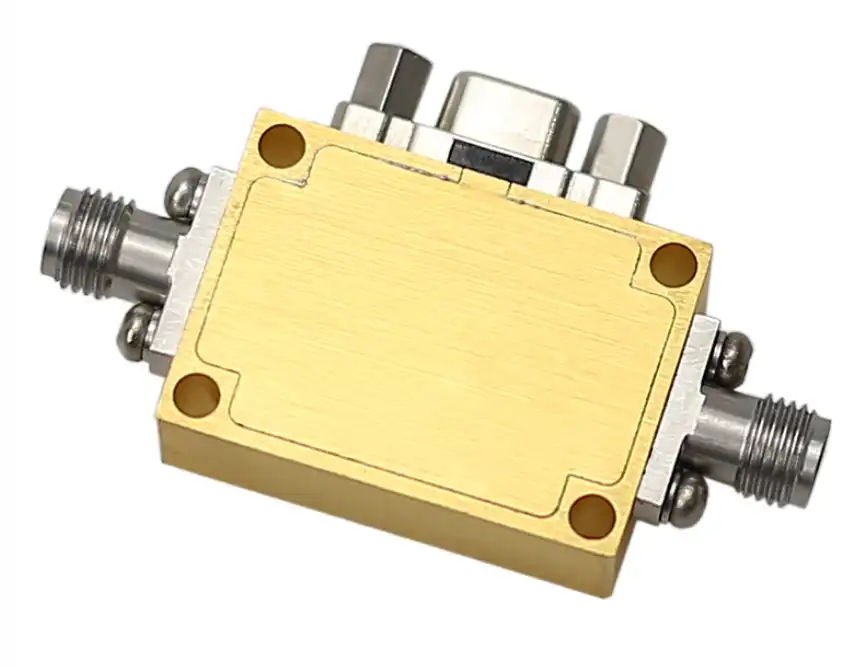
Advanced Microwave Technologies recognizes that different radar applications impose unique requirements on voltage controlled phase shifter performance, and offers comprehensive OEM services to deliver customized solutions. Defense contractors developing next-generation airborne fire control radars may require phase shifters optimized for minimum size and weight to maximize the number of elements in space-constrained radomes, while ground-based surveillance radars might prioritize power handling capability to support high-power transmitters for maximum range. The ability to customize frequency ranges, control voltage specifications, physical dimensions, and mounting configurations ensures that voltage controlled phase shifters integrate seamlessly into diverse radar architectures. Custom designs can incorporate specialized features such as integrated temperature compensation circuits that maintain phase accuracy across the extreme temperature ranges encountered in aerospace applications, or radiation-hardened components for space-based radar systems operating in the harsh environment beyond Earth's protective magnetosphere.
Cost-Effectiveness and Long-Term Value
While voltage controlled phase shifters represent a significant initial investment compared to simple passive antenna feed networks, their contribution to overall radar system performance and lifecycle economics provides compelling value propositions. The elimination of mechanical steering mechanisms removes not only the hardware costs of motors and position encoders but also the associated control electronics and power distribution systems. Maintenance cost reductions prove equally significant, as voltage controlled phase shifters eliminate scheduled inspections, lubrication, bearing replacements, and mechanical repairs that consume considerable resources over a radar system's multi-decade operational life. The improved reliability of solid-state voltage controlled phase shifters reduces unplanned downtime that in military applications could compromise mission effectiveness or in civil aviation applications might close airports or compromise safety margins. The performance advantages that voltage controlled phase shifters enable often allow radar designers to achieve mission requirements with smaller, less powerful systems than would be necessary with conventional mechanical scanning approaches. The improved detection performance from low insertion loss and the ability to concentrate radar energy precisely where needed through adaptive beam forming can reduce required transmitter power by factors of two or more, with corresponding reductions in prime power systems, thermal management hardware, and operating costs. In mobile or airborne platforms, these weight and power reductions cascade through the entire system design, potentially allowing smaller vehicles or extending operational endurance. Advanced Microwave Technologies supports customers through the entire system lifecycle with technical assistance for integration, fault diagnosis, and application-specific optimization, ensuring that voltage controlled phase shifters deliver maximum value throughout their operational service.
Conclusion
Voltage Controlled Phase Shifter technology delivers transformative capabilities for modern radar systems through electronic beam steering, superior signal quality, operational flexibility, and long-term cost effectiveness.
Cooperate with Advanced Microwave Technologies Co., Ltd.
Advanced Microwave Technologies stands ready to support your radar development programs with world-class Voltage Controlled Phase Shifter solutions backed by over 20 years of microwave engineering expertise. As a leading China Voltage Controlled Phase Shifter factory, China Voltage Controlled Phase Shifter supplier, and China Voltage Controlled Phase Shifter manufacturer, we offer competitive China Voltage Controlled Phase Shifter wholesale pricing on Voltage Controlled Phase Shifter for sale with attractive Voltage Controlled Phase Shifter price positioning. Our High Quality Voltage Controlled Phase Shifter products benefit from ISO 9001:2015, ISO 14001:2015, and ISO 45001:2018 certifications, ensuring consistent quality and environmental responsibility. Our 24-meter Microwave Darkroom with measurement capabilities from 0.5 to 110GHz provides comprehensive testing and validation services. We deliver complete OEM services including rapid prototyping, custom frequency ranges, specialized mounting configurations, and dedicated technical support throughout your project lifecycle. Our efficient supply chain and manufacturing capabilities ensure fast delivery to meet demanding project schedules worldwide. Contact our engineering team at craig@admicrowave.com to discuss your specific voltage controlled phase shifter requirements and discover how our solutions can enhance your radar system performance. Save this resource for future reference as you develop next-generation radar technologies.
References
1. Skolnik, Merrill I. "Introduction to Radar Systems." McGraw-Hill Education, Third Edition.
2. Mailloux, Robert J. "Phased Array Antenna Handbook." Artech House Publishers, Second Edition.
3. Balanis, Constantine A. "Antenna Theory: Analysis and Design." John Wiley & Sons, Fourth Edition.
4. Barton, David K. "Radar System Analysis and Modeling." Artech House Publishers.
5. Pozar, David M. "Microwave Engineering." John Wiley & Sons, Fourth Edition.
YOU MAY LIKE
 VIEW MORERight Angle Double Ridged WG To Coaxial Adapter
 VIEW MOREEnd Launch Double Ridged WG To Coaxial Adapter
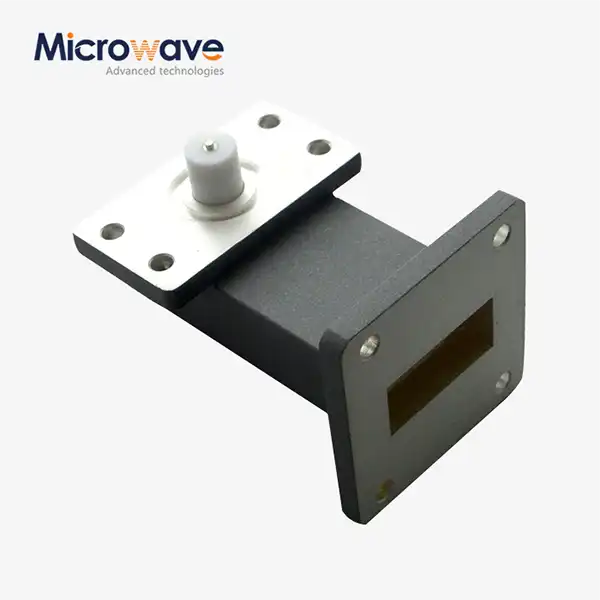 VIEW MORERight Angle Waveguide to Microstrip Adapter
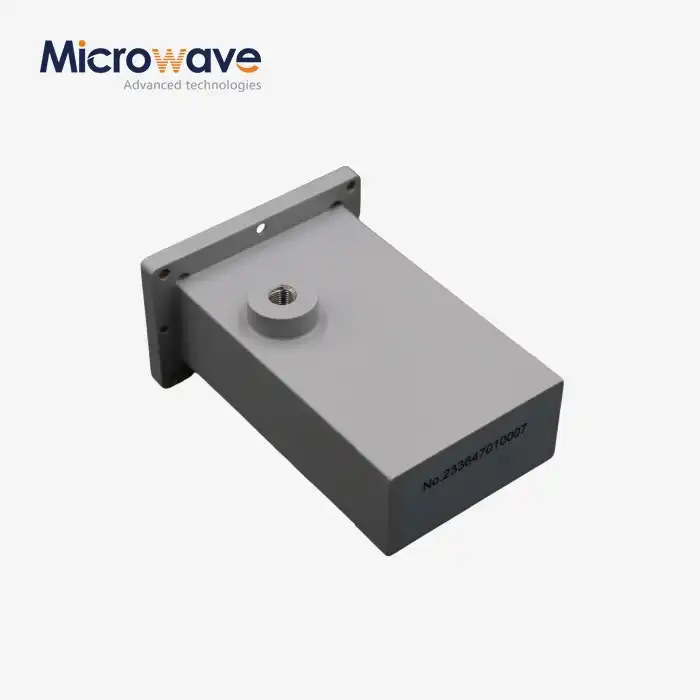 VIEW MOREWG Termination
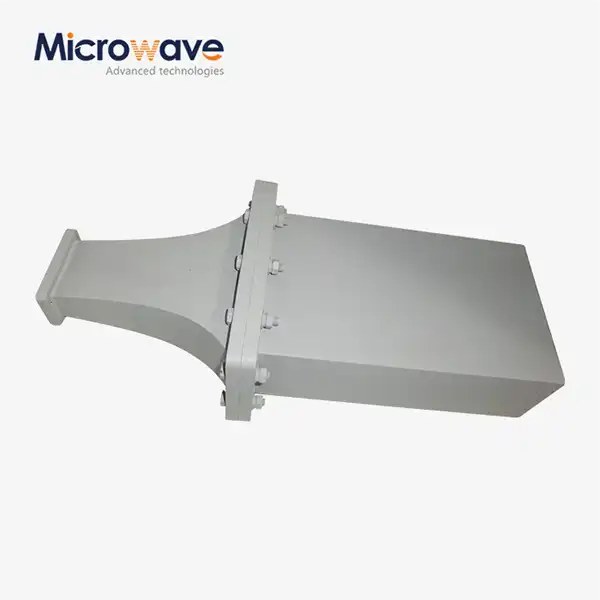 VIEW MOREDouble Ridge Waveguide Termination
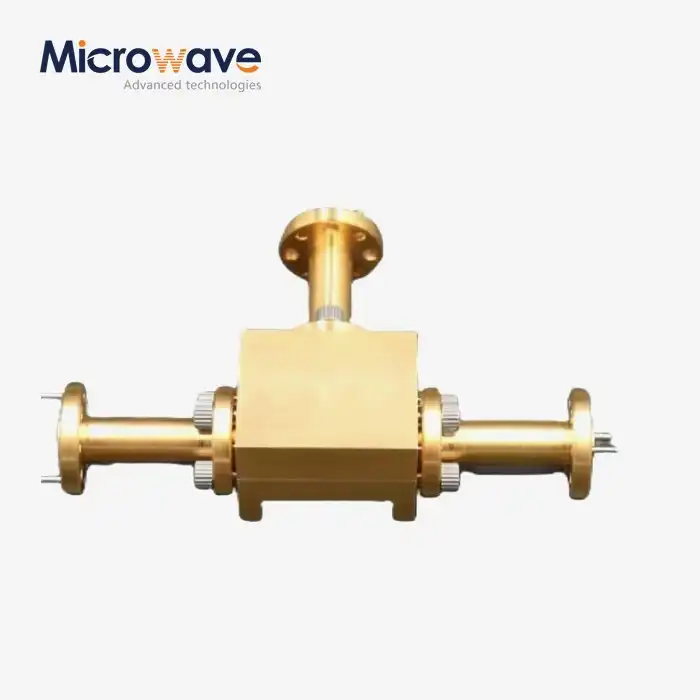 VIEW MOREWaveguide Power Divider
 VIEW MOREE-Plane Tee
 VIEW MORECrossguide Directional Coupler
