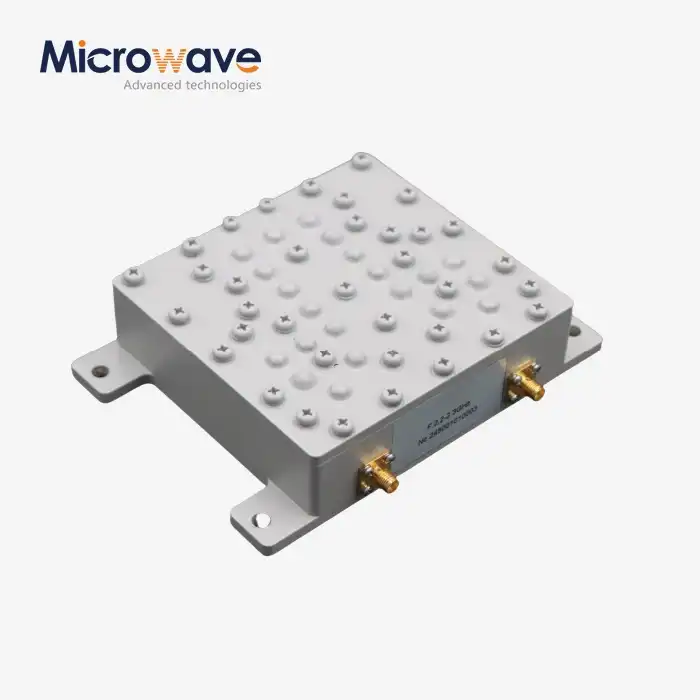





Why Use Waveguide Transition in Automotive Assembly Workshop
Waveguide transitions serve as precision interface components bridging different RF transmission line geometries in automotive assembly settings, delivering unparalleled signal integrity during radar and sensor module testing. These specialized devices solve impedance mismatch challenges while maintaining minimal insertion loss, ensuring that automated driving assistance systems and collision avoidance technologies meet stringent performance benchmarks. Within modern automotive manufacturing, waveguide transitions facilitate accurate verification of millimeter-wave components operating at X-band and higher frequencies, directly impacting vehicle safety certification and production throughput.
Introduction
Today, making cars is more complicated than just putting parts together mechanically. Electronic systems are now tightly integrated, which requires careful handling of radio frequency signals. Waveguide Transitions are now essential parts in this environment because they make it possible for test tools to connect easily to car radar modules, advanced driver assistance systems (ADAS), and vehicle-to-everything (V2X) communication units.
By connecting waveguides to coaxial cables, microstrip lines, and other transmission media, these parts make it easier for RF signals to be sent efficiently. In car assembly shops, their job is more than just connecting things; they also make sure that the testing procedures used to check radar sensor performance, antenna radiation patterns, and communication module functions are correct and reliable. It helps purchase managers, engineers, original equipment manufacturers (OEMs), and wholesalers to know how Waveguide Transitions affect the quality of production, compliance with car standards, and the general efficiency of manufacturing. This detailed guide looks at the technical basics, buying factors, criteria for selection, and performance improvement methods that help people make better buying choices and improve production results.
Understanding Waveguide Transitions and Their Role in Automotive Assembly
Operating Principles Simplified
As an electromagnetic bridge, a Waveguide Transition changes RF energy between different transmission line configurations while keeping the signal's properties. The physics is based on changing impedance, which is done by using curved shapes or stepped internal structures to make the source and load have the same characteristic impedance values. This lowers the voltage standing wave ratio (VSWR), which stops harmful echoes that lower the accuracy of measurements.
Primary Types Used in Automotive Contexts
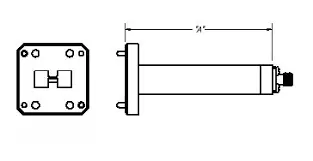
Workshops that put together cars usually use two layouts. Waveguide-to-coaxial transitions link rectangular or circular waveguide ports to common 50-ohm coaxial test lines. This lets vector network analyzers and spectrum analyzers work together. When waveguide antenna lines meet planar circuit boards with MMIC radar chips working at 77GHz or 79GHz frequencies, this is called a waveguide-to-microstrip change. Both types keep the mode pure, which stops unnecessary TE10-to-TM11 changes that mess up the radiation patterns.
Application in Radar and Sensor Inspection
Automotive radar units go through a lot of checks on the production line to make sure they have the right detecting range, angular precision, and target separation abilities. Test stations can use Waveguide Transitions to send calibrated signals into radar front-ends or record broadcast waveforms for later study. X-band frequencies (8-12GHz) are used for trying new ideas, and millimeter-wave transitions help make sure that 76-81GHz car radar systems work properly. This process of checking directly affects how safe a car is rated and how well it follows the rules, so transfer quality is an important thing to think about when buying something.
Why Waveguide Transitions Are Essential in Automotive Assembly Workshops?
Addressing RF Integration Challenges
Electromagnetic interference from welding equipment, mechanical vibrations from assembly robots, and changes in temperature across plant floors are some of the problems that come up in automotive production settings. In these situations, standard coaxial links often cause signal loss that is too bad to handle. Waveguide Transitions get around these problems by having better filtering properties and strong mechanical construction, which keeps the signal integrity even in tough industrial settings.
Precision Requirements for Safety Systems
Radar devices that make adaptive cruise control, automatic emergency braking, and blind spot recognition possible need to be very reliable. Failures of parts or wrong measurements during testing can lead to refunds in the field, liability issues, and damage to the brand's image. High-quality Waveguide Transitions keep measurement errors within acceptable limits by keeping VSWR below 1.3:1 and insertion loss below 0.5dB across all operating bandwidths.
Operational Efficiency Benefits
Test run times are directly related to production output. Waveguide Transitions with quick-connect flanges and standard connections cut down on the time it takes to switch modules during testing sequences. Their ability to withstand repeated connection cycles—more than 500 mating operations in industrial-grade units—reduces the number of times they need to be replaced and the time they need to be out of service. All of these traits make the assembly line more efficient while still following quality control rules.
Real-World Performance Validation
Automotive OEMs that use precision Waveguide Transitions in their validation test benches have seen gains that can be measured. One European company said that switching to low-VSWR transitions cut the number of false failures by 23%, which cut down on expensive repair processes. In a different example, an Asian provider met the functional safety requirements of ISO 26262 by making measurements more repeatable with the help of stable waveguide connections. These results show that smart component buying pays off in real ways.
Choosing the Right Waveguide Transition: Factors and Comparisons
Critical Selection Parameters
The most important thing to think about is frequency range compatibility. Automotive radar uses cover 24GHz (old systems), 77GHz (current standard), and the new 79GHz bands. Specifications for insertion loss have a direct effect on the measuring dynamic range; high-performance transitions keep losses below 0.3dB across all operating bands. In space-limited test setups, physical dimensions are important, so it's important to carefully check the measurements against assembly tools. Flange compatibility with current test equipment keeps you from having to buy expensive adapter chains that slow down signal routes.
Performance Metrics Comparison
Several differences become clear when Waveguide Transitions are compared to other RF interface options. Coaxial connections are more flexible and cost less at first, but they lose more power at millimeter-wave frequencies (usually 0.8 to 1.5dB) and can't handle as much power. Microstrip transitions are small enough to be integrated for on-board uses, but they aren't strong enough for production tests. When it comes to high power, temperature stability, and long-term consistency, waveguide options are the best. These are all qualities that are needed for car qualification testing.
Supplier Evaluation Criteria
To find trusted suppliers, you have to look at more than just the catalog specs. ISO 9001 certification shows that a company has a well-established quality management system, and car standards like IATF 16949 show that the company knows a lot about the industry. Technical support skills are very important. Suppliers who can help with electromagnetic modeling, special flange setups, and application engineering are very valuable. Global makers with well-established supply chains make sure that deliveries are reliable and can be tracked, which is important for car procurement teams that have to manage just-in-time production plans.
Procurement Insights: How to Buy Waveguide Transitions for Automotive Workshops?
Understanding Lead Times and Customization
Standard stock Waveguide Transition changes usually ship in two to four weeks from well-known makers. Lead times can go up to 6–10 weeks for custom setups that use certain types of flanges, non-standard frequency bands, or special materials. During the design stages of test fixtures, procurement teams should work with suppliers, giving prototypes enough time to be tested before placing orders for mass production.
Volume Pricing Dynamics
The pricing models are very different depending on the number of orders and the level of success. Commercial-grade transitions for general industrial use start at about $200 to $400 per unit in small numbers. Precision units that meet the strict measurement needs of the car industry cost between $600 and $1,200. When you commit to buying more than 50 pieces, you can often get discounts of 15 to 25 percent. This means that yearly blanket orders are a good deal for companies that make a lot of products. To find the right cost-performance mix, you need to be honest about how accurate measurements really need to be and avoid over-specification.
Global Sourcing Considerations
There are reputable Waveguide Transition makers in North America, Europe, and Asia. Each area has its own benefits. Most of the time, North American suppliers offer better application tech help and the ability to make prototypes quickly. European makers keep a tight grip on quality paperwork and being able to track their products to make sure they meet automotive standards. For larger orders, Asian sources can offer low prices, but buying teams should use auditing to make sure that quality systems are working properly. Delivery reliability includes more than just transport times. Preferred sellers keep extras of important parts on hand in case they run out.
After-Sales Service Value
When production is ramping up, broken parts can stop whole assembly lines, so quick expert help is very important. Offering loaner equipment while guaranteeing fixes are being done, on-site technical help, and calibration services by suppliers ensures operating consistency, which is a good reason to charge more. To keep production plans safe, procurement contracts should clearly spell out reaction times, replacement processes, and the availability of technical resources.
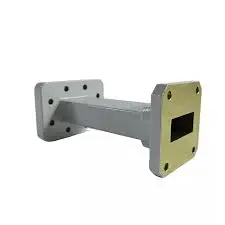
Optimizing Waveguide Transition Performance in Automotive Assembly
Installation Best Practices
For a proper fitting to start, the flanges must be carefully lined up. An angle difference of more than 0.5 degrees causes a VSWR decline that can be measured. It's important to follow the torque specs exactly; too much tightening can damage seals, and too little tightening lets RF leak through. Managing connectors is also important. For example, calibrated torque wrenches are needed for coaxial connections to keep connectors from breaking, and regular check rounds find worn parts before they affect measures.
Maintenance Protocols
In work areas that get a lot of use, routine inspections should happen every three months. A visual inspection shows that there is physical harm, rust, or gasket wear that needs to be fixed. Electrical proof through measures of return loss finds performance drift, which means the part needs to be replaced. Cleaning methods with the right liquids keep contact areas clean without adding contaminants that increase insertion loss.
Emerging Technology Trends
Waveguide Transition innovation is driven by the car industry's move toward 5G-enabled vehicle communication and self-driving systems. Next-generation sensor testing is possible with millimeter-wave changes that handle frequencies above 100GHz. Distributed antenna systems in cars are made easier with hybrid assemblies that combine waveguide transitions with fiber-optic connections. IoT integration lets performance factors of transitions be monitored from afar, which makes it possible to use predictive maintenance strategies that stop unplanned downtime.
Future-Proofing Assembly Processes
Technology roadmaps for the next 5 to 7 years are taken into account when making strategic buying choices. As radar standards for cars change, modular transfer designs with removable parts that can work with multiple frequency bands protect investments. Suppliers with busy research and development programs and membership in car standards groups are likely to be good partners for a long time. As car RF standards change, staying up to date through industry conferences, technical publications, and working with suppliers is important to stay competitive.
Conclusion
Waveguide Transitions are long-term investments in the infrastructure of car assembly shops that have a direct effect on measurement accuracy, production speed, and the safety of the vehicles that are put together. Because they connect test tools to powerful radar and communication modules, current automakers can't make cars without them. Procurement workers can get a competitive edge by choosing suppliers wisely and focusing on things like quality certifications, technical assistance, and the total cost of ownership, which goes beyond unit pricing. By following the right installation and repair procedures and staying up to date on new technology trends, businesses can get the most out of their investments and be ready to meet the changing needs of the car industry.
FAQ
Q1: What frequency ranges do automotive waveguide transitions support?
For automotive uses, Waveguide Transitions covering 24GHz ISM bands are mostly used for earlier systems, 76–81GHz for modern collision avoidance radar, and new licenses close to 79GHz. X-band (8–12GHz) transitions are often needed for test equipment connections to characterize components during the development process.
Q2: Can waveguide transitions be customized for specific automotive testing needs?
Reliable makers allow for a lot of customization, such as non-standard flange configurations, frequency band optimization, construction that is tough for harsh settings, and interaction with automatic test fixtures. Custom solutions usually need engineers to work together and have longer lead times, 8 to 12 weeks.
Q3: How do waveguide transitions compare with coaxial adapters for automotive testing?
When it comes to power handling, insertion loss (usually 0.3dB vs. 1.2dB for coax), and long-term stability, Waveguide Transitions are better. Coaxial connections are flexible and cheaper, but they make measurements less accurate at millimeter-wave frequencies that are important for validating car radar.
Partner with ADM for Superior Waveguide Transition Solutions
For more than 20 years, Advanced Microwave Technologies Co., Ltd. has been specializing in making precise RF parts for use in car assembly. Our Waveguide Transition portfolio includes both standard and custom designs that are best for testing 77GHz car radar. It is backed by quality systems that are ISO 9001 approved and a lot of scientific information. As a well-known Waveguide Transition maker, we can help you speed up your production validation cycles with fast development, large-scale production, and application engineering.
Our global logistics network guarantees on-time arrival that fits with your assembly plans, and our technical team is available to help with installation and fix any problems that come up. Contact craig@admicrowave.com right away to talk about your specific testing problems with cars. Our engineers will come up with custom solutions that meet your performance needs and your budget. Improve your ability to put together cars with RF parts that are designed for accuracy, longevity, and measured production gains.
References
1. Pozar, David M. Microwave Engineering, 4th Edition. Wiley, 2011.
2. Balanis, Constantine A. Advanced Engineering Electromagnetics, 2nd Edition. Wiley, 2012.
3. IEEE Standards Association. IEEE Standard for Automotive Radar, IEEE 802.11p-2010.
4. SAE International. Surface Vehicle Recommended Practice for Automotive Radar Performance, SAE J2945/1-2016.
5. Rohde & Schwarz. Automotive Radar Test and Measurement Solutions, Application Note 1MA256, 2020.
6. Keysight Technologies. Millimeter-Wave Measurement Solutions for Automotive Applications, Technical Overview 5992-2841EN, 2019.
_1733738410152.webp)