





Why Silver-Filled Elastomers Outperform in EMI Waveguide Gaskets?
Emi waveguide gaskets incorporating silver-filled elastomers represent a significant advancement in electromagnetic interference shielding for high-frequency applications. These specialized gaskets deliver superior electrical conductivity through silver particle dispersion within flexible elastomeric matrices, achieving shielding effectiveness exceeding 100 dB across critical frequency bands while maintaining mechanical resilience under extreme temperatures and compression cycles. Unlike conventional metal or silicone-based seals, silver-filled elastomer gaskets provide an optimal balance of conformability, corrosion resistance, and long-term reliability—essential attributes for mission-critical systems in aerospace, satellite communications, and defense electronics where signal integrity and environmental durability cannot be compromised.
Understanding EMI Waveguide Gaskets and Their Role
In high-precision RF and microwave systems, where even small amounts of electromagnetic leakage can hurt signal quality or damage sensitive equipment, EMI waveguide gaskets are indispensable parts. These seals make electrical paths between metal surfaces that fit together, like waveguide flanges, container lids, and chassis interfaces. This stops unwanted electromagnetic radiation from getting out or messing up circuits next to them.
The Fundamental Operating Principle
At their core, these seals work by making electrical contact across the surfaces of joints. The gasket material deforms to fill in tiny gaps and rough spots on two electrical surfaces when pressed against each other. This makes a low-impedance link that either reflects or absorbs electromagnetic energy. It is very important for this process to work properly in waveguide assemblies because keeping the mode pure and stopping signal leakage have a direct effect on system performance measures like VSWR and insertion loss.
Material Composition and Frequency Response
Conductive elastomers and pure metal meshes are both common types of gasket materials. Silicone-based gaskets are flexible but not very good at conducting electricity. Solid metal gaskets are great at protecting but can't be shaped. This gap is filled by advanced composites, such as silver-filled elastomers, which contain conductive particles inside flexible polymer bases. These materials can usually respond to frequencies between less than 1 GHz and more than 40 GHz. This makes them useful for X-band radar, Ka-band satellite links, and millimeter-wave communications.
Mission-Critical Applications
EMI gaskets keep electronics safe from lightning strikes and strong electromagnetic fields. They keep the signal strong in waveguide transitions and antenna feeds at satellite ground stations. These gaskets are important for defense radar systems because they stop mode switching and crosstalk between transmit and receive channels that are close together. For each use, seals must be able to handle changes in temperature, pressure, and exposure to the environment without losing their effectiveness.
The Limitations of Traditional EMI Waveguide Gasket Materials
When procurement engineers rely on traditional gasket technologies, they often run into performance problems. This is especially true in harsh settings where dependability and lifecycle costs are very important for emi waveguide gaskets.

Challenges with Metal-Only Gaskets
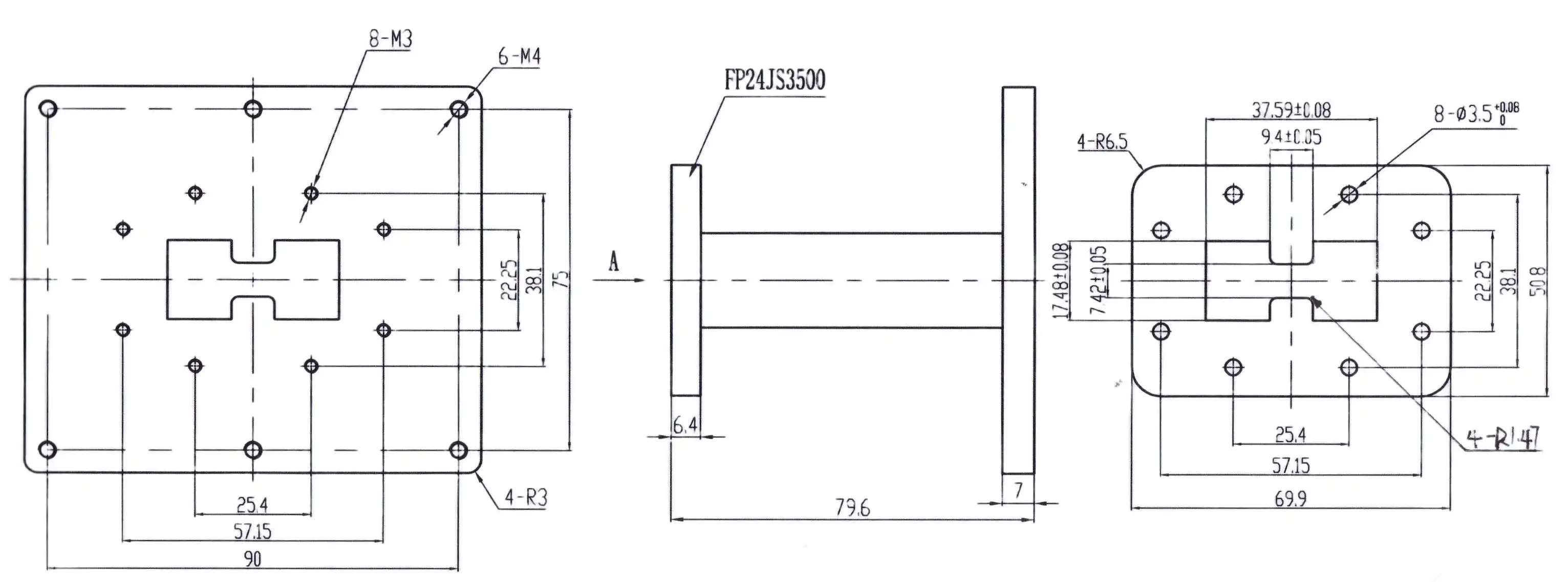
Solid metal seals, which are usually made of beryllium copper or aluminum, provide excellent protection when they are first installed. But their stiffness makes them hard to use in a number of ways. Surfaces that aren't smooth or flanges that bend during assembly can leave air holes that make protection less effective. Repeated compression cycles often cause permanent damage, which means that the gasket needs to be replaced when it's time for upkeep. In sea or coastal settings, where salt fog speeds up galvanic reactions between metals that are not the same, corrosion becomes a major issue. When regular repairs and the downtime that comes with them are taken into account, the total cost of ownership goes up a lot.
Silicone Gasket Performance Gaps
When compared to metal versions, standard conductive silicone gaskets are more flexible and easier to install. Unfortunately, they don't shield well enough—usually less than 60 dB—for high-frequency waveguide applications that need 80–100 dB of attenuation. During thermal aging, the particles of the carbon or nickel fillers that are used to add conductivity often settle or stick together, which makes the electrical properties less consistent. In high-temperature settings, compression set—the constant deformation that remains after stress is removed—becomes a problem, leading to seal degradation and intermittent electrical contact.
Installation and Failure Mode Considerations
During fitting, improper stress is a common cause of failure for both types of materials. Metal gaskets are crushed beyond their elastic limit when they are over-compressed, and electrical silicones don't have enough contact pressure when they are under-compressed. These mistakes during installation lead to higher VSWR numbers, signal reflection, and possibly damage to sensitive emitter parts. The technical know-how needed for proper installation adds secret costs to purchase budgets, especially for complicated multi-cavity waveguide assemblies or systems that need to be installed in the field by people who aren't experts in the field.
Why Silver-Filled Elastomers Are Superior for EMI Waveguide Gaskets
The main problems with standard materials can be fixed by silver-filled elastomer technology, which uses a carefully designed hybrid structure that improves both electrical and mechanical performance for EMI waveguide gaskets.
The Material Science Advantage
Small silver bits, about 2 to 10 microns across, are evenly spread out in a silicone or fluorosilicone elastomer core of these advanced seals. Silver is a very good conductor (6.3 × 10⁷ S/m), so even when the tension load is very low, the contact resistance is low. The elastomer base gives the material the mechanical flexibility it needs to mold to uneven surfaces without permanently changing shape. This two-phase structure regularly gets shielding efficiency reaching 100 dB across frequency ranges from DC to 40 GHz, outperforming standard materials by 20 to 40 dB in tests.
Durability Under Environmental Stress
Data from environmental tests show that silver-filled gaskets last longer in tough working circumstances. Accelerated aging tests at 150°C for 1,000 hours show that the electrical conductivity doesn't change much—usually by less than 10%—compared to carbon-filled alternatives that lose 40 to 60 percent. Exposure to salt spray according to MIL-STD-810 shows that the gasket has great corrosion resistance because silver is a noble metal that doesn't oxidize as copper or aluminum does. Thermal cycling between -55°C and +125°C doesn't cause much compression set, so the sealing force stays the same across the working temperature range seen in aerospace and satellite uses.
Real-World Performance Validation
A large defense contractor recently changed the metal mesh covers in a phased-array radar device that works at X-band frequencies to silver-filled elastomer seals. After the installation, tests showed that the VSWR went from 1.8:1 to 1.2:1, which is a big change that means the return loss went down by 2.1 dB. More importantly, maintenance records from an 18-month deployment period showed that there were no gasket-related problems. This is in contrast to the old metal gaskets, which had to be replaced every three months. When material costs, worker hours, and system downtime were taken into account, the procurement team found that the total lifetime costs went down by 67%. We've seen similar performance gains across many customer platforms during our many years of making precision waveguide systems at Advanced Microwave Technologies Co., Ltd., so these results make sense.
Choosing the Right Silver-Filled Elastomer EMI Waveguide Gasket
To choose the best specification for an EMI waveguide gasket solution, you need to carefully look at working needs, environmental limits, and the supplier's skills to make sure they are in line with system performance goals.
Critical Performance Parameters
When choosing a seller, people who work in procurement should look at a few important criteria. IEEE 299 or MIL-STD-285 test methods must be used to make sure that the shielding works across the whole operating frequency range, not just at a single spot frequency. For good silver-filled seals, volume resistivity is usually between 0.001 and 0.1 ohm-cm, which is directly related to low contact resistance. Compression force deflection graphs show how much sealing pressure the gasket needs to keep the electricity flowing. This is very important when working with light material containers that can't handle too much clamping force. Not only should operational extremes be included in temperature ratings, but so should short-term changes that happen during soldering or other manufacturing processes.
Evaluating Supplier Credentials and Customization Capabilities
Leading makers have strong quality management systems that are approved to the ISO 9001 and AS9100 standards. These systems make sure that materials are certified and processes are controlled. When working with non-standard waveguide dimensions or complex gasket profiles that need multiple cross-sections, the ability to customize becomes very important. Lead times for prototyping are very different. Some providers send samples in two to three weeks, while others need eight to twelve weeks for special tooling. Minimum order quantities (MOQs) can be as low as 10 pieces for prototype runs and as high as 500 to 1,000 units for production orders. This can have a big effect on budgets for buying things for specialty applications that don't happen very often.
We know that waveguide system builders need more than just off-the-shelf parts here at Advanced Microwave Technologies Co., Ltd. Our engineering team works directly with sourcing experts to make sure that the dimensions, compression needs, and environmental scores of the gaskets are all in line with the performance goals set at the system level. The 24-meter microwave darkroom at our facility lets us test gasket-equipped waveguide assemblies thoroughly across the entire 0.5–110 GHz frequency range. This gives us real-world data that proves shielding works in real-world settings.
Comparative Material Analysis
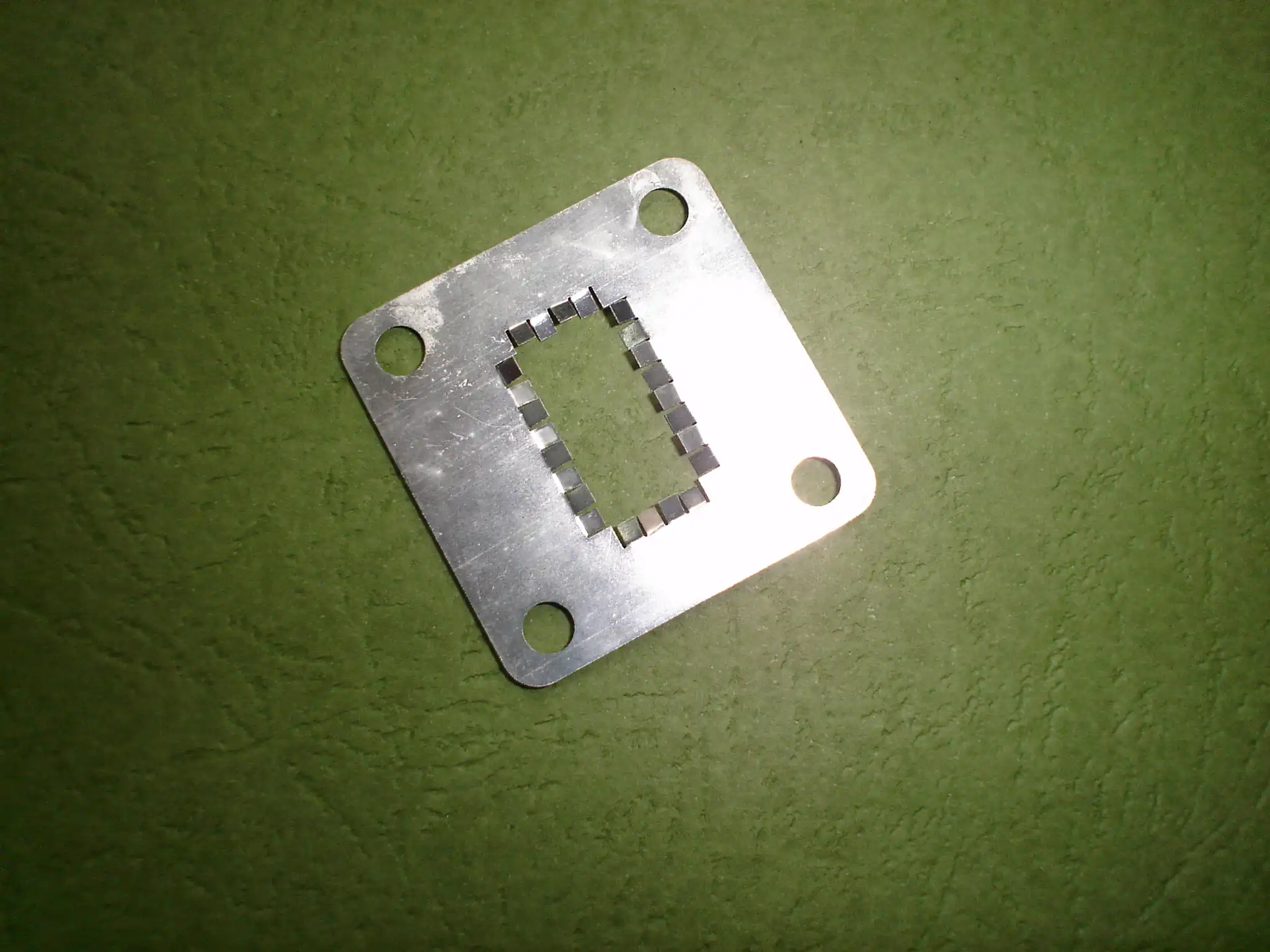
When comparing silver-filled elastomers to other materials, they show several performance differences. When compared to conductive fabric-over-foam covers, silver-filled versions offer 15 to 25 dB better protection and better compression recovery. Compared to beryllium copper fingerstock, elastomer seals don't have any sharp edges that could damage mating surfaces. They also provide the same level of protection while being much lighter, which is a big plus in aircraft weight budgets. Compared to wire mesh seals, silver-filled elastomers provide similar electrical performance without the mechanical wear issues that mesh experiences after being taken apart and put back together many times.
Installation Guide and Best Practices for Silver-Filled Elastomer EMI Waveguide Gaskets
Following the manufacturer's instructions during the whole building process is very important for making sure EMI waveguide gaskets work well and the system is reliable in the long run.
Surface Preparation Requirements
To get rid of grease, oxidation, and particle pollution that can make contact resistance higher, mating surfaces must be cleaned very well. Isopropyl alcohol or cleaners made just for electronics can get rid of organic leftovers without leaving behind conductive bits. It is important to check the surface's roughness, and Ra values should be kept below 32 microinches to make sure there is enough gasket contact area. Anodized aluminum or chromate-converted surfaces need extra care because the coatings can add shielding layers that make the electrical connection worse. Light abrasion with abrasive pads that don't conduct electricity can make contact better without lowering the protection against corrosion.
Compression Technique and Torque Specifications
Manufacturer datasheets usually list the goal compression percentages—usually 20–30% of the original gasket thickness—that must be reached in order for the quoted protection performance to be met. To turn this standard into bolt torque values, you need to figure out the area of the squeezed gasket and apply the right clamping force. Calibrated torque wrenches that meet ISO 6789 standards make sure that the tension is the same every time at different fastener sites. Sequential tightening patterns, like moving in a star or cross pattern instead of going around the outside, keep the gasket from stretching and loading unevenly. For big waveguide flanges with 12 or more fasteners, making several torque passes at higher and higher values makes sure that the compression is spread out evenly.
Troubleshooting Common Installation Errors
When you apply full pressure and see gaps between the gasket and the mating surfaces, it usually means that the gasket isn't compressed enough or that the surface irregularities are too big for the gasket to handle. Using feeler gauges to check the thickness of the fitted gasket at several places around the edge can help figure out why the compression isn't even. Unexpectedly high VSWR readings after fitting may mean that the gasket isn't lined up correctly with the waveguide aperture. This can be fixed by loosening the bolts, moving the gasket, and then re-torquing. Intermittent electrical contact is often caused by dirt getting stuck under the gasket during installation. This needs to be taken apart, cleaned, and then put back together with a new gasket.
Conclusion
For EMI shielding in difficult waveguide situations, emi waveguide gaskets made from silver-filled elastomers are the best choice because they offer the best mix of electrical performance, mechanical sturdiness, and environmental resistance. When you mix the better conductivity of silver particles with the flexibility of elastomers, you get shielding that is more than 100 dB effective and keeps its compression recovery after thousands of heat cycles. When procurement teams look at lifecycle costs, they always find that the higher original investment in silver-filled gaskets pays off in a big way by making systems more reliable, lasting longer, and needing less upkeep. These advanced gaskets work reliably in aerospace, defense, and satellite communication systems as long as they are installed according to best practices and the right material is chosen based on frequency needs, environmental conditions, and the supplier's capabilities.
Frequently Asked Questions About Silver-Filled EMI Waveguide Gaskets
How do silver-filled elastomer gaskets compare in cost to traditional materials?
When bought for the first time, silver-filled EMI waveguide gaskets usually cost two to four times more than regular conductive silicone ones. Total lifetime study, on the other hand, shows big cost savings. Longer service life—often three to five times longer than regular gaskets—reduces the number of times they need to be replaced. In mission-critical systems where hourly running costs can reach thousands of dollars, less repair downtime means big practical savings. Better shielding also stops expensive system failures caused by EMI problems, which is another reason why the extra money was worth it.
Can these gaskets withstand extreme temperature and humidity conditions?
If you choose the right elastomer base, good silver-filled elastomer gaskets will keep working well in temperatures ranging from -55°C to +200°C. Formulations containing fluorosilicone are better at resisting chemicals when used in places where fuel or hydraulic fluid will be exposed. Accelerated age tests show that the electrical qualities stay steady for more than 1,000 hours at high temperatures. According to MIL-STD-810 Method 507, humidity resistance testing shows that gaskets that are properly made don't let water in and keep their low contact resistance even in environments with 95% relative humidity.
Are silver-filled gaskets compatible with different waveguide flange types?
These gaskets can fit almost all common waveguide flange shapes, such as UG, CPR, and UBR series flanges in frequency ranges from L-band to W-band. Custom shapes can be made to fit lip forms that aren't standard or are owned by a company. Because elastomeric materials are naturally flexible, single gasket designs can successfully seal flanges with only minor surface irregularities or dimensional differences. This gives you more options when buying parts from different makers.
Partner with ADM for High-Performance EMI Waveguide Gasket Solutions
Advanced Microwave Technologies Co., Ltd. (ADM) has been making precision microwave parts for more than 20 years. They can make custom EMI waveguide gasket solutions for waveguide assemblies that are used in defense, aerospace, and satellite communication. Our engineering team works directly with sourcing specialists to choose and test silver-filled elastomer gaskets that are the right size, shape, and frequency response for the fitting. We keep up the quality standards needed by mission-critical systems by being ISO 9001:2015 certified and RoHS compliant. Get in touch with our technical sales team at craig@admicrowave.com to talk about your EMI waveguide gasket needs with a reliable manufacturer and supplier that can provide both standard and custom-engineered shielding solutions backed by full test data from our 110 GHz measurement facilities.
References
1. Violette, J.L.N., White, D.R.G., and Violette, M.F. (1987). Electromagnetic Compatibility Handbook: Design and Measurement Techniques for Conductive Gaskets in Waveguide Systems. Van Nostrand Reinhold.
2. Paul, C.R. (2006). Introduction to Electromagnetic Compatibility: Shielding Effectiveness of Conductive Elastomers. 2nd Edition, John Wiley & Sons.
3. Hemming, L.H. (1992). Architectural Electromagnetic Shielding Handbook: Materials and Applications for RF Interference Control. IEEE Press.
4. Ott, H.W. (2009). Electromagnetic Compatibility Engineering: Gasket Selection for Waveguide Assemblies. John Wiley & Sons.
5. Morrison, R. (1998). Grounding and Shielding: Circuits and Interference in Waveguide Systems. 5th Edition, Wiley-IEEE Press.
6. Schulz, R.B., Plantz, V.C., and Brush, D.R. (1988). "Shielding Theory and Practice: Performance Comparison of Conductive Gasket Materials." IEEE Transactions on Electromagnetic Compatibility, Vol. 30, No. 3.
YOU MAY LIKE
 VIEW MORELog Periodic Antenna
 VIEW MORERight Angle Waveguide to Microstrip Adapter
 VIEW MOREWaveguide Unmatched Termination
 VIEW MOREBroadwall Directional Coupler
 VIEW MOREDouble Ridge Waveguide Bend
 VIEW MORECoaxial Fixed Attenuator
 VIEW MORECoaxial Detector
 VIEW MOREOpen Boundary Dual Linear Polarization Four Ridged Horn Antenna