





Why Is a Parabolic Antenna Ideal for Long-Range Communication?
A parabolic antenna is the best way to communicate over long distances because it can focus electromagnetic energy into lines that are very focused and specific. By using a perfectly bent reflector in the shape of a parabola, this type of antenna focuses receiving radio waves on a single focal point where the feed antenna is located. This greatly increases signal strength while reducing signal loss. This basic design principle gives very high gain—often more than 30 to 50 dBi depending on the width and frequency used—which makes it possible to send signals reliably over long distances that would not be possible with bidirectional or lower-gain antenna systems.
Understanding Parabolic Antennas: Design Principles and Core Advantages
The physical accuracy of a parabolic reflector antenna is what makes it an elegant piece of engineering. At each point on the curved surface, plane waves that come in are reflected toward the focus point, where the feed horn gathers the concentrated energy. This geometric feature works both ways: as the signal is sent, circular waves from the feed horn change into collimated plane waves that spread out as a narrow, focused beam. Bigger dish sizes directly lead to higher gain and smaller beamwidths, which makes them necessary for uses ranging from ultrahigh frequencies (UHF) to millimeter waves.
Geometric Structure and Signal Concentration
The size of the mirror has a clear effect on how well it works. At 6 GHz, a 2-meter dish can usually get gains of about 35 dBi and a beamwidth of about 3 degrees. At 18 GHz, the same dish can get 45 dBi and a beamwidth of less than 1 degree. This ability to concentrate helps a lot in places with a lot of spectrum congestion by making off-axis radiation and interference less likely to happen. Advanced Microwave Technologies Co., Ltd. has been making products for over 20 years and can make mirrors with surface accuracy standards that are often higher than λ/16 (wavelength split by sixteen). This makes sure that the aperture works well across a wide range of frequency bands, from 0.5 GHz to 110 GHz.
Directivity and Gain Performance
If you compare parabolic mirrors to other antenna designs, like Yagi arrays or helix designs, they offer the best directivity. A Yagi antenna might have a gain of 12 to 18 dBi and a moderately directed response, which is fine for point-to-multipoint situations but not for microwave backup links that go 30 to 50 kilometers. Parabolic systems often reach 40+ dBi, which lets phone companies set up effective point-to-point links across rough territory while keeping the signal's integrity. This performance edge is especially useful in defense and military uses that need very narrow beamwidths for accurate target tracking and low-risk communication interception.
Material and Manufacturing Precision
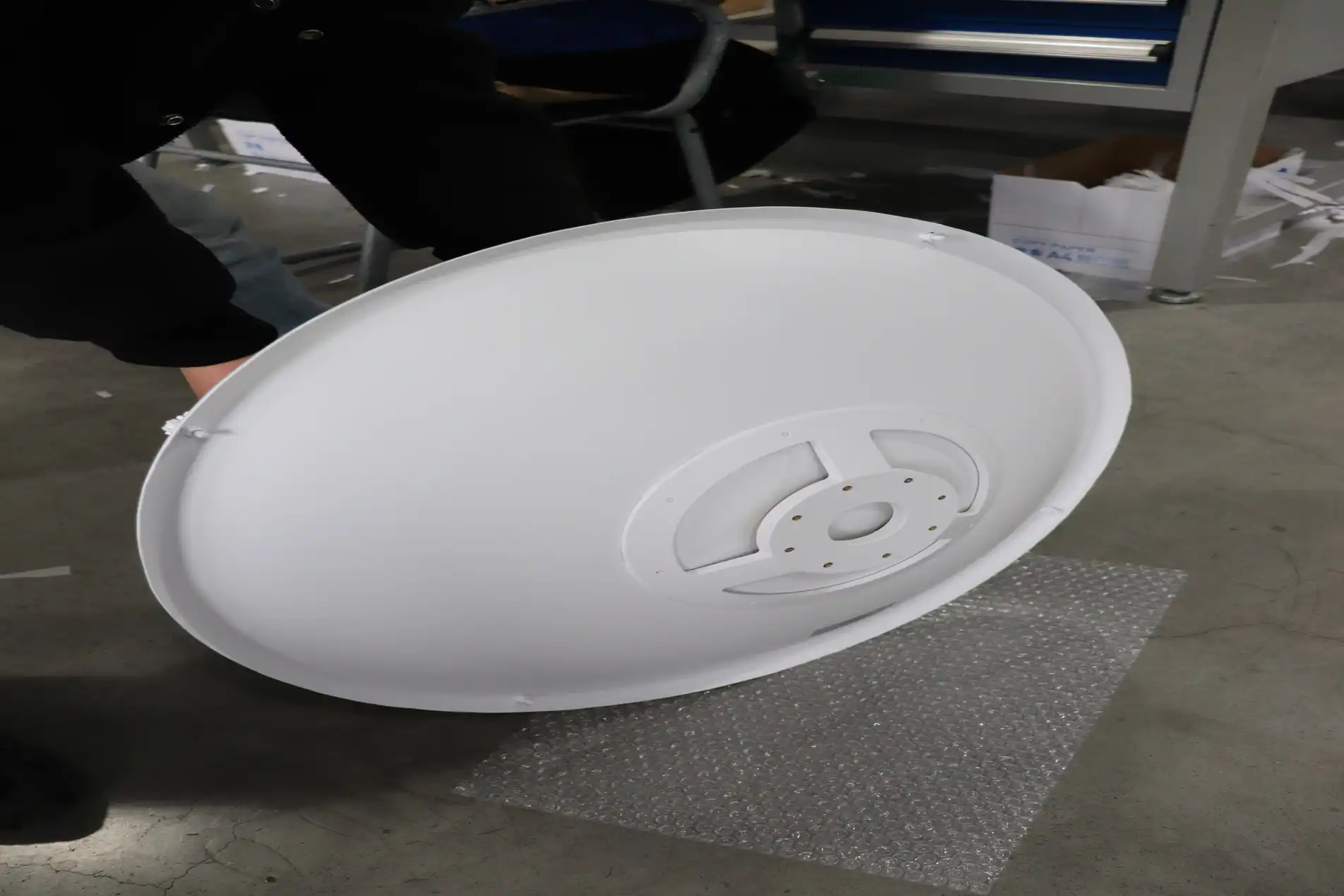
The quality of manufacture has a direct effect on success in the real world. Reflector surfaces are usually made of spun aluminum or stretch-formed aluminum alloys that have been treated with a powder coating to make them resistant to rust. These materials must meet strict environmental standards, such as ISO 9001 approval and RoHS compliance. Surface flaws that are bigger than the critical limits lower the aperture's efficiency and add side lobes that aren't needed. Our quality control procedures include testing in an anechoic room to make sure the radiation patterns are correct, measuring the front-to-back ratio to make sure there is no interference, and mechanical stress screening, which includes testing in a wind tunnel to make sure the devices can survive winds of more than 200 km/h.
Performance Factors Affecting Parabolic Antenna Efficiency
Operational success goes beyond what was originally planned. The environment, the accuracy of the placement, and the choice of frequency band all affect whether a parabolic system works as well as it should or not in the real world.
Installation, Alignment, and Mounting Considerations
Aligning the parabolic antennas correctly is an important part of buying something that is often forgotten until it is put into use. A 1-degree mistake in directing an antenna with a 3-degree beamwidth can cause 3–4 dB of signal loss, which could make a weak link useless. For high-frequency microwave links above 15 GHz, where beamwidths are very narrow (sub-degree levels), professional installation needs precise theodolites or laser alignment tools. Mounting structures need to be able to handle practical wind loads and keep their pointing accuracy. This calls for strong base designs that can be checked through vibration testing methods.
Environmental Resilience and Weather Impact
Weather events cause a measured efficiency decline. Above 10 GHz, rain has a big effect on signal strength, and Ka-band satellite links have fade gaps of more than 10 dB when it rains a lot. Hydrophobic radome treatments keep water films from building up, which would otherwise weaken signals. As required by ASTM B117 standards, salt spray testing proves that the product can be used in coastal areas, and temperature cycling shows that it is mechanically stable from -40°C to +60°C. Our engineering teams do full weather stress testing and give procurement managers confirmed performance data for particular rollout scenarios.
Aperture Efficiency and Technical Parameters
In high-performance industrial systems, aperture efficiency (the ratio of the useful spreading area to the actual dish area) is usually between 55% and 70%. This measure is affected by the lighting patterns on the feed horn, the accuracy of the surface, and any obstructions from the feed support structures. Cross-Polarization Discrimination (XPD) values between 30 and 40 dB allow frequency reuse methods, which are very important for making satellite communication ground stations as efficient as possible with their use of spectrum. As long as the VSWR is less than 1.3:1, there will be little signal bounce, which means that power will flow smoothly between the emitter and antenna system. These technological measures are the building blocks of smart choices about buying.
Comparing Parabolic Antennas With Alternative Solutions
When choosing an antenna, you have to weigh the pros and cons of strength, size, cost, and the needs of your application. Knowing how curved shapes stack up against other options makes it clear when this technology is the best choice.
Parabolic vs. Yagi and Helical Designs
Yagi-Uda arrays are good for VHF/UHF uses like TV viewing or amateur radio because they are small and have a boost that is in the middle. Since they can't gain more than 18 dBi, they can't be used for radio links that need to be 35+ dBi strong. Round-shaped helical antennas work well for the following satellites, but they lack the strong directionality needed for long-range point-to-point communications on land. Most of the time, parabolic systems are used when link costs demand the highest gain and narrowest beamwidth. That's why they're bigger and need to be attached in a different way.
Reflector Type Variations
There are different types of parabolic shapes, such as solid dishes, pierced dishes, and grid configurations. Broadband efficiency and maximum gain are provided by solid reflectors, but they have higher wind loads. Grid antennas lower wind resistance by 30–50% while keeping gain levels reasonable at certain frequency bands. This makes them better for tower sites that don't have a lot of structural support. Dual-polarized parabolic antennas have orthogonal feed systems that make them twice as efficient at using 2x2 MIMO or XPIC technologies. This version deals with frequency congestion by sending separate data streams on both vertical and horizontal polarizations at the same time. Testing with a Vector Network Analyzer showed that the separation between ports is greater than 30 dB.
Application-Driven Selection Criteria
When choices are made about what to buy from parabolic antenna manufacturers, antenna features must match practical needs. Backhaul in a cellular network connects base stations to core infrastructure. It usually uses 0.6 to 3.8-meter parabolic antennas that work from 6 to 42 GHz and have Class 3 or Class 4 ETSI radiation pattern bands to keep interference from other channels to a minimum. For Ku-band and Ka-band VSAT services, satellite ground stations need bigger openings, usually between 3 and 13 meters. They also need to have precise tracking pedestals for maintaining geostationary satellite locks. For campus connection, industrial WiFi backhaul could use smaller 0.3-meter dishes at 5.8 GHz, which would balance speed with ease of installation.
Guide to Procuring Parabolic Antennas for B2B Applications
Successful procurement extends beyond technical specifications to encompass supplier reliability, certification credentials, and total cost of ownership considerations that impact long-term operational success.
Pricing structures vary substantially based on antenna size, frequency band, and customization requirements. A standard 1.2-meter X-band antenna might cost $800-1,500, while a precision 3.7-meter Ka-band tracking system can exceed $50,000. Material selection influences both cost and longevity: aluminum reflectors offer durability and corrosion resistance, whereas composite materials reduce weight for roof-mounted installations with structural load constraints. Custom feed networks designed for specific bandwidth requirements or dual-polarization configurations add engineering costs but deliver optimized performance for demanding applications.
Supplier evaluation should prioritize manufacturing capabilities and quality assurance infrastructure. Advanced Microwave Technologies Co., Ltd. operates a 24-meter microwave darkroom equipped with antenna plane near- and far-field measuring recombination chamber technology, enabling comprehensive radiation pattern characterization across our 0.5-110 GHz test frequency range. This facility supports both near-field and far-field measurement methodologies, providing procurement teams with detailed performance documentation, including gain plots, side lobe levels, and cross-polarization discrimination data. ISO 9001:2015 certification validates our quality management systems, while ISO 14001:2015 demonstrates environmental stewardship and ISO 45001:2018 confirms occupational safety commitments.
Mounting Solutions and Installation Support
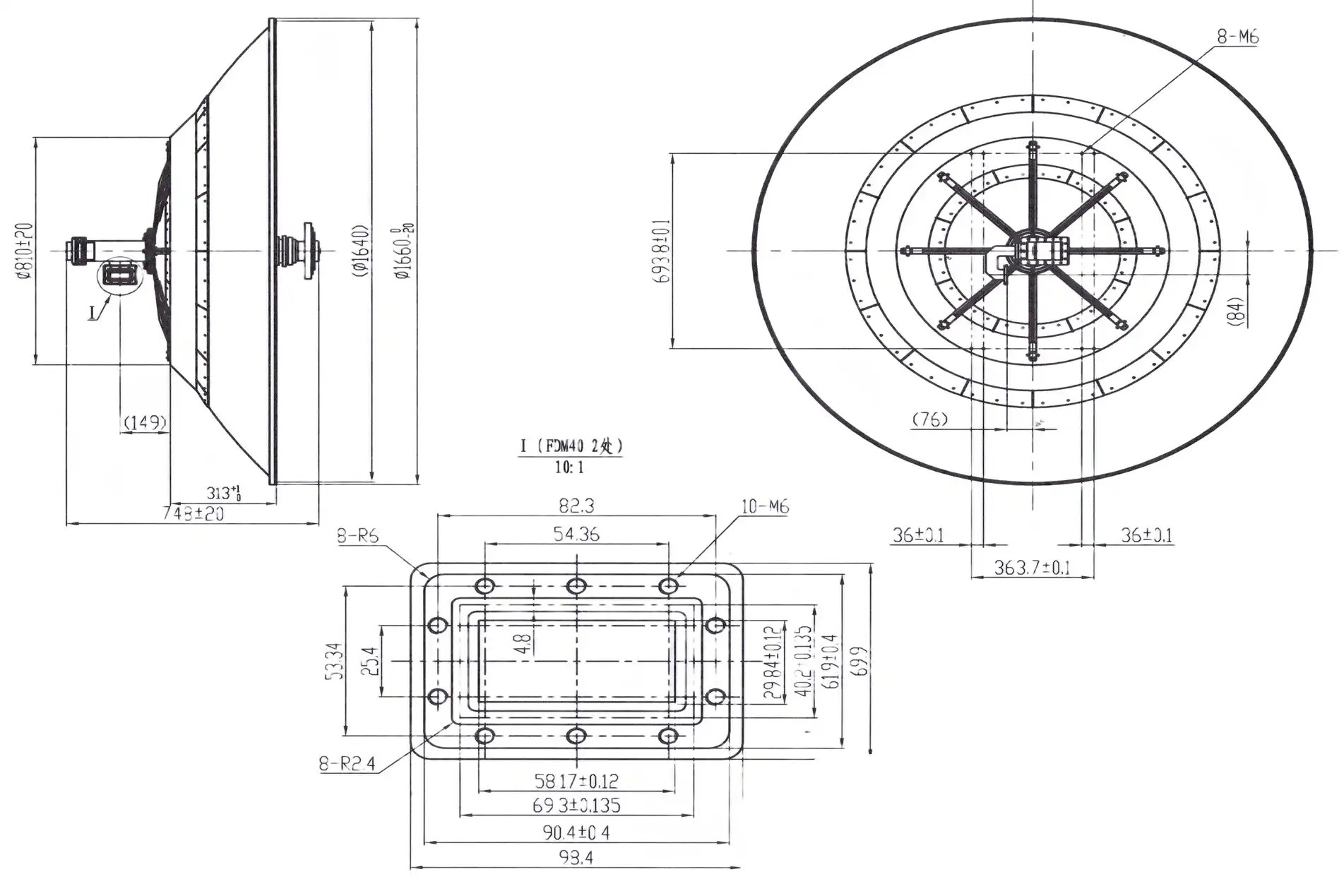
Complete system procurement must address mounting hardware, cabling, and installation services. Pedestal mounts require precise leveling and azimuth/elevation adjustment mechanisms, with heavy-duty designs certified for specified wind survival ratings. Coaxial and waveguide assemblies connecting the antenna to transceiver equipment must match impedance specifications—typically 50 ohms for coaxial systems—with appropriate power handling capacity and environmental sealing rated to IP67 standards. Our technical support team provides installation guidance, troubleshooting assistance, and commissioning services, ensuring optimal system performance from deployment through the operational lifecycle.
Warranty Coverage and After-Sales Capability
Comprehensive warranty programs protect procurement investments against manufacturing defects and premature failures. Standard warranties typically cover 1-3 years, with extended service agreements available for mission-critical installations. After-sales capability encompasses spare parts availability, technical hotline support, and field service options. Our global logistics infrastructure ensures rapid delivery of replacement components, minimizing downtime for telecommunications operators, defense contractors, and research institutions relying on continuous operational availability.
Future Trends and Innovations in Parabolic Antenna Technology
Technological evolution continues advancing parabolic antenna capabilities through materials innovation, manufacturing precision improvements, and integration with emerging communication standards.
Composite materials incorporating carbon fiber and advanced polymers offer weight reductions exceeding 40% compared to traditional aluminum while maintaining structural rigidity and surface accuracy. These lightweight designs reduce tower loading requirements and installation costs, particularly for cellular backhaul deployments requiring multiple antennas per site. Additive manufacturing techniques enable complex feed horn geometries optimized through computational electromagnetics, achieving broader bandwidth and improved pattern control compared to conventional machining approaches.
Multifunctional antenna systems from parabolic antenna manufacturers supporting both legacy microwave bands and emerging millimeter-wave 5G frequencies provide investment protection as networks evolve. Dual-band and tri-band designs eliminate the need for separate antenna installations, conserving tower space and reducing lease costs for telecommunications providers. Integration with electronically steerable arrays creates hybrid systems combining parabolic gain with beam agility, enabling satellite ground stations to track multiple Low Earth Orbit constellation satellites without mechanical repositioning.
Surface accuracy improvements through precision manufacturing and active surface adjustment mechanisms push aperture efficiency toward theoretical limits. Adaptive systems employing actuators behind reflector panels compensate for thermal distortion and gravitational loading, maintaining optimal focal concentration as antenna orientation changes. These technologies, while currently reserved for specialized applications such as deep-space communication and radio astronomy, represent evolutionary pathways for commercial B2B systems as manufacturing costs decline.
Conclusion
Parabolic antennas remain the definitive solution for long-range communication demanding maximum gain, precise directionality, and reliable performance across diverse environmental conditions. Their geometric precision concentrates electromagnetic energy into focused beams capable of traversing distances that render alternative antenna architectures impractical. Procurement success requires balancing technical specifications with supplier capabilities, quality certifications, and comprehensive support infrastructure. Advanced Microwave Technologies Co., Ltd. combines over twenty years of manufacturing expertise with state-of-the-art testing facilities and global logistics capabilities, positioning us as a trusted supplier for defense contractors, telecommunications system integrators, and research institutions worldwide.
FAQ
1. What frequency ranges work best with parabolic antennas?
Parabolic antennas perform optimally from UHF bands around 400 MHz through millimeter-wave frequencies exceeding 100 GHz. Lower frequencies require impractically large dishes for significant gain, while higher frequencies benefit dramatically from compact apertures delivering extreme directivity. Commercial applications concentrate in 1-42 GHz microwave bands for terrestrial links and Ku/Ka bands (12-40 GHz) for satellite communications.
2. How does weather affect parabolic antenna performance?
Rain attenuation becomes significant above 10 GHz, with losses increasing proportionally to frequency and precipitation intensity. Ice accumulation degrades surface accuracy and shifts resonant frequency. Radome enclosures with hydrophobic coatings minimize water film attenuation while protecting reflector surfaces. Wind loading specifications ensure structural integrity during storms, with survival ratings typically exceeding 200 km/h for properly installed systems.
3. What maintenance do parabolic antennas require?
Routine inspection includes verifying mounting bolt torque, checking radome integrity, and confirming alignment accuracy through signal strength monitoring. Periodic reflector cleaning removes accumulated debris that degrades surface conductivity. Feed horn weatherproofing requires annual inspection of seals, maintaining IP67 ingress protection ratings. Professional realignment may be necessary following severe weather events or structural settling.
Partner With a Trusted Parabolic Antenna Manufacturer
Advanced Microwave Technologies Co., Ltd (ADM) delivers precision-engineered parabolic antenna solutions backed by ISO 9001:2015 quality certification and RoHS compliance. Our 24-meter microwave darkroom enables comprehensive testing across 0.5-110 GHz frequency ranges, ensuring every parabolic antenna meets rigorous performance specifications before deployment. Whether you require customized X-band feed networks for air traffic control, dual-polarized systems for cellular backhaul, or precision Ka-band dishes for satellite ground stations, our engineering team provides tailored OEM services with rapid prototyping and technical support throughout your project lifecycle. Contact craig@admicrowave.com to discuss your requirements with our parabolic antenna supplier specialists and experience the advantages of partnering with a manufacturer offering complete supply chain integration and fast global delivery.
References
1. Balanis, Constantine A. "Antenna Theory: Analysis and Design, Fourth Edition." John Wiley & Sons, 2016.
2. Stutzman, Warren L., and Gary A. Thiele. "Antenna Theory and Design, Third Edition." John Wiley & Sons, 2012.
3. Milligan, Thomas A. "Modern Antenna Design, Second Edition." IEEE Press, 2005.
4. Collin, Robert E., and Field J. Zucker. "Antenna Theory, Part 1 and 2." McGraw-Hill, 1969.
5. Jasik, Henry, and Richard C. Johnson. "Antenna Engineering Handbook, Fourth Edition." McGraw-Hill Professional, 2007.
6. IEEE Standard 145-2013. "IEEE Standard for Definitions of Terms for Antennas." Institute of Electrical and Electronics Engineers, 2014.
YOU MAY LIKE
 VIEW MOREWaveguide Circulator
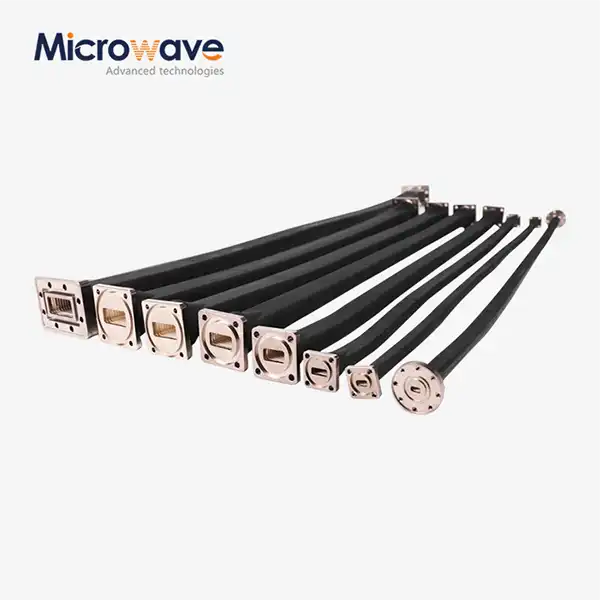 VIEW MOREFlexible Twistable Waveguide
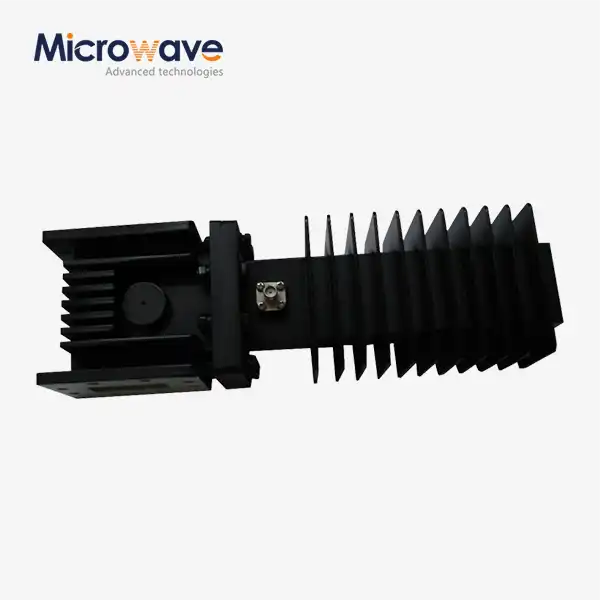 VIEW MOREHigh Power Waveguide Isolator
 VIEW MOREWG Bandpass Filter
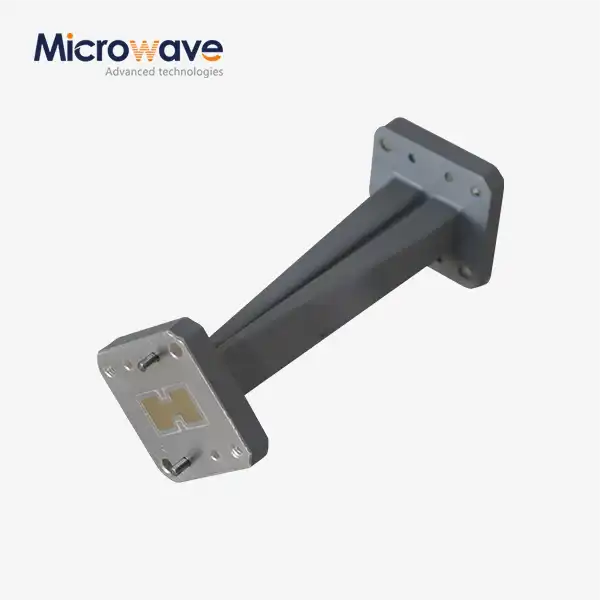 VIEW MOREDouble Ridge Twist Waveguide
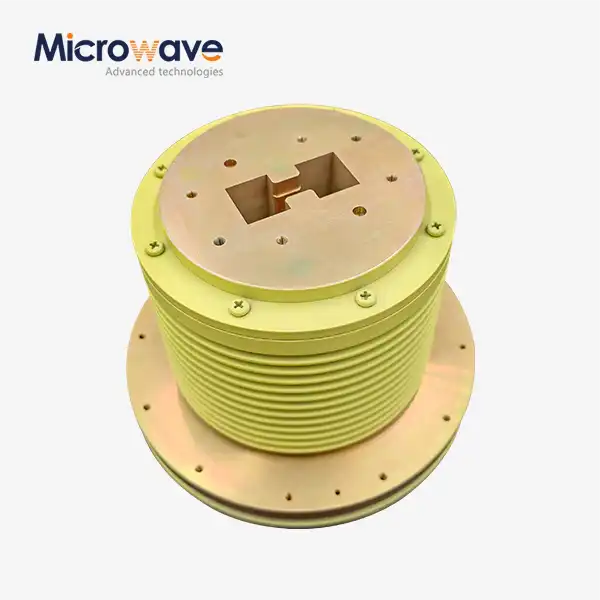 VIEW MOREDouble Ridge Waveguide Rotary Joint
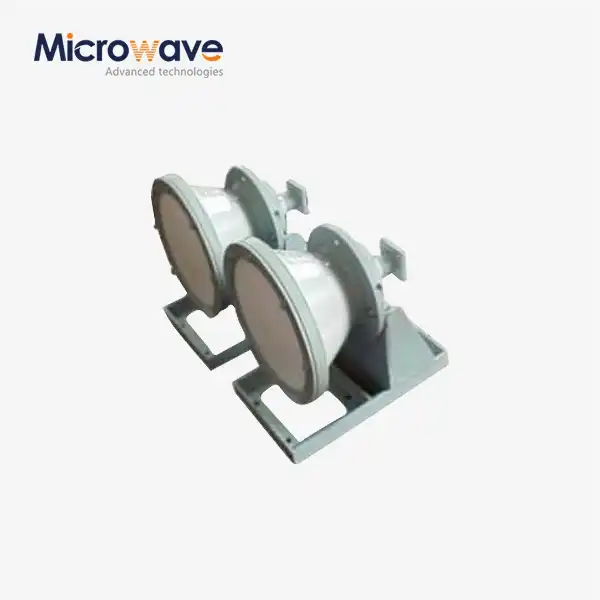 VIEW MOREConical Horn Lens Antenna
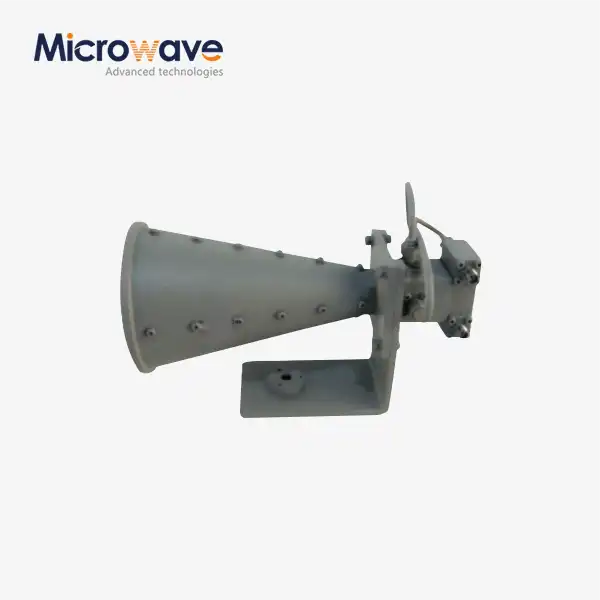 VIEW MOREDual Linear Broadband Dual Circular Polarization Horn Antenna