





Why Is a Coaxial Rotary Joint Essential for Rotating Platforms?
A coaxial rotary joint stands as the critical interface between stationary and rotating systems, enabling uninterrupted RF and microwave signal transmission without cable wrapping or signal degradation. These precision electromechanical components maintain characteristic impedance—typically 50Ω or 75Ω—across broad frequency spectra, from DC to 110 GHz, while supporting continuous 360-degree rotation. In defense radar arrays, satellite tracking antennas, and telecommunications infrastructure, they eliminate the mechanical limitation of static cabling, preserving signal integrity with minimal insertion loss and low VSWR even under constant motion.
Understanding Coaxial Rotary Joints and Their Role in Rotating Platforms
Modern defense, aerospace, and telecommunications systems use rotating platforms. One of the biggest technical problems is how to safely send high-frequency messages while the platform is rotating. When you use traditional ways to connect cables, they get twisted, worn out, and eventually break. We solve this problem with carefully designed coaxial rotary joints that connect electrically between equipment that stays still and parts that move.
What Makes Coaxial Rotary Joints Unique
Coaxial rotary joints work on Transverse Electromagnetic (TEM) mode principles, as opposed to traditional slip rings made primarily for power or low-frequency data. This design keeps the impedance matching steady throughout the rotation cycle, which is very important for uses that need accurate signals. The inside is made up of precision dielectrics that split concentric wires. Gold-plated contacts make sure that there is low contact resistance and little signal distortion. Materials like Beryllium Copper (BeCu) and stainless steel grades 303/304 are good for both electrical performance and long-term use.
Frequency Range and Performance Parameters
Modern rotary joints can work with a wide range of frequency bands that are designed to work with particular tasks. Most units with SMA connectors can work from DC to 18 GHz. Units with 2.92mm connections can work up to 40 GHz, and units with 2.4mm connectors can work up to 50 GHz. Insertion loss values below 0.2 dB and VSWR kept below 1.30:1 across the operational bandwidth are examples of performance metrics. Phase WOW, which measures how much the phase changes during spin, stays tightly controlled within ±1° to ±5°. This keeps the data coherent, which is important for radar and communication systems.
Mechanical Design Considerations
The mechanical design strikes a balance between the ability to rotate and the safety of the electricity. Precision bearings allow for speeds of up to 5,000 RPM in certain types, and they keep the fixed and rotating wires aligned. Small sizes—often less than 30 grams for single-channel units—make it easier to fit them into places with limited room, like UAV gimbals and mobile SATCOM stations. Environmental sealing to IP65 or IP67 standards keeps inside parts safe from dust, water, and corrosive atmospheres in industrial and maritime settings.
Key Benefits of Using Coaxial Rotary Joints for Rotating Platforms
Using coaxial rotary joints in dynamic systems improves electrical performance, mechanical stability, and the efficiency of operations in a measurable way. In mission-critical applications, where downtime or signal degradation can have big effects, these benefits directly address problems that users have.
Before we look at specific benefits, let's look at how they're used: radar systems that spin very quickly, satellite dishes that track moving targets, and ROV cable reels that put devices in deep-sea environments all need to be able to send signals without any problems. These parts offer the following main benefits:
- Superior Signal Integrity: The coaxial design maintains high-frequency performance by matching the impedances perfectly and having low insertion loss. Slip rings change the contact resistance and potential signal modulation when the ring turns, but coaxial connections keep their electrical properties steady. This steadiness is very important for radar use because phase consistency has a direct effect on how well targets are found and how far away they can be seen.
- Extended Operational Lifespan: High-quality units have a service life of more than 10 to 50 million revolutions under normal operating conditions. Gold-on-gold contact surfaces don't rust or wear down easily, and precision manufacturing lowers the dynamic contact resistance that usually leads to early failure in less-than-stellar designs. Accelerated life testing proves that the touch resistance stays the same over the estimated lifetime.
- Broad Frequency Versatility: A single rotary joint can work with many frequency bands, which makes the system simpler and cheaper. Defense contractors can use this flexibility to add multi-band radar systems or improve communication systems without having to replace the rotary interfaces that are already in place. The broad feature works with all kinds of systems, from old L-Band systems (1-2 GHz) to new Ka-Band satellite communications (26.5-40 GHz).
- Reduced Maintenance Requirements: The sealed bearing kits and self-lubricating contact systems cut down on the amount of maintenance that needs to be done. Precision coaxial joints work reliably in tough settings with little maintenance, unlike mechanical slip rings that need to have their brushes replaced and cleaned on a regular basis. This feature lowers the total cost of ownership, which is especially helpful for sites that are far away, like offshore wind farms or unmanned ground stations.
All of these benefits work together to solve important technical problems in the creation of rotating platforms. When procurement teams look at RF transmission options, they know that the cost of the original components is only a small part of the total costs over the product's lifetime. This means that reliability and consistency of performance are the most important things to think about.
How to Choose the Right Coaxial Rotary Joint for Your Rotating Platform
To choose the right coaxial rotary joint, you need to carefully look at your technical needs and compare them to the technologies that are available and the supplier's abilities. It has an effect on how well the system works, when it needs to be maintained, and how much it costs to run in the long run.
Define Technical Specifications
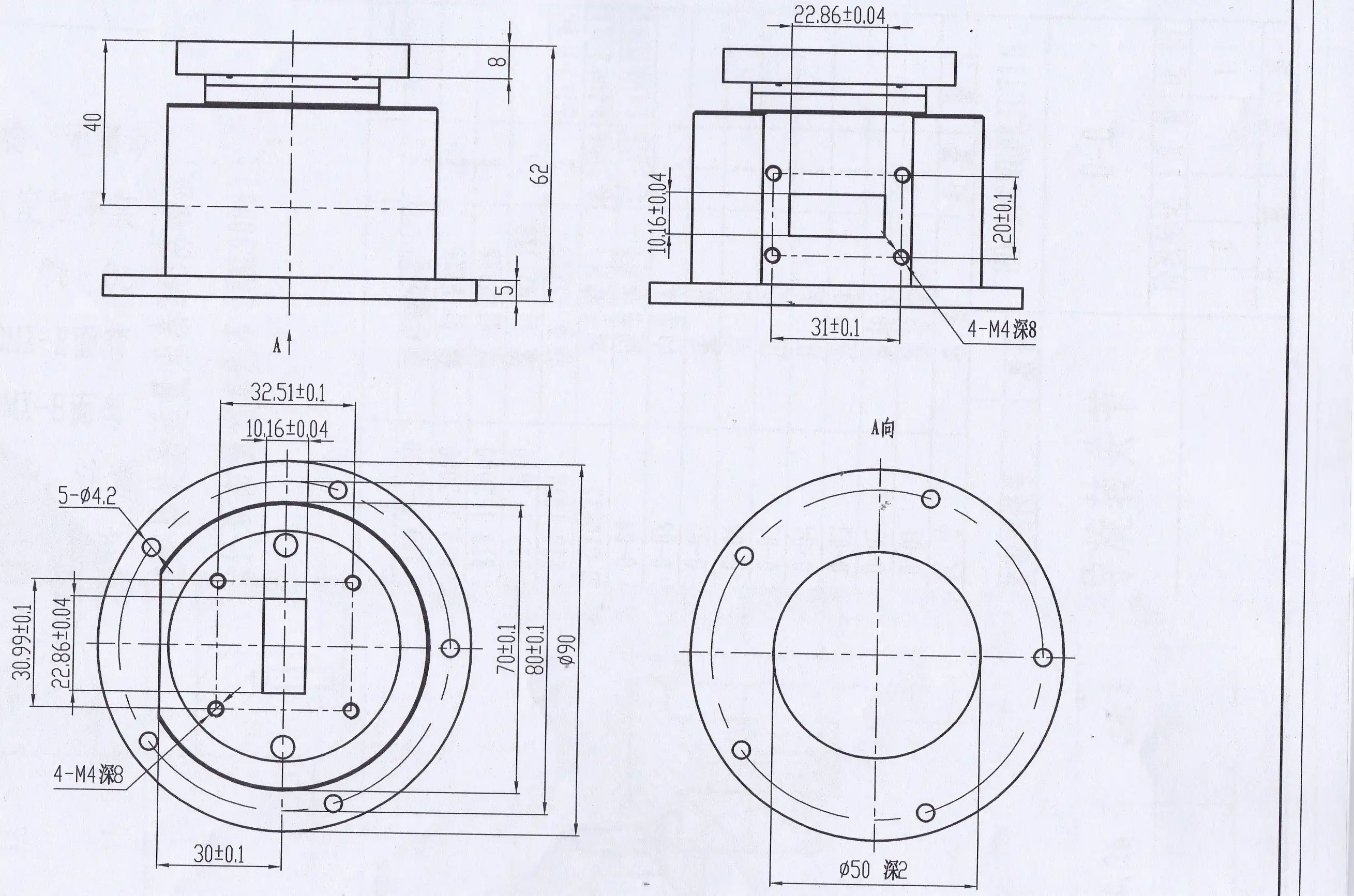
First, write down the operational parameters, such as the frequency bandwidth needed, the maximum and average power handling capacity, the acceptable insertion loss levels, and the VSWR limits. The working temperature range, vibration patterns, and exposure to wetness or corrosive substances are some of the environmental factors that affect the choice of material and the sealing requirements. Physical design factors are set by mechanical limits like the amount of mounting room that is available, the highest force, and the rotational speed.
Compare Alternative Technologies
In the market for rotating interfaces, there are three main technologies that compete. Slip rings are great at sending power and low-frequency signals, but they degrade messages too much at microwave frequencies. Waveguide rotary joints can handle very high power levels and have low loss at millimeter-wave frequencies, but their big size and narrow bandwidth make them less useful in some situations. Fiber optic rotary joints can handle very high bandwidths and don't let electromagnetic interference affect them, but they need to be converted from optical to electrical, which makes them more complicated and more. Coaxial rotary joints are the best choice for most RF and microwave applications because they cover a wide range of frequencies, are small, and can handle moderate amounts of power.
Evaluate Supplier Credentials
Technical requirements and supplier choices are both important. Certifications like ISO 9001 for quality management and ISO 14001 for environmental compliance show that a company has a history of doing good work. RoHS approval proves that the material is safe, which is important for defense and aircraft uses that are closely watched by regulators. Lead times are very different for standard designs versus custom designs. For example, it usually takes 8 to 12 weeks for custom-engineered solutions to develop prototypes and test them to make sure they work. Customization services, such as customized frequency optimization, specialized connector interfaces, and unique mounting setups, set different providers apart so they can meet complicated needs.
Consider Dual-Channel Solutions
Dual-channel coaxial rotary joints are useful for situations where more than one signal needs to be sent at the same time. These units have concentric or stacked architectures that support separate signal paths with high isolation, usually above 50 dB and up to 70 dB in high-end models. In radar systems, the send and receive signals usually go through different channels. In satellite terminals, horizontal and vertical polarizations are separated. Putting two channels into one body saves space, weight, and rotational force compared to putting two separate units with only one channel.
Maintenance and Troubleshooting for Optimal Coaxial Rotary Joint Performance
Even the most reliable coaxial rotary joints need to be checked on a regular basis to make sure they keep working as expected for as long as they are in use. Understanding typical failure modes and taking preventative steps can help you get the most out of your system and avoid having to pay for expensive repairs in an emergency.
Recognizing Performance Degradation Symptoms
When insertion loss goes up, it usually means that problems are starting to show up in the rotary interface. When calibrated vector network monitors are used for regular measurements, a standard of performance is set that can be used to compare future measurements. A gradual rise in loss could mean that the contact surface is oxidized or contaminated, while quick changes could mean that there is mechanical damage, like a broken bearing or a damaged connection. VSWR degradation also means that impedance discontinuities are appearing in the signal path, which could be caused by moisture getting into the dielectric materials and breaking them down.
Implementing Preventive Maintenance Protocols
When inspections are scheduled depends on how busy the business is and how much the area is exposed to it. High-duty applications that work in harsh settings should be inspected every three months, while indoor setups that don't get too much use may only need to be inspected once a year. As part of the inspection process, the housing and connectors are looked at visually to see if they are worn or if the bearings have mechanical play. Cleaning contact areas that can be reached by taking the part apart with approved solvents that get rid of rust without hurting the gold plating is helpful. Bearing systems need to be greased with certain greases that can handle high speeds and wide ranges of temperatures.
Partnering with Specialized Manufacturers
Manufacturer expertise helps with troubleshooting that is too complicated for in-house staff to handle. Reliable sellers like ADM have technical support teams that know how to look into failures and fix them. Access to original substitute parts ensures compatibility and efficient restoration, while third-party parts come with reliability risks. Some manufacturers offer refurbishment services that bring used units back to their original specs at a lower cost than buying new ones. This is a good way to keep track of your spare parts inventory.
Industry Case Studies Demonstrating the Impact of Coaxial Rotary Joints
Implementations in the real world back up the claims about speed and reliability that have been made throughout this study. These examples show how choosing the right parts and putting them together correctly can solve difficult engineering problems in a wide range of situations.
Air Traffic Control Radar Enhancement
As part of a big project to update an airport, the old surveillance radar had to be replaced with newer systems that work at higher frequencies and rotation speeds. The old waveguide rotary joint had a limited frequency range and needed frequent maintenance because the bearings were worn out. Changing it to a precise coaxial rotary joint that works from DC to 18 GHz allowed for multi-band operation in a single antenna rotation device. The small interface cut the system's weight by 40%, and the 20 million-revolution service life prediction meant that there would be no need for scheduled repair for five years. Improving phase stability made it easier to tell the difference between targets in areas with a lot of traffic, which directly improved air safety.
Maritime SATCOM On-The-Move
For a naval vessel communication upgrade to work, the ship had to be able to stay connected to the internet via Ka-Band satellites while it was moving around at sea. The pedestal-mounted antenna had to keep tracking satellites through a full 360-degree turn, even when the ship pitched and rolled. A ruggedized coaxial rotary joint with IP67 sealing kept the signal strong through the antenna base, sending both uplink and downlink signals without any dropouts. The sealed design could handle saltwater spray and big changes in temperature from deployments in the Arctic to those in the tropics. After three years of use, the joint's insertion loss stayed within 0.1 dB of its original specs, and it never needed any upkeep.
Research Institution Prototype Development
A university research lab working on new radar waveforms needed test equipment that could be easily adjusted to work with fast development across a range of frequency bands. ADM made custom dual-channel coaxial rotary joints that gave the send and receive lines separate and isolated them by more than 60 dB, which was important for testing low-power return signals. The modular SMA connector interface made it easy to change the setup quickly as the experimental conditions changed. Delivering prototypes within six weeks helped meet tight research deadlines, and technical advice from ADM engineers helped make integration into the test platform run more smoothly. The relationship shows how valuable it is for manufacturers to work together on more than just supplying parts.
Conclusion
Coaxial rotary joints represent indispensable technology enabling reliable RF and microwave signal transmission in rotating platform applications. Their precise engineering maintains signal integrity across broad frequency ranges while supporting continuous rotation in demanding environments. Selection criteria encompass technical specifications, alternative technology trade-offs, and supplier capabilities, with dual-channel configurations offering space and weight advantages for multi-signal applications. Preventive maintenance and manufacturer partnerships ensure sustained performance throughout extended service lives. The case studies presented demonstrate proven solutions across defense, telecommunications, and research sectors, validating these components' critical role in modern rotating systems.
Frequently Asked Questions
What frequency ranges do coaxial rotary joints support?
Coaxial rotary joints can work with frequencies ranging from DC to millimeter waves, though the exact ranges depend on the type of connection used. Most SMA interfaces work from DC to 18 GHz. 2.92mm connectors can work up to 40 GHz, and 2.4mm types can work up to 50 GHz. When the needs of the application call for it, custom designs can improve performance for certain narrower bands.
How do coaxial rotary joints differ from slip rings?
Slip rings send power and low-frequency signals mostly through sliding brush contacts. These rings have variable resistance and signal modulation that make them unsuitable for high-frequency RF applications. Precision mechanical alignment and gold-plated contacts in coaxial rotary joints keep the impedance constant. This keeps the signal integrity at microwave frequencies with little insertion loss and phase change.
What factors influence rotary joint pricing and lead times?
Standard stock items with common frequency ranges and connections ship within days at prices that are competitive. Custom designs that need special materials, custom mounting interfaces, or better frequency response require engineering time. This makes wait times longer, to 8–12 weeks, and costs more because the engineering costs don't happen often. Through volume discounts, the number of units ordered affects the price per unit.
Partner with ADM for Your Coaxial Rotary Joint Requirements
Advanced Microwave Technologies Co., Ltd. (ADM) offers precision-engineered rotary solutions and has been making waveguides, coaxial systems, and microwave parts for over 20 years. Our 110 GHz testing labs and ISO 9001:2008-certified production facilities make sure that every coaxial rotary joint manufacturer product meets strict requirements before it is shipped. Our engineering team works together to make sure that the solutions they come up with meet all of your needs, whether your application needs single- or dual-channel configurations or standard or custom frequency optimization. Email our technical experts at craig@admicrowave.com to talk about the problems you're having with your rotating platform and get full datasheets, performance data, and choices for customization that fit your needs.
References
1. Johnson, R.T., and Williams, D.K. (2018). Microwave Rotary Joint Design and Applications. Boston: Artech House Publishers.
2. Chen, L., and Patel, S. (2020). "Performance Characterization of Precision Coaxial Rotary Joints in Radar Systems," IEEE Transactions on Microwave Theory and Techniques, Vol. 68, No. 4, pp. 1523-1534.
3. Smith, A.J. (2019). RF and Microwave Components for Rotating Platforms. New York: Wiley-IEEE Press.
4. Anderson, M.H., and Thompson, C.L. (2021). "Comparative Analysis of Rotary Interface Technologies for Satellite Communications," International Journal of Satellite Communications and Networking, Vol. 39, No. 2, pp. 187-203.
5. Davis, P.R., ed. (2017). Handbook of Precision Electromechanical Components. Cambridge: Cambridge University Press.
6. Martinez, E.F., and Lee, K.W. (2022). "Lifecycle Testing and Reliability Assessment of Coaxial Rotary Joints in Maritime Environments," Journal of Defense Engineering and Technology, Vol. 15, No. 1, pp. 45-62.
YOU MAY LIKE
 VIEW MOREWater-cooled Twist Waveguide
 VIEW MORERight Angle Waveguide To Coaxial Adapter
 VIEW MOREWG Harmonic Filter
 VIEW MORE90° Polarized Rotary Joint
 VIEW MOREDouble Ridge Waveguide Transition
 VIEW MORECoaxial Fixed Attenuator
 VIEW MOREFeed Fired Lens Antenna
 VIEW MOREDual Linear Broadband Dual Circular Polarization Horn Antenna