





Where to Buy Plastic Flange Caps for Shipping and Storage?
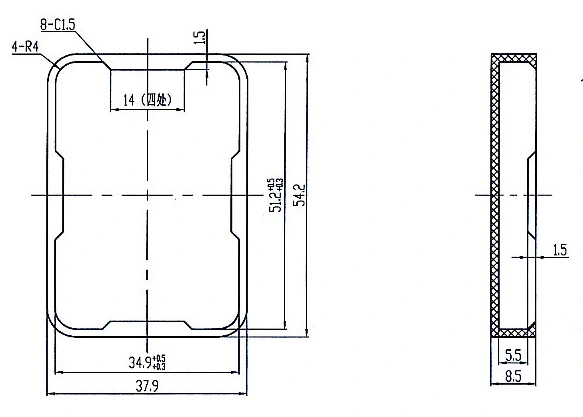
When searching for reliable plastic flange caps for shipping and storage applications, procurement professionals typically turn to specialized industrial suppliers, B2B platforms, and manufacturers with proven track records in protective components. Advanced Microwave Technologies Co., Ltd offers comprehensive waveguide flange covers designed specifically for microwave laboratories, system assembly workshops, and various industrial applications. These plastic flange protectors combine aesthetic appeal with convenient installation and superior dust-proof performance, making them essential for maintaining component integrity during transportation and storage phases. Sourcing quality flange protectors globally presents unique opportunities and challenges for modern procurement teams.
The worldwide market offers access to diverse suppliers, competitive pricing structures, and specialized manufacturing capabilities. Global procurement enables organizations to secure cost-effective solutions while maintaining stringent quality standards. However, navigating international supply chains requires careful consideration of lead times, shipping logistics, and supplier verification processes. The complexity of modern industrial supply chains demands robust protection solutions for sensitive components. Plastic pipe caps and flange end caps serve critical roles in preserving the integrity of expensive equipment during transit and storage. These protective measures prevent costly damage, reduce maintenance requirements, and ensure operational readiness upon installation.
Understanding Plastic Flange Caps and Their Industrial Significance
Fundamental Design and Engineering Principles
The plastic flange caps are high-tech ways to protect the polished surfaces, bolt holes, and internal spaces of pipe flanges that are used in many industrial settings. ANSI B16.5, ASME B16.47, DIN, and JIS are just a few of the foreign standards that these specialist parts meet. The main goal of engineering is to keep gasket surfaces safe from damage and contamination, no matter if they are in a Raised Face, Flat Face, or Ring Type Joint design. Modern flange cover caps are made with improved polymer formulas that make them very strong and resistant to chemicals. The high-density polyethylene (HDPE) design makes it more resistant to impact and keeps its flexibility from -40°C to 70°C. This temperature range makes sure that the product will work reliably in a variety of storage and shipping conditions.
Technical Performance Characteristics
The types of materials used to make plastic safety caps have a direct effect on how well they protect. Low-density polyethylene (LDPE) is good for normal uses because it is flexible and doesn't react badly with chemicals. High-density versions work best in places with a lot of pressure that need stronger structures. Environmental Stress Crack Resistance (ESCR), UV stabilization qualities, and physical stability are some of the most important performance factors. These features make sure that the product is protected for a long time and doesn't break down in hard storage circumstances. Nominal Pipe Sizes (NPS) range from 1/2" to 60"+, and the precision-engineered specs match them. This makes for safe friction fits that can handle shaking without the need for extra screws.
Applications Across Critical Industries
Marine settings pose a high risk of rusting, which is why plastic flange guards are used a lot in offshore oil and gas shipping. Class 150# to 2500# flanges on spool pieces need to be protected from salt spray, which can damage Ring Type Joint (RTJ) grooves by scratching them. If you don't protect the flanges, they might not work when they get there, which could cause expensive project delays. These caps are used as precise marking tools in industrial painting and blasting operations. When finishing the surface with sandblasting or spray painting, flange dust caps keep gritty materials and covering overspray away from the sealing faces that were machined. Critical accuracy standards and the flatness of the contact surface are kept up by this security.
Global Market Dynamics and Supply Chain Considerations
Regional Manufacturing Capabilities
The global market for plastic flange covers includes many different production sites that specialize in different things and have different skills. European makers are very good at making precise machines and following strict rules about the environment. Their goods usually have improved polymer formulas and a lot of information about their quality. The prices in Asian production hubs are affordable, and they meet ISO approval standards. These facilities offer a wide range of customization choices, such as different color combinations, image printing, and custom size needs. Production numbers can handle both small quantities for prototypes and big sales from businesses. North American providers focus on quick response times and expert help that is close by. Because they are close to important industry hubs, they can quickly meet urgent needs and offer full after-sales service.
Supply and Demand Patterns
The market is showing that there is a rising need for plastic pipe flange caps that are safe for the environment and meet RoHS and REACH standards. Sustainable options that don't hurt performance are becoming more and more important to industries. This change leads to new materials that can be recycled and ways of making things that are better for the environment. Patterns of demand are very different across industries. Aerospace and security uses need supply lines that can be tracked and a lot of paperwork. When building telecommunications infrastructure, projects focus on being cost-effective and able to be put into use quickly. Chemical protection and efficiency in high temperatures are important to oil and gas activities.

Quality Standards and Certification Requirements
International quality norms are very important when choosing a seller. Having ISO 9001 approval makes sure that the processes used for making things and checking the standard are always the same. RoHS compliance shows care for the earth, and REACH registration proves safety standards for chemicals. More and more, procurement teams want full material approvals, such as tests to prove that the plastic is fresh and tests to see how well it resists impact. These rules help keep recovered stuff from breaking down, which could affect how well it works at low temperatures.
Comparative Analysis of Global Sourcing Channels
Direct Manufacturer Relationships
Getting in touch with Plastic Flange Caps makers directly has many benefits, such as lower prices, the ability to customize, and access to expert help. Manufacturers can offer thorough technical help, the creation of prototypes, and quick production scale. However, these kinds of relationships usually have large minimum order numbers and longer lead times for first sales. Technical teamwork lets people work together to make solutions that are perfect for each application. Manufacturers can change the way materials are made, change the limits for sizes, and add special features like patterns that make it impossible to mess with or better UV protection.
Industrial Distributors and Regional Partners
Industrial wholesalers help keep track of supplies and offer expert support in your area. Because they already have relationships with end users, they can quickly fill orders and be open about the amount needed. Most of the time, distributors keep standard sizes in stock and work with manufacturers to make special orders possible. When it comes to shipping prices, arrival times, and knowing the local market, regional marketing networks are helpful. These partners know what the locals want, what the rules are, and how to use apps that are specific to the business.
B2B Digital Platforms and E-commerce Solutions
| Sourcing Channel | Advantages | Disadvantages |
|---|---|---|
| Direct Manufacturers | Competitive pricing, customization, technical support | High MOQs, longer lead times |
| Industrial Distributors | Local inventory, flexible quantities, rapid delivery | Higher unit costs, limited customization |
| B2B Platforms | Wide supplier selection, competitive bidding | Quality verification challenges, communication barriers |
| E-commerce Platforms | Convenience, quick ordering, detailed specifications | Limited technical support, standardized products only |
| Trading Companies | Risk mitigation, consolidated shipping | Additional markup, reduced manufacturer access |
Digital B2B platforms revolutionize procurement by providing access to global supplier networks and competitive pricing structures. These platforms enable detailed product comparisons, supplier verification, and streamlined ordering processes. However, quality assurance and technical support may be limited compared to direct manufacturer relationships. E-commerce solutions excel for standard product requirements with established specifications. The convenience of online ordering and detailed product documentation streamlines procurement processes. Nevertheless, custom solutions and technical consultation may require alternative sourcing approaches.
Supplier Verification and Quality Assurance Strategies
Comprehensive Supplier Assessment Protocols
A careful study of all the paperwork, such as quality approvals, manufacturing capabilities, and financial stability reports, is the first step in effectively verifying a seller. Verification of ISO approval makes sure that foreign quality standards are met, and financial reviews make sure that the supplier will be able to stay in business in the long run. Evaluations of technical skills should look at things like testing and quality control methods, as well as the tools used for production. Site trips or video tours of a building can help you understand how things are made and how quality control systems work. Checking references with current customers is a great way to learn about how well and how reliably a company does their job.
Quality Control and Inspection Procedures
Using Go/No-Go scales to check the dimensions makes sure that they meet ANSI B16.5 standards and are the right size. If the caps are too free, they might fall off during shipping, and if they fit too tightly, they might crack from stress. Material purity testing makes sure that only fresh polymer grains are used and not too much leftover content, which could hurt performance. Environmental Stress Crack Resistance (ESCR) testing according to ASTM D1693 confirms that polymers work well when they are exposed to industrial cleaners and oils. Injection molding flash on the inner rims should be checked visually as it could stop them from fitting properly against the flange faces.
Documentation and Traceability Requirements
Material certificates, measurement inspection records, and compliance statements should all be included in complete paperwork packages. Lot tracking lets you quickly fix problems with quality and helps with auditing standards in regulated industries. Certificate of Conformance paperwork confirms that the product meets the requirements, and test records confirm that it works as expected. Digital paperwork tools make it easier to keep records and keep an audit trail.
Practical Procurement Guidelines and Best Practices
Minimum Order Quantities and Pricing Structures
Understanding typical MOQ requirements helps optimize procurement strategies. Standard products often feature lower minimum quantities ranging from 100 to 1,000 pieces depending on size and complexity. Custom solutions may require higher volumes to justify tooling investments and setup costs. Volume-based pricing tiers reward larger orders with significant cost reductions. Annual contracts can secure favorable pricing while ensuring supply continuity. However, inventory carrying costs and obsolescence risks must be balanced against unit price savings.
Payment Terms and Risk Management
International procurement requires careful consideration of payment terms and risk mitigation strategies. Letter of credit arrangements provide security for both parties while escrow services can facilitate transactions with new suppliers. Progressive payment schedules tied to production milestones help manage cash flow and quality risks. Currency fluctuation protection through forward contracts or pricing agreements denominated in buyer's currency reduces financial exposure. Trade insurance coverage protects against supplier default and political risks associated with international sourcing.
Delivery Optimization and Logistics Planning
Shipping method selection significantly impacts total landed costs and delivery schedules. Air freight offers rapid delivery but increases costs while ocean shipping provides cost-effective solutions for planned requirements. Consolidated shipments with other products can optimize freight costs and reduce handling complexity. Packaging requirements should address protection during transit while minimizing shipping volumes. Custom packaging solutions may justify their costs through reduced damage rates and handling efficiency improvements.
Common Pitfalls and Risk Mitigation Strategies
Material Quality and Performance Issues
Recycled content utilization can significantly compromise Plastic Flange Caps performance, particularly in low-temperature applications where impact resistance becomes critical. Specification of virgin LDPE or HDPE ensures consistent performance characteristics and eliminates brittleness associated with excessive regrind content. Temperature rating verification prevents failures in extreme storage conditions. Standard LDPE caps with softening points around 80-90°C will fail in high-temperature curing ovens requiring specialized high-temperature variants made from silicone or engineered nylons.
Dimensional Compatibility and Fit Issues
Pressure class variations within the same Nominal Pipe Size create dimensional differences that can lead to fit problems. A 2-inch 150# flange features different outer diameter specifications compared to a 2-inch 600# flange, requiring careful size verification during procurement. Full-face caps covering bolt holes provide complete protection for both Raised Face and Flat Face flanges while bore-fitting plugs only protect internal areas. Understanding application requirements ensures proper cap type selection and adequate protection levels.
Supply Chain Disruption Management
Geographic concentration of suppliers creates vulnerability to regional disruptions including natural disasters, political instability, and transportation bottlenecks. Diversified supplier bases across multiple regions provide resilience against localized disruptions while maintaining competitive options. Inventory buffer strategies balance carrying costs against supply security requirements. Critical components may justify higher inventory levels while standard items can operate with lean inventory approaches supported by reliable supplier partnerships.
Conclusion
Successful procurement of plastic flange caps for shipping and storage applications requires comprehensive understanding of technical requirements, supplier capabilities, and market dynamics. Global sourcing opportunities provide access to competitive pricing and specialized manufacturing capabilities while demanding careful attention to quality assurance and risk management. The key lies in balancing cost optimization with performance requirements while establishing reliable supply chain partnerships that support long-term operational success. Advanced material technologies and manufacturing innovations continue to enhance protective capabilities while environmental compliance requirements drive sustainable solutions across the industry.
FAQ
How do I determine the correct size plastic flange caps for my specific equipment?
Size selection depends on both Nominal Pipe Size (NPS) and Pressure Class specifications. Each pressure class features different outer diameter dimensions even within the same NPS. Consult ANSI/ASME sizing charts and verify both parameters to ensure proper fit. Measure existing flanges when documentation is unavailable to confirm compatibility.
Can plastic protective caps withstand high-temperature industrial processes?
Standard LDPE caps operate effectively within -50°C to +75°C temperature ranges but will soften and deform at higher temperatures. High-temperature applications such as powder coating with curing oven temperatures exceeding 200°C require specialized materials including silicone or engineered nylon variants designed for extreme temperature exposure.
What's the difference between full-face and bore-fitting flange protectors?
Full-face caps provide complete coverage including bolt holes and gasket surfaces, making them suitable for both Raised Face and Flat Face flanges. Bore-fitting plugs only protect internal passages while leaving gasket surfaces exposed, limiting their effectiveness for comprehensive protection during storage and transportation.
How do I verify material quality and avoid performance issues?
Request material certifications confirming virgin resin usage rather than recycled content that can cause brittleness. Verify Environmental Stress Crack Resistance testing per ASTM D1693 standards and confirm temperature rating specifications. Visual inspection should identify injection molding flash or dimensional irregularities that could affect performance.
What payment methods and terms work best for international suppliers?
Letters of credit provide security for both parties while escrow services can facilitate transactions with new suppliers. Progressive payment schedules tied to production milestones help manage risks. Consider currency hedging for large orders to protect against exchange rate fluctuations.
Partner with ADM for Premium Plastic Flange Caps Solutions
Advanced Microwave Technologies Co., Ltd stands as your trusted plastic flange caps supplier, combining over two decades of precision manufacturing experience with comprehensive global logistics capabilities. Our waveguide flange covers deliver exceptional protection for microwave laboratories, system assembly workshops, and critical industrial applications. With ISO 9001:2015 certification and RoHS compliance, ADM ensures superior quality standards while offering competitive pricing and rapid delivery worldwide. Contact craig@admicrowave.com to discuss your specific requirements and discover how our technical expertise can optimize your component protection strategies.
References
1. American Society of Mechanical Engineers. "ASME B16.5 Pipe Flanges and Flanged Fittings: Design Standards and Specifications." New York: ASME Press, 2020.
2. International Organization for Standardization. "ISO 9001:2015 Quality Management Systems: Requirements and Implementation Guidelines." Geneva: ISO Publications, 2021.
3. Polymer Processing Institute. "High-Density Polyethylene Properties and Industrial Applications." Newark: PPI Technical Publications, 2022.
4. Industrial Supply Chain Management Association. "Global Procurement Best Practices for Technical Components." Chicago: ISCMA Research Division, 2023.
5. European Chemical Agency. "REACH Regulation Compliance Guide for Plastic Manufacturing." Helsinki: ECHA Publications, 2022.
6. American Petroleum Institute. "API Recommended Practices for Flange Protection in Oil and Gas Operations." Washington: API Standards Department, 2021.
YOU MAY LIKE
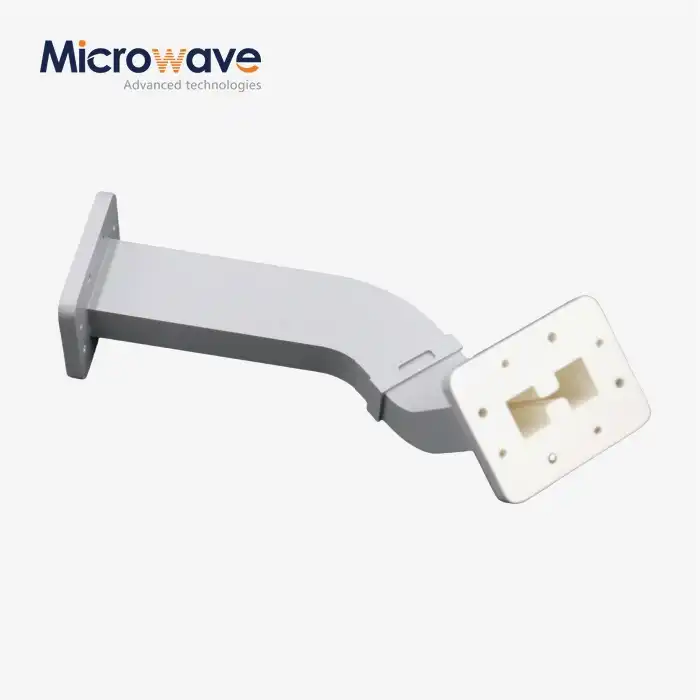 VIEW MOREDouble Ridge Waveguide Bend
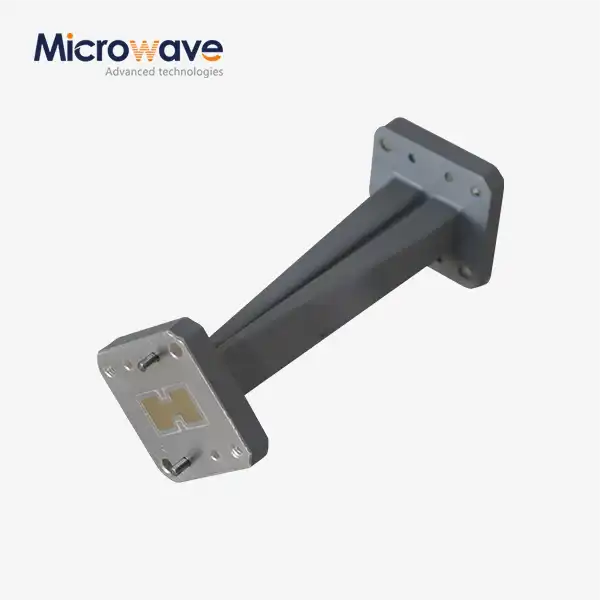 VIEW MOREDouble Ridge Twist Waveguide
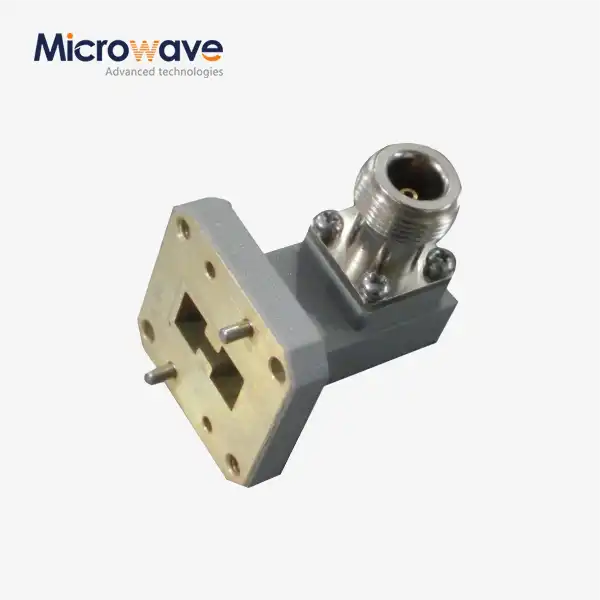 VIEW MOREDouble Ridged WG To Coaxial Adapter
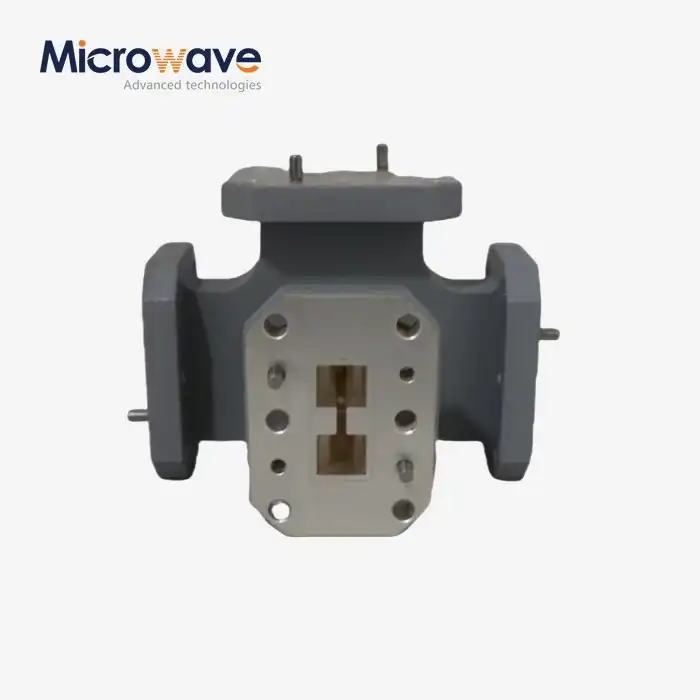 VIEW MOREDouble-Ridged Waveguide Magic Tee
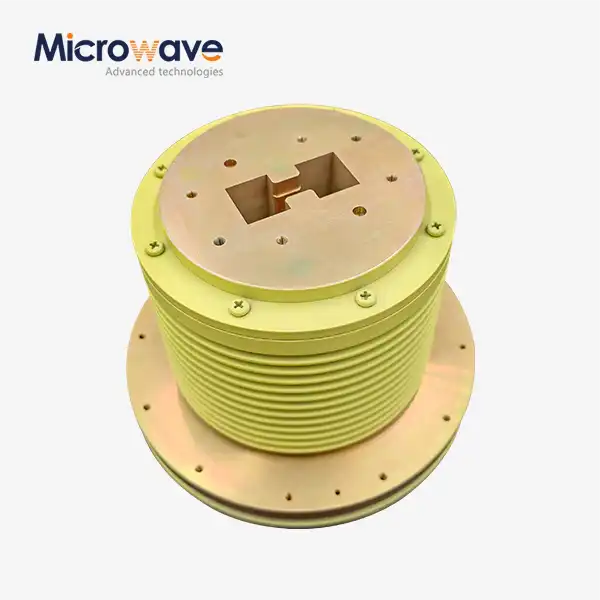 VIEW MOREDouble Ridge Waveguide Rotary Joint
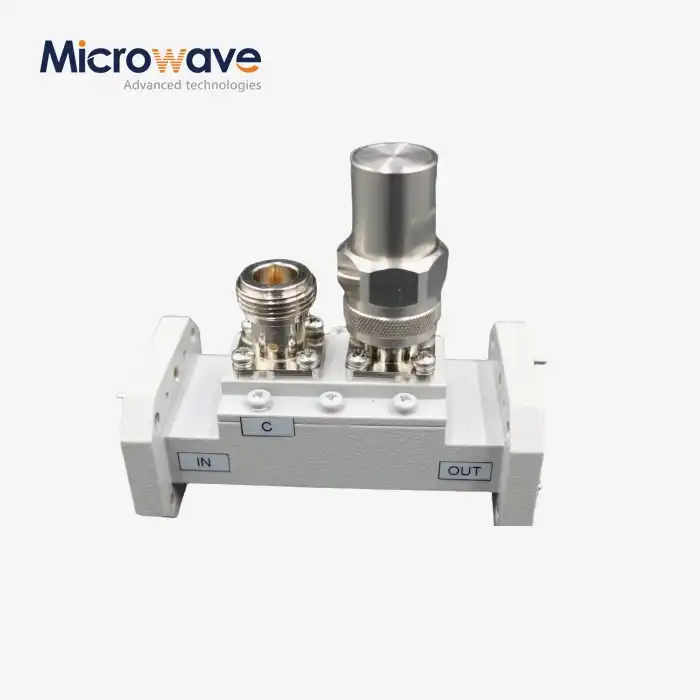 VIEW MOREDouble-Ridged Waveguide Loop Coupler
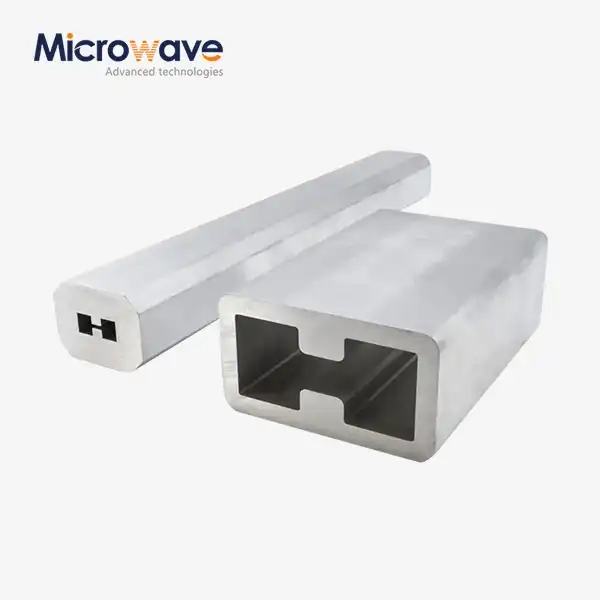 VIEW MOREDouble Ridge Waveguide Tube
 VIEW MOREPlastic Flange Caps