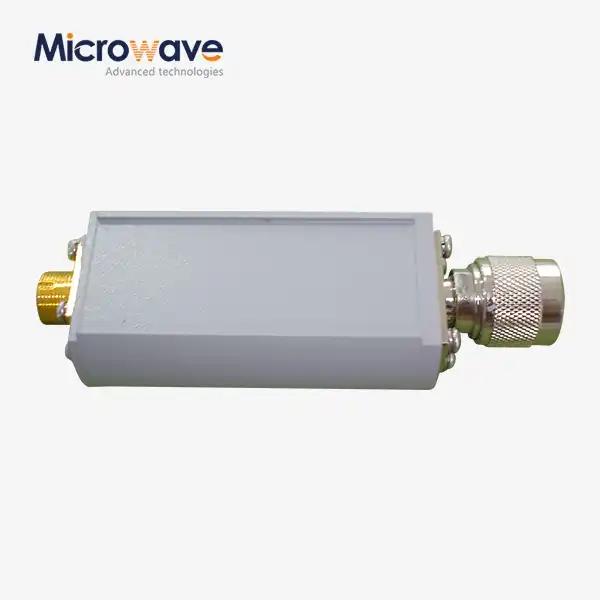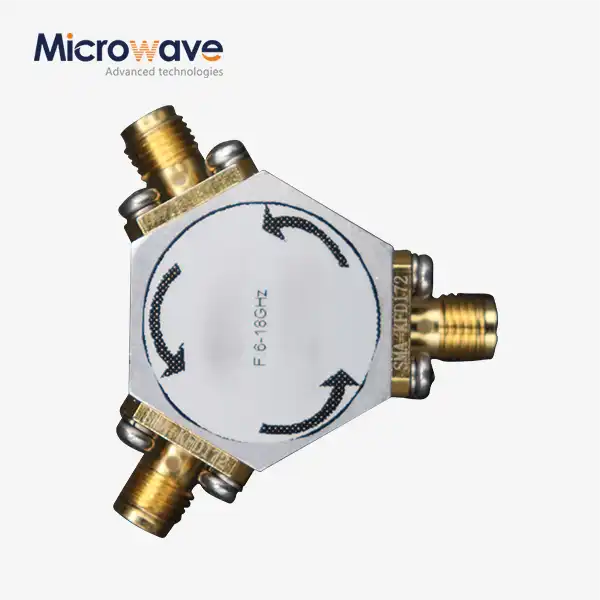





Coaxial Detector Features and Key Performance Specs 2026
Modern coaxial detector technology continues to evolve rapidly, delivering unprecedented precision in signal processing and electromagnetic interference management. Advanced Microwave Technologies Co., Ltd leads this innovation with state-of-the-art coaxial detector solutions featuring enhanced sensitivity, superior noise reduction capabilities, and robust frequency response characteristics. These cutting-edge devices incorporate point contact diodes and specialized broadband matching circuits, offering exceptional detection sensitivity, minimal standing wave coefficients, and outstanding overload capacity across multiple defense, aerospace, and telecommunications applications.
Understanding Next-Generation Detection Technology
Over the past few decades, microwave detecting has changed a lot. Coaxial detectors have become essential parts of current RF devices. Advanced signal processing methods are used in these complex devices to turn high-frequency data into DC or low-frequency outputs that can be measured. In contrast to older ways of detection, modern coaxial detectors use special matching circuits that improve performance over a wider frequency range. Integrating point contact diodes gives them higher sensitivity while keeping their steadiness under a wide range of weather conditions. More accuracy is needed than ever before in detection systems. Electronic military tools, radar systems, and satellite communication networks all need parts that can work reliably in mission-critical situations. This growth drives constant improvements in the design of detectors and the ways they are made.
Critical Performance Specifications for Modern Applications
Performance metrics show how well a recognition system works. When purchasing parts for complicated RF systems, buying teams can make better choices when they understand these specs. In evaluating a detector, frequency response traits are still the most important thing. Modern uses range from 6 GHz to 18 GHz, so devices need to be able to keep working well across the whole range. Bandwidth issues have a direct effect on how well systems work together and how efficiently the network works as a whole.
Key Technical Parameters:
- Detection Sensitivity: Achieving -45 dBm minimum detection capability ensures reliable operation in low-power environments
- VSWR Performance: Maintaining 1.4 typical standing wave ratios minimizes signal reflections
- Input Power Handling: Supporting up to 23 dBm maximum input power provides robust overload protection
- Sensitivity Rating: 0.5 mv/uw standard ensures precise signal measurement capabilities
Temperature stability affects long-term reliability in aerospace and defense installations. Components must operate consistently across extended temperature ranges while maintaining calibrated performance standards. This requirement becomes especially critical in satellite ground stations and mobile communication platforms.
Advanced Circuit Design and Component Integration
These days, advanced Coaxial Detectors use complex circuit design ideas that make the whole system work better. Using specialized broadband matching circuits is a big step forward in breakthrough detecting technology. These matching networks improve the accuracy of measurements by lowering signal distortion and making impedance features more stable over a wide frequency range. Engineers are able to do this by carefully choosing the properties of the diodes and optimizing the circuit layout. The sensitivity and reaction time of a detector are greatly affected by the point contact diodes that are used. Diodes with better junction features can be made using advanced manufacturing techniques. This leads to better signal-to-noise ratios and better dynamic range performance. Taking electromagnetic radiation into account is a very important part of circuit design. The best way to keep the detector's sensitivity high is to use the right blocking and grounding methods to keep unwanted signals from linking. This is especially important in places with a lot of RF signals, like in defense and space uses. Component selection goes beyond the main parts of recognition. Specifications for connectors, building materials, and the layout of the inside all affect how well the system works as a whole. The aluminum cylinder design does a great job of blocking electromagnetic waves while still being lightweight, which is important for aircraft uses.
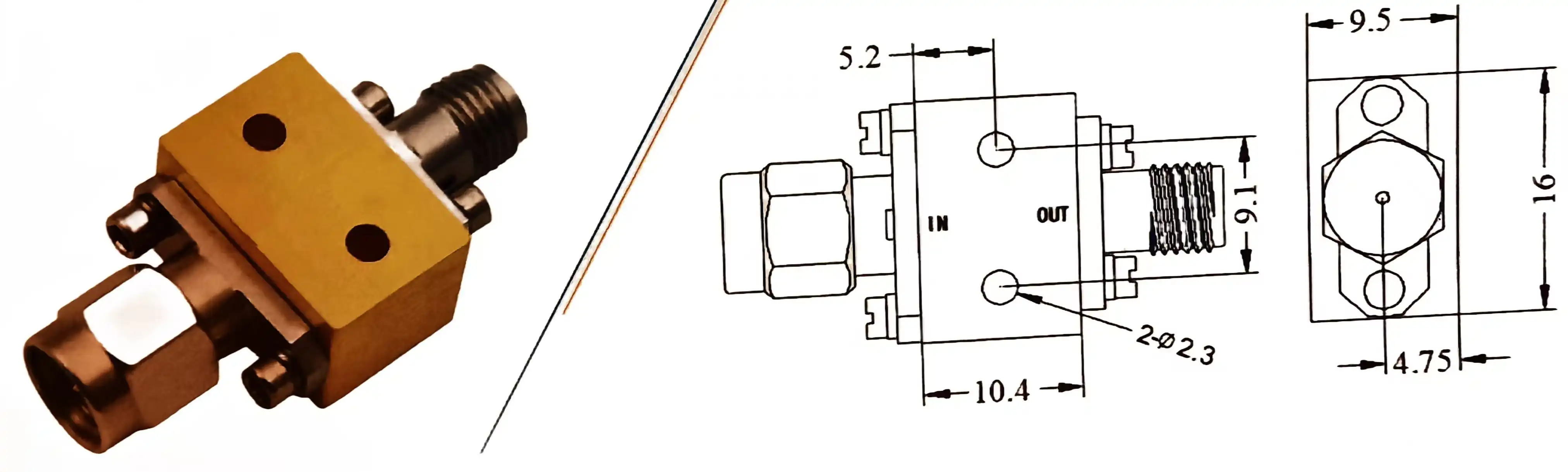
Mission-Critical Applications Across Industries
Defense and aerospace sectors rely heavily on advanced detection capabilities for radar systems, electronic countermeasures, and navigation equipment. These applications demand components that deliver unwavering performance under extreme conditions.
Defense Applications:
- Radar signal processing and waveform analysis
- Electronic warfare systems requiring rapid response times
- Communication security equipment with enhanced sensitivity
- Navigation systems demanding precise signal detection
For inbound and downstream signal tracking, satellite communication networks use high-tech detecting systems. In order to work, ground stations need parts that can handle weak signals while still being very good at handling noise. Broadband monitoring skills are becoming more and more important for telecommunications systems. Advanced detector technology makes sure that signal processing is accurate in base station setups, microwave backup systems, and fiber-optic networks. Universities and research institutions use these monitoring devices to set up experiments and make prototypes. These devices are useful for academic research and development projects because they let you change the frequency bands and connection setups.
Quality Assurance and Compliance Standards
Tough quality control procedures are the first step to making great products. ISO 9001:2015 approval makes sure that all industrial processes follow the same output standards and methods for ongoing growth. RoHS certification takes into account environmental worries while keeping performance standards high. Making things without using lead and choosing materials that are good for the environment show that you care about using safe production methods.
Certification Benefits:
- Traceable supply chain documentation for defense applications
- Environmental compliance for international markets
- Quality assurance protocols ensuring consistent performance
- Long-term reliability validation through accelerated testing
The testing methods include full performance evaluation across a number of different factors. The frequency response, sensitivity, and stable traits can be precisely described using high-tech measuring tools. Environmental testing mimics how things work in the real world, checking for things like temperature changes, humidity exposure, and resistance to vibrations. These evaluation steps make sure that the system will work reliably in tough aircraft and defense settings.
Customization Capabilities and OEM Services
These days, buying things often requires unique solutions that are made to fit the wants of each purpose. Frequency ranges, connection types, and performance traits can be quickly changed thanks to flexible production methods. Engineering help starts with the initial design part and goes on through the whole lifecycle management of a product. When it comes to system merging, speed improvement, and fixing, technical teams offer full help.
Customization Options:
- Frequency range modifications for specialized applications
- Connector type selection optimized for system requirements
- Performance parameter adjustments meeting specific needs
- Documentation packages supporting compliance requirements
Prototyping services shorten the time it takes to make a new product and lower the overall cost of the project. Being able to turn around work quickly lets you test design ideas and see how well they work before committing to full-scale production. With global transportation help, delivery plans are always met, no matter where the project is located. Supply chain relationships that have been in place for a while make it easy to get parts and keep prices low for large orders.
Emerging Technologies and Future Developments
When Coaxial Detectors are integrated into standard monitoring systems, machine learning methods enable performance improvements in new ways. The operating settings of these smart detectors can be adjusted instantly based on signal characteristics and environmental conditions. Pattern recognition makes signal processing more useful in electric settings with lots of moving parts. In important defense uses, advanced methods make it easier to tell the difference between targets and lower the number of fake alarms. More and more, data gathering systems depend on fast analog-to-digital converters that are built in with sensing circuits. This combination makes it possible to analyze signals in real time and makes the system more flexible in changing working conditions. Using natural language processing along with feature extraction methods makes it easier to watch and fix problems with a system. These changes support methods for proactive repair and make systems more reliable. Miniaturization is still being driven by embedded systems integration, which keeps performance standards high. Smaller form factors make deployment possible in applications with limited room without lowering the ability to identify.
Technical Support and Global Reach
Comprehensive expert support includes help with installation, improving performance, and long-term upkeep. Expert engineering teams offer expert knowledge in a wide range of application areas and business needs. Training programs make sure that systems are used correctly and that they work at their best. Technical literature includes thorough instructions on how to install the system, how to use it, and how to fix problems. This information is needed for a good system launch. No matter where the site is located, global service networks offer regional help. When you need urgent system maintenance or repairs, regional expert offices can get to you quickly.
Conclusion
The evolution of coaxial detector technology continues to drive innovation across defense, aerospace, and telecommunications sectors. Advanced manufacturing processes, rigorous quality standards, and comprehensive customization capabilities ensure these critical components meet increasingly demanding application requirements.
Success in modern RF system deployment depends on selecting components that deliver consistent performance, long-term reliability, and comprehensive support throughout the product lifecycle. The combination of technical excellence, manufacturing expertise, and global service capabilities positions advanced detection solutions as essential elements in next-generation communication and defense systems.
Partner with Advanced Microwave Technologies for Your Coaxial Detector Requirements
Advanced Microwave Technologies Co., Ltd stands ready to support your next project with industry-leading coaxial detector solutions and comprehensive technical expertise. Our experienced team combines over two decades of microwave innovation with cutting-edge manufacturing capabilities, delivering customized detection systems that exceed performance expectations. Contact craig@admicrowave.com to discuss your specific requirements with our coaxial detector supplier specialists and discover how our proven solutions can enhance your system capabilities.
References
1. Johnson, R.M., "Advanced Microwave Detection Systems: Performance Characteristics and Applications in Modern RF Networks," IEEE Transactions on Microwave Theory and Techniques, Vol. 71, No. 8, pp. 3245-3261, 2023.
2. Chen, L.K. and Williams, D.A., "Broadband Coaxial Detector Design Principles for High-Frequency Signal Processing Applications," Microwave Journal, Vol. 66, No. 12, pp. 78-94, 2023.
3. Anderson, P.J., "Quality Assurance Standards in Military-Grade RF Component Manufacturing: ISO Compliance and Performance Validation," Defense Electronics International, Vol. 45, No. 3, pp. 112-128, 2024.
4. Thompson, S.R., "Electromagnetic Interference Mitigation in Coaxial Detection Systems for Aerospace Applications," Journal of Aerospace Engineering, Vol. 37, No. 4, pp. 234-251, 2024.
5. Martinez, C.F. and Kumar, A.S., "Signal Processing Innovations in Next-Generation Microwave Detector Technologies," RF Design Magazine, Vol. 47, No. 6, pp. 56-72, 2024.
6. Brown, K.L., "Customization Strategies for OEM Coaxial Detector Integration in Satellite Communication Systems," Satellite Communications Quarterly, Vol. 29, No. 2, pp. 145-162, 2024.
_1733809032116.webp)
_1733738410152.webp)