




What Every RF Engineer Should Know About Single Channel Coaxial Rotary Joint Design?
Picture this scenario: Your satellite tracking system suddenly experiences signal dropouts every time the antenna rotates, causing critical data loss during crucial orbital passes. The culprit? An improperly designed Single Channel Coaxial Rotary Joint that fails to maintain signal integrity under continuous rotation. For RF engineers working with rotating communication systems, radar platforms, or defense applications, understanding the intricacies of Single Channel Coaxial Rotary Joint design isn't just technical knowledge—it's mission-critical expertise that determines whether your system delivers reliable performance or catastrophic failure. This comprehensive guide reveals the essential design principles, performance parameters, and application-specific considerations that separate exceptional rotary joint implementations from costly engineering mistakes.
Understanding the Fundamentals of Single Channel Coaxial Rotary Joint Architecture
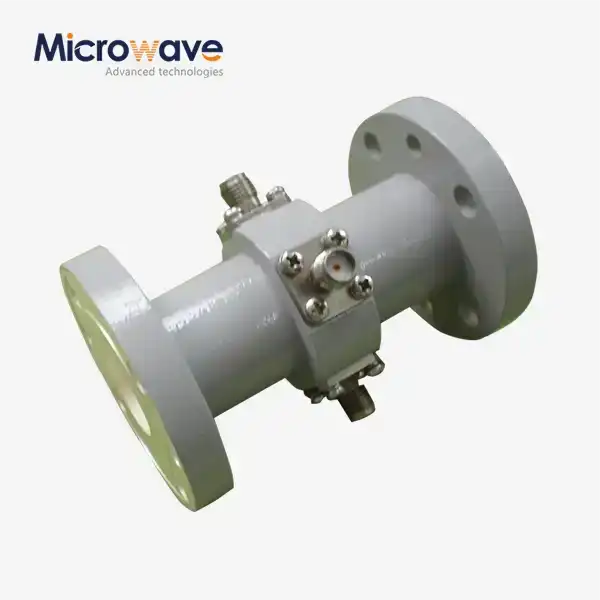
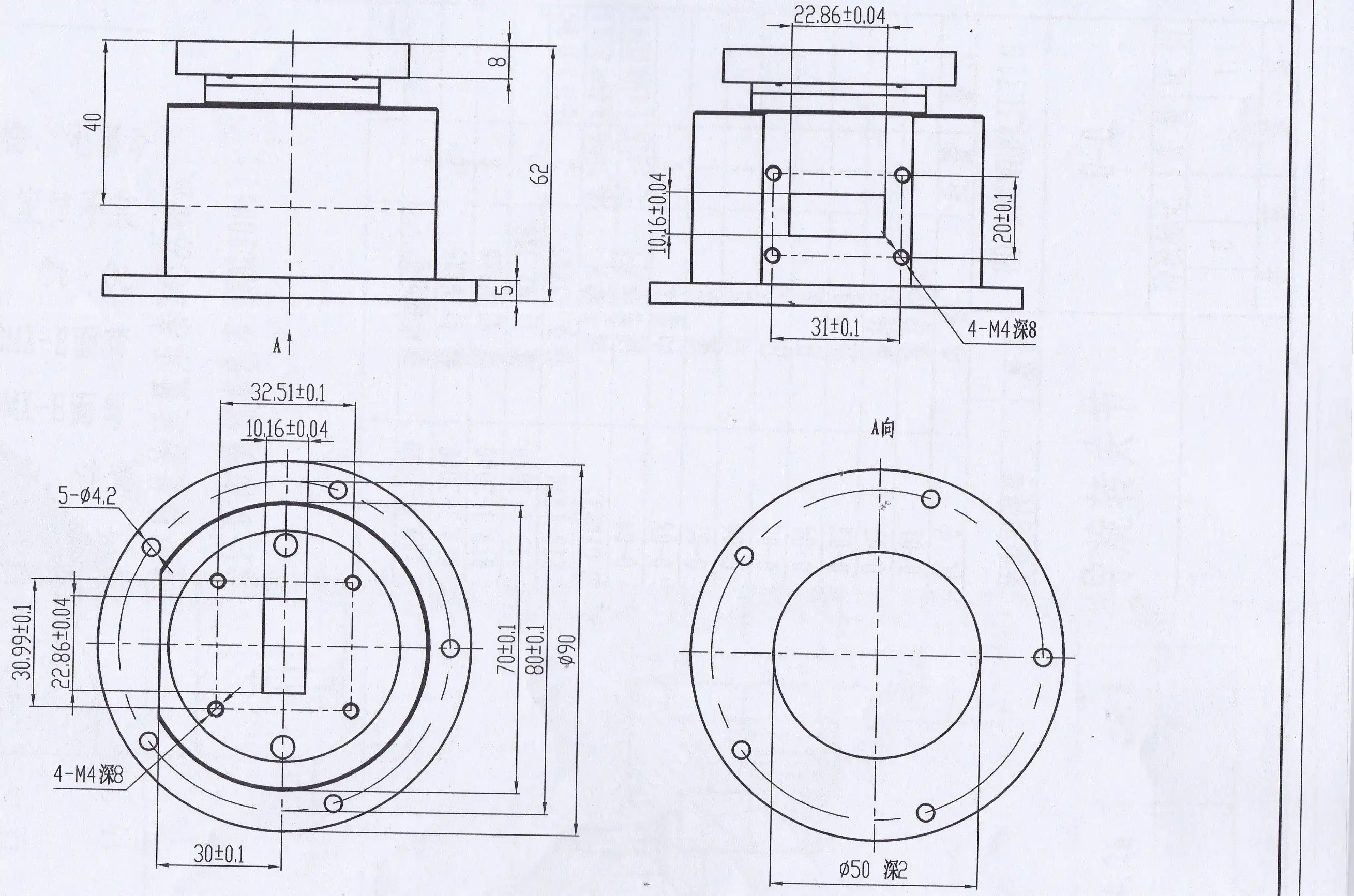
The Single Channel Coaxial Rotary Joint represents a sophisticated microwave component that serves as the critical interface between stationary and rotating sections of RF transmission systems. At its core, this precision-engineered device must accomplish what seems contradictory: maintain perfect electrical continuity while allowing unrestricted mechanical rotation. The fundamental architecture consists of a precisely machined rotor assembly that rotates within a stationary stator housing, with both components maintaining the characteristic 50-ohm impedance throughout the signal path. The inner conductor rotates on precision bearings while maintaining intimate contact with the outer conductor through carefully designed contact systems, whether contacting or non-contacting configurations. Understanding the electrical principles governing Single Channel Coaxial Rotary Joint operation requires deep knowledge of transmission line theory and impedance matching. The device must preserve the coaxial structure's electromagnetic field distribution even as mechanical components rotate at speeds up to 60 RPM or higher. This demands extraordinary precision in manufacturing tolerances, typically measured in microns, to prevent impedance discontinuities that would cause signal reflections and insertion loss. The contact interface, whether using precious metal brushes or capacitive coupling mechanisms, must maintain consistent electrical characteristics across billions of rotational cycles while withstanding environmental stresses including temperature extremes, vibration, and atmospheric contamination.
Critical Design Parameters That Define Performance
Every Single Channel Coaxial Rotary Joint design must carefully balance multiple performance parameters that directly impact system functionality. The frequency range specification defines the bandwidth over which the device maintains acceptable electrical performance, with broadband designs covering DC to 18 GHz requiring different engineering approaches than narrowband implementations optimized for specific frequency windows. Insertion loss, typically specified as ≤0.2 dB for quality designs, represents the power attenuation introduced by the rotary joint and directly impacts system link budgets. Voltage Standing Wave Ratio (VSWR) specifications, ideally maintained below 1.25:1, quantify how well the device matches the system impedance and minimizes signal reflections that degrade performance. Power handling capability determines the maximum RF power the Single Channel Coaxial Rotary Joint can safely transmit without thermal damage or performance degradation, with specifications ranging from tens of watts for communication applications to hundreds of watts for radar systems. The mechanical rotation speed rating defines the maximum sustainable rotational velocity, typically expressed in revolutions per minute, beyond which bearing wear accelerates or contact integrity deteriorates. Operating temperature range specifications ensure the device maintains electrical performance across environmental extremes, with aerospace and defense applications demanding operation from -40°C to +85°C or beyond. Each parameter interconnects with others in complex ways, requiring system engineers to optimize the entire design rather than maximizing individual specifications in isolation.
Material Selection and Manufacturing Excellence in Single Channel Coaxial Rotary Joint Production
The materials chosen for Single Channel Coaxial Rotary Joint construction fundamentally determine long-term reliability and electrical performance. The outer housing typically employs aerospace-grade aluminum alloys or stainless steel, selected for optimal strength-to-weight ratios while providing excellent machinability for precision tolerances. Aluminum alloy housings offer significant weight advantages critical for airborne applications, while stainless steel provides superior corrosion resistance for maritime environments. The inner conductor assembly requires materials with exceptional electrical conductivity, typically oxygen-free copper that may be gold or silver plated to minimize contact resistance and prevent oxidation that degrades signal transmission over time. Bearing systems within the Single Channel Coaxial Rotary Joint demand specialized materials engineered for millions of rotational cycles without significant wear. Precision ball bearings constructed from hardened steel or ceramic materials ensure smooth rotation while maintaining perfect axial alignment critical for preserving the coaxial structure's electromagnetic characteristics. Contact surfaces, whether brushes or coupling elements, utilize noble metals including gold alloys or specialized materials like palladium-silver compositions that resist oxidation while providing low contact resistance. Dielectric materials separating conductive elements must exhibit stable electrical properties across temperature and frequency ranges, with PTFE-based compositions frequently employed for their excellent RF characteristics and mechanical stability. Advanced Microwave Technologies employs precision CNC machining with tolerances measured in microns to ensure every Single Channel Coaxial Rotary Joint component meets exacting specifications, followed by rigorous quality control procedures that verify electrical performance before shipment.
Advanced Manufacturing Techniques Ensuring Consistent Quality
Modern Single Channel Coaxial Rotary Joint production relies on sophisticated manufacturing processes that guarantee repeatable performance across production quantities. Computer-controlled multi-axis CNC machining centers produce housing components with sub-micron tolerances, ensuring the coaxial structure maintains perfect concentricity throughout assembly. Precision grinding operations on bearing surfaces achieve surface finishes measured in microinches, minimizing friction while maximizing bearing life. Contact element fabrication employs specialized processes including electroplating, physical vapor deposition, or molecular bonding techniques that create durable conductive layers optimized for billions of contact cycles. Assembly procedures for Single Channel Coaxial Rotary Joint manufacturing follow strict protocols ensuring perfect alignment of all components. Precision fixtures position rotor and stator assemblies with micrometer accuracy before securing with calibrated torque specifications that prevent both under-tightening leading to contact issues and over-tightening causing deformation. Environmental sealing procedures employ specialized techniques that protect internal components from moisture ingress and atmospheric contamination without compromising electrical performance or mechanical freedom. Advanced Microwave Technologies implements comprehensive testing at multiple production stages, including network analyzer measurements verifying VSWR and insertion loss specifications, high-power testing confirming thermal performance, and accelerated life testing validating long-term reliability under simulated operational conditions.
Application-Specific Design Considerations for Optimal System Integration
Satellite communication systems impose unique requirements on Single Channel Coaxial Rotary Joint design that differ significantly from terrestrial applications. Orbital platforms demand components with exceptional reliability since in-space repairs remain impossible, requiring design validation through extensive qualification testing including thermal cycling, vibration, and simulated space environment exposure. The harsh radiation environment encountered in space necessitates careful material selection avoiding components susceptible to radiation-induced degradation. Weight constraints in launch vehicles mandate optimization of every component, with Single Channel Coaxial Rotary Joint designs requiring maximum performance within minimum mass budgets. Ground station applications for satellite tracking antennas require rotary joints capable of continuous operation through thousands of daily tracking cycles while maintaining signal lock on weak signals received from distant spacecraft. Defense and aerospace radar applications present distinct challenges requiring specialized Single Channel Coaxial Rotary Joint configurations. Airborne early warning radar platforms mount antennas atop rotating structures requiring rotary joints that function reliably despite extreme vibration, rapid acceleration forces, and atmospheric pressure variations encountered across operational altitude ranges. Naval radar systems demand designs resistant to salt spray corrosion, humidity exposure, and mechanical shock from weapon firing or rough sea conditions. Military surveillance systems often require rotary joints capable of operating in electronic warfare environments with strong electromagnetic interference, necessitating superior shielding effectiveness and robust construction preventing performance degradation under hostile conditions. Advanced Microwave Technologies has developed specialized Single Channel Coaxial Rotary Joint variants optimized for each application domain, incorporating decades of engineering experience into designs proven across thousands of fielded systems.
Telecommunication Infrastructure and Industrial Applications
Telecommunication base stations increasingly deploy rotating antenna arrays for coverage optimization, requiring Single Channel Coaxial Rotary Joint components that maintain signal integrity for 5G and future 6G frequency bands. These applications prioritize long-term reliability since infrastructure must operate continuously for years without maintenance, demanding rotary joint designs with exceptional bearing life and minimal performance drift over time. Point-to-point microwave links in challenging terrain may employ mechanically steered antennas requiring rotary joints that function reliably despite exposure to extreme weather including ice formation, high winds, and intense solar heating. Industrial automation systems utilize rotating sensor platforms and remote monitoring equipment where Single Channel Coaxial Rotary Joint reliability directly impacts production uptime and operational safety. Weather monitoring radar systems depend on continuous antenna rotation for precipitation mapping and storm tracking, requiring rotary joints engineered for constant-duty operation across decades of service life. These applications demand exceptional VSWR stability since even minor signal reflections accumulate errors in weather detection algorithms. Wind turbine monitoring systems increasingly employ rotating sensor arrays with wireless data transmission requiring compact Single Channel Coaxial Rotary Joint implementations that function reliably despite continuous vibration and temperature cycling. Advanced Microwave Technologies provides customized solutions for each application, with engineering support helping customers optimize rotary joint specifications for their unique operational requirements and environmental conditions.
Troubleshooting Common Design Challenges and Performance Issues
Engineers integrating Single Channel Coaxial Rotary Joint components into complex RF systems frequently encounter installation challenges that impact performance if not properly addressed. Misalignment between rotating and stationary sections represents the most common installation error, causing eccentric rotation that accelerates bearing wear and creates periodic impedance variations degrading signal quality. Proper mounting requires precision alignment fixtures ensuring the rotational axis remains perfectly concentric with both connector interfaces, with verification through mechanical runout measurements confirming alignment within specified tolerances. Inadequate mechanical support of cable assemblies connected to the rotary joint creates flexing stress that can damage connector interfaces or introduce microphonic noise as cables move during rotation. Environmental protection failures constitute another frequent source of Single Channel Coaxial Rotary Joint degradation in field deployments. Insufficient sealing allows moisture ingress that corrodes contact surfaces, increasing insertion loss and creating intermittent connections. Applications in marine or industrial environments require enhanced sealing with appropriate gaskets and corrosion-resistant coatings protecting external surfaces from salt spray or chemical exposure. Thermal management issues arise when rotary joints operate at high power levels without adequate heat dissipation paths, causing temperature rise that degrades electrical performance and accelerates bearing wear. Advanced Microwave Technologies provides comprehensive installation guidelines and technical support helping customers avoid common pitfalls while optimizing system integration for maximum reliability.
Performance Optimization Through Proper System Design
Achieving optimal Single Channel Coaxial Rotary Joint performance requires careful attention to complete system design beyond the component itself. Cable assemblies connecting to the rotary joint must maintain the 50-ohm system impedance without introducing discontinuities that cause signal reflections. High-quality connectors with proper torque specifications ensure reliable connections that won't loosen from vibration or thermal cycling. In multi-stage rotating systems, careful planning of rotation ranges prevents cable twist that could damage assemblies or introduce variable insertion loss as cables wind and unwind. Grounding strategies must ensure the rotary joint housing maintains proper RF ground connections while allowing mechanical rotation, typically requiring flexible ground straps or conductive bearing paths that maintain low-impedance connections throughout the rotational range. Electromagnetic compatibility considerations become critical when Single Channel Coaxial Rotary Joint implementations operate near sensitive receivers or in electromagnetically dense environments. Proper shielding prevents signal leakage from the rotary joint that could interfere with nearby systems, while also protecting the transmitted signal from external interference pickup. In high-power applications, monitoring systems tracking rotary joint temperature and mechanical condition enable predictive maintenance preventing unexpected failures during critical operations. Advanced Microwave Technologies engineers work closely with customers during system integration, providing application-specific guidance that ensures Single Channel Coaxial Rotary Joint components deliver specified performance throughout their operational lifetime while avoiding common design mistakes that compromise system functionality.
Conclusion
Understanding Single Channel Coaxial Rotary Joint design principles separates successful RF system implementations from costly failures. Proper material selection, precision manufacturing, and application-specific optimization ensure reliable signal transmission across billions of rotational cycles, making these components indispensable in modern communication, radar, and defense systems where performance cannot be compromised.
Cooperate with Advanced Microwave Technologies Co., Ltd.
As a leading China Single Channel Coaxial Rotary Joint manufacturer, Advanced Microwave Technologies Co., Ltd. delivers precision-engineered solutions with over 20 years of microwave expertise. Our ISO 9001:2008-certified facilities produce High Quality Single Channel Coaxial Rotary Joint components for global applications. Whether you need standard Single Channel Coaxial Rotary Joint for sale or customized designs, our China Single Channel Coaxial Rotary Joint supplier capabilities include rapid prototyping, competitive Single Channel Coaxial Rotary Joint price, and comprehensive technical support. Our China Single Channel Coaxial Rotary Joint wholesale services provide volume pricing with guaranteed quality, backed by our 24m Microwave Darkroom testing capabilities up to 110 GHz. Contact our engineering team at craig@admicrowave.com to discuss your specific requirements and receive a customized quotation for Single Channel Coaxial Rotary Joint solutions tailored to your application. Save this page for future reference as your trusted China Single Channel Coaxial Rotary Joint factory resource.
References
1. Johnson, R.C. and Jasik, H. "Antenna Engineering Handbook", Third Edition, McGraw-Hill, Chapter 42: Rotary Joints and Mechanical Design Considerations
2. Skolnik, M.I. "Radar Handbook", Third Edition, McGraw-Hill Professional, Section on Rotary Joint Design for Radar Systems
3. Pozar, D.M. "Microwave Engineering", Fourth Edition, John Wiley & Sons, Chapter 7: Transmission Lines and Waveguides - Rotary Joint Applications
4. IEEE Transactions on Microwave Theory and Techniques, "Design and Analysis of Broadband Coaxial Rotary Joints for High-Power Applications", Vol. 68, Authors: Chen, Y., Wang, L., and Zhang, X.