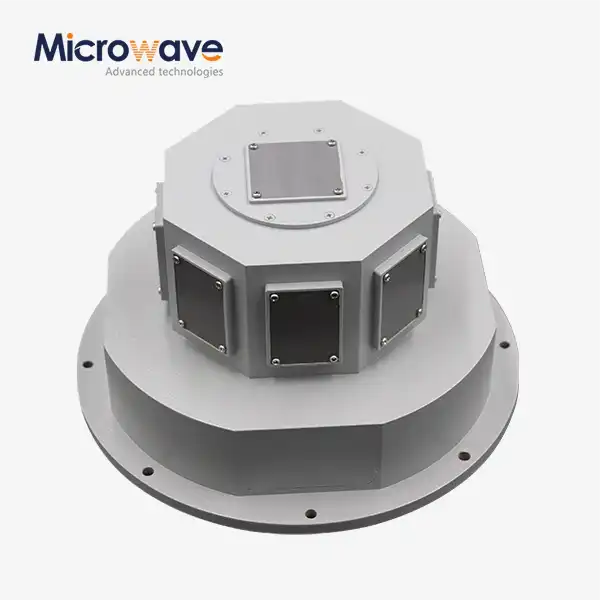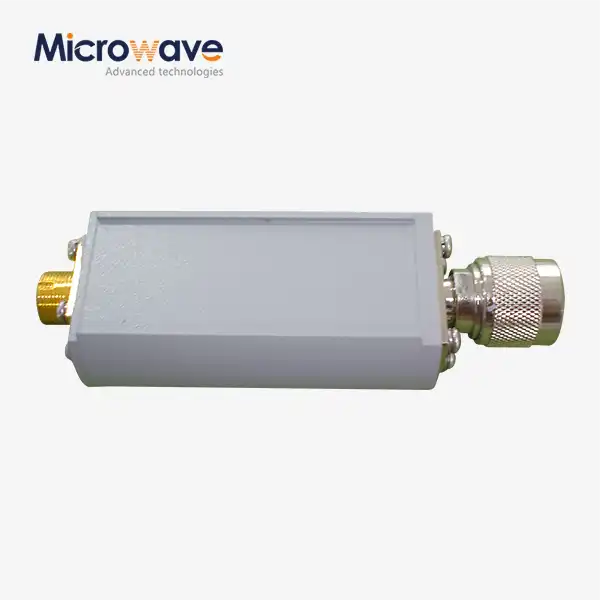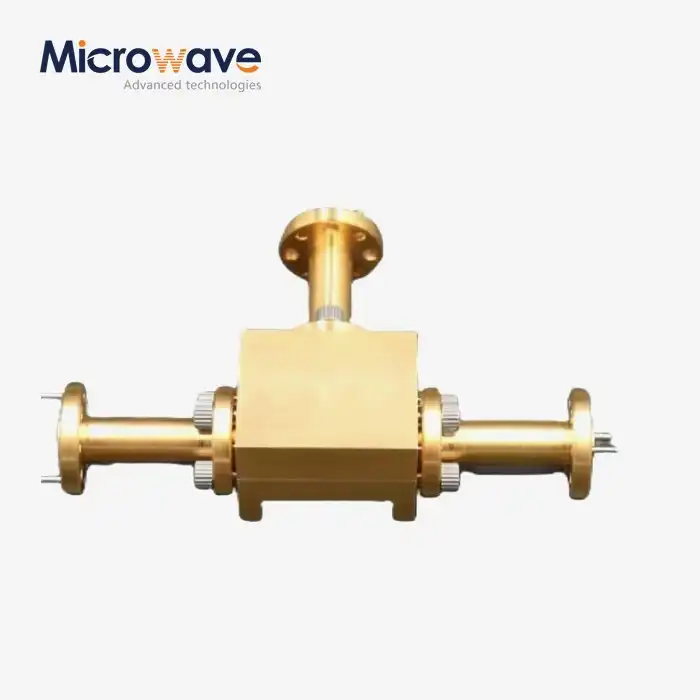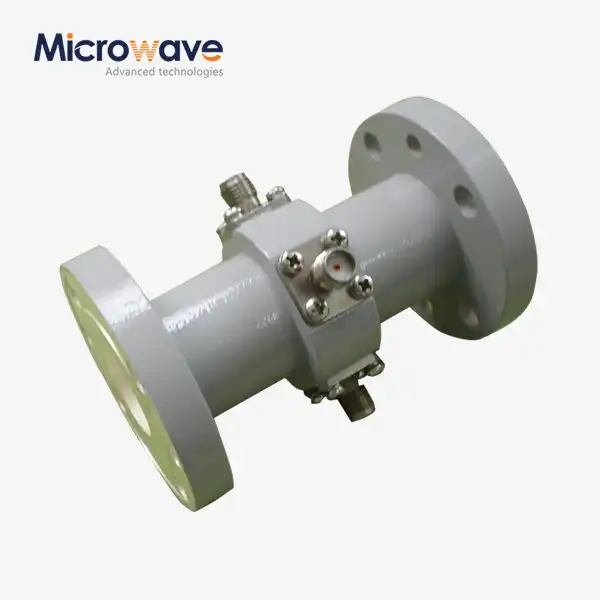





What are the advantages of slotted antennas?
For mission-critical RF and microwave systems, slotted waveguide antennas provide huge performance benefits that directly meet their most important needs. The slotted waveguide antenna design is different from other antenna technologies because the waveguide itself acts as both a transmission line and an emitting element. This means that there are no feed network losses, which are a problem for microstrip arrays at higher frequencies. This design handles more power efficiently, which is important for long-range radar uses, while still keeping a tough, low-profile shape that can handle rough circumstances. The precisely carved holes work as magnetic dipoles, allowing controlled radiation patterns with sidelobe levels that are often less than -30 dB. Because of these features, slotted waveguide antennas are necessary for radar systems in space, naval navigation, satellite ground infrastructure, and telecommunications networks that can't risk signal purity, efficiency, or dependability.
Understanding Slot Waveguide Antennas: Principles and Design
Elements that make slotted waveguide antennas work depend on electromagnetic waves moving through hollow metal waveguides. Energy moves through the guide, and slots cut very precisely in the walls of the waveguide connect electromagnetic fields to space. This makes controlled patterns of radiation. This direct radiation method skips the complicated feeding networks that patch arrays need, which greatly lowers insertion loss.
Slot Geometry and Waveguide Configuration
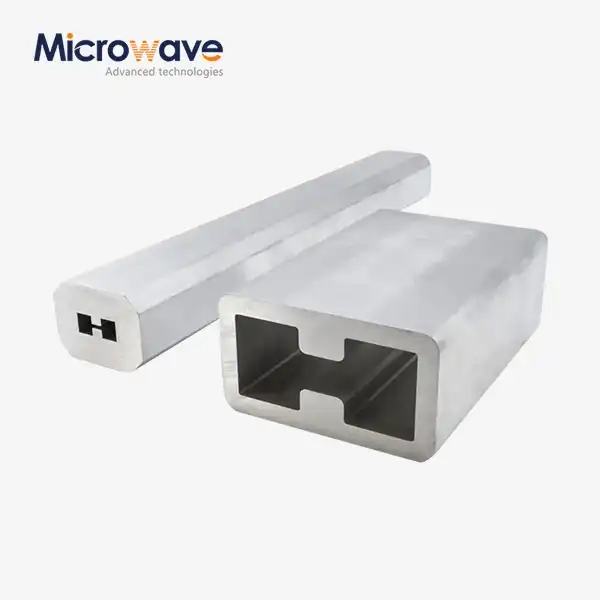
The resonant frequency and coupling strength are based on how accurately each slot is measured. The length of a slot is usually about half of the wavelength of the waveguide. The width and distance from the axis of the waveguide control how much energy is sent out. The cutoff frequency and allowed transmission modes are set by the waveguide's size, which is usually rectangle cross-sections. High-conductivity metals like aluminum or copper are chosen as materials. They are often silver-plated on the inside to reduce skin-depth losses and boost performance across the X-band (8-12 GHz) and Ku-band (12-18 GHz) bands.
Impedance Matching and Radiation Characteristics
To get the best Voltage Standing Wave Ratio (VSWR) below 1.5:1, the waveguide feed and the radiating slots need to be perfectly matched in terms of their resistance. To control polarization, which usually stays straight (horizontal or vertical), engineers use different slot designs, such as longitudinal, slanted, or cross-slots. Radiation patterns have narrow beamwidths and high directivity, which is necessary for radar and point-to-point interactions that send directed energy. The opening efficiency is usually higher than 70–90%, showing that it converts input power to radiated energy better than other designs.
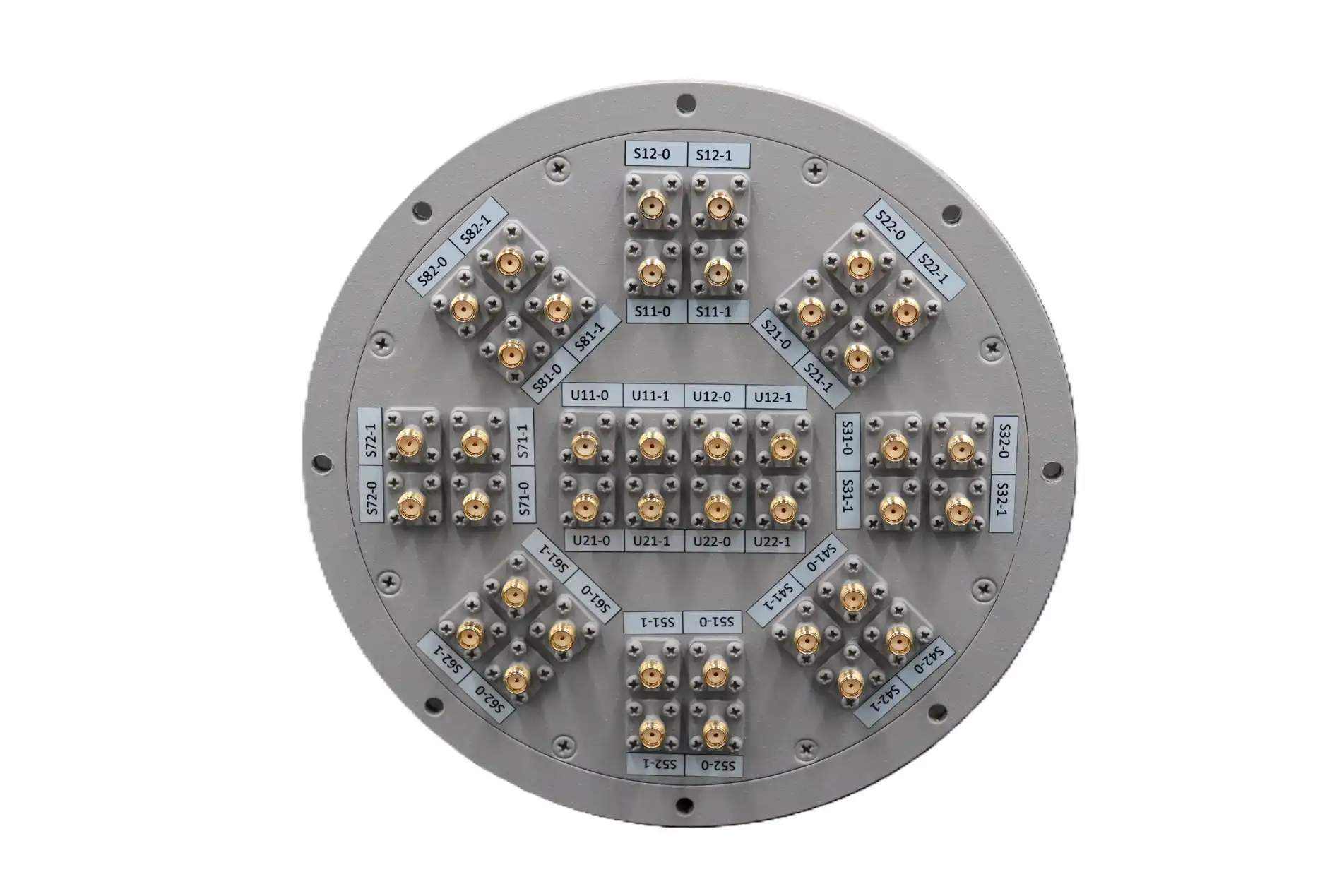
Advantages of Slot Waveguide Antennas over Other Antenna Types
When buying teams, look at different radio technologies; slotted waveguide designs always do better in tough situations. The comparison looks at a number of technical factors that have a direct effect on how well the system works and how much it costs to own.
Superior Power Handling and Thermal Management
The dielectric base limits of microstrip patch antennas mean that they can't handle high power levels without breaking down. Slotted waveguide antennas are made entirely of metal and can handle kilowatts of constant power without any problems. The all-metal construction naturally gets rid of heat, so there are no hotspots like there are in designs that use printed circuit boards. This resistance to heat makes sure that high-power radar emitters and electronic warfare systems that can't be trusted to work reliably will always do so.
Environmental Durability and Mechanical Strength
Antennas for maritime radar sites need to be able to handle salt fog, rust, and hurricane-force winds. The sealed, pressure waveguide structure is much better at keeping out water and mechanical stress than horn or dielectric resonator antennas. The flat, aerodynamic shape helps systems that are placed on airplanes because it reduces drag and keeps the structure strong even when temperatures and vibrations change a lot. Advanced Microwave Technologies Co., Ltd uses MIL-STD-810 compliance testing as part of its manufacturing process to make sure that its products work well in these tough circumstances.
High-Frequency Performance and Beamforming Precision
When millimeter-wave bands get close to 110 GHz, it gets harder to keep antennas working well. Slotted waveguide arrays have very low sidelobe levels because they use accurate Taylor or Chebyshev amplitude weighting distributions while the slots are being machined. This control makes it possible for 5G base stations and satellite ground terminals to reject interference and guide beams, which are very important features. Advanced modeling tools check designs before they are built, which cuts down on development time and makes sure that they will work as expected in the field.
These benefits solve the main problems that defense companies, telecom providers, and research institutions have when they are looking for antennas that balance performance, dependability, and long-term costs. The built-in design gets rid of a lot of the failure modes that come with dielectric materials and complicated feed networks. This means that the service will last longer and need less upkeep.
Practical Applications and Industry Use Cases
Because slotted waveguide antennas are so flexible, they can be used in a lot of high-stakes businesses where poor performance can lead to crashes or safety risks.
Defense and Aerospace Systems
Airborne Synthetic Aperture Radar (SAR) systems on robotic aerial vehicles use slotted waveguide arrays' very low profile and high peak power handling. The flat shape cuts down on mechanical drag and allows high-resolution ground mapping through the atmosphere. Naval ships use spinning slotted waveguide antennas for tracking radar. The narrow beamwidth makes it possible to accurately tell apart targets in crowded seas. These antennas are used on electronic warfare platforms to block signals in a certain direction with little other disturbance.
Satellite Communications and Ground Infrastructure
Operators of ground stations have to meet strict standards for signal strength and uptime. Our X-Band systems have slotted waveguide feed networks that make sure power is transferred quickly for HD video downlinks and data receiving. Because the technology is made of grounded metal, it naturally protects against lightning. This means that complex surge protection is not needed, which lowers the cost of installation. Ku-band solutions help with fast satellite links, and the efficiency of the opening has a direct effect on data rates and the cost of coverage.
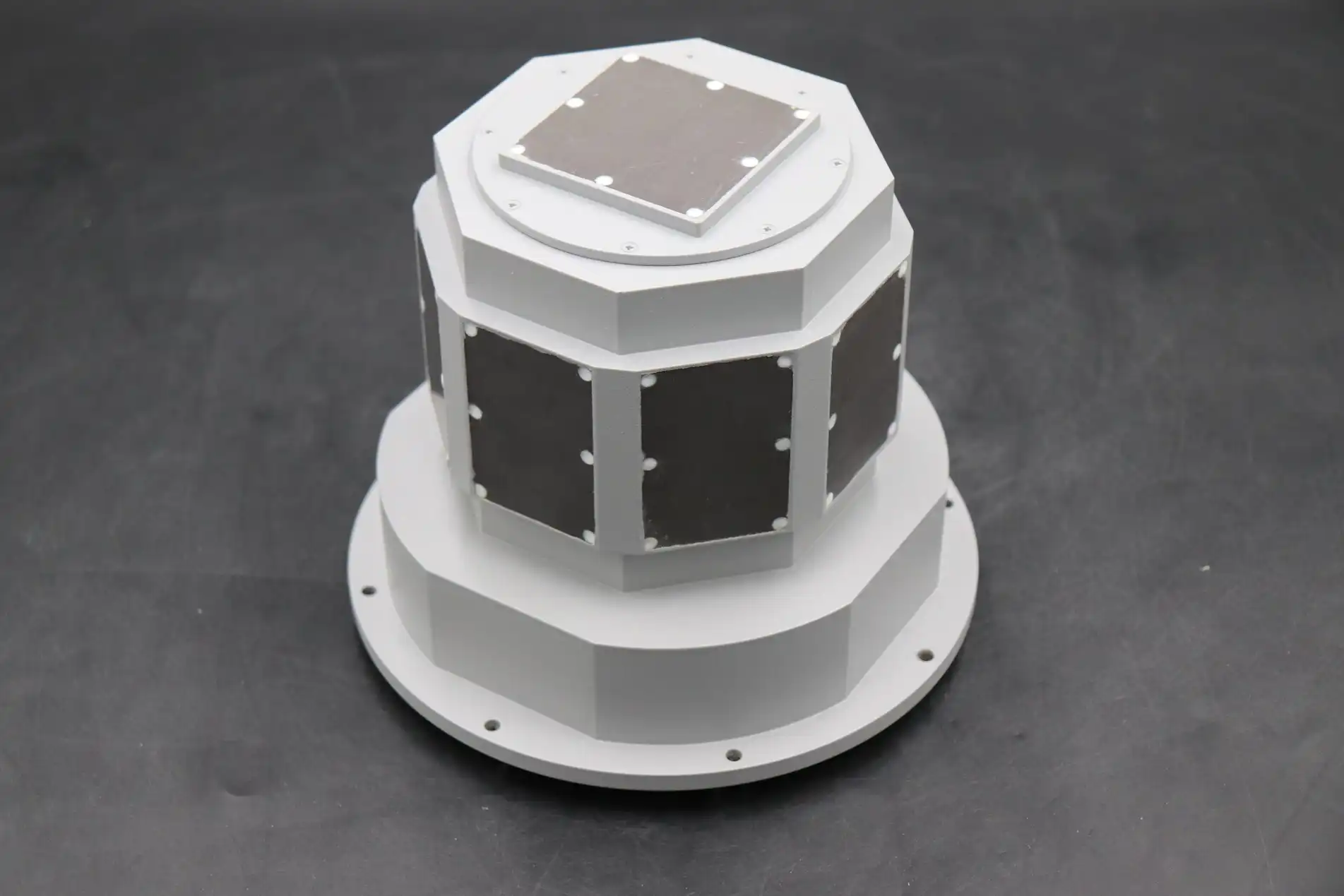
Telecommunications and Industrial Monitoring
In order for 5G millimeter-wave base stations to work, they need antennas that can precisely move the beam and have a high gain to make up for path loss. Slotted waveguide arrays let you set up sectored coverage patterns that get the most out of the spectrum while reducing crosstalk. These devices are used for trackside communications by high-speed rail networks. They are mechanically strong enough to handle constant shaking from passing trains. The technology's resistance to electromagnetic interference and stability at high temperatures make it useful in tough factory settings for industrial wireless sensor networks.
A telecommunications company recently got a 40% boost in link budget by switching from microstrip arrays to custom slotted waveguide antennas that we built. The improved gain and lower feed loss led to a wider coverage area without raising the send power, showing a measured return on investment (ROI) within the first year of operation.
Procurement Guide for B2B Clients: Selecting and Buying Slot Waveguide Antennas
To get through the buying process, you need to know both the technical requirements and the skills of the suppliers. Your selection factors should match the needs of the system as a whole, taking into account how it will be made and its long-term support requirements.
Defining Technical Requirements
Set clear frequency bands, gain goals, and VSWR requirements as a first step. Figure out if circular polarization is needed, keeping in mind that it makes the design more complicated and costs more than linear polarization. Check how much power you need to handle, especially the difference between peak and average power levels, as this affects how much pressure needs to be in the waveguide for use at high altitudes. The working temperature range, humidity exposure, and shaking patterns must all match the conditions of your operation.
Evaluating Manufacturer Capabilities
Suppliers with a good reputation show that they have ISO 9001 recognition, which means they have built quality control systems. Our ISO 14001 environmental compliance and ISO 45001 work safety standards show that we have fully developed our business. Make sure you can measure by making sure you can get into an anechoic room that is the right size and frequency range for your antenna. Our 24-meter microwave lab lets us measure far-field patterns across 0.5 to 110 GHz, which makes sure that the performance is correct before it is sent out.
Customization versus Standard Solutions
Standard stock items have faster wait times and lower unit costs, making them good for testing or uses with standard needs. Custom designs can work with special frequency bands, mechanical connections, or performance improvements like very low sidelobe levels. Through joint engineering, where your needs drive design improvement, our OEM services give you custom solutions. When you buy more than 50 units, you can get big savings because the prices are set to represent the wear and tear on the tools and the improvements in production efficiency.
Quality Assurance and After-Sales Support
Make sure that the test results are fully documented, with measures of the near-field pattern, VSWR traces, and gain proof certificates. For high-power space uses, you need data on multiplication and corona discharge tests. Lead times range from 4 to 6 weeks for normal items to 12 to 16 weeks for complex custom groups, based on how hard they are to make and how they need to be finished. Set up clear ways for customers to get help after the sale with things like installation, fixing problems, and guarantee claims.
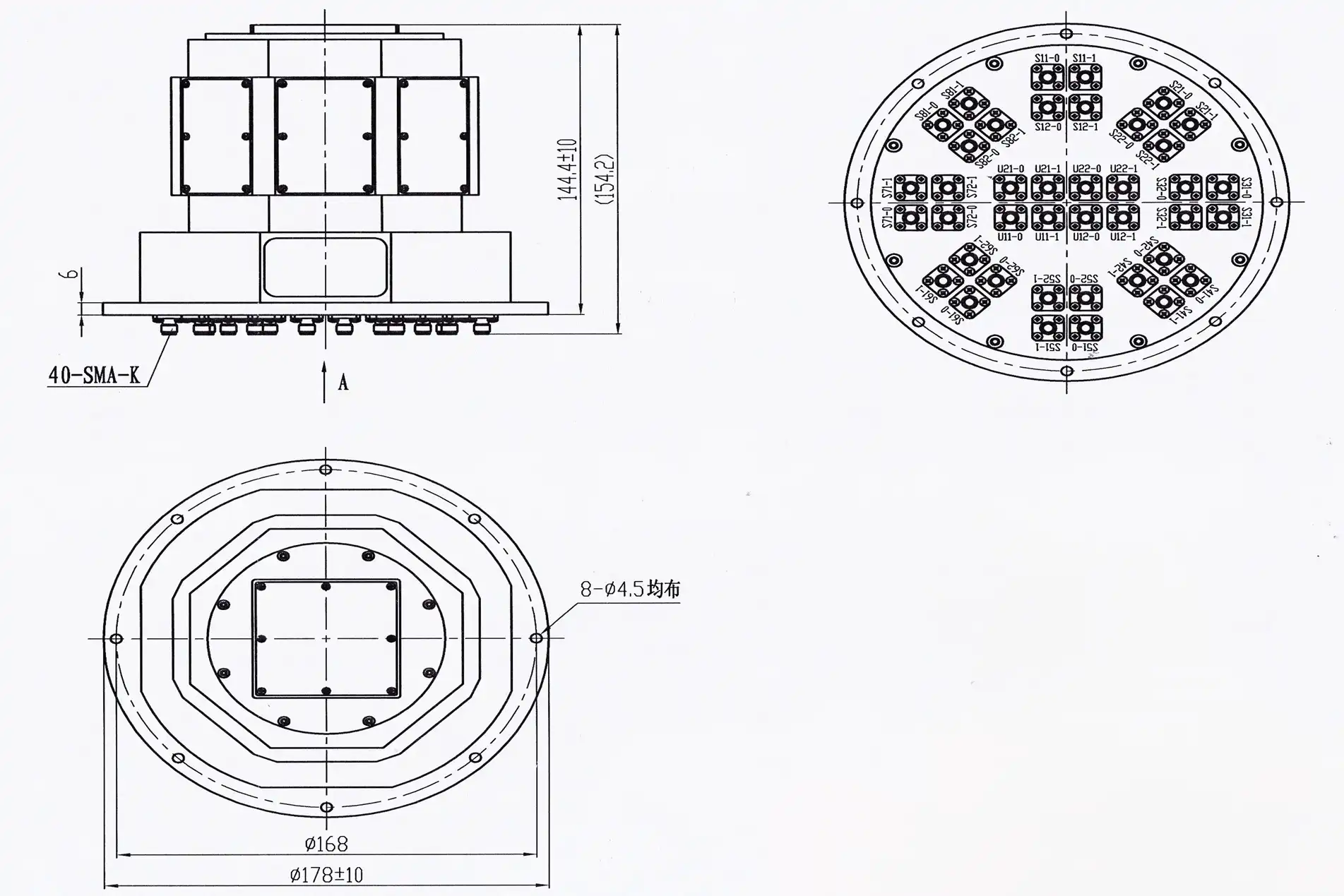
Future Trends and Innovations in Slot Waveguide Antennas
Slotted waveguide antenna technology is still changing to meet the needs of new uses in improved sensors and next-generation transmission systems.
Advanced Manufacturing Techniques
With additive manufacturing, it is now possible to make internal waveguide shapes that were not possible with standard cutting. Metal 3D printing cuts down on the time it takes to make a sample and lets you change the layout to improve speed or reduce mass. Composite materials with active parts can save weight in aircraft uses without lowering their electromagnetic performance. These new ideas give designers more options while keeping the main benefits of waveguide transmission.
Smart Antenna Integration
Putting together slotted waveguide arrays and beamforming networks makes clever antenna systems that can change their patterns on the fly. Electronic beam steering without mechanical spinning is possible with phase shifters built into the feed structure. This is useful for satellite tracking stations and adaptive interference avoidance. Multi-band operating through frequency-selective surfaces combined several waveguide layers into a single opening, allowing communication links to work at the same time across different frequency ranges.
Sustainability and Efficiency Improvements
Environmental duty is becoming more and more important in purchasing decisions. When we make things, we use reusable materials first and try to make as little trash as possible by optimizing precision cutting. By improving passive intermodulation performance and lowering insertion loss, systems that use less energy lower running costs. These steps for sustainability are in line with the company's environmental goals and also help the economy by using less electricity and making tools last longer.
Conclusion
Slotted waveguide antennas are a tried-and-true device that keeps getting better as transmission and sensing needs change. Because they are so good at handling power, being durable in harsh environments, and working with electromagnetic fields, they can't be replaced in defense radar, satellite systems, and high-frequency communications. When looking at antenna options, procurement teams should give more weight to providers that can do a wide range of measurements, have proven quality systems, and offer quick technical help. When you look at how reliable they are, how little upkeep they need, and how long they last, slotted waveguide designs have a lower total cost of ownership. As 5G networks grow and more millimeter-wave uses appear, these antennas will still be at the cutting edge of technologies that need to perform at their best.
FAQ
Q1: What differentiates resonant from traveling-wave slotted waveguide antennas?
When a resonant array ends, it creates standing waves that are more efficient but have a smaller bandwidth, usually between 5 and 10% of the full bandwidth. Traveling-wave systems use paired loads to soak up extra power, which makes the bandwidth 20–30% wider but slightly less efficient because the loads lose some of their power. The best setup is based on how much data your program needs.
Q2: Can slotted waveguide antennas support circular polarization?
Standard designs have linear polarization by default, but circular polarization can be achieved with cross-slot arrangements or dual orthogonal arrays coupled with hybrid couplers. With this change, it becomes more difficult to make and costs more, but it can be used for tracking and satellite communications, where the cost is worth it.
Q3: How does the beam squint effect impact system design?
In traveling-wave arrays, the main beam angle changes with frequency. Frequency-scanning radars use this property. Beam squint must be compensated for in fixed-target communications either through the design of the feed network or by stabilizing the operating frequency. Figuring out this behavior during buying stops problems that come up out of the blue in the field.
Partner with a Trusted Slotted Waveguide Antenna Manufacturer
Every unique slotted waveguide antenna job that Advanced Microwave Technologies Co., Ltd works on is backed by more than 20 years of top-notch engineering. Our wide range of services includes designing, testing, and mass-producing slotted waveguide antenna systems that are exactly what you need. Our 24-meter anechoic room tests performance across the full 0.5-110 GHz range, and our ISO-certified production methods guarantee consistent quality. Our skilled technical team can provide solutions that meet your most important needs, whether you need toughened defense-grade arrays, precise satellite ground station feeds, or high-efficiency 5G infrastructure parts. Email craig@admicrowave.com to talk about the details of your project and get a full technical plan with low prices. We offer a range of order sizes, fast development services, and full help after the sale to make sure that our products work well with yours.
References
1. Collin, Robert E. Foundations for Microwave Engineering. 2nd ed. Wiley-IEEE Press, 1992.
2. Elliott, Robert S. Antenna Theory and Design. Revised ed. Wiley-IEEE Press, 2003.
3. Balanis, Constantine A. Antenna Theory: Analysis and Design. 4th ed. Wiley, 2016.
4. Pozar, David M. Microwave Engineering. 4th ed. Wiley, 2011.
5. Hansen, Robert C. Phased Array Antennas. 2nd ed. Wiley, 2009.
6. Stutzman, Warren L., and Gary A. Thiele. Antenna Theory and Design. 3rd ed. Wiley, 2012.