




Weather Resistance of Microwave Parabolic Antenna
As long as a microwave parabolic antenna is exposed to difficult external conditions like rain, snow, high temperatures, wind, and UV rays, it will still work properly and keep its structure intact. This is called "weather resistance." As procurement engineers and system integrators demand more reliable outdoor communication infrastructure, it's important to know how long antennas will last in different weather conditions so that they can be used for defense, satellite ground stations, and telecom backhaul. Specialized materials and protective coats are used to make high-quality microwave parabolic antennas that can last for decades while keeping the exact gain and radiation properties that are needed for mission-critical links.
Understanding Weather Resistance in Microwave Parabolic Antennas
Weather resistance is a mix of material science, mechanical engineering, and electromagnetic design concepts that work together to keep antennas working well in harsh weather.
Environmental Stressors Impacting Antenna Performance
Rain weakens signals by absorbing and spreading them. This is especially true at frequencies above 10 GHz, where the wavelength gets close to the width of a raindrop. When snow and ice build up on the effective reflector surface, they change the way radiation patterns work and lower the gain by several decibels. Wind loads put mechanical stress on supporting structures, which could lead to misalignment over time if the clamps and bolts aren't strong enough. When the temperature changes from day to night, different materials expand and contract. If the thermal coefficients of the materials don't match, the joint could fail. UV light breaks down plastics and composite radomes, causing surface cracks and water to get inside, which affects how well they conduct electricity.
Design Principles Enhancing Weather Durability
Outdoor antennas that last a long time are made with microwave parabolic antenna reflectors or metal alloys that don't rust. Anodized finishes and powder coats offer extra defense against rust in industrial or seaside settings. As long as the insertion loss stays below 0.5 dB, UV-stabilized plastic or fiberglass radomes protect feed systems from direct weather exposure. The wind loads are spread out equally by reinforced fastening clamps, which stop stress accumulation spots that cause structure failure. Waveguide connections that are sealed with O-ring covers keep wetness out of important RF paths, which keeps VSWR low across all working bandwidths.
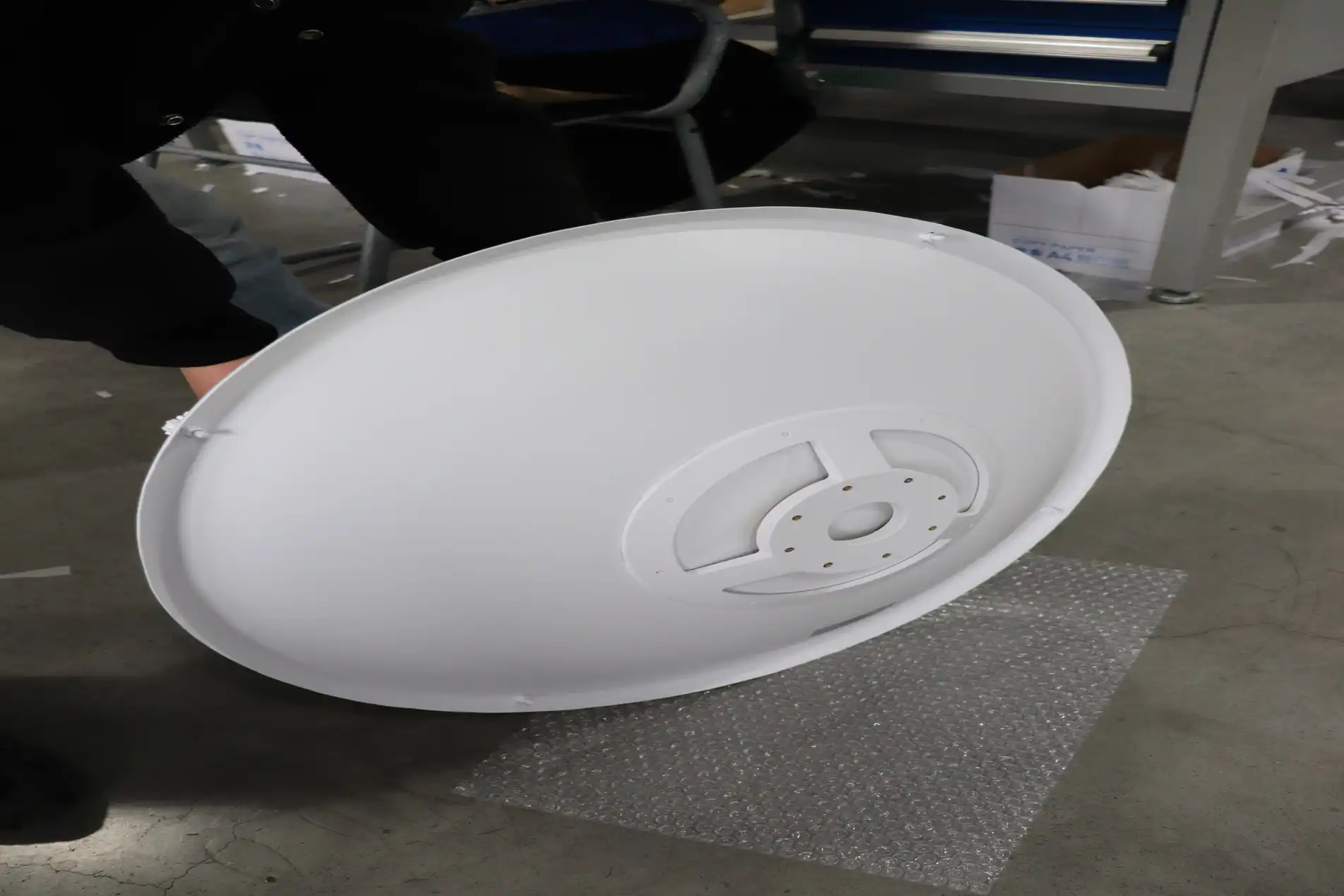
Operating Frequency and Atmospheric Attenuation Relationship
Lower microwave frequencies, below 6 GHz, show better rain fade margin because they have longer bands that don't mix with water drops as much. On the other hand, Ka-band and higher millimeter-wave links need bigger link budget gaps or adaptable modulation methods to make up for signal loss caused by weather. To make sure the system is always available, procurement teams have to choose frequencies while keeping bandwidth needs and air loss in mind. For higher frequency systems, it's common for elite weather-resistant designs with hydrophobic radome coverings that quickly shed water films, keeping signal loss to a minimum.
Weather-Related Performance Characteristics of Microwave Parabolic Antennas
Knowing how weather factors change antenna parameters lets you plan link budgets accurately and make accurate guesses about availability.
Signal Integrity Under Adverse Weather Conditions
Rain fade shows up as short-term signal loss that is related to the amount of rain falling and the length of the path. Cross-polarization detection stays above 30 dB with a well-designed dual-polarized microwave parabolic antenna, even when it rains a little, which keeps MIMO channel separation. Depending on how deep the snow is, it lowers the reflector's effective aperture efficiency, which leads to a loss of gain of 1 to 3 dB. The parabolic profile is distorted more by ice building than by snow, which could hurt sidelobe performance and make interference more likely. By releasing rain or snow before it builds up to a critical mass, strategic radome selection lessens these effects.
Radiation Pattern Stability and Structural Considerations
Electrical boresight and beamwidth uniformity are affected by changes in dimensions caused by temperature. The feed support structure of high-end antennas is made of thermally matching materials that keep the aiming accuracy within 0.1 degrees at temperatures ranging from -40°C to +60°C. If the fixing systems aren't stiff enough, wind-induced shaking can cause fast phase changes in long-distance links. At ADM, our engineering teams have seen that antennas with strengthened pedestals that are properly placed keep their patterns stable even in winds that last for a long time and reach over 150 km/h.
Real-World Performance Case Studies
When telecom companies upgrade to Class 3 ETSI-compliant weather-resistant microwave parabolic antennas, uptime goes up from 99.9% to 99.99% for point-to-point transmission in a variety of conditions. One satellite ground station used for maritime communications showed that its performance dropped by only 0.3 dB after five years of constant coastal exposure. This was due to the fact that it was made of marine-grade metal and had hydrophobic radome treatments that were routinely kept. Defense radar sites that work in cold conditions are able to keep their target detecting ranges through the winter by using warming radomes that keep important antenna surfaces from freezing over.
Comparison: Weather Resistance Across Different Antenna Types
To choose the best antenna technology, you have to weigh the performance trade-offs that are unique to the location and the needs of the application.
Gain Stability and Beamwidth Consistency
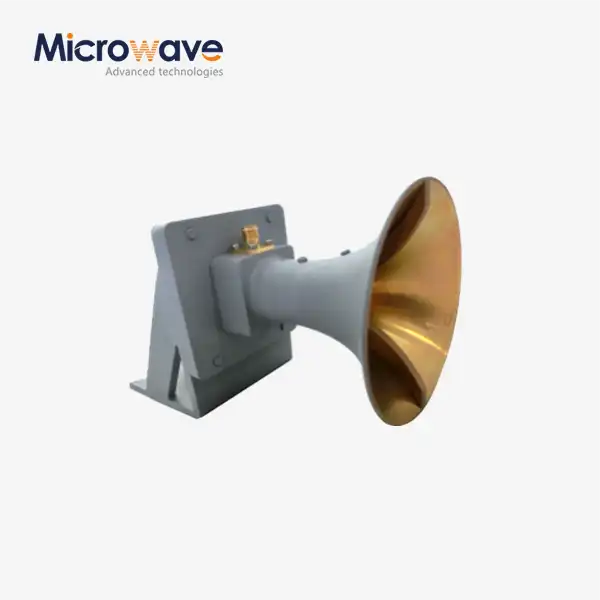
When properly built from hard materials that don't deform when heated, microwave parabolic antennas keep their gain stability better than array-based options. A 1.2-meter dish working at 18 GHz has a steady 40 dBi gain no matter what the temperature is outside. Patch arrays, on the other hand, may have 1-2 dB changes because the base expands and contracts when it gets hot. Because they are covered, horn antennas are very resistant to weather, but they lose gain efficiency and usually need bigger spaces to meet the performance of parabolic antennas. While flat panel antennas look better and are easier to place, they have higher wind loads per unit gain compared to microwave parabolic antenna profiles.
Structural Durability Under Environmental Stress
When it comes to repeated freeze-thaw cycles, microwave parabolic antennas made of metal or fiberglass last longer than printed circuit array antennas, where solder joints can break under heat stress. At the places where the elements are connected, Yagi antennas can rust. This is especially true in sea settings where salt spray speeds up metal breakdown. These reasons make parabolic shapes better for setups that need to be left alone and last for decades with little upkeep.
Cost Versus Performance Trade-offs for Procurement Teams
Initial prices for high-performance, weather-resistant microwave parabolic antennas are 30–50% higher than budget options. However, total cost of ownership estimates show big savings because of less downtime and longer repair cycles. A telecom network with 200 backup links figures that choosing high-quality antennas that don't get damaged by the weather cuts down on annual repair visits by 40%, which pays for the higher initial capital costs within three working years. Defense companies put a high value on weather resistance so that mission-critical breakdowns don't happen, which can cost a lot more than the gear fees.
Best Practices for Installation and Maintenance to Maximize Weather Resistance
When antennas are installed correctly and maintained regularly, they last longer and keep working as well as the manufacturer intended.
Strategic Site Selection and Secure Mounting
Avoid locations prone to standing water accumulation near antenna bases, as prolonged moisture exposure accelerates mounting hardware corrosion. When installed higher, snow drifts around reflective surfaces are less likely to build up. To keep mounting bolts from coming loose when they're vibrated and to keep metal parts from stress cracking, torque specs must be checked with measured wrenches. Wind-induced whipping that wears out connection interfaces can be stopped by securely attaching cables to support structures at regular intervals.
Sealing and Grounding Protection
Put waterproof sealant at all waveguide joints and cable entry points. This will make shields against moisture that stop condensation from getting in. Copper straps with anti-corrosion chemicals must be used for ground connections. This keeps low-resistance lines open and protects sensitive RF parts from lightning-caused spikes. In marine locations, where normal zinc screws fail in two years, we suggest specification-grade stainless steel hardware.
Routine Inspection and Cleaning Protocols
Visual checks every three months find early signs of radome cracks, covering wear, or fastener rust before they become problems. Radome surfaces should be cleaned with approved non-abrasive solutions to get rid of built-up dirt and biological growth that makes the surface rougher and causes signal loss. To keep fine metal finishes from getting scratched, reflector surfaces need to be cleaned gently with soft cloths. Check that the waveguide pressurization systems keep the positive pressure going, which shows that the seals in the feed sections are still good. Every year, spectrum analyzers are used to make sure that mechanical settling hasn't ruined the accuracy of the electrical boresight beyond what is acceptable.
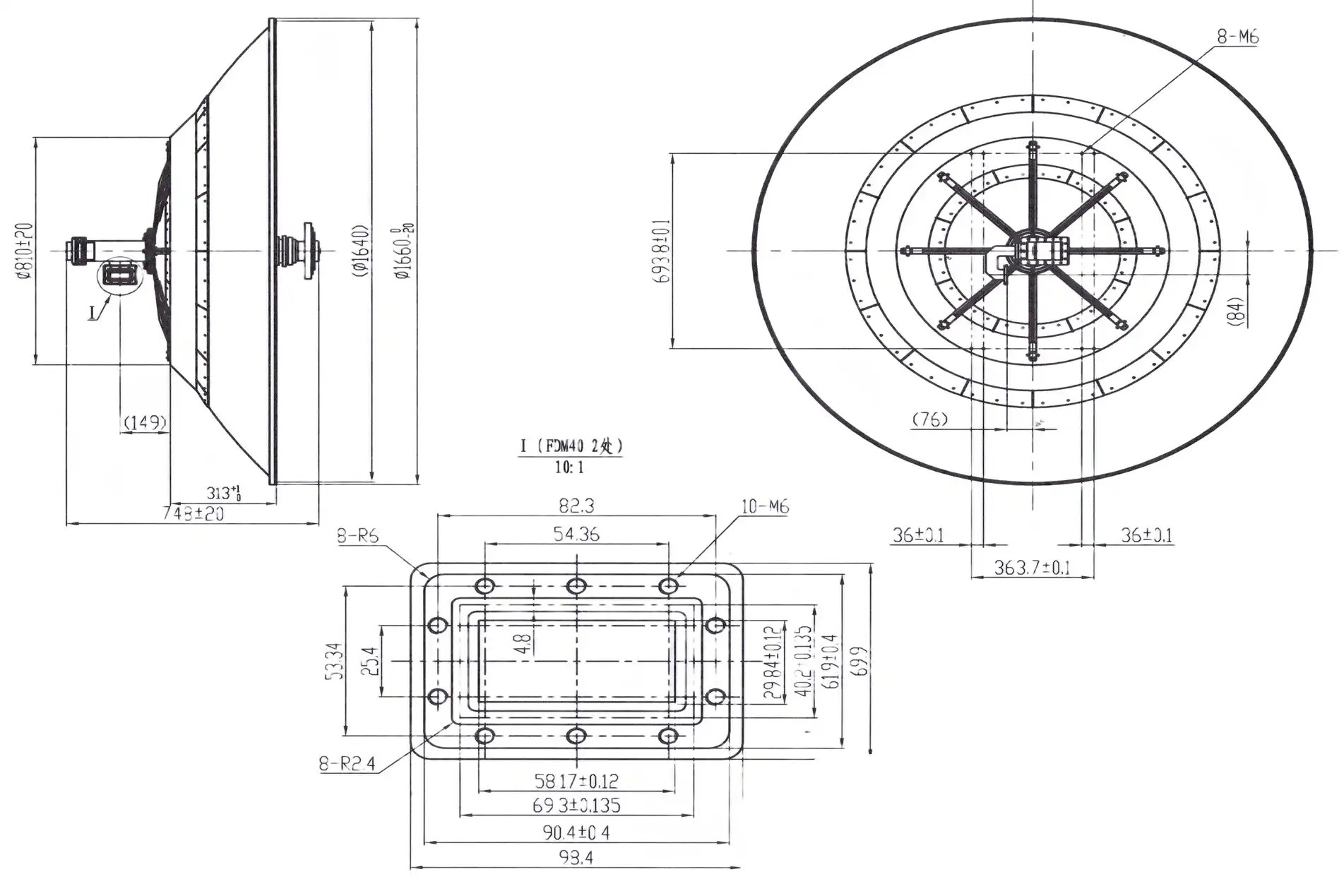
Procurement Considerations for Weather-Resistant Microwave Parabolic Antennas
When making strategic buying choices, technical requirements are weighed against the skills and long-term support promises of the seller.
Critical Specification Parameters for Supplier Evaluation
If the grade is IP65 or IP67, it means that the building is protected and can be used outside without the need for extra external barriers. Material certifications documenting marine-grade aluminum alloy composition or UV-stabilized composite formulations assure premature degradation. Manufacturers who give warranties that last longer than the standard one year show that they are confident in the weather resistance of their products. For example, some top sellers cover structural parts for five years. Ask for wind survival rates that have been checked by a third party to show that they can be used in steady winds of more than 200 km/h and still work in 100 km/h gusts.
Vendor Benchmarking for Large-Scale Procurement
Leading providers keep detailed test records that show how well their products work in a range of weather conditions, when exposed to salt fog, and when UV light speeds up the aging process, all in line with IEC standards. Some makers offer example setups that can be visited before a purchase is made. This lets buying teams check that the long-term durability claims are true by directly inspecting equipment that has already been used. Certification to ETSI Class 3 or Class 4 radiation pattern bands shows a dedication to lowering interference in crowded spectrum areas, which makes it easier to work together with nearby operators.
OEM Customization and Bulk Order Capabilities
Advanced Microwave Technologies Co., Ltd is very good at making weatherproof products that are perfect for harsh placement settings. Our engineering teams work directly with procurement experts to make sure that remote platforms have better rust protection, that sites in the Arctic have warm radomes, and that areas that are prone to typhoons have stronger mounting systems. There are good price levels for bulk orders, and each item can still be tracked thanks to standardized quality documents. Lead times for unique setups are usually between 8 and 12 weeks. This is made possible by clear production planning that makes it easier to fit into the plans of bigger projects.
Long-Term Value Through Premium Weather Resistance
Buying better weather protection lowers the total cost of ownership because it lasts longer between replacements and needs less upkeep. A telecommunications company found that expensive weather-resistant microwave parabolic antennas had 22% lower lifetime costs than cheaper options, even though they cost 40% more at first. Defense sites put weather resistance at the top of their list of priorities to keep them ready for operations. If a communication system fails, the effects are much worse than the extra gear costs. Stable long-term performance that gets rid of data gaps caused by weather in long measurement programs is good for research centers.
Conclusion
Weather protection is still an important requirement for microwave parabolic antennas used in defense, telecommunications, and satellite communication, where the weather can affect the signal quality and the hardware's lifespan. To make sure that equipment works the same way for decades, procurement teams have to look at electrical performance factors along with corrosion-resistant materials, sealed building methods, and protected coatings. When you compare parabolic designs to other antenna technologies, you can see that they have clear benefits in terms of gain stability and structural sturdiness in difficult environments. Strategic installation methods and strict maintenance schedules get the best return on investment by keeping factory performance standards even when the environment is constantly stressing them.
FAQ
Q1:How does rain specifically affect microwave parabolic antenna performance at different frequencies?
Rain attenuation goes up a lot with frequency. It's almost nothing below 6 GHz, but during heavy rain, it can hit several dB/km at Ka-band (26-40 GHz). When water drops get close to the radio range, they absorb and scatter signals. This makes higher frequency devices more likely to experience rain fade in microwave parabolic antenna performance.
Q2: Which materials provide the best weather resistance for long-term outdoor deployment?
Marine-grade aluminum metals with anodized finishes or powder coats are great for reflective surfaces because they don't rust. Low RF loss is maintained by fiberglass composite radomes that have UV protectors built in to protect the feed sections. In coastal areas where metal parts break quickly, stainless steel gear keeps fasteners from rusting.
Q3: Can existing parabolic antennas be retrofitted for improved weather resistance?
Some retrofit choices are upgrading to sealed waveguide interfaces with gasket protection, adding hydrophobic radome coats that better shed water, and making the mounting clamps stronger to handle more wind loads. However, basic material limits in older antennas may make it impossible to achieve the performance levels of microwave parabolic antennas that are specifically made to withstand bad weather.
Partner With ADM for Superior Weather-Resistant Microwave Parabolic Antenna Solutions
At Advanced Microwave Technologies Co., Ltd., we make high-quality microwave parabolic antenna systems that can withstand the elements and work reliably in the toughest operating settings. Our production methods are ISO 9001:2015 approved to ensure uniform quality, and our 24-meter anechoic room tests performance at frequencies up to 110 GHz. As a seller of microwave parabolic antennas with a lot of experience, we can make all of your OEM needs come true, no matter what the environment is like (arctic cold, warm heat, or salt exposure at the coast). As part of our global sourcing support, we offer cheap bulk prices, fast development, and expert help during the installation and testing stages. Email our engineering team at craig@admicrowave.com to talk about your needs for weather-resistant antennas and find out how our 20 years of experience with microwaves can help your communication infrastructure handle problems in bad weather.
References
1. International Telecommunication Union (ITU), "Propagation Data and Prediction Methods Required for the Design of Terrestrial Line-of-Sight Systems," Recommendation ITU-R P.530-17, Geneva, 2019.
2. European Telecommunications Standards Institute (ETSI), "Fixed Radio Systems; Point-to-Point Antennas; Antennas for Point-to-Point Fixed Radio Systems Operating in the Frequency Band 3 GHz to 60 GHz," ETSI EN 302 217-4-2, Sophia Antipolis, 2020.
3. Balanis, Constantine A., "Antenna Theory: Analysis and Design," 4th Edition, John Wiley & Sons, Hoboken, New Jersey, 2016.
4. IEEE Standards Association, "IEEE Recommended Practice for Installation Design and Installation of Antenna Systems for Fixed and Mobile Communications," IEEE Std 1729-2014, New York, 2014.
5. Stutzman, Warren L. and Thiele, Gary A., "Antenna Theory and Design," 3rd Edition, John Wiley & Sons, Hoboken, New Jersey, 2012.
6. Ippolito, Louis J., "Radio Wave Propagation in Satellite Communications," Van Nostrand Reinhold, New York, 1986.