




WG Termination Solutions for Microwave Transmission Systems
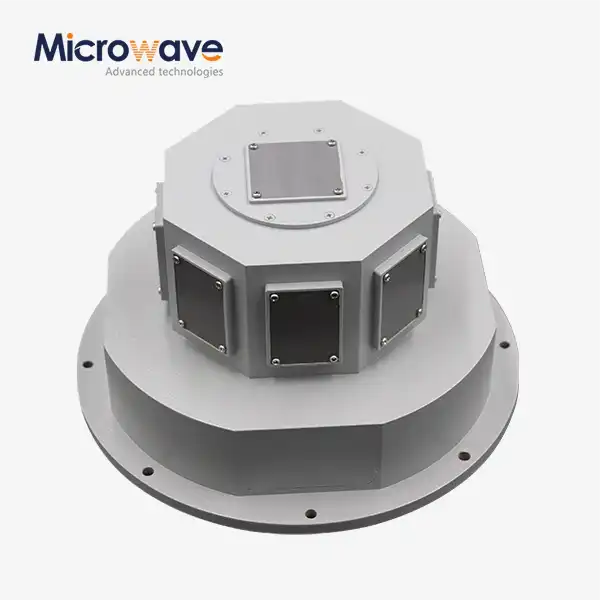
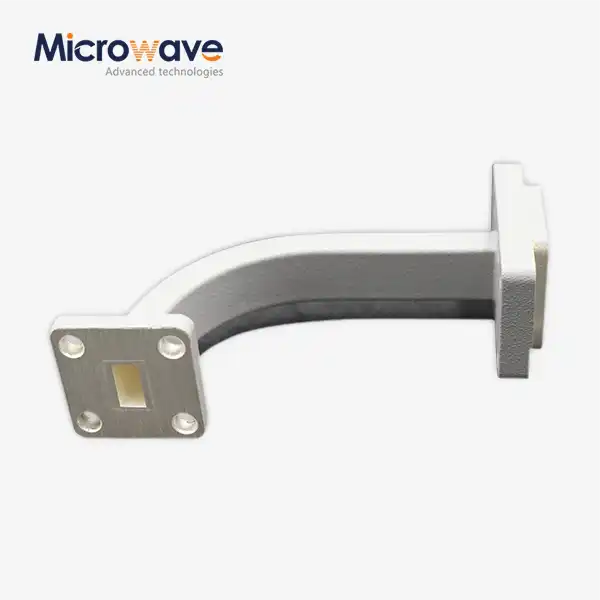
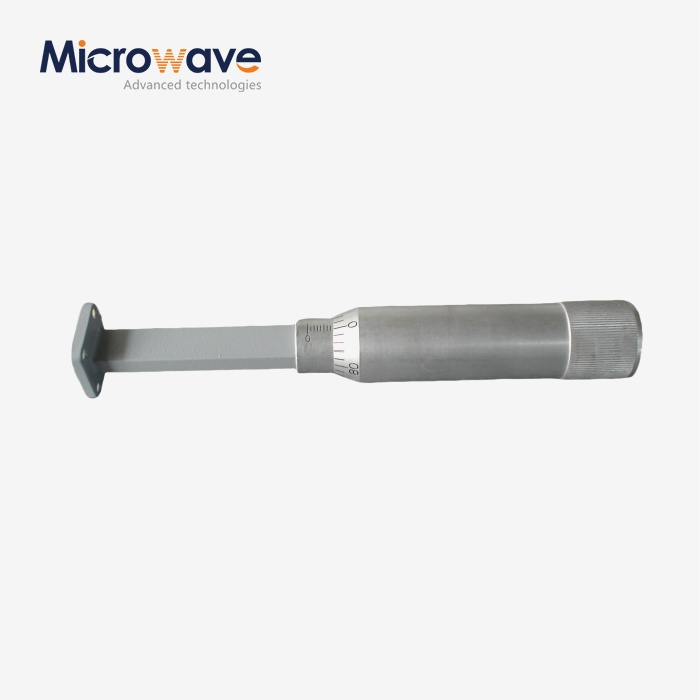
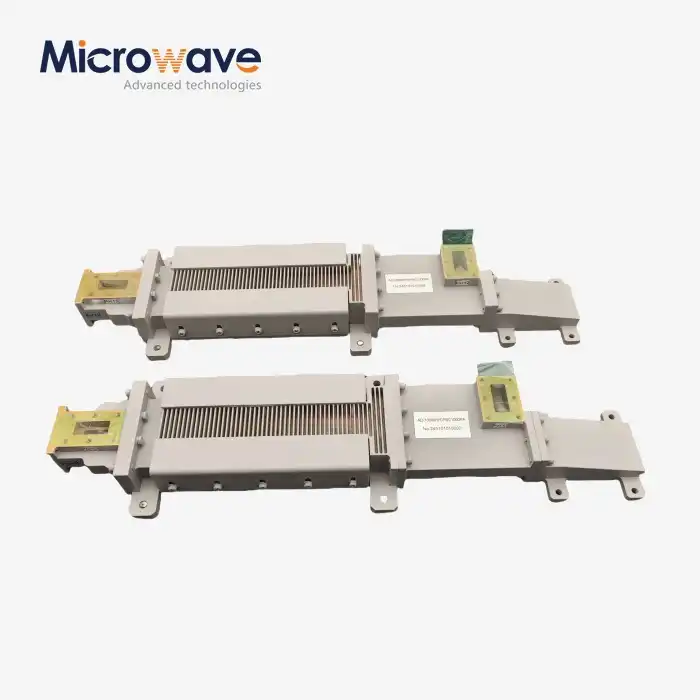
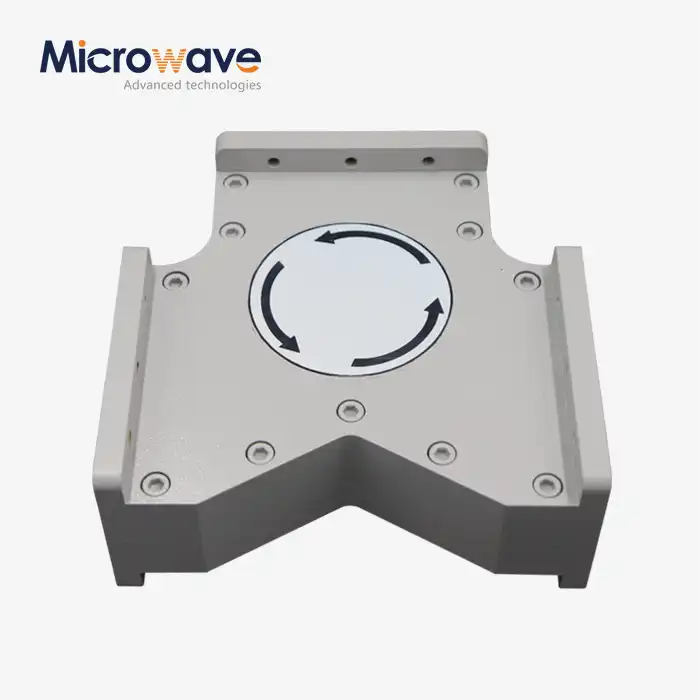
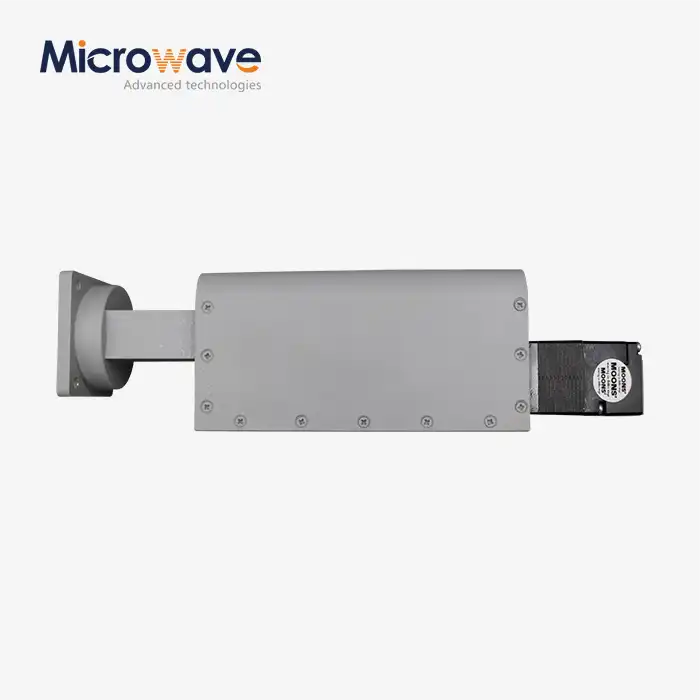
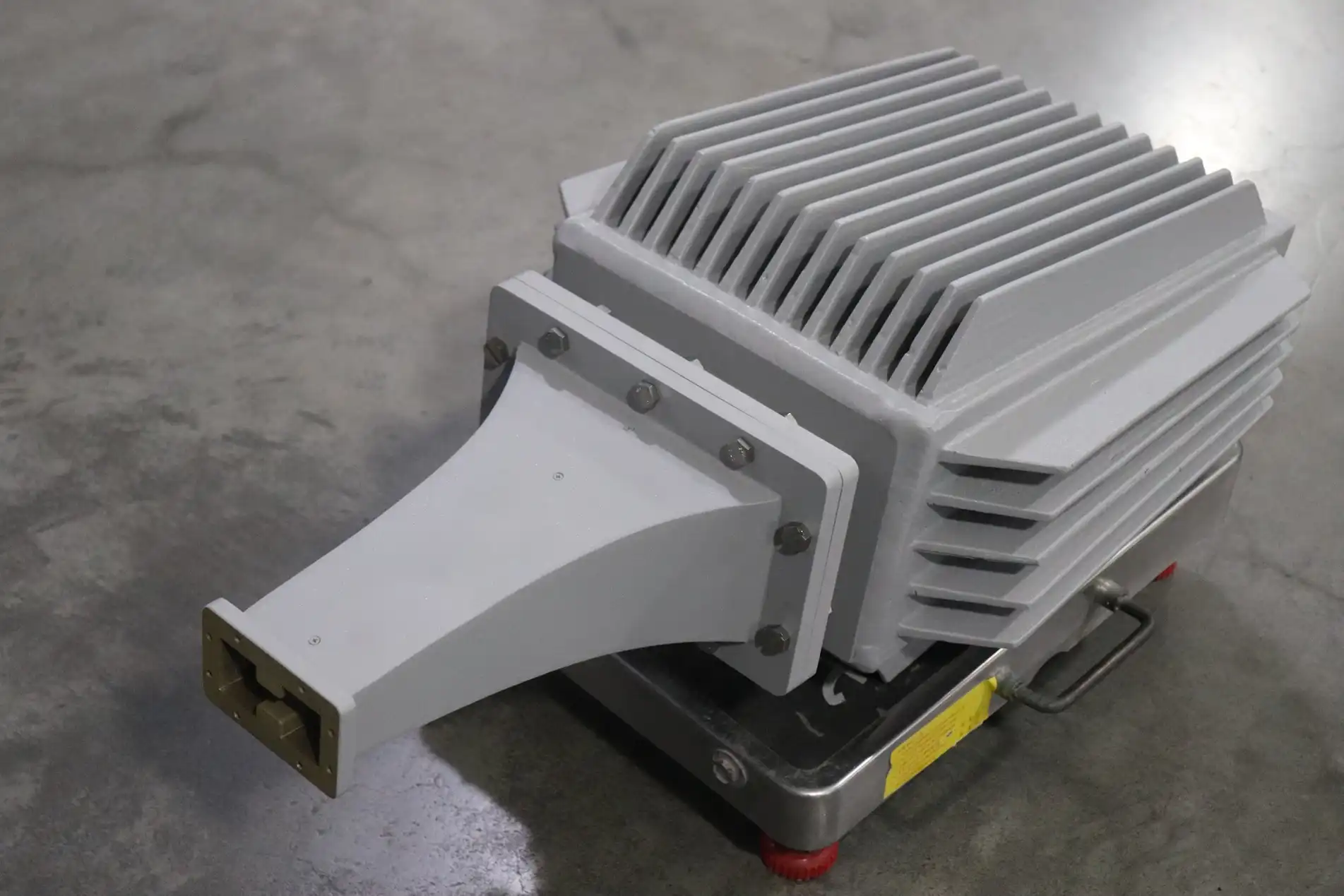
WG Termination is a unique way to control the flow of signals in microwave communication systems that use waveguides. WG Termination is different from other cable terminations because it uses specially designed load components that soak up reflected energy. This stops standing waves and signal loss. These terminations are designed to fit the resistance of waveguide structures. This makes sure that the most power is transferred and that there is little insertion loss over certain frequency ranges. In radar systems, satellite base stations, and high-frequency test equipment, where signal integrity directly affects operating performance and measurement accuracy, it is necessary to use the right WG termination.
Understanding WG Termination in Microwave Transmission Systems
Waveguide termination technology is the most important part of managing radio signals correctly. We at Advanced Microwave Technologies Co., Ltd. have spent more than 20 years improving termination solutions that meet the strict needs of the defense, aircraft, and telecommunications industries.
What Makes Waveguide Terminations Essential?
Waveguide terminations are precision-engineered loads that soak up electromagnetic energy that is moving through waveguide structures that are either rectangular or circular. Any difference in resistance at the end of a transmission line causes echoes that mess up the system's function. By offering matching loads across frequency bands from 0.5 GHz to 110 GHz, our termination solutions get rid of these effects. This feature is very important in situations where the signal quality can't be reduced, like in phased array radar systems or satellite communication ground sites.
Technical Standards Governing Termination Performance
The performance guidelines for waveguide terminations are set by industry norms. Measurements of Voltage Standing Wave Ratio (VSWR) less than 1.2:1 show better matching, and return loss values higher than 20 dB show good energy absorption. Our ISO 9001:2015-certified production methods make sure that all of these requirements are met or surpassed by every end component. RoHS compliance makes sure that products are environmentally friendly without lowering their electricity performance. This meets both the technical and legal needs of buying teams today.
Common Waveguide Types and Termination Compatibility
Waveguide standards like WR-90 are used for X-band radar, WR-42 is used for millimeter-wave communications, and WR-284 is used for lower-frequency systems. For each type of waveguide, the termination parts need to be exactly sized to fit its physical shape and electrical properties. Our engineering team creates custom termination solutions that work with all common waveguide configurations and also creates unique shapes for system models that aren't common. This adaptability allows for both off-the-shelf purchases and unique OEM integration needs.
Key Performance Benefits in Mission-Critical Systems
Using high-quality waveguide terminations makes the system work better in a way that can be measured. Less insertion loss keeps the signal strength constant along the transmission line. This is especially important for long-distance satellite links, where every decibel counts. Better stability stops measurement mistakes in test tools and keeps the radio arrays' beam patterns constant. We confirm these performance traits in real-world situations through laboratory testing in our 24-meter microwave darkroom. This gives buying teams written proof that the parts are reliable.
Comparing WG Termination with Other Termination Methods
Procurement workers can make better choices when they know the differences between closure systems. There are different ways to handle RF data, and each has its own benefits that make it better for certain situations.
Performance Metrics Across Termination Technologies
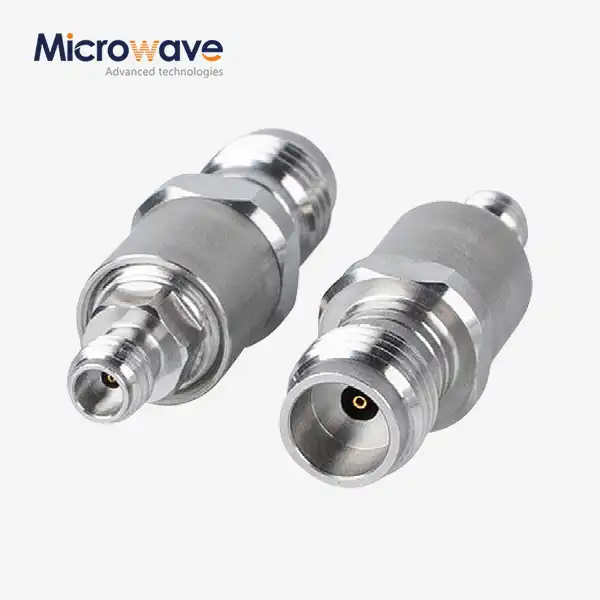
WG terminations and waveguide terminations work great in high-power, high-frequency situations where coaxial options can't because of how they're built. Coaxial terminations with N-type or SMA plugs can handle frequencies up to 40 GHz, but after that, they lose power and lose efficiency. Waveguide designs naturally handle higher power levels, often breaking kilowatt limits, while keeping insertion loss low at millimeter-wave frequencies. This speed edge is very important for radar transmitters and testing high-power amplifiers.
There are big changes between waveguide methods and welded or bonded connections. Traditional cable terminations depend on mechanical and metallic bonds between the wires and plugs. This means that there are places where the connections could fail when the temperature changes or the cable moves. Waveguide terminations use surfaces that are precisely cut and matching dielectric loads that keep working even in harsh environments. Our parts are put through a lot of tests that meet MIL-STD standards. This makes sure that they work well in defense systems that are used in the air, on ships, and on the ground.
Cost-Benefit Analysis for System Integrators
When buying waveguide terminations for the first time, they usually cost more than coaxial options. A lifecycle study, on the other hand, shows strong value arguments. Because waveguide systems are strong and stable, they don't need as much upkeep and can work for more than 20 years in properly planned setups. Less downtime and lower total ownership costs are good for system designers who build satellite ground stations or radar sites. Our pricing models allow for both the development of prototypes and large-scale production, so they can be used for projects from the evaluation of an idea to its full application.
Application-Specific Recommendations
Defense companies that are making monitoring radar systems need terminations that can handle high power levels and keep the phase stable over a wide range of temperatures. When telecom companies set up millimeter-wave backup networks, they look for systems that are small and work well across all frequency bands. For research institutions that want to analyze antenna patterns without messing up the data, they need terminations with very low VSWR. Our expert team has a lot of knowledge in a wide range of industries and can make application-specific suggestions that help you choose the right parts for your project.
Effective Troubleshooting and Best Practices for WG Termination
Keeping the best waveguide termination performance requires a methodical way of finding and fixing problems. We've created fixing methods that have been improved over decades of working with setups for customers all over the world.
Common Termination Issues and Their Symptoms
Signal-reflecting problems usually show up as changes in VSWR or a loss in return loss. These signs usually mean that the mechanical parts are not lined up correctly, there is contamination at the waveguide interfaces, or there is damage to the absorbent materials in the terminal loads. From working with defense companies, we know that most field failures are caused by external factors like moisture getting in, temperature changes, or vibrations, making things loose. By noticing these trends, you can quickly figure out what's wrong and fix it in the right way.
Diagnostic Tools and Techniques
By measuring S-parameters across operating frequency bands, vector network analyzers give a full picture of how well a termination works. Time-domain reflectometry finds the exact spot where impedance breaks happen, letting you tell the difference between problems with the connection and problems with the terminal load. Because we can measure up to 110 GHz, we can confirm the performance of millimeter-wave termination in a way that many users can't do themselves. When internal resources aren't enough to solve a problem, we offer measurement services and expert advice to help.
Preventative Measures for Extended Reliability
Visually checking waveguide flanges and WG termination for rust or bending, making sure mounting hardware is torque-checked, and doing regular electrical tests to set performance baselines should all be part of regular inspection procedures. Using the right covers and protective coats to seal outdoor projects from the environment stops damage caused by wetness. Our safety processes, which are ISO 45001:2018 approved, make sure that repair operations keep people safe and maintain the purity of the equipment. When review results are written down, they can be tracked, which is useful for quality checks and figuring out how reliable something is.
Procurement Guide: Buying WG Termination Solutions for B2B Clients
Selecting appropriate waveguide termination solutions requires balancing technical specifications, quality assurance, and supply chain considerations. This guidance supports procurement professionals navigating these complex decisions.
Defining Technical Requirements
Successful procurement begins with a clear specification of frequency range, power handling capacity, VSWR tolerance, and environmental operating conditions. Defense applications often mandate MIL-STD compliance and controlled source documentation for supply chain traceability. Telecommunications projects may prioritize compact designs and specific flange configurations for equipment compatibility. Our engineering team collaborates with procurement specialists to translate system-level requirements into component specifications that ensure seamless integration.
Evaluating Manufacturers and Supply Channels
Reputable waveguide component manufacturers demonstrate long-term market presence, quality certifications, and verifiable customer references. At Advanced Microwave Technologies Co., Ltd., our ISO 14001:2015 environmental certification and comprehensive quality management systems provide assurance of consistent manufacturing standards. Direct engagement with OEM manufacturers offers advantages, including customization capabilities, technical support access, and competitive pricing for volume orders. Authorized distributors serve immediate needs but may lack engineering resources for application-specific consultation.
Cost Optimization Strategies
Volume procurement delivers economies of scale, particularly for standardized waveguide sizes used across multiple projects. Consolidating orders to include complementary components—adapters, flanges, gaskets—reduces per-unit shipping costs and simplifies inventory management. Our rapid prototyping services allow validation of custom designs before committing to production quantities, mitigating technical risk. Payment terms, warranty coverage, and after-sales support represent important cost factors beyond unit pricing that influence total project budgets.
Quality Assurance and Documentation
Procurement specifications should mandate test data documentation, including S-parameter measurements, power handling verification, and environmental testing results. Traceability documentation ensures compliance with aerospace and defense quality requirements. Our comprehensive test reports accompany every shipment, providing procurement teams with objective evidence of component performance. This documentation supports acceptance testing and provides baseline data for lifecycle monitoring.
Future Trends and Innovations in WG Termination Technology
The microwave industry continues evolving, driven by emerging applications in 5G infrastructure, satellite constellations, and advanced radar systems. Staying informed about technological developments positions procurement teams to make forward-looking decisions.
Advanced Materials and Manufacturing Techniques
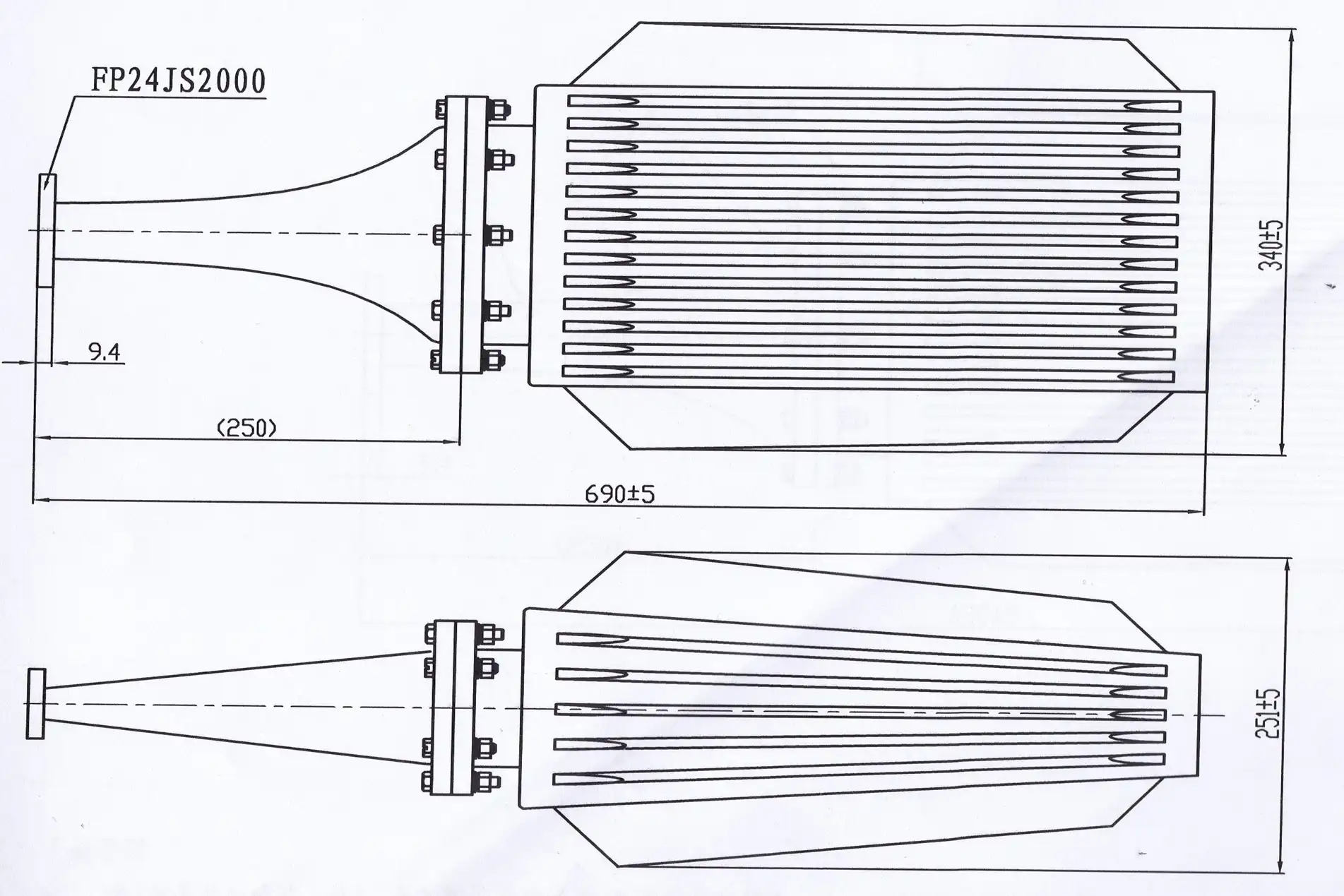
Additive manufacturing technologies enable complex internal geometries that optimize power dissipation and thermal management in compact WG termination designs. Advanced absorptive materials extend operational frequency ranges and improve power handling capabilities. Our R&D initiatives explore these technologies to develop next-generation termination solutions that address the demanding requirements of millimeter-wave and terahertz applications. Early engagement with customers allows us to align development efforts with emerging market needs.
Industry Standard Evolution
Recent updates to waveguide flange standards accommodate higher frequency bands and improve mechanical repeatability. Evolving environmental regulations influence material selection and manufacturing processes. Our participation in industry standards organizations ensures our products remain compliant with current and anticipated requirements. This proactive approach protects customer investments by ensuring component compatibility with evolving system architectures.
Automation and Smart Manufacturing
Automated test equipment integration streamlines production verification, reducing lead times while enhancing measurement consistency. Smart manufacturing techniques improve traceability and enable rapid customization. Our investment in measurement automation up to 110 GHz supports growing customer demands for millimeter-wave components while maintaining the quality standards established over two decades of manufacturing excellence.
Conclusion
Waveguide termination technology remains fundamental to high-performance microwave transmission systems across defense, aerospace, telecommunications, and research applications. The technical advantages of precision-engineered waveguide terminations—superior power handling, low insertion loss, and exceptional reliability—justify their selection for mission-critical systems where performance cannot be compromised. As emerging applications drive demand for higher frequencies and more compact designs, partnering with experienced manufacturers ensures access to advanced solutions backed by rigorous quality processes. Informed procurement decisions that balance technical requirements, lifecycle costs, and supplier capabilities position organizations for long-term operational success in increasingly complex RF environments.
FAQ
1. How does WG termination differ from RJ45 or coaxial terminations?
Waveguide terminations manage electromagnetic energy propagating through hollow metal structures, fundamentally different from conductor-based systems like RJ45 Ethernet or coaxial cables. Waveguide technology supports much higher power levels and extends to millimeter-wave frequencies where coaxial approaches become impractical due to losses and size constraints. RJ45 terminations serve data communications below 2 GHz, while waveguide terminations operate effectively from 1 GHz to beyond 100 GHz. The physical scale and application domains differ substantially—waveguide systems dominate radar, satellite, and high-power RF applications where signal purity and power handling are paramount.
2. What tools are essential for large-scale WG termination projects?
Professional installations require calibrated torque wrenches to achieve proper flange compression without damaging sealing surfaces, precision cleaning materials to remove contaminants that degrade electrical performance, and vector network analyzers to verify termination effectiveness. Environmental sealing materials, including gaskets and weather-resistant coatings, protect outdoor installations. Our technical support team provides installation guidance and recommends specific tooling based on project scale and environmental conditions.
Partner with ADM for High-Performance Waveguide Termination Solutions
Advanced Microwave Technologies Co., Ltd brings over 20 years of expertise as a trusted WG Termination and waveguide termination supplier serving defense, aerospace, and telecommunications sectors worldwide. Our engineering team collaborates with procurement professionals to develop custom termination solutions precisely matched to your system specifications—from prototype development through volume production. With ISO 9001:2015 certified quality processes, testing capabilities extending to 110 GHz, and comprehensive technical support, we deliver the reliability your mission-critical applications demand. Contact craig@admicrowave.com today to discuss your waveguide termination requirements and receive a detailed quotation tailored to your project timeline and performance objectives.
References
1. Pozar, David M. Microwave Engineering, 4th Edition. Wiley, 2011.
2. Collin, Robert E. Foundations for Microwave Engineering, 2nd Edition. IEEE Press, 2001.
3. MIL-STD-461G: Requirements for the Control of Electromagnetic Interference Characteristics of Subsystems and Equipment. Department of Defense, 2015.
4. IEEE Standard 149-2021: Recommended Practice for Antenna Measurements. Institute of Electrical and Electronics Engineers, 2021.
5. Balanis, Constantine A. Advanced Engineering Electromagnetics, 2nd Edition. John Wiley & Sons, 2012.
6. Saad, Theodore S. Microwave Engineers' Handbook, Volume 1. Artech House, 1971.