





WG Probe Coupler: Structure and Function Explained
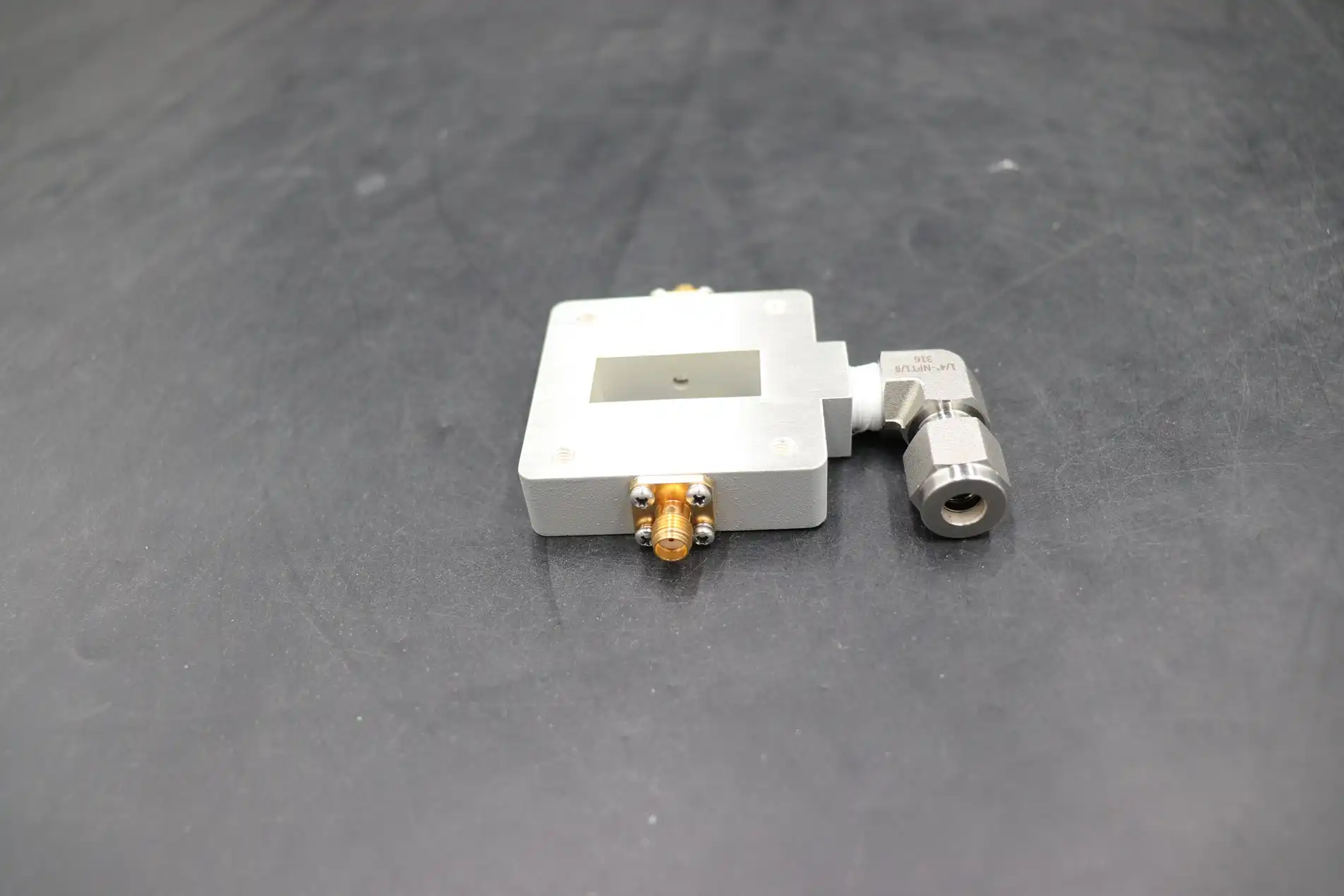
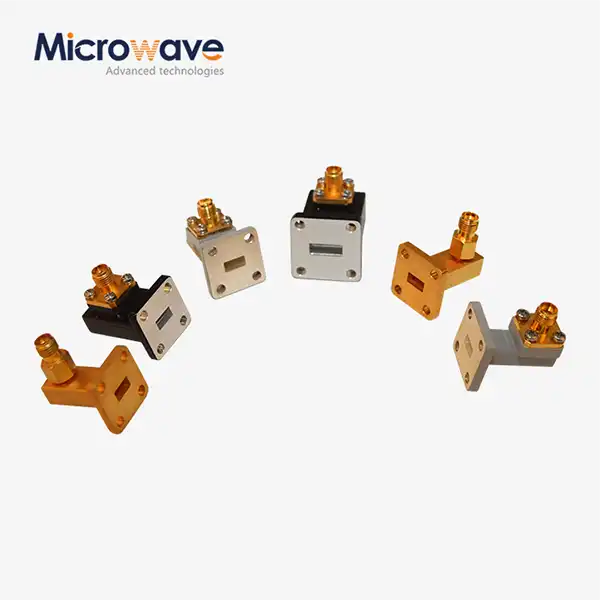
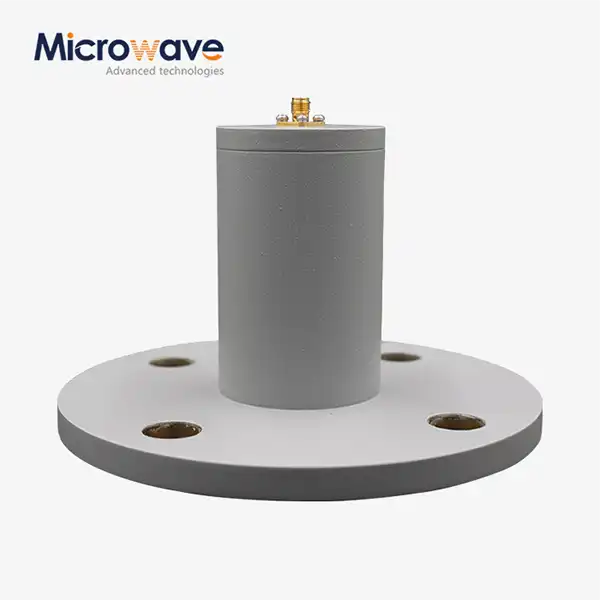
A WG Probe Coupler is a precision-engineered Radio Frequency (RF) inactive part that acts as the important link between coaxial transmission lines and square or round waveguides. This unique electromagnetic transition device has a metallic probe inside—basically a quarter-wave monopole antenna—that sticks out into the waveguide cavity to trigger or pull out certain electromagnetic modes, most often the dominant TE10 mode. Professional RF engineers use WG Probe Couplers to fix basic impedance mismatches between 50-ohm coaxial systems and waveguide characteristic impedances. This makes sure that signals are transferred smoothly and reflection losses are kept to a minimum in high-frequency applications spanning from Ka-band to millimetre-wave systems.
Understanding WG Probe Coupler: Structure and Working Principle
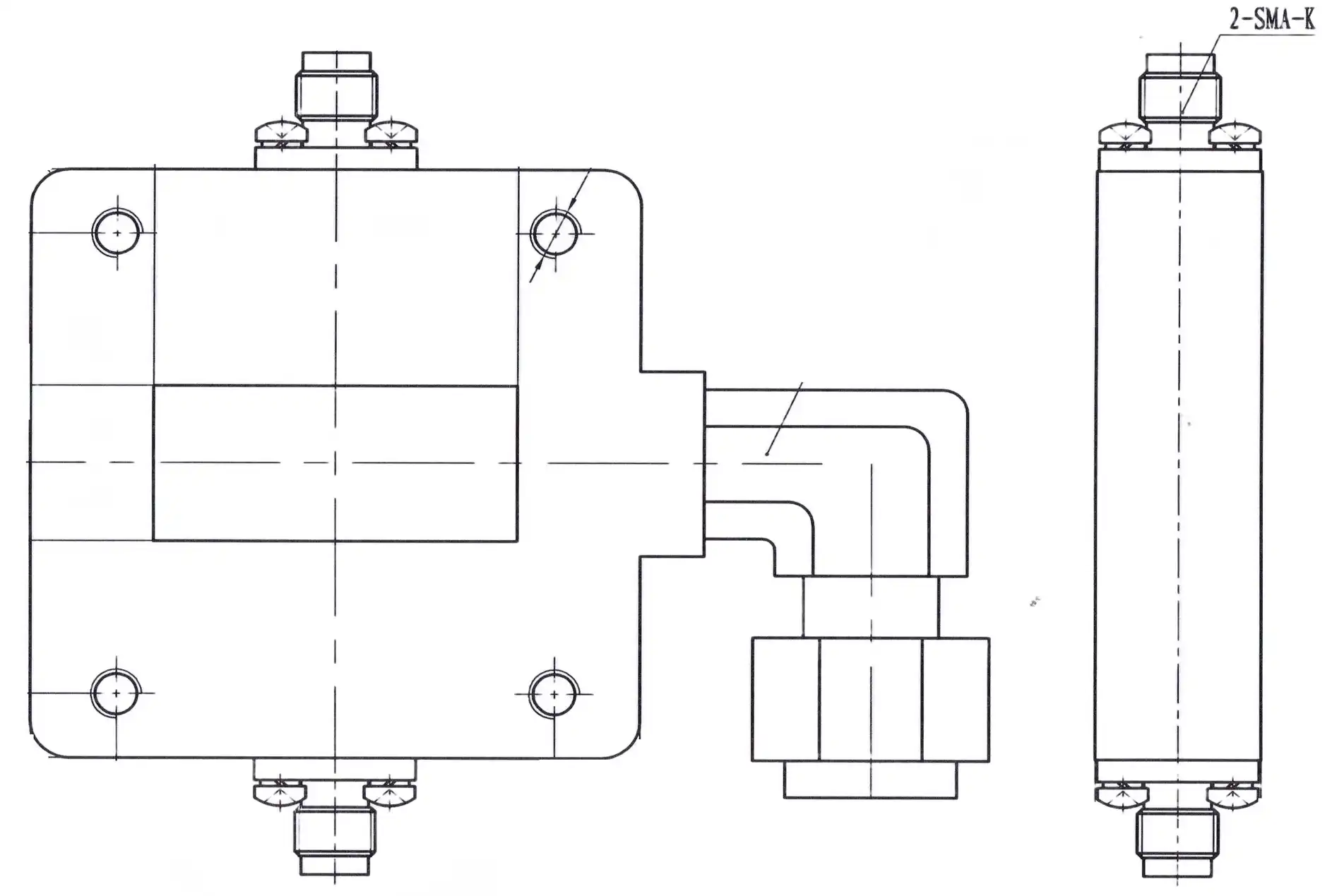
Waveguide probe couplers operate on sophisticated electromagnetic principles that enable controlled signal extraction without disrupting primary signal paths. The fundamental design consists of a metallic probe inserted through the broad wall of a rectangular waveguide, positioned at an optimal distance from a short-circuit back wall to maximise electromagnetic coupling efficiency.
Electromagnetic Coupling Mechanisms
The coupling process depends on the interaction of the probe element's electric field with the waveguide's dominant mode. When the probe is in the right place, it blocks some of the electric field lines. This makes a voltage difference that flows current through the coaxial line that is attached. This method keeps the integrity of the signal and gives exact control over coupling strength by adjusting the probe depth and positioning it in the best way. The quarter-wavelength distance from the back wall causes constructive interference that speeds up the flow of signals forward while reducing unwanted reflections. This placement makes sure that the power transfer works as efficiently as possible and that the device stays stable across the frequency range that was defined.
Critical Performance Parameters
These devices work by following a set of important technical standards. It depends on the frequency and the complexity of the system, but insertion loss is usually between 0.1 and 0.5 dB. The coupling factor can range from -10 dB to -40 dB, which lets measurement apps take accurate samples of the signal. In well-designed units, directivity performance is higher than 20 dB, which ensures that signals travelling forward and backward are accurately separated. The operating frequency ranges cover many waveguide bands, from X-band (8.2-12.4 GHz) to millimetre-wave frequencies above 110 GHz. The voltage standing wave ratio (VSWR) performance usually stays below 1.2:1 over the given bandwidth. This means that the impedance matching is good and there isn't much signal bounce.
Types and Design Considerations of WG Probe Couplers
Modern WG Probe Coupler designs encompass customised OEM waveguide couplers, several architectural approaches, each optimised for specific application requirements and performance objectives. Understanding these variations enables informed selection decisions based on system constraints and operational parameters.
Single-Probe and Multi-Probe Configurations
For normal measurement tasks, single-probe designs are easy to use and don't cost much. These setups use a single coupling element that is placed so that it interacts with the field in the best way possible. This ensures consistent performance with the least amount of complexity. The simple design makes it easier to make consistent products and lowers the number of places where something could go wrong in mission-critical situations. Through distributed coupling processes, multi-probe arrangements yield better performance traits. Multiple probe elements are placed in these designs in a planned way to improve directivity, spread bandwidth, or boost power handling. The extra complexity makes manufacturing more exact, but the better performance in tough situations makes it worth it.
Material Selection and Construction Considerations
High-performance couplers are made from high-quality materials that have been chosen for their electromagnetic qualities, mechanical stability, and ability to withstand harsh environments. Brass and aluminium metals are very good at conducting electricity and keeping their shape when the temperature changes. Surface treatments, such as silver plating, make things more conductive and stop them from oxidising in hard conditions. The dielectric materials that support the probe structure need to have stable qualities across the frequency range of operation and low loss. PTFE-based insulators work well and don't change much when the temperature does, so they can be used consistently in defence and aerospace uses.
Design Parameter Optimisation
Coupling coefficient adjustment involves precise control of probe penetration depth and positioning within the waveguide cavity. Deeper penetration increases coupling strength but may degrade VSWR performance, requiring careful optimisation for specific applications. Advanced designs incorporate tuning mechanisms enabling field adjustment of coupling characteristics. Power handling capabilities depend on material selection, thermal management, and electric field concentration control. High-power applications require careful attention to current density distribution and thermal dissipation pathways to prevent component degradation or failure.
WG Probe Coupler Applications in B2B Markets
These specialised components serve diverse industry sectors where precise signal sampling and measurement capabilities prove essential for system operation and performance verification. The broad application spectrum demonstrates their versatility and critical importance in modern RF systems.
Aerospace and Defense Applications
Military radar systems rely on waveguide probe couplers for signal monitoring and power measurement in high-performance surveillance and tracking applications. These devices enable real-time system health monitoring without degrading primary signal paths, ensuring optimal radar performance while providing diagnostic capabilities essential for mission success. Satellite communication systems utilise probe couplers for signal level monitoring and automatic gain control in ground station equipment. The devices facilitate precise power measurement, enabling optimal uplink transmission while preventing satellite transponder saturation that could disrupt service quality.
Telecommunications Infrastructure
Wireless backhaul networks incorporate probe couplers for signal quality monitoring and network optimisation. These devices enable service providers to maintain optimal transmission parameters while monitoring link performance in real-time, reducing service disruptions and improving customer satisfaction. Millimetre-wave communication customised OEM waveguide couplers systems operating in 5G networks utilise advanced probe couplers for beam monitoring and power control applications. The devices support dynamic beam forming and power optimisation, essential for high-frequency wireless communication performance.
Test and Measurement Systems
Laboratory equipment manufacturers integrate probe couplers into vector network analysers and spectrum analysers for accurate signal sampling and measurement. These devices enable precise characterisation of RF components and systems across broad frequency ranges with excellent measurement accuracy. Production test systems utilise probe couplers for automated component verification and quality control processes. The devices support high-throughput testing requirements while maintaining measurement precision essential for component acceptance criteria.
Buying Guide: How to Choose and Procure the Right WG Probe Coupler
Successful procurement requires careful evaluation of technical specifications, supplier capabilities, and long-term support considerations. This systematic approach ensures optimal component selection while minimising project risks and lifecycle costs.
Technical Specification Evaluation
Primary performance parameters must align with system requirements and operational constraints. Frequency coverage should encompass the full operational bandwidth with an adequate margin for temperature and aging effects. Coupling factor selection depends on measurement sensitivity requirements and dynamic range considerations. Power handling specifications must exceed maximum anticipated signal levels with appropriate safety margins. Environmental ratings, including temperature range, humidity tolerance, and shock resistance, ensure reliable operation in intended deployment conditions.
Supplier Assessment Criteria
Established manufacturers with proven track records provide greater assurance of product quality and long-term support. ISO 9001 certification indicates commitment to quality management systems and process control. Companies like Advanced Microwave Technologies Co., Ltd demonstrate this commitment through comprehensive certification programs and rigorous testing procedures. Technical support capabilities, including application engineering assistance and customisation services, prove valuable for complex projects requiring specialised solutions. Suppliers offering prototype development and testing services facilitate design validation and risk reduction during product development phases.
Procurement Logistics and Cost Considerations
Lead time evaluation becomes critical for project scheduling and inventory management. Standard products typically ship within weeks, while custom designs may require extended development and manufacturing cycles. Advanced planning prevents schedule delays and reduces expediting costs. Pricing structures vary significantly based on performance requirements, customisation complexity, and order quantities. Volume discounts often apply for production quantities, making supplier relationships valuable for ongoing projects requiring multiple units.
WG Probe Coupler vs. Alternative Couplers: Which One Fits Your Needs?
Component selection requires a comprehensive WG Probe Coupler understanding of available technologies and their respective advantages in specific applications. This comparison framework enables informed decisions based on technical requirements and operational constraints.
Performance Comparison Analysis
Waveguide probe couplers excel in high-frequency applications where mechanical stability and electromagnetic shielding prove critical. Their enclosed structure provides superior isolation compared to microstrip or stripline alternatives, reducing interference susceptibility in dense RF environments. Bandwidth performance varies significantly among coupler technologies. Waveguide designs typically offer narrower instantaneous bandwidth but superior performance within their operating range. Microstrip couplers provide broader bandwidth but with reduced isolation and increased sensitivity to environmental factors.
Application-Specific Selection Guidelines
High-power applications favour waveguide designs due to superior power handling and thermal management capabilities. The enclosed structure distributes electromagnetic fields more effectively, reducing peak field intensities that could cause breakdown or component degradation. Space-constrained applications may benefit from integrated circuit approaches using microstrip or stripline technologies. However, performance trade-offs, including reduced isolation and increased loss, must be carefully evaluated against size and weight advantages. Cost considerations often favour simpler technologies for moderate performance applications. Waveguide probe couplers command premium pricing but deliver superior performance, justifying the investment in demanding applications requiring exceptional precision and reliability.
Conclusion
WG Probe Couplers are important parts of current RF and microwave systems because they allow signal sampling and measurement in a wide range of situations. Their complex electromagnetic design lets you precisely control the coupling properties while keeping the signal integrity and causing as little system damage as possible. Procurement workers and system designers can make decisions that improve performance while still meeting project requirements if they understand their structure, how they work, and what applications they should be used for. Carefully choosing suppliers with proven skills and full support services guarantees a smooth implementation and long-term operating success in tough environments.
FAQ
1. What frequency ranges do WG probe couplers typically support?
Standard waveguide probe couplers operate across established waveguide frequency bands, from X-band (8.2-12.4 GHz) through millimetre-wave frequencies exceeding 110 GHz. Specific frequency coverage depends on waveguide size and design optimisation, with custom designs available for specialised applications requiring operation outside standard bands.
2. How do probe couplers improve measurement accuracy in RF systems?
Probe couplers enhance measurement precision by providing controlled signal sampling with minimal main path disruption. Their high directivity performance isolates forward and reverse signals, enabling accurate power measurement and system characterisation. Low insertion loss maintains signal integrity while precise coupling control ensures repeatable measurement results.
3. What are typical lead times for custom WG probe coupler orders?
Standard configurations typically ship within 2-4 weeks, while custom designs require 6-12 weeks, depending on complexity and performance requirements. Prototype units for evaluation may be available sooner, enabling design validation while production units are manufactured. Rush orders may be accommodated with expedited processing.
4. What customisation options are available for specialised applications?
Customisation capabilities include frequency optimisation, coupling factor adjustment, connector selection, and mechanical configuration modification. Environmental hardening options address specific deployment conditions, including extended temperature ranges, shock resistance, and hermetic sealing requirements for harsh environments.
Partner with ADM for Superior WG Probe Coupler Solutions
Advanced Microwave Technologies Co., Ltd stands ready to support your RF system requirements with industry-leading WG Probe Coupler solutions backed by over two decades of microwave engineering expertise. Our ISO 9001:2015 certified manufacturing processes and state-of-the-art 24m microwave darkroom testing facility ensure exceptional quality and performance verification up to 110 GHz. Whether you need standard components or custom-engineered solutions, our experienced team provides comprehensive technical support from initial specification through delivery and beyond. Contact craig@admicrowave.com today to discuss your requirements with our WG Probe Coupler specialists and discover how ADM's proven manufacturing capabilities can optimise your next project.
References
1. Pozar, David M. "Microwave Engineering, Fourth Edition." John Wiley & Sons, 2012. Chapter 7: Power Dividers and Directional Couplers.
2. Collin, Robert E. "Foundations for Microwave Engineering, Second Edition." McGraw-Hill Education, 1992. Chapter 8: Waveguide Components and Applications.
3. Ragan, George L. "Microwave Transmission Circuits: Volume 9 of MIT Radiation Laboratory Series." Artech House, 1964. Chapter 5: Waveguide Probe Coupling Mechanisms.
4. IEEE Standard 287-2007. "IEEE Standard for Precision Coaxial Connectors at RF, Microwave and Millimetre-wave Frequencies." Institute of Electrical and Electronics Engineers, 2007.
5. Matthaei, George L., Leo Young, and E.M.T. Jones. "Microwave Filters, Impedance-Matching Networks, and Coupling Structures." Artech House, 1980. Chapter 13: Waveguide Coupling Devices.
6. Saad, Tarek S. "Microwave Engineers' Handbook, Volume Two." Artech House, 1971. Chapter 4: Waveguide Components and Probe Coupling Analysis.
YOU MAY LIKE
 VIEW MOREEnd Launch Waveguide to Coaxial Adapter
 VIEW MORERectangular Straight Waveguide
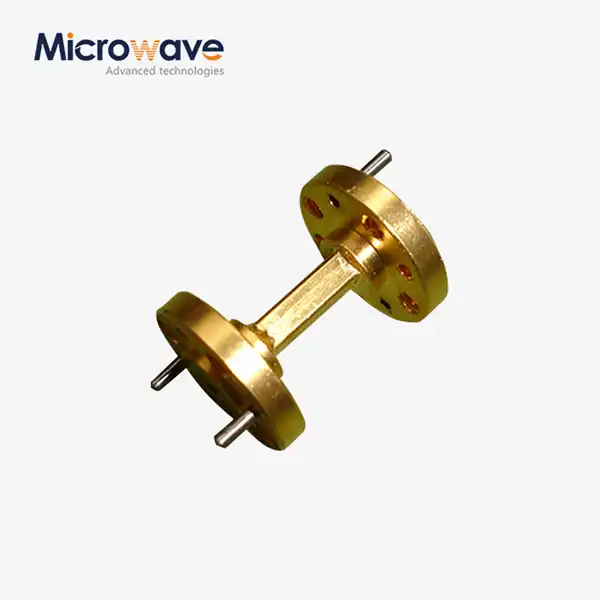 VIEW MORECircular Straight Waveguide
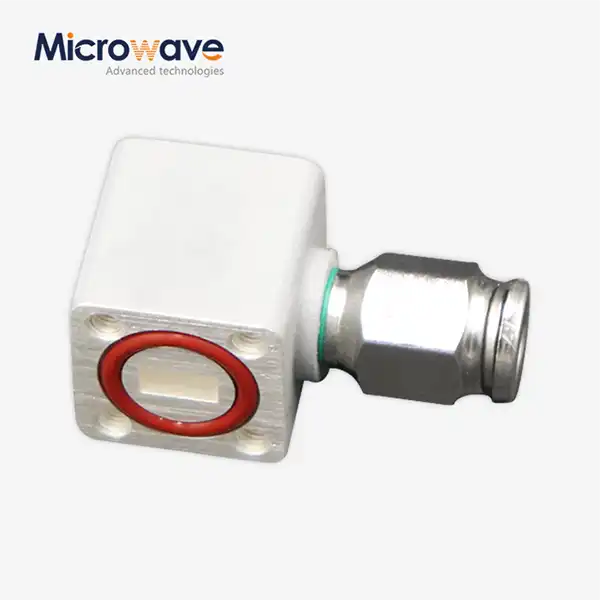 VIEW MOREInflatable Straight Waveguide
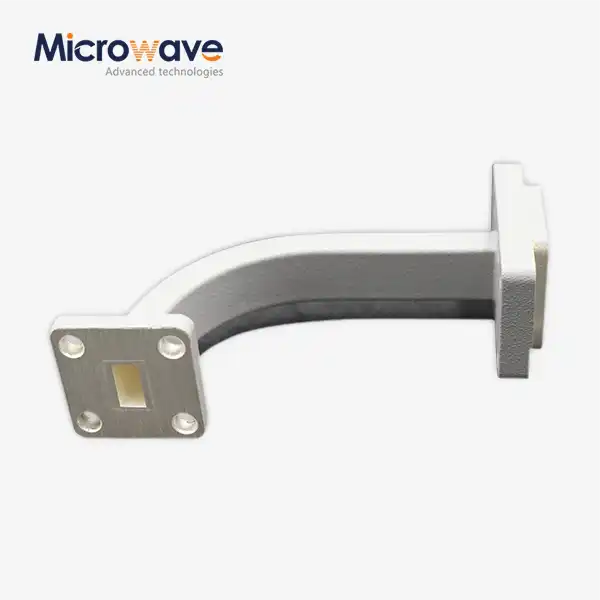 VIEW MOREWaveguide E Bend
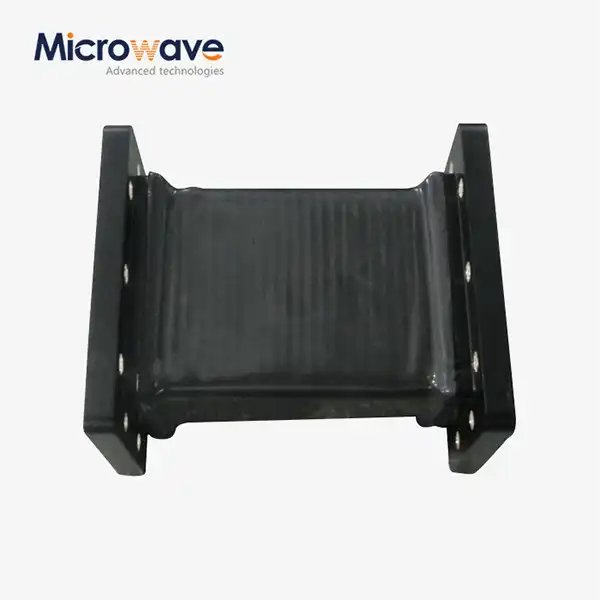 VIEW MOREFlexible Seamless Waveguide
 VIEW MORERight Angle Waveguide To Coaxial Adapter
 VIEW MORECircular Waveguide To Coaxial Adapter