





Choosing the Right Broadband Coaxial Circulator for Microwave Systems
It can be hard for engineers and Broadband Coaxial Circulator procurement professionals to get electromagnetic energy around tight corners without losing the integrity of the signal when they are working with microwave systems that send high-frequency signals. This is where Broadband Coaxial Circulator parts that are carefully designed and manufactured come in handy. One of these is the Broadband Coaxial Circulator, which is a space-saving option that redirects microwave signals while keeping low insertion loss and high return loss. Instead of big sweeping components that take up a lot of room, these small parts use a precisely machined reflective plane to efficiently guide electromagnetic waves through changes in direction. Learning about the special qualities and selection rules for these important RF parts can have a huge effect on how well a system works, especially in situations where space is limited and signal quality, reliability, and accuracy are all musts.
Understanding Broadband Coaxial Circulators
What Defines a Broadband Coaxial Circulator
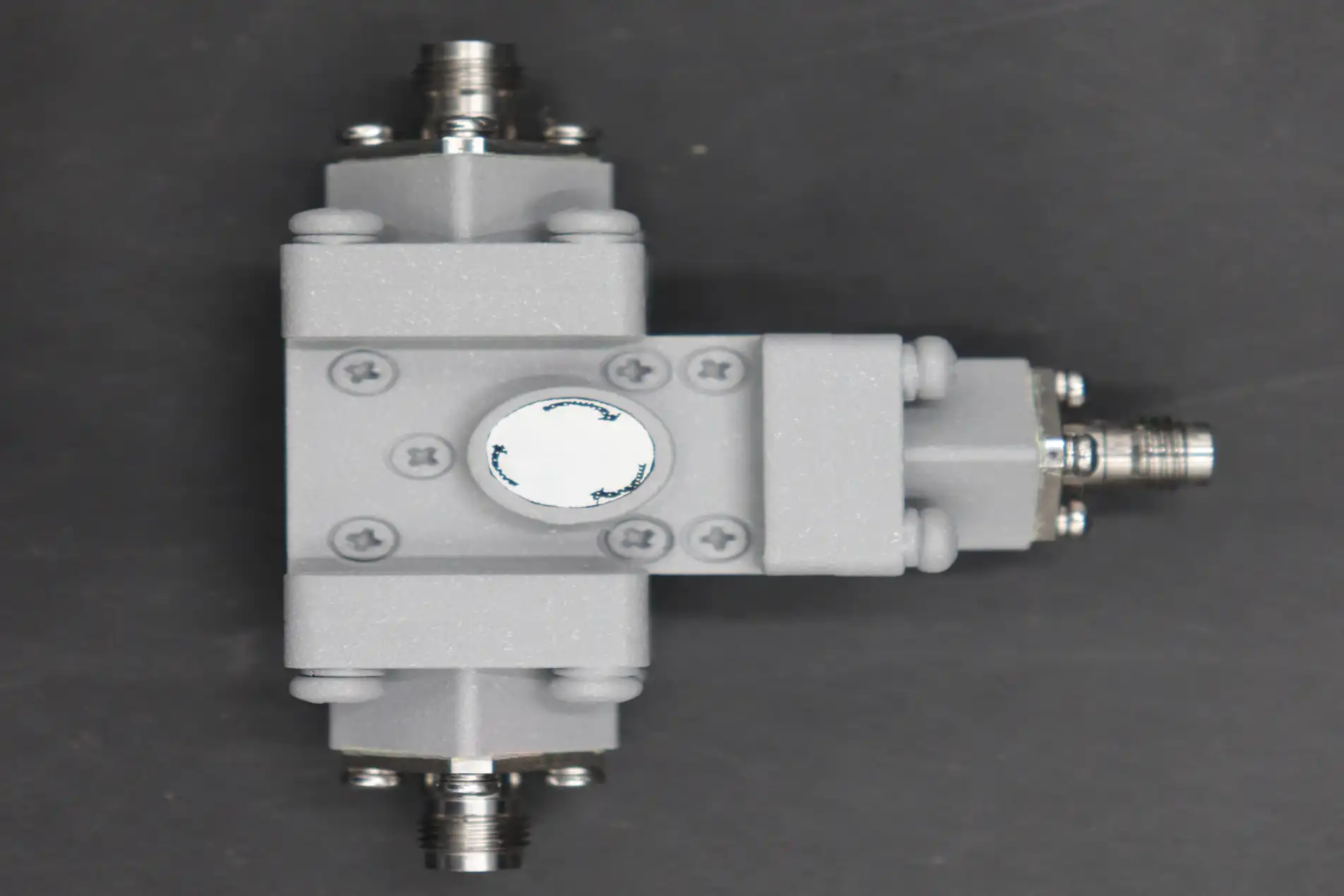
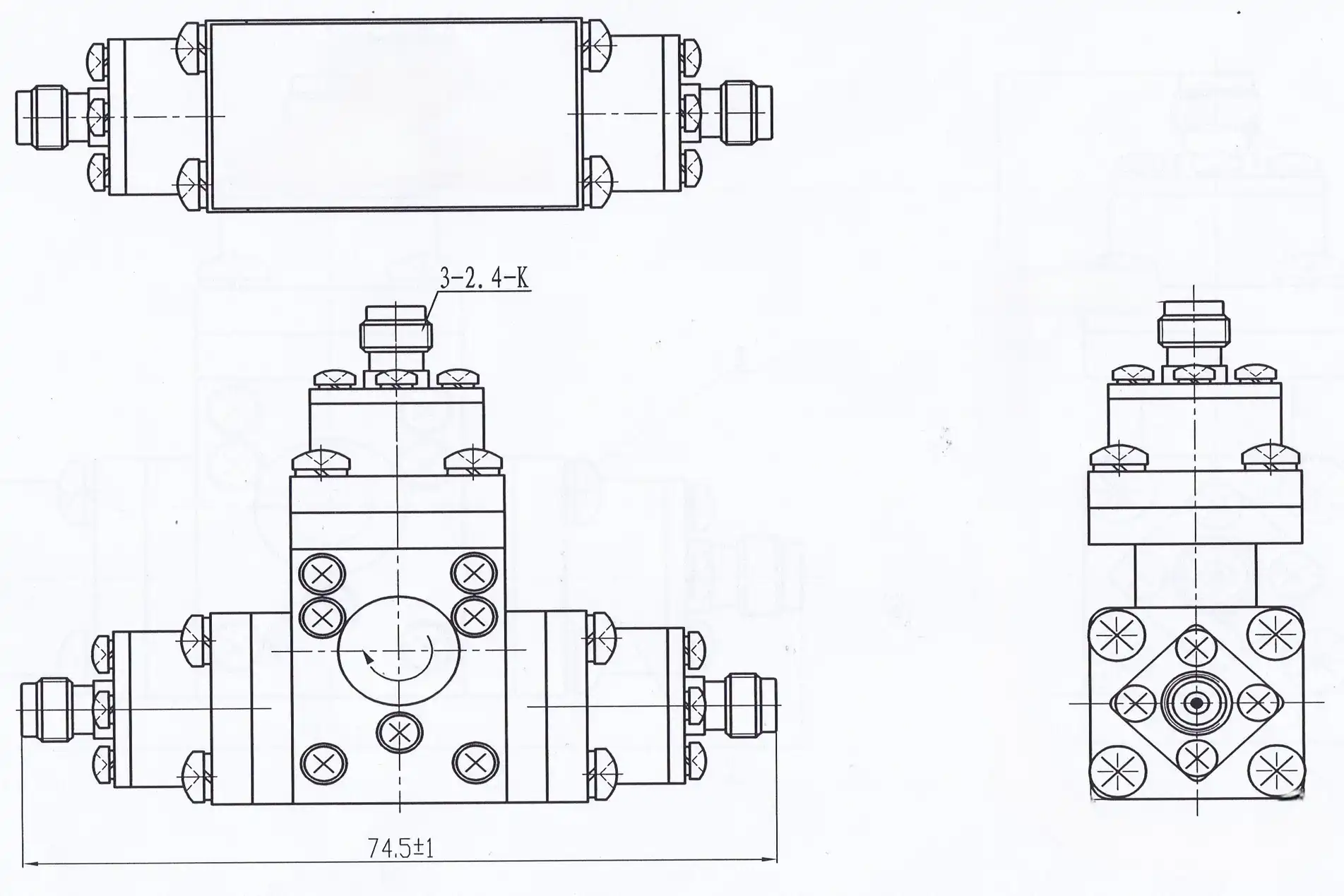
Broadband Coaxial Circulator designs have helped us at Advanced Microwave Technologies Co., Ltd. solve some of the most difficult problems in microwave system design. These special parts are very different from regular curved components because they use a different geometric approach to reroute signals. A Broadband Coaxial Circulator has a compact shape and an internal reflective plane that acts as an impedance transformer, making up for the reactive breaks that happen at sharp junctions. The electromagnetic wave hits this carefully designed surface and reflects back in a way that helps it move in a new direction with little energy loss.
Operating Principles and Performance Parameters
A big problem in RF engineering is how to change the direction of a signal in a small space without losing a lot of power through reflection or Voltage Standing Wave Ratio (VSWR). This design solves that problem. Because they provide a small footprint, traditional bulky components can't be used in applications with limited space, like radar modules in the air or satellite payload assemblies. Precision in geometry is very important. With precision machining, we can make cuts with ±0.01mm accuracy, which makes sure that the electromagnetic field is spread out evenly at the reflective junction. At this level of accuracy, there are no field concentration points that could cause high-power applications to fail.
Critical Role in Advanced Microwave Systems
Choosing the right material is very important for how well a component performs. The oxygen-free copper (OFC) construction of our products keeps conductor losses to a minimum across the Broadband Coaxial Circulator's entire frequency range. Adding silver or gold plating as an option lowers the surface resistance even more and protects against corrosion better. This is especially helpful for outdoor installations or marine settings where salt fog is a concern. While the joint is mitered, impedance matching features like chamfers or compensating steps get rid of any remaining capacitive reactances. This makes the return loss performance better than 25dB across the whole operating bandwidth.
Comparing Broadband Coaxial Circulators with Other Solutions
Distinctions from Isolators and Waveguide Circulators
Knowing how Broadband Coaxial Circulator units compare to other routing options helps procurement teams make choices that balance technical needs with installation realities and budget limits. A gradual arc is used by curved components, which are also known as radius bends, to change the direction of a signal. Even though this smooth transition naturally has a wider bandwidth and low reflection, it comes at a big cost in terms of size. This takes up valuable system space. Broadband Coaxial Circulator models take up a lot less space than well-designed curved alternatives, but they require precision-matched structures to maintain bandwidth.
Performance Evaluation Criteria for Procurement
Performance is greatly affected by how the component is positioned in relation to the structure of the electromagnetic field. Since certain configurations tend to have lower insertion loss and easier impedance matching, they are usually the best choice for most situations. Flex components give installers unmatched routing flexibility, letting them make last-minute changes while the system is being put together. However, compared to rigid Broadband Coaxial Circulator designs, they have higher insertion loss and can't handle as much power. Although circular components can handle dual polarization, they need mode converters, which makes the process more expensive and difficult.
How to Choose the Right Broadband Coaxial Circulator for Your Needs
Defining System Requirements and Operational Parameters
To pick the right Broadband Coaxial Circulator, you need to carefully look at the technical specs, the environment, and the supplier's skills. First, choose the frequency band that will be used. From 0.3GHz to 110GHz, our Broadband Coaxial Circulator designs can handle all kinds of frequencies, from old communication systems to cutting-edge millimeter-wave uses. The size needs to be right for the frequency range of your system. For example, WR-90 is right for X-band (8–12 GHz), WR-62 is right for Ku-band (12–18 GHz), and so on. When components don't match, they cause impedance discontinuities that slow down the system.
Evaluating Technical Specifications from Datasheets
What materials are used and how they handle heat depend on how much power they need to handle. Standard Broadband Coaxial Circulator models can handle continuous wave (CW) power levels of up to 5kW, which is enough for most radar and communication uses. For higher power systems, custom designs may be needed with built-in heat sinks or ceramic thermal interface materials to keep performance from dropping when temperatures get too high. Sizes and shapes are important, especially in installations with limited space. Be sure to carefully measure the space you have, taking into account not only the component but also the hardware for mounting and any clearance needed for maintenance.
Procurement Considerations for B2B Buyers
Standard catalog parts can work for a lot of different uses, Broadband Coaxial Circulator, and are cheaper and easier to get in large quantities. Custom engineering is needed when your system needs to work in unusual frequency bands, with non-standard flange types, or in harsh environmental conditions. At ADM, our OEM services include customizing parameters like frequency range, bend angle, and power handling; adapting interfaces to non-standard sizes or configurations; and improving performance for certain situations. We offer electromagnetic simulations before the sale to make sure that the custom design will work properly in your system architecture.
Procuring Broadband Coaxial Circulators: Supplier Insights and Best Practices
Identifying Credible Manufacturers and Authorized Channels
Successful Broadband Coaxial Circulator procurement includes more than just matching technical specifications; it also includes managing costs and building relationships with vendors. The cost of materials depends on the price of copper and the type of plating used. For example, silver-plated parts are more expensive but have better conductivity and resistance to corrosion. Tougher tolerances, higher frequencies, and custom features all make manufacturing more difficult. Knowing these cost drivers helps you negotiate better and make more accurate budgets. If a supplier has ISO 9001 certification, it means they have a strong quality management system.
Navigating the Ordering Process and Custom Specifications
It's important to pay close attention to lead times when planning a project. Catalog Broadband Coaxial Circulator items can usually be shipped in two weeks, but custom designs take six to ten weeks because they need time for engineering, making a prototype, testing it, and getting approval. Talk about your deadline needs early on in the procurement process, and if you want to be ready for any unexpected delays, you might want to keep a safety stock of important parts. Risk reduction is a valuable benefit of sample evaluation programs. Before you buy a lot, ask for sample units to test in your real system environment.
Importance of After-Sales Support and Documentation
Support after the sale is what sets great suppliers apart. Technical advice helps solve problems with integration and improves the performance of the system. Support for custom manufacturing lets you act quickly when changes to the design mean that parts need to be changed. The warranty protects you against early failures and mistakes in the manufacturing process. Our expert engineering team at ADM helps with installation, performance testing, and ongoing technical support to make sure that the Broadband Coaxial Circulator works well and is reliable in the long term.
Real-World Case Studies and Success Stories
5G Infrastructure Deployment Challenges and Solutions
When small signal routing between transmitters, receivers, and antenna arrays is needed in radar systems and 5G base stations, the Broadband Coaxial Circulator is a must. These are the best choice for defense contractors and aerospace system integrators because they keep signals intact while taking up 30–50% less space than curved alternatives. Ground stations for satellite communication use these parts to send signals from feed horns to transceiver modules. Our versions can handle Broadband Coaxial Circulator temperatures ranging from -45°C to +85°C and keep working even when they're vibrating a lot.
Aerospace System Performance Enhancements
To work at their best throughout the lifecycle of a system, even the best Broadband Coaxial Circulator parts need to be installed and maintained correctly. Electrical performance is greatly affected by the quality of the mechanical assembly. For accurate alignment, it's important to carefully measure and use fixtures when putting things together. Support component runs well so they don't sag, which could put stress on the connections. Vibration-dampening mounts and thread-locking compounds on fasteners are used to keep connections strong in places with a lot of vibration, like airplanes or mobile radar installations.
Conclusion
It's important to find the right Broadband Coaxial Circulator by weighing technical performance, physical limitations, and cost. When space is limited and traditional curved designs won't work, these units are the best option because they can redirect signals with little loss and great return loss properties. When engineers and procurement professionals know the pros and cons of different routing options, they can make decisions that are best for the application. Companies can make their microwave systems more reliable and efficient by working with experienced manufacturers who offer technical support and full-service help.
FAQ
1. What frequency ranges do broadband coaxial circulators typically cover?
The frequency range of the Broadband Coaxial Circulator is very wide, going from 0.3GHz at the low end to 110GHz at the millimeter wave range. Different sizes have different frequency ranges. Units with bigger cross-sections can handle lower frequencies, while units with smaller cross-sections handle higher frequencies. Common sizes are used for the X-band (8-12 GHz) and Ku-band (12-18 GHz) frequency ranges used for satellite communication and radar applications.
2. How can I verify supplier authenticity when procuring these components?
If a supplier has ISO 9001 certification, it means they have a strong quality management system. The labs at ADM have high-tech microwave measuring tools that can work up to 110 GHz. This lets them check the performance of every Broadband Coaxial Circulator thoroughly before sending it out. We have a 24-meter microwave darkroom that is the best place to test components, handling both near-field and far-field measurements across the 0.5–110 GHz frequency range.
3. Are custom configurations available for specialized industrial applications?
Customization is one of ADM's main skills. We can change frequency ranges, bend angles, and power handling specs for the Broadband Coaxial Circulator to fit different application needs. Interface customization lets you use non-standard sizes or specific types, and dimensional optimization lets you fit them into devices that are smaller than usual. During the design process, our technical team works with customers and provides electromagnetic simulation to check performance before fabrication starts.
Partner with ADM for Your Broadband Coaxial Circulator Requirements
Advanced Microwave Technologies Co., Ltd brings over two decades of RF component expertise to your most demanding applications. As a trusted Broadband Coaxial Circulator manufacturer, we maintain ISO 9001:2008 certification and RoHS compliance while operating one of Asia's most advanced testing facilities—our 24-meter microwave darkroom with measurement capabilities extending to 110 GHz ensures every component meets precise specifications. Our engineering team collaborates with procurement professionals to optimize Broadband Coaxial Circulator selection for defense, aerospace, satellite communications, and 5G infrastructure projects. Whether you need catalog configurations for rapid deployment or custom-engineered solutions for unique challenges, we provide comprehensive technical support from initial specification through installation guidance. Contact our team at craig@admicrowave.com to discuss your project requirements, access detailed performance data, and receive competitive pricing on both standard and high-volume Broadband Coaxial Circulator orders.
References
1. Linkhart, Douglas K. Microwave Circulator Design, 2nd Edition. Artech House, 2014.
2. Pozar, David M. Microwave Engineering, 4th Edition. John Wiley & Sons, 2011.
3. Baden Fuller, A.J. Ferrites at Microwave Frequencies. IET Electromagnetic Waves Series, 1987.
4. Helszajn, J. The Stripline Circulators: Theory and Practice. IEEE Press Series on Electromagnetic Wave Theory, 2008.
5. Collin, Robert E. Foundations for Microwave Engineering, 2nd Edition. IEEE Press, 2001.
6. Fay, C.E. and Comstock, R.L. "Operation of the Ferrite Junction Circulator." IEEE Transactions on Microwave Theory and Techniques, vol. MTT-13, no. 1, 1965, pp. 15-27.
YOU MAY LIKE
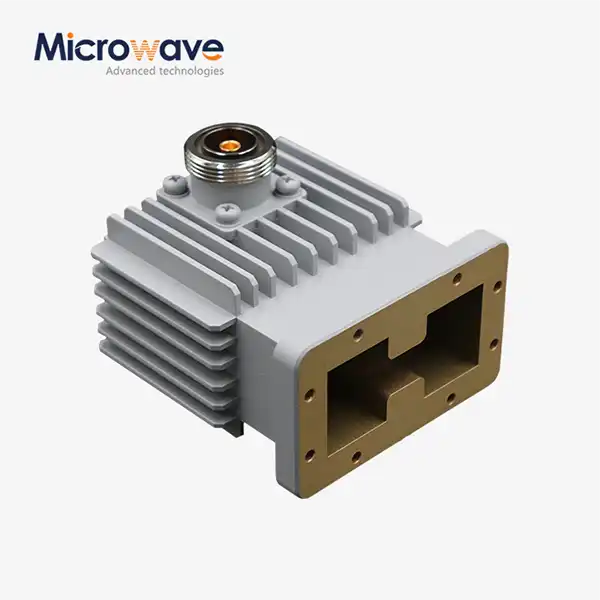 VIEW MOREHigh Power Waveguide to Coaxial Adapter
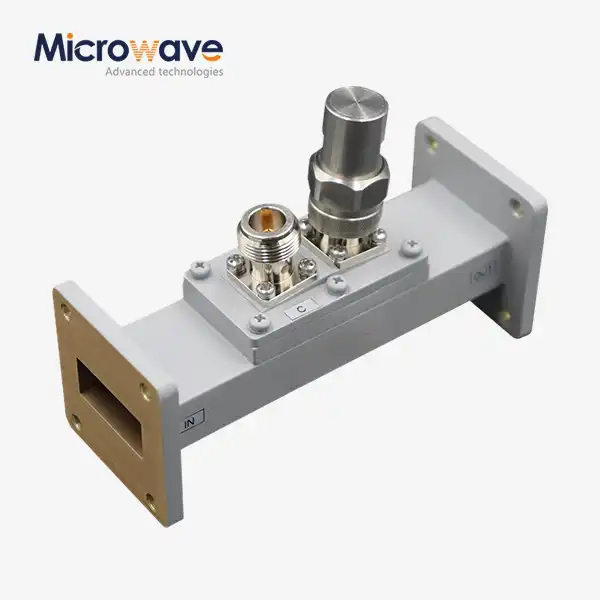 VIEW MOREWaveguide Loop Coupler
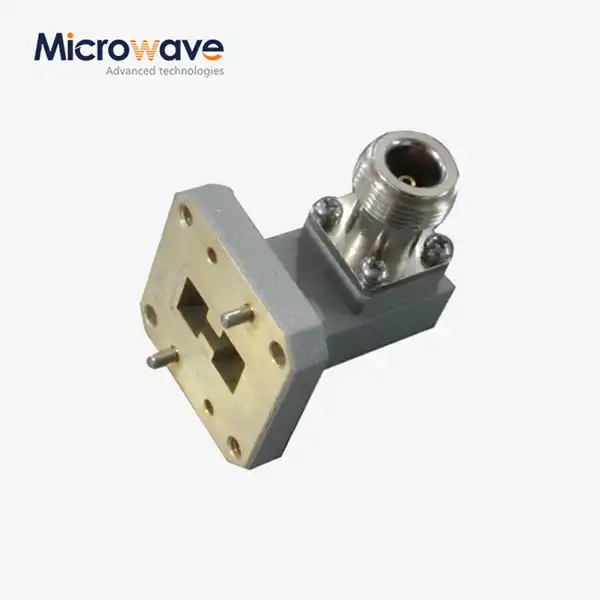 VIEW MORERight Angle Double Ridged WG To Coaxial Adapter
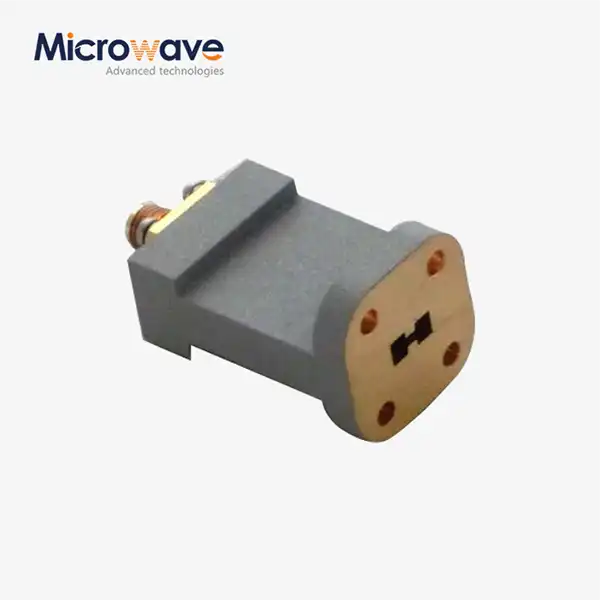 VIEW MOREEnd Launch Double Ridged WG To Coaxial Adapter
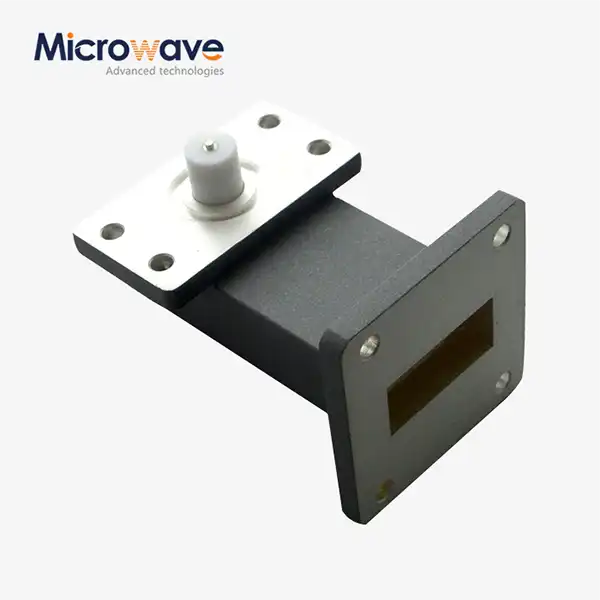 VIEW MORERight Angle Waveguide to Microstrip Adapter
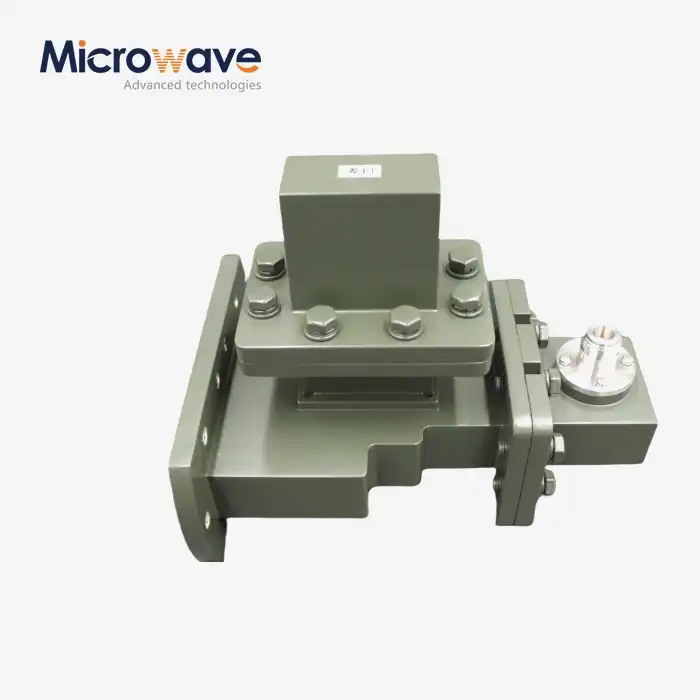 VIEW MOREE-Plane Tee
 VIEW MOREH-Plane Tee
 VIEW MORECrossguide Directional Coupler