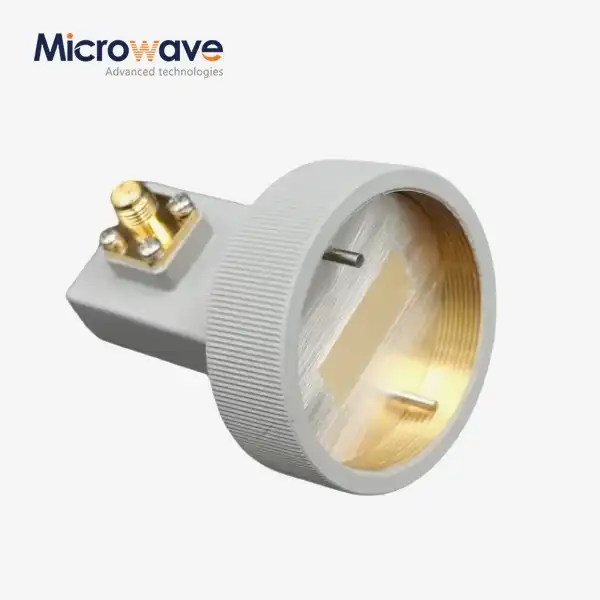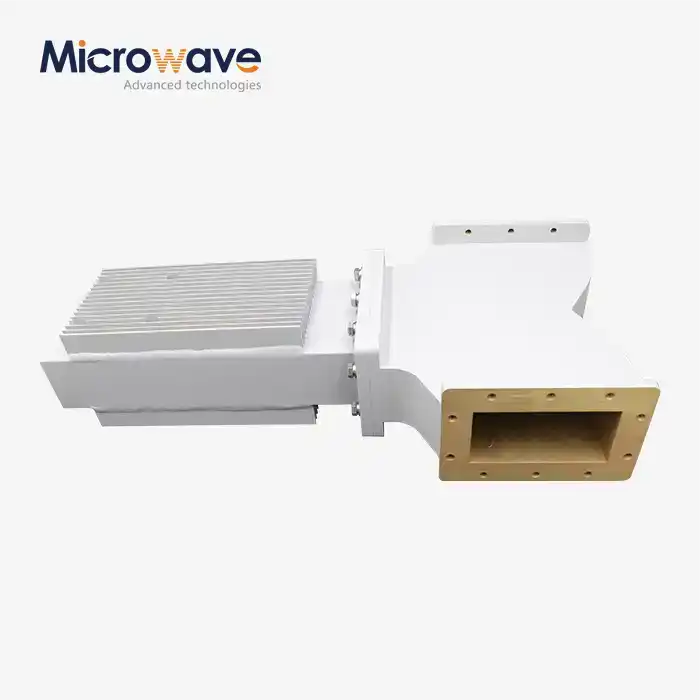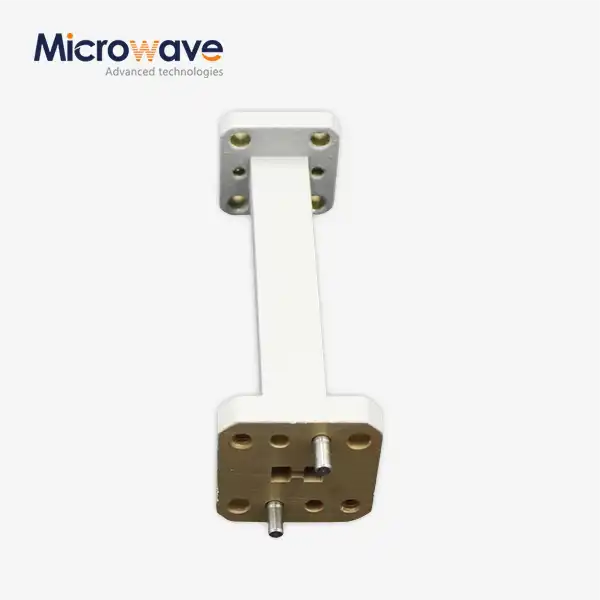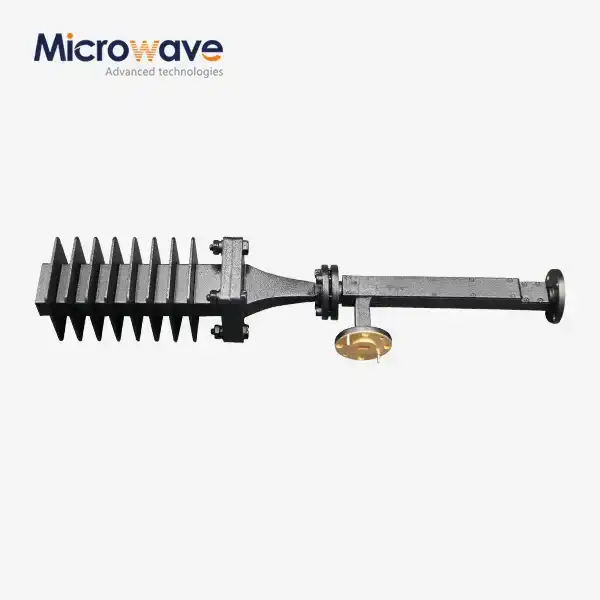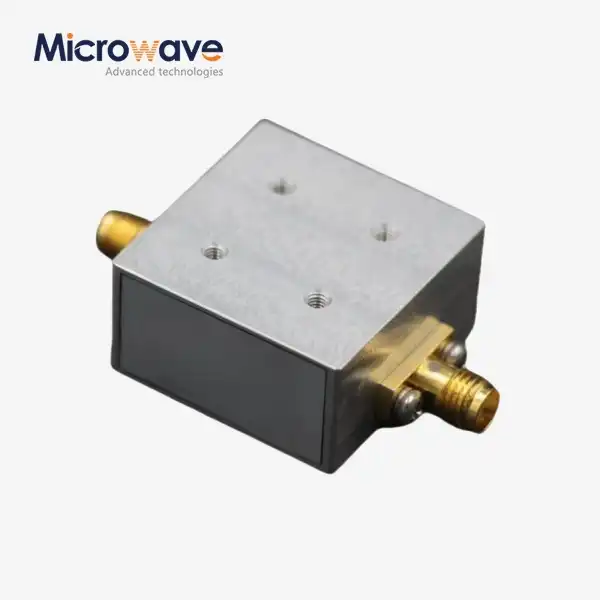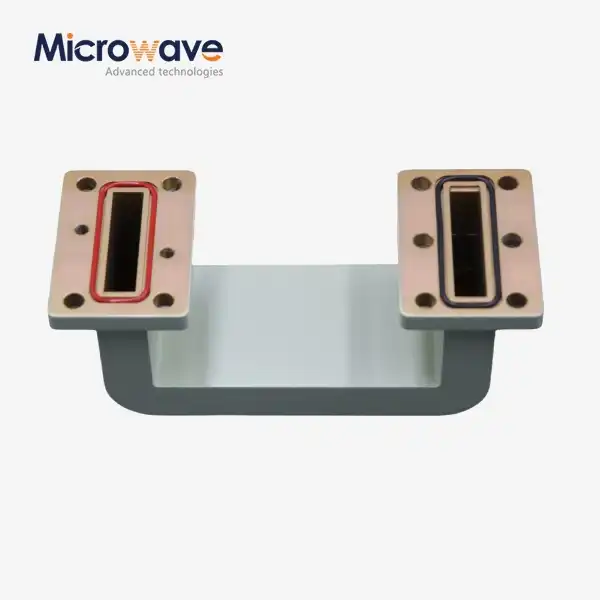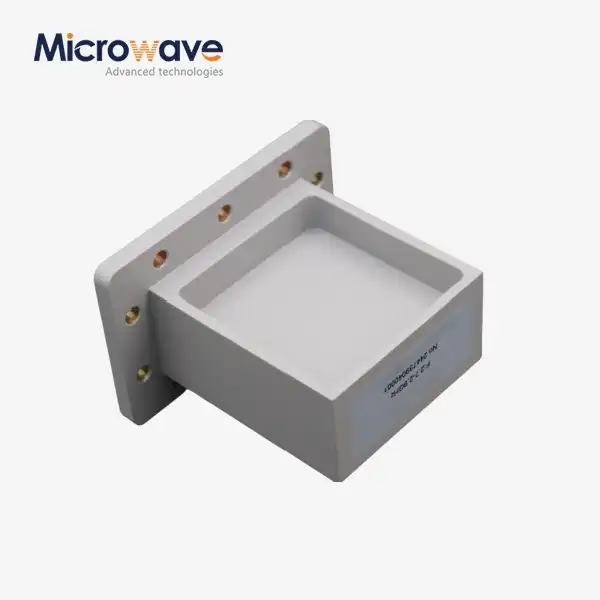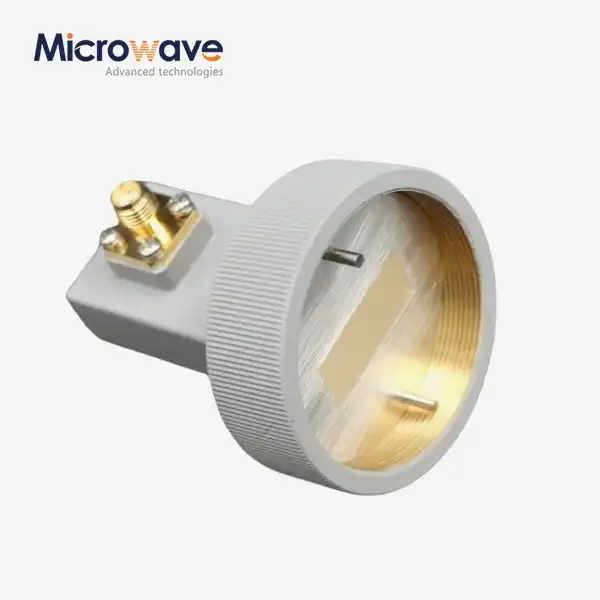





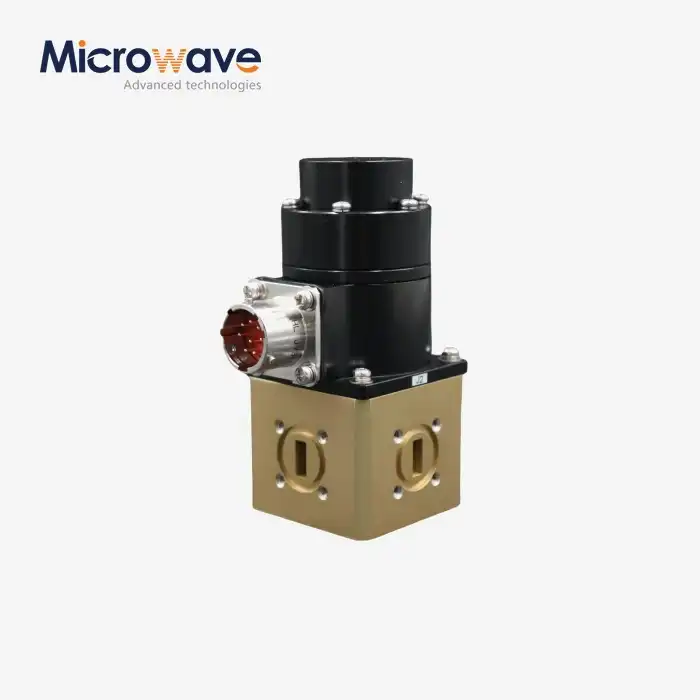
Waveguide Switch
Waveguide Switch for Microwave & RF Systems
Advanced Microwave Technologies Co., Ltd. (ADM) designs and manufactures waveguide switch components for RF and microwave systems operating from 1 GHz to over 110 GHz. Insertion loss of 0.05 dB to 0.1 dB, VSWR at or below 1.10:1, and isolation above 70 dB are all examples of performance that has been measured. There are many uses for this technology, such as in radar platforms, satellite earth stations, electronic defences, and automated test tools. ADM has a 24 m Microwave Darkroom that covers frequencies from 0.5 GHz to 110 GHz so that they can test the performance of their products before they are shipped.
What Is a Waveguide Switch?
A product is a machine or an electronic device that moves high-frequency radio frequency energy between waveguide channels. Since waveguide structures don't use coaxial conductors but hollow metal tubes, they lose signals much less at millimeter-wave and microwave frequencies than coaxial alternatives. This is a property that becomes more important above 18 GHz.
The device decides which transmission path to use, moves signals between channels, or completely cuts off a port. The main performance issue for this class of components is to keep insertion loss, return loss, and port-to-port leakage well below certain levels.


Key Technical Specifications
Parameter | Value |
Frequency Range | 1 GHz – 110 GHz (L-Band to W-Band) |
Insertion Loss | 0.05 dB – 0.1 dB |
VSWR | ≤ 1.10:1 |
Isolation | > 70 dB (up to 80 dB) |
Waveguide Size | WR-22 to WR-650 |
Flange Standards | COVER, CHOKE, CPR, UBR |
Pressurization Support | Nitrogen or SF6 gas |
Housing Material | Aluminum or copper alloy, silver- or gold-plated |
Actuation Type | Electromechanical (Latching or Failsafe) / Manual |
Construction and Materials
ADM waveguide switches are made from copper or aluminium alloys that are cut and then plated with silver or gold. The plating makes the waveguide wall more electrically conductive and protects against corrosion in environments that are wet, salty, or that change temperature quickly.
To keep the impedance stable and lower the risk of arcing when the drive is at full power, the internal gap between the rotor and stator is carefully polished. If voltage breakdown is a problem, Nitrogen or SF6 can be used to pressurise the cavity and make the atmosphere inside it stronger as a dielectric.
Waveguide sizes range from WR-22 to WR-650, and flange interfaces come in COVER, CHOKE, CPR, and UBR formats. This means that the switch can be directly installed on standard waveguide assemblies without any extra steps.
Latching vs. Failsafe Actuation
Which type of actuation to use depends on how the system needs to work when the power goes out and when it's on.
Permanent magnets in latching switches keep the rotor in the last place that was told it to stay in without a constant drive current. This feature lowers the average power use and is often used in satellite payload switching where power funds are limited.
When the power to the drive is turned off, failsafe switches go back to a set default position. Continuous current is needed to hold a non-default position. This is the best way to handle things when a known safe signal path needs to be restored automatically when the power goes out.
To set the rotor position on a manual switch, you use a knob or lever with a detent device. The detent physically confirms the chosen state and stops the part from moving in between positions. Manual versions work well on test benches, in places where repair workers need to get to, or in other places where automatic switching is not needed.
Application Scenarios
Satellite Earth Station Redundancy
The products are set up in 1:1 or 1:N redundancy configurations in teleport centers. The switch sends the uplink feed to a standby unit when the main high-power amplifier goes offline. In this case, latching actuation is common because no standby power is used while the switch is in place.
Naval and Airborne Radar Systems
Products are used to send and receive RF energy between the antenna, transmitter, and receiver modules on military radar platforms. Parts for these systems need to be able to handle high-G vibration, salt fog, and the pulse characteristics of magnetron or klystron sources.
High-Energy Physics and Medical Accelerators
High-power RF fields are sent into accelerating cavities by switches in proton therapy centers and physics research labs. To keep the dielectric from breaking down, it is sometimes necessary to operate under SF6-pressured or high-vacuum conditions.
Test and Measurement Systems
In automatic test equipment, a waveguide switch sends signals from the thing being tested to the measuring tools. Making sure that the switch has low insertion loss and high isolation keeps the accuracy of the measurements throughout the whole test sequence.
ADM's Testing Infrastructure
The microwave darkroom that ADM runs is 24 m long and has an antenna plane near and far field measuring recombination chamber. The facility can measure in both near-field and far-field modes and covers frequencies from 0.5 GHz to 110 GHz. This means that parts can be checked across their full rated frequency range before they leave the plant.
ADM has offices in Xi'an, Chengdu, Beijing, Tianjin, and Shijiazhuang. It also has a separate R&D lab that helps with both buying standard products and doing custom engineering work for projects in communication networks, aerospace, and satellites.
FAQ
Q: What's the difference between latching and failsafe products in real life?
A: A failsafe switch goes back to a set position when the power goes out. It needs a steady flow of current to stay in any other position. A latching switch uses permanent magnets to stay in the last position you told it to stay in, and it doesn't use any standby current. When saving power is important for the design, the locking type is usually the best choice.
Q: How is arcing stopped when the power is high?
A: The gap between the rotor and the stator is carefully machined to keep the impedance constant and lower the field concentration. In cases where dielectric breakdown is a problem, Nitrogen or SF6 can be used to raise the breakdown threshold inside the cavity.
Q: Is hot switching — switching while RF is active — supported?
A: It's not a good idea to switch high-power signals on and off quickly. Arcing across the contacts on the rotor during the shift can damage them. Most system designs have an interlock that stops the RF source for a short time during the change event.
Q: Why is it important for a product to be isolated?
A: High isolation, like 80 dB, stops energy from the send path from coupling into the receive path. Many leaks, even small ones, can damage or overload low-noise amplifiers that are further downstream.
Q: What kind of upkeep do electrical items need?
A: Designs that are sealed don't need much regular upkeep. It is a good idea to check the drive voltage and connector contact state on a regular basis. It is standard practice in high-cycle installations to keep track of the number of actuations and use that information to plan preventative maintenance.
Q: What waveguide sizes and flange types are out there?
A: ADM supports WR-22 to WR-650 waveguide sizes with COVER, CHOKE, CPR, and UBR flange standards. Based on the needs of the system, custom configurations can be talked about.
Contact Us
To discuss a specific Waveguide Switch requirement or request a quotation, contact ADM directly at craig@admicrowave.com. Standard and custom configurations are available.