





Waveguide Gasket Materials for RF Sealing Performance
Waveguide gasket materials are an important part of high-frequency radio frequency (RF) systems because they keep signals pure and stop electromagnetic disturbance, which can make or break a mission. These special seals are very different from regular industrial gaskets because they do two things: they keep out moisture and other contaminants, and they make sure that electricity flows smoothly across waveguide flange joints. Choosing the right material has a direct effect on insertion loss, voltage standing wave ratio (VSWR), and long-term dependability in a wide range of situations, from radar bands in the sky to satellite ground stations. When buying, teams know how different seal materials work, so they can match the specs of parts with the needs of operations.
Understanding Waveguide Gaskets and Their Role in RF Sealing
Defining Waveguide Gaskets and Their Primary Function
Waveguide gaskets are precisely designed connections between plates that fit together in RF transmission systems that work in frequency ranges from 1 GHz to more than 110 GHz. Unlike most seals, these parts have to deal with two technical problems at the same time: keeping the surroundings clean in pressure waveguide systems and stopping RF energy from leaking through tiny holes that could otherwise act as slot antennas. Because the seal is conductive, low-resistance electrical lines are created across the joint. This keeps the impedance matching and reduces signal echoes.
How Material Properties Influence RF Performance
The electromagnetic behavior of gasket materials comes from the fact that they are usually made up of conductive fillers and flexible binders. Conductivity is provided by silver-coated aluminum particles, copper meshes, or nickel-graphite compounds. Mechanical strength is provided by silicone or fluorosilicone structures. This mix makes controlled surface resistance values, usually less than 0.05 ohms per square inch, which are needed to keep shielding efficiency above 90 dB across all operating frequencies. How well the gasket fits into rough spots on the flange is affected by how compressible the material is. This has a direct effect on the resistance to touch and the stability of the seal.
Industry Applications Demonstrating Critical Requirements
For high-altitude flight operations, aerospace radar systems need seals that can keep the electricity flowing even when there is a lot of shaking and temperature changes from -55°C to +125°C. Ground stations for satellite communication need materials that can handle continuous high-power transfer without breaking down or releasing gases in waveguide systems that are under pressure. When two different metals are pressed together in naval defense systems that are exposed to salt spray, they need gaskets that are resistant to galvanic corrosion. This keeps electrochemical reactions from happening that could damage the mechanical seals and EMI protection over long periods of time.
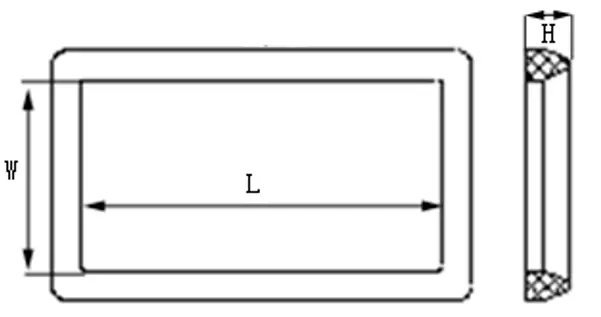
Critical Waveguide Gasket Materials and Their Performance Attributes
Silicone-Based Conductive Gaskets
Because they don't change much in temperature and can bend easily, silicone elastomers filled with electrical bits are the most common type of RF seal used in everyday life. Standard silicone versions keep working at temperatures ranging from -60°C to +200°C, and they can adapt to changes in the flange surface through controlled compression deformation. The material has great healing properties after being compressed many times, but it doesn't have as much chemical protection as fluorinated materials. The most common type is silver-aluminum-filled rubber, which works well for both aircraft and telecommunications systems.
Fluorosilicone Composite Materials
Fluorosilicone binders give silicone gaskets better chemical resistance, which is needed in places where jet fuels, hydraulic fluids, and industrial solvents are present and would quickly break down regular waveguide gaskets. This type of material keeps working the same way at high temperatures as regular silicone and doesn't swell or lose its mechanical properties in dirty places. Fluorosilicone gaskets are often used in military airplanes for electronics bay waveguide assemblies, where the closeness of hydraulic systems could pose an exposure risk. The trade-off is that the cost of materials is about 15 to 20 percent higher than for regular silicone formulas.
Metalized Fabric and Wire Mesh Options
Woven wire mesh seals made from tin-plated copper, monel, or aluminum offer better EMI protection than 110 dB, which makes them perfect for high-power transmission uses where even a little RF loss is not acceptable. These designs are very good at conducting electricity, but they need to be carefully torque-controlled during fitting to keep them from deforming permanently. Metal mesh gaskets work very well in cryogenic environments (colder than -269°C), supporting specialized research setups and space-qualified gear where flexible materials would break down and become rigid.
When these types of materials are compared, they show basic trade-offs that buying teams need to think about in light of different working patterns. When used in mild settings, silicone-based choices are flexible and cost-effective. Fluorosilicone is worth the extra cost when chemical contact could damage the bond. Metal mesh designs are used in specific situations that need the best protection or performance in high temperatures, and the fact that they can't be used again is a practical limit.
How to Choose the Best Waveguide Gasket Material for Your RF Sealing Needs?
Matching Material Properties to Operating Conditions
The first step in defining performance standards is to write down the frequency band, expected power levels, and external exposure characteristics. Ka-band systems that work above 26 GHz need seals that are smaller and have tighter quality control to keep impedance discontinuities from happening. C-band or X-band systems that work at lower frequencies can use materials that are a little bigger. Material choice is based on high temperatures. For example, silicone or fluorosilicone formulas are needed for aircraft uses, but normal rubber compounds may work fine for ground-based telephony equipment in climate-controlled settings.
Custom Versus Standard Solutions
Standard gasket shapes that fit popular flange types (UG-series, MIL-DTL standards) make known designs available right away and save money. Custom-engineered gaskets are needed when there are unique flange shapes, odd mounting stress conditions, or performance needs that go beyond what is listed in a catalog. Advanced Microwave Technologies Co., Ltd makes both options possible by keeping standard waveguide gaskets in stock and also offering fast prototyping for unique needs. Our research team looks at the customer's requirements and makes suggestions on the best materials to use. They often find standard solutions that meet the specific performance needs at lower unit costs and shorter wait times.
Lifecycle Cost and Procurement Economics
The total ownership costs must be calculated by taking into account more than just the initial unit price. Replacement costs, installation work, and system downtime must also be taken into account. Even though they cost more, higher-quality gaskets with known compression set traits and longer service lives often end up being more cost-effective. This is especially true in situations where accessing the flange takes a lot of removal. The length of a warranty shows how confident the maker is in the performance of the material. Suppliers who offer longer guarantees usually have better quality control procedures. When you buy in bulk, the cost per unit goes down, but you have to weigh the costs of keeping supplies against the risk of becoming obsolete if system designs change during long projects.
Installation and Maintenance of Waveguide Gaskets for Optimal Performance
Step-by-Step Installation Best Practices
The first step in a proper installation is to check the flange surfaces for any damage, such as scratches, rust, or debris that could affect the integrity of the seal or the flow of electricity. Isopropyl alcohol and lint-free wipes can be used to clean contact surfaces. Avoid using rough materials that could leave surface flaws. Place the seal evenly on the base and make sure that the holes or other features that show the direction match up correctly. Gradually apply pressure in a star pattern across the mounting bolts until they are tightened to the manufacturer's recommended levels, which are usually designed to achieve 10-15% compression displacement. When the torque is too high, it breaks conductive particles and forces material into the waveguide hole. When the torque is too low, it fails to make good electrical contact.
Common Pitfalls to Avoid
The most common fitting mistake is using seals that have already been taken apart. When conductive elastomers are first torqued, they go into a permanent compression set that stops them from reestablishing optimal electrical contact or environmental sealing when they are replaced. When moisture is present, filler materials that don't match the flange metals form galvanic corrosion cells that break down both the seal and the gear around it very quickly. When you store seals in places that you can't control, they are exposed to ozone, UV rays, and high temperatures that make them age faster even before they are installed.
Maintenance Protocols for Long-Term Reliability
The frequency of routine inspections depends on how hard the job is. In harsh sea settings, checks are done every three months, while in climate-controlled land stations, they are done once a year. The main goal of the visual examination is to find signs of heat decay, such as cracks on the surface or compression set greater than 25%. By measuring VSWR and insertion loss during routine repair, you can get a good idea of how badly the gasket is failing before it fails. Monitoring the environment should keep an eye on chemicals, temperature changes, and water getting in, which could speed up the aging process beyond what was planned.
Procurement Insights: Where and How to Source High-Quality Waveguide Gasket Materials
Evaluating Supplier Capabilities and Quality Standards
To find dependable waveguide gasket makers, you need to check that they have ISO 9001 quality management certification and RoHS compliance to make sure they can work with the global supply chain. Suppliers who test materials in-house can give documented data on shielding effectiveness, compression-deflection curves, and environmental aging test results that can help with material selection. Having experience making RF parts shows that you know the unique needs that make waveguide gaskets different from other industry covers. Advanced Microwave Technologies Co., Ltd. is certified to ISO 9001:2015 and has testing labs with measurement tools that cover DC to 110 GHz. This lets them check the RF performance of gaskets in a wide range of frequencies.
Key Purchasing Parameters for B2B Procurement
Lead times are very different for regular stock items (usually 2 to 4 weeks) and custom-designed solutions that need material approval and machine development (8 to 12 weeks). Minimum order numbers show how much it costs to make something. For example, normal seals can be shipped in as few as 10 units, but unique designs usually need 100-piece minimums to make up for the cost of the tools. When setting prices, it's important to take number breaks into account. Usually, unit costs drop significantly at 500 and 1,000 pieces. For global programs to work, international shipping operations are essential, and providers need to be able to handle export paperwork and have established freight handling relationships.
After-Sales Support as a Quality Indicator
Premium waveguide gasket providers are different from basic vendors because they offer full expert help. Access to application experts who can suggest fitting methods, fix performance problems, and suggest different materials for unexpected working situations adds a lot of value on top of the physical part. Manufacturers usually back their products with a warranty that lasts between 12 and 24 months for properly placed seals that work within certain weather limits. At ADM, our team offers ongoing expert advice throughout the entire duration of a product, from creating the original specifications to supporting placement in the field and checking the product's performance.
Conclusion
When choosing the right waveguide gasket materials, you need to think carefully about the RF performance needs, the surroundings, and the cost over the product's lifetime. Different types of materials, from silicone elastomers to metal mesh, each have their own benefits for different uses. The two functions of electromagnetic protection and environmental sealing that describe these important parts can be maintained by following the right installation and care steps. When you work with experienced providers who know about both material science and RF system needs, you can be sure that you're choosing the best components. This is especially important for mission-critical uses in aerospace, defense, telecommunications, and research, where signal integrity cannot be compromised.
FAQ
Q1: What causes waveguide gaskets to fail prematurely?
Three main things usually lead to premature failure: using too much torque during installation, which either crushes the conductive particles or doesn't set up enough compression; being exposed to environmental conditions that are too harsh for the material (high or low temperatures, chemicals); or using waveguide gaskets that have already been permanently compressed. In wet places, galvanic rust between filler metals that don't mix with plate materials speeds up the breakdown process.
Q2: How do you select between silicone and fluorosilicone gaskets?
Standard silicone seals can be used in a lot of different situations with a wide range of temperatures and no chemical contact. When seals come in contact with jet fuel, hydraulic fluids, solvents, or oils, which make regular silicone grow and lose its mechanical qualities, you need to use fluorosilicone instead. The choice strikes a mix between the need for chemical protection and the 15-20% higher cost that fluorosilicone gets.
Q3: Can gasket thickness affect RF performance?
Gasket thickness directly influences electrical path length and impedance matching. Thicker gaskets accommodate larger flange surface flaws, which can be handled by thicker seals, but they may cause impedance gaps at higher frequencies. Standard widths (0.027" to 0.032") are designed to be a balance between how well they seal and how well they work with RF waves. To avoid compression blowout or poor electrical contact, custom thickness specs need to be carefully studied.
Contact ADM for Expert Waveguide Gasket Solutions
Advanced Microwave Technologies Co., Ltd has been making things for more than 20 years and can make precision waveguide gaskets that are exactly what you need. Our engineers can help you choose the right materials, make unique designs, and make quick prototypes. They use quality systems that are ISO 9001:2015 certified to back up their work. We have the scientific knowledge and manufacturing ability to meet the most demanding needs in aircraft, military, and telecommunications, whether you need standard stock parts or solutions that are tailored to your unique needs. Email craig@admicrowave.com to talk to one of our experts about your RF sealing problems and find out how our waveguide gasket supply services can improve the performance and stability of your system.
References
1. Parker, R.J. and Mitchell, D.S. (2019). Electromagnetic Interference Shielding Materials for Microwave Systems. IEEE Press Series on Electromagnetic Wave Theory.
2. Johnson, T.L. (2021). "Material Selection Criteria for High-Frequency Waveguide Flanges." Journal of RF Engineering and Telecommunications, 47(3), 215-234.
3. Anderson, K.M. and White, P.G. (2020). Gasket Technology for Aerospace Applications: Design, Materials, and Performance. Society of Automotive Engineers International.
4. Chen, H.Y. (2022). "Comparative Analysis of Conductive Elastomers in EMI Shielding Applications." Materials Science and Engineering B, 278, 115-129.
5. Roberts, D.A. (2018). Waveguide Components: Theory, Design, and Practical Implementation. Artech House Microwave Library.
6. Thompson, S.K. and Martinez, L.R. (2023). "Environmental Degradation Mechanisms in Conductive Gasket Materials." IEEE Transactions on Components, Packaging and Manufacturing Technology, 13(2), 298-312.
YOU MAY LIKE
 VIEW MORELow Phase Noise Amplifier
 VIEW MOREAc Power Amplifier
 VIEW MOREVoltage Controlled Phase Shifter
 VIEW MOREStandard Horn Antenna
 VIEW MOREConical Horn Lens Antenna
 VIEW MOREPoint Focusing Horn Lens Antenna
 VIEW MORECorrugated Horn and Multimode Horn Antenna
 VIEW MOREMini Wideband Double-ridged Horn Antenna
