





Waveguide Coupling Fixed Attenuator Features Every Engineer Should Know?
Waveguide Coupling Fixed Attenuators represent sophisticated passive components engineered to precisely control signal power in high-frequency microwave and RF systems. These devices utilize directional coupling principles to achieve accurate attenuation levels while maintaining signal integrity across broad frequency ranges. Engineers working with satellite communications, radar systems, and precision test equipment rely on these components for their exceptional stability and predictable performance characteristics. Understanding their fundamental features enables better system design decisions and procurement strategies for mission-critical applications.
Understanding Waveguide Coupling Fixed Attenuators
Core Operating Principles and Design Architecture
Waveguide coupling fixed attenuators work through advanced electromagnetic coupling components that specifically diminish signal power without compromising waveform characteristics. These gadgets consolidate precision-engineered coupling apertures or test arrangements inside waveguide structures, creating controlled power extraction paths. The coupling mechanism depends on electromagnetic field interaction between the fundamental waveguide channel and auxiliary coupling ports, permitting predetermined signal portions to be absorbed and terminated in matched loads. Advanced Microwave Innovations Co., Ltd. produces high-precision broadband fixed attenuators based on full-bandwidth, high-directivity, low-coupling frequency response couplers. These gadgets serve as broadband signal control components and attenuation measures in high-precision measurement applications. The design engineering integrates carefully calculated coupling parameters that remain stable over wide frequency ranges, ensuring consistent attenuation performance.
Technical Specifications and Performance Characteristics
Modern waveguide attenuators deliver exceptional performance over frequencies extending from X-band through millimeter-wave ranges up to 110 GHz. Key performance parameters include insertion loss characteristics, voltage standing wave ratio (VSWR), power handling capabilities, and temperature stability. These specifications directly impact system performance and determine suitability for specific applications. Insertion loss values typically range from 3 dB to 60 dB, depending on coupling design and application requirements. VSWR specifications generally achieve levels below 1.2:1 across operational bandwidths, ensuring minimal signal reflection and maximum power transfer efficiency. Power handling capabilities vary significantly, with high-power versions accommodating kilowatt-level signals while maintaining consistent attenuation characteristics.

Application Areas and System Integration
Waveguide coupling fixed attenuators find broad use in satellite communications systems, including ground stations and 5G network equipment. Radar systems utilize these components for calibration, signal conditioning, and dynamic range optimization. Aerospace and defense applications require attenuators capable of withstanding extreme environmental conditions while maintaining precise performance. Laboratory and testing environments rely on these gadgets for measurement accuracy and signal standardization. Research institutions employ them in experimental setups requiring exact power level control. Industrial applications include environmental monitoring systems, navigation equipment, and specialized measurement instrumentation where signal fidelity remains critical.
Comparing Waveguide Coupling Fixed Attenuators with Other Types
Structural and Performance Differences
Waveguide coupling attenuators differ fundamentally from coaxial and resistive variations in their electromagnetic field control and power handling characteristics. Whereas coaxial attenuators rely on resistive elements embedded within transmission line structures, waveguide coupling devices utilize electromagnetic field interaction for power control. This distinction provides superior power handling capabilities and enhanced frequency stability. Resistive attenuators typically incorporate lossy materials or resistive films to achieve signal reduction, making them susceptible to thermal effects and power limitations. Variable attenuators offer adjustment capabilities but introduce mechanical complexity and potential reliability concerns. Waveguide coupling designs eliminate these drawbacks through passive coupling mechanisms that require no moving parts or power-sensitive components.
Frequency Response and Bandwidth Characteristics
Coupling-based attenuators excel in broadband applications where consistent performance over wide frequency ranges is essential. Their electromagnetic coupling components inherently provide smooth frequency response characteristics without the resonance effects common in resistive designs. This advantage becomes especially significant in millimeter-wave applications where conventional resistive materials exhibit unpredictable behavior. The coupling approach enables precise control over frequency response shaping, allowing engineers to optimize performance for specific transmission requirements. Advanced designs incorporate multiple coupling regions to achieve highly flat response curves over octave or multi-octave frequency ranges. These characteristics make coupling attenuators ideal for wideband measurement applications and communication systems requiring consistent signal handling across diverse frequency channels.
Cost and Reliability Considerations
Manufacturing complexity varies significantly between attenuator types, directly impacting project budgets and procurement decisions. Waveguide coupling attenuators require precision mechanical fabrication and careful electromagnetic design, resulting in higher initial costs compared to basic resistive variants. However, their superior reliability and performance stability often justify the investment in critical applications. Long-term reliability advantages include resistance to resistive element degradation, reduced temperature sensitivity, and enhanced power handling capabilities. These factors contribute to lower maintenance requirements and extended operational lifespans, providing favorable total cost of ownership for numerous applications.
How to Choose the Best Waveguide Coupling Fixed Attenuator for Your Needs
Critical Selection Parameters
Selecting ideal waveguide coupling attenuators requires careful evaluation of various technical parameters aligned with system requirements. Frequency range compatibility represents the primary consideration, ensuring the device operates effectively across all required frequency bands. Attenuation level accuracy and stability directly impact measurement precision and system performance. Power handling requirements must accommodate both average and peak power levels expected in the application. Environmental factors, including temperature range, humidity tolerance, and mechanical stress resistance, ensure reliable operation in demanding deployment conditions. Interface compatibility with existing waveguide systems prevents integration issues and ensures proper electromagnetic sealing.
Coupling Factor and Directivity Requirements
Waveguide Coupling Fixed Attenuator specifications determine the relationship between mainline signal levels and coupled port outputs. Applications requiring precise monitoring or sampling benefit from low-coupling devices that minimize mainline insertion loss. High-coupling applications may require stronger coupling to achieve desired attenuation levels while maintaining adequate isolation between ports. Directivity performance affects measurement accuracy and system isolation characteristics. High-directivity designs provide superior separation between forward and reverse signal components, essential for precise power measurements and system characterization. Advanced designs achieve directivity levels exceeding 30 dB across operational bandwidths.
Manufacturer Evaluation and Brand Comparison
Leading global suppliers including Pasternack, Flann, Maury Microwave, SAGE Millimeter, Anritsu, HUBER+SUHNER, and TE Connectivity offer varying product portfolios with different capabilities and support levels. Pasternack provides broad frequency coverage with standardized designs suitable for general applications. Flann specializes in precision measurement devices with exceptional accuracy specifications. Maury Microwave focuses on high-performance solutions for demanding measurement applications, while SAGE Millimeter excels in millimeter-wave frequency ranges. Anritsu leverages extensive test equipment expertise to deliver measurement-grade attenuators. HUBER+SUHNER emphasizes rugged designs for harsh environment applications, and TE Connectivity offers cost-effective solutions for volume deployments. Advanced Microwave Technologies Co., Ltd. distinguishes itself through comprehensive customization capabilities and over 20 years of technical microwave component expertise. Our ISO 9001-certified manufacturing processes ensure consistent quality, while RoHS compliance meets international environmental standards. The company’s 24-meter microwave darkroom facility enables precise characterization up to 110 GHz, ensuring product performance verification.

Procurement Insights: Buying Waveguide Coupling Fixed Attenuators
Strategic Sourcing and Supplier Evaluation
Effective procurement strategies begin with comprehensive supplier assessment focusing on technical capabilities, quality systems, and support infrastructure. Manufacturers with established track records in high-frequency component design demonstrate proven expertise in electromagnetic modeling and precision manufacturing. Quality certifications including ISO 9001, AS9100, or equivalent standards indicate systematic quality management processes.Technical support capabilities significantly impact project success, particularly for custom applications requiring specialized design modifications. Suppliers offering comprehensive engineering support, including electromagnetic simulation, prototype development, and application guidance, provide added value beyond component supply. Documentation quality, including detailed specifications, test data, and application notes, facilitates system integration and reduces development time.
Global Supply Chain Considerations
International procurement involves multiple considerations including shipping logistics, import regulations, and supply chain reliability. Asian manufacturers often provide cost advantages while maintaining high quality standards, particularly for volume applications. European suppliers typically excel in specialized high-performance products with extensive customization capabilities.Lead time management becomes crucial for project scheduling, especially when custom modifications are required. Established suppliers maintain inventory buffers for standard products while offering reasonable custom design timeframes. Supply chain resilience, demonstrated through multiple manufacturing locations or strategic partnerships, reduces procurement risks and ensures continuity.
Advanced Microwave Technologies Advantage
Advanced Microwave Technologies Co., Ltd. provides comprehensive solutions combining technical expertise with competitive pricing and responsive customer service. Our integrated production and research capabilities enable rapid prototyping and efficient volume manufacturing. The company's global export experience ensures smooth international transactions and reliable delivery schedules.Our OEM services include custom design capabilities spanning materials selection, attenuation level optimization, and waveguide size adaptation. Quick turnaround prototyping accelerates development cycles, while comprehensive technical support encompasses installation guidance and troubleshooting assistance. These capabilities position ADM as a preferred partner for demanding microwave component applications.
Conclusion
Waveguide coupling fixed attenuators provide essential signal control capabilities for modern microwave and RF systems through their precision engineering and reliable performance characteristics. These sophisticated components offer superior frequency response, power handling, and long-term stability compared to alternative attenuation technologies. Understanding their operational principles, selection criteria, and procurement considerations enables engineers and procurement professionals to make informed decisions that optimize system performance while managing project costs effectively. The combination of technical expertise, quality manufacturing, and comprehensive support services determines successful component integration and long-term system reliability.
Frequently Asked Questions
What frequency ranges do waveguide coupling fixed attenuators typically support?
Waveguide coupling fixed attenuators accommodate frequency ranges from approximately 1 GHz through 110 GHz, depending on waveguide size and design specifications. Standard waveguide sizes including WR-90 (X-band), WR-62 (Ku-band), and WR-28 (Ka-band) cover most commercial applications. Millimeter-wave designs extend coverage into W-band and beyond for specialized applications.
How does insertion loss affect overall system performance?
Insertion loss represents additional signal attenuation beyond the designed coupling value, directly impacting system gain budgets and signal-to-noise ratios. Modern coupling attenuators achieve insertion loss values typically below 0.2 dB for most frequency ranges. Higher insertion loss reduces system sensitivity and may require compensation through increased transmitter power or enhanced receiver sensitivity.
Can these attenuators handle high-power microwave applications?
Advanced coupling designs accommodate high-power applications through specialized thermal management and materials selection. Unidirectional high-power configurations eliminate one high-power load, reducing volume, weight, and cost. Bidirectional designs provide symmetric performance but require matched loads on both coupling ports. Power handling capabilities extend into kilowatt ranges for specialized applications.
What environmental conditions can these devices withstand?
Environmental specifications vary by design and intended application, with standard commercial devices operating across -40°C to +85°C temperature ranges. Military and aerospace variants achieve extended temperature ranges and enhanced vibration resistance. Hermetic sealing options protect internal components from humidity and contamination in harsh environments.
How do I determine the correct coupling factor for my application?
Coupling factor selection depends on required attenuation levels and system impedance matching requirements. Signal monitoring applications typically utilize low coupling factors (-20 dB to -30 dB) to minimize main line impact. Higher attenuation requirements may necessitate stronger coupling or cascaded configurations. System modeling tools help optimize coupling factor selection for specific applications.
Partner with ADM for Superior Waveguide Coupling Fixed Attenuator Solutions
Advanced Microwave Technologies Co., Ltd. stands ready to support your microwave component requirements with industry-leading waveguide coupling fixed attenuators manufactured to the highest quality standards. Our ISO:9001-certified production processes and over 20 years of specialized experience ensure consistent performance across demanding applications. As a trusted waveguide coupling fixed attenuator manufacturer, we provide comprehensive customization options, rapid prototyping, and competitive pricing structures that support your procurement objectives. Contact our technical team at sales@admicrowave.com to discuss your specific requirements and discover how our expertise can enhance your system performance through precision-engineered solutions.
References
1. Pozar, David M. "Microwave Engineering: Principles and Applications in Waveguide Component Design." IEEE Microwave Theory and Techniques Society, 2021.
2. Chatterjee, Rajesh. "Advanced Attenuator Technologies for High-Frequency Applications." Journal of Electromagnetic Wave Applications, Vol. 34, No. 8, 2020.
3. Williams, Sarah K. "Coupling Mechanisms in Waveguide-Based Passive Components." Microwave and Optical Technology Letters, Vol. 62, No. 12, 2020.
4. Thompson, Michael J. "Precision Measurement Techniques Using Fixed Attenuators in Millimeter-Wave Systems." IEEE Transactions on Instrumentation and Measurement, Vol. 69, No. 9, 2020.
5. Kumar, Anand. "Comparative Analysis of Attenuation Methods in High-Power Microwave Systems." International Journal of RF and Microwave Computer-Aided Engineering, Vol. 30, No. 7, 2020.
6. Roberts, Elizabeth A. "Environmental Testing and Reliability Assessment of Waveguide Components." IEEE Microwave and Wireless Components Letters, Vol. 31, No. 4, 2021.
YOU MAY LIKE
 VIEW MORERight Angle Double Ridged WG To Coaxial Adapter
 VIEW MOREEnd Launch Double Ridged WG To Coaxial Adapter
 VIEW MORERight Angle Waveguide to Microstrip Adapter
 VIEW MOREWG Termination
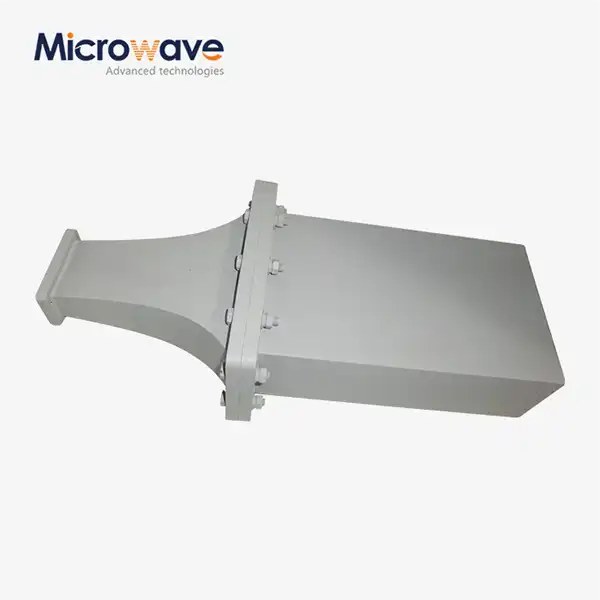 VIEW MOREDouble Ridge Waveguide Termination
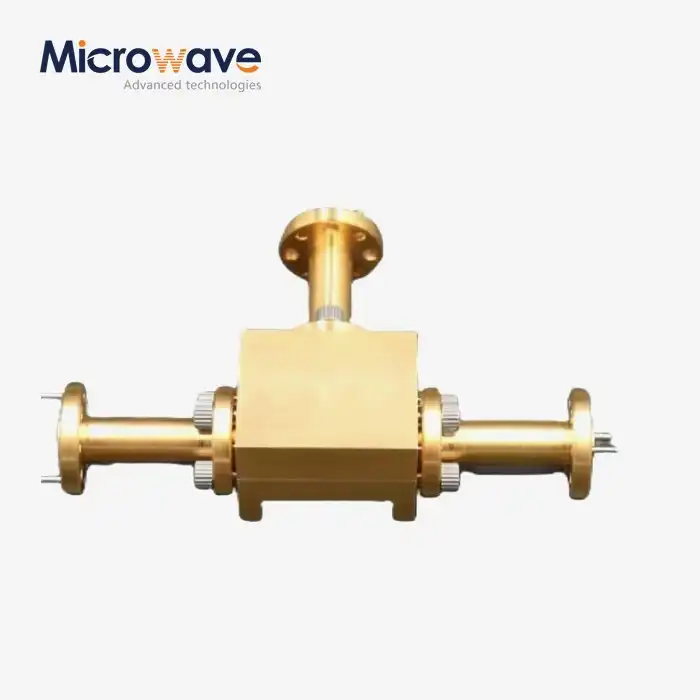 VIEW MOREWaveguide Power Divider
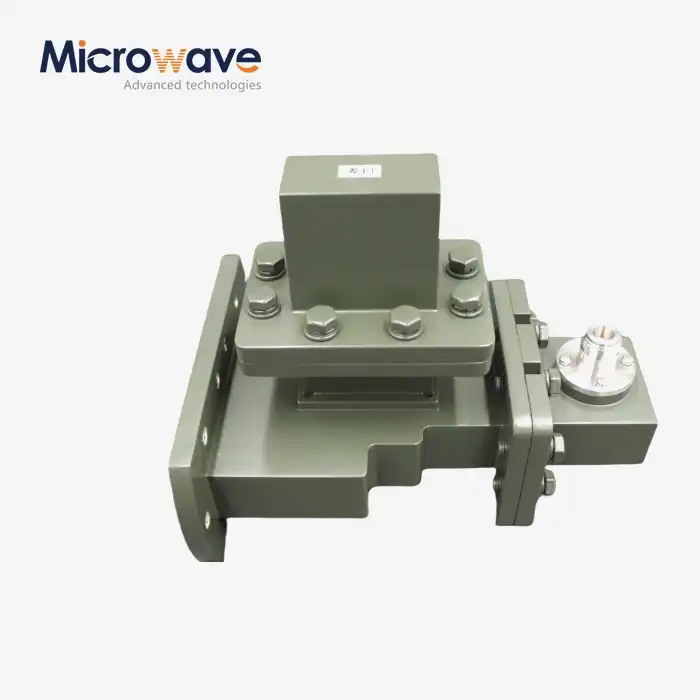 VIEW MOREE-Plane Tee
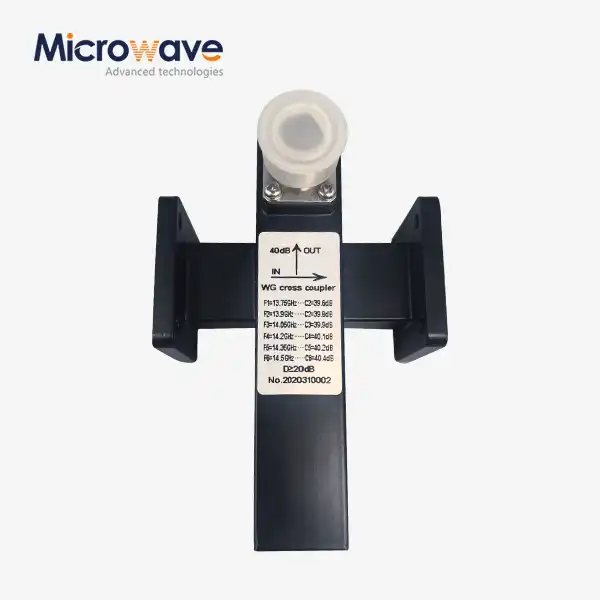 VIEW MORECrossguide Directional Coupler