




Twistable Waveguides: Design, Materials, and Applications
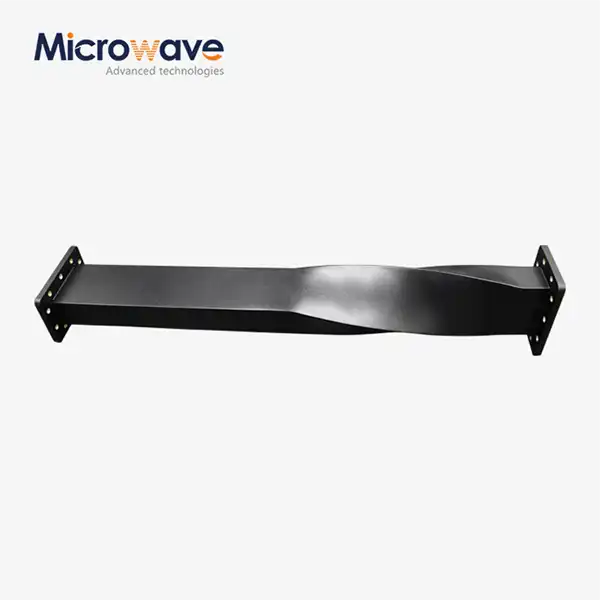
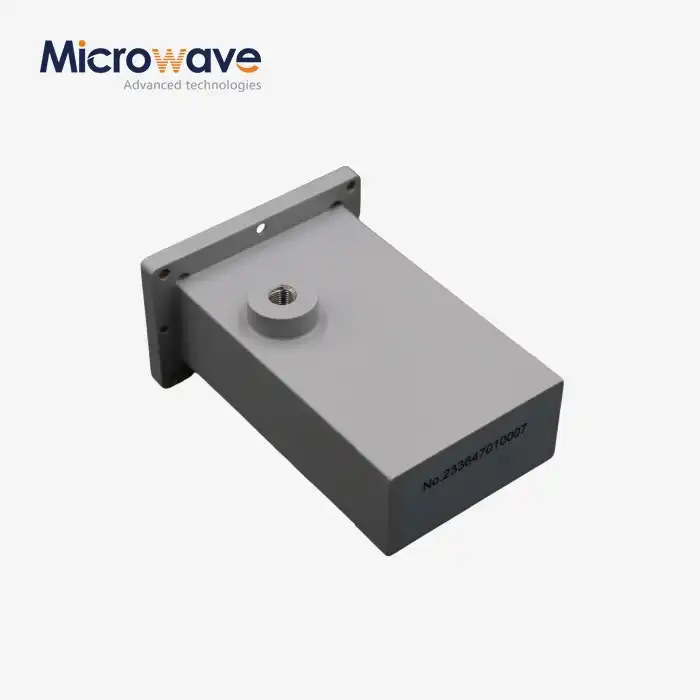
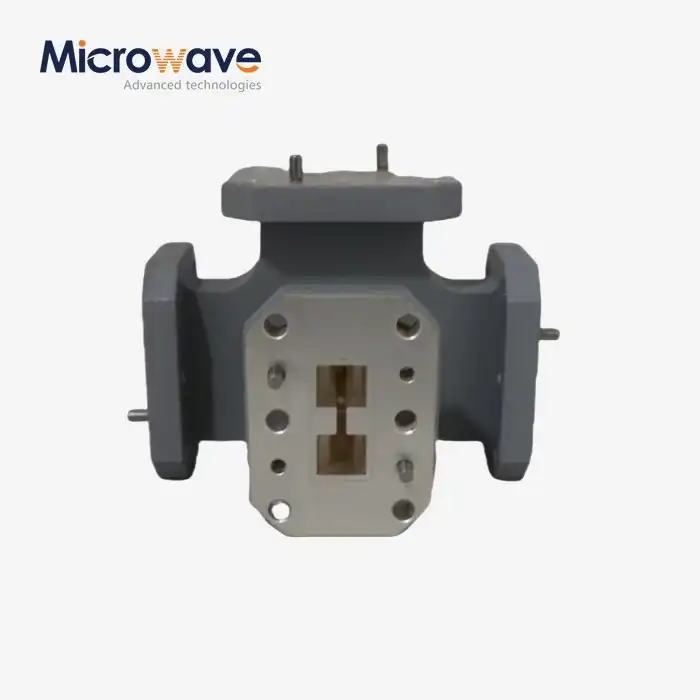
Twistable waveguides represent a specialized category of microwave transmission devices engineered to adjust electromagnetic wave polarization through precise mechanical structures. Unlike conventional rigid or standard flexible waveguides, these components allow controlled rotation of polarization angles—typically 90° or 180°—while maintaining exceptional signal integrity across frequencies spanning 2.2 GHz to 110 GHz. By enabling polarization adjustment without compromising transmission quality, twistable waveguides solve critical alignment challenges in radar, satellite ground stations, and high-frequency test systems where mismatched polarization would otherwise degrade performance or require costly system redesigns.
Understanding Twistable Waveguides: Design Principles and Electromagnetic Properties
At the heart of twistable waveguides technology is a deep understanding of how electromagnetic fields change shape when polarization rotates. As signals move through carefully polished internal pathways, these devices change the direction of electric and magnetic field components. There are gradient transitions inside the waveguide that make this possible. These create a controlled twist that moves the wave's polarization plane along the signal path.
Core Operating Principles
For the basic process to work, the impedance matching has to stay the same throughout the rotation part. The internal shape is planned by engineers to avoid reflections that would cause the voltage standing wave ratio (VSWR) to rise. VSWR usually stays below 1.15 across working bandwidths. This careful impedance control makes sure that the input and output ports have very little signal reflection.
Frequency Range and Signal Integrity
Modern waveguide twist systems can handle a wide range of frequencies. We can make parts for applications in the L-band to the W-band, and our precision-engineered models cover frequencies from 2.2 GHz to 110 GHz. The contactless spinning mechanism, which is made possible by gradient waveguide wall shapes instead of mechanical bearings, gets rid of the performance loss caused by wear that happens with other designs.
Insertion loss is a very important speed factor. Advanced five-axis CNC machining makes it possible to achieve surface finishes and size accuracy that keep signal loss very low, usually less than 0.1 dB. This level of efficiency is very important in cascaded systems where losses build up in many parts.
Power Handling Characteristics
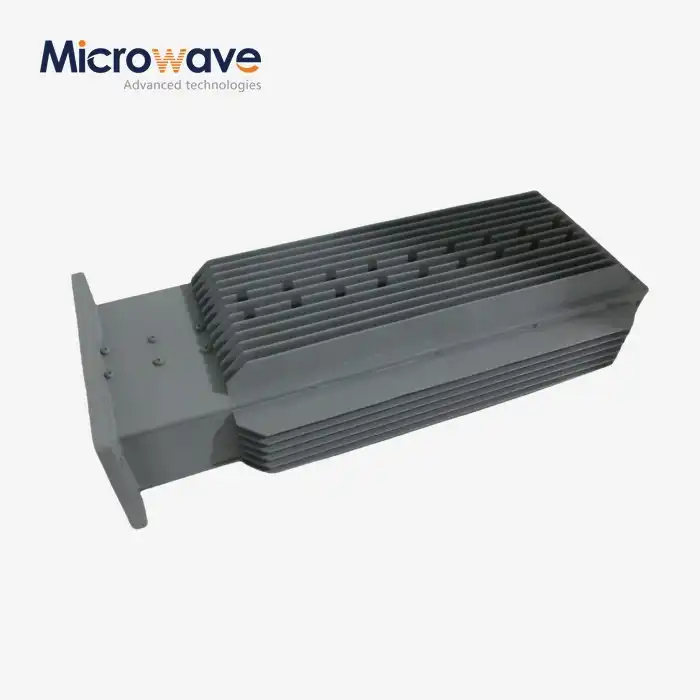
When using a lot of power, thermal management is very important. Waveguide twists made for radar emitters or industrial heating systems need to be able to get rid of heat well while staying stable in terms of size. High-quality materials and thermal compensation structures—for models with 1 kW to 50 kW continuous wave power, these include built-in heat dissipation fins—keep performance from dropping over time. The two-layer electromagnetic protection structure cuts down on both outside interference and signal leaks inside the structure. This is especially useful in defense applications where electromagnetic compatibility is a must.
Materials and Manufacturing Considerations for Twistable Waveguides
Material choice has a direct effect on both how well something works electrically and how long it lasts mechanically. Whether you choose aluminum, copper, silver-plated brass, or specialized alloys depends on the needs of the application, such as the amount of weight that needs to be kept down, how resistant it needs to be to corrosion, and how harsh the operating environment is.
Primary Material Options and Their Properties
Because it is strong for its weight, aluminum is often used in aircraft applications where weight is important. Its natural oxide layer makes it resistant to rust, but it is still less conductive than copper options. Copper is a better conductor of electricity than other materials, so it lowers insertion loss in frequency-critical applications. Silver finishing protects against oxidation and improves surface transmission even more. Stainless steel versions are used in specific places that need the highest level of corrosion resistance. They have a little more insertion loss, but they last longer in chemically rich environments like those in the maritime industry.
Advanced Manufacturing Techniques
The best efficiency comes from precise cutting. Five-axis CNC milling tools make the intricate internal gradient profiles with accuracy down to the micron level. This makes sure that the changes are smooth, which reduces mode conversion and unwanted resonances. The contactless design philosophy, in which polarization rotation happens through geometric shaping instead of rotating joints, gets rid of mechanical failure points and makes most installations last longer than 100,000 hours.
Surface finish quality is directly related to how well it works at high frequencies. Small surface flaws that would normally spread messages at millimeter-wave frequencies are taken care of by electropolishing and special coating methods. RoHS-compliant lead-free soldering and environmentally friendly manufacturing methods are in line with international rules, which is something that procurement teams managing global supply chains need to think about more and more.
Quality Assurance and Customization
Each unit's success is confirmed by strict testing methods. A vector network tester checks the VSWR and insertion loss over the whole operating bandwidth. Environmental screening, which can include temperature cycling from -40°C to +85°C, vibration testing, and sometimes exposure to salt fog, makes sure that the product will work in the field. For OEM partnerships, we offer parameter tuning that lets you change the frequency band, non-standard interface development, and material improvements like titanium alloy or ceramic coatings for harsh settings.
Applications and Advantages of Twistable Waveguides in RF Systems
Twistable waveguides are essential in many high-stakes businesses because they can be used in a lot of different ways. They have a special ability to fix polarization mismatches, which has real operational benefits.
Radar System Integration
To steer the beam and tell the difference between targets, phased array radar systems need precise polarization control. Waveguide twists allow polarization diversity methods, which send and receive signals on different polarizations at the same time. This makes it easier to find targets in settings with a lot of background noise. The improved accuracy of airplane tracking helps air traffic control radars work better even when the weather is bad and rain or snow might block back signals.
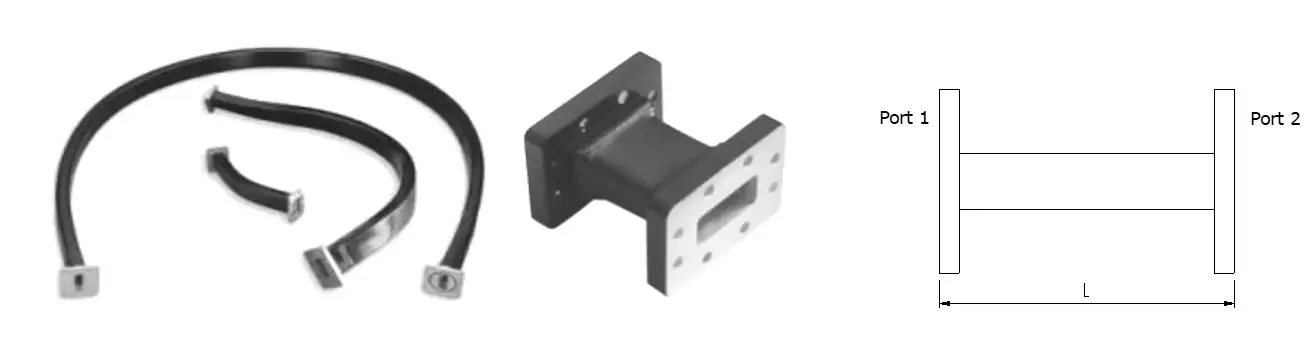

Satellite Communication Infrastructure
Antenna systems at ground stations always have trouble staying aligned. Satellite payloads send signals that must be received by equipment that can handle their specific polarization orientations. Instead of manually turning whole antenna assemblies, which is hard to maintain and requires a lot of work, adding polarization twist sections lets you install static antennas that work with different satellite polarization schemes. This flexibility makes installation easier and lowers the cost of long-term maintenance.
Industrial and Medical Applications
When wave polarization matches the properties of the material, microwave heating systems work best at transferring energy. Industrial processing equipment uses waveguide twists to change the direction of the electromagnetic field on the fly. This makes it easier for materials being heated or dried to absorb the electromagnetic field. Medical MRI systems also benefit from polarization control, which makes the electromagnetic field more precisely oriented, improving the quality of images and the efficiency of microwave-based therapy.
Test and Measurement Environments
Calibration labs and research centers need measurements to be 100% accurate. Engineers can check how well a device works in all polarization states by putting waveguide twist components into test benches instead of moving the equipment around. This feature speeds up testing and makes measurements more accurate, which directly cuts down on R&D times for companies making next-generation radio components.
Another problem that keeps coming up is that current designs have small footprints. Equipment racks and antenna feed networks that are limited in space can change how they route traffic without losing performance. Because they are lightweight, especially when made of aluminum, mounting assemblies don't have to carry as much weight, which is helpful for aerospace and mobile radar platforms that need to be light.
How to Choose the Right Twistable Waveguide: Comparison and Procurement Guide
To choose the right parts, you have to balance scientific requirements with limits that are specific to the application. Teams in charge of buying things should carefully look at a number of important factors.
Technical Specification Priorities
Selection factors are based on how well they work with the frequency range. Make sure that the component's working range covers the whole frequency plan of your system, including any guard bands. Insertion loss budgets add up across the architecture of the system; figure out the total cascade losses to make sure the link margin stays high. The power number must be higher than the highest values of continuous and peak power, with the right amount of derating for thermal concerns.
Equal attention should be paid to mechanical specs. Check that the flange works with the current waveguide standards. Standard rectangular waveguide interfaces make integration easier, but you can still get a custom interface made if you have specific needs. The operating temperature range should be wider than the extremes of the surroundings, with some room for unusual situations.
Supplier Capability Assessment
Precision in manufacturing is what sets good suppliers apart from great partners. Companies that use five-axis CNC cutting and keep their measuring tools set to 110 GHz show that they care about quality. RoHS compliance makes sure that regulations are followed for international deployments, and ISO 9001 certification shows that quality management is organized.
It's important for OEM integrations that customization options for twistable waveguides are flexible. Can the provider change the polarization angles other than the usual 90° and 180°? Will they create non-standard interfaces or use laser engraving to add your logo? Help with electromagnetic simulations and installation instructions set transactional vendors apart from strategic partners who care about the success of your project.
Procurement Logistics Considerations
Lead times have an effect on job plans. Established companies with strong supply chain systems can usually offer faster development and reasonable production times. Volume pricing should encourage bigger orders without punishing small buys that are just a test run. Warranty terms show how confident the maker is in the product. For example, parts that are said to last 100,000 hours or more should come with warranties that match that claim.
The quality of the documentation helps with maintenance and integration. Full datasheets, test reports, and handling instructions cut down on the time engineers need to spend on rollout. Certifications for traceable materials and manufacturing records are now required for defense and aerospace applications.
Installation, Maintenance, and Future Trends of Twistable Waveguides
Using the right deployment methods will extend the life of components and make the system more reliable. Knowing the best ways to install something stops typical failure types before they happen.
Installation Best Practices
Accurate flange alignment stops mechanical stress that could change the shapes inside. When tightening mounting hardware, use torque wrenches that are set to the manufacturer's specs. Over-torquing bends flanges, and under-torquing leaves gaps that let signals pass through. If you use gaskets that are rated for your frequency range, the environment will be sealed without any changes in impedance.
Route waveguide systems so that they don't put too much stress on the parts. Even tho these parts can handle polarization rotation, they shouldn't be used to fix major alignment problems that cause lateral stress. Using the right support pieces at the intervals suggested by the maker will keep the structure from sagging, which could change the internal shapes over time.
Maintenance Protocols and Troubleshooting
Regular inspections find wear and tear before they lead to failures. A visual inspection of the flanges shows that they are corroded or have mechanical damage. Checking the performance with VSWR measurements shows problems as they start to appear; spikes in VSWR often mean that there is internal contamination or moisture entry before the whole thing fails.
As part of preventive maintenance, the gasket's integrity must be checked and the fastening hardware's torque must be checked once a year or as directed by the maker. More frequent inspections are better for systems that work in harsh environments, like coastal installations that are exposed to salt spray or industrial settings where chemicals are present.
Emerging Technology Directions
New developments in material science point to even better performance. Using additive manufacturing may make it possible to make parts with complex internal geometries that aren't possible with traditional machining. This could lower insertion loss and increase bandwidth. Nanomaterial coatings could improve both conductivity and protection from corrosion at the same time.
Smaller form factors are needed for 5G millimeter-wave systems and future 6G studies, which is driving the trend toward miniaturization. Using computerized electromagnetic modeling in design methods shortens the time it takes to optimize, which means that new setups can be sold more quickly. New developments in thermal management, such as improved heat pipe integration and phase-change materials, will make it easier to handle more power, which will help directed energy uses and the next generation of radar systems.
Conclusion
Twistable waveguides use elegant engineering to solve some of the most basic problems in modern microwave systems. Because they can change the polarization of electromagnetic waves with little data loss, they can be used in a wide range of architectures for satellite communications, radar, industrial processing, and precise measurement. Performance is determined by the choice of materials, the accuracy of manufacturing, and the optimization of design. These are the things that set mission-critical solutions apart from standard components.
With 20 years of practice making specific parts, Advanced Microwave Technologies Co., Ltd has made these parts better. Our RoHS-compliant materials and production methods that are ISO 9001 certified meet the high-quality standards that customers in defense, aerospace, and telecommunications demand. We are a strategic partner for companies that need reliable polarization control solutions because we offer precise five-axis CNC machining, thorough testing protocols, and customizations that are made to fit each application.
FAQ
1. What distinguishes twistable waveguides from standard flexible waveguides?
Standard bendable waveguides can bend, but they can't rotate the orientation. Twistable designs have designed internal geometries that change the electromagnetic field orientation in a regular way, usually by 90° or 180°, while keeping the impedance matching. This makes it possible to change the polarity, which isn't possible with regular twistable waveguide types.
2. Can these components operate in extreme environmental conditions?
For military-grade versions, approval tests include temperature cycles from -40°C to +85°C, vibration, and exposure to humidity. Choices of materials and protective coatings make things more durable. Stainless steel or aluminum that has been treated in a special way can be used in harsh industrial and marine settings that need the most corrosion protection.
3. How does customization work for OEM applications?
To make changes to parameters like frequency band tweaks, power rating optimization, and interface development, our engineering team works together. Custom polarization angles that go beyond standard choices, unique flange setups, and built-in branding can all be made to fit the needs of a particular program. Support for electromagnetic simulations verifies designs before making prototypes.
4. What quality control measures ensure reliable performance?
Vector network analysis is done on each unit to check the VSWR and insertion loss across the operational bandwidth. The limits for machining are confirmed by dimensional measurement. Environmental testing confirms that the temperature resistance is real. For aerospace and defense applications that need strong qualification evidence, documentation packages include test reports that can be tracked back to the source.
Partner with Trusted Twistable Waveguides Manufacturer ADM
Advanced Microwave Technologies Co., Ltd. has approved waveguide twist options that are made for tough situations where signal integrity can't be compromised. We have been making microwave parts for more than 20 years and serve users in the defense radar systems, satellite communications, and precision measurement markets. As a well-known provider of twistable waveguides, our 24-meter microwave lab has advanced measuring capabilities that go up to 110 GHz.
Our engineering team can help with electromagnetic simulations, make rapid prototypes, and produce large quantities for any project, whether it needs standard configurations or polarization solutions that are specially designed for it. Email craig@admicrowave.com for technical advice, examples, or quotes that are made to fit the needs of your system. We give complicated RF systems the quality, customization options, and expert support they need.
References
1. Marcuvitz, Nathan. Waveguide Handbook. Institution of Engineering and Technology, 1986.
2. Balanis, Constantine A. Advanced Engineering Electromagnetics. 2nd ed., Wiley, 2012.
3. Collin, Robert E. Foundations for Microwave Engineering. 2nd ed., Wiley-IEEE Press, 2001.
4. Pozar, David M. Microwave Engineering. 4th ed., Wiley, 2011.
5. Ramo, Simon, John R. Whinnery, and Theodore Van Duzer. Fields and Waves in Communication Electronics. 3rd ed., Wiley, 1994.
6. Saad, Theodore S. Microwave Engineers' Handbook. Artech House, 1971.