





Straight Waveguide Section for Microwave Applications Explained
A straight waveguide section is a metallic, hollow conduit—typically rectangular or circular—that transmits electromagnetic energy at microwave frequencies with minimal signal loss. Unlike coaxial cables that rely on inner conductors and dielectric insulators, straight waveguide sections guide electromagnetic waves through their hollow interior, where waves reflect off conductive walls and propagate in specific modes determined by geometry and frequency. This fundamental component enables efficient power transmission in radar systems, satellite ground stations, 5G base stations, and defence communication platforms, making it indispensable for applications demanding high reliability and precision.
What is a Straight Waveguide Section and How Does It Work?
Knowing how straight waveguide sections work helps buying teams find parts that meet technical requirements. At its core, a straight waveguide section guides electromagnetic waves by stopping them from moving outside of conductive areas. The cutoff frequency, or the lowest frequency needed for data transfer, determines how waves behave inside these structures. This frequency is controlled by the structures' internal dimensions.
Operating Principles of Waveguide Propagation
When electromagnetic energy enters a waveguide, it moves in certain modes. For rectangular waveguides, the most common mode is TE10. The cutoff frequency in this mode is the lowest, and it transmits data the most efficiently. Which frequencies can travel without too much loss is controlled by the internal measurements. When engineers are making satellite communication links or radar systems for spacecraft, they have to make sure that the waveguide dimensions are right for the operating frequencies. This is done to make sure that the systems can work with frequency bands like X-band (8-12 GHz) or Ka-band (26.5-40 GHz). Our factories use precise machining methods to keep measurement errors within microns. This makes sure that all of our production batches have the same electrical performance.
Material Selection and Its Impact on Performance
Material choice has a big effect on entry loss, power handling, and how long something will last in different environments. Copper waveguides are great for high-performance applications where signal integrity is very important because they are very good at conducting electricity and have very low resistive losses. Aluminium waveguides are lighter, which is something that defence contractors like about them for airborne radar systems and UAV communication modules. Brass variants are good for commercial telecom infrastructure because they balance cost and performance. Surface treatments, like silver or gold plating, stop oxidation and keep conductor losses to a minimum. Our production lines are ISO 9001:2015 approved, which means that you can track your materials and get strict quality checks at every stage of the manufacturing process.
Frequency Compatibility and Bandwidth Considerations
The frequency range that each waveguide part works in is set by its physical size. Choosing a waveguide with a cross-section that is too small for a certain frequency leads to evanescent mode propagation and severe attenuation. On the other hand, choosing a waveguide with dimensions that are too large lets unwanted higher-order modes enter and mess up the signal. The procurement engineers need to make sure that the waveguide's suggested operating band matches the needs of the system. Our expert team gives buyers full specification sheets that explain single-mode bandwidth. This makes sure that the parts they buy are optimised for the frequencies they want to use. Dimensional accuracy is still very important for getting the right electrical properties, whether you're supporting old L-band satellite ground stations or the next generation of millimetre-wave 5G networks.
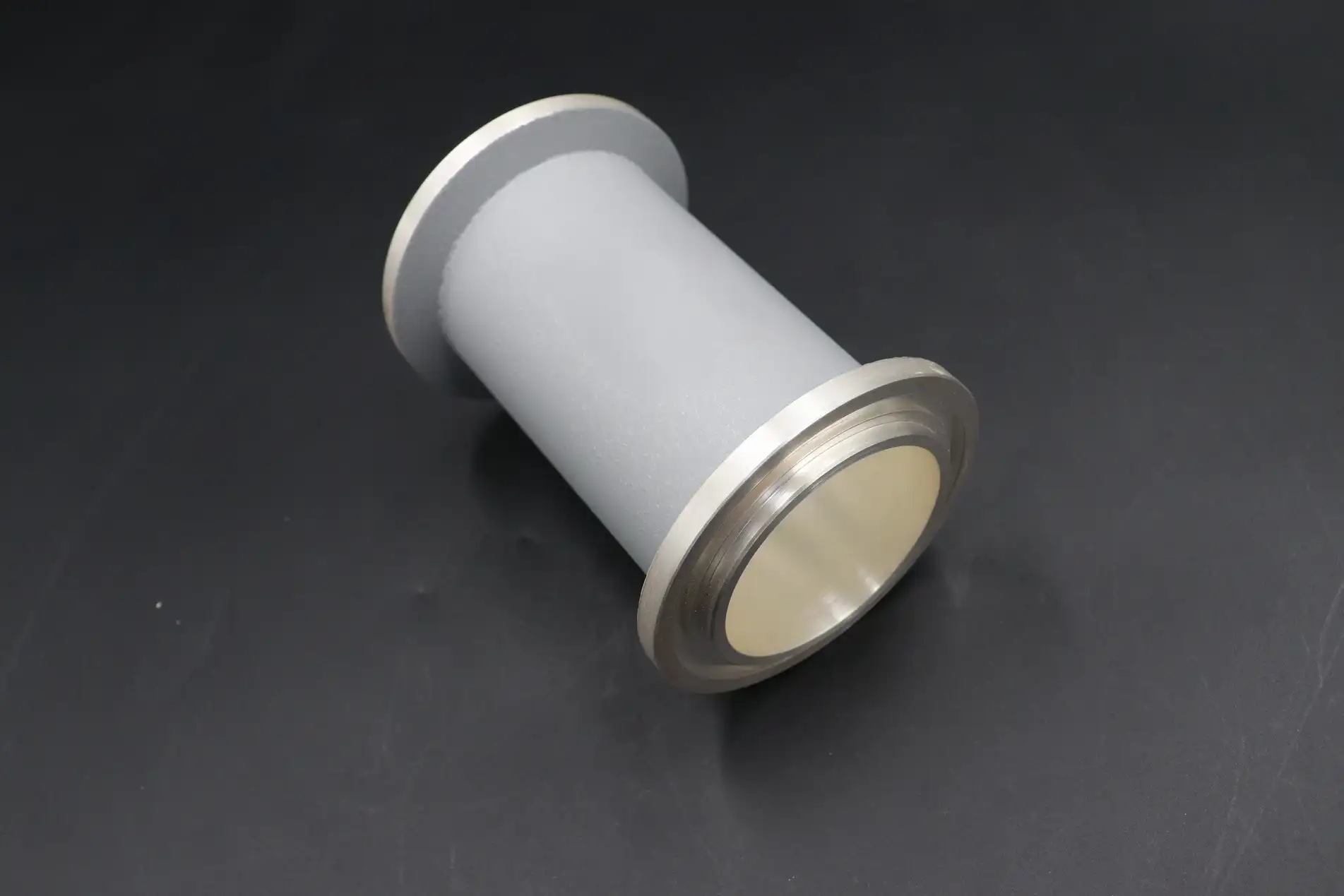
Key Advantages and Performance Characteristics of Straight Waveguide Sections
When it comes to high-power and high-frequency applications, straight waveguide sections are clearly better than other types of transmission lines. When procurement workers know about these benefits, they can make smart choices about how to balance cost, performance, and practical needs.
If you compare waveguides to coaxial cables, they can handle more power because they don't have a centre conductor that could break down due to heat. Waveguides can handle kilowatts of steady power without any degradation, which is useful for metre- and radar- and satellite-uplink boosters. When it comes to microwave frequencies, waveguides still have much lower signal loss than coaxial options, since dielectric losses rise with frequency. At X-band frequencies, our straight waveguide sections have insertion loss values that are usually less than 0.05 dB per metre. This means that the signal strength stays the same over long transmission lines that are common in ground station setups.
Waveguides can transmit multiple frequency bands at the same time because they have a wide bandwidth. This is something that telecom system designers use to make good use of the spectrum. Waveguides keep the impedance the same and reduce echoes, which makes signal transmission cleaner compared to coaxial systems that lose power due to capacitive and inductive losses along their length. Choosing the right material has a direct effect on these performance metrics. For example, copper waveguides are better at conducting electricity than aluminium, but they are heavier. On the other hand, aluminium variants have better strength-to-weight ratios for aerospace uses where every gramme counts. Our engineering team helps buyers weigh these pros and cons by giving them thorough loss estimates and thermal performance data to help them make specification choices.
Waveguides are also good because they can handle harsh conditions like changing temperatures, high or low humidity, and mechanical vibration. When defence contractors set up radar systems in coastal or desert areas, they need parts that can keep working even when salt spray or sand gets into them. Our manufacturing methods that are compliant with RoHS and protective surface finishes make sure that our products will last for a long time. This means that mission-critical systems will need less maintenance and cost less over their lifetime.
How to Choose the Right Straight Waveguide Section for Your Microwave Application?
To choose the right straight waveguide section, you have to carefully look at technical factors, the surroundings, and the limitations of the integration. This method for making decisions helps buying teams figure out how to choose the right RF components, which can be hard.
Frequency Range and Dimensional Standards
The main selection factor is matching waveguide dimensions to working frequency bands. Standard waveguide names, like WR-90 for X-band, WR-62 for Ku-band, and WR-28 for Ka-band, match certain internal measurements and frequency bands. Buyers should make sure that the waveguide's recommended working band covers the whole frequency range of their system with enough room to spare. When you try to operate near the cutoff frequency, phase distortion and higher attenuation happen, which hurts the performance of the system. Our catalogue lists both single-mode and multi-mode frequency ranges, which helps engineers choose parts that keep the signal's integrity across the whole working span.
Power Rating and Thermal Management
Power handling needs are very different depending on the purpose. Continuous-wave receivers at satellite ground stations need waveguides that can handle high peak power levels but low average power. Pulsed radar systems, on the other hand, can handle higher average power levels but lower peak power levels. Power levels are affected by the width and thermal conductivity of the material. Thicker walls help get rid of heat better, but they are heavier and cost more. Manufacturers should be asked to send procurement teams power derating models that show the highest safe working power over a range of frequencies and temperatures. Our technical documentation has a lot of thermal analysis data that helps people make smart choices for high-power uses where a broken part could ruin the mission.
Environmental and Mechanical Considerations
Other selection factors are set by the setting in which the system is installed. Waveguides that are attached to moving platforms like ships or aeroplanes have to deal with vibration and shock loads that need more mechanical strength. In wet places, pressurised waveguides keep the air inside the gearbox line at the same temperature and pressure. This keeps moisture from getting in and causing arcing or rusting. Coatings made especially to prevent saltwater corrosion are useful for marine uses because they increase the useful life of things in harsh offshore settings. Custom flange configurations, mounting brackets, and protective coatings that are made to fit specific environmental conditions are some of the things we can make, including straight waveguide section solutions designed for precise integration requirements. This lets us easily integrate our products into a wide range of system architectures.
By comparing straight waveguides to flexible and curved ones, you can see which ones are better in different situations. Straight parts have the lowest insertion loss and are the easiest to make, so they are best for long transmission lines with no obstacles. Flexible waveguides allow dynamic links between moving parts, but they also have higher loss and can't handle as much power. When designing curved waveguides, it's important to keep reflections to a minimum at the bends so that the system layout can be kept small. Procurement engineers should compare the routeing needs of the system to these features and choose the best mix of straight, curved, and flexible sections to get the best performance, cost, and installation ease.
Procurement Guide: Where and How to Source Quality Straight Waveguide Sections?
To find high-quality straight waveguide sections, you need to work with manufacturers who can show they have technical know-how, quality certifications, and quick customer service. Knowing the best ways to buy things lowers the risks in the supply chain and makes sure that parts will always be available.
Manufacturers with a good reputation keep their ISO 9001 certification, which shows that they follow quality management principles during the design, production, and delivery processes. RoHS compliance makes sure that limits on dangerous substances meet international environmental standards, which are being required more and more by defence and aircraft projects. Buyers should ask for a lot of quality proof, like material approvals, dimensional inspection records, and electrical test data that proves performance specs. Our high-tech measurement labs have instruments that can measure from DC to 110 GHz, so they can check all electrical parameters, such as return loss, insertion loss, and VSWR, across all operating frequencies.
Custom production skills set makers that can meet OEM needs apart from common sellers. Waveguides with non-standard flanges, special lengths, or built-in features like pressure screens or directional couplers are often needed for complex systems. Our engineering team works with customers from the first idea to the final product. They help with design, which shortens the time it takes to develop something. Rapid prototyping services can send out the first samples within days, which lets you test how the system works together and make sure you like the design before you commit to mass production.
Managing lead times and being clear about prices have a direct effect on how efficiently buying works. When compared to fully customised parts that need machine development, manufacturers who keep standard waveguide sizes in stock can deliver items more quickly. Volume pricing structures encourage buying in bulk, which system integrators can use to save money on costs for deployments that will last more than one year. Careful planning is needed for international shipping logistics, such as making sure packages are properly packed to avoid damage during travel and having the right paperwork ready for customs when sending across borders. Our global logistics network makes sure that deliveries happen on time, and tracking systems let you see what's happening at all times during the fulfilment process.
Warranty terms and help after the sale protect buyers against problems with the way the product was made and give them tools for fixing problems with integration. Long-term operational risks are lower when warranties cover both defects in the material and the work for longer periods of time after the initial installation. When problems happen, technical support teams filled by experienced RF engineers can help with installation, make suggestions for improving performance, and look into why something went wrong, including issues related to the integration of components such as a straight waveguide section. We care about the success of our customers more than just delivering parts. We also offer ongoing support that helps procurement teams get the most out of system uptime and performance.
Conclusion
Straight waveguide sections are still important parts of microwave transmission systems because they can handle a lot of power, lose very little signal, and work over a wide bandwidth. When purchasing these parts, people in charge of making sure the system works well must look at how well they work with other parts, how durable the materials are, how well they can handle harsh environments, and what the maker can do. Supply chain risks can be reduced and project timelines can be shortened by working with well-known makers who have full testing facilities, quality certifications, and quick expert support. As microwave uses continue to grow in research, defence, aerospace, and telecommunications, the need for carefully engineered waveguide components will rise. Buyers who build relationships with capable, quality-focused providers will benefit.
FAQ
1. What ranges of frequencies can straight waveguide sections work with?
Straight waveguide sections work in frequency ranges that depend on their internal dimensions. These range from L-band (1-2 GHz) to millimetre-wave bands above 110 GHz. Standard waveguide names like WR-90, WR-62, and WR-28 are assigned to specific frequency bands. Each size is best for single-mode transmission within its suggested range.
2. Can the size and material of the waveguide be changed?
Customisation choices include lengths that aren't standard, different types of flanges, different materials, and protective coatings that are made to fit the surroundings. OEM services meet the specific needs of each system and provide full engineering support from prototyping to mass production.
3. In what ways are straight waveguides different from coaxial cables?
Waveguides work better than coaxial lines in high-power, high-frequency situations because they can handle more power and lose less information. When it comes to freedom and small size, coaxial lines are great, but they lose more power at microwave frequencies. The best transmission line pick is based on the needs of the application.
Partner with ADM for Precision Straight Waveguide Section Manufacturing
Advanced Microwave Technologies Co., Ltd. (ADM) makes unique straight waveguide sections and has been making microwave parts for over 20 years. Our advanced measurement tools that can reach 110 GHz, ISO 9001:2015-certified production processes, and experienced engineering team make sure that the parts we make meet the strictest requirements for use in defence, aircraft, satellite communication, and telecommunications. We provide full OEM services, such as rapid prototyping, custom dimensional configurations, and special materials that are made to fit your system's needs.
Our professional team can help you from the beginning of the order process all the way through delivery, whether you need high-power X-band waveguides for radar systems, precise Ka-band sections for satellite ground stations, or ruggedised parts for harsh environments. Competitive prices, a range of choices, and dependable global transportation all help to make buying processes run smoothly. As a reliable provider of straight waveguide sections to customers all over the world, we combine high-quality production with quick, helpful customer service that goes beyond delivering parts.
Get in touch with craig@admicrowave.com right away to talk about your project needs, get detailed technical specs, or get a personalised quote. Find out how working with ADM can shorten the time it takes to develop products and make sure that the parts are reliable enough to meet mission-critical standards.
References
1. Pozar, David M. Microwave Engineering, 4th Edition. Wiley, 2011.
2. Collin, Robert E. Foundations for Microwave Engineering, 2nd Edition. IEEE Press, 2001.
3. Balanis, Constantine A. Advanced Engineering Electromagnetics, 2nd Edition. Wiley, 2012.
4. Saad, Theodore S. Microwave Engineers' Handbook, Volume 1. Artech House, 1971.
5. Harvey, A. F. Microwave Engineering. Academic Press, 1963.
6. Marcuvitz, Nathan. Waveguide Handbook. MIT Radiation Laboratory Series, McGraw-Hill, 1951.
YOU MAY LIKE
 VIEW MOREWater-cooled Twist Waveguide
 VIEW MOREMicrowave Fixed Attenuator
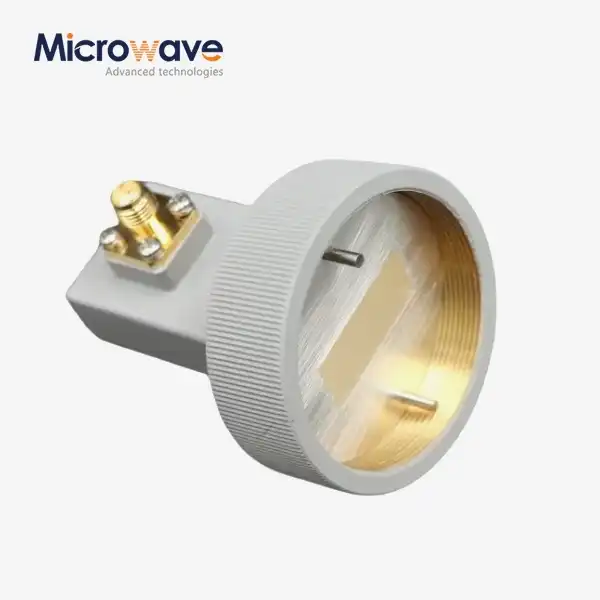 VIEW MOREWG Adapter
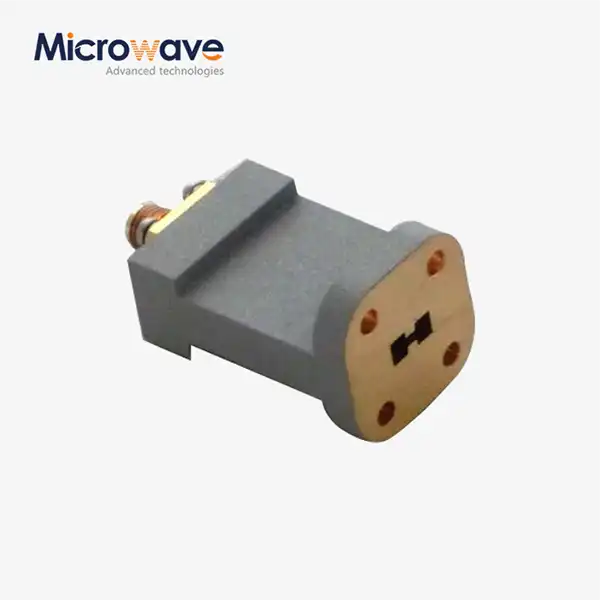 VIEW MOREEnd Launch Double Ridged WG To Coaxial Adapter
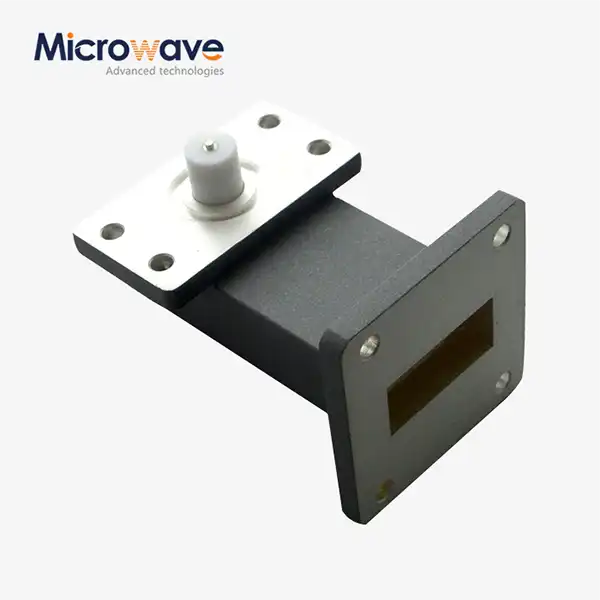 VIEW MORERight Angle Waveguide to Microstrip Adapter
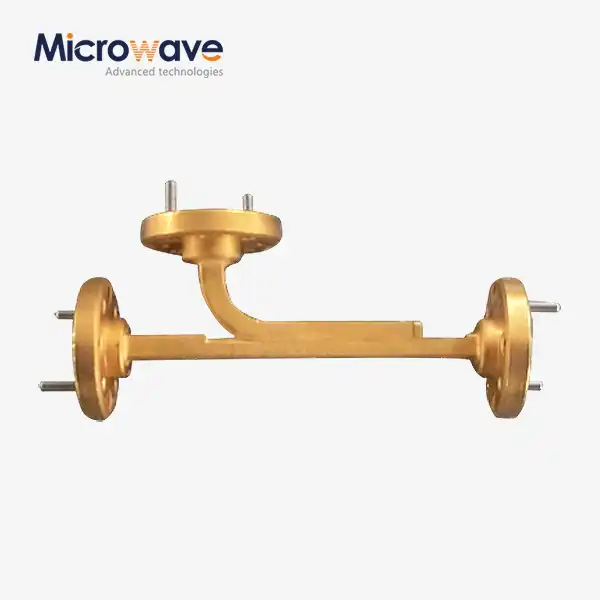 VIEW MOREBroadwall Directional Coupler
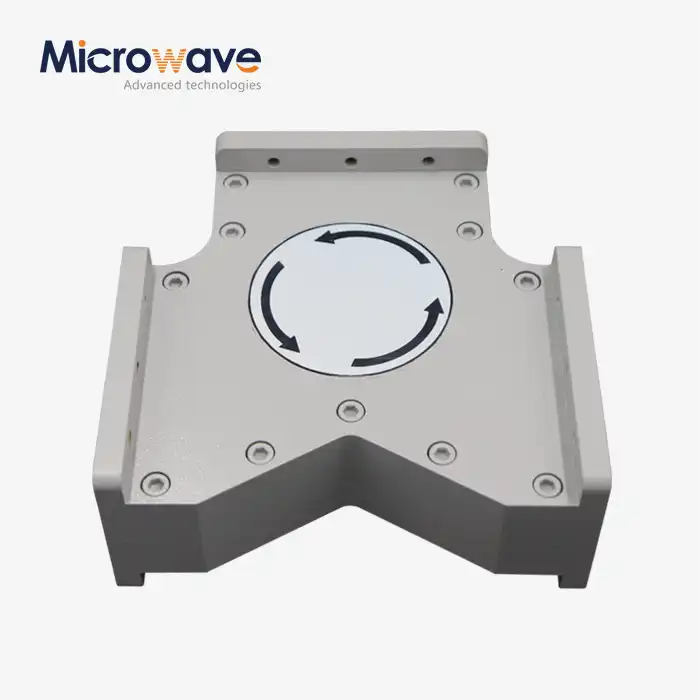 VIEW MOREHigh Power Waveguide Circulator
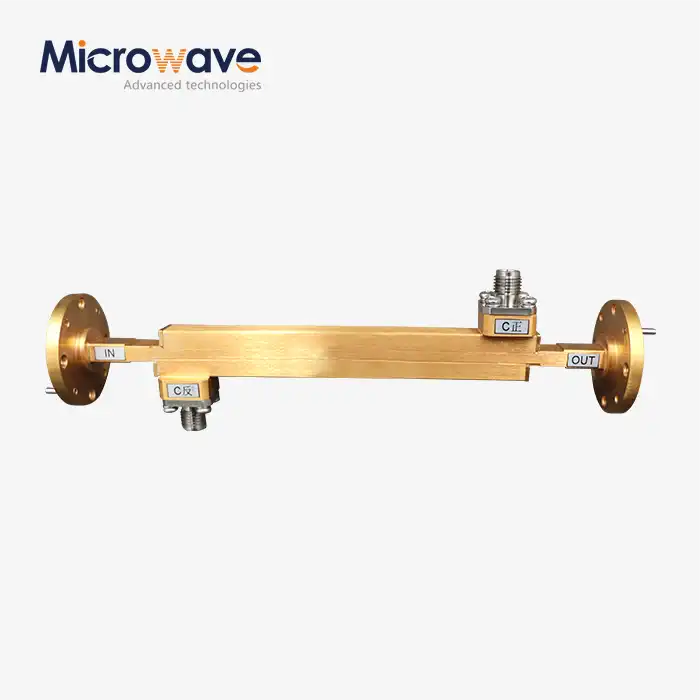 VIEW MOREDouble-Ridged Waveguide Broadwall Directional Coupler